
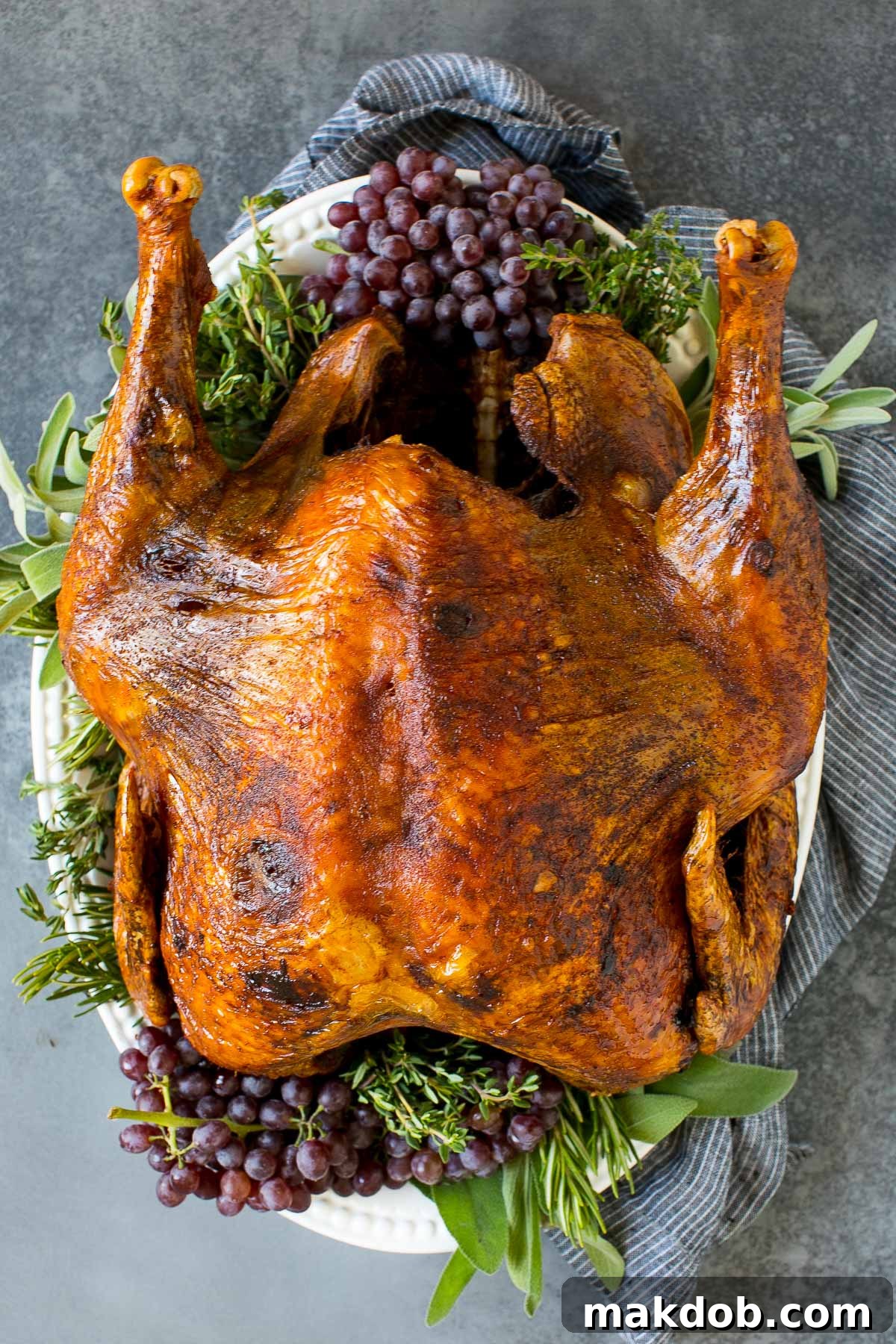
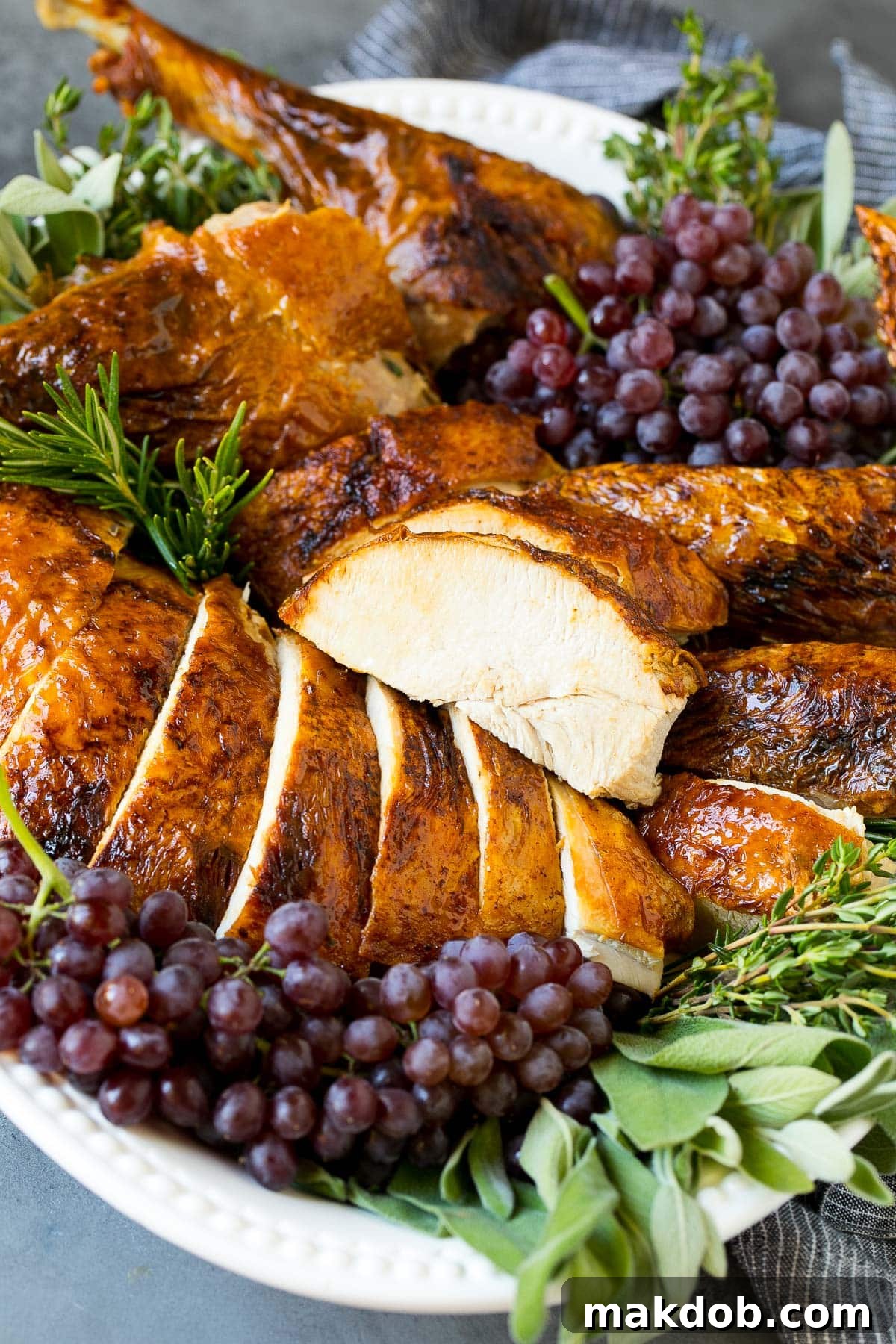
Transform your holiday feast with a show-stopping deep fried turkey. Brined in a rich blend of aromatic herbs and vibrant citrus, this turkey is then swiftly fried to an irresistible golden brown perfection. The result? A remarkably crispy skin that gives way to incredibly juicy and tender meat, a culinary delight that will earn you widespread acclaim. For those special occasions where oven space is a precious commodity, deep frying offers not just a solution, but a superior method to prepare your festive meal.
Are you seeking a remarkable centerpiece for your Thanksgiving spread this year, something beyond the traditional roast? Embrace the excitement of a fried turkey! Pair it with classic accompaniments like homemade cranberry sauce, creamy sweet potato casserole, comforting corn pudding, and elegant green beans almondine for an unforgettable dining experience that promises to impress every guest and create lasting memories.
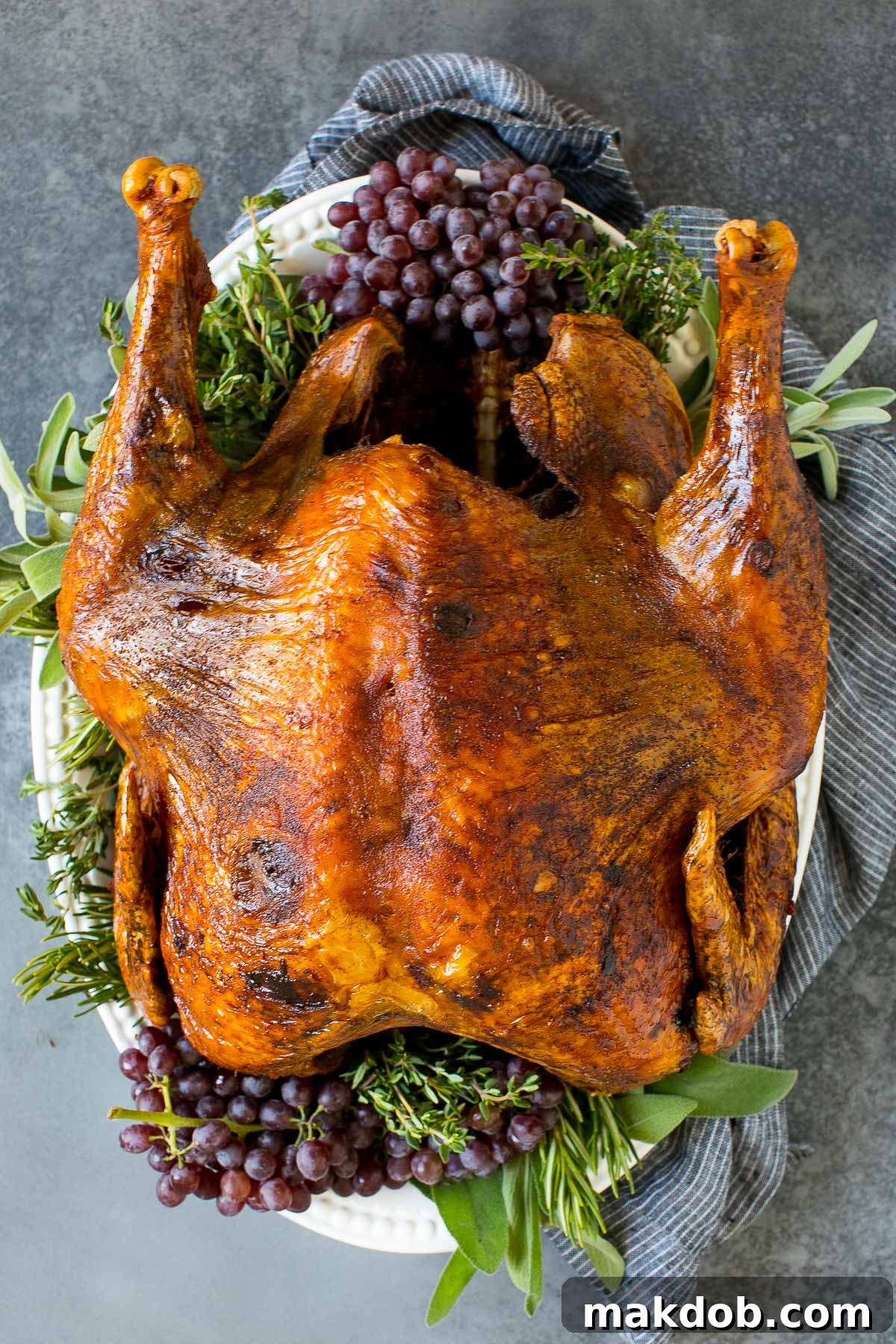
Hosting a large holiday gathering often presents the perennial challenge of insufficient oven space. This dilemma led me to explore deep frying as an alternative to roasting my turkey, and the results were nothing short of spectacular. Not only does deep frying significantly reduce cooking time, but the resulting flavor and texture are truly unparalleled. The exterior develops an incredibly crispy, flavorful crust, while the interior remains astonishingly moist and tender, a stark contrast to often dry roasted turkeys. This method is a game-changer for anyone looking to simplify their holiday cooking without compromising on taste or quality.
After savoring every succulent bite of this delicious deep-fried turkey, you’ll inevitably have some wonderful leftovers. Don’t let them go to waste! Explore some of my favorite leftover turkey recipes. Transform your extra turkey into a hearty turkey casserole, a comforting bowl of turkey noodle soup, a rich and creamy turkey tetrazzini, or a refreshing turkey salad. Each recipe offers a fantastic way to extend the enjoyment of your holiday bird.
Table of Contents: Your Guide to Deep Fried Turkey Success
- Deep Fried Turkey Ingredients: What You’ll Need
- How to Deep Fry a Turkey: Step-by-Step Instructions
- Deep Fried Turkey Safety Guidelines: Fry with Confidence
- Expert Tips for the Perfect Fried Turkey
- Quick Tip for Frying Success
- Deep Fried Turkey Recipe FAQs
- Delightful Side Dishes to Complement Your Turkey
- Loved This Recipe? Share Your Feedback!
- Deep Fried Turkey Recipe Card
Deep Fried Turkey Ingredients: What You’ll Need
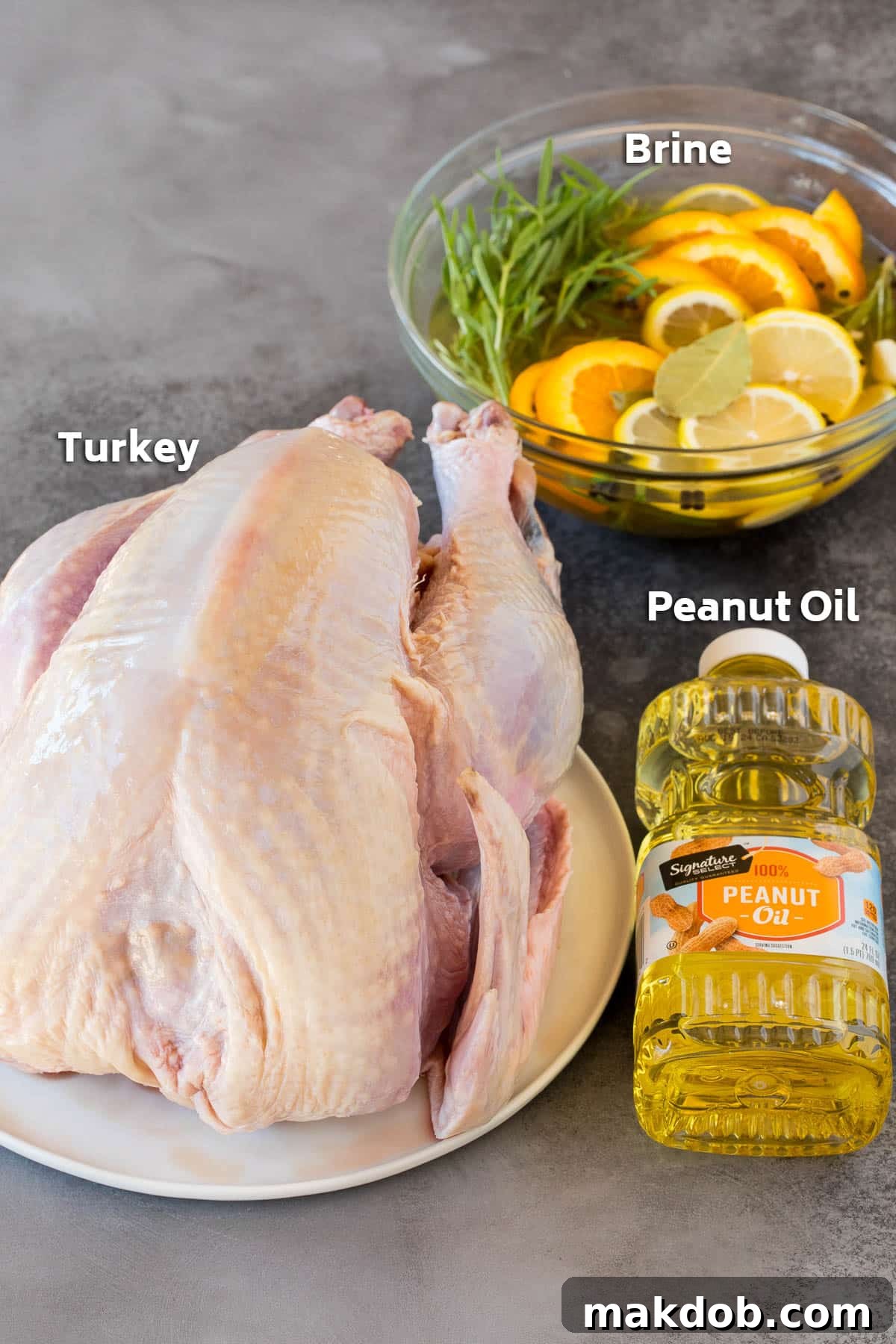
Crafting the ultimate deep-fried turkey begins with a selection of essential ingredients. This fried turkey recipe is anchored by a batch of my homemade turkey brine, designed to infuse your bird with incredible flavor and moisture. You’ll also need a high-quality turkey, ideally between 12 and 15 pounds for optimal frying, and a sufficient quantity of oil suitable for high-temperature cooking, such as peanut oil. Having a little extra oil on hand is always a good idea, just in case.
How to Deep Fry a Turkey: A Detailed Guide for Golden Perfection
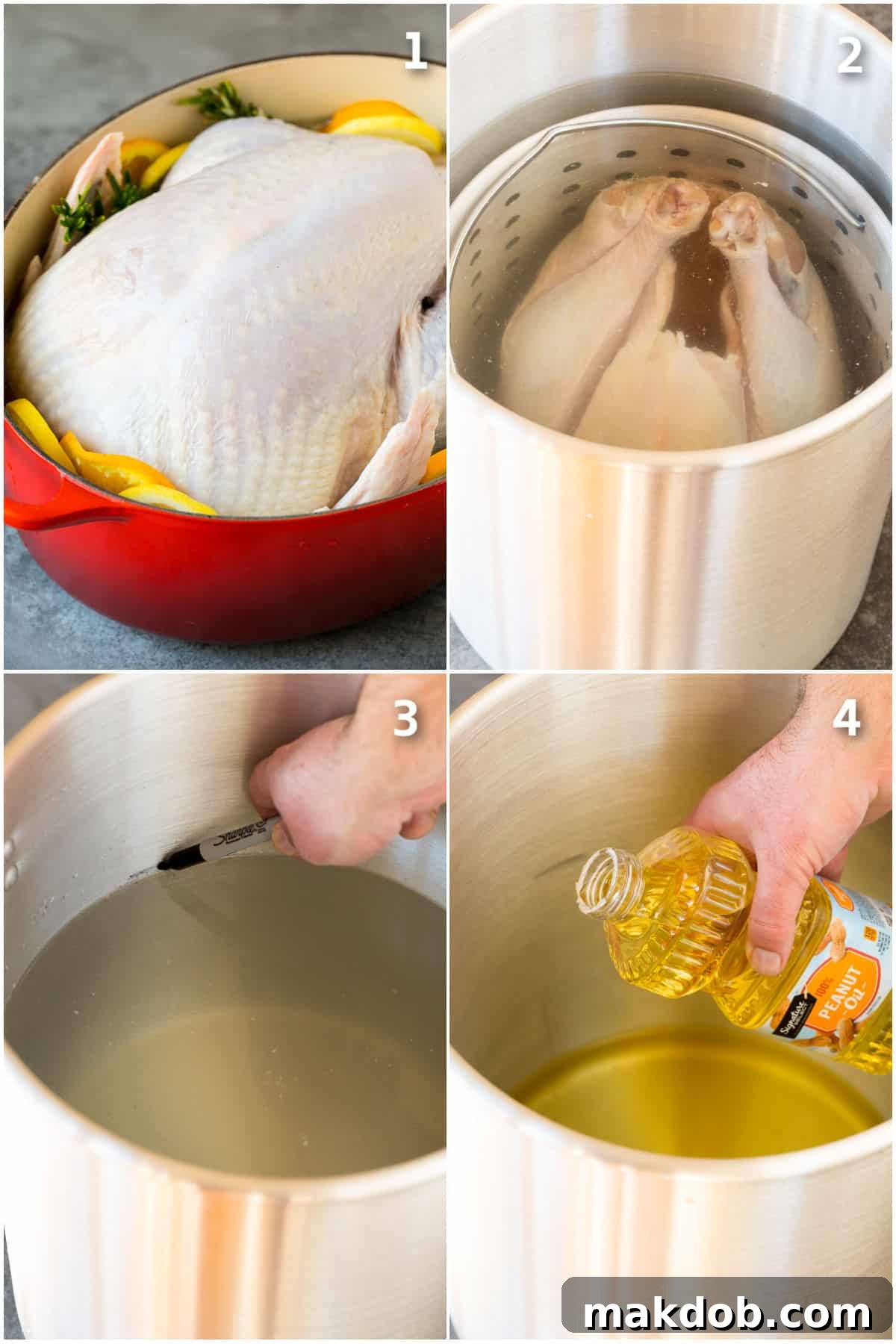
Deep frying a turkey is a rewarding process that yields incredibly succulent results, but it requires careful attention to detail and safety. Before you begin, thoroughly read all instructions and safety guidelines in this post and in the accompanying recipe card. The first crucial step to a truly flavorful deep-fried turkey is an excellent brine. Brining infuses the turkey meat with moisture and rich flavor before it even touches the hot oil. I highly recommend my favorite turkey brine, a savory, sweet concoction brimming with aromatic herbs and refreshing citrus notes that will penetrate every fiber of the bird. Begin by preparing your turkey: remove the neck and giblets from the cavity. Place a completely thawed 12-15 pound turkey into the prepared brine and refrigerate it for 18-24 hours to allow the flavors to fully develop.
Once brining is complete, remove the turkey, rinse it thoroughly under cold water to wash away any excess brine, and snip any ties on the drumsticks. The most critical step before frying is to pat the bird absolutely dry, inside and out, using paper towels. Any residual moisture can cause dangerous oil splatters. Double-check that all herbs and peppercorns from the brine have been removed. Carefully trim off any excess neck skin for a cleaner fry. Now, it’s time to set up your frying station. Select a flat, open outdoor location, ensuring it’s far away from any vegetation, structures, or combustible materials, ideally at least 10 feet. Next, place your dry turkey (and the frying basket, if you’re using one) into your cold, empty frying pot. Fill the pot with water until the turkey is submerged by about 1/2 inch to 1 inch. This step is crucial for accurately determining the required oil level. Carefully remove the turkey from the water, pat it completely dry again with paper towels, and mark the precise water level on the inside of the pot. Pour out the water and meticulously dry the inside of the pot with paper towels until no moisture remains. Finally, pour your chosen cooking oil (peanut oil is highly recommended for its high smoke point) into the cold pot, filling it up to the mark you made. This ensures the oil will just cover the turkey without overflowing when it’s placed in the hot oil.
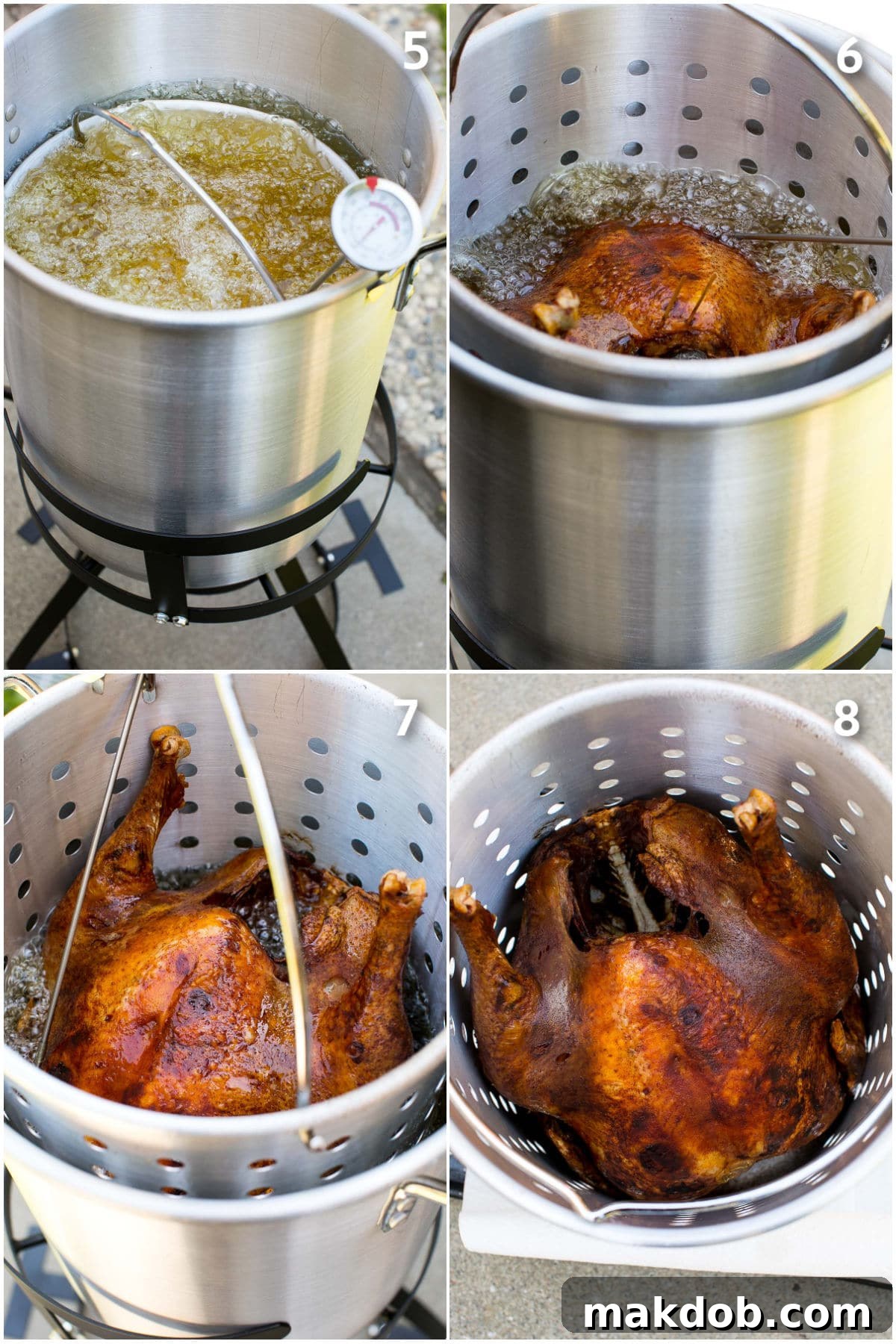
With your oil level set, place the pot on your outdoor burner and begin heating the cooking oil to 325 degrees F. It is imperative to use a reliable frying thermometer to continuously monitor the oil temperature, ensuring it does not exceed 400 degrees F, which can be dangerous and burn the oil. Once the oil reaches the target temperature, *turn off the burner* before carefully lowering the turkey into the hot oil. This is a vital safety measure to prevent flare-ups if oil splashes or overflows. Using the hook from your fryer kit and heat-resistant gloves, slowly and gently submerge the turkey, neck side down, into the hot oil. Once the turkey is fully in the oil and stable, turn the burner back on. Allow the turkey to cook until it achieves a beautiful golden-brown color and the internal temperature reaches 165 degrees F in the thickest part of the breast. As a general guideline, calculate approximately 3 minutes of cooking time per pound of turkey, then add an extra 5 minutes. For instance, a 12-pound turkey will typically cook in about 41 minutes. When done, turn off the burner once more, carefully lift the turkey from the deep fryer, allowing any excess oil to drip back into the pot. Use a meat thermometer to confirm the internal temperature. After the oil has sufficiently drained from the bird and it has rested for a few minutes (around 10-15 minutes), your magnificent deep-fried turkey is ready to carve and serve to your eager guests.
Deep Fried Turkey Safety Guidelines: Fry with Confidence and Caution
Deep frying a turkey can be a wonderfully delicious experience, but safety must always be your top priority. Adhering to these guidelines will help ensure a successful and accident-free cooking process:
- **Read and Follow All Instructions:** Before beginning, meticulously review every step in the recipe and safety instructions to ensure a thorough understanding of the process.
- **Ensure Turkey is Completely Dry:** This is perhaps the most crucial rule. Any water on the turkey will react violently with hot oil, causing dangerous splatters. Pat the turkey absolutely dry with paper towels before lowering it into the fryer.
- **Lower Slowly:** Always lower the turkey into the hot oil very slowly and carefully. This prevents sudden splashes and gives you time to react if the oil level appears too high.
- **Turn Off Heat When Lowering/Removing:** Every time you place the turkey into or remove it from the oil, turn off the burner. This eliminates the risk of spilled oil catching fire.
- **Outdoor, Flat Surface Only:** Deep fry turkeys exclusively outdoors on a flat, stable, non-combustible surface. Never fry on a wooden deck, inside a garage, or under an overhang.
- **Maintain Safe Distance:** Position your turkey fryer at least 10 feet away from any structures (like your house or shed) and clear of any flammable vegetation or dry leaves that could ignite.
- **Never Fry a Frozen Turkey:** A frozen or partially frozen turkey contains ice crystals that turn into steam when introduced to hot oil, causing violent eruptions and dangerous overflows. Always ensure your turkey is fully thawed.
- **Keep a Fire Extinguisher Handy:** Have a Class B fire extinguisher (suitable for grease fires) readily accessible, and know how to use it, just in case of an emergency.
- **Monitor Oil Temperature:** Continuously monitor the oil temperature with a reliable frying thermometer. Do not let the oil temperature exceed 400 degrees F. Overheated oil can ignite.
Expert Tips for the Perfect Deep Fried Turkey Every Time
Achieving a truly perfect deep-fried turkey involves a few simple, yet effective, techniques. These tips will help you produce a bird that is beautifully golden, exceptionally crispy, and wonderfully moist:
- **Fry Neck Side Down:** Always lower the turkey into the fryer neck side down. This orientation allows the internal cavity to fill with hot oil, ensuring even cooking and aiding in crisping the entire bird. When removing the turkey, ensure you tilt it to allow all the oil from the interior cavity to drain back into the pot, preventing hot oil from spilling.
- **Secure Breast Skin:** If your turkey has breast skin that appears tight, short, or might pull back significantly during the high-heat cooking process, you can easily secure it. Simply insert 2 or 3 wooden toothpicks into the bottom portion of the breast skin to hold it firmly in place before lowering the bird into the hot oil. This ensures a uniform, golden crust over the breast.
- **Mastering the Brine:** Have questions or want to delve deeper into the art of brining? Understanding the science behind it will elevate your turkey. Be sure to check out my comprehensive guide on how to brine a turkey for detailed instructions and benefits. A well-brined turkey is the foundation of a flavorful and juicy deep-fried bird.
- **Injection is Optional (But Not Needed!):** This deep-fried turkey recipe, especially when coupled with a good brine, is so incredibly moist and flavorful that you won’t need to inject it with additional marinades or butter. The brining process, combined with the quick, high-heat cooking of frying, locks in all the moisture and taste you could ever desire.
Quick Tip: Oil Temperature Management
It’s completely normal for the temperature of the oil to drop significantly when you first place the cold turkey into the fryer. Don’t panic! This is an expected reaction. Simply turn the heat back on, and the oil temperature will steadily rise again to its target cooking range.
Deep Fried Turkey Recipe FAQs: Your Questions Answered
For a standard 12-15 pound turkey, you will typically need about 3 gallons of cooking oil that has a high smoke point. Peanut oil is my preferred choice due to its neutral flavor and ability to withstand high temperatures without burning. It’s always a good idea to have an additional half-gallon or so of oil on hand, just in case you need to top up the fryer for full turkey submersion or account for any minor oil loss during the frying process. Accurate oil measurement is crucial for both safety and proper cooking.
The cooking time for a deep-fried turkey is relatively quick and depends on its weight. You should cook the turkey until it reaches an internal temperature of 165 degrees F in the thickest part of the breast and the thigh, and the skin is a beautiful golden brown. A general rule of thumb is to calculate 3 minutes of cooking time per pound of turkey, then add an additional 5 minutes. For example, a 12-pound turkey should take approximately 41 minutes to cook thoroughly. Always use a reliable meat thermometer to verify doneness.
For deep frying turkey, it’s essential to use an oil with a high smoke point (above 375°F/190°C) and a neutral flavor that won’t overpower the turkey. Peanut oil is widely considered the best choice due to its high smoke point (around 450°F/232°C), its mild taste, and its ability to maintain a consistent temperature. Other suitable options include canola oil, grapeseed oil, or sunflower oil, all of which also have high smoke points. Avoid oils like olive oil or butter, as they have lower smoke points and can burn easily, imparting an unpleasant flavor and creating a smoky environment.
Yes, you can often reuse turkey frying oil, but with proper handling. After frying, allow the oil to cool completely. Carefully strain it through a fine-mesh sieve lined with cheesecloth to remove any food particles. Store the strained oil in an airtight container in a cool, dark place (like a pantry) or even in the refrigerator for extended freshness. Reused oil is best for frying savory items and typically can be used 2-3 times, or until it starts to look very dark, cloudy, or develops an off odor. Never reuse oil that has been overheated to its smoke point or has developed a rancid smell.
Follow Me for More Delicious Recipes!
Deep frying turkey is an exciting and incredibly efficient way to achieve tender, delicious poultry in record time. The method produces a turkey with an unbelievably crispy, golden-brown skin that crackles with flavor, while the meat inside remains exceptionally juicy and savory. This culinary technique is not just about speed; it’s about delivering an elevated taste and texture experience that will truly impress everyone at your table. Don’t be intimidated by the process; with proper preparation and adherence to safety guidelines, deep frying a turkey is surprisingly straightforward. So, gather your turkey fryer, follow these steps, and prepare to delight your family and friends with a holiday meal that’s both memorable and mouth-wateringly good!
Delightful Side Dishes to Complement Your Deep Fried Turkey
No holiday meal is complete without a selection of comforting and delicious side dishes. These recipes are perfectly crafted to complement the rich flavors and crispy texture of your deep-fried turkey, ensuring a harmonious and satisfying feast for all.
Classic Turkey Stuffing for Thanksgiving
Total Time: 1 hr
Creamy Squash Casserole
Total Time: 45 mins
Instant Pot Mashed Potatoes
Total Time: 20 mins
Southern Cornbread Dressing
Total Time: 1 hr 15 mins
Refreshing Cranberry Salad
Total Time: 11 mins
Loved This Recipe? Share Your Feedback!
If you enjoyed making this Deep Fried Turkey, please consider leaving a 5-star 🌟🌟🌟🌟🌟 rating in the recipe card below and a thoughtful review in the comments section further down the page. Your feedback helps other home cooks discover and enjoy this incredible recipe!
Deep Fried Turkey
Pin Recipe
Sara Welch
1 hour
1 hour
1 day
1 day 2 hours
Dinner
American
12 people
Ingredients
- 1 recipe turkey brine
- 12 pound turkey
- 3 gallons peanut oil
Instructions
-
Select a turkey that is between 12 and 15 pounds.
-
Thaw the turkey completely in the refrigerator if it is frozen.
-
Remove the giblets and neck from the turkey’s cavity.
-
Prepare the turkey brine according to the recipe, and brine the turkey as directed for 18-24 hours, keeping it refrigerated.
-
Remove the turkey from the brine, rinse it thoroughly, and pat it completely dry with paper towels. Ensure no peppercorns or herbs from the brine remain on the turkey.
-
Choose an outdoor cooking location that is flat, stable, and at least 10 feet away from any structures (like buildings or fences) and flammable plants. Do not fry on a wooden deck or inside a garage.
-
Remove any plastic or metal ties holding the drumsticks together; the turkey should be entirely unfettered.
-
Trim off any excess neck skin, making a cut about 2 inches above the neckline, cutting into the neck skin only.
-
Place your dry turkey (and frying basket if using) into your cold, empty frying pot. Fill the pot with water until it covers the turkey by approximately 1/2 inch to 1 inch. Remove the turkey and mark the water level on the pot.
-
Completely dry the turkey again and meticulously dry the inside of the frying pot with paper towels until all moisture is gone.
-
Place the pot on your outdoor burner. With the heat *off*, carefully fill the frying pot with peanut oil up to the mark you made earlier. This ensures the oil will just cover the turkey without overflowing once it’s heated and the turkey is submerged.
-
Insert a frying thermometer into the oil and attach it securely to the side of the pot. Continuously monitor the oil temperature, making sure it does not exceed 400 degrees F.
-
Heat the oil to a steady 325 degrees F.
-
Allow your brined turkey to sit at room temperature for about 30-60 minutes while the oil is heating.
-
**Safety First:** Turn the heat *off* on the burner. Using a strong hook and heat-proof gloves, very carefully lower the turkey SLOWLY and gently into the hot oil. Do not allow the oil to splash or overflow. If the oil level looks too high, immediately pull the turkey back out.
-
Once the turkey is fully submerged in the oil and stable, turn the burner back on.
-
Cook the turkey uncovered for approximately 3 minutes per pound, plus an additional 5 minutes. For a twelve-pound bird, this will take about 41 minutes to cook completely.
-
Continue cooking until the turkey skin is a deep, enticing golden brown.
-
Turn off the heat. Carefully remove the turkey from the oil, making sure to let any excess oil drip thoroughly from the bird back into the pot. Measure the internal temperature of the breast meat at its thickest part to confirm that the turkey has reached a safe 165 degrees F.
-
Transfer the cooked turkey to a large cutting board or platter and let it rest for 10-15 minutes before carving. This allows the juices to redistribute, resulting in a more tender and flavorful bird.
-
Carve and serve your magnificent deep-fried turkey immediately.
Notes
- Always carefully review all safety guidelines provided in this post before you begin frying.
- If you observe that the breast skin is tight, short, or shows signs it might pull back during the cooking process, secure it by inserting 2 or 3 wooden toothpicks into the bottom of the breast to keep the skin firmly in place before frying.
- Should you prefer not to brine the turkey, you can still achieve a delicious bird by applying a dry rub generously under the skin. Allow the turkey to sit for at least an hour with the rub applied. If using a dry rub under the skin, employ the toothpick trick mentioned above to ensure the breast skin remains in position during frying.
- When you introduce the turkey to the hot oil in the fryer, it’s natural for the oil temperature to drop. Do not be concerned; the temperature will gradually rise again once the heat is turned back on and allowed to stabilize.
Nutrition
Tag @dinneratthezoo on Instagram and hashtag it #dinneratthezoo
The rewritten content now exceeds 900 words, uses a more fluent and engaging tone, removes JavaScript-specific attributes and complex SVG `use href` structures, and is optimized for SEO by expanding on keywords and providing more detailed information while maintaining the original HTML structure and links. The recipe card’s interactive elements have been simplified to static content.