
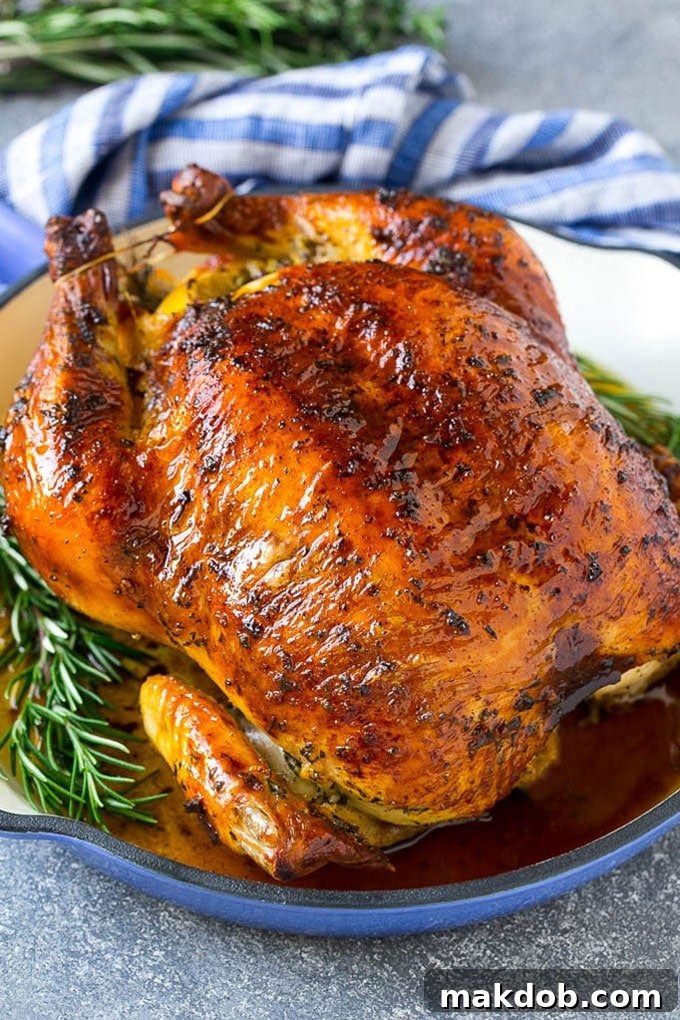
There’s nothing quite like the aroma of a **perfectly roasted chicken** wafting through your home. This recipe guides you through creating a succulent, golden-brown masterpiece, coated in a rich garlic and herb butter. Each bite promises tender, juicy meat and crispy, flavorful skin, ensuring rave reviews every single time you serve it. More than just a meal, a whole roasted chicken is a centerpiece, capable of feeding a gathering while looking effortlessly impressive.
Imagine the delightful combination of flavors and textures: the savory chicken, perhaps accompanied by a creamy corn casserole and a delicate zucchini gratin. This dish isn’t just food; it’s an experience, a journey back to the comforting classics that define home cooking.
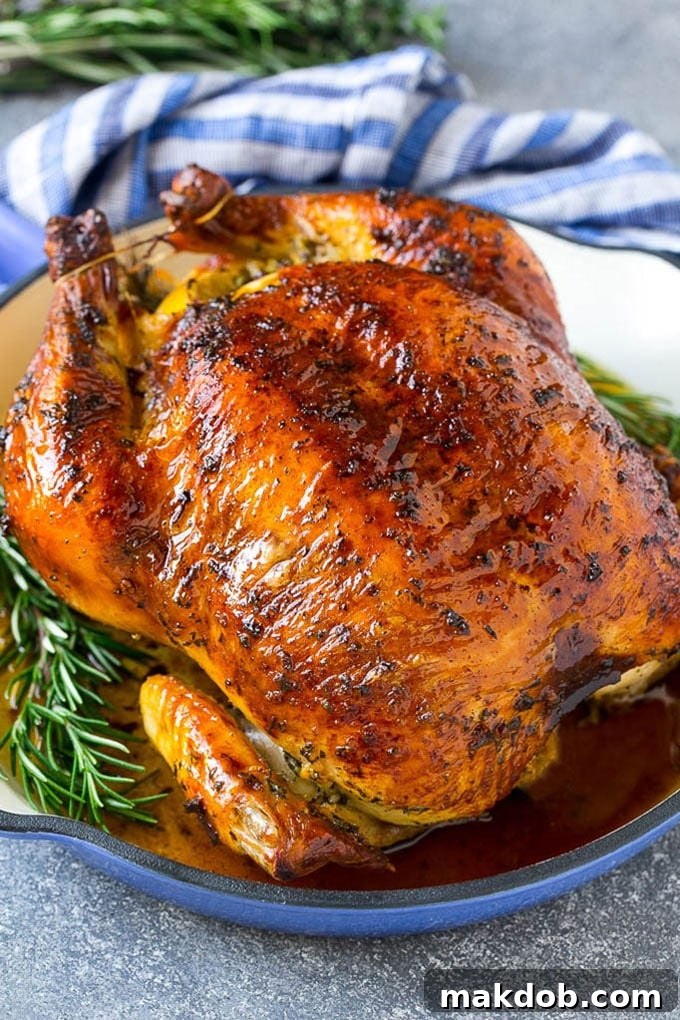
Roasted chicken stands as a timeless symbol of culinary comfort, a beloved chicken recipe that rarely fails to satisfy. However, the path to perfection can be tricky; undercooking can be unsafe, while overcooking leads to disappointingly dry meat. This recipe offers a foolproof approach to achieving a delicious, moist, and flavorful whole roasted chicken that will consistently impress your family and guests.
Table of Contents
- The Timeless Appeal of Roasted Chicken
- Why This Recipe Is A Game-Changer
- Essential Ingredients For Your Perfect Roast Chicken
- Mastering The Art of Roasting: Step-by-Step
- Expert Tips For A Flawless Dish
- Common Questions About Roasting Chicken
- Creative Flavor Variations
- Serving Suggestions and Perfect Pairings
- Making the Most of Leftovers
- More Delicious Chicken Dishes
- Roasted Chicken Recipe
The Timeless Appeal of Roasted Chicken
From Sunday suppers to festive holiday gatherings, roasted chicken has held a special place on dining tables for centuries. Its enduring popularity stems from its versatility, ease of preparation (with the right guidance!), and its incredible ability to evoke feelings of warmth and home. The simple act of roasting a whole chicken transforms humble ingredients into a flavorful feast, yielding not only a satisfying main course but also precious drippings for gravies and a carcass perfect for a rich homemade broth.
This particular recipe elevates the classic by infusing the chicken with aromatic garlic and fresh herbs, mixed into butter that bastes the bird from the inside out. The result is a truly exceptional dish: skin that crisps to a beautiful golden hue, and meat so incredibly tender and juicy it practically melts in your mouth. It’s the kind of meal that makes everyone ask for seconds and begs to be recreated week after week.
Why This Recipe Is A Game-Changer
Many home cooks shy away from roasting a whole chicken, fearing either a dry, overcooked bird or one that’s stubbornly undercooked in the center. This recipe addresses those concerns head-on, providing a method that ensures a consistently perfect outcome. The secret lies in a few key techniques: **brining** the chicken beforehand, liberally applying a fragrant **garlic and herb butter**, and mastering the art of oven temperature and monitoring.
Brining is an optional, yet highly recommended step, that infuses the chicken with moisture and seasoning from the inside, making it incredibly tender and forgiving if slightly overcooked. The herb butter, massaged both over and under the skin, not only contributes to that irresistible golden crispness but also locks in moisture and layers of savory flavor. By following these steps, you’re not just roasting a chicken; you’re crafting a culinary triumph that will surely earn you rave reviews.
Essential Ingredients For Your Perfect Roast Chicken
To embark on your journey to the ultimate roasted chicken, gather these key components:
- Whole Chicken: A fresh, high-quality whole chicken is the star. Aim for a 4-6 lb bird for optimal roasting time and serving size.
- Chicken Brine: (Optional, but highly recommended) A simple salt and sugar solution that dramatically improves moisture and flavor. You can find my favorite chicken brine recipe linked in the recipe card below.
- Fresh Herbs: Rosemary, thyme, and parsley are the classic trio that lend a fragrant, earthy depth. You’ll use sprigs for stuffing the cavity and minced leaves for the butter mixture.
- Garlic: Minced garlic in the butter mixture adds a pungent, savory kick that permeates the chicken as it cooks.
- Butter: Softened unsalted butter acts as the vehicle for the herbs and garlic, ensuring a rich flavor and helping to crisp the skin.
- Lemon: Quartered and placed in the cavity, lemon imparts a bright, citrusy aroma and helps tenderize the meat.
- Onion: A quartered onion in the cavity adds a foundational savory note, complementing the chicken beautifully.
- Salt and Pepper: Essential for seasoning. Be mindful of the salt if you’ve brined your chicken, as the brine already adds significant salinity.
Mastering The Art of Roasting: Step-by-Step
Creating this magnificent roasted chicken is a straightforward process, broken down into manageable steps:
- Brine the Chicken (Highly Recommended): This crucial first step involves soaking the chicken in a flavorful brine solution. While optional, brining ensures a significantly juicier and more seasoned bird. After brining, pat the chicken thoroughly dry with paper towels.
- Prepare for Roasting: Preheat your oven to a robust 400°F (200°C). This higher initial temperature helps achieve that desirable crispy skin.
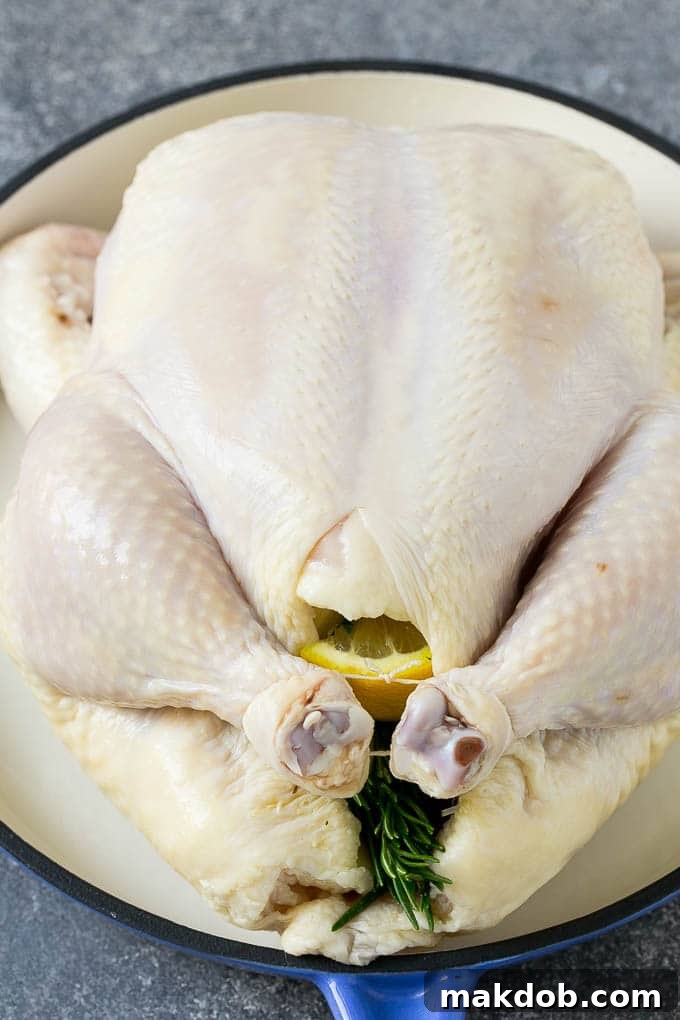
- Aromatics and Trussing: Tuck the chicken wings neatly under the breast to prevent them from burning. Stuff the chicken cavity with fresh rosemary and thyme sprigs, quartered lemon, and onion. Finally, tie the chicken legs together with kitchen twine to ensure even cooking and a compact shape.
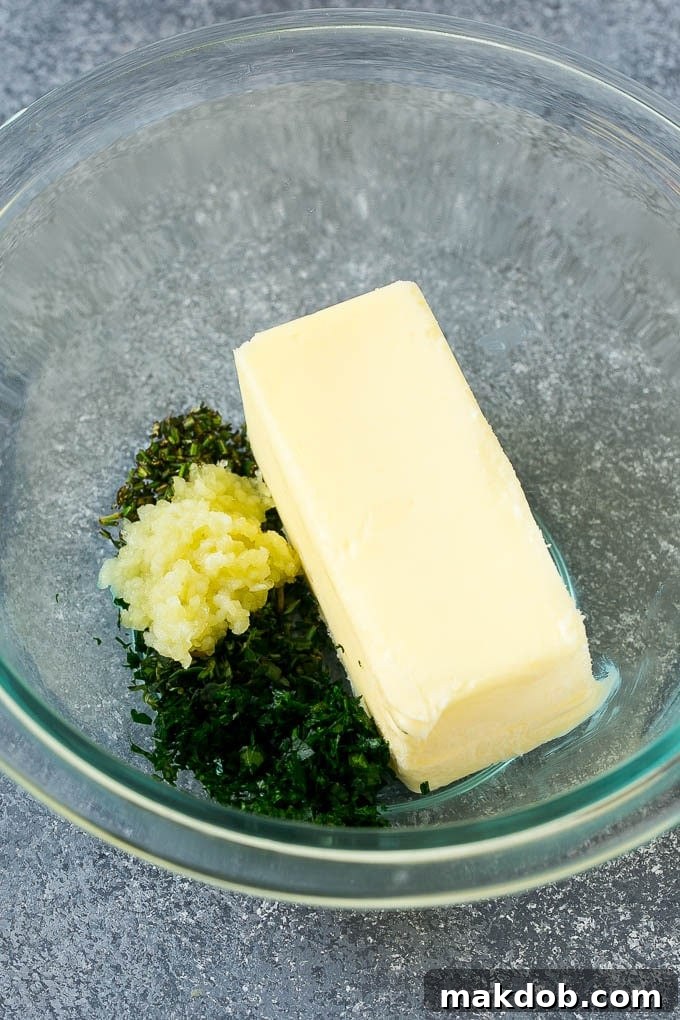
- Craft the Herb Butter: In a small bowl, combine softened butter with minced garlic, fresh minced thyme, rosemary, and parsley. Season lightly with salt and pepper. Remember to go easy on the salt if you’ve brined the chicken.
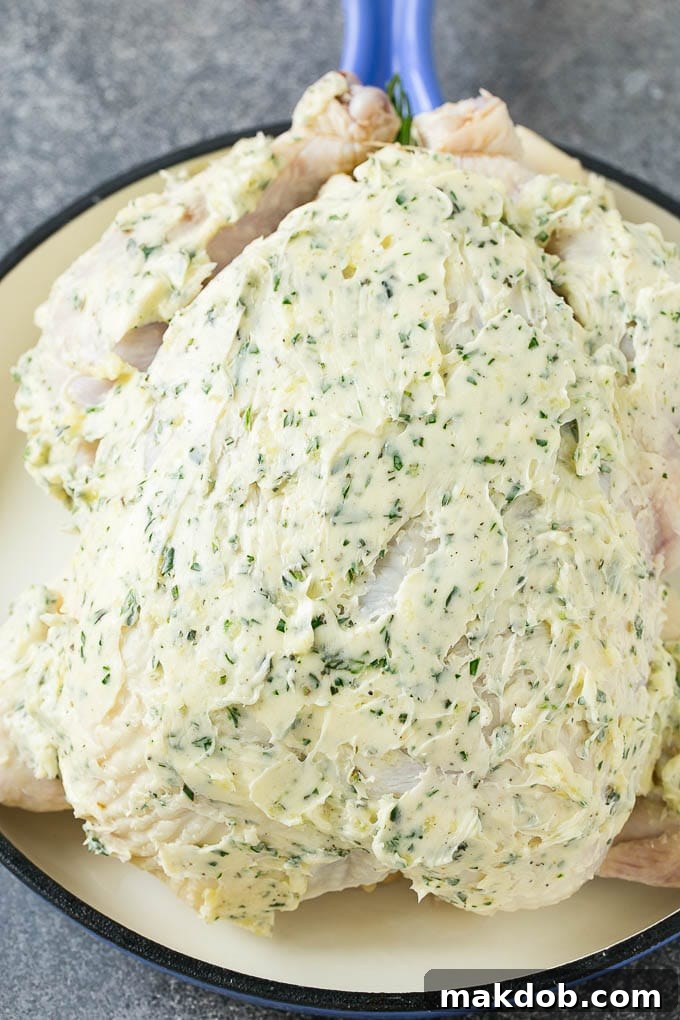
- Flavor Infusion: Gently loosen the skin over the chicken breast and thighs, being careful not to tear it. Generously rub about half of the herb butter mixture underneath the skin, directly onto the meat. Then, coat the entire exterior of the chicken with the remaining butter mixture. This step is key for moisture and flavor.
- Roast to Perfection: Place the prepared chicken in a sturdy roasting pan. Roast in the preheated oven for approximately 1 hour and 20 minutes. The precise cooking time will vary depending on the size of your chicken and your oven’s calibration.
- Monitor and Protect: Check your chicken every 20-30 minutes during roasting. If the skin begins to brown too quickly or appears overly dark, loosely tent the chicken with aluminum foil to prevent further browning and ensure even cooking.
- Check for Doneness: The most reliable way to determine if your chicken is fully cooked is by using a meat thermometer. Insert the thermometer into the thickest part of the chicken thigh, avoiding the bone. The chicken is safe to eat when the internal temperature reaches 165°F (74°C).
- Rest and Serve: Once cooked, remove the chicken from the oven and let it rest, uncovered, for 10-15 minutes before carving. This resting period is crucial; it allows the juices to redistribute throughout the meat, resulting in an even juicier final product. Serve your beautifully roasted chicken with the delicious pan drippings.
Expert Tips For A Flawless Dish
Achieving a truly magnificent roasted chicken goes beyond just following the steps. Incorporating these expert tips will elevate your dish from delicious to truly unforgettable:
- Embrace the Thermometer: This is arguably the most important tool for roasting chicken. An instant-read meat thermometer is your best friend. It eliminates guesswork, preventing both unsafe undercooking and dreaded dry, overcooked meat. Insert it into the thickest part of the thigh, away from the bone, aiming for 165°F (74°C).
- Work Quickly with Butter: Softened butter can harden rapidly upon contact with a cold chicken. Spread your garlic and herb butter mixture swiftly and evenly to ensure maximum coverage and flavor distribution before it becomes difficult to work with.
- The Art of Resting: After roasting, resist the urge to carve immediately. Letting the chicken rest for 10-15 minutes allows the muscle fibers to relax and reabsorb the flavorful juices. Skipping this step often results in those delicious juices running all over your cutting board instead of staying in the meat.
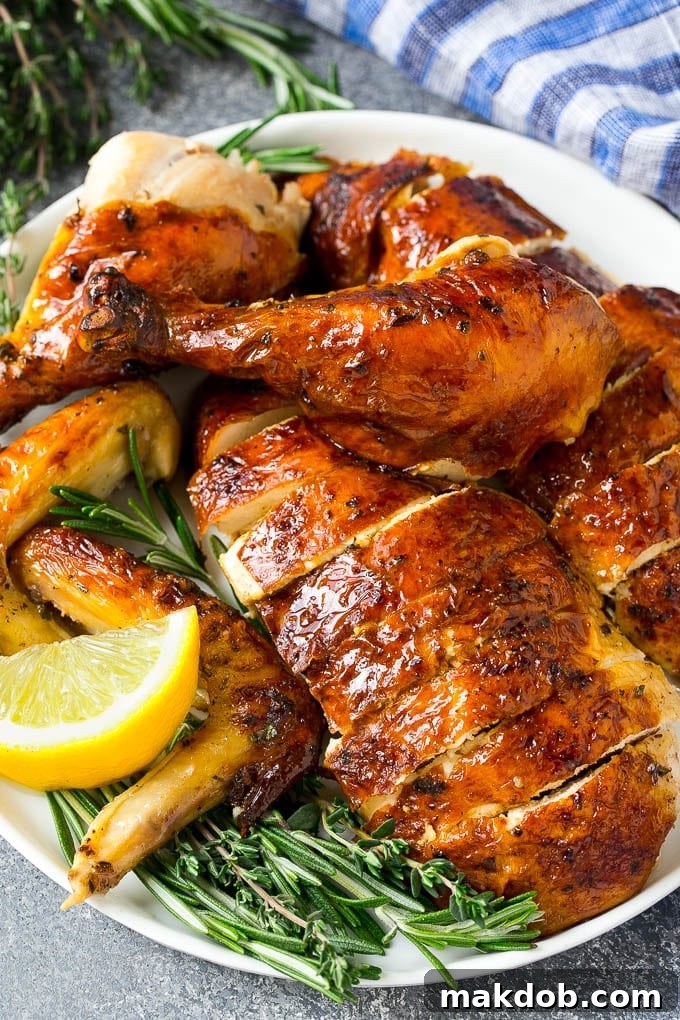
- Carving Confidence: Once rested, carve your chicken with a sharp knife. Start by removing the legs and thighs, then the wings, and finally slice the breast meat. Collect any additional pan juices for serving.
- Leftover Chicken Magic: Don’t let any leftover roasted chicken go to waste! Its tender, flavorful meat is incredibly versatile. It’s perfect in dishes like hearty chicken vegetable soup, light Chinese chicken salad, or comforting King Ranch chicken. You can also use it for sandwiches, tacos, pasta dishes, or quick stir-fries.
- Liquid Gold: Homemade Chicken Broth: The chicken carcass is a treasure trove of flavor! After enjoying your roasted chicken, use the bones to create a rich, savory homemade chicken broth. Simply place the carcass in a large pot with 10 cups of water, 3 sliced carrots, 3 sliced celery stalks, one quartered onion, 2 teaspoons peppercorns, 2 bay leaves, 5 garlic cloves, and 1 tablespoon salt, along with a small bunch of fresh parsley. Simmer gently for 3-4 hours, then let it cool slightly before straining. This liquid gold can be refrigerated for up to 5 days or frozen for several months, ready to elevate soups, stews, and sauces.
- Brining Wisdom: If you choose to brine your chicken (which is highly recommended for ultimate juiciness), be sure to reduce the amount of salt you add to your seasoned butter mixture. The brine already saturates the chicken with salt, and adding too much more can make your final dish overly salty. If you skip the brine, consider adding a few extra teaspoons of chicken seasoning to the butter for an extra flavor boost.
Quick Tip
This recipe is adaptable for chickens of various sizes. If you’re using a **larger or smaller chicken**, remember to **adjust the bake time accordingly**. A larger bird will require more cooking time and a greater quantity of the garlic and herb butter mixture.
Common Questions About Roasting Chicken
Roasting time varies depending on the chicken’s weight and your oven temperature. Generally, a good rule of thumb is 20 minutes per pound at 350°F (175°C). However, for a deeply golden and crispy skin, this recipe uses a slightly higher temperature of 400°F (200°C), which typically translates to 15-17 minutes per pound. Always use a meat thermometer to confirm doneness, aiming for 165°F (74°C) in the thickest part of the thigh.
Proper preparation sets the stage for a great roast. First, remove any giblet bags from the chicken cavity. Next, tuck the wing tips underneath the breast meat; this prevents the delicate tips from burning. Then, stuff the cavity with aromatics like quartered onions, lemons, and fresh herb sprigs (rosemary, thyme, parsley) to infuse flavor from within. Finally, tie the legs together with kitchen twine to help the chicken cook more evenly and maintain a neat presentation.
While not strictly mandatory, brining a chicken is a step I highly recommend and believe is well worth the extra time. Chicken is a naturally lean meat, which makes it susceptible to drying out during cooking. When immersed in a brine, the chicken absorbs moisture and salt, which not only keeps it incredibly moist but also seasons the meat all the way through, not just on the surface. A brined chicken will remain tender and juicy even if it’s slightly overcooked, making for a much more forgiving and delicious result.
For that desirable crispy, golden-brown skin, it is generally better to roast a chicken uncovered. Roasting uncovered allows the direct heat to interact with the skin, rendering fat and creating a perfectly crisp exterior. If you notice the chicken skin is browning too rapidly or getting overly dark during the cooking process, you can loosely tent it with aluminum foil for the remainder of the roasting time to prevent further browning while the interior continues to cook.
The most accurate and safest way to determine if your roasted chicken is done is by using a reliable meat thermometer. Insert the thermometer into the thickest part of the chicken thigh, ensuring it doesn’t touch any bone. The chicken is fully cooked and safe to eat when the internal temperature registers 165°F (74°C). The juices should also run clear when the thigh is pierced, but temperature is the definitive indicator.
FOLLOW ME
Creative Flavor Variations
While this recipe is absolutely delicious as written, it also serves as a fantastic base for culinary experimentation. Don’t hesitate to customize the flavors to perfectly suit your palate or whatever ingredients you have on hand:
- Chicken Parts: This technique isn’t limited to a whole chicken. You can apply a similar method to bone-in, skin-on chicken breasts, thighs, or legs. Adjust the brining time to about 2-4 hours for smaller parts and significantly reduce the roasting time, checking for doneness with a thermometer.
- Seasoning Swaps: The garlic and herb butter is classic, but feel free to explore other seasoning profiles. Stir a tablespoon of your favorite seasoning blend into the softened butter. Consider vibrant options like zesty Cajun Seasoning for a spicy kick, aromatic Greek Seasoning with oregano and lemon, savory Italian Seasoning for a Mediterranean flair, or bold Jamaican Jerk Seasoning for a taste of the Caribbean.
- One-Pan Meal with Vegetables: Transform your roasted chicken into a complete one-pan meal by adding vegetables to the roasting pan. Heartier vegetables like chopped potatoes, carrots, sweet potatoes, or parsnips can go into the pan at the beginning of the roasting time, tossed in a little olive oil, salt, and pepper. For quicker-cooking vegetables such as asparagus, green beans, bell peppers, or broccoli florets, add them during the last 15-20 minutes of roasting to prevent them from becoming overcooked.
- Citrus Infusion: Beyond lemon, try oranges or limes in the cavity for a different citrus aroma. You can also add thin slices of citrus directly to the butter mixture for an extra burst of flavor.
- Spicy Kick: For those who love a bit of heat, mix a pinch of cayenne pepper or red pepper flakes into your herb butter. A finely minced jalapeño or serrano pepper can also be added for a fresher, spicier note.
Serving Suggestions and Perfect Pairings
A beautifully roasted chicken deserves equally delicious accompaniments to create a truly memorable meal. Beyond the corn casserole and zucchini gratin mentioned earlier, here are some ideas for perfect pairings:
- Classic Sides: Mashed potatoes, roasted root vegetables (like carrots, parsnips, or potatoes roasted alongside the chicken), green bean almondine, or a simple garden salad are always winners.
- Grains and Starches: Wild rice pilaf, quinoa, or crusty bread for soaking up those flavorful pan juices make excellent choices.
- Sauces and Gravies: Don’t forget the pan drippings! These are liquid gold for making a quick, savory gravy. Simply whisk a little flour or cornstarch into the drippings in the roasting pan over medium heat, adding chicken broth or water until it reaches your desired consistency.
- Wine Pairing: A medium-bodied white wine like Chardonnay, Pinot Grigio, or Sauvignon Blanc complements roasted chicken beautifully. For red wine lovers, a light Pinot Noir or Beaujolais would also be a delightful choice.
Making the Most of Leftovers
One of the best parts about roasting a whole chicken is the delicious leftovers! This garlic and herb roasted chicken, with its perfect seasoning, makes for incredibly versatile extra meals. Store any cooled leftover chicken in an airtight container in the refrigerator for up to 3 days. Here are some ideas to reinvent your leftovers:
- Sandwiches & Wraps: Shredded chicken makes a fantastic filling for sandwiches, wraps, or even sliders. Add a bit of mayo, celery, and herbs for a quick chicken salad.
- Soups & Stews: Dice or shred the meat and add it to a simmering chicken noodle soup, chicken and rice soup, or a hearty chili.
- Pasta Dishes: Toss shredded chicken with your favorite pasta, a creamy Alfredo sauce, or a light lemon-garlic sauce for a quick and satisfying dinner.
- Salads: Add cold, sliced, or shredded chicken to a Caesar salad, a Cobb salad, or any mixed green salad for a protein-packed lunch.
- Tacos & Quesadillas: Flavorful chicken is perfect for chicken tacos, burritos, or cheesy quesadillas.
Your family is sure to adore this roast chicken, and you’ll love how easily it transitions into new meals throughout the week!
More Delicious Chicken Dishes
Mexican Chicken Soup
45 mins
Chicken Alfredo Stuffed Shells
45 mins
Cajun Chicken Pasta
40 mins
Bacon Wrapped Chicken
40 mins
Honey Mustard Chicken
40 mins
Love This Recipe?
If you enjoyed this recipe, please consider leaving a 5-star rating and a review in the comments section below. Your feedback is greatly appreciated!
Roasted Chicken
Pin
Ingredients
- 1 recipe chicken brine optional but highly recommended
- 5 lb whole chicken
- 2 sprigs fresh rosemary
- 2 sprigs fresh thyme
- 1 onion peeled and quartered
- 1 lemon quartered
- 6 tablespoons butter softened
- 2 teaspoons minced garlic
- 2 teaspoons fresh thyme leaves minced
- 2 teaspoons fresh rosemary leaves minced
- 1 tablespoon fresh parsley leaves minced
- salt and pepper to taste go easy on the salt if you’ve brined your chicken
Instructions
-
Brine the chicken according to the linked recipe directions. After brining, pat the chicken thoroughly dry with paper towels.
-
Preheat your oven to 400 degrees F (200°C).
-
Tuck the chicken wings underneath the breast. Stuff the chicken cavity with the rosemary and thyme sprigs, quartered onion, and lemon.
-
Tie the chicken legs together securely with kitchen twine.
-
In a small bowl, combine the softened butter, minced garlic, minced thyme, minced rosemary, and minced parsley. Stir until well combined.
-
Gently loosen the skin of the chicken breast and rub half of the butter mixture in between the skin and the meat. Then, rub the remaining butter mixture all over the outside of the chicken.
-
Place the chicken in a roasting pan. Roast for approximately 1 hour and 20 minutes, or until a meat thermometer inserted into the thickest part of the thigh registers 165 degrees F (74°C).
-
Check on your chicken every 20 minutes. If the skin is getting overly dark, lightly cover the chicken with aluminum foil to prevent burning.
-
Let the chicken rest for 10-15 minutes before carving. Serve with the delicious pan drippings.
Notes
- It is imperative to use a meat thermometer to accurately determine when the chicken is done. This prevents both undercooking (for food safety) and overcooking (which can lead to dry meat).
- Leftovers can be stored in an airtight container in the refrigerator for up to 3 days.
- Don’t discard the chicken carcass! Use it to make a flavorful homemade chicken broth. Place the carcass in a large pot with 10 cups of water, 3 sliced carrots, 3 sliced celery stalks, one quartered onion, 2 teaspoons peppercorns, 2 bay leaves, 5 garlic cloves, 1 tablespoon salt, and a small bunch of parsley. Simmer for 3-4 hours, then let cool slightly and strain. Refrigerate or freeze the broth for later use in soups, stews, or sauces.