
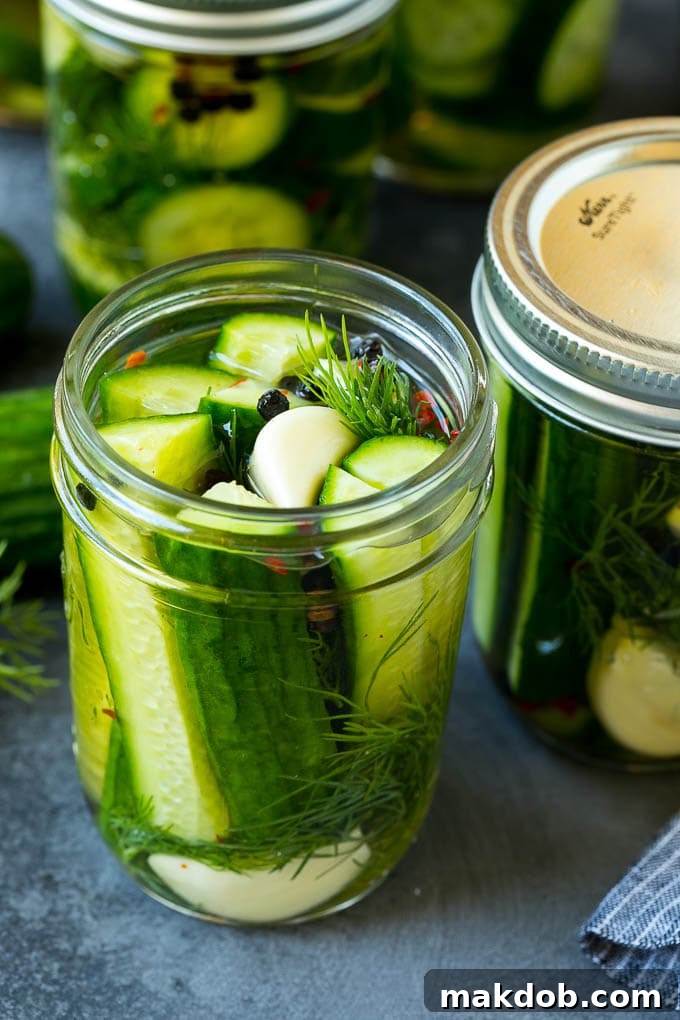
Homemade Refrigerator Pickles: Crisp, Flavorful & Effortlessly Easy
Discover the ultimate guide to crafting crisp, tangy, and incredibly flavorful refrigerator pickles right in your own kitchen! Forget the long, complicated process of traditional canning; these quick and easy pickled cucumbers are made with a simple homemade brine infused with fragrant garlic, fresh dill, and a blend of aromatic spices. They’re not just unbelievably simple to prepare, but their vibrant taste and satisfying crunch far surpass any store-bought variety, making them an instant family favorite.
When summer arrives and my garden bursts with an abundance of fresh cucumbers, my culinary creativity sparks. Beyond classic dishes like creamy cucumber salad and refreshing watermelon cucumber salad, my absolute favorite way to preserve that garden-fresh goodness is by whipping up batches of these fabulous quick pickles. They capture the essence of summer in a jar, offering a delightful burst of flavor that brightens any meal.
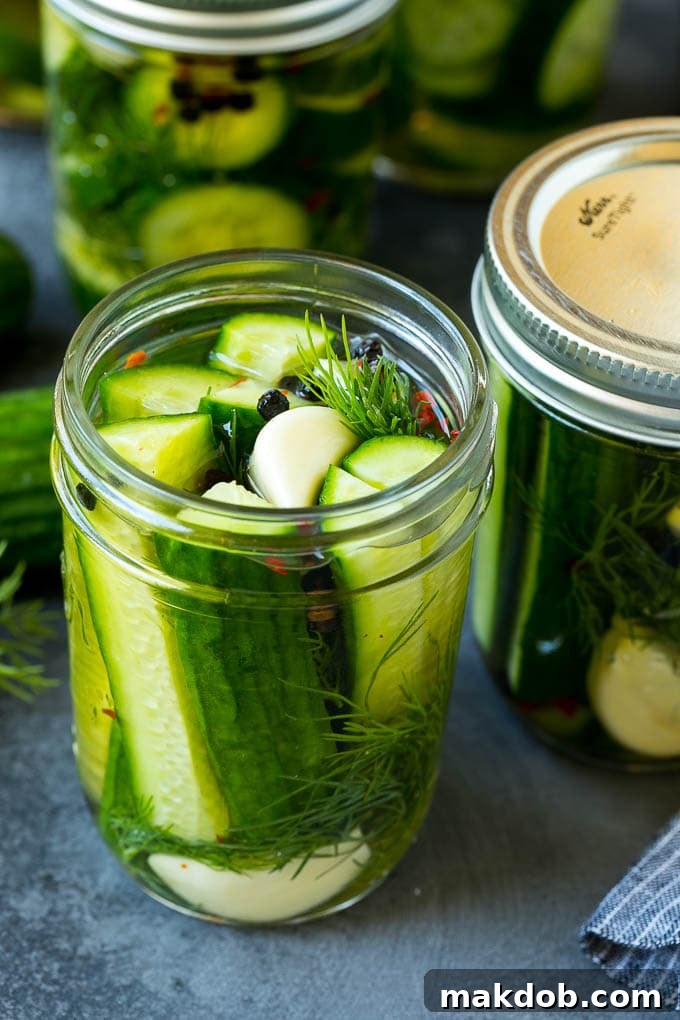
Why Choose Homemade Refrigerator Pickles?
There’s a significant difference between a jar of homemade refrigerator pickles and their grocery store counterparts. Once you taste the fresh, vibrant flavor of your own quick pickles, you’ll understand why this recipe is a game-changer. Here’s why making your own is always the better choice:
Unbeatable Taste and Freshness
Unlike commercial pickles often loaded with artificial preservatives, excessive sodium, and sometimes even food dyes to maintain an appealing color, homemade refrigerator pickles boast a pure, unadulterated flavor. You control every ingredient, ensuring a clean taste that highlights the natural crispness of the cucumbers, the pungent warmth of garlic, and the aromatic zest of fresh dill. The difference is palpable – a brighter, fresher, and more satisfying pickle experience.
No Canning Hassle, All the Reward
One of the biggest advantages of refrigerator pickles is the complete absence of traditional canning techniques. There’s no need for special equipment like large water bath canners, sterilizing jars at high temperatures, or worrying about proper sealing for long-term shelf stability. This recipe simplifies the entire pickling process, making it accessible to even the most novice home cooks. Simply prepare your ingredients, mix your brine, combine them in a jar, and refrigerate. It’s truly that easy!
A Healthier, Customizable Choice
When you make pickles at home, you have full control over the ingredients, especially the amount of salt and any optional additives. This allows you to tailor the pickles to your dietary needs and taste preferences. Want less sodium? You can easily adjust the salt. Prefer a spicier kick? Add more chili flakes. Craving different herbs? Experiment freely! This level of customization is impossible with store-bought options, empowering you to create a healthier snack perfectly suited to your palate.
The Simple Art of Making Refrigerator Pickles
Making quick pickles might sound intimidating if you’ve never done it before, but it’s astonishingly straightforward. The entire process takes just minutes of active preparation, followed by a waiting period in the refrigerator while the magic happens. Here’s a breakdown of the easy steps:
Crafting the Perfect Brine
The brine is the heart of your pickles, imbuing the cucumbers with their signature tangy flavor. This recipe uses a delightful blend of water, classic white vinegar, salt (kosher salt is recommended for its pure flavor and consistent grain size), black peppercorns for a subtle spice, and optional chili flakes for those who enjoy a bit of heat. To prepare, simply combine these ingredients in a bowl. While you can mix them cold, gently warming the brine on the stovetop for a minute or two can help the salt dissolve more quickly and thoroughly, ensuring a well-balanced flavor throughout your pickles. Allow it to cool slightly before pouring over your prepared cucumbers.
Preparing Your Cucumbers and Aromatics
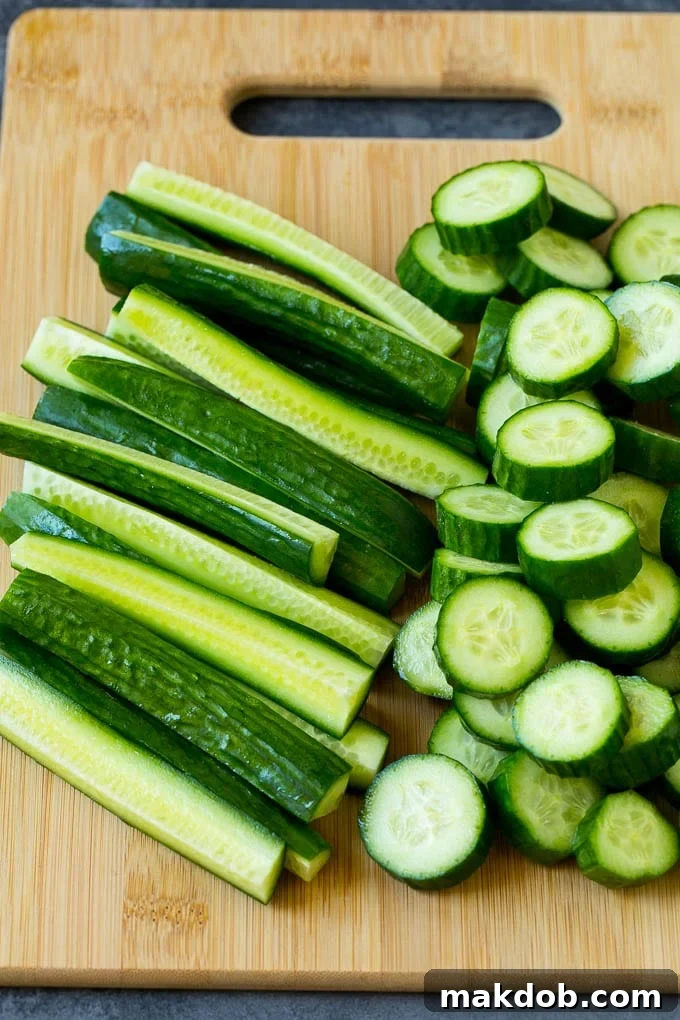
The star of the show, cucumbers, need a little attention before they embark on their pickling journey. You can choose to slice them into rounds or cut them into elegant spears, depending on your preference and how you plan to serve them. Aim for a consistent thickness, such as 1-inch slices, or spears that comfortably fit into your jars. This consistency ensures even pickling. Alongside the cucumbers, fresh dill sprigs are essential – their aromatic, slightly anise-like flavor is classic in dill pickles. Fresh dill is absolutely critical here; dried dill will not yield the same vibrant taste. Finally, garlic cloves, lightly crushed, add a wonderful depth of flavor. You can leave them whole for a milder infusion or finely dice them for a more intense garlic kick.
Assembling and Chilling Your Pickles
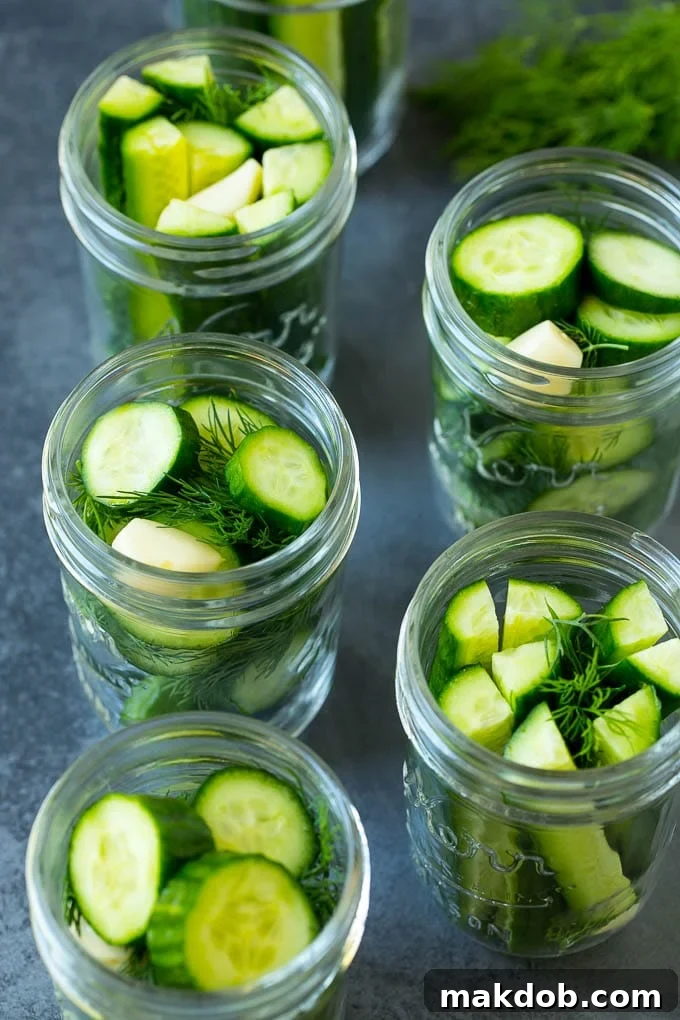
Once your cucumbers, dill, and garlic are ready, arrange them artfully in clean, sterilized glass jars. Pack them relatively snugly but leave enough space for the brine to circulate freely. Then, carefully pour your prepared brine over the contents of each jar, ensuring all cucumbers are submerged. It’s important to leave about 1/2 inch of headspace at the top of the jars. This allows for any liquid released by the cucumbers as they pickle, preventing overflow. Seal the jars tightly with lids and transfer them to the refrigerator. The hardest part is waiting! Your pickles will need a minimum of 24 hours to absorb the flavors, but they continue to develop and improve over a few days. After this chilling period, they’re ready to be enjoyed!
Essential Tips for Perfect Quick Pickles
While the recipe is simple, a few expert tips can elevate your refrigerator pickles from good to absolutely fantastic:
- Cucumber Preparation: Slices, Spears, and Sizing: The way you cut your cucumbers influences both texture and how quickly they pickle. Uniform 1-inch thick slices are great for snacking and sandwiches. Spears are excellent for dipping. Always cut them to a length that fits comfortably within your chosen jars, allowing at least a half-inch of headspace. Avoid overly thin slices, as they can become too soft.
- The Power of Fresh Dill: This is non-negotiable! Fresh dill sprigs provide a bright, herbaceous, and authentic dill pickle flavor that dried dill simply cannot replicate. Aim for generous amounts of fresh dill for the best results.
- Garlic: Whole or Diced?: For a subtle, mellow garlic background, simply lightly crush your garlic cloves and leave them whole. If you desire a more pronounced, pungent garlic punch, finely dice the cloves before adding them to the jars. You can also add other aromatics like thin onion slices or jalapeño for extra flair.
- The Importance of Headspace: Always leave at least 1/2 inch of space at the top of your jars before sealing. Cucumbers naturally release water as they sit in the salty brine, and this extra liquid needs room to expand without causing your jars to overflow.
- Exploring Flavor Variations: This recipe is a fantastic starting point, but don’t hesitate to customize! Enhance the flavor profile by adding other whole spices like mustard seeds, celery seeds, coriander seeds, or bay leaves. For a sweeter pickle, a touch of sugar can be added to the brine, or for a spicier kick, include more red pepper flakes or even a few slices of fresh habanero.
- Scaling Your Recipe: This recipe is designed to yield two jars of delicious pickles, perfect for getting started. However, if you find yourself with an abundance of cucumbers or a family that devours pickles as quickly as mine does, feel free to easily double or triple the ingredients to make a larger batch. The method remains the same.
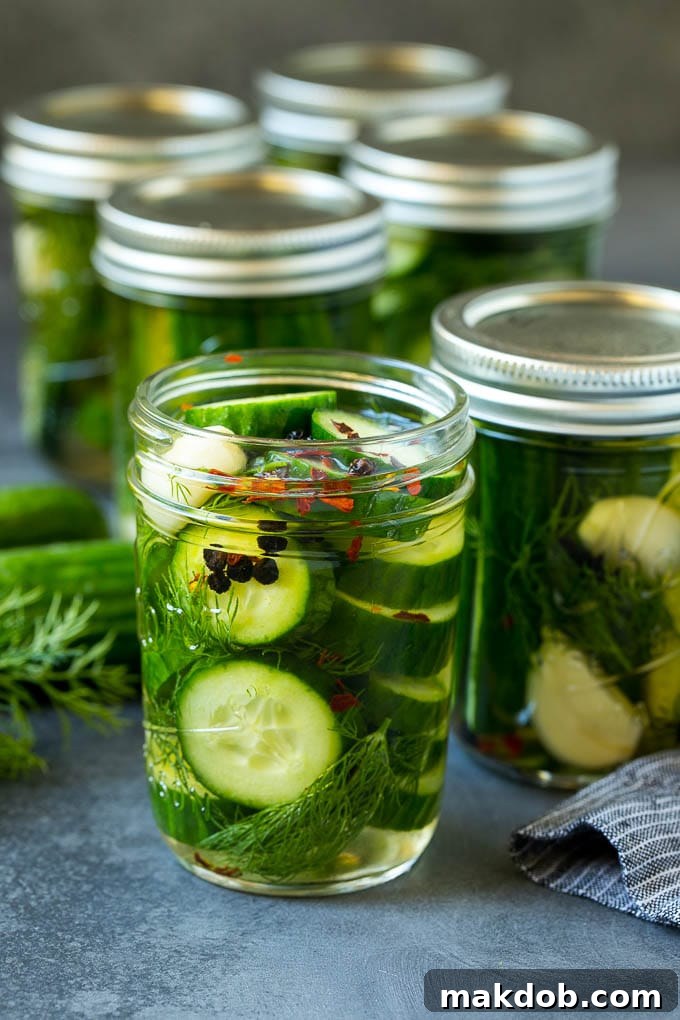
Selecting the Best Cucumbers for Pickling
The type of cucumber you choose significantly impacts the final texture and taste of your homemade pickles. Not all cucumbers are created equal when it comes to pickling:
Ideal Varieties: Kirby, Persian, English
- Kirby Cucumbers: These are the traditional pickling cucumbers, known for their firm flesh, bumpy skin, and small size. They have a relatively dry interior and a crisp texture that holds up exceptionally well in brine, resulting in that classic pickle crunch.
- Persian Cucumbers: As used in this recipe, small Persian cucumbers are another excellent choice. They are usually seedless, have thin, tender skin, and a delightfully crisp texture. Their mild flavor perfectly absorbs the brine.
- English Cucumbers (Seedless): These long, slender cucumbers with thin skin also yield great results. Because they are typically seedless and have less water content than garden varieties, they stay firm and crunchy when pickled.
Cucumbers to Avoid
I highly recommend avoiding the large, traditional “slicing” or “garden” cucumbers that often have thick, waxy skin and large seeds. While perfectly fine for salads, their thick skin can become rubbery and unpleasant when pickled, and their higher water content can lead to a less crisp pickle. Always opt for varieties specifically grown for pickling or those with thin skin and minimal seeds.
The Health Benefits of Refrigerator Pickles
Beyond their delicious taste, refrigerator pickles offer several nutritional advantages, making them a smart addition to a healthy diet:
- Nutrient-Rich Cucumbers: The base ingredient, cucumbers, are naturally low in calories and packed with essential nutrients. They are a good source of Vitamin C, which is vital for immune function, as well as Vitamin K, important for blood clotting and bone health. Cucumbers also contain magnesium and potassium, both crucial electrolytes for overall body function.
- Low Calorie and Low Carb Goodness: For those monitoring their caloric or carbohydrate intake, quick pickles are an ideal snack or condiment. They are virtually fat-free and contribute minimal calories and carbs, allowing you to enjoy a flavorful treat guilt-free.
- Managing Sodium Intake: While pickles do contain sodium from the brine, you have the flexibility to adjust it. If you are watching your sodium intake, you can reduce the amount of salt in the brine by about 1/2 teaspoon without significantly compromising flavor or preservation. The vinegar acts as a powerful preservative, allowing for some flexibility with salt levels in quick pickles.
Considering their nutritional profile and the natural goodness of their ingredients, I wholeheartedly consider homemade quick pickles an appropriate and welcome part of a balanced and healthy diet.
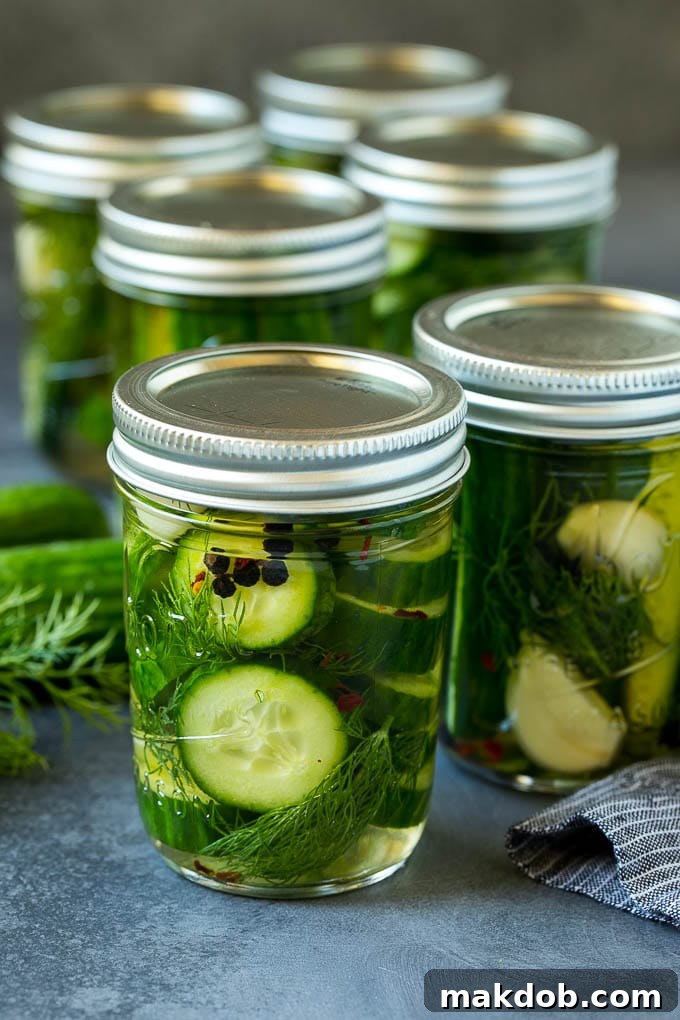
Storing Your Homemade Delights: Longevity and Freshness
One of the beauties of refrigerator pickles is their “quick” nature, which also applies to their shelf life. While traditional canned pickles can last for years, quick pickles are designed for shorter-term enjoyment:
- I recommend storing your homemade refrigerator pickles for no more than 2 weeks in the fridge. This ensures they maintain their optimal crispness and fresh flavor. Beyond two weeks, they may start to lose their desired texture and taste, although they will still be safe to eat for a little longer.
- You can begin enjoying your pickles after they’ve been sitting in the brine for a minimum of 24 hours. The longer they sit, the more pronounced the pickled flavor will become. Many find they are at their peak flavor after 2-3 days.
- Always keep them in an airtight jar in the coldest part of your refrigerator to maximize their freshness and crispness.
Serving Suggestions: More Than Just a Snack
You simply can’t go wrong with these versatile quick pickles. They are more than just a snack – their bright, tangy flavor makes them a perfect accompaniment to a wide range of dishes:
- Snack Time: Enjoy them straight out of the jar as a refreshing, low-calorie snack.
- Sandwich Topping: Their crisp texture and tangy bite are perfect for topping burgers, hot dogs, pulled pork sandwiches, or any deli meat creation.
- Side Dish: Serve them alongside grilled meats, barbecue, or fried chicken for a delightful counterpoint to rich flavors.
- Salad Enhancer: Chop them up and add them to potato salad, tuna salad, or egg salad for an extra layer of crunch and zest.
- Charcuterie Boards: Arrange them on a cheese and charcuterie board for a palate-cleansing element that pairs wonderfully with cheeses and cured meats.
- Garnish: Use them as a vibrant garnish for cocktails like a Bloody Mary, or simply as a pretty addition to any plate.
I always make sure to have at least a jar or two of these delicious, quick pickles in my fridge. They are a staple that truly elevates everyday meals!
Refrigerator Pickles Recipe
Author: Sara Welch
Prep Time: 10 minutes
Cook Time: 1 minute
Total Time: 11 minutes
Course: Side
Cuisine: American
Serves: 8
Ingredients
- 3 1/2 cups cucumbers, sliced or cut into spears
- 1 1/2 cups water
- 3 tablespoons white vinegar
- 1 1/2 tablespoons kosher salt
- 4 garlic cloves, lightly crushed
- 2 teaspoons black peppercorns
- 1/2 cup fresh dill sprigs
- 1/4 teaspoon crushed red pepper flakes (optional)
Instructions
- In a large bowl, mix together the water, vinegar, salt, garlic, peppercorns, and crushed red pepper flakes (if using). Stir well until the salt is mostly dissolved.
- Evenly divide the cucumbers and fresh dill sprigs between two pint-sized jars. Pack them relatively snugly.
- Carefully pour the prepared brine over the cucumbers in each jar, ensuring the cucumbers are fully submerged and leaving about 1/2 inch of headspace at the top.
- Seal the jars tightly with lids and transfer them to the refrigerator.
- Refrigerate for at least 24 hours before serving. For best flavor and texture, allow them to chill for 2-3 days. Store in the refrigerator for up to 2 weeks.
Nutrition
Calories: 13kcal | Carbohydrates: 2g | Sodium: 412mg | Potassium: 99mg | Vitamin A: 40IU | Vitamin C: 2.3mg | Calcium: 17mg | Iron: 0.3mg
Explore More Cucumber Creations
If you’re as big a fan of fresh cucumbers as we are, you’ll love exploring these other vibrant and flavorful cucumber-centric recipes from our collection:
- Thai Cucumber Salad: A refreshing and spicy salad with an Asian-inspired dressing.
- Classic Cucumber Salad: A timeless, creamy, and dill-infused side dish that complements any meal.
- Cucumber Tomato Salad: A simple yet delicious medley of fresh garden produce.
- Cucumber Feta Salad: A Mediterranean-inspired salad bursting with tangy feta and crisp cucumbers.
- Asian Cucumber Salad: Another take on an Asian-style cucumber salad, often featuring a sesame-ginger dressing.
Making your own refrigerator pickles is a rewarding experience that yields a superior product with minimal effort. Whether you’re a seasoned chef or a kitchen novice, this recipe empowers you to create delicious, wholesome, and customizable pickles that will become a cherished staple in your home. Enjoy the crisp, fresh taste of homemade goodness!