
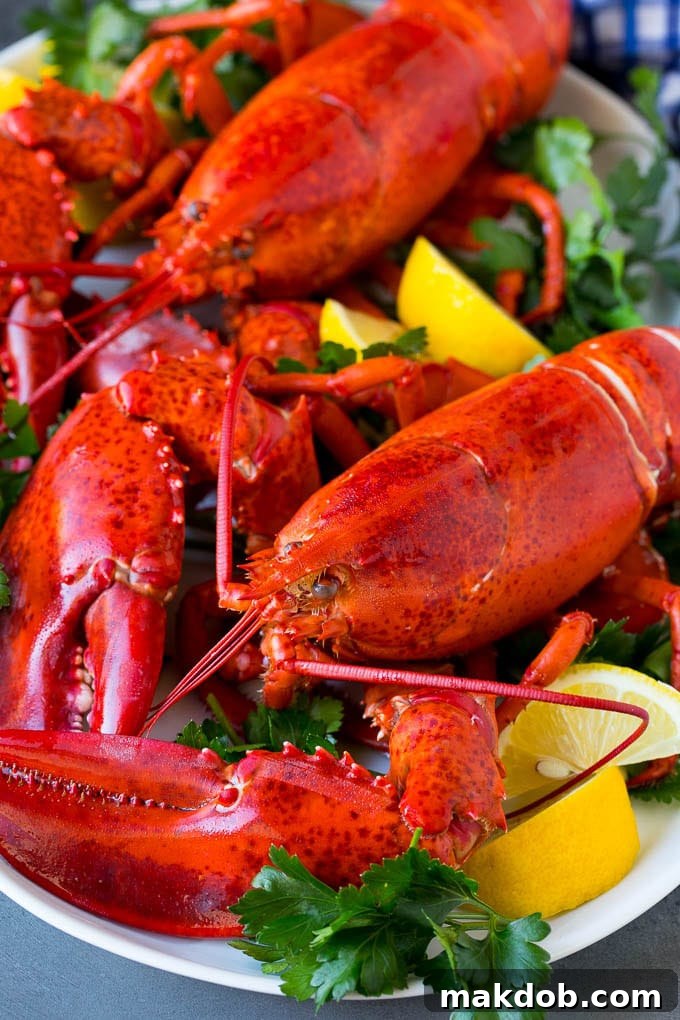
How to Cook Lobster Perfectly Every Time: Your Ultimate Guide
Unlock the secrets to preparing succulent, flavorful lobster right in your own kitchen. This comprehensive guide provides step-by-step instructions for boiling and steaming, along with expert tips to ensure tender, delicious meat with minimal effort. Whether you’re a seasoned chef or a first-time lobster cook, you’ll master this culinary delight and impress your guests with a gourmet meal at a fraction of the restaurant cost.
Fresh seafood is a true indulgence, and among the finest offerings are succulent lobster, juicy coconut shrimp, and flavorful crab legs. While the idea of cooking a whole live lobster might seem daunting at first, it’s actually a straightforward process that yields incredibly rewarding results. With a few simple techniques, you’ll gain the confidence to prepare this exquisite crustacean perfectly, transforming any meal into a special occasion.
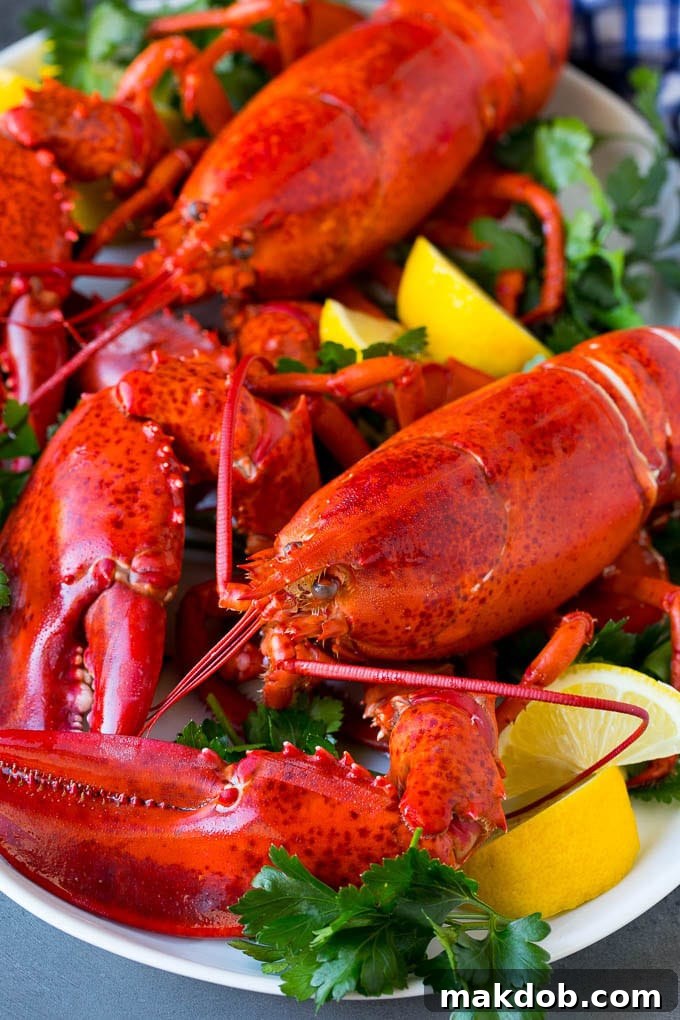
Why You Must Cook Lobster While It’s Still Alive
It’s a common question, and one with a crucial answer for both flavor and food safety: why are lobsters almost always cooked alive? The primary reason is that lobsters begin to decay very rapidly once they die. This swift deterioration significantly impacts the taste and texture of the meat, leading to a mushy, unpleasant product. More importantly, dangerous bacteria, particularly Vibrio, can proliferate quickly in a deceased lobster, posing a serious risk of food poisoning. Cooking a lobster while it is still alive effectively addresses these concerns, ensuring you get the freshest, safest, and most delicious meat possible.
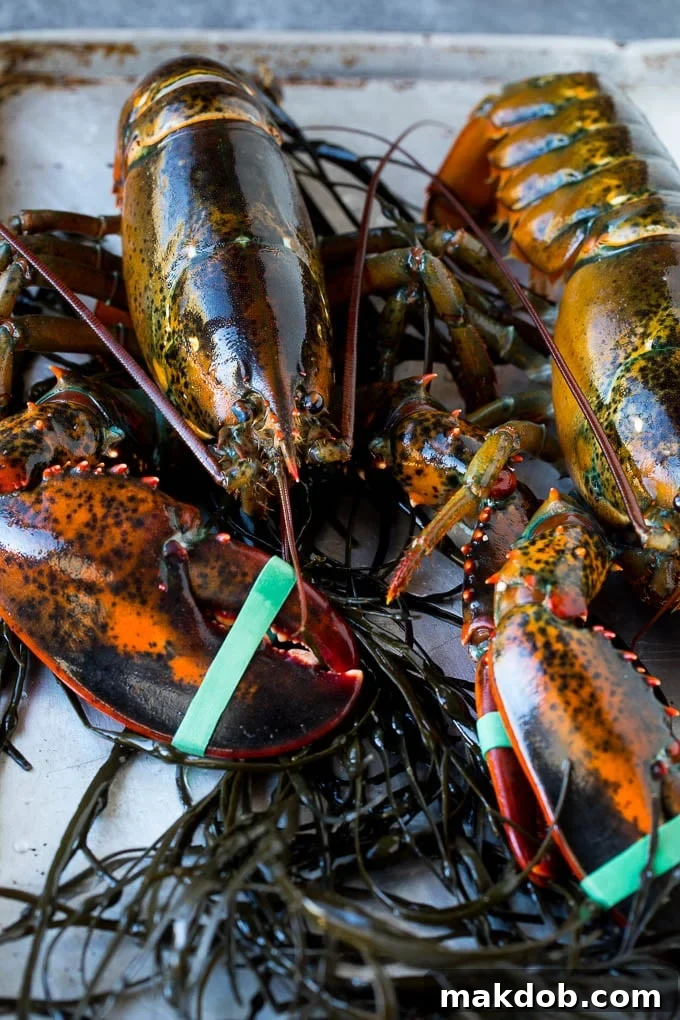
Selecting the Freshest Lobsters for a Premium Meal
The foundation of a perfect lobster meal begins with choosing the right crustaceans. When you’re at the fish market or grocery store, look for lobsters that display clear signs of health and freshness:
- Activity and Livelihoood: A healthy lobster will be energetic. When picked up, it should move its claws and tail vigorously. Avoid any lobsters that seem sluggish, unresponsive, or appear limp. This is the most crucial indicator of freshness.
- Physical Integrity: Check that the lobster has all its legs and antennae, and that its shell is free from any significant cracks or visible damage. Broken antennae or damaged shells can be signs of stress, poor handling, or a lobster that is not at its prime.
- Weight for its Size: A heavier lobster, relative to its visual size, typically indicates more meat and a healthier specimen. Conversely, a lighter lobster might have recently shed its shell (a “new-shell” lobster) and may contain less meat.
- Shell Condition: While new-shell lobsters (soft-shelled) can be very sweet and easier to crack, hard-shelled lobsters generally offer a higher meat yield and a firmer, more substantial texture. If you have a preference, don’t hesitate to ask your fishmonger about the shell condition.
Once you’ve made your selection, transport your lobsters home as quickly as possible. Keep them cool in a cooler with some ice packs (but avoid direct contact with ice water, which can drown them). They should be cooked as soon as possible, ideally within a few hours of purchase, to ensure peak freshness and flavor.
How to Boil a Whole Lobster for Tender Perfection
Boiling is one of the most popular and straightforward methods for cooking whole lobsters. It ensures even cooking and is relatively quick, making it a favorite for many home cooks. Here’s how to achieve perfectly boiled lobster every time:
Equipment Needed:
- A very large stockpot (at least 2 gallons of water capacity per 1.5 lb lobster) with a tight-fitting lid.
- Sturdy tongs or a large slotted spoon for safe removal.
- A large bowl filled with ice water (optional, for quickly stopping the cooking process if desired).
Step-by-Step Boiling Instructions:
- Prepare the Water: Fill your largest pot with enough water to fully submerge the lobsters without overflowing once they are added. For optimal flavor, add 1 tablespoon of coarse sea salt for every gallon of water – this mimics their natural ocean environment and seasons the meat from the outside in. Bring the water to a vigorous, rolling boil over high heat.
- Humanely Prepare the Lobsters: While the water heats, place your live lobsters in the freezer for about 15-20 minutes. This gently puts them to sleep, making them easier and more humane to handle when it’s time to cook. Crucially, keep the rubber bands on their claws until after they are cooked to prevent injury to yourself or others.
- Carefully Add the Lobsters: Once the water is at a consistent, vigorous boil, carefully place the lobsters head-first into the pot. Work quickly and, if you are cooking multiple lobsters, do so in batches if necessary to avoid overcrowding the pot and significantly dropping the water temperature. Immediately cover the pot tightly with the lid.
- Cook to Perfection: Begin timing immediately after the water returns to a boil. Refer to the specific boiling cooking times chart below, which is based on the weight of your lobsters. The shells will turn a vibrant, uniform red when cooked through.
- Remove and Drain: Once cooked, carefully remove the lobsters from the boiling water using tongs. To prevent the meat from becoming waterlogged, you can optionally make a few small cuts in the underside of the tail and body with a small knife to allow any trapped excess water to drain.
- Cool Slightly and Serve: Let the lobsters cool for a few minutes on a platter before serving. They are incredibly delicious simply as-is, or traditionally served with a side of warm melted butter, a squeeze of fresh lemon, and a sprinkle of chopped parsley.
How to Steam a Whole Lobster for Enhanced Tenderness
Steaming is another excellent method for cooking whole lobsters, often favored by those who prefer a slightly more tender and less waterlogged meat compared to boiling. While it takes a little longer, it can yield wonderfully succulent and delicately flavored results.
Equipment Needed:
- A large pot with a tight-fitting lid.
- A steamer rack or basket that fits snugly inside the pot, designed to keep the lobsters elevated above the boiling water.
- Sturdy tongs for careful handling.
Step-by-Step Steaming Instructions:
- Prepare the Steaming Liquid: Pour 2-3 inches of water into your large pot. For added aroma and subtle flavor, you can optionally add a tablespoon of sea salt, a splash of white wine, beer, or a bay leaf to the water, though it’s not strictly necessary as the lobsters won’t be submerged. Bring the water to a rolling boil over high heat.
- Humanely Prepare the Lobsters: As with the boiling method, placing live lobsters in the freezer for 15-20 minutes before steaming will gently put them to sleep, making them much easier and safer to handle. Ensure the rubber bands remain securely on the claws to prevent any accidental nips.
- Arrange in Steamer: Once the water is boiling vigorously and producing plenty of steam, carefully place the lobsters on the steamer rack inside the pot. It’s crucial that the lobsters are not directly touching the boiling water. Avoid overcrowding the pot; steam in batches if necessary to ensure even cooking and sufficient steam circulation.
- Steam to Doneness: Cover the pot tightly with the lid to trap the steam effectively. Begin timing once the steam is consistently escaping from under the lid. Use the specific steaming times provided in our chart below. The lobster shells will turn a bright, uniform red when fully cooked.
- Remove and Rest: Carefully remove the steamed lobsters from the pot using tongs. Let them rest for a few minutes (around 5 minutes) on a platter before cracking and serving. This resting period allows the juices to redistribute throughout the meat, resulting in a more tender and flavorful bite.
- Serve: Serve your delicate steamed lobster with clarified butter, fresh lemon wedges, and any other favorite accompanying sides. The purity of flavor achieved through steaming is truly a gourmet delight.
Steamed lobster meat is often praised for its purity of flavor and delicate texture, as it doesn’t absorb as much water as boiled lobster. This method is highly recommended for a truly refined culinary experience.
Essential Lobster Cooking Times (By Weight)
Accurate cooking times are paramount for perfectly tender lobster. Overcooked lobster becomes rubbery and tough, while undercooked lobster is unsafe and unappetizing. These times are general guidelines; always err on the side of slightly less cooking time and check for visual cues of doneness.
Boiled Lobster Cooking Times:
- 1 pound lobster: 6-7 minutes
- 1 1/4 pound lobster: 8-9 minutes
- 1 1/2 pound lobster: 9-10 minutes
- 2 pound lobster: 11-12 minutes
- 3 pound lobster: 13-15 minutes
Steamed Lobster Cooking Times:
- 1 pound lobster: 8-9 minutes
- 1 1/4 pound lobster: 10-11 minutes
- 1 1/2 pound lobster: 11-13 minutes
- 2 pound lobster: 13-15 minutes
- 3 pound lobster: 15-18 minutes
How to tell if your lobster is perfectly cooked:
- Vibrant Red Shell: The most obvious sign is when the entire shell turns a bright, uniform red color.
- Easily Detached Antennae: If you can easily pull out one of the small antennae from the lobster’s head, it’s a good indication that the meat is cooked through.
- Opaque White Meat: The meat inside should be opaque white throughout, with no translucent or grey areas. If it’s still transparent, it needs more time.
- Internal Temperature (for experienced cooks): For absolute precision, an instant-read thermometer inserted into the thickest part of the tail meat (without touching the shell) should register between 135-140°F (57-60°C).
Expert Tips for Cooking the Perfect Lobster
Achieving culinary perfection with lobster isn’t difficult when you know a few key tricks. Follow these expert tips for consistently tender and flavorful results, elevating your home-cooked lobster to gourmet standards:
- Humanely Sedate Your Lobsters: As mentioned in the cooking methods, placing live lobsters in the freezer for about 15-20 minutes before cooking puts them into a dormant, sleep-like state. This significantly eases handling and is considered a more humane approach than plunging them directly into boiling water while fully active.
- Keep Claw Bands On: Those rubber bands on the lobster’s claws are there for your safety! It’s highly recommended to leave them on until after the lobster is fully cooked. Attempting to remove them from a live, active lobster can be tricky and potentially dangerous. Once cooked, the lobster is no longer a threat, and the bands can be easily cut off with kitchen shears.
- Don’t Be Fooled by “Screams”: Despite popular myth, lobsters do not scream when cooked. They lack vocal cords and a diaphragm. Any hissing or whistling sounds you might hear are simply steam escaping from air pockets within their shells as they heat up. Rest assured, your lobster is not in distress in the way a vocal animal would be.
- Drain Excess Water (Boiled Lobsters): For boiled lobsters, you can enhance the meat’s texture and prevent it from being waterlogged. After removing it from the pot, use a small, sharp knife or kitchen shears to make a few shallow punctures on the underside of the tail and perhaps the body segment closest to the tail. This allows any trapped boiling water to drain out, leading to a firmer, more concentrated flavor in the meat.
- Rest Your Lobster: Just like a good steak, cooked lobster benefits from a short resting period (around 5 minutes) after it comes out of the pot. This allows the meat to relax and the juices to redistribute throughout, resulting in a more tender and succulent bite. Skipping this step can lead to tougher, drier meat.
- Serve Immediately: While resting is important, lobster is truly best enjoyed hot, straight from the shell. Have your melted butter, lemon wedges, and cracking tools (nutcrackers, small forks, and picks) ready and organized before you even start cooking. This ensures a seamless transition from pot to plate.
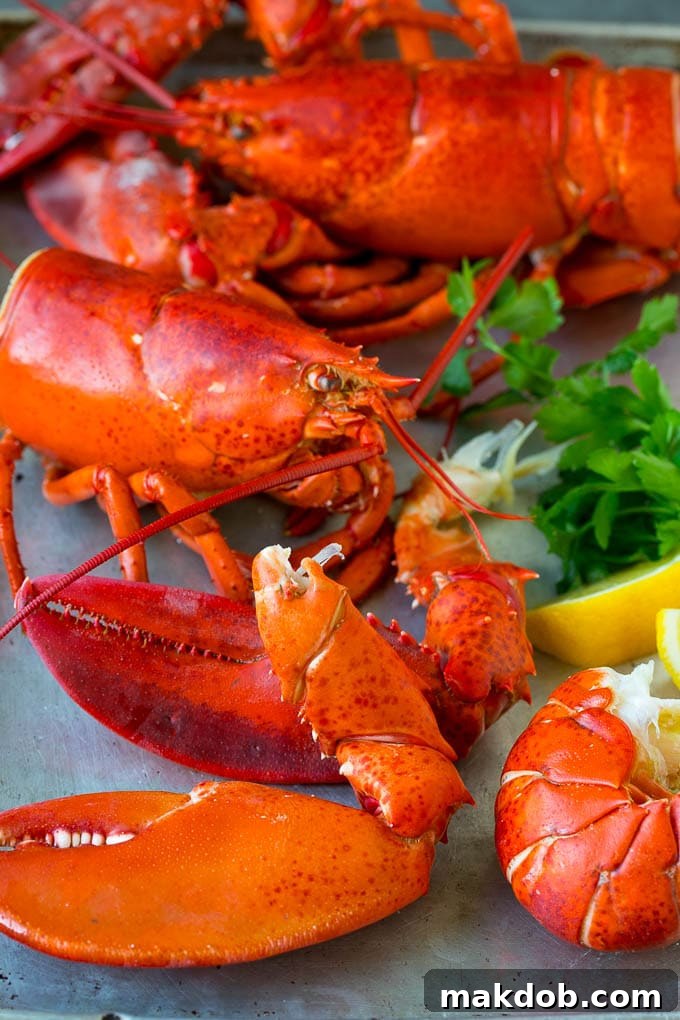
How to Efficiently Remove Meat from a Whole Cooked Lobster
Once your lobster is perfectly cooked and slightly cooled, the next satisfying step is extracting that sweet, tender meat. This guide will walk you through a systematic approach to get every succulent morsel from tail to claw:
- Separate the Tail: Begin by firmly grasping the lobster’s body with one hand and the tail with the other. With a decisive twist and pull, separate the tail from the body. You can also use a sharp chef’s knife to cut through the joint if preferred.
- Extract Tail Meat: To get the tail meat out in one beautiful, intact piece, you have a couple of effective options:
- Cut the Shell: Use sturdy kitchen shears to cut lengthwise down the center of the underside (the softest part) of the tail shell. Gently pry the shell open and pull the meat free.
- Crack and Pull: Alternatively, you can snap off the small tail flippers first. Then, starting from the larger end of the tail, press firmly on the sides of the tail to crack the shell, and carefully pull the meat out.
Once extracted, inspect the tail meat for a dark vein running along its top – this is the digestive tract. While not harmful, it’s best to remove it with a small paring knife for a cleaner presentation and taste.
- Detatch and Crack the Claws and Knuckles: Twist off the large claws and their attached knuckles (the small segments connecting the claws to the body) from the lobster’s main body. Using a specialized lobster cracker, nutcracker, or even a heavy-backed knife, carefully crack open the claw shell. The knuckles also contain a surprising amount of sweet, tender meat; crack these gently. A small seafood fork or skewer can help you extract the meat from these intricate areas.
- Retrieve Leg Meat: Don’t overlook the smaller legs, which hold delicate strands of meat. Twist them off the body, then either crack them gently with your fingers or a cracker. Using a thin skewer or the blunt end of a small fork, push the meat out from the narrower end of each leg. It’s a small yield, but this meat is exceptionally tender.
- Explore the Body (Optional): The body cavity, sometimes referred to as the “head” area, contains two distinct components: the tomalley (the green liver and pancreas) and the roe (the red eggs, if your lobster is female). Some consider these parts to be delicacies. The tomalley has a rich, pungent flavor, while the roe is briny and firm. If you’re not keen on these, simply discard this section. There is usually not much solid, edible meat in the main body cavity itself beyond these parts.
With these techniques, you’ll be able to savor every delicious bit of your perfectly cooked lobster.
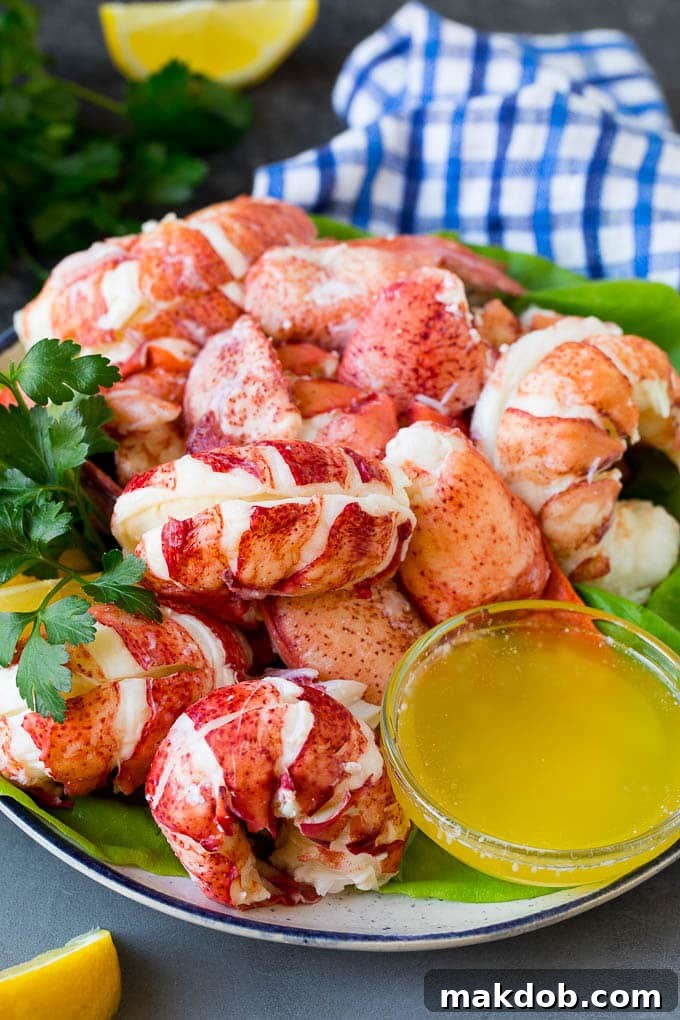
Mastering the Art of Cooking Lobster Tails
Lobster tails are a popular choice for many, offering a concentrated portion of delicious meat without the need to navigate a whole lobster. Broiling is a fantastic method for cooking tails, resulting in tender, flavorful meat with a beautiful presentation that’s easy to serve.
Broiling Lobster Tails Step-by-Step:
- Prepare the Tails for Butterflying: Using sturdy kitchen shears, carefully cut lengthwise down the center of the top side (hardest part) of the lobster tail shell, starting from the wide end and continuing down to the tail fins. Be careful not to cut through the meat entirely.
- Butterfly the Meat: Gently pry the cut shell open with your fingers. Carefully slide your thumb or fingers under the meat to loosen it from the bottom shell, taking care to keep the meat attached to the tail fin end. Pull the loosened meat upwards through the opening in the shell, letting it rest elegantly on top of the shell. The shell should now act as a little “boat” for the exposed meat.
- Season and Flavor: Brush the exposed lobster meat generously with melted butter. For an extra layer of flavor, you can mix the butter with minced garlic, a squeeze of fresh lemon juice, a pinch of paprika, or your favorite fresh herbs like finely chopped parsley or chives. This infuses the meat as it cooks.
- Broil to Perfection: Preheat your broiler to high. Place the prepared lobster tails, meat-side up, on a baking sheet. Broil for 8-10 minutes, or until the lobster meat is opaque white, slightly firm to the touch, and lightly golden at the edges. The exact cooking time will vary depending on the size of the tail (smaller tails cook faster) and the intensity of your broiler. Watch them very carefully to prevent overcooking, which can quickly lead to tough, rubbery meat.
- Garnish and Serve: Once perfectly cooked, remove the lobster tails from the broiler. Sprinkle generously with fresh chopped parsley for a pop of color and freshness, and serve immediately with extra melted butter and lemon wedges on the side.
This “butterflied” broiling method not only ensures even cooking and beautiful caramelization but also makes serving and eating incredibly easy and visually appealing.
Creative and Delicious Ways to Enjoy Your Cooked Lobster Meat
While fresh, hot lobster meat with melted butter is an undisputed classic, cooked lobster is incredibly versatile and can elevate a wide array of dishes. Its sweet, delicate flavor makes it a prized ingredient in both simple and sophisticated culinary creations. Here are some delightful ideas for using your tender lobster meat:
- Classic Lobster Rolls: A quintessential New England treat. For a cold roll, gently toss cold lobster meat with a light mayonnaise dressing, finely chopped celery, and chives. For a warm roll, gently warm the lobster meat in melted butter. Pile either version high into a toasted, buttered split-top bun for an authentic experience.
- Decadent Seafood Pasta: Incorporate chunks of lobster meat into your favorite pasta dish for an instant upgrade. It pairs beautifully with creamy sauces like Alfredo, a vibrant tomato-based sauce, or a simple lemon-garlic butter sauce, adding a luxurious touch to any seafood pasta.
- Fresh Lobster Salad: Light, refreshing, and elegant, lobster salad is perfect for a warm day or a sophisticated lunch. Mix diced lobster meat with crisp greens (like arugula or butter lettuce), cherry tomatoes, creamy avocado, and a vibrant lemon-herb vinaigrette or a light creamy dressing. Serve on its own, with crackers, or in lettuce cups.
- Elevated Seafood Boils: Already planning a vibrant seafood boil? Add cooked lobster alongside shrimp, crab legs, corn on the cob, and potatoes for an unforgettable, communal feast. The lobster’s sweetness will complement the spicy, savory broth.
- Luxurious Lobster Mac and Cheese: Transform a beloved comfort food favorite into an upscale masterpiece. Fold generous pieces of lobster meat into a rich, creamy, and extra-cheesy béchamel sauce, then bake until bubbly and golden brown. This Lobster Mac and Cheese recipe is guaranteed to be a crowd-pleaser and a truly indulgent experience.
- Gourmet Tacos or Tostadas: Flaked or diced lobster meat can be used as a premium filling for exquisite seafood tacos or tostadas. Pair it with fresh, vibrant salsas (like mango or pineapple), a dollop of avocado cream or cilantro-lime aioli, and a squeeze of fresh lime juice for a delightful fusion dish.
- Rich Lobster Bisque: For a truly elegant starter, create a creamy, flavorful lobster bisque. Use the shells to make a rich stock, then blend with aromatics and cream, garnishing with extra chunks of the sweet lobster meat just before serving.
- Simple Sandwiches or Wraps: Beyond the iconic roll, lobster can make an ordinary sandwich extraordinary. Layer it with fresh greens, a slice of tomato, and a touch of homemade aioli or dill mayonnaise on good quality artisanal bread or wrapped in a soft tortilla.
With these diverse ideas, your perfectly cooked lobster meat can be the star of countless culinary creations, proving its versatility far beyond the traditional plate.
Your Ultimate Lobster Recipe Card
Here’s a quick reference for preparing four approximately 1.5-pound lobsters, complete with ingredients, step-by-step instructions for both boiling and steaming, and estimated nutritional information.

Recipe Details
- Author: Sara Welch
- Prep Time: 20 minutes
- Cook Time (Boiled): Approximately 10 minutes (for 1.5 lb lobsters)
- Cook Time (Steamed): Approximately 11-13 minutes (for 1.5 lb lobsters)
- Total Time: 30 minutes
- Course: Main
- Cuisine: American
- Servings: 4
Ingredients
- 4 live lobsters, approximately 1 1/2 pounds each
- Sea salt (1 tablespoon per gallon of water for boiling, or to taste for steaming liquid)
- Melted butter for serving
- Lemon wedges and fresh parsley sprigs for garnish (optional)
Instructions
- To humanely sedate them, place the live lobsters in the freezer for 15-20 minutes before you plan to cook them. Keep the rubber bands on their claws.
For Boiled Lobster:
- Bring a very large pot of water to a rolling boil. Add 1 tablespoon of sea salt per gallon of water.
- Carefully place the lobsters head-first into the vigorously boiling water. Cover the pot tightly.
- Cook the lobsters for approximately 9-10 minutes (for 1.5 lb lobsters) or until their shells are bright red and the meat is opaque white throughout.
- Using tongs, carefully remove the lobsters from the boiling water. Allow them to cool for 5 minutes.
- Serve immediately with melted butter, fresh lemon wedges, and parsley sprigs as desired.
For Steamed Lobster:
- Place 2-3 inches of water in a large pot with a steamer rack (ensure the lobsters won’t touch the water); bring the water to a rolling boil.
- Carefully place the lobsters on the steamer rack in the pot and cover tightly with the lid.
- Steam the lobsters for approximately 11-13 minutes (for 1.5 lb lobsters) or until their shells are bright red and the meat is cooked through.
- Using tongs, carefully remove the lobsters from the pot. Allow them to cool for 5 minutes.
- Serve immediately with melted butter, fresh lemon wedges, and parsley sprigs as desired.
Nutrition Information (Per Serving – estimated for 1.5lb lobster meat without added butter)
- Calories: 97 kcal
- Protein: 21g
- Fat: 1g
- Saturated Fat: 1g
- Cholesterol: 160mg
- Sodium: 533mg
- Potassium: 252mg
- Calcium: 106mg
- Iron: 1mg
Note: Nutritional values are approximate and can vary significantly based on lobster size, precise preparation methods, and any added ingredients like butter.
Your Journey to Lobster Perfection Starts Now
You now possess all the essential knowledge and expert techniques to confidently cook a lobster perfectly, every single time. From selecting the freshest crustaceans to mastering both boiling and steaming methods, understanding optimal cooking times, and even efficiently extracting every morsel of succulent meat, you’re well-equipped to create an unforgettable dining experience. Forget expensive restaurant meals – the joy of preparing and savoring fresh, tender, and flavorful lobster is now within your reach. Get ready to impress your family and friends, and most importantly, treat yourself to the best lobster of your life!