
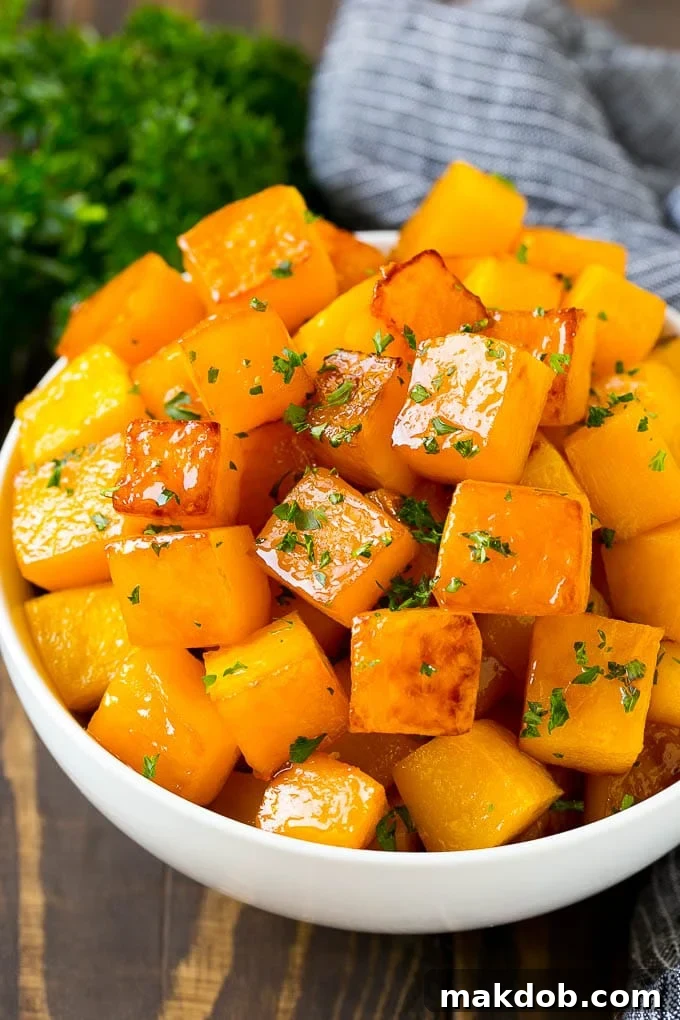
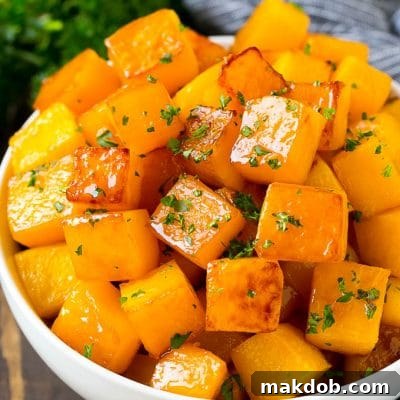
This roasted butternut squash is a symphony of flavors, delicately coated in a luscious blend of brown sugar, rich maple syrup, and carefully selected seasonings. Each piece is then roasted to absolute perfection, transforming into a irresistibly tender and caramelized delight. Prepare yourself for the ultimate way to savor the natural goodness of butternut squash!
As the seasons shift and cooler weather invites heartier meals, I always make sure to include a delightful vegetable side dish with dinner. Among my family’s cherished favorites are these vibrant glazed carrots, the savory parmesan zucchini, and, of course, this perfectly balanced, lightly sweetened roasted butternut squash recipe that consistently earns rave reviews.
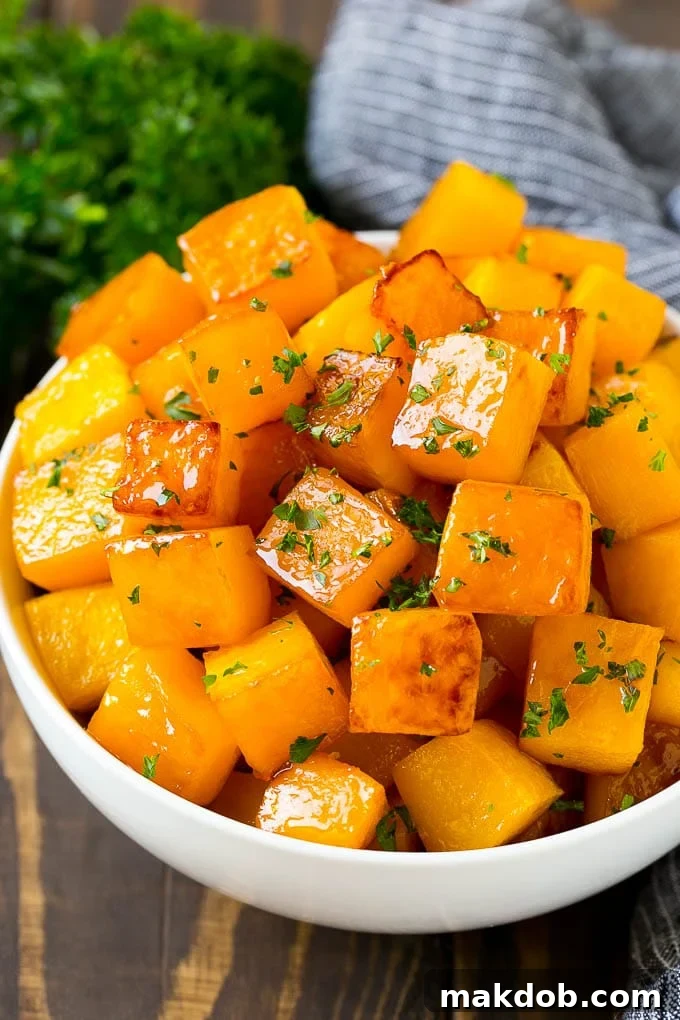
When the crisp air of autumn and the chill of winter settle in, and fresh green vegetables become less abundant in local markets, my kitchen effortlessly transitions to the wonderful world of winter squash. These seasonal gems are not only inexpensive and readily available but also come in an incredible array of shapes, sizes, and nuanced flavors. My personal favorite, hands down, is butternut squash. Its inherent sweetness and robust texture make it incredibly versatile and perfectly suited for a multitude of preparations.
This particular roasted butternut squash recipe is elevated by a touch of sweetness from brown sugar and the earthy notes of maple syrup, transforming it into one of my all-time favorite side dish recipes. It’s a comforting dish that perfectly complements a wide variety of main courses.
Imagine pairing this flavorful squash with some of my top main dish recommendations, such as a boldly seasoned Cajun turkey, succulent apple pork chops, or a tender slow cooker whole chicken. The sweet and savory balance of the squash provides an exquisite counterpoint to these hearty meals, making every bite a delight.
Table of Contents
- Why Choose Butternut Squash for Roasting?
- Essential Ingredients for Perfect Roasted Butternut Squash
- How to Master the Art of Roasted Butternut Squash
- Expert Tips for Flawless Butternut Squash Roasting
- Roasted Butternut Squash FAQs
- Explore Flavor Variations
- More Irresistible Side Dish Ideas
- Roasted Butternut Squash with Brown Sugar Recipe
Why Choose Butternut Squash for Roasting?
Butternut squash isn’t just a seasonal favorite; it’s a nutritional powerhouse and an incredibly versatile ingredient. Rich in vitamins A and C, fiber, and potassium, this vibrant orange vegetable supports immune health, aids digestion, and contributes to overall well-being. Its naturally sweet and nutty flavor intensifies beautifully when roasted, making it an ideal candidate for caramelization. It’s also a fantastic alternative to root vegetables or potatoes, offering a lighter yet satisfying side.
Beyond its health benefits, butternut squash holds a special place in fall and winter cooking due to its robust nature and ability to absorb and enhance various flavors. Whether you’re aiming for a sweet, savory, or spicy profile, butternut squash provides a perfect canvas, making it a go-to choice for home cooks looking for both nutrition and deliciousness.
Essential Ingredients for Perfect Roasted Butternut Squash
Creating truly delicious roasted butternut squash requires a handful of simple yet high-quality ingredients that work in harmony to achieve that perfect tender, caramelized texture and irresistible flavor. Here’s what you’ll need for this specific recipe:
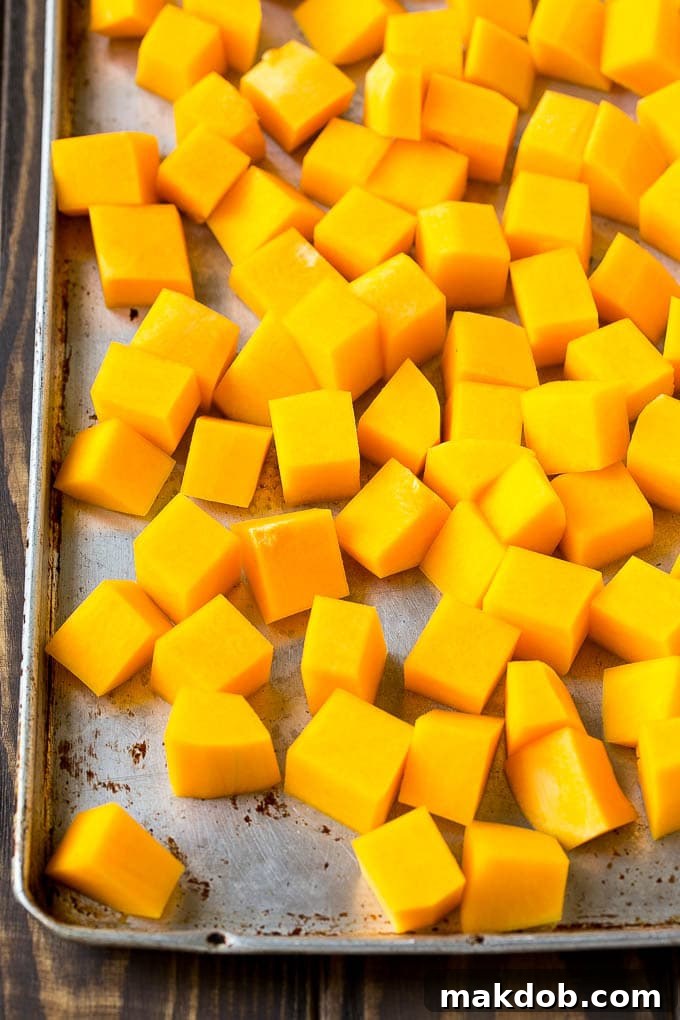
- Butternut Squash: The star of the show. You’ll want about two pounds, peeled, seeded, and cut into uniform 3/4-inch cubes. Uniformity is key for even cooking.
- Olive Oil: A good quality extra virgin olive oil not only helps the squash brown beautifully but also provides a rich, fruity base for the flavors to cling to. It’s essential for crisp edges and tender insides.
- Brown Sugar: This adds a deep, molasses-rich sweetness that complements the squash’s natural sugars and significantly aids in the caramelization process, creating a gorgeous golden crust.
- Maple Syrup: Pure maple syrup introduces a distinct, earthy sweetness and a subtle complexity that brown sugar alone can’t achieve. It also contributes to the glossy, caramelized finish.
- Fresh Parsley: A final sprinkle of fresh, chopped parsley after roasting adds a bright, herbaceous note that beautifully cuts through the sweetness, providing a refreshing contrast and a pop of color.
- Salt and Black Pepper: These fundamental seasonings are crucial for enhancing all the other flavors, balancing the sweetness, and bringing out the best in the squash. Adjust to your personal preference.
- Cooking Spray: Used to prepare your baking sheet, ensuring the squash doesn’t stick and making cleanup a breeze.
How to Master the Art of Roasted Butternut Squash
Achieving perfectly roasted butternut squash is a straightforward process, but a few key steps ensure a tender interior and a beautifully caramelized exterior. Follow these detailed instructions to create a truly memorable side dish:
- Preparation is Key: Begin by preheating your oven to 400 degrees Fahrenheit (200°C). This high temperature is crucial for encouraging caramelization and achieving that desirable tender-crisp texture. While the oven heats, prepare a large sheet pan. For effortless cleanup, I highly recommend lining your sheet pan with aluminum foil or parchment paper before coating it generously with cooking spray.
- Arrange for Success: Once your butternut squash is peeled, seeded, and cut into uniform 3/4-inch cubes (as detailed in our FAQ), spread these cubes out in a single layer on your prepared sheet pan. Avoid overcrowding the pan; if necessary, use two pans to ensure the squash roasts rather than steams. Ample space allows for proper air circulation, which is vital for browning.
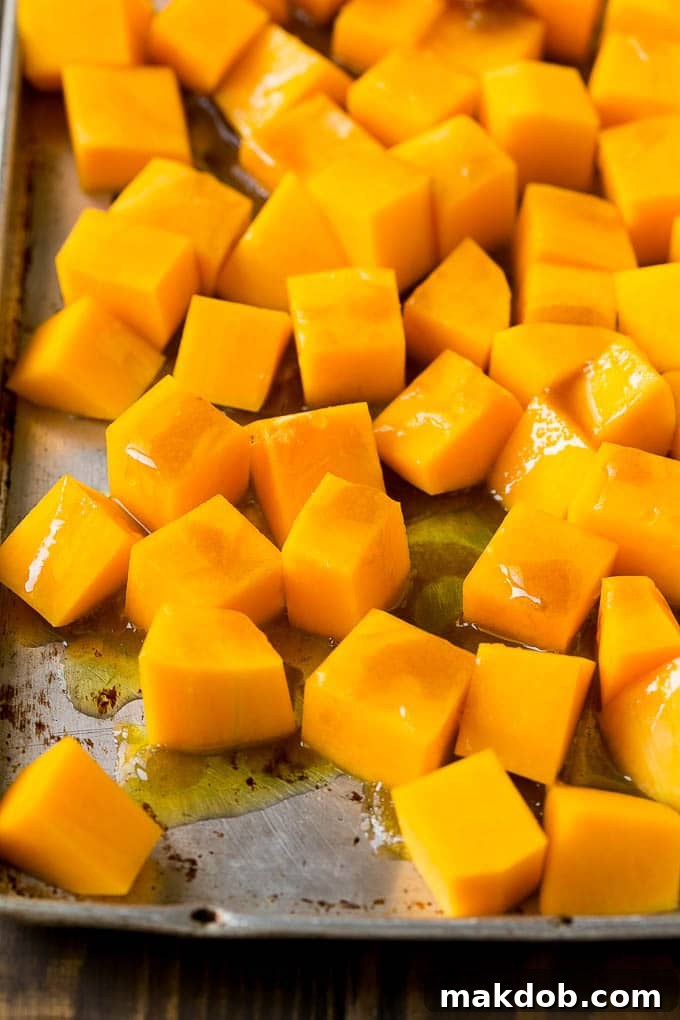
- Craft the Flavorful Glaze: In a small bowl, combine the olive oil, brown sugar, maple syrup, salt, and black pepper. Whisk these ingredients together until they are thoroughly mixed and the sugars have dissolved into the oil. This creates the sweet and savory coating that will caramelize so wonderfully.
- Coat Evenly: Drizzle the whisked olive oil mixture generously over the squash cubes on the baking sheet. Use your hands or a spatula to gently toss the squash, ensuring every single piece is evenly coated in the glaze. This step guarantees that each bite will be bursting with flavor and achieve that desirable sticky, sweet caramelization.
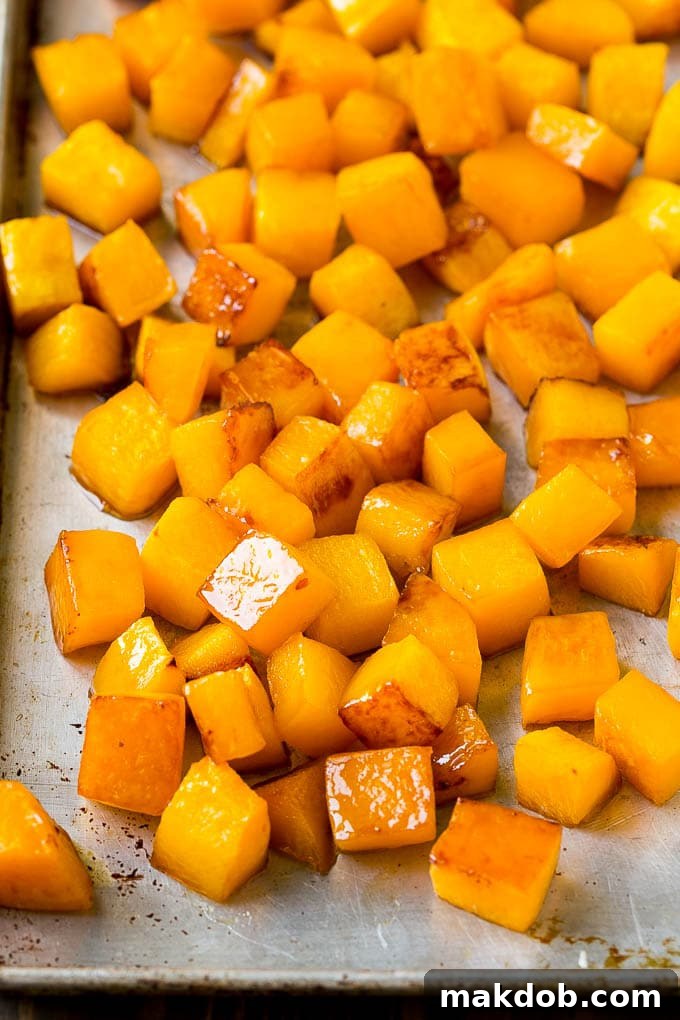
- Roast to Perfection: Place your seasoned squash in the preheated oven. Roast for a total of 25-30 minutes. The secret to even caramelization and browning is to stir the squash every 10 minutes. This ensures all sides get a chance to come into contact with the hot pan and develop that delicious golden crust. Continue roasting until the squash is perfectly tender when pierced with a fork and beautifully caramelized around the edges.
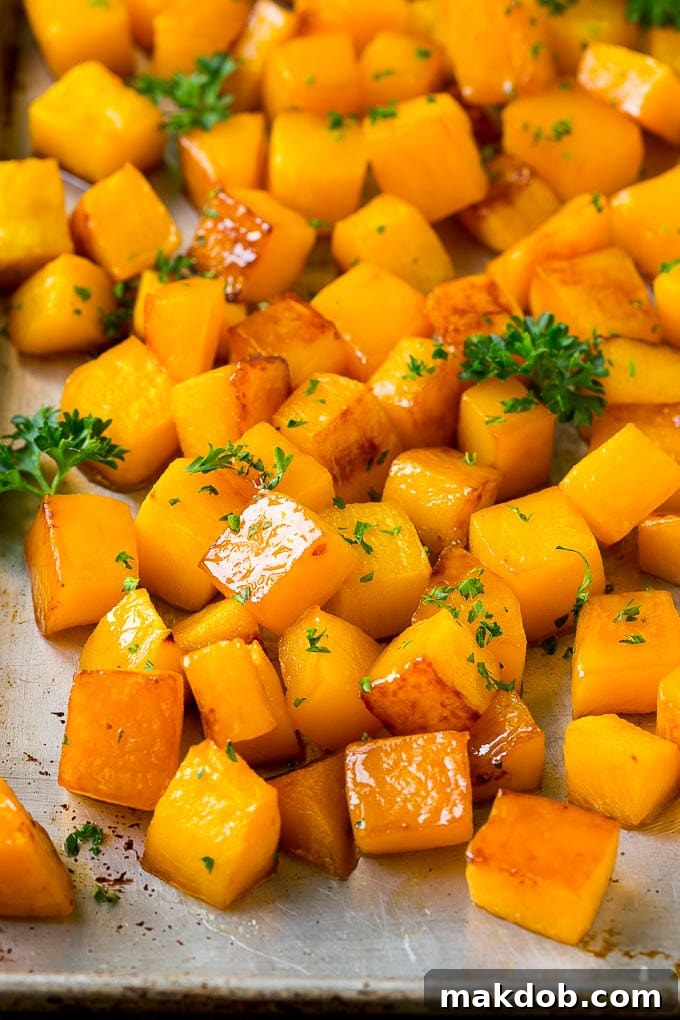
- The Finishing Touch: Once roasted, remove the squash from the oven. For a final flourish and a burst of fresh flavor, sprinkle with chopped fresh parsley, if desired. Serve immediately and enjoy the warm, comforting taste of this exquisite side dish.
Expert Tips For Flawless Butternut Squash Roasting
To ensure your roasted butternut squash turns out perfectly every time, keep these expert tips in mind:
- Cut Size Matters: I recommend cutting your butternut squash into approximately 3/4 inch pieces. While this might seem a little generous at first glance, remember that squash significantly shrinks as it cooks. This size ensures a good balance of tender interior and caramelized exterior without becoming mushy or overcooked.
- Save Time with Pre-Cut: If you’re short on prep time, don’t hesitate to use pre-cut butternut squash from the produce section of your grocery store. It’s a convenient option that delivers great results, allowing you to get dinner on the table faster. Just ensure the pieces are relatively uniform in size.
- Effortless Cleanup: For a hassle-free cleanup, always line your sheet pan with foil or parchment paper before you coat it with cooking spray. The sticky, caramelized sugars can be tough to scrub off, but a simple liner makes disposal incredibly easy.
- Garnish for Freshness: While optional, I find that a sprinkle of chopped fresh parsley at the end adds a wonderful burst of color and a refreshing herbaceous note that beautifully contrasts the sweetness of the squash. Feel free to skip it if fresh herbs aren’t on hand or if you prefer a simpler presentation.
- Don’t Overcrowd the Pan: For optimal caramelization and browning, ensure your squash pieces are spread in a single layer with a little space between them. Overcrowding can lead to steaming, resulting in soft, rather than deliciously browned, squash. Use a second sheet pan if needed.
- High Heat is Your Friend: Roasting at 400°F (200°C) is crucial for achieving that desirable crisp exterior and tender interior. Lower temperatures will cook the squash but won’t give you the same depth of flavor or texture.
Quick Tip: Achieve Golden Perfection
For truly exceptional caramelized butternut squash, you’ll want to stir your squash occasionally – about every 10 minutes – during the roasting process. This ensures that all sides of each cube come into contact with the hot pan, allowing them to brown evenly and develop that irresistible sticky, golden-brown crust. Don’t skip this step for maximum flavor and texture!
Roasted Butternut Squash FAQs
Cutting a butternut squash can seem daunting due to its tough skin, but with a few simple tricks, it’s quite easy and safe. First, stabilize the squash by cutting a thin slice off both the bottom and top ends, creating flat surfaces. This prevents it from rolling around while you work. Next, use a high-quality vegetable peeler (a Y-shaped peeler is often preferred for its ergonomic grip) to carefully peel off the skin. Once peeled, stand the squash upright and cut it lengthwise down the middle. Use a spoon to scoop out the seeds and fibrous strands from both halves. Finally, you can lay the halves flat-side down and cut them into uniform cubes as desired for your recipe.
Technically, you don’t strictly need to peel a butternut squash before roasting it. The skin becomes softer and somewhat edible after roasting, especially if sliced thinly. However, for a more tender texture and a consistently smooth eating experience, I highly recommend peeling the squash. The unpeeled skin can sometimes be a bit chewy or slightly fibrous, which might detract from the overall enjoyment of this particular sweet and caramelized recipe.
For peeling a butternut squash, a sharp, high-quality Y-shaped vegetable peeler is generally considered the best tool. Its design allows for an easier and more controlled grip, making the task less strenuous than using a straight peeler or a knife. Before you start peeling, always remember to cut thin slices off the top and bottom of the squash. This provides stable flat surfaces, making it much safer and easier to hold the squash securely on your cutting board while peeling.
Leftover roasted butternut squash can be stored in an airtight container in the refrigerator for up to 3-4 days. To reheat, spread the squash in a single layer on a baking sheet and warm it in an oven at 350°F (175°C) for 10-15 minutes, or until heated through. This method helps to retain some of its original texture and prevent it from becoming soggy. You can also quickly warm it in a microwave, but it may lose some crispness.
Selecting a ripe butternut squash is key to the best flavor. Look for a squash that is uniformly beige or tan in color. Avoid any squash with green patches, as this indicates it’s unripe. It should feel firm and heavy for its size, without any soft spots, bruises, or cuts. A dull, matte finish is also a good sign of ripeness, as opposed to a shiny one. A darker spot on one side where it rested on the ground is normal and not a sign of spoilage.
Follow Me
Explore Flavor Variations: Sweet, Savory, and Spicy!
While I adore this sweeter version of roasted butternut squash, its versatility truly shines when you consider the myriad ways to adapt its flavors. Don’t be afraid to experiment and make this recipe your own!
- Savory Bacon Infusion: For an irresistible smoky and salty kick, add 1/2 cup of cooked, crumbled bacon to the roasted squash just before serving. The rendered bacon fat can also be used in place of some olive oil for initial roasting to infuse even more flavor.
- Aromatic Garlic and Herb: Transform your squash into a savory masterpiece by omitting the brown sugar and maple syrup. Instead, mix 1 teaspoon of minced garlic and 1 teaspoon of your favorite herbs, such as classic Italian seasoning, fragrant rosemary, or earthy thyme, into the olive oil before tossing with the squash.
- Sweet and Tangy Red Onion: Add 1/2 cup of thinly sliced red onion to the pan alongside the squash before it goes into the oven. The red onion will soften and sweeten as it roasts, adding a delightful depth and slight tang that complements the squash beautifully.
- Warm Cinnamon Spice: For a cozy, autumnal twist, stir 1/2 teaspoon of ground cinnamon into the olive oil mixture. This simple addition enhances the natural sweetness of the squash and pairs wonderfully with the maple and brown sugar. A pinch of nutmeg or allspice could also be added for more complexity.
- Spice it Up: For those who love a bit of heat, consider adding a pinch of red pepper flakes or a dash of cayenne pepper to the seasoning mix. This creates a sweet and spicy profile that is surprisingly addictive.
- Alternative Squash Varieties: This roasting technique and flavor profile isn’t exclusive to butternut squash! You could easily make this recipe with cubes of other winter squash varieties like acorn squash, delicata squash, or even spaghetti squash, adjusting cooking times as needed for tenderness.
Beyond being a fantastic side dish, roasted butternut squash is incredibly adaptable. Its tender, flavorful cubes can be effortlessly incorporated into a variety of other dishes. Toss them into fresh fall salads for added substance and sweetness, blend them into creamy soups for a velvety texture, or even add them to pasta dishes for a seasonal twist. The possibilities truly are endless, making this recipe a must-have in your culinary repertoire.
More Irresistible Side Dish Ideas
Parmesan Roasted Broccoli
30 mins
Bacon Green Bean Bundles
25 mins
Bacon Roasted Brussels Sprouts
30 mins
Garlic Mushrooms in Butter Sauce
10 mins
Corn Pudding
50 mins
Love This Recipe?
If you enjoyed this recipe, please consider leaving a 5-star 🌟🌟🌟🌟🌟 rating in the recipe card below and a review in the comments section further down the page. Your feedback helps others discover and enjoy this delicious roasted butternut squash!
Roasted Butternut Squash with Brown Sugar
Pin
Time
Ingredients
- 2 pounds butternut squash peeled, seeded and cut into 3/4 inch cubes
- 2 1/2 tablespoons olive oil
- 2 tablespoons brown sugar
- 2 tablespoon maple syrup
- salt and pepper to taste
- cooking spray
- 1 tablespoon chopped parsley optional
Instructions
-
Preheat your oven to 400 degrees F (200°C). Prepare a sheet pan by lining it with foil or parchment paper, then generously coat it with cooking spray for easy release and cleanup.
-
Spread the butternut squash cubes out in a single layer on the prepared sheet pan. Ensure there’s enough space between each piece to allow for proper air circulation and browning. Avoid overcrowding.
-
In a small bowl, whisk together the olive oil, brown sugar, maple syrup, salt, and black pepper until well combined. This creates your delicious sweet and savory glaze.
-
Drizzle the olive oil mixture evenly over the squash on the pan. Toss gently with your hands or a spatula to ensure all the squash cubes are thoroughly coated in the glaze.
-
Bake for 25-30 minutes, stirring the squash every 10 minutes to promote even caramelization and browning on all sides. Continue baking until the squash is perfectly tender when pierced with a fork and beautifully browned and caramelized.
-
Remove from the oven. If desired, sprinkle with fresh chopped parsley for a touch of color and freshness. Serve hot and enjoy!
Notes
- I cut my squash into 3/4 inch pieces – this size may seem a little large initially, but the squash will shrink down as it cooks, ensuring a perfect tender texture.
- For a convenient shortcut, this recipe works wonderfully with pre-cut butternut squash available in the produce section, helping you save valuable prep time.
- To achieve maximum caramelization and browning on all sides, remember to stir your squash occasionally during roasting. This ensures even exposure to the heat of the pan.
- For an incredibly easy cleanup, always line your sheet pan with aluminum foil or parchment paper before adding cooking spray. This prevents any sticky caramelization from adhering directly to the pan.