
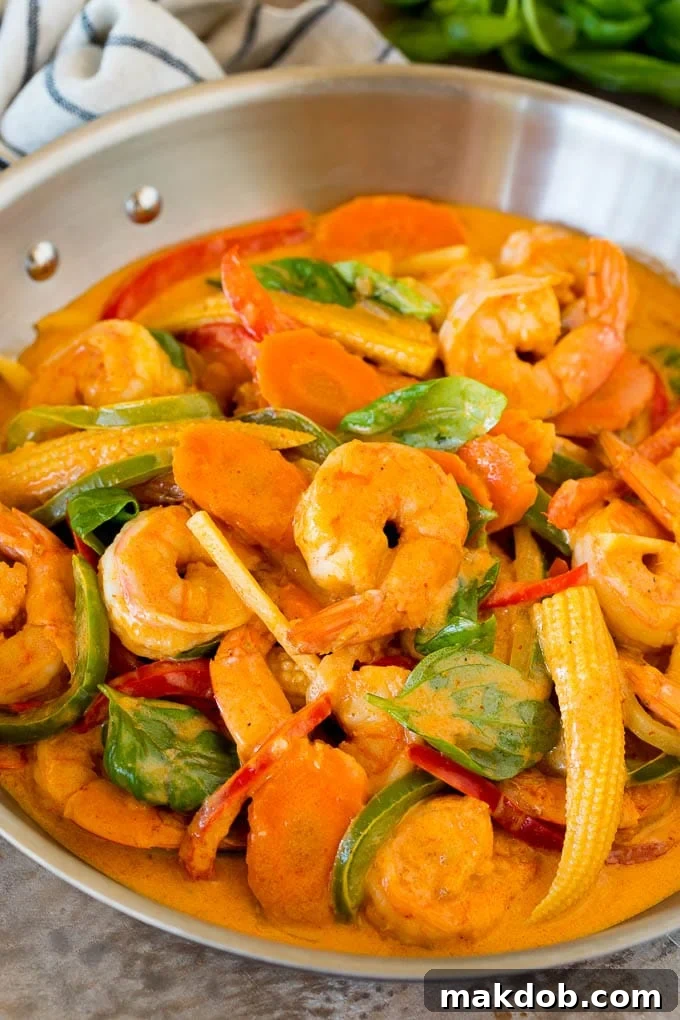
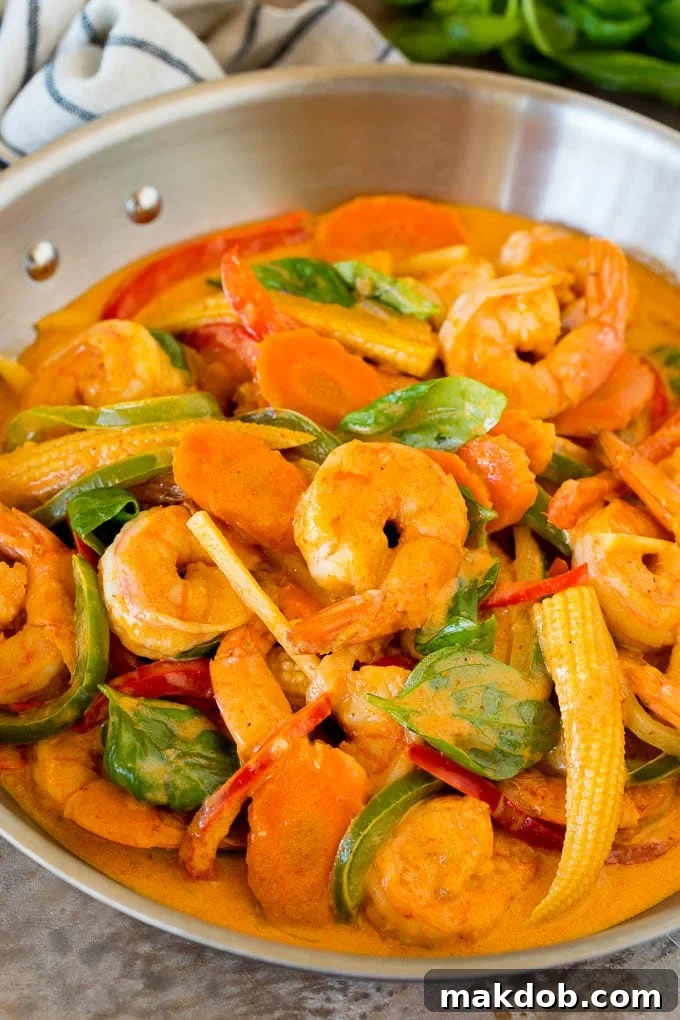
Indulge in the vibrant flavors of a homemade Thai Shrimp Curry, featuring succulent shrimp and a colorful medley of vegetables, all bathed in a rich, creamy coconut red curry sauce. This recipe brings the beloved restaurant favorite right to your kitchen, offering a quick and straightforward preparation with an exquisite balance of sweet, spicy, and savory notes. Prepare to impress your taste buds with an authentic taste experience that’s surprisingly easy to achieve.
There’s something incredibly comforting and satisfying about a perfectly crafted curry. For many, a visit to a local Thai restaurant isn’t complete without ordering a steaming bowl of shrimp curry, alongside other classics like peanut chicken and fried rice. While dining out offers convenience, the experience of creating this aromatic dish in your own home is unparalleled. Not only do you gain full control over the ingredients, ensuring freshness and quality, but you also discover that a homemade version can often surpass its restaurant counterpart in flavor and satisfaction.
Why Make Thai Shrimp Curry at Home?
Beyond the simple joy of cooking, preparing Thai shrimp curry in your own kitchen offers numerous advantages. First, you have complete command over the ingredients. This means you can select the freshest shrimp, choose organic vegetables, and control the quality of your coconut milk and curry paste. This level of customization allows you to adjust the spice level to your preference, making it milder for sensitive palates or hotter for those who crave an extra kick. Furthermore, homemade curry is often more cost-effective than regularly ordering takeout, especially when cooking for a family.
This vibrant coconut shrimp curry has quickly become a beloved weeknight meal in my household. It relies on staple ingredients often found in any well-stocked pantry, making it an excellent solution for utilizing leftover vegetables before they spoil. The beauty of this recipe lies in its adaptability; almost any vegetable can be incorporated, transforming those forgotten fridge dwellers into a delicious, wholesome meal. Serve it alongside a generous portion of fluffy rice, and you’ll have a hearty, flavorful dinner that the entire family will adore, effortlessly blending convenience with gourmet taste.
Mastering the Art of Shrimp Curry: A Step-by-Step Guide
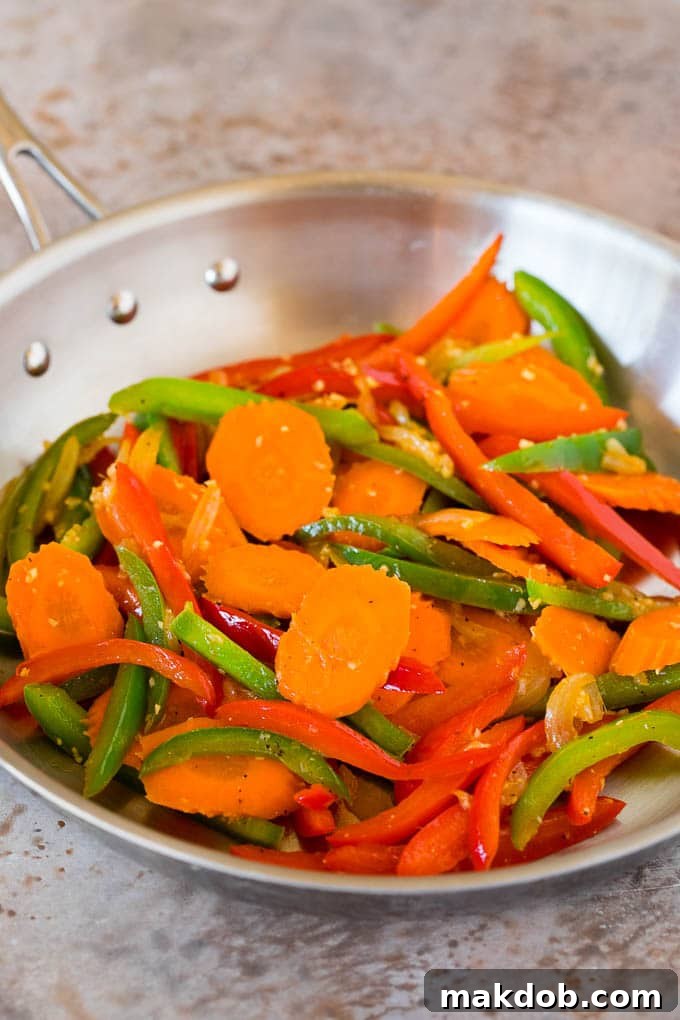
Crafting this delightful shrimp curry is a surprisingly simple process, perfect for both novice and experienced cooks. The journey begins with preparing your colorful assortment of vegetables, which are gently sautéed until they reach a tender-crisp perfection. This initial step builds a foundational layer of flavor, crucial for the depth of the finished dish. Once your vegetables are ready, the aromatic curry paste is added, allowing its spices to bloom and release their full potential, infusing the pan with an intoxicating fragrance.
Next, the plump, raw shrimp are introduced to the pan, mingling with the spices and vegetables. This is followed by a generous pour of rich, full-fat coconut milk, bringing a luxurious creaminess to the sauce. A touch of brown sugar is incorporated to balance the complex flavors, adding a subtle sweetness that rounds out the heat of the curry paste and the tang of lime. The mixture is then brought to a gentle simmer, allowing the flavors to meld beautifully and the shrimp to cook quickly until they turn a beautiful pink and become opaque. Finally, a splash of lime juice and fresh herbs are stirred in just before serving, brightening the entire dish with a burst of freshness. Serve immediately, perhaps over a bed of jasmine rice, and savor every spoonful of this exquisite homemade curry.
How to Select and Prepare Shrimp for Your Curry
The star of this dish is, of course, the shrimp. This recipe performs beautifully with raw shrimp, whether they are fresh from the market or thawed from a frozen state. When choosing shrimp, aim for high-quality, sustainably sourced options. Medium-sized shrimp (typically a 31-40 count per pound) work exceptionally well, offering a good balance of texture and bite without being too small or overly large. You might find shrimp pre-peeled and deveined at your local grocery store, which is a convenient time-saver. However, if your shrimp come with their shells intact, peeling them yourself is a straightforward process.
To peel shrimp, begin at the underside where the legs are attached and gently pull the shell away from the flesh. Many people prefer to leave the tail shells on for a more elegant presentation, especially if serving guests. Just remember to remove these before eating for a more enjoyable experience. After peeling, the next crucial step is deveining. This involves making a shallow incision down the back of each shrimp with a small paring knife and carefully removing the dark, stringy vein. This step is important for both aesthetics and a cleaner taste. Once peeled and deveined, your shrimp are ready to absorb the rich flavors of the curry.
Essential Tips for the Perfect Shrimp Curry
- **Embrace Quality Curry Paste:** While making your own curry paste from scratch can be rewarding, a good quality store-bought red curry paste in a jar offers incredible flavor and saves significant time. Look for brands that prioritize authentic Thai ingredients for the best results.
- **Shrimp Size Matters (But is Flexible):** Any size of shrimp will work in this recipe, but medium-sized shrimp (like 31-40 count per pound) tend to be ideal. They cook quickly and maintain a tender texture without becoming rubbery.
- **Full-Fat Coconut Milk is Key:** Do not substitute full-fat coconut milk with its light counterpart. Full-fat coconut milk is essential for achieving the rich, creamy texture and depth of flavor that defines a truly authentic Thai curry. Light versions will result in a watery, less satisfying dish.
- **Timing Your Rice:** To ensure a seamless meal, start steaming your rice (or preparing any other accompaniment) at the same time you begin cooking the curry. This synchronizes cooking times, allowing everything to be ready simultaneously for a hot and fresh serving.
- **Don’t Skip the Brown Sugar:** The small amount of brown sugar in this recipe is not just for sweetness; it plays a vital role in balancing the overall flavor profile. It mellows the spiciness of the curry paste and harmonizes the savory, salty, and tangy elements, creating a well-rounded and irresistible taste.
- **Fresh Herbs for Brightness:** While the recipe calls for basil, don’t underestimate the power of fresh herbs. They add a burst of freshness and aroma that elevates the entire dish, particularly when added at the very end.
- **Proper Storage:** Any leftover shrimp curry can be stored in an airtight container in the refrigerator for up to 2 days.
- **Freezing is Not Recommended:** Unfortunately, shrimp curry does not freeze well. The coconut milk-based sauce tends to curdle and separate upon thawing, significantly altering the texture and appeal of the dish. It’s best enjoyed fresh or within a couple of days.
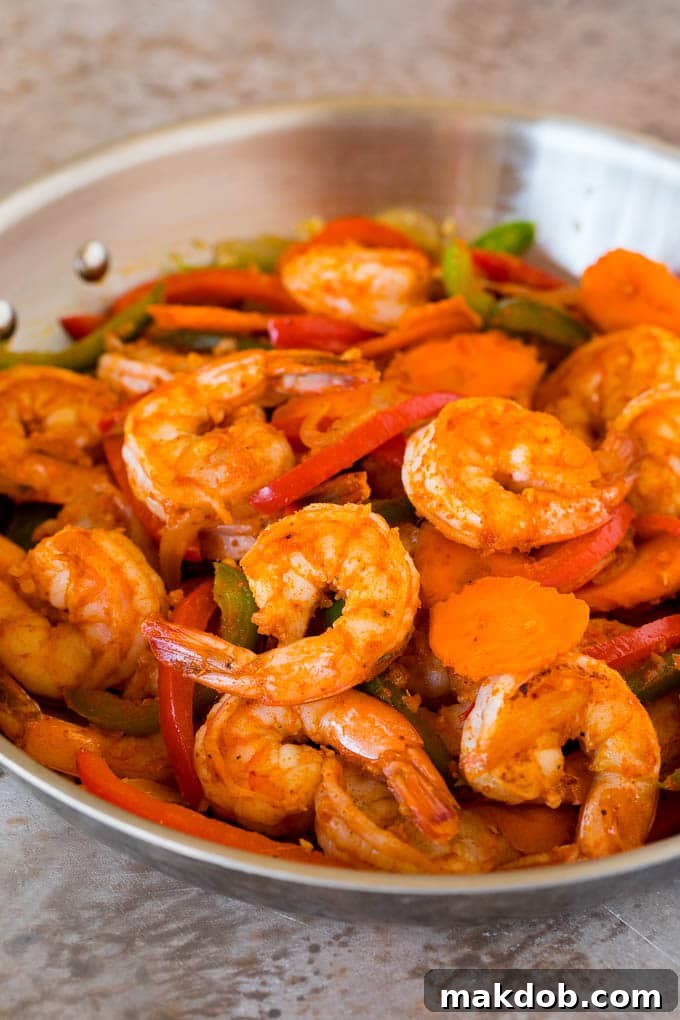
What to Serve with Your Delicious Curry
While steamed white rice remains the quintessential accompaniment to Thai shrimp curry, its versatility allows for a myriad of other delicious pairings. If you’re looking for alternatives or simply wish to diversify your meal, consider these excellent options:
- **Brown Rice:** Offers a nuttier flavor and chewier texture, along with added fiber.
- **Rice Noodles:** A fantastic option for a lighter meal, allowing the curry sauce to coat each strand beautifully.
- **Coconut Rice:** Infused with coconut milk, this adds an extra layer of richness and aromatic sweetness that complements the curry perfectly.
- **Egg Noodles:** Provide a satisfying chewiness and soak up the sauce wonderfully.
- **Quinoa:** A nutritious, protein-packed grain that makes for a wholesome and gluten-free alternative.
- **Naan Bread or Roti:** Excellent for soaking up every last drop of the flavorful sauce.
- **Steamed Green Vegetables:** A simple side of steamed broccoli, green beans, or bok choy can add a refreshing crunch and balance the richness of the curry.
Creative Flavor Customizations for Your Curry
This shrimp curry recipe is incredibly delicious as written, but it also serves as a fantastic canvas for culinary creativity. Feel free to experiment with different ingredients to tailor it perfectly to your taste and what you have on hand:
- **Alternate Proteins:** Not a fan of shrimp, or simply want to try something new?
- **Tofu Cubes:** For a vegetarian or vegan option, firm or extra-firm tofu absorbs the curry flavors beautifully.
- **Chicken:** Diced chicken breast or thigh can be used, just ensure it’s cooked through before simmering in the sauce.
- **Sliced Flank Steak:** Thinly sliced beef can add a robust flavor and hearty texture.
- **Seafood Medley:** Elevate your curry by adding chunks of firm white fish (like cod or snapper), mussels, or clams for a truly decadent seafood experience. Add delicate fish later in the cooking process to prevent overcooking.
- **Curry Paste Variations:** The type of curry paste significantly alters the dish’s profile.
- **Green Curry Paste:** For those who prefer more heat, green curry paste typically offers a spicier, more pungent flavor than red.
- **Yellow Curry Powder/Paste:** If you desire a milder, earthier flavor, yellow curry powder or paste is an excellent choice, often featuring turmeric as a prominent spice.
- **Vegetable Medley:** The original recipe features carrots, bell peppers, baby corn, and bamboo shoots, mirroring common restaurant preparations. However, the possibilities are endless for incorporating other vegetables:
- **Potatoes or Sweet Potatoes:** Add hearty bulk and a creamy texture.
- **Eggplant:** Absorbs flavors wonderfully and becomes tender in the sauce.
- **Celery:** Adds a subtle crunch and freshness.
- **Spinach or Kale:** Wilted greens add vibrant color and nutrients; stir them in at the very end.
- **Butternut Squash:** Offers a lovely sweetness and creamy texture, especially in cooler months.
- **Snow Peas or Snap Peas:** For a delicate, sweet crunch.
- **Aromatic Herbs and Spices:** While basil offers a classic touch, other herbs can introduce different dimensions of flavor:
- **Thinly Sliced Lemongrass:** Adds a bright, citrusy, and slightly ginger-like aroma. Bruise it before adding to release its oils.
- **Kaffir Lime Leaves:** Punctuate the curry with a distinct, fragrant citrus note. Bruise or finely chop them.
- **Cilantro:** A popular choice for garnishing Thai dishes, offering a fresh, pungent flavor.
- **Fish Sauce:** A dash can add an extra layer of umami and authentic Thai flavor.
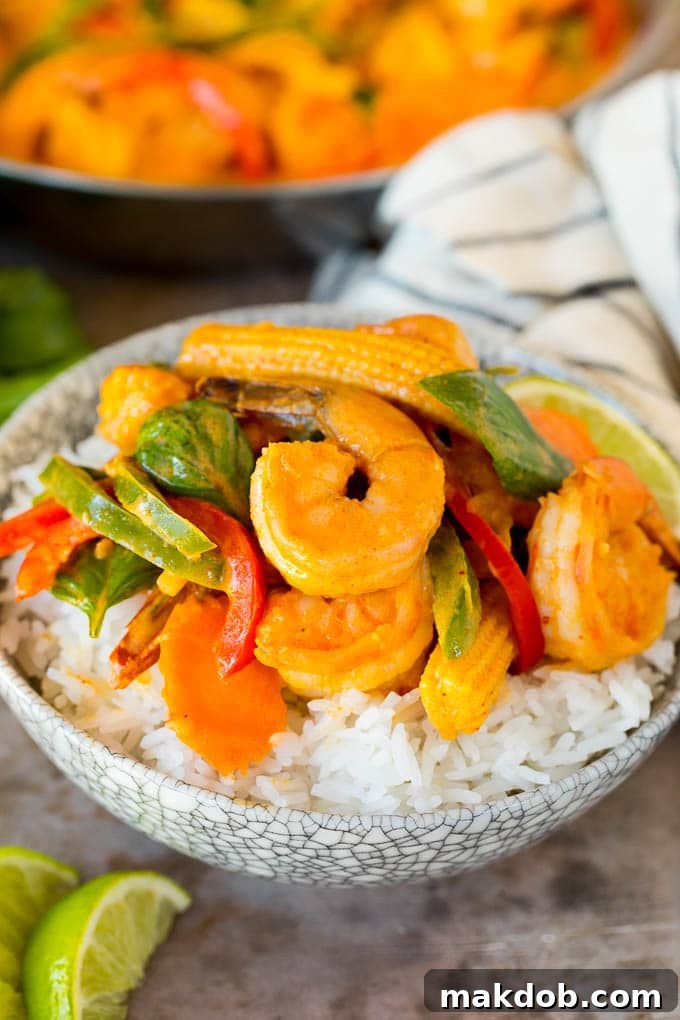
Once you experience the rich aromas and exquisite taste of this homemade shrimp curry, it’s highly likely to become a regular fixture in your meal rotation. Its combination of ease, customizable flavors, and comforting warmth makes it an instant classic that satisfies on every level. Enjoy the journey of bringing authentic Thai flavors into your home!
More Shrimp Recipes to Explore
- Coconut Shrimp
- Shrimp Kabobs
- Bang Bang Shrimp
- Bacon Wrapped Shrimp
- Shrimp Fried Rice
Shrimp Curry Recipe
Shrimp Curry
Author: Sara Welch
Prep Time: 20 minutes
Cook Time: 20 minutes
Total Time: 40 minutes
Course: Main
Cuisine: Asian
Servings: 4
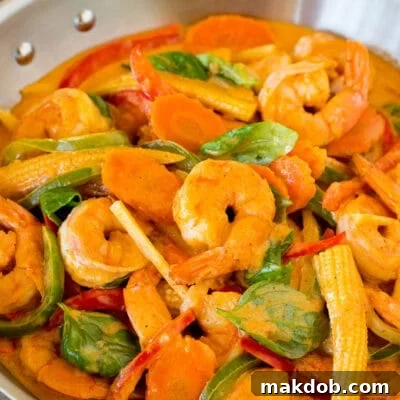
This shrimp curry is plump shrimp and colorful vegetables, all simmered together in a coconut red curry sauce. A homemade version of the restaurant favorite that’s quick to make with the perfect blend of flavors!
Ingredients
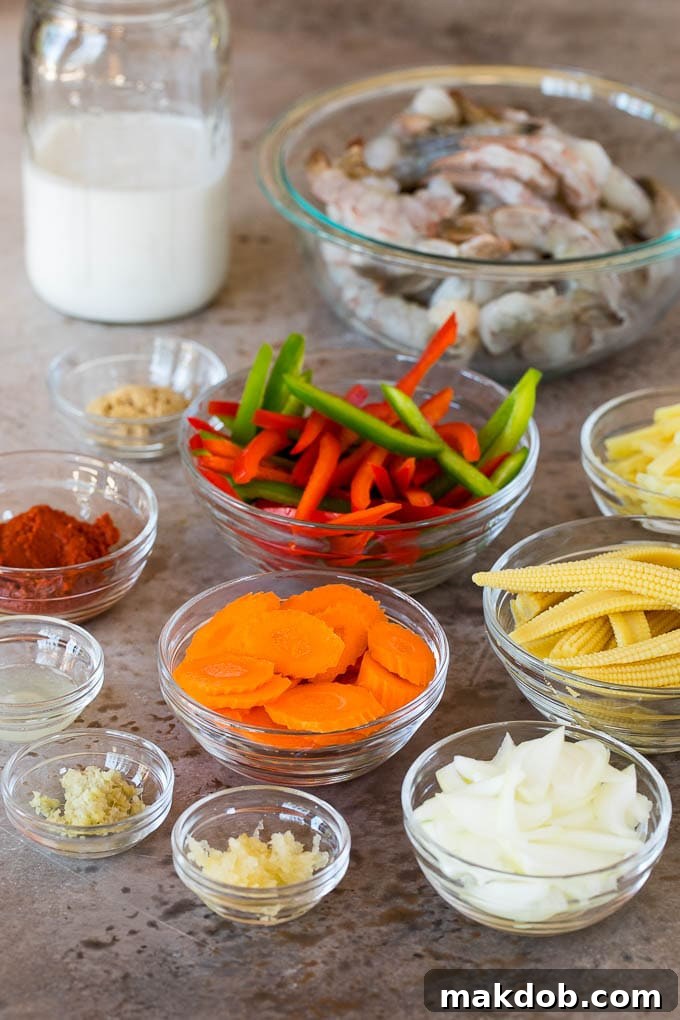
- 1 tablespoon vegetable oil
- 1/2 cup onion, thinly sliced
- 2 teaspoons garlic, minced
- 2 teaspoons ginger, minced
- 1 red bell pepper, seeded, cored, and cut into strips
- 1 green bell pepper, seeded, cored, and cut into strips
- 2 carrots, peeled and thinly sliced
- Salt and pepper to taste
- 3 tablespoons Thai red curry paste
- 1 pound medium shrimp, peeled and deveined
- 14 ounce can full-fat coconut milk
- 1 1/2 teaspoons brown sugar
- 1/2 cup bamboo shoots, thinly sliced
- 3/4 cup canned baby corn, cut in half lengthwise
- 1 tablespoon soy sauce
- 2 teaspoons lime juice
- 1 cup fresh basil leaves (Thai basil if available)
- Steamed rice for serving
Instructions
- Heat the vegetable oil in a large pan over medium-high heat.
- Add the onion and cook for 3-4 minutes or until softened.
- Add the carrots and red and green bell peppers to the pan. Cook for 4-5 minutes or until softened. Add the garlic and ginger and cook for 30 seconds, until fragrant.
- Season the vegetables with salt and pepper to taste. Add the curry paste to the pan and stir to combine. Cook for 1 minute, allowing the paste to bloom.
- Add the shrimp to the pan and cook for 2 minutes, stirring occasionally, until they just start to turn pink.
- Pour the full-fat coconut milk into the pan. Add the brown sugar and stir to combine thoroughly. Bring the mixture to a gentle simmer.
- Add the bamboo shoots and baby corn to the pan. Continue to cook for another 4 minutes, or until the shrimp are fully pink and opaque and cooked through.
- Remove the pan from the heat. Stir in the soy sauce, fresh lime juice, and basil leaves. Taste the curry and adjust seasoning with more salt and pepper if desired. Serve immediately over steamed rice.
Nutrition
Calories: 287kcal | Carbohydrates: 15g | Protein: 4g | Fat: 26g | Saturated Fat: 22g | Sodium: 291mg | Potassium: 502mg | Fiber: 3g | Sugar: 7g | Vitamin A: 7635IU | Vitamin C: 69mg | Calcium: 59mg | Iron: 4mg
Did you make this recipe?
Tag @dinneratthezoo on Instagram and hashtag it #dinneratthezoo