
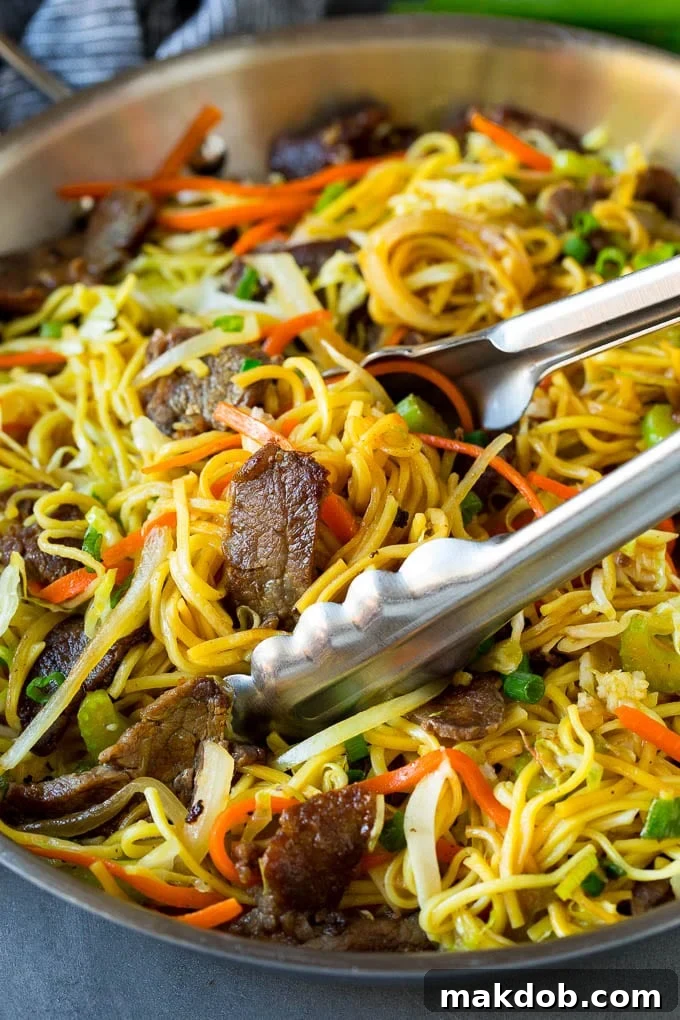
Homemade Beef Chow Mein: Your Ultimate Guide to a Takeout Classic
There’s nothing quite like the irresistible aroma and vibrant flavors of a freshly prepared Beef Chow Mein. This iconic dish, beloved worldwide, features tender steak stir-fried to perfection with an array of crisp vegetables and perfectly cooked noodles, all coated in a rich, savory sauce. While often associated with restaurant dining and speedy takeout, mastering this classic at home is surprisingly simple and incredibly rewarding. Our homemade version not only rivals your favorite restaurant dish but often surpasses it in freshness, flavor, and the joy of creation.
For many families, Asian cuisine holds a special place, offering a delightful array of tastes and textures. Inspired by a love for these culinary traditions, I’ve dedicated myself to perfecting beloved dishes right in my own kitchen. From crispy egg rolls to spicy Kung Pao Chicken, and of course, this deeply satisfying Beef Chow Mein, the satisfaction of recreating these favorites is immense. Prepare to embark on a culinary journey that brings the authentic taste of Chinese stir-fry directly to your dinner table, promising a meal that’s both comforting and exciting.
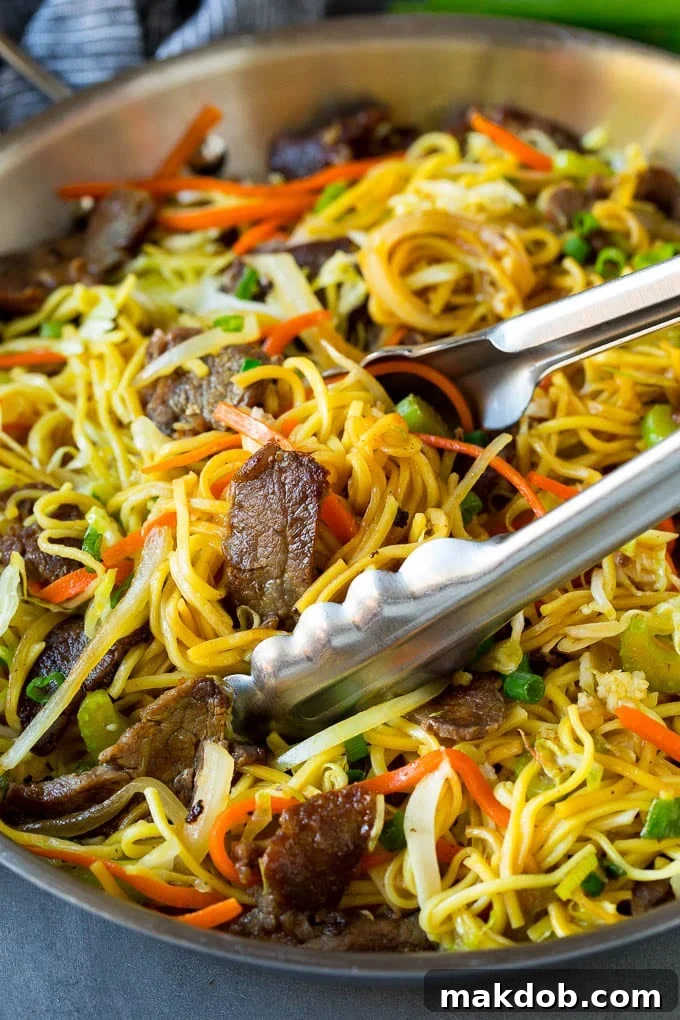
Why Make Beef Chow Mein at Home?
The allure of Beef Chow Mein at a Chinese restaurant is undeniable – that perfect blend of savory meat, silky noodles, and colorful, crunchy vegetables is a symphony for the senses. However, recreating this experience in your own kitchen offers several distinct advantages. Beyond the sheer satisfaction of cooking, homemade chow mein gives you complete control over the ingredients. You can opt for fresher vegetables, choose high-quality cuts of beef, and adjust seasonings to your exact preference. This means less sodium, no artificial additives, and a healthier, more personalized meal for you and your family. Plus, the convenience of having a restaurant-quality meal without leaving your house, often in less time than it takes for delivery, makes it an unbeatable option for busy weeknights or special weekend dinners.
Understanding Beef Chow Mein: What Makes This Dish Special?
Chow Mein, meaning “stir-fried noodles,” is a foundational dish in Chinese cuisine, known for its versatility and comforting appeal. Its roots trace back centuries, with various regional interpretations across China. The key to authentic chow mein lies in the dynamic interplay of textures: the succulent tenderness of the beef, the delightful chewiness of the noodles, and the vibrant crunch of the fresh vegetables. The sauce, often a harmonious blend of soy sauce, aromatics, and a touch of sweetness, binds these elements together, creating a rich umami profile that keeps you coming back for more. This particular recipe focuses on achieving that perfect balance, ensuring every bite is packed with flavor and satisfying texture.
Crafting Your Perfect Beef Chow Mein: A Step-by-Step Guide
Making beef chow mein from scratch might seem intimidating, but our streamlined process ensures a delicious and efficient cooking experience. It all begins with carefully preparing each component, ensuring maximum flavor and ideal texture.
1. Preparing the Tender Beef
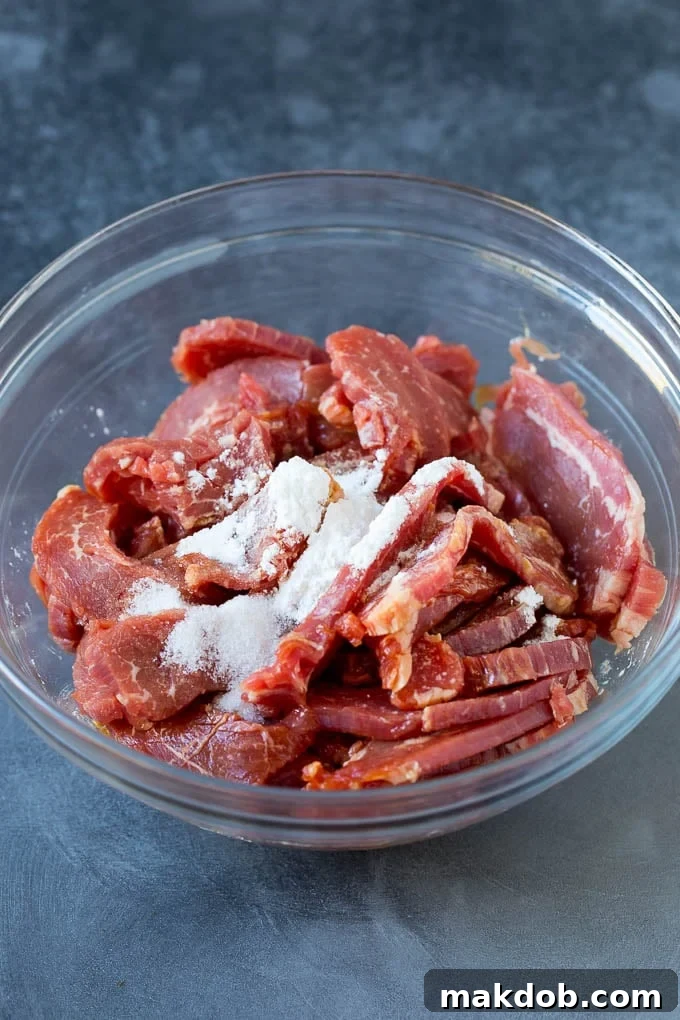
Our recipe starts with flank steak, a cut known for its robust beefy flavor and ability to become wonderfully tender when sliced thinly and cooked quickly. The secret to its tenderness lies in a quick but effective marinade. This mixture typically combines soy sauce for umami, cornstarch to tenderize the meat and create a silky coating, sesame oil for its aromatic depth, and a touch of sugar to balance the flavors and aid in browning. Allow the steak to marinate for a minimum of 10 minutes; this crucial step infuses flavor and ensures a melt-in-your-mouth texture.
2. The Vegetable Medley
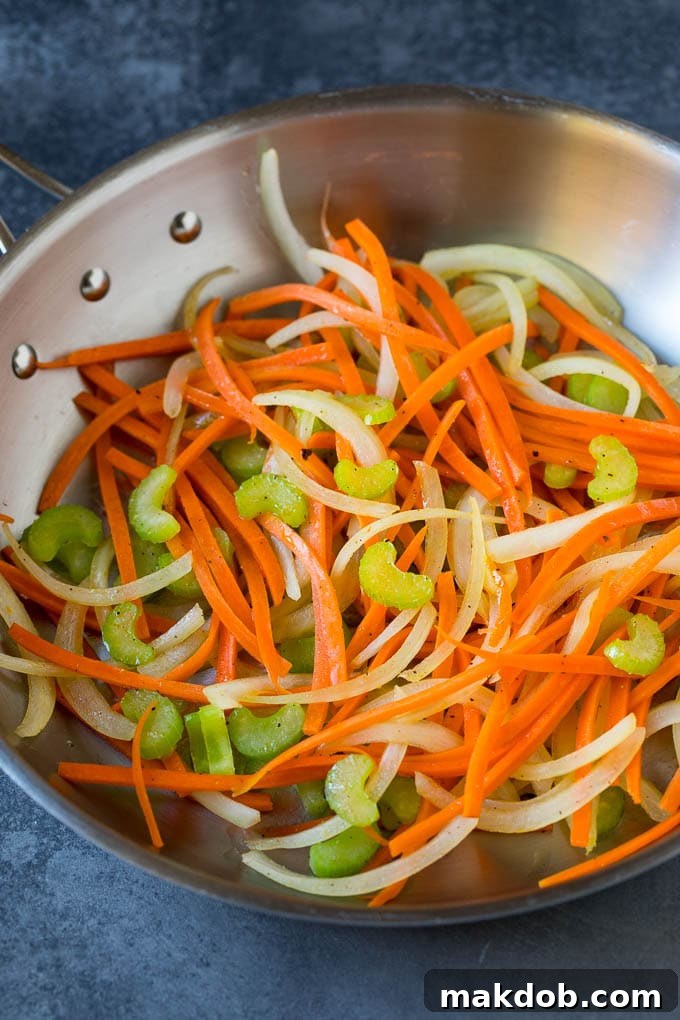
While the beef soaks up its flavorful marinade, turn your attention to the vegetables. A classic chow mein features a colorful array of ingredients like yellow onion, carrots, celery, and cabbage. Preparing your vegetables ahead of time, often referred to as “mise en place,” is vital for stir-frying, as everything cooks very quickly. Slice your onions thinly, shred or julienne your carrots, and finely chop your celery. The goal is uniform pieces that will cook evenly and retain a slight crispness. A dash of minced garlic joins the party later, providing an essential aromatic foundation.
3. The Stir-Fry Magic
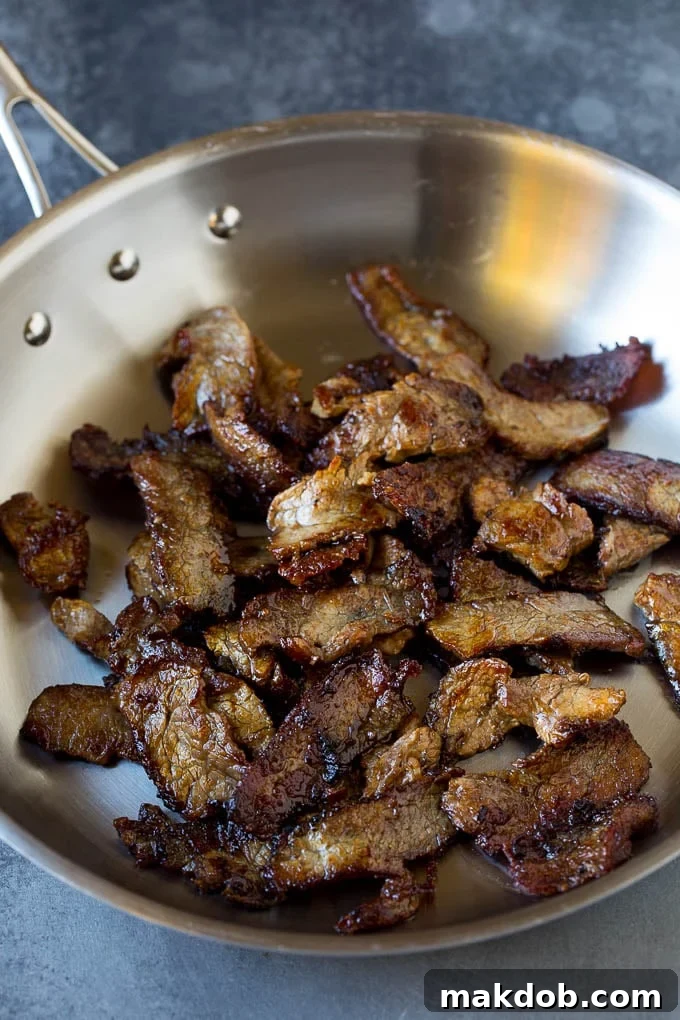
With your ingredients prepped, the cooking truly begins. In a hot pan or wok, the marinated beef is seared until golden brown and cooked through, locking in its juices. Once the beef is done, it’s removed and kept warm, making way for the vegetables. The onions, carrots, and celery are stir-fried until they are just tender-crisp, followed by the fragrant garlic. This layering of ingredients ensures each component cooks perfectly without becoming overdone.
4. Noodles and Sauce: The Grand Finale
The star of any chow mein is, of course, the noodles. Cooked according to package instructions in salted water, they are then added to the pan with the seared beef and stir-fried vegetables. The magic happens when the sauce is introduced. Our savory sauce combines beef broth for depth, more soy sauce for umami, sugar for a hint of sweetness, and additional sesame oil for its distinct nutty aroma. A touch of cornstarch in the sauce helps it thicken beautifully as it simmers, coating every strand of noodle and every piece of beef and vegetable. Finally, a scattering of fresh green onions is stirred in at the last minute, adding a fresh, zesty finish to this delectable dish.
Expert Tips for the Perfect Homemade Chow Mein
Achieving restaurant-quality chow mein at home is within reach with a few clever tricks:
- **Choosing Your Beef:** While flank steak is our top recommendation for its balance of flavor and tenderness, skirt steak or thinly sliced sirloin are excellent alternatives. Look for cuts with good marbling for maximum flavor.
- **Slicing the Meat Thinly:** The key to tender stir-fried beef is thin, uniform slices. To make this easier, place your steak in the freezer for 20-30 minutes until it’s slightly firm. This makes it much simpler to slice against the grain into thin strips, which is crucial for preventing toughness and ensuring quick, even cooking.
- **Marination Time:** While 10 minutes is the minimum, allowing your beef to marinate for up to 8 hours in the refrigerator will yield even more tender and flavorful results, ideal for meal prepping ahead of time.
- **Vegetable Preparation:** Consistency in vegetable size is important for even cooking. For ingredients like cabbage and onions, a mandoline slicer can save a lot of time and ensure perfectly thin, uniform slices. This helps them cook quickly and maintain their desirable crisp-tender texture.
- **Controlling Salt Levels:** Always opt for low-sodium soy sauce and beef broth. This allows you to season the dish gradually and precisely, adding salt and pepper to taste at the end, ensuring it’s never too salty.
- **Heat is Key:** Stir-frying requires high heat to achieve that signature “wok hei” (breath of the wok) flavor and to cook ingredients quickly while keeping them crisp. Make sure your pan or wok is properly preheated before adding ingredients.
- **Don’t Overcrowd the Pan:** Cook the beef in batches if necessary to avoid overcrowding. Overcrowding lowers the pan’s temperature, steaming the meat instead of searing it, which can result in a less flavorful and tougher texture.
Unleash Your Creativity: Beef Chow Mein Variations
While this Beef Chow Mein recipe is absolutely delicious as written, it also serves as a fantastic canvas for customization. Feel free to adapt it to your family’s preferences or whatever ingredients you have on hand:
- **Protein Power-Ups:** Don’t limit yourself to flank steak! Sliced chicken breast or thighs, ground beef, pork tenderloin strips, or even shrimp make excellent substitutes. For a vegetarian option, consider firm tofu or tempeh, pressed and cubed, then stir-fried until golden.
- **Expand Your Veggie Palette:** The beauty of stir-fries is their flexibility with vegetables. Incorporate sliced mushrooms, nutrient-rich bok choy, vibrant red bell peppers for color and sweetness, crunchy snow peas, or delicate zucchini ribbons. Broccoli florets, snap peas, and water chestnuts can also add wonderful texture.
- **Flavor Boosters:** Elevate the sauce with additional flavorings. A dash of sriracha or chili garlic sauce will add a pleasant kick. Freshly minced ginger brings a warm, pungent aroma. For an added layer of texture and nutty flavor, sprinkle in some toasted cashews or sesame seeds just before serving. A tablespoon of rice vinegar can also brighten the sauce.
Chow Mein vs. Lo Mein: What’s the Difference?
It’s a common question, and while “chow mein” and “lo mein” are often used interchangeably, there are distinct differences, primarily in how the noodles are prepared and incorporated into the dish. Both are Chinese noodle dishes, but their textures set them apart.
- **Chow Mein (“Stir-fried Noodles”):** The noodles for chow mein are typically boiled until al dente, then drained, and often lightly fried or pan-fried until slightly crispy before being combined with the meat, vegetables, and sauce. This gives chow mein its characteristic slightly crispy, drier texture. The noodles themselves are often thinner egg noodles.
- **Lo Mein (“Tossed Noodles”):** Lo mein noodles are boiled until fully cooked and soft, then simply tossed with the sauce, meat, and vegetables. They are not stir-fried after boiling, resulting in a softer, more saucy noodle dish. Lo mein noodles tend to be thicker and chewier than chow mein noodles.
In essence, if you prefer a dish with a slightly crispier, drier noodle texture that truly shines, chow mein is your go-to. If you prefer softer, more sauce-coated noodles, then lo mein is the choice.
The Right Noodles for Your Chow Mein
The type of noodle you choose significantly impacts the authentic taste and texture of your chow mein. Traditionally, chow mein is made with thin egg noodles, which can be found in both fresh and dried varieties.
- **Fresh or Dried Egg Noodles:** Look for packets labeled “chow mein noodles” in the ethnic foods aisle of most grocery stores, often near other Asian ingredients. These are specifically designed for stir-frying.
- **Substitutions:** If dedicated chow mein noodles are unavailable, don’t despair! You can use other thin, long noodles. Yakisoba noodles, which are often pre-cooked and just need a quick rinse, are a fantastic alternative. Even thin spaghetti or linguine can work in a pinch; just be sure not to overcook them, as they will continue to cook in the stir-fry. Rice vermicelli is another option for a gluten-free version, though the texture will be different.
Serving and Pairing Suggestions
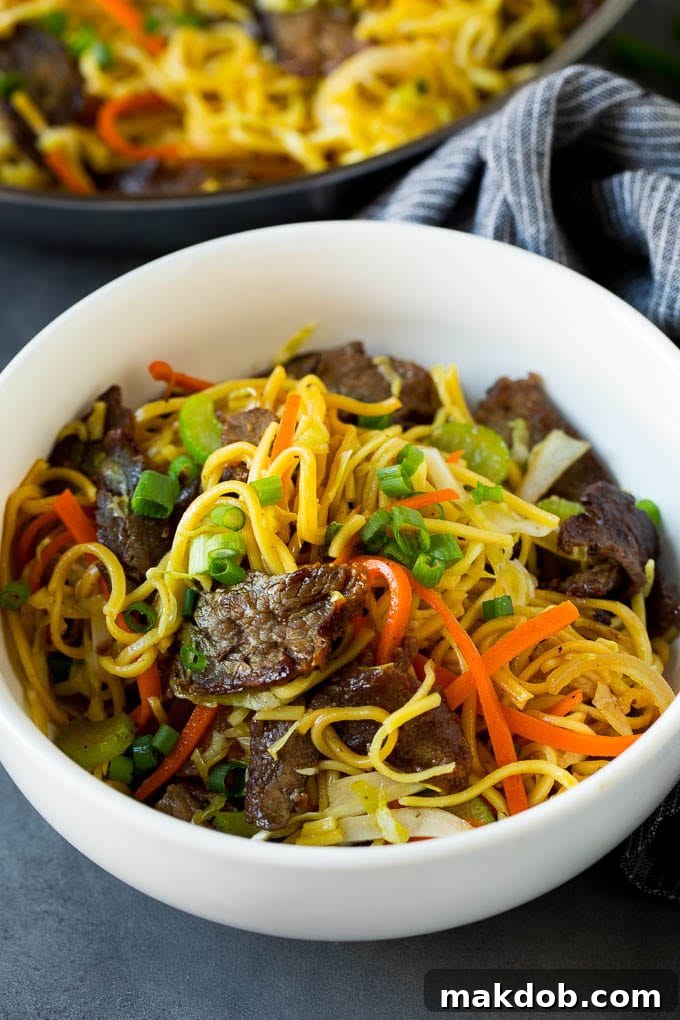
This homemade beef chow mein is a complete meal on its own, packed with protein, vegetables, and carbohydrates. However, if you’re looking to expand your feast, it pairs beautifully with other Asian-inspired dishes. Consider serving it alongside simple steamed white rice (though the noodles often suffice), a light cucumber salad, or additional steamed green vegetables like bok choy or broccoli with a drizzle of oyster sauce. For a more elaborate spread, complement it with appetizers like spring rolls or potstickers.
Storage and Reheating
Leftover Beef Chow Mein makes for a fantastic lunch the next day. Store any leftovers in an airtight container in the refrigerator for up to 3-4 days. To reheat, you can either microwave it until warmed through, or for best results, stir-fry it again in a hot pan or wok with a tiny splash of water or broth to rehydrate the noodles and sauce. This method helps to restore some of its original texture and crispness.
Once you experience the incredible flavors and satisfying textures of this homemade Beef Chow Mein, you’ll likely find yourself skipping the takeout menu altogether. It’s truly that good, and surprisingly straightforward to prepare, making it a perfect addition to your regular meal rotation!
Discover More Asian-Inspired Delights
- Chicken and Green Beans: A simple yet flavorful stir-fry.
- Chinese Chicken Salad: A refreshing and crunchy meal.
- Mongolian Chicken: Sweet, savory, and wonderfully tender.
- Orange Chicken: A beloved classic with a vibrant citrus glaze.
- Cashew Chicken: Crispy chicken with crunchy cashews in a delightful sauce.
Beef Chow Mein Recipe
Rating: 5 out of 5 stars from 26 votes
Print Recipe | Pin Recipe
Author: Sara Welch
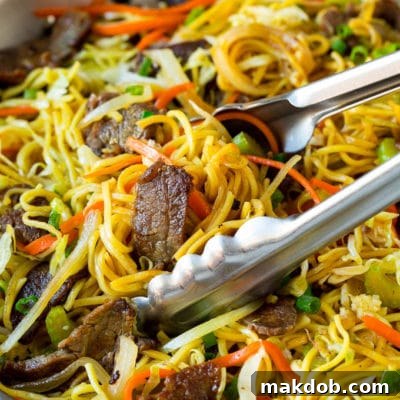
This beef chow mein features tender steak stir-fried with vegetables and noodles in a flavorful sauce. A homemade version of the takeout classic that’s even better than what you would get at a restaurant!
Prep Time: 20 minutes
Cook Time: 15 minutes
Total Time: 35 minutes
Course: Main
Cuisine: Asian
Serves: 4
Ingredients
For the Beef
- 1/2 pound flank steak, thinly sliced
- 1/4 teaspoon sugar
- 1/4 teaspoon sesame oil
- 1 tablespoon low sodium soy sauce
- 1 teaspoon cornstarch
For the Chow Mein
- 1 tablespoon vegetable oil
- 6 ounces dry chow mein noodles
- 1/2 cup yellow onion, thinly sliced
- 1/2 cup carrots, shredded or julienned
- 1/4 cup celery, thinly sliced
- 1 teaspoon minced garlic
- 1 cup shredded cabbage
- 2 tablespoons low sodium soy sauce
- 1 1/2 teaspoons sugar
- 1/4 cup low sodium beef broth
- 1 teaspoon cornstarch
- 1 tablespoon sesame oil
- 1/4 cup sliced green onion tops (only the dark green part)
- Salt and pepper to taste
Instructions
For the Beef
- Place the flank steak, sugar, sesame oil, soy sauce, and cornstarch in a bowl. Stir to combine. Cover and refrigerate for at least 10 minutes.
For the Chow Mein
- Bring a pot of salted water to a boil; add the chow mein noodles and cook according to package instructions.
- Preheat the vegetable oil in a large pan or wok over medium-high heat.
- Add the marinated steak in a single layer. Cook for 3-4 minutes per side or until browned.
- Remove the steak from the pan and cover to keep warm. Add the onions, carrots, and celery to the pan and cook for 3-4 minutes or until just softened. Season with salt and pepper to taste.
- Add the minced garlic and cook for 30 seconds until fragrant.
- Return the beef to the pan. Add the cooked noodles and shredded cabbage. Toss gently to combine all ingredients.
- In a small bowl, whisk together the 2 tablespoons soy sauce, 1 1/2 teaspoons sugar, beef broth, 1 teaspoon cornstarch, and 1 tablespoon sesame oil. Add the sauce to the pan. Bring to a simmer and cook for 1 minute, allowing the sauce to thicken and coat the noodles.
- Stir until the sauce evenly coats the noodles and vegetables. Add the green onion tops and cook for 1-2 more minutes, until the green onions and cabbage are slightly wilted. Serve immediately.
Nutrition
Calories: 336kcal | Carbohydrates: 37g | Protein: 25g | Fat: 11g | Saturated Fat: 2g | Cholesterol: 49mg | Sodium: 806mg | Fiber: 3g | Sugar: 6g
Did you make this recipe?
Tag @dinneratthezoo on Instagram and hashtag it #dinneratthezoo
Share it with the world