
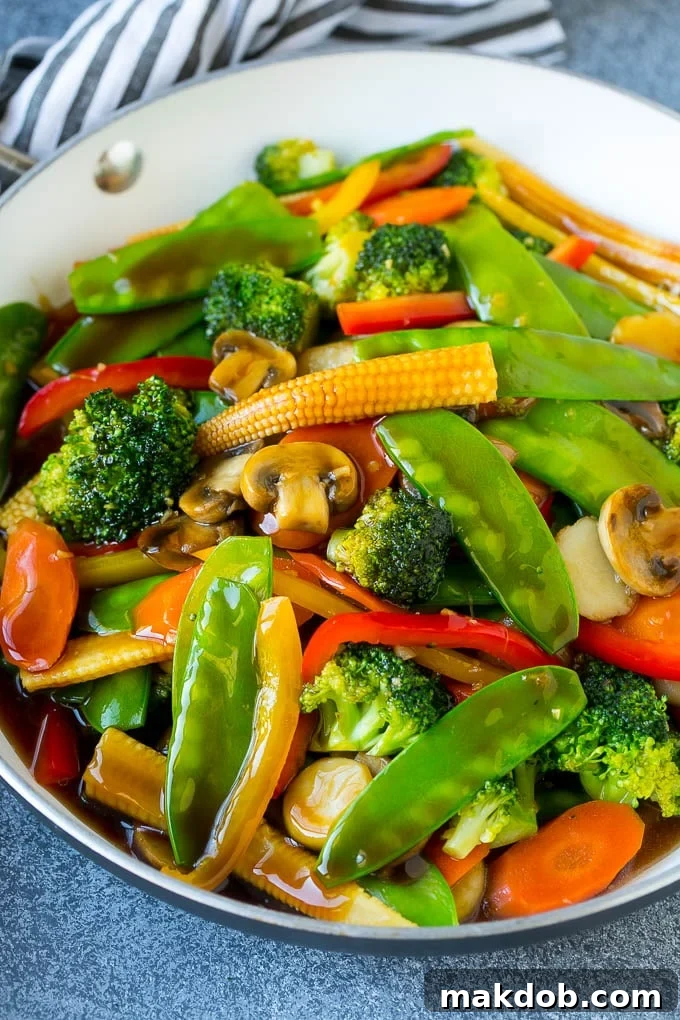
Embark on a culinary journey with this vibrant vegetable stir fry, a harmonious blend of crisp, colorful vegetables drenched in an irresistibly sweet and savory honey garlic sauce. This dish isn’t just a meal; it’s a celebration of fresh produce, offering a delightful balance of flavors and textures in every bite. Whether you’re seeking a light and refreshing side dish or a hearty, satisfying main course, this veggie stir fry promises to be a culinary revelation. Serve it simply over a bed of fluffy white or wholesome brown rice for a complete, nutritious, and utterly delicious meal that the whole family will adore.
Stir-fries hold a special place in my kitchen, renowned for their incredible versatility, speed, and flavor. From the succulent shrimp stir fry and nourishing tofu stir fry, to my acclaimed honey garlic chicken stir fry, I find endless inspiration in this dynamic cooking method. This vegetable stir fry is the latest jewel in my expansive Asian food recipes collection, standing out as a remarkably flavorful and easy option. Its vibrant appeal and satisfying taste make it an instant hit, especially when served alongside complementary dishes like pan-fried noodles. Prepare for rave reviews once you introduce this fantastic recipe to your table!
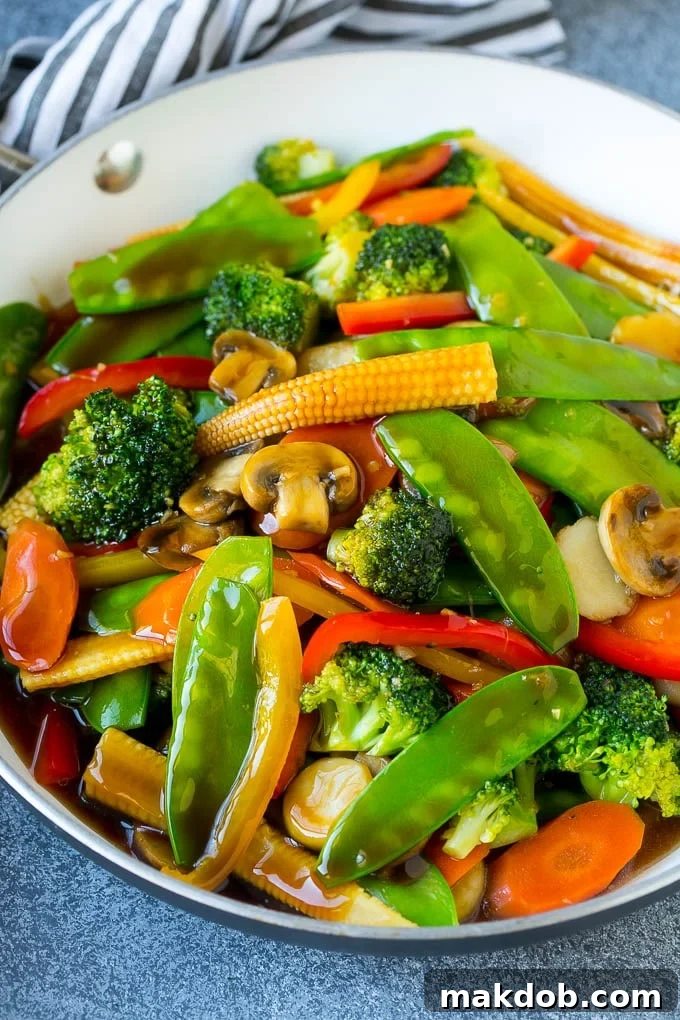
One of my favorite kitchen hacks for reducing food waste is transforming leftover produce into a delicious vegetable stir fry. This method is incredibly adaptable; simply gather whatever vegetables you have on hand – be it a few stray bell peppers, a handful of wilting spinach, or that half-eaten head of broccoli – and give them new life in a hot wok or skillet. Not only is it a fantastic way to ensure every piece of produce gets eaten, but it also creates a wonderfully flavorful meatless meal or a versatile side dish that complements almost any protein.
Table of Contents
- The Art of Vegetable Stir Fry: Why It’s a Weeknight Hero
- Essential Ingredients for a Flavorful Vegetable Stir Fry
- Mastering the Stir Fry Technique: A Step-by-Step Guide
- Pro Tips for Your Best Vegetable Stir Fry Yet
- Quick Meal Prep Tip
- Frequently Asked Questions About Vegetable Stir Fry
- Endless Flavor Variations for Your Veggie Stir Fry
- More Delicious Stir Fry Recipes
- Share Your Love For This Recipe?
- Vegetable Stir Fry Recipe Card
The Art of Vegetable Stir Fry: Why It’s a Weeknight Hero
A truly great vegetable stir fry is more than just a collection of ingredients; it’s a canvas for culinary creativity and a testament to efficient cooking. This dish shines as a weeknight hero for numerous reasons. Firstly, its speed is unparalleled – from chopping to serving, you can have a wholesome meal on the table in under 30 minutes. Secondly, it’s incredibly healthy, packing a powerful punch of vitamins, minerals, and fiber from an array of fresh vegetables. It’s naturally low in calories and can be easily adapted to suit various dietary needs, including vegetarian, vegan (with a simple sauce swap), and gluten-free (using tamari instead of soy sauce). Finally, the versatility of a stir fry means you can customize it with whatever produce you have, making it a sustainable and economical choice for your kitchen. It’s the perfect solution for busy evenings when you crave something fresh, nutritious, and utterly satisfying.
Essential Ingredients for a Flavorful Vegetable Stir Fry
Crafting this delightful vegetable stir fry requires a thoughtful selection of fresh ingredients, ensuring a symphony of tastes and textures. Here’s a detailed look at what you’ll need:
- **For the Stir Fry:**
- **Oil:** A high smoke-point oil like vegetable oil, canola oil, or avocado oil is essential for proper stir-frying.
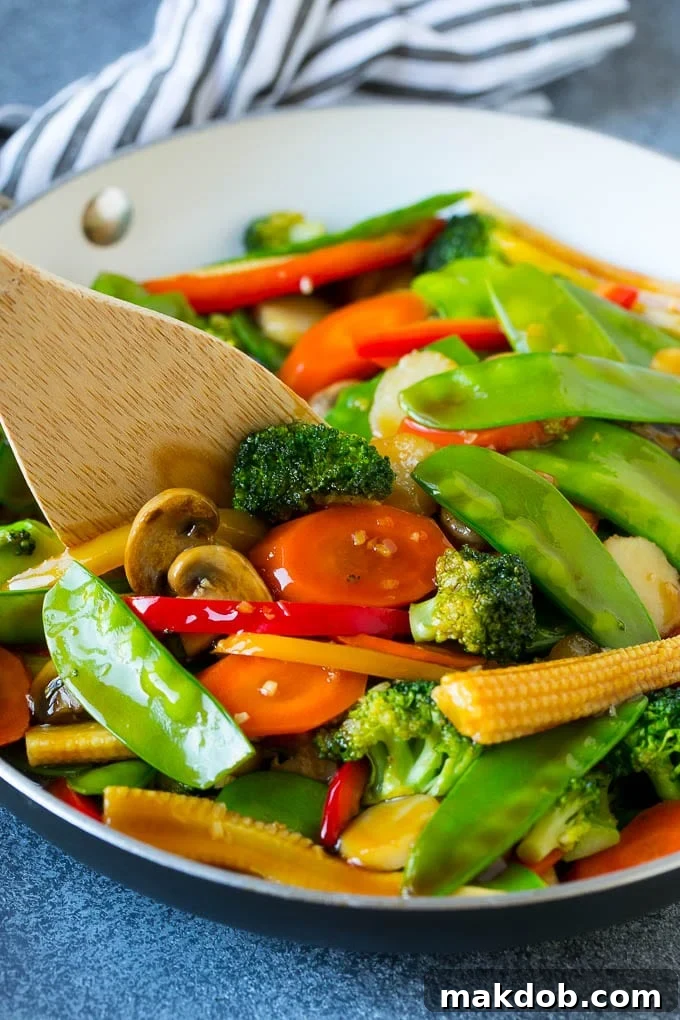
- **Carrots:** Peeled and thinly sliced, carrots add a touch of sweetness and vibrant color, as well as crucial vitamins.
- **Mushrooms:** Sliced mushrooms contribute an earthy umami flavor and a meaty texture, absorbing the sauce beautifully.
- **Broccoli Florets:** These nutritional powerhouses add a tender-crisp texture and a slight bitterness that balances the sauce.
- **Bell Peppers:** A mix of red and yellow bell peppers (or any color you prefer) provides sweetness, crunch, and a burst of color, rich in Vitamin C.
- **Snow Peas:** Trimmed snow peas offer a delicate sweetness and a satisfying snap, adding a fresh element to the dish.
- **Water Chestnuts:** Drained and sliced, these provide an unmistakable crisp texture that elevates the stir fry experience. Find them in cans in the ethnic food aisle.
- **Baby Corn:** Drained and sliced baby corn adds a tender-crisp bite and a subtle sweetness, also found canned.
- **Garlic & Ginger:** Freshly minced garlic and ginger are the aromatic backbone of this dish, infusing it with authentic Asian flavors. Don’t skimp on these for maximum impact!
- **Salt & Pepper:** To taste, for seasoning the vegetables before saucing.
- **For the Honey Garlic Sauce:**
- **Vegetable Broth:** Forms the liquid base of the sauce. Chicken broth or even water can be used as alternatives.
- **Soy Sauce:** Provides the essential savory, umami, and salty foundation for the stir fry sauce. Use low-sodium soy sauce to control saltiness.
- **Honey:** The star of the sweet element, honey adds a rich, natural sweetness that caramelizes slightly when cooked.
- **Cornstarch:** This is your secret weapon for thickening the sauce, giving it that desirable glossy, clingy consistency.
Mastering the Stir Fry Technique: A Step-by-Step Guide
Creating a perfect vegetable stir fry is all about technique and timing. Follow these steps to achieve a perfectly cooked, flavorful dish:
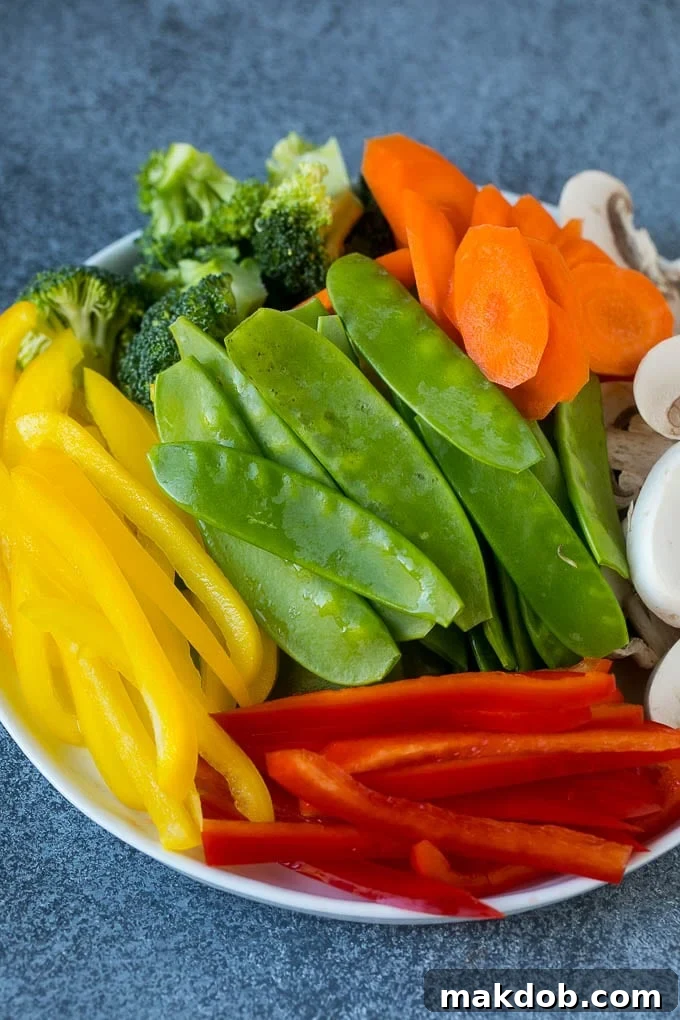
- **Prep Your Veggies:** The secret to an even stir fry is consistent cutting. Ensure all your vegetables are cut into similar-sized pieces so they cook uniformly. Start by slicing your carrots and mushrooms, breaking your broccoli into florets, and prepping your bell peppers and snow peas. Drain and slice the water chestnuts and baby corn.
- **Heat the Wok/Skillet:** Begin by heating your chosen oil in a large skillet or wok over medium-high heat. A hot pan is crucial for achieving that desirable stir-fried crispness rather than steaming the vegetables.
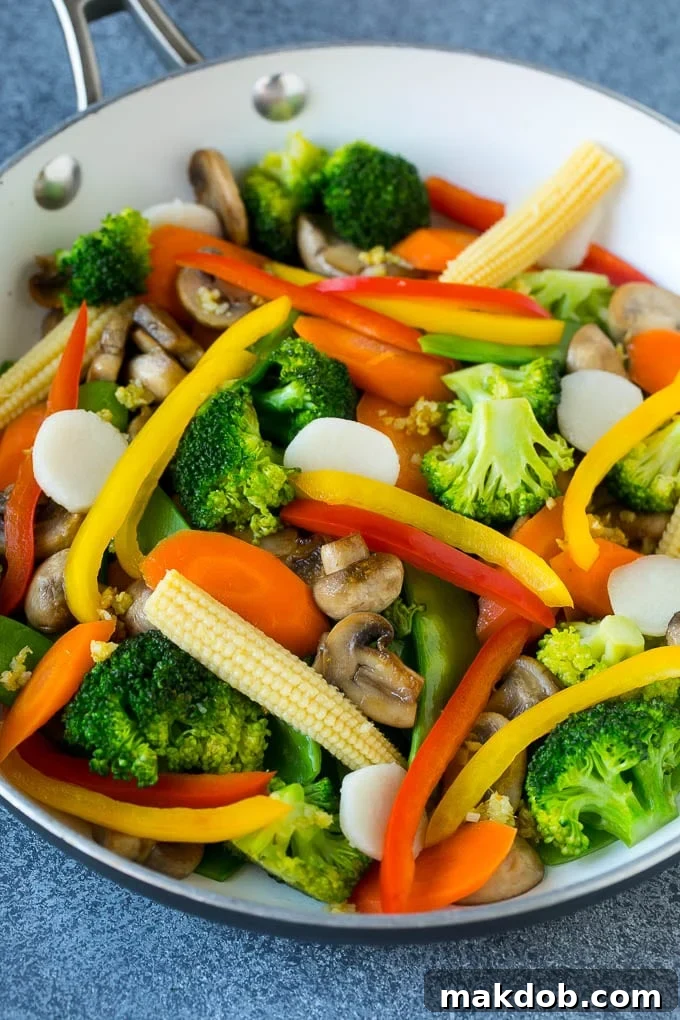
- **Cook the Longer-Cooking Veggies First:** Add the carrots and mushrooms to the hot oil. These denser vegetables take longer to soften and release moisture. Sauté them for 4-6 minutes, stirring frequently, until they start to become tender-crisp.
- **Introduce the Remaining Vegetables:** Next, add the broccoli florets, sliced bell peppers, snow peas, water chestnuts, and baby corn to the pan. Add about 2 tablespoons of water, which helps to create a steamy environment initially to soften the tougher veggies without over-browning them.
- **Continue Sautéing:** Cook for an additional 3-5 minutes, or until all vegetables reach your preferred level of tenderness – ideally still with a slight bite (al dente). The added water should mostly evaporate during this time.
- **Add Aromatics:** Stir in the minced garlic and ginger. Cook for just 30 seconds more, or until fragrant. Be careful not to burn the garlic. Season the vegetables lightly with salt and pepper.
- **Prepare the Sauce:** While the vegetables are cooking, whisk together the vegetable broth, soy sauce, and honey in a separate bowl until well combined.
- **Combine and Thicken:** Pour the prepared honey garlic sauce mixture over the hot vegetables in the pan. Bring the mixture to a simmer. In a small bowl, whisk 2 teaspoons of cornstarch with a tablespoon of cold water to create a slurry. Add this cornstarch slurry to the simmering sauce, stirring constantly. Continue to cook for about 1 minute, or until the sauce thickens to a glossy consistency, coating all the vegetables beautifully.
- **Serve Immediately:** Your delicious vegetable stir fry is ready! Enjoy it as-is for a light meal, or serve it piping hot over your choice of rice or noodles for a more substantial dish.
Pro Tips for Your Best Vegetable Stir Fry Yet
Achieving a truly outstanding stir fry involves a few key techniques. Master these, and you’ll consistently produce restaurant-quality dishes:
- **Uniform Cutting is Key:** Always ensure all your vegetables are cut into similar-sized pieces. This is critical for even cooking, preventing some vegetables from being overcooked while others remain raw. For example, if you have thick carrot slices and thin bell pepper strips, the carrots will need more time, potentially turning the peppers mushy. Aim for bite-sized pieces that are easy to eat.
- **Don’t Overcrowd the Pan:** This is perhaps the most important rule for stir-frying. If you pack too many vegetables into your skillet or wok, the temperature of the pan will drop drastically. Instead of searing and developing that delicious caramelization, your vegetables will steam and become soggy. Cook in batches if necessary, or use the largest skillet or wok you own. A properly heated wok delivers the best results.
- **High Heat is Essential:** Stir-frying means cooking quickly over high heat. This locks in the crispness and vibrant colors of your vegetables. Make sure your oil is shimmering, but not smoking, before adding ingredients.
- **Prep Everything Ahead (Mise en Place):** Stir-fries cook incredibly fast. There’s no time to chop while cooking. Have all your vegetables chopped, sauce whisked, and aromatics minced before you even turn on the heat. This “mise en place” (everything in its place) approach guarantees a smooth cooking process.
- **Consider Your Cooking Order:** As noted in the recipe, add denser, harder vegetables (like carrots, broccoli stems) first, as they require more cooking time. Softer, quicker-cooking vegetables (like snow peas, bell peppers, leafy greens) should be added later to maintain their crispness.
- **Embrace Ethnic Aisle Treasures:** Ingredients like baby corn and water chestnuts, which add fantastic texture and visual appeal, are typically found in cans in the ethnic food aisle of most grocery stores. Don’t hesitate to explore this section for other exciting additions like bamboo shoots or bean sprouts.
- **Make the Sauce in Advance:** To streamline your cooking, the honey garlic sauce for this stir fry can be prepared up to 3 days ahead of time and stored in an airtight container in the refrigerator. It can even be frozen for longer storage. Just give it a good whisk before using.
- **Freezing the Cooked Stir Fry (Caution):** While meal prepping is great, I don’t recommend freezing this cooked stir fry. The texture of the vegetables, particularly the more delicate ones, tends to become soft and mushy when frozen and then thawed, compromising the delightful crispness that defines a good stir fry.
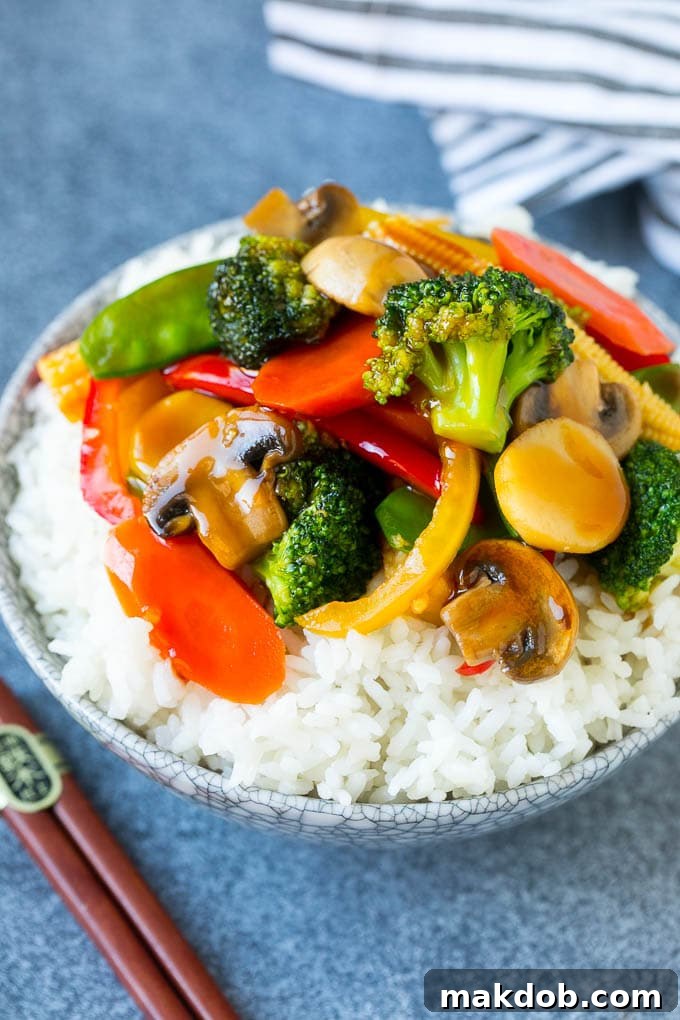
- **Serving Versatility:** While white or brown rice are classic accompaniments, don’t limit yourself! Experiment with different bases like noodles (ramen, lo mein, or even instant noodles), wholesome quinoa, or low-carb cauliflower rice for a lighter option.
Quick Meal Prep Tip
This vegetable stir fry is a fantastic candidate for meal prepping! You can store leftover cooked stir fry in an airtight container in the fridge for up to 4 days. This makes it a convenient and healthy option for quick lunches or dinners throughout the week.
Frequently Asked Questions About Vegetable Stir Fry
When stir-frying, it’s crucial to cook vegetables in stages based on their density and cooking time. I always begin with the vegetables that take the longest to cook and are the hardest, such as carrots, which are quite dense, and mushrooms, which need time to release their moisture and brown nicely. Ingredients like onion or thicker parts of broccoli stems would also go in early. More tender vegetables, including broccoli florets, snow peas, and bell peppers, are added later in the process. This staggering ensures that all vegetables reach a perfectly tender-crisp texture without any becoming overcooked or soggy.
Absolutely! Stir-fried vegetables are an incredibly healthy and efficient way to boost your nutrient intake. This particular combination of vegetables is naturally low in calories while being packed with an abundance of essential vitamins and minerals. You’ll benefit from Vitamin K, crucial for bone health, potassium for blood pressure regulation, and a significant dose of Vitamin C from bell peppers and broccoli, which supports immune function. Additionally, you’ll get folic acid, beta-carotene (a powerful antioxidant), and other antioxidants that contribute to overall well-being. The quick cooking method also helps to preserve many of these vital nutrients.
The ultimate secret to a truly successful stir fry lies in one simple rule: do not overcrowd your pan. If you pack too many vegetables into your skillet or wok at once, the heat will drop significantly. Instead of searing the vegetables to create that characteristic stir-fried flavor and texture, they will steam in their own moisture, resulting in a soggy, unappealing dish. Always use the largest skillet you own, or ideally, a wok, which is designed for high-heat, quick cooking. If necessary, cook your vegetables in smaller batches and combine them at the end when adding the sauce. This ensures each piece gets direct contact with the hot surface, achieving perfect crispness.
Yes, you can use frozen vegetables for stir fry, but there are a few considerations. Frozen vegetables tend to release more water during cooking, which can lead to a less crisp texture. For best results, do not thaw them before cooking; add them directly to the hot pan. You might need to cook them slightly longer to evaporate the excess moisture and achieve some browning. Choose frozen mixes specifically designed for stir-fries, as they often contain suitable cuts and varieties.
For stir-frying, it’s best to use an oil with a high smoke point. This allows the oil to get hot enough to sear the vegetables quickly without burning or producing off-flavors. Excellent choices include vegetable oil, canola oil, peanut oil (for an authentic Asian flavor), grapeseed oil, or avocado oil. Avoid olive oil or butter, as they have lower smoke points and will likely burn at the high temperatures required for stir-frying.
FOLLOW ME
Endless Flavor Variations for Your Veggie Stir Fry
The beauty of a vegetable stir fry lies in its incredible adaptability. This recipe provides a fantastic base, but don’t hesitate to get creative and customize it with your favorite ingredients to explore a multitude of flavor profiles. The combinations are truly endless!
- **Add Protein for a Heartier Meal:** Easily transform this side dish into a complete meal by incorporating your favorite cooked protein. Sliced chicken breast, succulent shrimp, thinly sliced beef, or firm tofu are all excellent choices. For tofu, press it well and pan-fry until golden before adding to the stir-fry.
- **Boost Crunch and Nutrition with Nuts:** Stir in a handful of toasted sliced almonds or crunchy cashews towards the end of cooking. They provide a delightful textural contrast, a nutty flavor, and an added boost of protein and healthy fats.
- **Experiment with Different Vegetables:** Don’t feel limited to the listed vegetables. Stir-fries are perfect for using up whatever is in season or in your fridge. Try adding bean sprouts for freshness, zucchini or asparagus for a spring touch, sugar snap peas for extra sweetness, crisp green beans, or thinly sliced celery for an aromatic crunch. Edamame, bok choy, or napa cabbage are also wonderful additions.
- **Kick Up the Heat:** If you love a spicy kick, it’s easy to adjust the heat level. Incorporate a dash of sriracha into the sauce, or add a pinch of crushed red pepper flakes to the pan along with the garlic and ginger. Fresh sliced chilies can also be added for a more vibrant heat.
- **Enhance Flavor with Aromatic Additions:** Elevate the taste profile with additional flavorings. A drizzle of toasted sesame oil at the very end adds a wonderfully nutty aroma. Sprinkle with sesame seeds for visual appeal and a subtle crunch. Freshly chopped green onions (scallions) make a fantastic garnish, adding a mild oniony flavor and bright color. A dash of rice vinegar can also brighten the sauce.
I find myself making this incredible vegetable stir fry almost every week, and it’s always a huge hit, even with my pickiest eaters! It’s such an effortless yet effective way to ensure everyone gets a generous serving of vegetables, packed with flavor and minimal fuss. It’s truly a testament to how delicious and satisfying healthy eating can be. Give it a try, and watch it become a new favorite in your dinner rotation!
More Great Stir Fry Recipes to Explore
If you’ve fallen in love with the convenience and flavor of stir-fries, you’re in luck! There’s a whole world of quick and delicious stir-fry options to explore. These recipes are perfect for busy weeknights and are guaranteed to add exciting new flavors to your dinner table. From savory pork to classic beef and broccoli, you’ll find plenty of inspiration to keep your wok hot and your family happy.
Teriyaki Pork Stir Fry
🕒 30 mins
Pepper Steak Stir Fry
🕒 30 mins
Chicken and Broccoli Stir Fry
🕒 30 mins
Beef and Broccoli Stir Fry
🕒 30 mins
Chicken and Asparagus Stir Fry
🕒 25 mins
Share Your Love For This Recipe?
We’d absolutely love to hear from you! If you enjoyed this recipe, please consider leaving a 5-star 🌟🌟🌟🌟🌟 rating in the recipe card below and a thoughtful review in the comments section further down the page. Your feedback helps other home cooks discover and enjoy these delicious meals!
Average Rating: 4.99 from 68 votes
Vegetable Stir Fry
Pin Recipe
Sara Welch
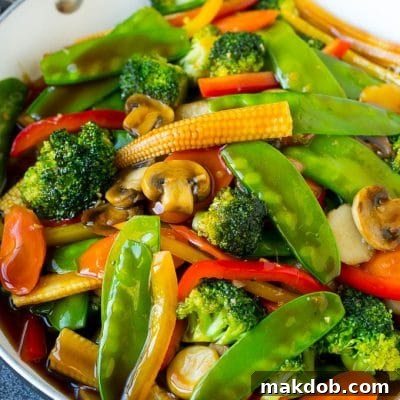
This vegetable stir fry is a blend of colorful veggies cooked in a sweet and savory honey garlic sauce. An easy side dish or main course that’s light, fresh and totally delicious! Serve your veggie stir fry over rice for a complete meal.
10 minutes
10 minutes
20 minutes
Main
Asian
4
Ingredients
For the stir fry
- 1 tablespoon vegetable oil
- 1/2 cup carrots, peeled and sliced
- 1 cup mushrooms, sliced
- 1 cup broccoli florets
- 3/4 cup bell peppers, sliced (red and yellow recommended)
- 1 cup snow peas, trimmed
- 1/2 cup water chestnuts, drained and sliced
- 3/4 cup baby corn, drained and sliced
- 2 teaspoons garlic, minced
- 1 teaspoon ginger, minced
- Salt and pepper to taste
For the sauce
- 1/4 cup vegetable broth (or chicken broth/water)
- 1/4 cup soy sauce
- 3 tablespoons honey
- 2 teaspoons cornstarch
Instructions
- Heat the oil in a large pan over medium-high heat. Add the carrots and mushrooms and cook for 4-6 minutes or until tender.
- Add the broccoli, bell peppers, snow peas, water chestnuts, baby corn, and 2 tablespoons of water to the pan.
- Cook for an additional 3-5 minutes or until vegetables are tender-crisp and the added water has mostly cooked off.
- Add the garlic and ginger and cook for 30 seconds until fragrant. Season the vegetables with salt and pepper to taste.
- In a separate bowl, whisk together the vegetable broth, soy sauce, and honey until well combined.
- Pour the soy sauce mixture over the vegetables in the pan and cook for 30 seconds.
- In a small bowl, mix the cornstarch with a tablespoon of cold water to create a slurry.
- Add the cornstarch slurry to the pan and bring the sauce to a boil; cook for 1 more minute or until the sauce has just started to thicken and become glossy.
- Serve immediately, ideally over rice or noodles if desired.
Notes
- Ensure all your vegetables are cut into similar sized pieces so that they’ll cook at the same rate.
- Vegetable stir fry can be stored in the fridge in an airtight container for up to 4 days, making it a great option for meal prep!
- The sauce for this stir fry can be made up to 3 days before you plan to use it, or even frozen for later use.
Nutrition
Carbohydrates: 36 g |
Protein: 6 g |
Fat: 4 g |
Saturated Fat: 2 g |
Sodium: 894 mg |
Potassium: 473 mg |
Fiber: 4 g |
Sugar: 19 g |
Vitamin A: 4110 IU |
Vitamin C: 75.6 mg |
Calcium: 32 mg |
Iron: 1.8 mg
Did you make this recipe?
Tag @dinneratthezoo on Instagram and hashtag it #dinneratthezoo