

In the culinary world, a great dressing can transform a simple bowl of greens into an unforgettable meal. Among the pantheon of beloved dressings, homemade Greek salad dressing stands out for its vibrant flavor, refreshing acidity, and incredible versatility. Far more superior than anything you’ll find on a store shelf, this easy-to-make vinaigrette is bursting with fresh ingredients, free from preservatives, and ready to elevate a wide array of dishes.
For those who appreciate the rich tapestry of Greek cuisine – from savory spanakopita to tender chicken souvlaki – this dressing embodies the spirit of Mediterranean flavors. Crafted in just minutes with pantry staples, it’s a game-changer that makes vegetables sing and can serve as a fantastic marinade or seasoning for roasted dishes. Imagine bringing the authentic tastes of the Greek islands right to your kitchen table with minimal effort.

Ditching the store-bought options for homemade dressings is a decision your taste buds and health will thank you for. Not only do homemade versions boast a fresher, more authentic flavor profile, but they also give you complete control over the ingredients, ensuring no unwanted additives or excessive sugars. This Greek salad dressing recipe is a perfect example of how simple, high-quality ingredients can create something truly extraordinary. If you find yourself captivated by its charm, be sure to explore other homemade favorites like our zesty Italian dressing and rich balsamic vinaigrette recipes.
Crafting the Perfect Homemade Greek Salad Dressing
Creating an exceptional homemade Greek salad dressing is surprisingly simple, relying on a handful of high-quality ingredients that, when combined, produce a symphony of flavors. The magic lies not in complexity, but in the freshness and balance of each component. Think of it as a culinary canvas where each ingredient contributes a unique brushstroke to the masterpiece.
Key Ingredients for an Authentic Taste
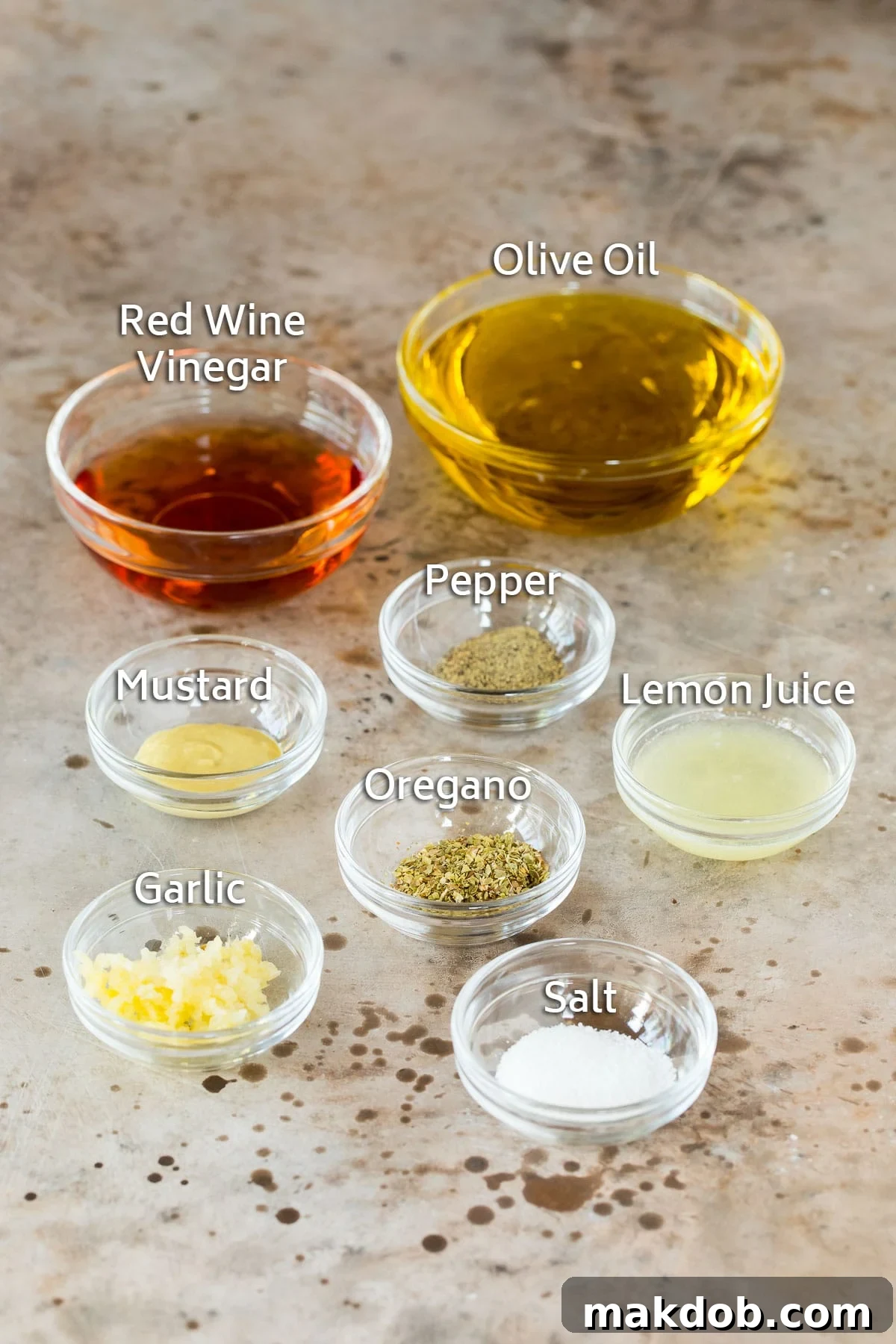
With minimal ingredients, the quality of each element becomes paramount. Opting for the best available ensures a dressing that’s not just good, but truly spectacular. Here’s a closer look at what makes this Greek dressing shine:
- Extra Virgin Olive Oil: The cornerstone of Mediterranean cuisine, extra virgin olive oil provides the rich, fruity base for our dressing. For an even deeper, more authentic flavor, consider sourcing an olive oil directly from Greece. Its robust notes are crucial for that quintessential Greek taste and its healthy monounsaturated fats are a bonus.
- Red Wine Vinegar: This essential ingredient provides the sharp, tangy acidity that beautifully cuts through the richness of the olive oil. It adds a crucial layer of complexity and zest. Choose a good quality red wine vinegar for the best results; it shouldn’t be too harsh or too sweet.
- Fresh Lemon Juice: There’s simply no substitute for freshly squeezed lemon juice. Its bright, citrusy notes are far superior to bottled versions, which often taste flat or artificial. The fresh acidity awakens all the other flavors in the dressing.
- Fresh Garlic: Minced fresh garlic infuses the dressing with a pungent, aromatic kick. While garlic powder can be used in a pinch, fresh garlic offers a vibrant, nuanced flavor that mellows beautifully over time. The longer the dressing sits, the more the garlic flavor will permeate.
- Dijon Mustard: More than just a flavor enhancer, Dijon mustard acts as a natural emulsifier, helping to bind the oil and vinegar together into a smooth, creamy consistency. It also adds a subtle tang and depth that complements the other ingredients perfectly.
- Dried Oregano: This herb is synonymous with Greek cooking. When selecting dried oregano, prioritize the Mediterranean variety over Mexican oregano, as it has a distinct flavor profile that is sweeter and earthier, truly authentic to Greek dishes.
- Kosher Salt: A fundamental seasoning, kosher salt enhances all the flavors without making the dressing overly salty. Its larger flakes allow for more controlled seasoning.
- Freshly Ground Black Pepper: A generous amount of freshly ground black pepper adds a delightful aromatic warmth and a subtle spicy finish, elevating the overall taste.
Effortless Preparation: How to Make Greek Dressing
One of the most appealing aspects of this Greek dressing recipe is its incredible simplicity and speed. In mere minutes, you can whip up a batch that’s ready to impress. The process is straightforward, requiring no special equipment, just a bowl and a whisk, or even simpler, a jar with a lid.
Step-by-Step Instructions:
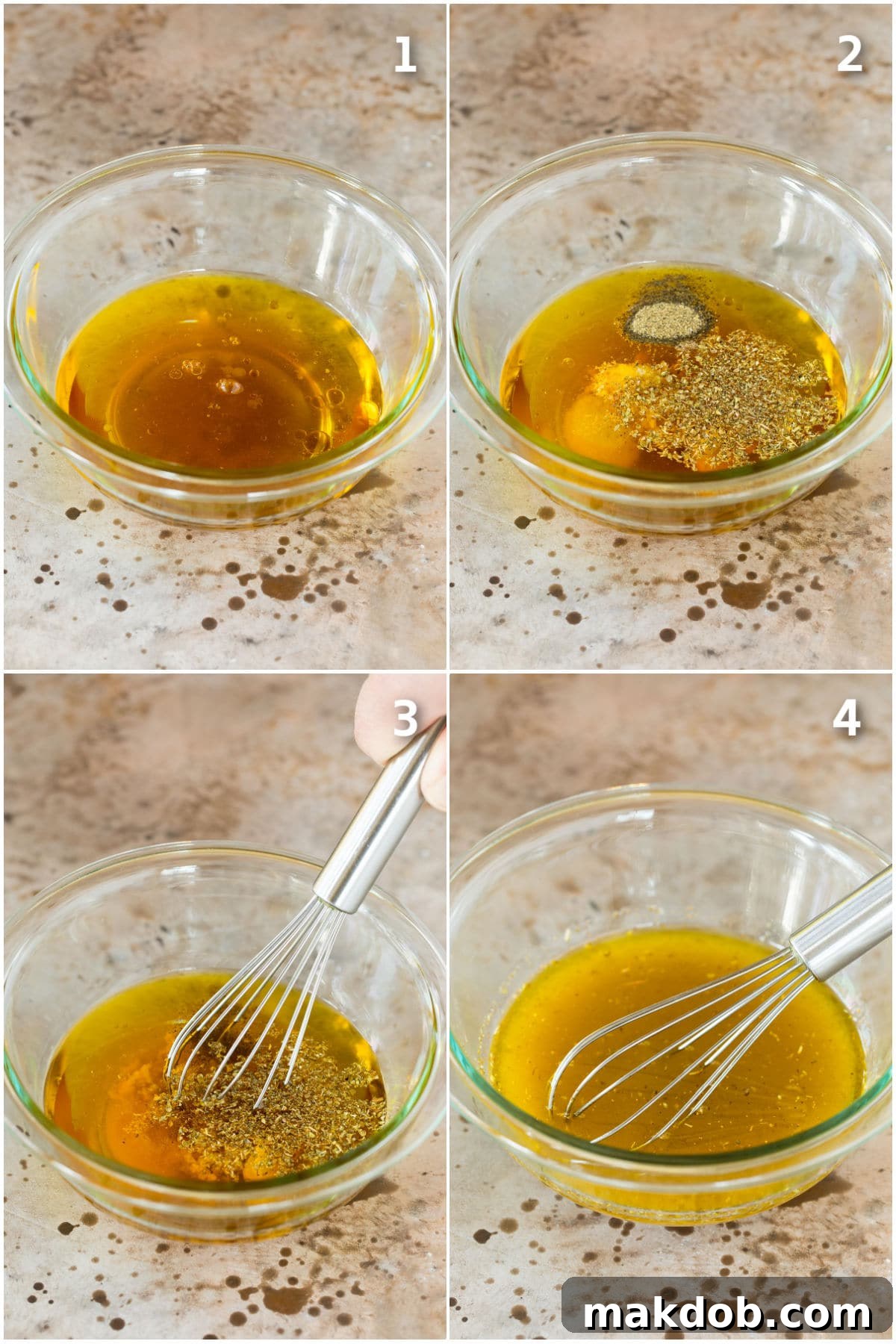
- Combine Ingredients: Begin by gathering all your measured ingredients: olive oil, red wine vinegar, fresh lemon juice, minced garlic, Dijon mustard, dried Mediterranean oregano, kosher salt, and freshly ground black pepper.
- Choose Your Method:
- Bowl Method: Pour all the ingredients into a medium-sized bowl. Use a whisk to vigorously combine them. Continue whisking until the mixture is beautifully emulsified – this means the oil and vinegar are thoroughly blended, creating a slightly thickened, cohesive dressing rather than separate layers.
- Jar Method: Alternatively, place all ingredients into a jar with a tight-fitting lid. Secure the lid firmly and shake the jar vigorously for about 30-60 seconds. This action will effectively emulsify the dressing, achieving the same smooth consistency.
- Serve or Store: Your homemade Greek dressing is now ready to be enjoyed! Drizzle it over your favorite salads, use it as a marinade, or as a flavorful addition to roasted vegetables. If not using immediately, transfer the dressing to an airtight container and refrigerate.
Tips for the Ultimate Greek Dressing Experience
While the basic recipe is foolproof, a few simple tips can elevate your homemade Greek dressing from great to absolutely exceptional. These insights will help you store it properly, customize it to your liking, and ensure it always delivers peak flavor.
- Storage and Re-emulsification: This dressing keeps wonderfully in the refrigerator for up to 5 days. Due to the high olive oil content, it’s normal for the oil to solidify and separate when chilled. Simply allow the dressing to sit at room temperature for about 15-30 minutes before serving. The olive oil will liquefy again. Give it a good shake or a quick whisk to re-emulsify, and it will be as good as new.
- Flavor Customization and Additions: Don’t hesitate to experiment with additional ingredients to tailor the dressing to your palate. Consider incorporating:
- Fresh Herbs: Finely chopped fresh parsley, dill, or thyme can add another layer of aromatic freshness.
- Shallots: Minced shallots offer a milder, sweeter onion flavor than raw garlic, contributing complexity.
- A Touch of Sweetness: A tiny drizzle of honey or a pinch of sugar can balance the acidity beautifully, especially if your palate prefers a slightly sweeter dressing.
- Lemon Zest: Grated lemon zest provides an intense burst of citrus aroma without adding extra liquid.
- Feta Cheese: For a creamy, savory twist, a small amount of crumbled feta can be whisked into the dressing, making it thicker and richer.
- Adjusting Batch Size: This recipe yields enough dressing for several servings, typically at least two nights’ worth of salads. It scales effortlessly, so feel free to double or even triple the recipe if you’re preparing for a larger gathering or simply want to have more on hand throughout the week.
- Taste and Adjust: Always taste your dressing before serving. Adjust salt, pepper, lemon juice, or vinegar to achieve your desired balance of flavors. A truly great dressing is perfectly seasoned.
Frequently Asked Questions About Greek Salad Dressing
New to making your own Greek dressing? Here are some common questions and detailed answers to help you master this delicious recipe.
While both Greek and Italian dressings share common Mediterranean roots and typically feature olive oil, lemon juice, vinegar, garlic, and herbs, their specific flavor profiles and typical additions set them apart. Greek dressing often highlights dried oregano and a simpler, tangy profile, relying heavily on red wine vinegar and fresh lemon. Italian dressing can be more varied, sometimes incorporating additional ingredients like sugar, Parmesan cheese, bell peppers, or even mayonnaise for a creamy texture, and might use different herb blends (like basil, parsley, marjoram). Greek dressing tends to be a more straightforward vinaigrette.
An authentic Greek salad dressing is typically made from a harmonious blend of high-quality extra virgin olive oil, red wine vinegar, fresh lemon juice, minced fresh garlic, Dijon mustard (for emulsification and flavor), dried Mediterranean oregano, salt, and freshly ground black pepper.
Absolutely! Homemade Greek dressing is an incredibly healthy choice. It’s rich in monounsaturated fats from extra virgin olive oil, which are beneficial for heart health. Fresh lemon juice provides vitamin C, and garlic offers immune-boosting properties. By making it yourself, you avoid the artificial preservatives, excessive sodium, and added sugars often found in commercial dressings.
Yes, you can certainly use fresh herbs! If opting for fresh oregano, you’ll generally need about three times the amount of dried herb (so, approximately 2 1/4 teaspoons of fresh, finely chopped oregano for this recipe). Fresh dill and parsley are also wonderful additions that complement the Greek flavors beautifully.
For the most authentic and robust flavor, extra virgin olive oil is highly recommended. It’s minimally processed and retains more of the olive’s natural flavor and beneficial antioxidants. If possible, consider a Greek or Mediterranean-sourced extra virgin olive oil for an even more traditional taste.
Beyond the Salad Bowl: Creative Ways to Use Greek Dressing
While an obvious star in any salad, this versatile homemade Greek dressing extends far beyond its namesake. Its bright, tangy, and herbaceous profile makes it an excellent flavor enhancer for a multitude of dishes. Here are some fantastic ways to incorporate this vibrant dressing into your culinary repertoire:
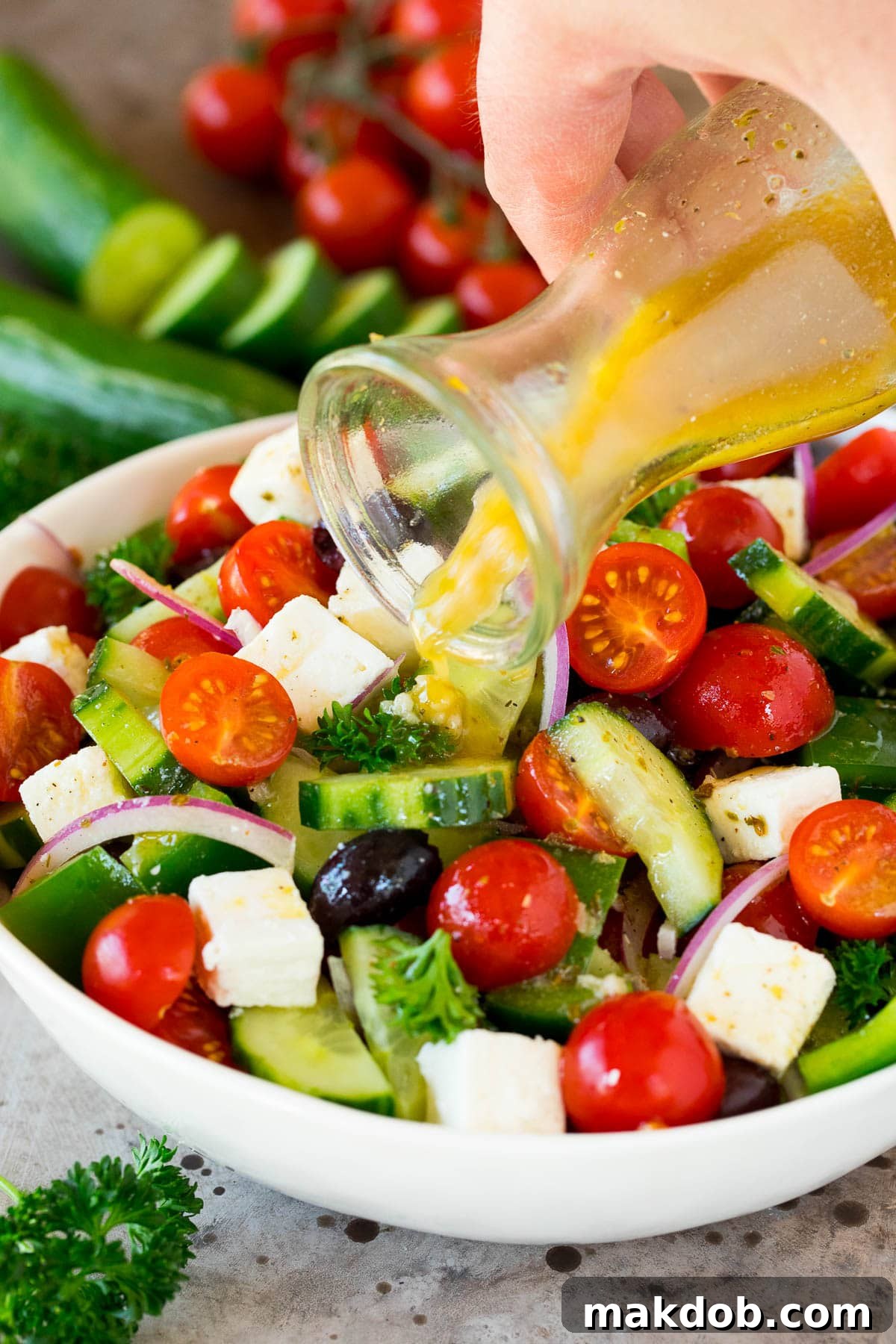
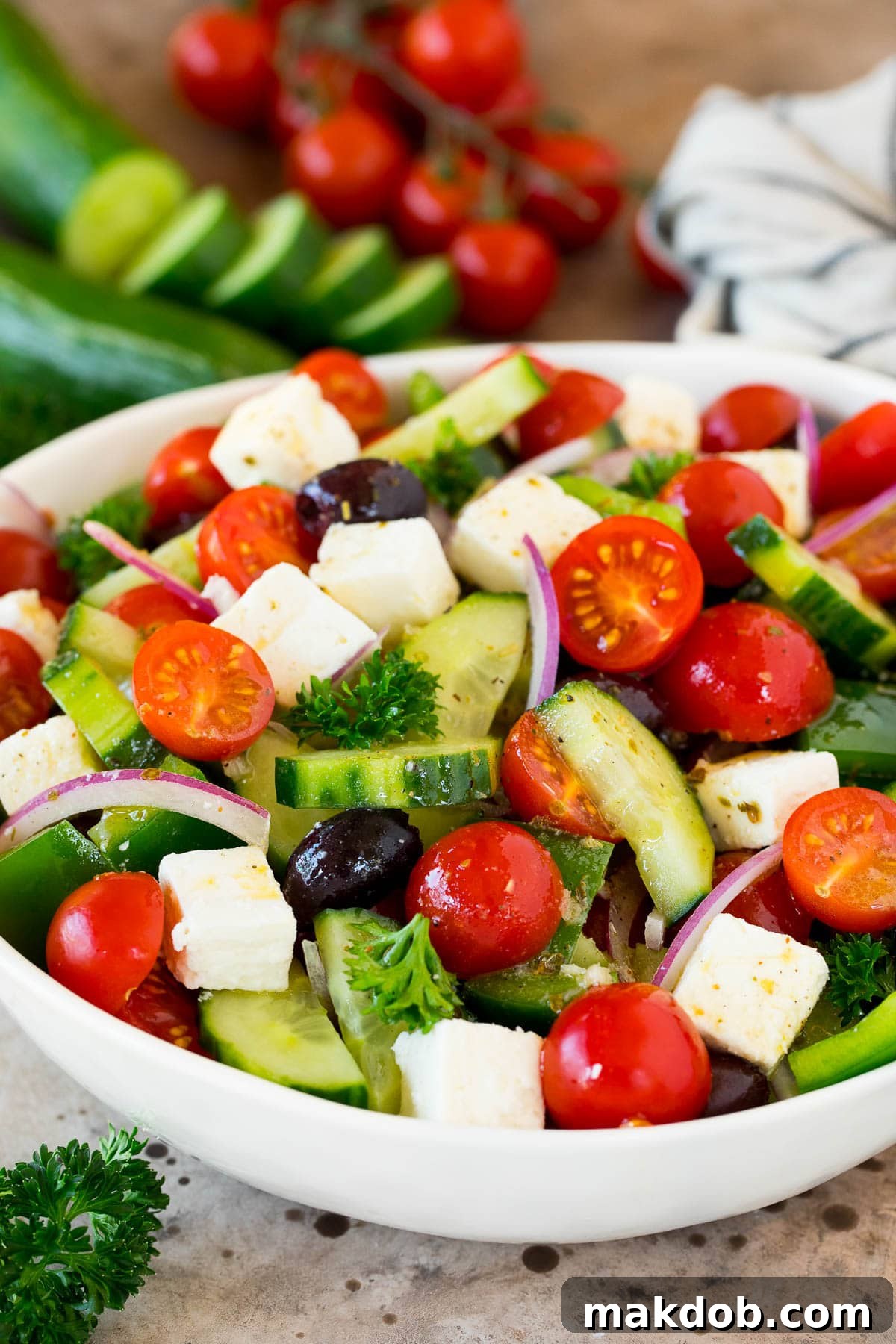
- Classic Greek Salad: The quintessential use! Combine crisp romaine lettuce with ripe tomatoes, refreshing cucumbers, briny Kalamata olives, thinly sliced red onions, and crumbled feta cheese. Drizzle generously with the dressing and toss gently for a classic and satisfying meal.
- Roasted Potatoes: Elevate simple roasted potatoes. Toss halved baby potatoes or diced larger potatoes with olive oil, a sprinkle of dried oregano, salt, and pepper. Roast until golden brown and crispy, then, immediately after removing from the oven, add a generous drizzle of Greek dressing and a sprinkle of fresh feta cheese for an irresistible side dish.
- Grilled or Roasted Vegetables: Transform ordinary vegetables into a Mediterranean delight. Marinate your favorite grilling vegetables such as asparagus, bell peppers (red, yellow, or orange), zucchini slices, red onion wedges, and mushrooms in a bit of the Greek dressing before grilling or roasting. Arrange them on a platter and add an extra splash of dressing for vibrant flavor.
- Protein Marinade: This dressing makes an exceptional marinade for various proteins. Place 1 1/2 pounds of raw chicken (breasts, thighs, or skewers), pork, or firm fish in a resealable bag with the Greek dressing. Marinate for at least one hour in the refrigerator, or up to 12 hours for deeper flavor (ensure fish is marinated for a shorter period, about 30 minutes). Grill, bake, or pan-sear your protein to perfection.
- Flavorful Sandwiches and Wraps: Ditch the mayonnaise and add a zesty Mediterranean twist to your sandwiches and wraps. Use a drizzle of Greek dressing as a spread, or toss your sandwich fillings (like chicken, chickpeas, or roasted veggies) in the dressing before assembling.
- Grain Bowls: Add a burst of flavor to your healthy grain bowls. Whether it’s quinoa, farro, or couscous, a spoonful of this dressing can tie all the ingredients together, especially when paired with roasted vegetables, chickpeas, and fresh herbs.
- Pasta Salads: Perfect for summer potlucks! Toss cooked and cooled pasta with cherry tomatoes, cucumber, red onion, olives, and feta, then generously coat with the Greek dressing for a refreshing and hearty side.
- Bread Dipping: Serve the dressing in a small bowl alongside crusty bread for a simple yet elegant appetizer. It’s a delightful alternative to plain olive oil.
- Mediterranean-Inspired Dips: Swirl a tablespoon or two into hummus or a plain Greek yogurt dip for an extra layer of zesty, herbaceous flavor.
Keeping a jar of this incredible homemade Greek dressing in your refrigerator is truly a culinary secret weapon. It’s an effortless way to infuse vibrant, fresh, and authentic Mediterranean flavors into countless meals, proving that gourmet taste doesn’t have to come with a hefty price tag or complicated preparation.
Explore More Fabulous Salad Sensations
- Grilled Chicken Salad
- Broccoli Slaw
- Curry Chicken Salad
- Fattoush Salad
- Caprese Salad
Greek Salad Dressing
Pin
Author
Sara Welch

Time
10 minutes
0 minutes
10 minutes
Course
Salad
Cuisine
Greek
Serves
8
Ingredients
-
2/3
cup
olive oil -
1/4
cup
red wine vinegar -
1
tablespoon
lemon juice -
3/4
teaspoon
garlic
minced -
1
teaspoon
Dijon mustard -
3/4
teaspoon
dried oregano -
1
teaspoon
salt -
1/2
teaspoon
black pepper
Instructions
-
Place all of the ingredients in a bowl or a jar.
-
If using a bowl, whisk until well combined.
-
If using a jar, place the lid on the jar and shake vigorously.
-
Use immediately, or store in the refrigerator for later use.
Notes
- The dressing will stay fresh in the refrigerator for up to 5 days. Whisk or shake it before use to recombine all the ingredients.
- Use Mediterranean oregano if possible.
- Freshly squeezed lemon juice is best.
Nutrition
Calories:
162
kcal
|
Carbohydrates:
1
g
|
Protein:
1
g
|
Fat:
18
g
|
Saturated Fat:
2
g
|
Polyunsaturated Fat:
2
g
|
Monounsaturated Fat:
13
g
|
Sodium:
299
mg
|
Potassium:
9
mg
|
Fiber:
1
g
|
Sugar:
1
g
|
Vitamin A:
1
IU
|
Vitamin C:
1
mg
|
Calcium:
2
mg
|
Iron:
1
mg
Did you make this recipe?
Tag @dinneratthezoo on Instagram and hashtag it #dinneratthezoo