
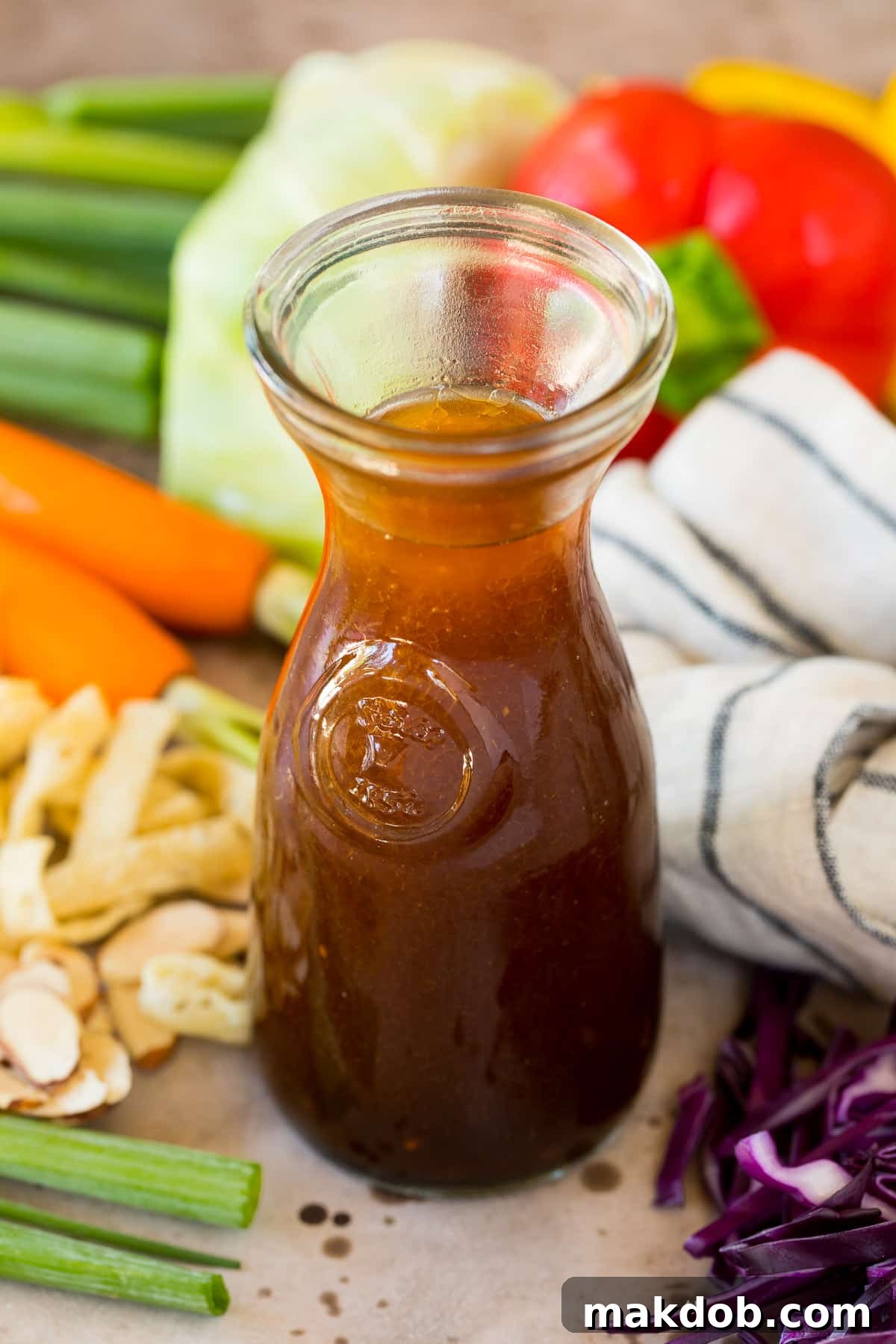
Elevate Your Meals with the Ultimate Homemade Asian Salad Dressing
Discover the secret to vibrant, flavorful dishes with this incredible homemade Asian salad dressing. Crafted from a harmonious blend of soy sauce, rice vinegar, hoisin, fresh ginger, and aromatic sesame oil, this dressing delivers a perfect balance of sweet, savory, and tangy notes. Forget bland store-bought options – this recipe is quick to prepare, taking mere minutes, and will transform everything from crisp green salads to succulent grilled vegetables into an extraordinary culinary experience.
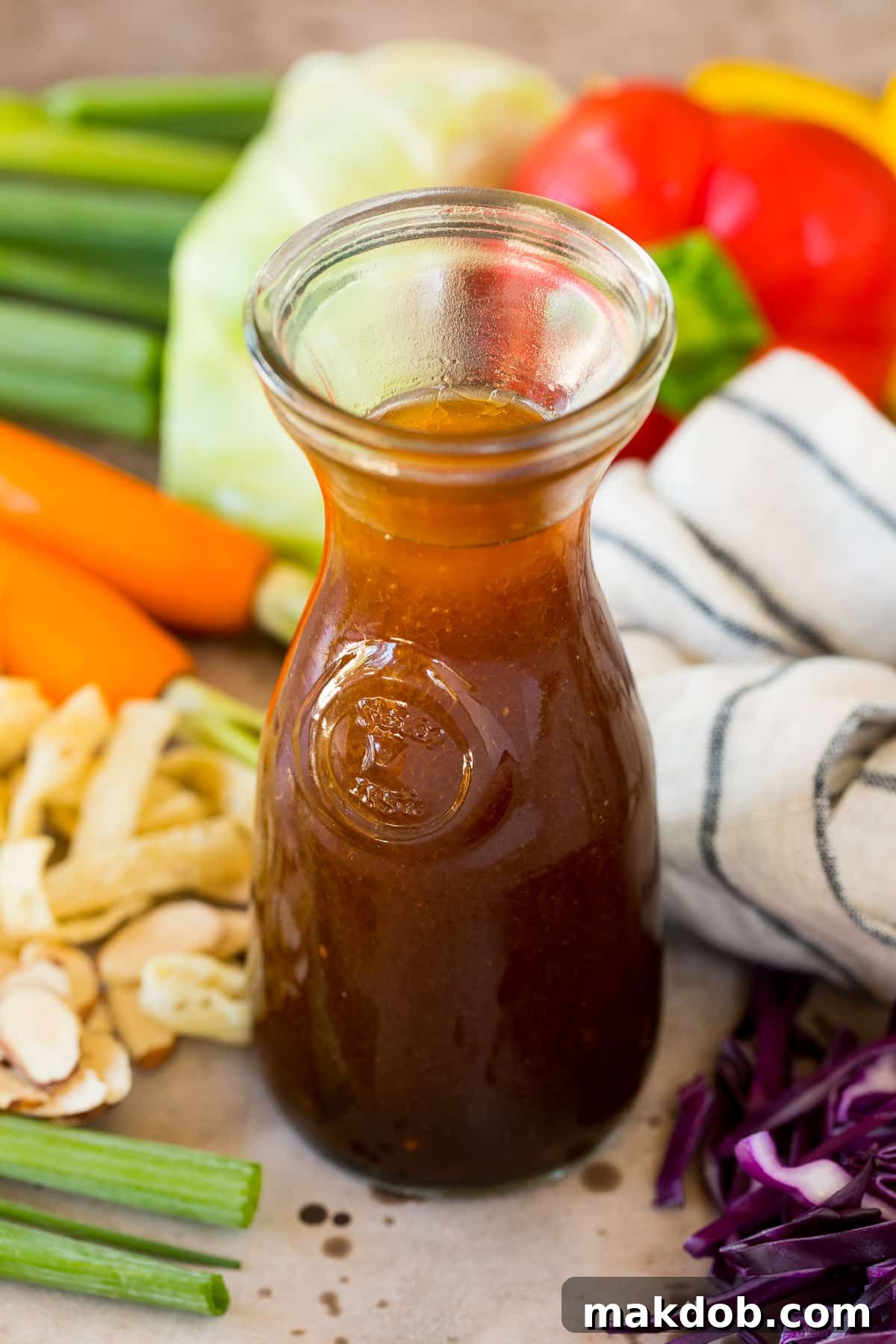
Why Choose Homemade Asian Salad Dressing?
There’s a distinct difference between homemade and store-bought salad dressings, and once you taste the fresh, vibrant flavors of a dressing made from scratch, you’ll find it hard to go back. This Asian-inspired dressing is a shining example of how simple ingredients can create profound taste. Beyond superior flavor, making your own dressing offers several key advantages:
- Unrivaled Freshness: You control the quality and freshness of every ingredient, leading to a much more potent and authentic taste.
- Ingredient Control: Avoid unwanted preservatives, artificial flavors, and excessive sugars or sodium often found in commercial dressings. You can tailor it to your dietary needs, such as using low-sodium soy sauce or adjusting the amount of sweetener.
- Cost-Effective: Many pantry staples form the base of this dressing, making it a budget-friendly option compared to specialty store-bought varieties.
- Customization at Your Fingertips: This recipe serves as a fantastic foundation, but it’s incredibly versatile. You can easily adjust the sweetness, heat, or herbaceous notes to perfectly match your preferences and the dish you’re serving.
- Quick & Easy: Despite its gourmet taste, this dressing comes together in under 10 minutes, proving that convenience doesn’t have to sacrifice quality. Having a batch ready in your fridge makes healthy eating effortless throughout the week.
I always keep a jar of this delightful dressing in my fridge. It’s a game-changer for quick dinners, instantly elevating dishes like Chinese chicken salad, Asian slaw, or even a simple ahi tuna salad. It’s so much more satisfying than generic alternatives, much like my homemade Italian dressing or balsamic vinaigrette.
Essential Ingredients for Your Asian Dressing
Crafting this irresistible Asian salad dressing requires a few key components, each playing a crucial role in building its complex flavor profile. These are typically easy to find in most grocery stores, especially in the international foods aisle.
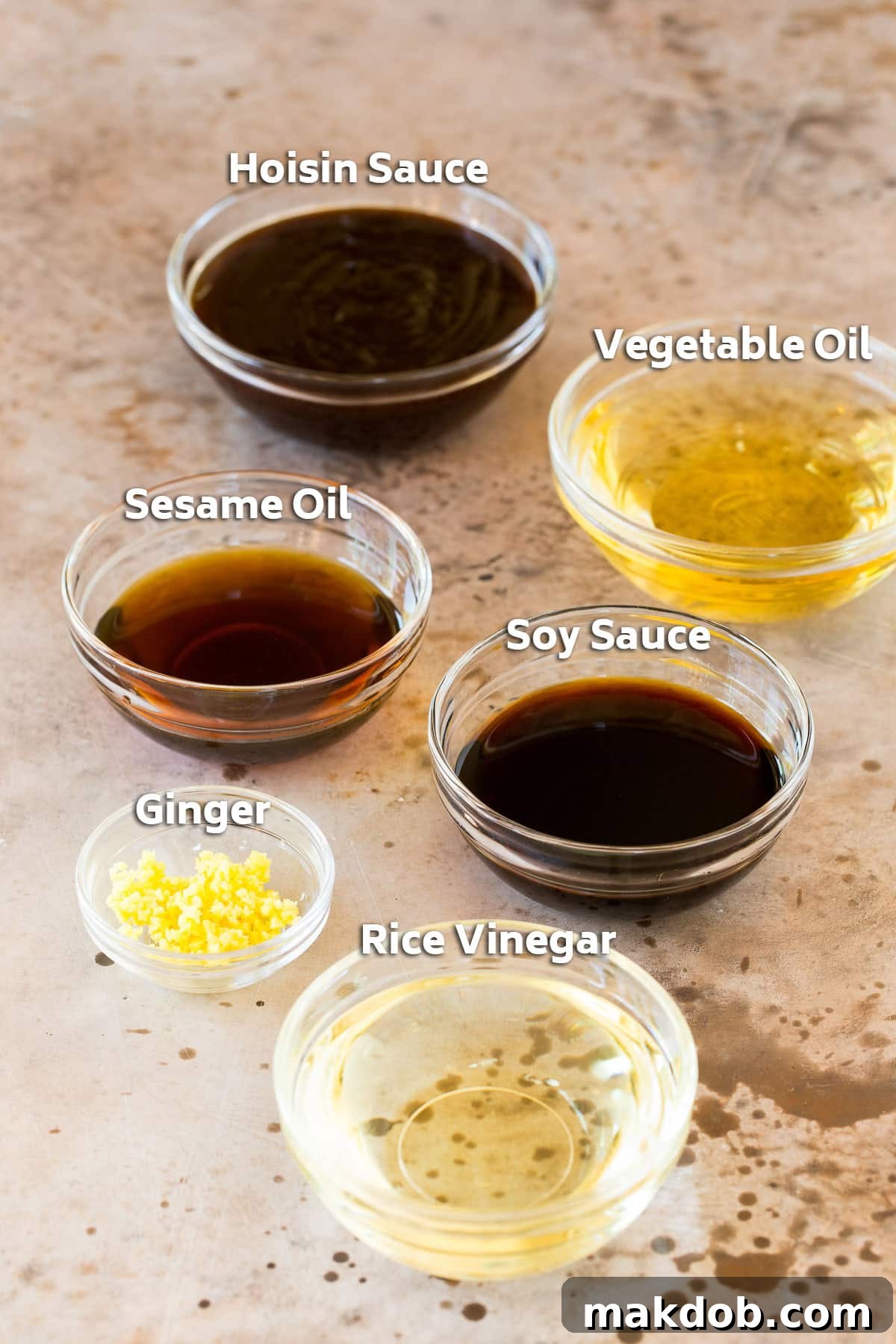
- Vegetable Oil: This forms the base of the dressing, providing a smooth texture and helping to emulsify the other ingredients. A neutral oil like vegetable, canola, or grapeseed oil is ideal as it won’t overpower the distinct Asian flavors.
- Rice Vinegar: Essential for that characteristic tangy and slightly sweet acidity found in many Asian dishes. It’s milder than other vinegars, offering a bright lift without being too sharp.
- Hoisin Sauce: A sweet and savory Chinese barbecue sauce that brings incredible depth, richness, and a hint of umami. It’s a non-negotiable ingredient for that authentic Asian flavor profile. Look for it in the Asian foods section of your supermarket.
- Soy Sauce: The backbone of many Asian dressings, providing a salty, umami-rich foundation. Feel free to use low-sodium soy sauce if you’re watching your salt intake without compromising on flavor.
- Fresh Ginger: Grated fresh ginger adds a vibrant, spicy, and aromatic kick that distinguishes this dressing. Its pungent warmth is incomparable to dried ginger powder.
- Toasted Sesame Oil: While regular sesame oil exists, toasted sesame oil is crucial here. It boasts a deeply nutty, intense aroma and flavor that elevates the entire dressing. A little goes a long way! Ensure you’re buying the toasted variety for the best results.
Crafting Your Perfect Asian Salad Dressing: Step-by-Step
Making this dressing is remarkably simple, requiring minimal effort for maximum flavor payoff. Follow these easy steps, and you’ll have a delectable homemade dressing ready in moments.
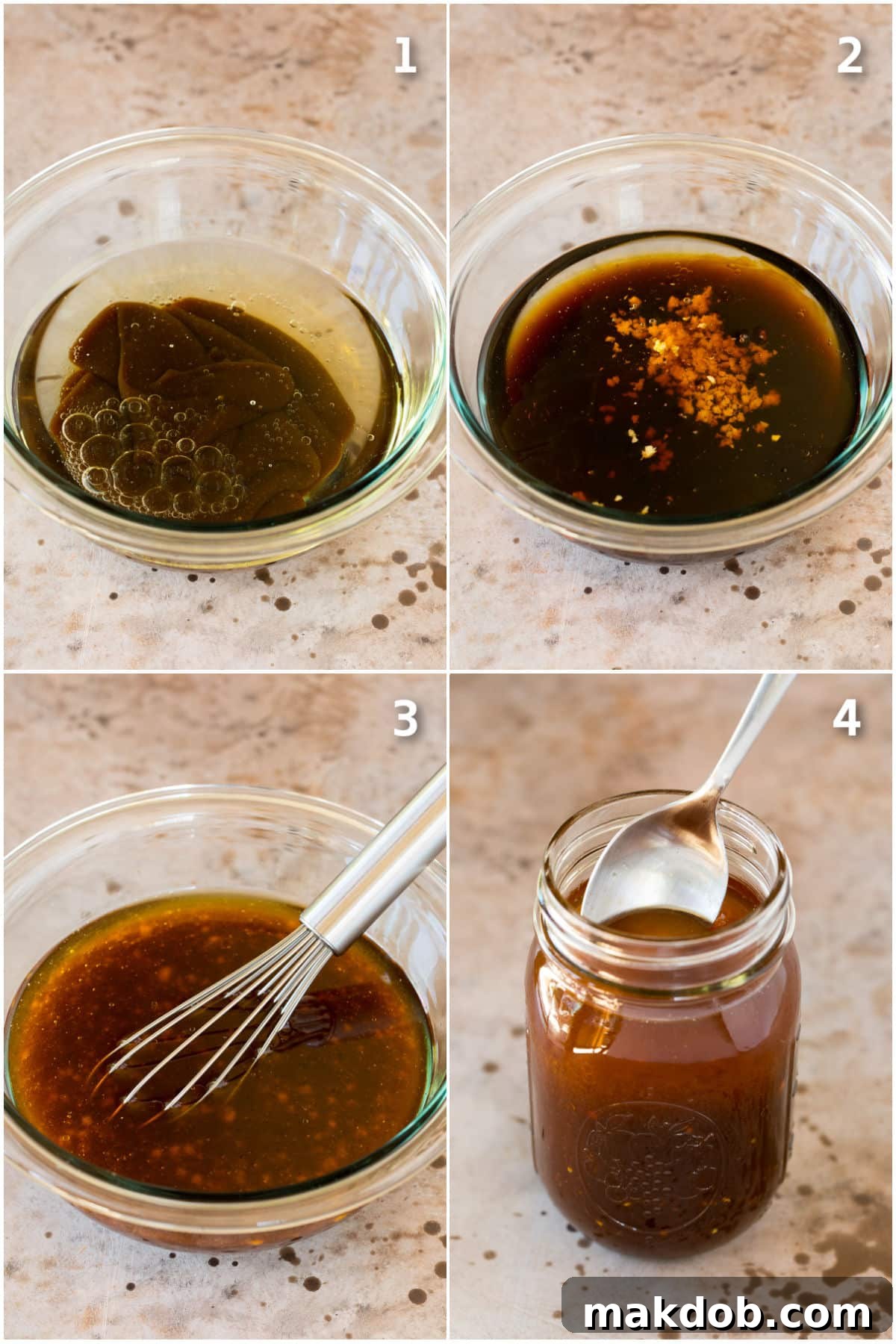
- Gather Your Ingredients: Measure out all your listed ingredients – vegetable oil, rice vinegar, hoisin sauce, soy sauce, finely grated fresh ginger, and toasted sesame oil. Having everything ready makes the process smooth and enjoyable.
- Prepare the Ginger: Peel your fresh ginger root first. You can do this easily with a spoon, the edge of a peeler, or a small knife. Once peeled, use a microplane grater or the fine side of a box grater to finely grate the ginger. This ensures its flavor is evenly distributed without any large, fibrous pieces.
- Combine in a Bowl or Jar: Place all measured ingredients into either a medium-sized mixing bowl or a wide-mouth jar with a tight-fitting lid.
- Mix Thoroughly:
- If using a bowl: Vigorously whisk all ingredients together until they are completely combined and the dressing appears well emulsified and smooth.
- If using a jar: Secure the lid tightly on the jar. Shake the jar vigorously for about 30-60 seconds, or until all ingredients are thoroughly mixed and evenly dispersed.
- Taste and Adjust: Before serving, always taste your dressing. This is where you can make it truly your own! Add a pinch more soy sauce for saltiness, a dash more hoisin for sweetness, or extra ginger for more zing.
- Serve Immediately or Store: Your fresh Asian dressing is now ready to use! Drizzle it over your favorite salads, grilled proteins, or vegetables. If you’re not using it all at once, cover the bowl or seal the jar and refrigerate it. The dressing will stay fresh and delicious for up to 5 days. Remember to give it another quick whisk or shake before each use, as some separation is natural.
Expert Tips for the Perfect Asian Dressing
While the recipe is straightforward, a few insider tips can elevate your Asian salad dressing from good to absolutely phenomenal.
- Ginger is Key: Always use fresh ginger. The bright, pungent, and slightly spicy notes of fresh ginger are irreplaceable. Peel it easily with the back of a spoon and then use a microplane grater to achieve a very fine texture, ensuring even flavor distribution without stringiness.
- Toasted Sesame Oil is Non-Negotiable: Make sure you are using toasted sesame oil. This product has a much deeper, nuttier, and more complex flavor profile compared to regular (untoasted) sesame oil. It’s typically darker in color and found in the international or Asian foods aisle.
- Hoisin Sauce for Depth: Hoisin sauce is a powerhouse of flavor, offering a delightful blend of sweet, tangy, and savory notes. It’s widely available in most grocery stores and is vital for the authentic taste of this dressing. Don’t skip it!
- Adjust Soy Sauce to Your Palate: If you are sensitive to salt or prefer a milder flavor, opt for low-sodium soy sauce. You can always add more regular soy sauce in small increments after tasting to reach your desired saltiness.
- Whisk or Shake Well: Especially after refrigeration, the ingredients in your dressing may separate. Always give it a good whisk or shake just before serving to re-emulsify and ensure every drop is bursting with flavor.
- Experiment with Sweetness: The hoisin sauce provides sweetness, but if you prefer a slightly sweeter dressing, consider adding a touch of honey, maple syrup, or a pinch of brown sugar. Start with a small amount and adjust to taste.
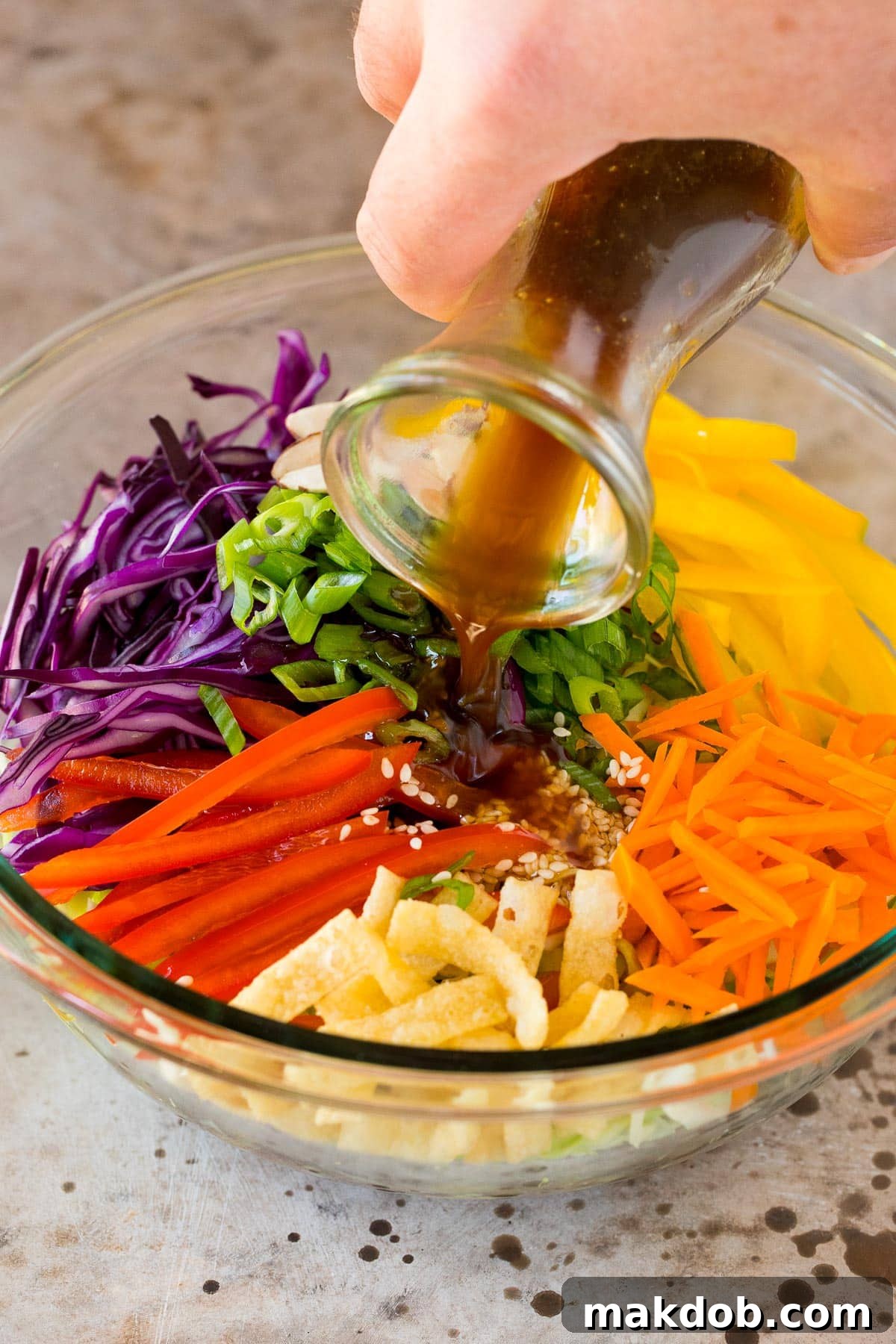
Unleashing the Versatility: Beyond Just Salads
While this dressing is exceptional on salads, its uses extend far beyond a simple bowl of greens. Its rich, balanced flavor profile makes it an incredibly versatile condiment in your culinary arsenal. Get creative with these ideas!
Transform Your Salads
This dressing is a natural fit for any Asian-inspired salad. Try it on:
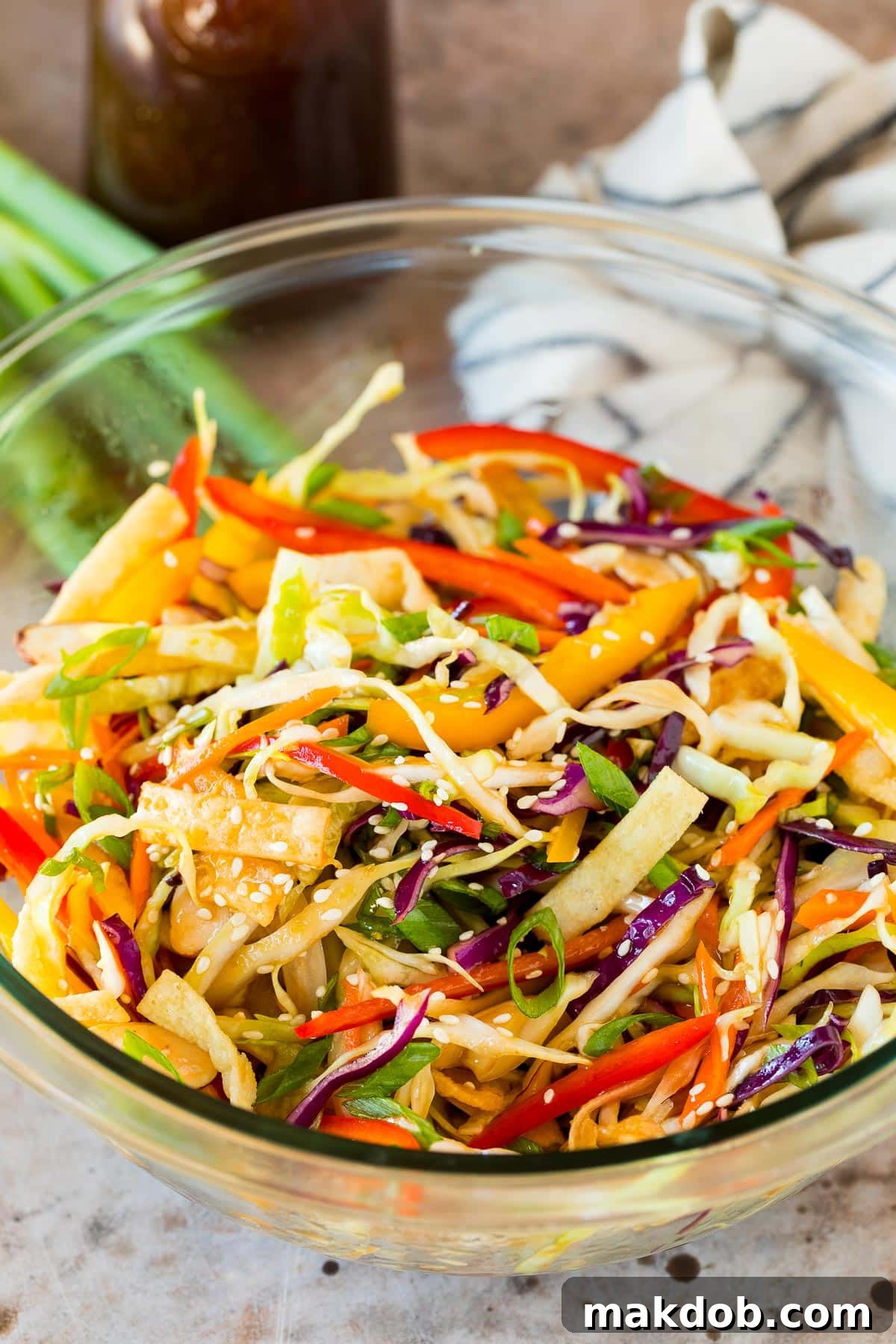
- Mixed Green Salads: Elevate your everyday greens with a generous drizzle. Add toppings like shredded carrots, cucumber, bell peppers, edamame, mandarin oranges, toasted sesame seeds, and crunchy wonton strips or chow mein noodles.
- Cabbage Slaw: Perfect for a refreshing Asian slaw. Combine shredded cabbage, red onion, and cilantro, then toss with the dressing.
- Noodle Salads: Toss cooked and cooled soba or ramen noodles with a medley of fresh vegetables and this dressing for a quick and satisfying meal.
- Protein Salads: Use it as the star dressing for chicken, shrimp, or tofu salads.
Flavorful Marinades
The sweet and savory notes of this dressing make it an excellent marinade, tenderizing meats and infusing them with delicious flavor.
- Chicken & Pork: Marinate boneless, skinless chicken breasts, thighs, or pork chops for at least 30 minutes (or up to 4 hours) before grilling, baking, or pan-frying.
- Beef & Steak: Flank steak, skirt steak, or sirloin will absorb the flavors beautifully. Marinate for a minimum of 1 hour.
- Shrimp & Fish: A quick 15-30 minute marinade for shrimp or flaky white fish adds incredible depth.
- Tofu & Tempeh: Infuse plant-based proteins with savory goodness. Press tofu first, then marinate for at least 30 minutes before baking or stir-frying.
Elevate Stir-Fries
Instead of a separate sauce, use this dressing to finish your stir-fries or as a base for your stir-fry sauce.
- Add a few spoonfuls to your wok during the last few minutes of cooking to coat your meat and vegetables in a glossy, flavorful glaze.
- It pairs wonderfully with chicken, beef, shrimp, or vegetable stir-fries, especially when served over rice or noodles.
Dipping Sauce Extraordinaire
Serve this dressing on the side as a dipping sauce for various appetizers and snacks.
- Spring rolls (fresh or fried)
- Dumplings or potstickers
- Grilled chicken skewers
- Fresh vegetable sticks
Roasted & Grilled Vegetables
Give your side dishes an Asian-inspired twist by drizzling this dressing over cooked vegetables.
- Toss freshly steamed or roasted broccoli, asparagus, green beans, or zucchini with the dressing. Garnish with toasted sesame seeds and sliced green onions for an added touch.
Customizing Your Asian Dressing: Exciting Flavor Variations
One of the joys of homemade dressings is the ability to tailor them to your exact taste. This Asian salad dressing is a fantastic canvas for experimentation. Here are some delicious variations to make it uniquely yours:
- Spice It Up: If you crave a fiery kick, add a dash of sriracha, a teaspoon of chili garlic sauce, or a pinch of crushed red pepper flakes to taste. Start small and add more until you reach your desired heat level.
- Add More Aromatics: Enhance the aromatic profile with fresh minced garlic or a teaspoon of garlic powder. Fresh cilantro or sliced green onions (scallions) can also be blended in for a fresh, herbaceous touch. A little fresh mint can also add an unexpected, bright note.
- Nutty Indulgence: For a creamy, rich texture and a hint of nutty sweetness, stir in a tablespoon or two of smooth peanut butter or almond butter. This variation lends a delicious Thai-inspired twist to the dressing.
- Sweetness Boost: If your palate prefers a sweeter profile, a teaspoon of honey, maple syrup, or brown sugar can be added. Taste and adjust to ensure it complements the savory elements without overpowering them.
- Citrus Brightness: A squeeze of fresh lime juice can add an extra layer of brightness and zest, enhancing the overall tanginess and cutting through the richness.
- Sesame Seed Crunch: Stir in a tablespoon of toasted white or black sesame seeds for added texture and an intensified sesame flavor.
- Umami Bomb: A tiny dash of fish sauce can add an extra layer of savory depth and umami, popular in Southeast Asian cuisine. Use sparingly, as it is very potent.
This Asian salad dressing effortlessly transforms any ordinary meal into something truly special and memorable!
More Asian-Inspired Recipes to Explore
- Instant Pot Teriyaki Chicken
- Shrimp Curry
- Yakisoba Noodles with Chicken
- Shrimp Lo Mein
- Seared Ahi Tuna
Frequently Asked Questions About Asian Salad Dressing
Here are answers to some common questions about this versatile and flavorful dressing:
What is Asian salad dressing typically made of?
Traditional Asian salad dressings often feature a base of soy sauce and sesame oil. Other common ingredients include rice vinegar for tang, a sweetener like sugar or honey, and aromatics such as fresh ginger or garlic. Many variations exist, incorporating ingredients like hoisin sauce, chili paste, or citrus juice for added complexity.
How long does homemade Asian salad dressing last in the fridge?
When stored in an airtight container or a tightly sealed jar in the refrigerator, this homemade Asian salad dressing will stay fresh and flavorful for up to 5 days. It’s natural for the ingredients to separate slightly during storage, so simply give it a good shake or whisk before each use to re-emulsify.
Can I make this Asian dressing gluten-free?
Yes, absolutely! To make this dressing gluten-free, simply substitute regular soy sauce with a certified gluten-free tamari or a gluten-free soy sauce alternative. Always check the labels of your hoisin sauce and other ingredients, as some brands may contain gluten.
Can I use dried ginger instead of fresh ginger?
While fresh ginger is highly recommended for its vibrant, pungent flavor, you can use dried ground ginger as a substitute if absolutely necessary. However, be aware that the flavor profile will be less intense and aromatic. As a general rule, use about 1/4 to 1/2 teaspoon of ground ginger for every tablespoon of fresh grated ginger, and adjust to taste.
What’s the difference between regular and toasted sesame oil?
The difference is significant! Regular (or untoasted) sesame oil is typically light in color and has a very mild, almost neutral flavor, often used for cooking. Toasted sesame oil, on the other hand, is made from toasted sesame seeds, giving it a much darker color and a powerful, nutty, and highly aromatic flavor. For this dressing, and most Asian-inspired recipes where sesame is a flavor component rather than a cooking oil, toasted sesame oil is essential for that distinctive nutty depth.
5 from 12 votes
Homemade Asian Salad Dressing
Pin Recipe
Sara Welch

This exquisite Asian salad dressing combines soy sauce, rice vinegar, hoisin, fresh ginger, and rich toasted sesame oil for a perfect harmony of sweet and savory flavors. It’s incredibly quick to prepare and ideal for Asian-inspired green salads or as a delicious drizzle over grilled vegetables, enhancing any meal with its vibrant taste.
9 minutes
1 minute
10 minutes
Sauce, Dressing
Asian
8 servings
Ingredients
- 1/4 cup vegetable oil
- 1/3 cup rice vinegar
- 1/3 cup hoisin sauce
- 2 tablespoons soy sauce (use low-sodium or tamari for gluten-free if desired)
- 1 1/4 teaspoons fresh ginger finely grated
- 2 tablespoons toasted sesame oil
Instructions
-
Place all of the ingredients (vegetable oil, rice vinegar, hoisin sauce, soy sauce, finely grated fresh ginger, and toasted sesame oil) into a mixing bowl or a wide-mouth jar.
-
If you’re using a bowl, whisk all the ingredients vigorously until thoroughly combined and well emulsified.
-
If you’re using a jar, secure the lid tightly and shake well for about 30-60 seconds until all components are fully integrated.
-
Taste the dressing and adjust seasonings if necessary. Serve immediately, or cover tightly and refrigerate for up to 5 days. Remember to shake or whisk again before each use.
Notes
- Hoisin sauce is a sweet and savory Asian condiment that adds significant flavor to this dressing. It can typically be found in the international foods aisle of most grocery stores.
- For the best flavor, always use fresh ginger. Peel it first, then use a box grater or microplane to finely grate it.
- This homemade dressing remains fresh and delicious in the refrigerator for up to 5 days when stored in an airtight container.
Nutrition
Per Serving:
Calories: 120kcal | Carbohydrates: 5g | Protein: 1g | Fat: 11g | Saturated Fat: 6g | Polyunsaturated Fat: 2g | Monounsaturated Fat: 2g | Cholesterol: 1mg | Sodium: 437mg | Potassium: 25mg | Fiber: 1g | Sugar: 3g | Vitamin A: 1IU | Vitamin C: 1mg | Calcium: 5mg | Iron: 1mg
Did you make this recipe?
Tag @dinneratthezoo on Instagram and hashtag it #dinneratthezoo