
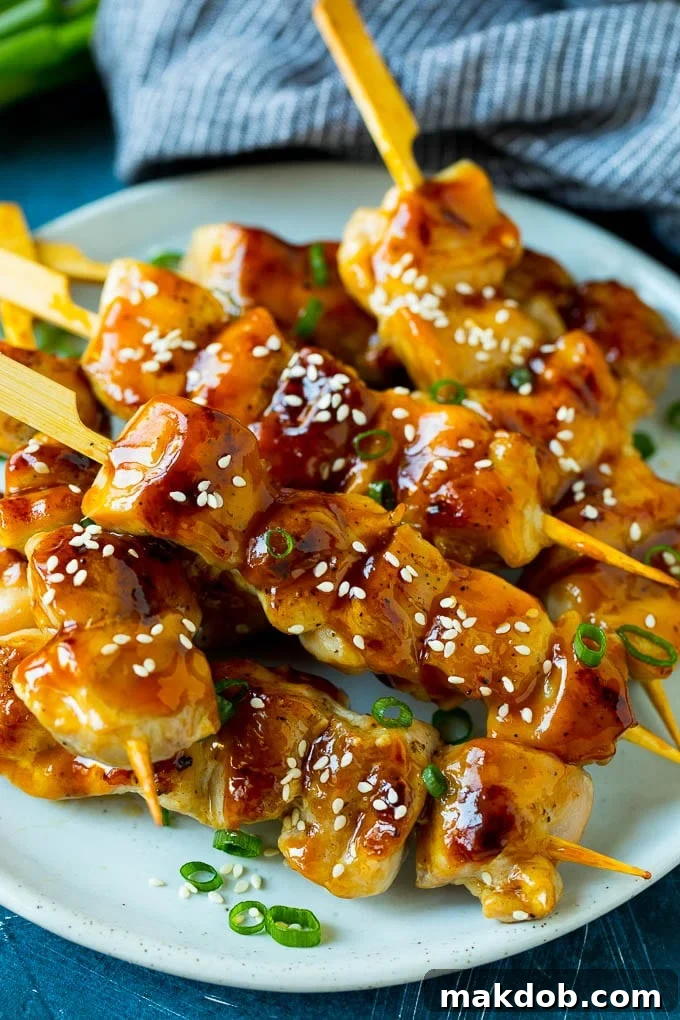
Embark on a culinary adventure right in your kitchen with this incredible yakitori recipe. Imagine tender, bite-sized pieces of chicken, expertly grilled on skewers, and lavishly coated in a mesmerizingly sweet and savory glaze. This isn’t just an appetizer; it’s a unique and unforgettable main course option that consistently garners rave reviews from family and friends alike. Prepare to transform your dining experience with the authentic flavors of Japan.
There’s a special joy in recreating cherished Asian dishes at home. Beyond this irresistible grilled chicken, I frequently delight my loved ones with favorites such as slow cooker teriyaki chicken, shrimp tempura roll, and hearty chicken curry. To complete this Japanese feast, I love serving yakitori alongside a refreshing Japanese cucumber salad, a dollop of creamy yum yum sauce, and perfectly cooked sushi rice. Dinner becomes an instant hit every time!
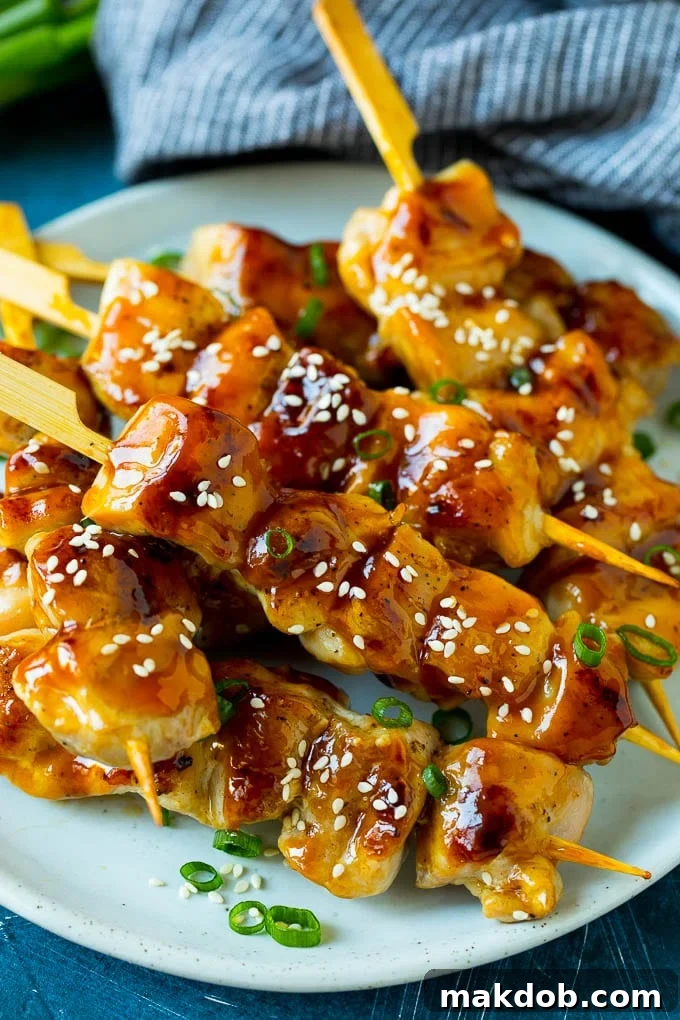
Each visit to our local Japanese restaurant inevitably includes an order of yakitori. These succulent grilled skewers boast an incredible depth of flavor and are simply delightful to eat! After years of enjoying them out, I dedicated myself to mastering this classic recipe in my own kitchen. I can confidently say that my homemade version rivals, if not surpasses, what you’d find at many restaurants. While traditionally served as an appetizer to complement dishes like a flavorful sushi bowl, these chicken skewers are robust enough to stand alone as a satisfying and wholesome entree.
Table of Contents: Your Yakitori Journey
- What is Yakitori? A Culinary Insight
- Gathering Your Yakitori Ingredients
- Step-by-Step: How Do You Make Yakitori?
- Pro Tips for Perfect Chicken Yakitori
- Broiled Chicken Skewers: An Oven Method
- Yakitori Serving Suggestions
- Recipe FAQs: All Your Yakitori Questions Answered
- Explore More Asian Food Favorites
- Yakitori Recipe Video Guide
- Love This Recipe? Leave a Review!
- The Complete Yakitori Recipe Card
What is Yakitori? A Culinary Insight
Yakitori, literally translating to “grilled bird,” is a popular Japanese dish consisting of bite-sized pieces of meat, typically chicken, threaded onto bamboo or metal skewers and grilled. What sets authentic yakitori apart is the meticulous grilling process and the signature “tare” glaze. Traditionally, every part of the chicken, from breast and thigh to heart, liver, and gizzard, can be used, showcasing a diverse range of textures and flavors. These skewers are often seasoned with either a savory-sweet tare sauce or simply with salt (shio style). While often enjoyed as a casual street food or izakaya (Japanese pub) snack, yakitori has earned its place as a sophisticated appetizer or even a light main course in homes and restaurants worldwide. Its charm lies in its simplicity, the smoky char from grilling, and the addictive sweet-savory balance of the glaze.
Gathering Your Yakitori Ingredients
To craft this delectable dish, you’ll need two main components: the chicken skewers and the signature yakitori tare sauce. For the skewers themselves, gather succulent **chicken thighs**, vegetable oil, a pinch of salt, a dash of black pepper, and for garnish, vibrant green onions and toasted sesame seeds. For the deeply flavorful, glossy sauce, you’ll combine soy sauce, water, rich brown sugar, aromatic minced garlic, pungent fresh ginger, sweet honey, bright rice vinegar, a hint of sesame oil, and cornstarch to achieve that perfect, desirable thickness. Each ingredient plays a crucial role in building the layered flavors of this classic Japanese dish, ensuring an authentic taste experience.
Step-by-Step: How Do You Make Yakitori?
Creating sensational homemade yakitori is a straightforward process that begins with preparing the star of the show: the rich and glossy tare sauce. Follow these steps for an exquisite culinary result:
1. Prepare the Signature Yakitori Sauce (Tare)
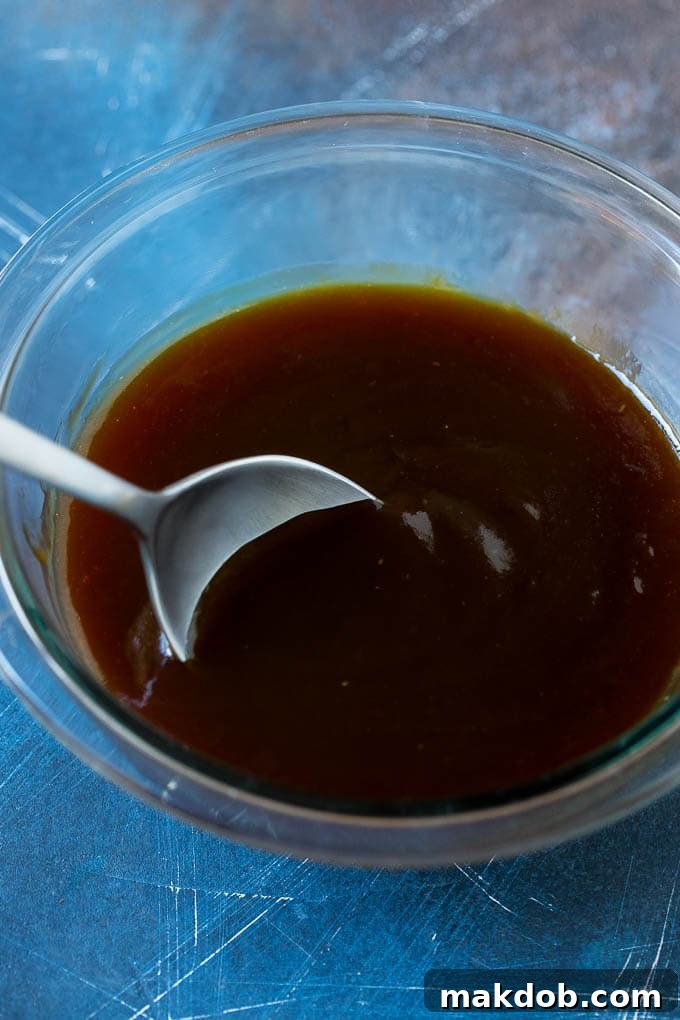
In a small saucepan, combine soy sauce, water, brown sugar, minced garlic, fresh grated ginger, honey, and rice vinegar. Place the pan over medium-high heat and whisk gently until the brown sugar has fully dissolved, which usually takes about 3 minutes. Increase the heat to bring the mixture to a rolling boil. In a separate small bowl, create a cornstarch slurry by mixing cornstarch with a tablespoon or two of cold water until smooth. Slowly pour this slurry into the boiling sauce, stirring constantly. Continue to boil and stir for 1-2 minutes until the sauce visibly thickens to a beautiful, glossy consistency. Remove from heat and set aside.
2. Assemble the Chicken Skewers
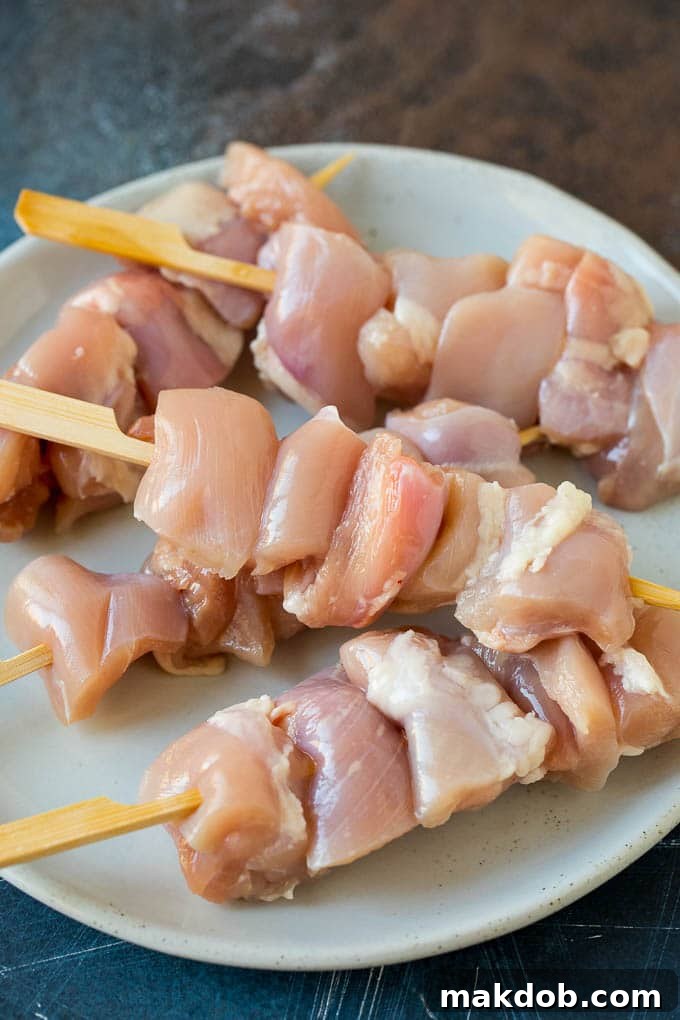
Begin by cutting your chicken thighs into uniform, bite-sized pieces, roughly 1-inch cubes. This ensures even cooking. Thread these chicken pieces onto pre-soaked wooden skewers (more on soaking tips below). Season the skewered chicken lightly with salt and black pepper on all sides. Lightly brush the assembled skewers with vegetable oil; this prevents sticking and aids in achieving a lovely sear.
3. Grill or Broil to Perfection
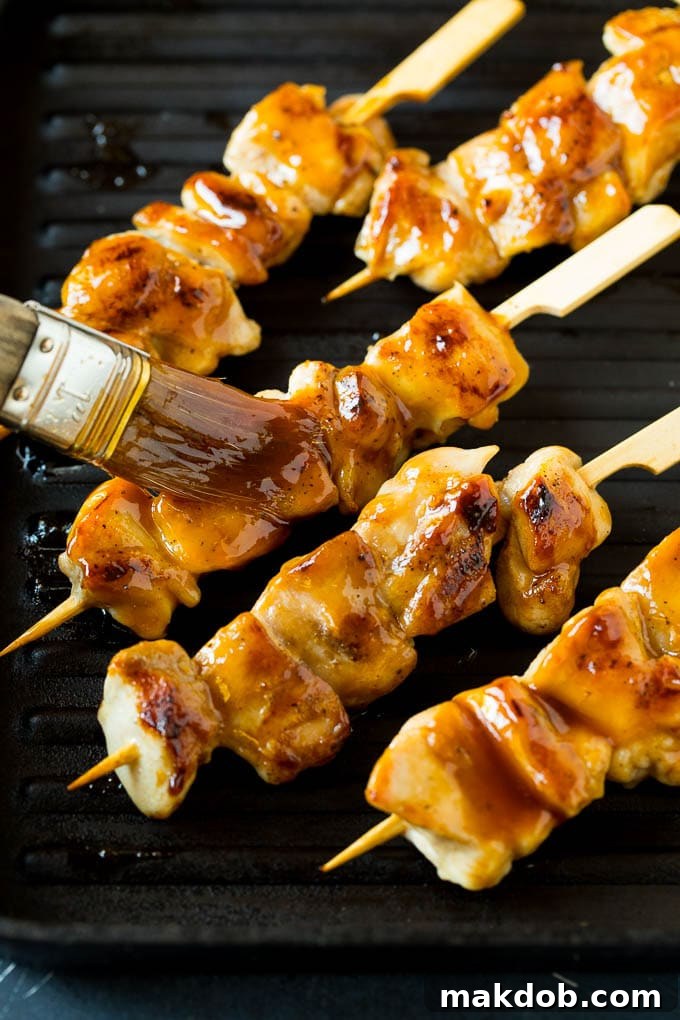
Preheat your outdoor grill or indoor grill pan to a medium heat. Alternatively, prepare your oven broiler as described in the “Broiled Chicken Skewers” section. Place the chicken skewers on the hot grill or under the broiler. Cook for an initial 4 minutes per side to get a good char and start cooking the chicken through. Then, using a basting brush, generously coat the chicken with your prepared tare sauce. Continue grilling or broiling for an additional 2 minutes per side, allowing the sauce to caramelize beautifully. Apply another layer of sauce and cook for one more minute per side. For a truly rich flavor and deep glaze, finish with a final basting of sauce as the chicken comes off the heat. Sprinkle liberally with sesame seeds and freshly sliced green onions before serving immediately. Enjoy the incredible aroma and taste of your homemade yakitori!
Pro Tips for Flawless Chicken Yakitori
- Choose the Right Chicken: I highly recommend using **chicken thighs** for this recipe. Their higher fat content ensures they remain incredibly flavorful and juicy, reducing the risk of drying out on the grill. However, if you prefer a leaner option, chicken breasts can certainly be used, though you’ll need to monitor them closely to prevent overcooking. For adventurous cooks, consider experimenting with cubes of pork tenderloin, whole large shrimp, or even sirloin steak for a different take on grilled skewers.
- Master the Sauce Ahead: The delicious yakitori sauce, or tare, can be a fantastic make-ahead component. Prepare it up to **5 days in advance** and store it in an airtight container in the refrigerator. For even greater convenience, consider making a double or triple batch and freezing portions for future use. Simply thaw and reheat gently when ready to use.
- Optimal Cooking Methods: While the smoky char of an outdoor charcoal grill yields the most authentic flavor, you have several excellent options. Indoor grill pans work wonderfully for year-round grilling. Alternatively, your oven broiler (see specific instructions below) is a great choice. I personally find that the high, direct heat of a grill allows the sauce to caramelize beautifully, creating that coveted sticky, slightly charred exterior.
- Prevent Skewer Burn: If you’re using bamboo or wooden skewers, it’s absolutely crucial to **soak them in cold water for at least 30 minutes** before threading your chicken. This simple step saturates the wood with moisture, preventing them from burning or catching fire on the hot grill.
- Don’t Rush the Basting: The key to that signature glossy, rich yakitori glaze is multiple layers of basting. Don’t slather all the sauce on at once. Apply thin layers towards the end of cooking, allowing each layer to caramelize before adding the next. This builds depth of flavor and a beautiful sheen.
- Storage and Reheating: Any leftover yakitori skewers will stay fresh and delicious in an airtight container in the refrigerator for up to 3 days. To reheat, gently warm them in a microwave, or for best results, briefly warm them in a skillet or oven until heated through, perhaps with a little extra sauce.
Quick Tip: Soak Your Skewers!
Always soak your bamboo or wooden skewers in cold water for at least 30 minutes before threading the chicken. This crucial step prevents them from burning on the grill.
Broiled Chicken Skewers: An Oven Method
Even without an outdoor grill, you can achieve wonderfully flavorful yakitori using your oven’s broiler. This method creates a similar intense heat that helps caramelize the sauce and cook the chicken quickly. Here’s how to do it:
First, preheat your broiler to high. Line a sturdy baking sheet with aluminum foil for easier cleanup, then coat the foil generously with cooking spray to prevent sticking. Arrange your prepared chicken skewers in a single layer on the lined baking sheet, ensuring they are not overcrowded to allow for even broiling.
Place the baking sheet under the broiler, about 6-8 inches from the heat source. Broil the chicken for 4 minutes on one side. Carefully flip the skewers and broil for another 4 minutes on the second side. At this point, the chicken should be starting to cook through and develop some color.
Next, remove the baking sheet from the oven. Using a basting brush, generously coat both sides of the chicken skewers with your prepared yakitori sauce. Return the skewers to the broiler and cook for an additional 2-3 minutes per side, watching closely to ensure the sauce caramelizes without burning. The sugars in the sauce can burn quickly under the broiler, so stay vigilant!
For an extra layer of glaze, remove the skewers once more, apply a final basting of sauce, and broil for just 1 more minute per side. The goal is to build up a rich, sticky, and slightly charred glaze. Once cooked to perfection, carefully remove the skewers from the oven. Sprinkle them immediately with toasted sesame seeds and freshly sliced green onions for a vibrant finish, then serve hot and enjoy.
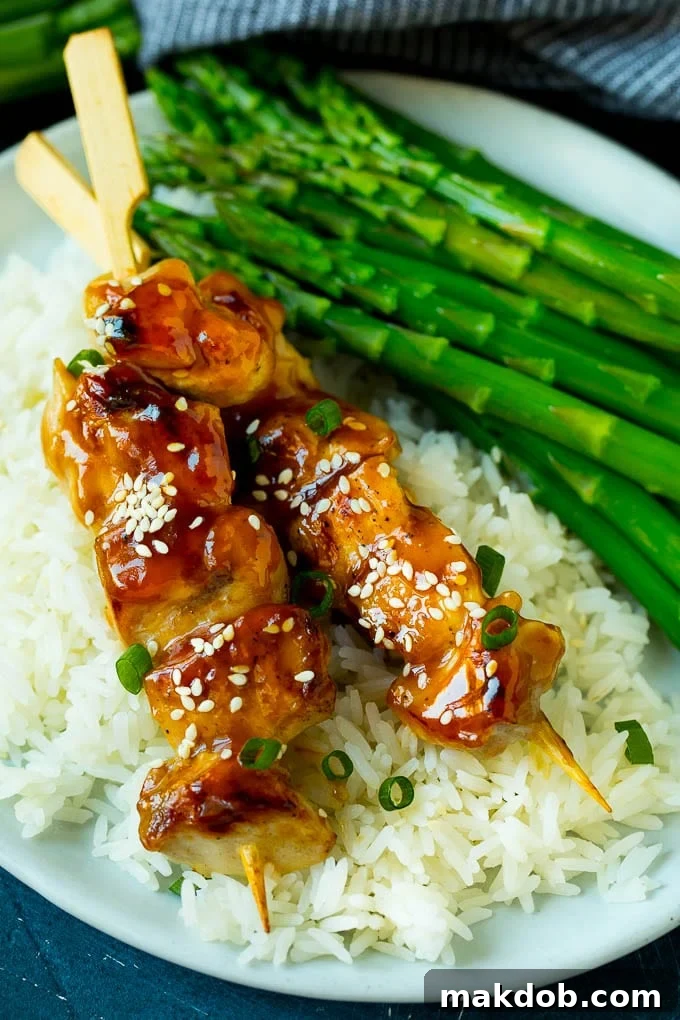
You’ll be absolutely amazed at how restaurant-quality delicious this homemade yakitori is – all the incredible flavors you crave, conveniently made and savored in the comfort of your own home! This recipe truly brings the essence of Japanese grilling to your table.
Yakitori Serving Suggestions: What to Pair with Your Skewers
Yakitori skewers are wonderfully versatile, making them perfect as a standalone appetizer or the star of a complete meal. To transform your yakitori into a full and satisfying dinner, consider pairing them with a variety of delicious sides:
- Rice Dishes: A classic choice, plain steamed white rice or perfectly cooked sushi rice provides a neutral canvas for the savory glaze. For a more flavorful option, try veggie fried rice or even cauliflower fried rice for a lighter, low-carb alternative.
- Fresh Salads: Cut through the richness of the glaze with a crisp, refreshing salad. A tangy Japanese cucumber salad (sunomono) is a traditional and delightful pairing. A simple green salad with a ginger-sesame dressing would also be excellent.
- Grilled Vegetables: Complement the grilled chicken with other grilled elements. Juicy grilled mushrooms, tender grilled asparagus, bell peppers, or even zucchini planks make fantastic additions, often benefiting from a brush of the yakitori sauce themselves.
- Noodle Dishes: For a heartier meal, serve your yakitori alongside a bowl of stir-fried noodles or a light ramen.
- Dipping Sauces: While the yakitori is glazed, offering a small side of yum yum sauce or extra tare allows for additional dipping and customization for those who love extra flavor.
Recipe FAQs: All Your Yakitori Questions Answered
Yakitori refers to Japanese grilled skewers, typically made from various parts of the chicken. The meat is cut into uniform, bite-sized pieces, threaded onto skewers, and then grilled over high heat while being repeatedly basted with a special sweet and savory glaze called tare. What makes it special is the combination of the smoky char from grilling, the succulent texture of the chicken (especially thighs), and the complex, umami-rich flavors of the tare sauce, often featuring soy sauce, mirin or sake, sugar, and aromatics like ginger and garlic. It’s cherished for its versatility as an appetizer or main dish and its deep, satisfying flavor.
Yakitori is incredibly versatile! As an appetizer, it’s perfect on its own. For a complete meal, pair it with different starches and vegetables. Classic pairings include steamed rice or sushi rice. For vegetable sides, consider refreshing Japanese cucumber salad (sunomono), or grilled vegetables like grilled mushrooms or grilled asparagus. Heartier options include veggie fried rice or even cauliflower fried rice for a healthier twist. While not strictly traditional, flavors from other Asian cuisines, like a side of yum yum sauce, can also complement the chicken beautifully.
While both yakitori and teriyaki involve protein cooked with a sweet and savory glaze, they are distinct dishes. Yakitori specifically refers to grilled skewers, almost exclusively made with chicken (though other meats exist). The defining characteristic is the skewer and the grilling method. Teriyaki, on the other hand, is a broader Japanese cooking technique where food (which can be chicken, beef, fish, or seafood) is broiled, grilled, or pan-fried with a glaze. The sauce flavors are very similar, often sharing ingredients like soy sauce, mirin, and sugar, leading to a comparable sweet-savory profile. However, yakitori’s emphasis is on the skewered, grilled preparation of chicken.
FOLLOW ME
Explore More Asian Food Favorites
Stir Fry Noodles with Chicken
Total Time: 25 mins
General Tso’s Chicken
Total Time: 45 mins
Mongolian Beef
Total Time: 30 mins
Thai Fried Rice with Chicken
Total Time: 30 mins
Kung Pao Chicken
Total Time: 30 mins
Yakitori Recipe Video Guide
Love This Recipe? Leave a Review!
Please leave a 5-star 🌟🌟🌟🌟🌟 rating in the recipe card below & a review in the comments section further down the page. Your feedback is greatly appreciated!
Yakitori Recipe
Pin
Time
Ingredients
For the skewers
- 1 1/4 pounds chicken thighs cut into bite-sized pieces
- salt and pepper to taste
- 1 tablespoon vegetable oil
- 1 teaspoon sesame seeds
- 1 tablespoon green onions sliced
For the sauce
- 1/4 cup soy sauce
- 1/2 cup water
- 1/4 cup brown sugar
- 2 teaspoons minced garlic
- 2 teaspoons minced ginger
- 1 tablespoon honey
- 1 teaspoon toasted sesame oil
- 1 tablespoon rice vinegar
- 1 tablespoon + 1 teaspoon cornstarch
Instructions
For the sauce
-
Place the soy sauce, water, brown sugar, garlic, ginger, honey, sesame oil and rice vinegar in a small pot over medium high heat. Stir until sugar is dissolved, about 3 minutes. Turn up the heat to high and bring to a boil.
-
Mix the cornstarch with 2 tablespoons of cold water until dissolved, creating a slurry. Add this cornstarch mixture to the boiling sauce and continue to boil for 1-2 minutes or until the sauce has significantly thickened to a glossy consistency. Remove from heat.
For the chicken
-
Thread the chicken pieces onto skewers that have been soaked in cold water for at least 30 minutes (to prevent burning). Season the chicken with salt and pepper to taste, then brush the vegetable oil lightly over the skewered chicken.
-
Preheat an outdoor grill or grill pan to medium-high heat. Ensure it’s hot enough to get a good sear.
-
Place the chicken skewers on the preheated grill. Cook for 4 minutes per side, turning carefully, until lightly browned.
-
Brush a generous layer of the prepared yakitori sauce over the chicken. Cook for an additional 2 minutes per side, allowing the sauce to caramelize and glaze the chicken.
-
Brush more sauce over the chicken, then cook for another minute per side to deepen the glaze.
-
Apply a final, thick layer of sauce over the chicken just as you remove it from the grill. Sprinkle with toasted sesame seeds and thinly sliced green onions for garnish, then serve immediately while hot and juicy.
Notes
- For the most flavorful and juicy results, use chicken thighs. They are less likely to dry out on the grill compared to chicken breasts. You can also experiment with other proteins like pork tenderloin or sirloin steak.
- To prevent wooden or bamboo skewers from burning on the grill, soak them in cold water for at least 30 minutes before threading the chicken.
- The homemade yakitori sauce can be prepared up to 5 days in advance and stored in an airtight container in the refrigerator. It can also be frozen for longer storage, making meal prep even easier.