
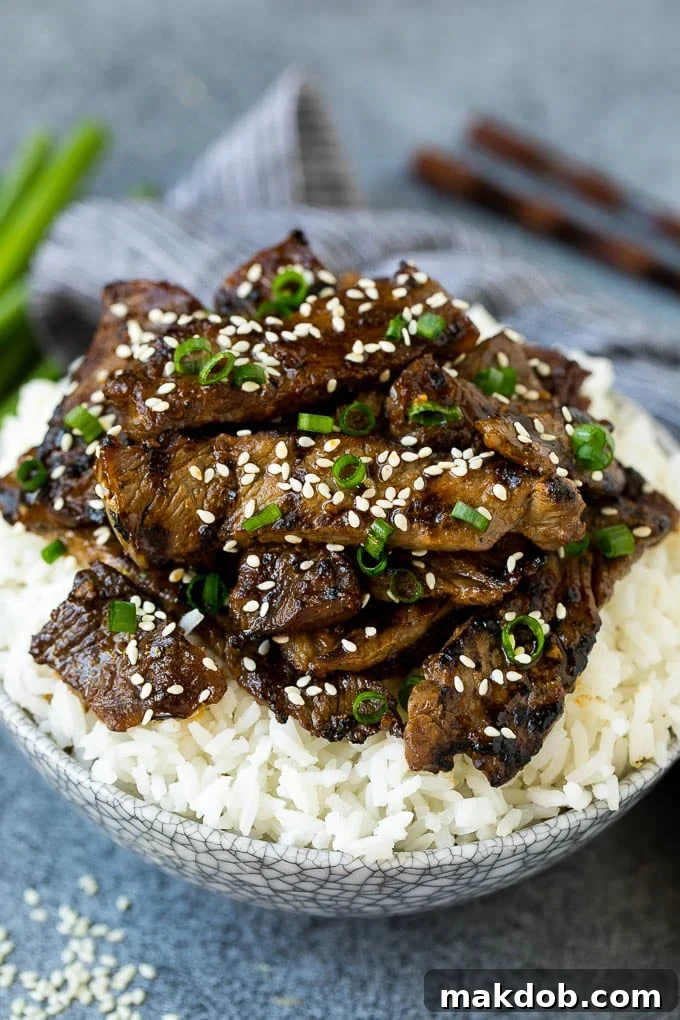
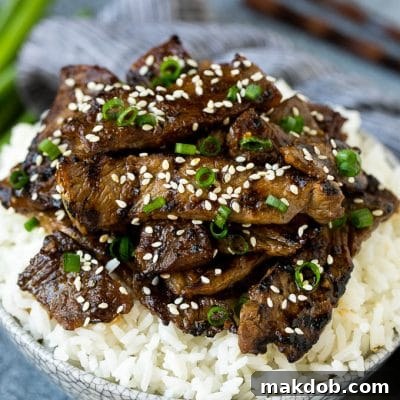
Welcome to the enchanting world of Korean cuisine, where bold flavors and tender textures create unforgettable culinary experiences. Today, we’re diving into one of Korea’s most beloved dishes: **Beef Bulgogi**. This iconic Korean BBQ staple features thinly sliced steak marinated in a symphony of sweet and savory notes, then grilled or pan-seared to caramelized perfection. Whether nestled in fresh lettuce wraps or served atop a steaming bowl of fluffy rice, homemade bulgogi brings the vibrant taste of Korea right to your dinner table. Forget takeout; this authentic recipe promises a truly satisfying and surprisingly simple meal that will impress everyone.
When the craving for a truly exceptional steak dish strikes, my go-to options often include a robust soy-marinated flank steak, vibrant steak kabobs, or, more often than not, this incredibly flavorful and comforting beef bulgogi. There’s something uniquely special about the delicate balance of flavors in bulgogi that makes it stand out.
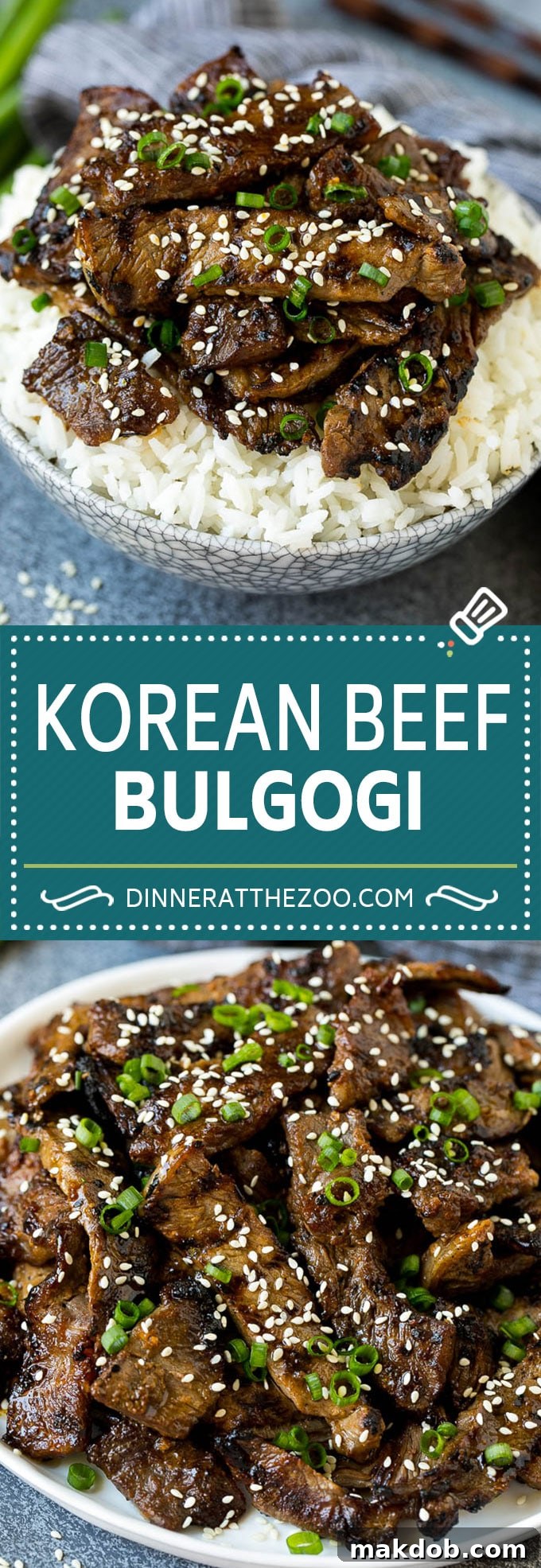
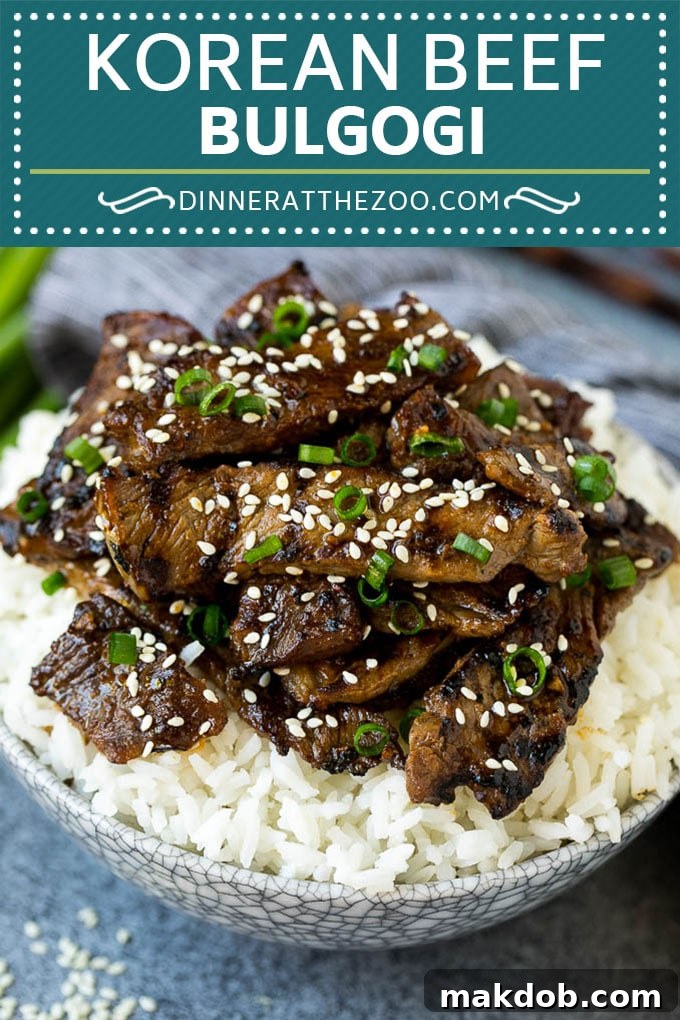
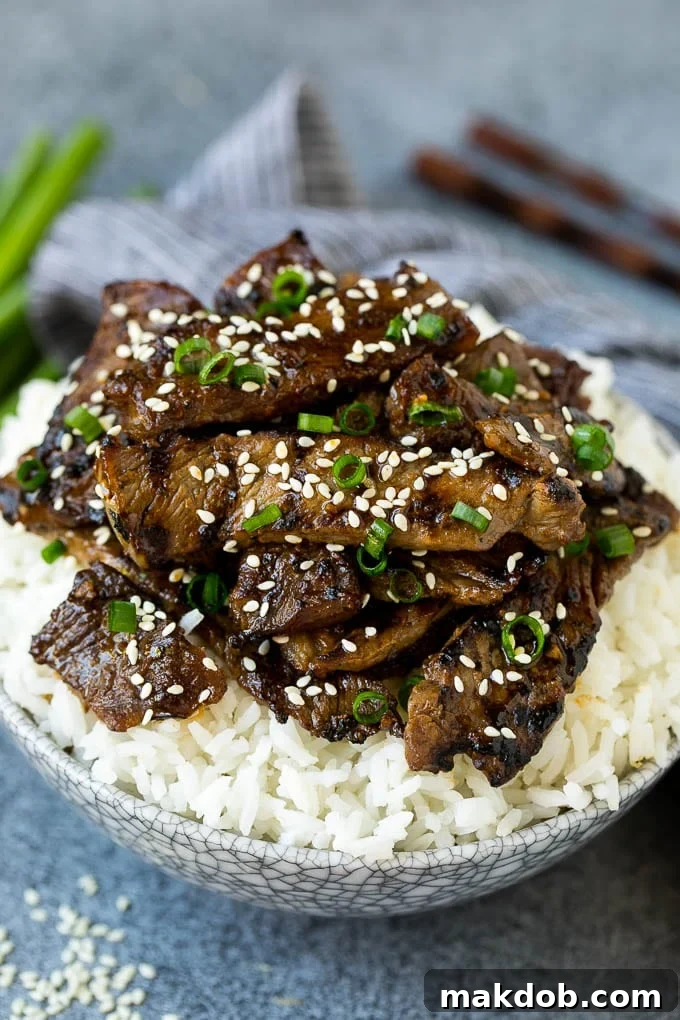
There’s an undeniable magic to the smoky, tender ribbons of beef bulgogi that makes it utterly irresistible. While I adore visiting my favorite local Korean restaurant, replicating that authentic taste at home has become a true passion. I’ve spent time perfecting this recipe, and I confidently believe that my homemade version rivals, and perhaps even surpasses, what you’d find in many eateries. It’s not just a meal; it’s an experience that brings the vibrant flavors of Korean BBQ straight to your kitchen.
Understanding Bulgogi: A Culinary Journey
What is Bulgogi?
Bulgogi (불고기) is a revered Korean dish, often considered the cornerstone of Korean BBQ. Its name literally translates to “fire meat,” derived from the Korean words “bul” (fire) and “gogi” (meat), a clear nod to its traditional cooking method over an open flame or grill. This dish features meticulously thin slices of beef, marinated in a distinctive blend of savory and sweet ingredients, then cooked quickly to achieve tender, flavorful results.
The hallmark of bulgogi lies in its perfectly balanced marinade. Key ingredients like soy sauce, toasted sesame oil, and garlic provide a rich, savory depth, while brown sugar and grated Asian pear introduce a natural sweetness and subtle fruitiness. This unique combination ensures every succulent piece of beef is infused with an irresistible umami flavor, making bulgogi a universally loved Korean delicacy.
The Rich History of Bulgogi
Bulgogi boasts a history stretching back to the Goguryeo dynasty (37 BC – 668 AD), where it was known as maekjeok and skewered before grilling. Over centuries, the dish evolved, adapting to various regional ingredients and cooking techniques. During the Joseon Dynasty (1392-1897), it became a court dish, eventually transforming into the pan-fried, marinated beef we recognize today. The modernization of Korean cuisine brought bulgogi to the global stage, solidifying its place as one of the most iconic Korean dishes enjoyed worldwide.
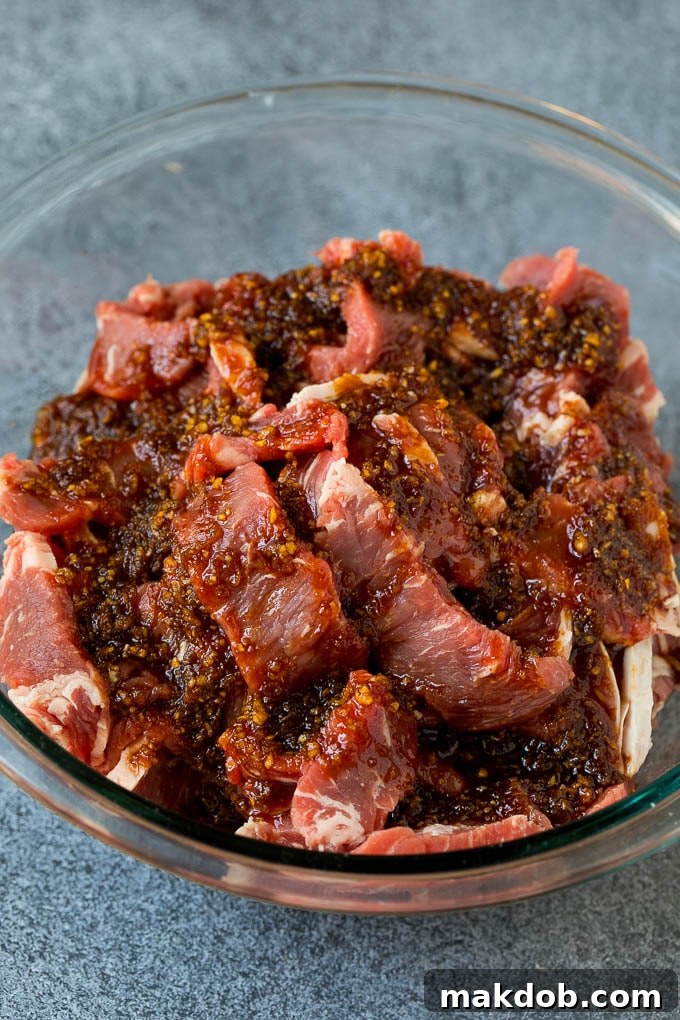
Crafting Authentic Beef Bulgogi at Home
The Secret to Success: The Marinade
The marinade is truly the heart and soul of this Korean beef bulgogi recipe, transforming simple beef into an extraordinary culinary delight. Each component plays a vital role in creating that signature sweet, savory, and tender profile:
- Soy Sauce: This forms the savory foundation of the marinade, providing a deep, umami richness. Choose a good quality regular or low-sodium soy sauce based on your preference.
- Brown Sugar: Essential for balancing the savory notes, brown sugar contributes a warm, molasses-like sweetness that helps the beef caramelize beautifully as it cooks, enhancing its flavor and appearance.
- Toasted Sesame Oil: A distinctive ingredient in Korean cuisine, toasted sesame oil imparts a wonderfully nutty, aromatic fragrance and flavor that is simply irreplaceable. Make sure it’s toasted for that deep aroma.
- Asian Pear: This is a standout ingredient! Finely grated Asian pear adds a delicate, natural sweetness and a unique, subtle fruitiness to the marinade. More importantly, the enzymes in Asian pear act as a natural tenderizer, ensuring your beef turns out incredibly succulent. If an Asian pear is unavailable, a crisp Bosc or Seckel pear can be a suitable substitute, or even a small amount of pineapple juice (use sparingly, as it’s a potent tenderizer).
- Garlic and Ginger: These aromatic powerhouses are fundamental to many Asian dishes. Minced fresh garlic and ginger infuse the beef with a pungent, vibrant flavor that is both warming and invigorating.
- Korean Gochujang Sauce: For an added layer of complex flavor, gochujang (Korean chili paste) is a fantastic addition. It provides a rich, slightly smoky, and subtly spicy BBQ-like flavor that elevates the bulgogi. Don’t worry, the amount used offers more flavor depth than intense heat. If you can’t find gochujang, a touch of sriracha with an extra teaspoon of brown sugar can work as a last resort, though the flavor profile will be slightly different.
- Black Pepper: A simple touch of freshly ground black pepper rounds out the flavors, adding a subtle hint of warmth and pungency.
Selecting the Ideal Beef Cut
The tenderness of bulgogi is paramount, which means choosing the right cut of beef is crucial. You want a cut that is both flavorful and inherently tender, or can be made tender through proper marinating and slicing.
- Rib Eye: This is by far the most popular and recommended cut for bulgogi. Rib eye is known for its excellent marbling (streaks of fat), which melts during cooking, imparting incredible flavor, juiciness, and tenderness.
- Sirloin: A lean yet flavorful option, sirloin can also be used for bulgogi. It’s less marbled than rib eye but still delivers good taste and tenderness when sliced thinly and properly marinated.
- Tenderloin: As its name suggests, tenderloin is exceptionally tender, making it a luxurious choice for bulgogi. While it’s leaner, its tenderness ensures a melt-in-your-mouth experience.
- Flank Steak or Tri-Tip: In a pinch, flank steak or tri-tip can be used. These cuts are tougher than rib eye or sirloin, so ensuring they are very thinly sliced *against the grain* and marinated for the full recommended time (up to 24 hours) is even more critical for optimal tenderness.
Preparation Steps: Marinating for Flavor
After you’ve assembled your perfect marinade, the process is simple but requires patience. Combine all the marinade ingredients in a bowl, stirring until well blended. Add your thinly sliced beef, ensuring every piece is thoroughly coated. Cover the bowl and refrigerate for at least one hour to allow the flavors to penetrate the meat and the tenderizers (like Asian pear) to work their magic. For maximum flavor and tenderness, marinating for 4-6 hours, or even up to 24 hours, is highly recommended.
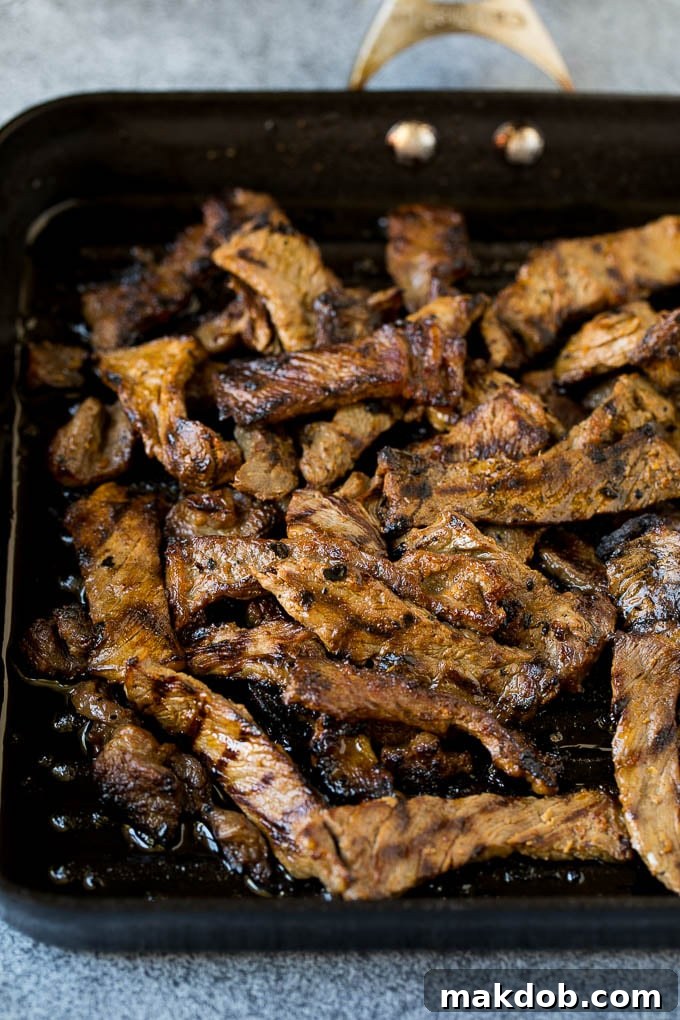
Cooking Perfection: Grill or Pan-Sear
Once marinated, your bulgogi is ready for cooking. The “fire meat” can be prepared using various methods:
- Grilling (Traditional Method): For that authentic Korean BBQ flavor, preheat an outdoor grill or an indoor grill pan over medium-high heat. Ensure the surface is well-oiled to prevent sticking. Place the marinated beef in a single layer, making sure not to overcrowd the grill, which can steam the meat instead of searing it. Cook for approximately 2-3 minutes per side, until beautifully caramelized and cooked through.
- Pan-Searing (Stove Top): If you don’t have a grill, a large skillet or wok on the stove top works wonderfully. Heat your pan over medium-high heat with a touch of oil. Again, cook the beef in batches to avoid overcrowding, ensuring each piece gets a good sear. Cook for 2-3 minutes per side until browned and tender.
Before cooking, it’s a good idea to scrape off any large chunks of garlic or pear from the beef to prevent them from burning on the hot surface, which can impart a bitter taste.
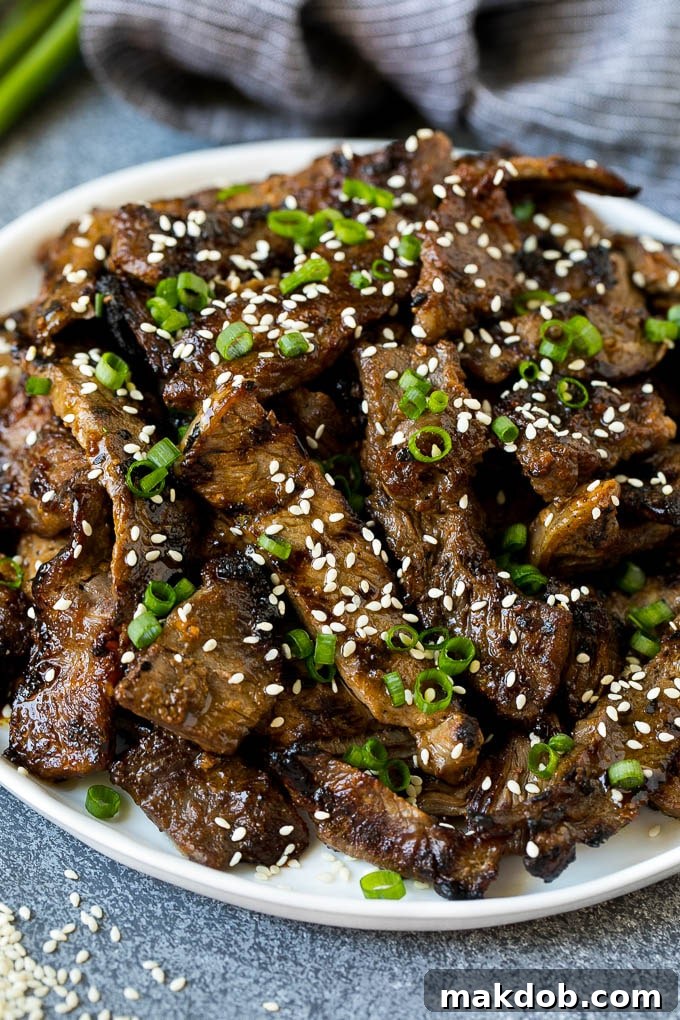
Serving Your Homemade Bulgogi
Beef bulgogi is incredibly versatile and can be enjoyed in numerous ways, making it a perfect dish for any occasion:
- Over Steamed Rice: The most classic pairing, serving bulgogi over a bed of hot, fluffy steamed white rice allows the rice to soak up the delicious marinade juices, creating a complete and satisfying meal.
- Lettuce Wraps (Ssam): For a refreshing and interactive eating experience, serve bulgogi with fresh lettuce leaves (like red leaf, green leaf, or butter lettuce). Diners can wrap the meat, rice, and often a dab of ssamjang (spicy dipping sauce) or kimchi inside the lettuce.
- With Traditional Banchan: Enhance your Korean feast by serving bulgogi with a variety of Korean side dishes (banchan), such as kimchi, pickled radishes, seasoned spinach, or bean sprout salad.
- In Noodle Bowls or Tacos: For a modern twist, incorporate bulgogi into noodle bowls with fresh vegetables, or even use it as a filling for gourmet Korean BBQ tacos.
Always garnish your cooked bulgogi with a generous sprinkle of toasted sesame seeds and thinly sliced green onions just before serving. These not only add a beautiful pop of color but also enhance the nutty aroma and fresh flavor of the dish.
Pro Tips for Unforgettable Bulgogi
Mastering homemade bulgogi is easier than you think, especially with these expert tips:
- Slice Beef Thinly and Evenly: The key to tender bulgogi is thinly sliced beef. For easier and more uniform slicing, partially freeze your beef for about 20-30 minutes. This firms it up, making it simpler to cut against the grain into thin, even pieces. Aim for slices about 1/8 to 1/4 inch thick.
- Don’t Skip the Asian Pear: The Asian pear is not just for sweetness; its natural enzymes are powerful tenderizers. If you absolutely cannot find one, a small amount of kiwi or pineapple juice (be very careful, as these are stronger tenderizers and can make the meat mushy if overused) can be a last-resort substitute for its tenderizing properties, but the flavor profile will differ.
- Understanding Asian Pears: Asian pears, also known as Korean pears, Chinese pears, or Japanese pears, are round, crisp, and watery with a distinct yellow or bronze speckled skin. They are typically found in the produce section of most supermarkets, often individually wrapped to protect their delicate skin. If unavailable, a firm, crisp pear like Bosc or Anjou can be a decent substitute for texture, though less so for the unique flavor.
- Marinate for Flavor Depth: While 1 hour is the minimum, allowing the beef to marinate for 4-6 hours, or even overnight (up to 24 hours), will result in significantly deeper flavor and maximum tenderness. Don’t rush this step!
- Avoid Overcrowding the Pan/Grill: Cook the beef in batches. Overcrowding lowers the cooking surface temperature, causing the meat to steam rather than sear, resulting in less flavorful and tougher bulgogi. Give each strip space to caramelize properly.
- Adjust Spice to Your Liking: The amount of gochujang in this recipe provides a mild, flavorful heat. If you prefer more spice, you can add an extra half tablespoon or a whole tablespoon. If you’re sensitive to spice, you can reduce or omit it, though you’ll miss out on a layer of traditional flavor.
- Batch Cook and Freeze: Bulgogi is excellent for meal prep. Marinate a larger batch of beef, cook it, and then freeze portions for quick future meals. It reheats well in a skillet or microwave.
- Storage: Cooked bulgogi can be stored in an airtight container in the refrigerator for up to 3-4 days.
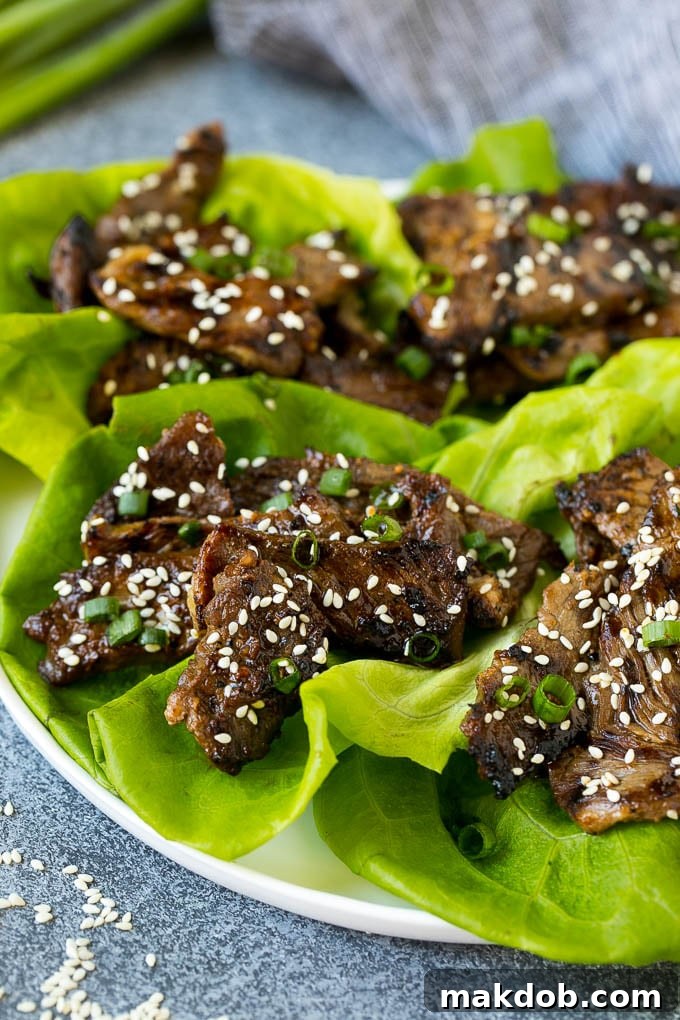
You’ll absolutely adore this tender, flavorful beef bulgogi recipe. It’s a remarkably easy and rewarding way to bring the authentic tastes of Korea right into your home kitchen, creating memorable meals for family and friends alike.
More Recipes You’ll Love
- Korean Beef Bowls
- Mongolian Beef Bowls
- Korean Fried Chicken
- Slow Cooker Korean Beef
- Korean BBQ Tacos
Beef Bulgogi
Pin
Sara Welch
10 minutes
20 minutes
1 hour
1 hour
30 minutes
Main
Asian
6
Ingredients
- 2 pounds steak such as rib eye, sirloin or flank steak, thinly sliced
- 5 tablespoons soy sauce
- 2 tablespoons + 1 teaspoon brown sugar
- 1 1/2 tablespoons toasted sesame oil
- 1/2 cup Asian pear peeled and finely grated
- 2 teaspoons minced garlic
- 2 teaspoons minced ginger
- 1 tablespoon Korean gochujang sauce
- 1/4 teaspoon black pepper
- 2 teaspoons sesame seeds
- 1/4 cup green onions sliced
Instructions
-
Place the soy sauce, brown sugar, toasted sesame oil, Asian pear, garlic, ginger, gochujang sauce and black pepper in a bowl. Stir to combine.
-
Add the steak to the bowl and toss to coat evenly. Cover and refrigerate for at least one hour, or up to 24 hours.
-
Preheat a grill or indoor grill pan over medium high heat. Remove the meat from the marinade, scraping off any large chunks of garlic or pear.
-
Place the meat in a single layer on the grill and cook for 2-3 minutes per side.
-
Alternatively, you can cook the meat in a skillet on the stove top for 2-3 minutes per side.
-
Sprinkle the sesame seeds and green onions over the meat, then serve.
Nutrition
Calories:
321kcal
|
Carbohydrates:
2g
|
Protein:
32g
|
Fat:
17g
|
Saturated Fat:
10g
|
Cholesterol:
92mg
|
Sodium:
717mg
|
Potassium:
449mg
|
Fiber:
1g
|
Sugar:
1g
|
Vitamin A:
65IU
|
Vitamin C:
1.1mg
|
Calcium:
25mg
|
Iron:
3.1mg
Did you make this recipe?
Tag @dinneratthezoo on Instagram and hashtag it #dinneratthezoo
Tweet
Pin