
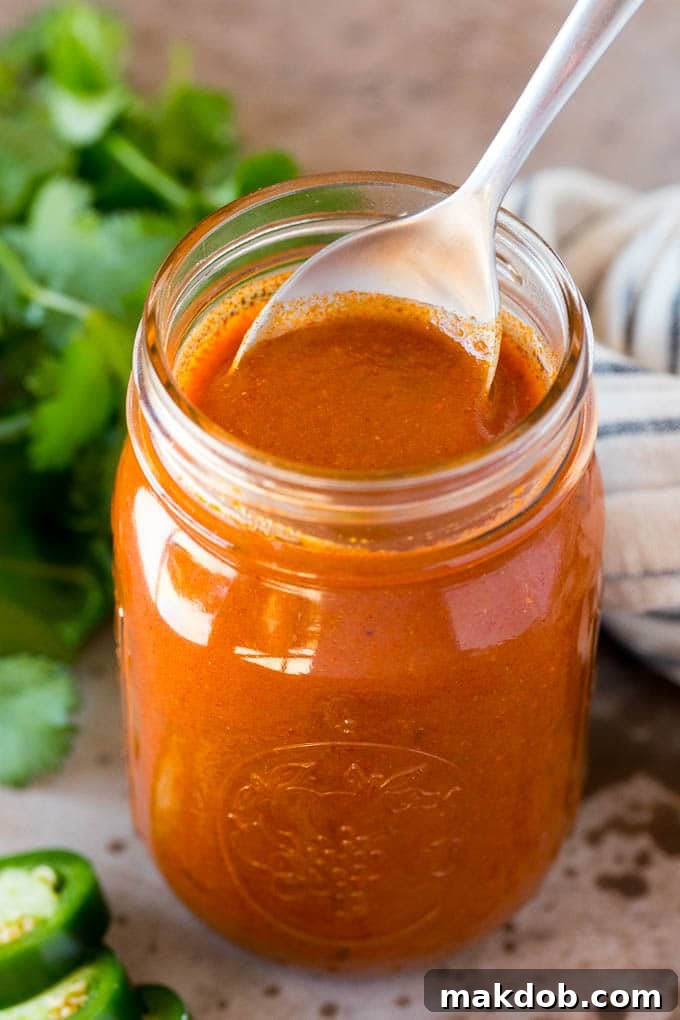
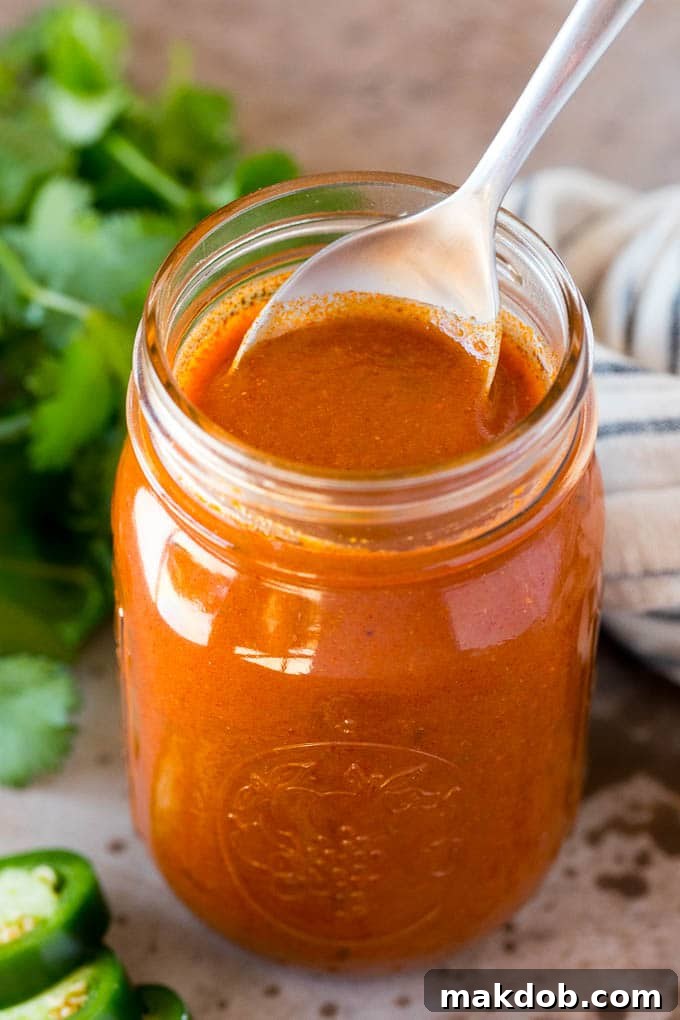
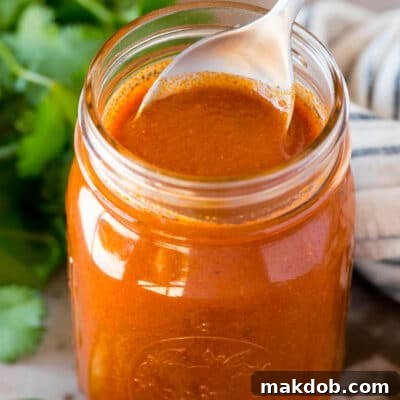
This homemade enchilada sauce is a sublime blend of rich chili powder, savory chicken broth, aromatic seasonings, and a hint of tomato, all expertly simmered to create a profoundly flavorful and robust sauce. Forget the bland, store-bought cans – this vibrant red enchilada sauce elevates your Mexican meals to an entirely new level, tasting incomparably better than anything you’ll find on grocery store shelves!
For many families, including mine, Mexican cuisine is a beloved staple, gracing our dinner table at least once a week. The secret to truly authentic and unforgettable Mexican dishes often lies in fresh, homemade components. That’s why I’ve dedicated myself to crafting my own sauces and seasonings, transforming everyday meals into extraordinary culinary experiences. Alongside vibrant Pico de Gallo and my signature Taco Seasoning, this incredibly easy-to-make enchilada sauce has become an indispensable part of our repertoire.
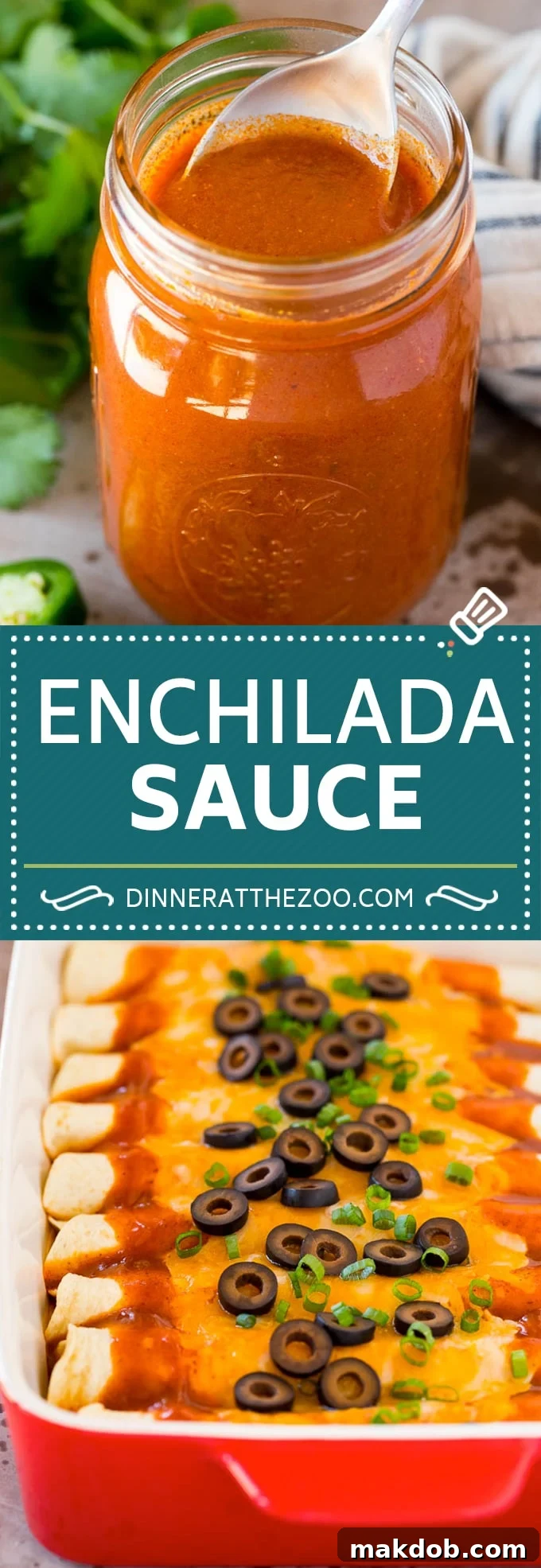
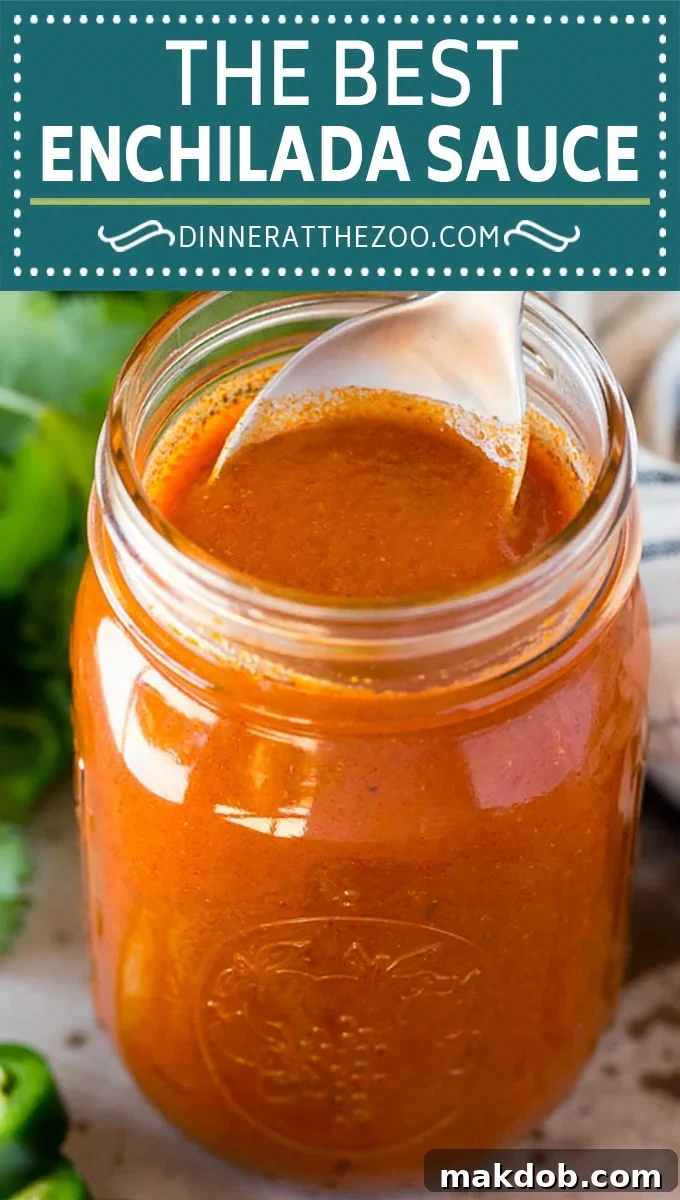
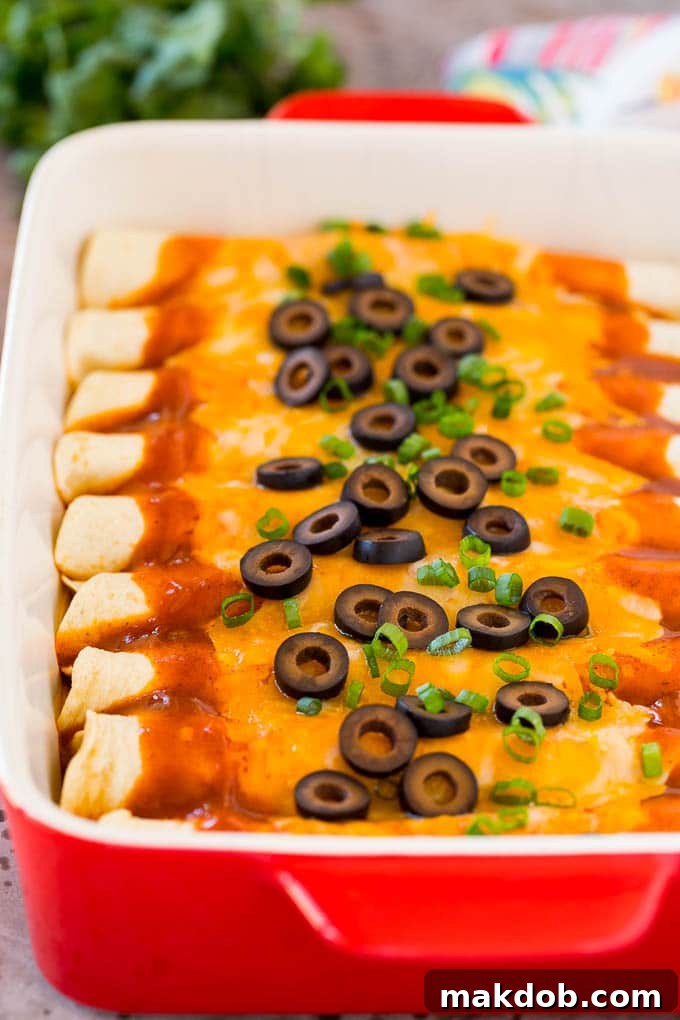
Enchiladas hold a special place as a household favorite, and for excellent reason! The irresistible combination of warm tortillas, gooey melted cheese, and a generous drenching of savory, aromatic sauce is simply unbeatable. While many recipes rely on canned enchilada sauce, taking the extra step to craft this homemade version truly transforms a classic dish into something extraordinary. Its depth of flavor and fresh ingredients create an unparalleled culinary experience that will have everyone asking for seconds.
The Magic Behind Authentic Enchilada Sauce: Key Ingredients Explained
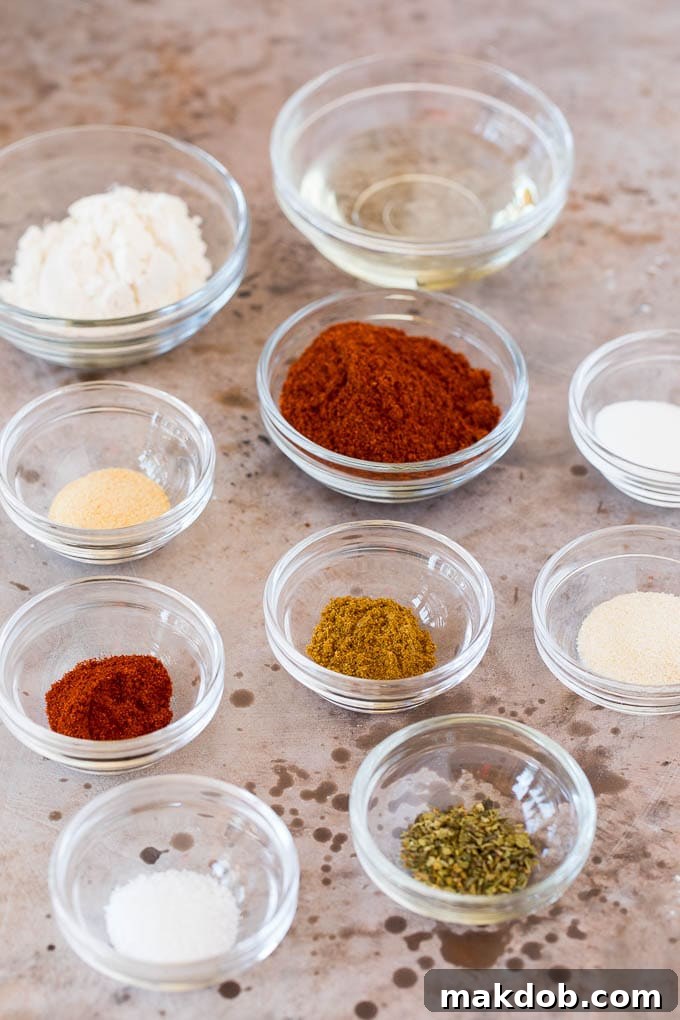
Understanding what goes into a classic red enchilada sauce is the first step to mastering this essential Mexican condiment. Our homemade recipe carefully balances a selection of spices and pantry staples to achieve its signature rich flavor and silky texture. Here’s a breakdown of the core components:
- Flour: Just a few tablespoons of all-purpose flour play a crucial role as the primary thickening agent for our sauce. When combined with oil, it forms a roux, which is fundamental to achieving the desired consistency.
- Oil: Opt for a neutral-flavored oil, such as vegetable or canola oil. This oil is whisked together with the flour to create the roux, forming the essential thickener that gives the sauce its body without imparting unwanted flavors.
- Broth: The liquid foundation of this rich sauce is broth. While vegetable broth can be used for a vegetarian option, chicken broth is highly recommended for its ability to enhance the overall flavor profile, adding a savory depth that complements the spices beautifully.
- Chili Powder: This isn’t just one spice; it’s a carefully curated blend! American chili powder typically contains ground mild red chilies, garlic, onion, and cumin, sometimes with other spices. It’s crucial to use American chili powder, as chili powders in other countries can be intensely spicy, often consisting solely of ground hot chilies. Always check your label to ensure you’re using the right type for a balanced flavor without overwhelming heat.
- Spices: Beyond the chili powder, this recipe features a symphony of complementary spices: small amounts of ground cumin, onion powder, garlic powder, dried oregano, and smoked paprika. Each spice contributes uniquely to the sauce’s complex, earthy, and smoky notes, building layers of authentic Mexican flavor.
- Sugar: A small pinch of sugar is added not for sweetness, but to expertly round out the flavors of the sauce. It balances the acidity from the tomato and mellows any potential bitterness from the robust spices, ensuring a perfectly harmonious taste.
- Tomato Sauce: The tomato sauce is key to adding both flavor and body, contributing a subtle tang and a vibrant, appetizing red color that is characteristic of classic enchilada sauce. It also helps to create a smoother, richer consistency.
Crafting Your Own Red Enchilada Sauce: A Simple Step-by-Step Guide
Making homemade enchilada sauce from scratch might sound intimidating, but it’s surprisingly simple and incredibly rewarding. With just a few basic steps and a watchful eye, you’ll achieve a sauce far superior to any store-bought alternative. Here’s how to do it:
- Begin by heating your neutral-flavored oil in a medium saucepan over medium heat. Once shimmering, add the all-purpose flour. Whisk continuously to combine the flour and oil, creating a smooth roux.
- Continue to cook this flour mixture for approximately one minute, stirring occasionally. This step is crucial for cooking out the raw flour taste and developing a nutty flavor.
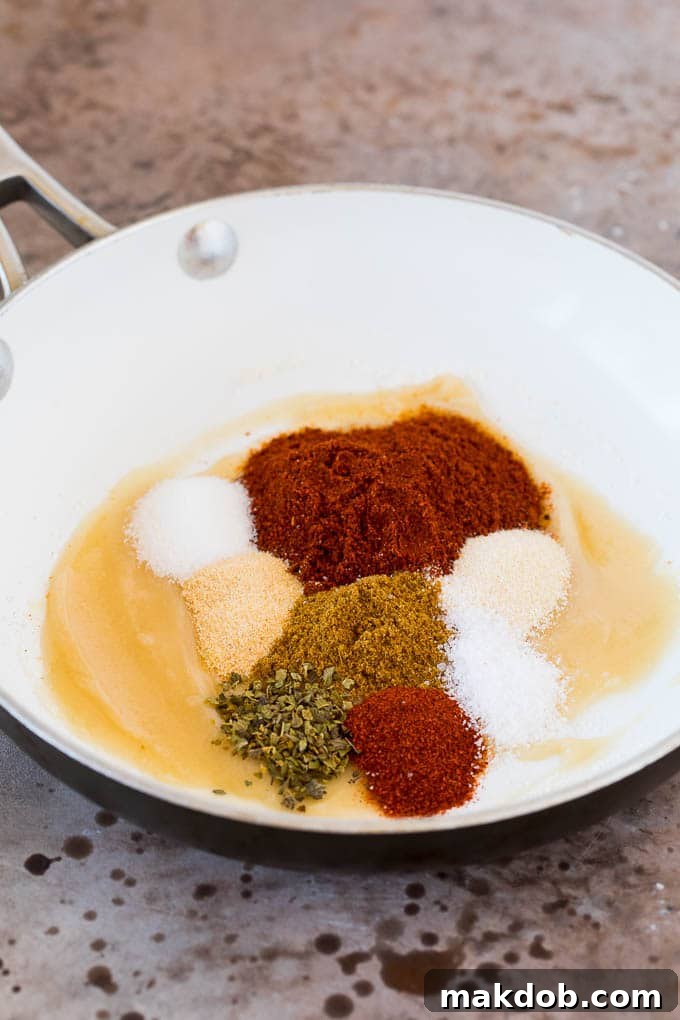
- Next, introduce the aromatic spices to your roux: chili powder, garlic powder, onion powder, ground cumin, dried oregano, smoked paprika, and a pinch of sugar and salt. Whisk these spices vigorously into the roux.
- Continue cooking the spiced roux for another minute, whisking constantly. This helps to toast the spices, releasing their full fragrant potential and intensifying their flavor. The kitchen will start to smell amazing!
- Gradually, and slowly, whisk in the chicken broth, adding just a small amount at a time. This gradual addition is key to preventing lumps and ensuring a perfectly smooth sauce. Continue whisking until the mixture is uniform. Once smooth, stir in the tomato sauce.
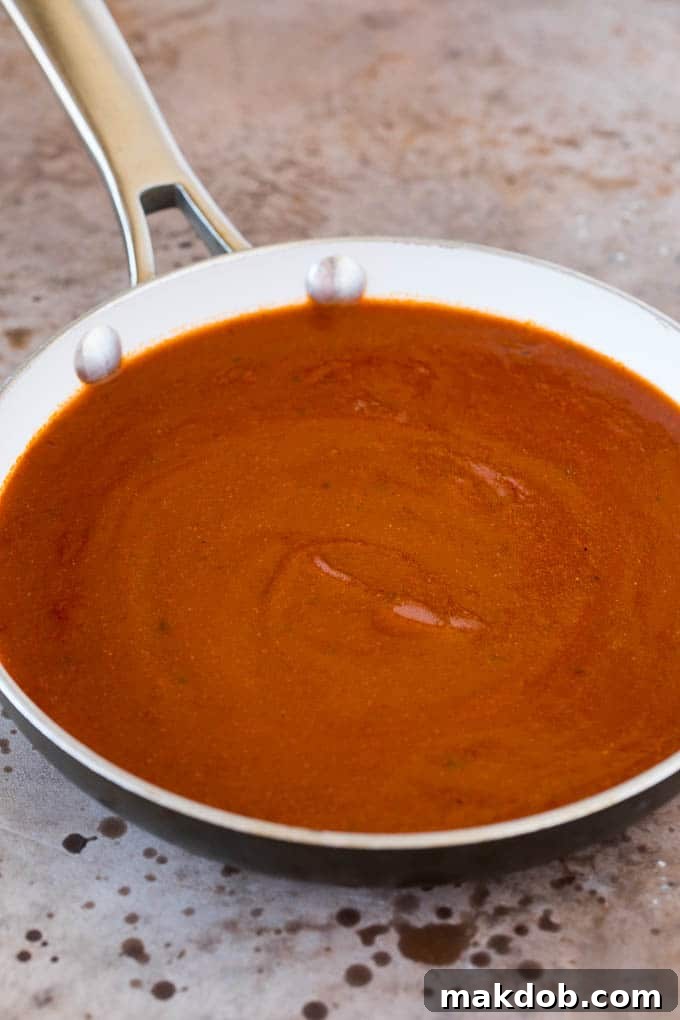
- Bring the entire mixture to a gentle simmer. Reduce the heat to low and cook for about 10 minutes, stirring occasionally. During this time, the sauce will thicken beautifully. Taste and adjust the salt if necessary. Once it reaches your desired consistency, it’s ready to use immediately or can be cooled for storage.
Expert Tips for a Flawless Homemade Enchilada Sauce
Achieving the perfect enchilada sauce is simple when you know a few tricks. These tips will help you create a consistently smooth, flavorful, and perfectly textured sauce every time, ensuring your enchiladas are nothing short of spectacular:
- Preventing Lumps is Key: The most common pitfall when making sauce is lumps. To avoid them, always whisk the broth into the roux very gradually, a little at a time. If, despite your best efforts, you still end up with a few lumps, simply pour the finished sauce through a fine-mesh strainer before serving. It’s a quick fix that yields a perfectly smooth result.
- Batch Cooking and Storage: This homemade enchilada sauce is fantastic for meal prep! It will stay fresh and flavorful in an airtight container in the refrigerator for 5-7 days. For longer storage, it freezes beautifully for up to 4 months. I often recommend making a double batch so you always have some on hand for spontaneous Mexican nights. Store it in freezer-safe bags or containers, leaving a little headspace for expansion.
- Yield Equivalency: If you’re adapting a recipe that calls for canned enchilada sauce, a standard 10-ounce can typically contains a little over one cup of sauce. This homemade recipe yields a generous amount, making it versatile for various dishes.
- Adjusting Consistency: The beauty of homemade sauce is customization. If you prefer a thinner sauce, you can either reduce the amount of flour by half or add an extra 1/2 cup of chicken broth towards the end of cooking. For a thicker sauce, simply let it simmer for a few additional minutes, stirring occasionally, until it reduces and reaches your desired level of thickness.
- Taste and Adjust: Always taste your sauce before declaring it done. Adjust seasonings like salt, a pinch more sugar, or even a dash of hot sauce to perfectly suit your palate. The flavor should be balanced and vibrant.
Exciting Flavor Variations to Personalize Your Sauce
While this classic enchilada sauce recipe is undeniably delicious on its own, it also serves as a fantastic base for customization. Don’t hesitate to experiment with these flavor variations to perfectly match your culinary preferences and dietary needs:
- For the Heat Lovers (Spicy Version): If you crave a kick, there are several ways to spice up your sauce. Stir in a pinch of crushed red pepper flakes during the simmering stage. For a deeper, smoky heat, add a tablespoon or two of pureed canned chipotle pepper in adobo sauce. Alternatively, a few dashes of your favorite hot sauce to taste will deliver that fiery punch you’re looking for.
- Indulgent Creamy Enchilada Sauce: Transform your red enchilada sauce into a rich, velvety dream. Stir in 1/2 cup of heavy cream or sour cream just before serving. This creates an incredibly indulgent version that’s perfect for a richer meal or for those who prefer milder flavors with a luxurious texture.
- Gluten-Free Option: Adapting this recipe for a gluten-free diet is simple. Replace the all-purpose flour with an equal amount of your favorite gluten-free all-purpose flour blend (ensure it’s suitable for roux making). Additionally, make sure to use a certified gluten-free chicken broth.
- Vegetarian or Vegan-Friendly: To make this sauce suitable for vegetarian diets, simply swap out the chicken broth for a high-quality vegetable broth. For a completely vegan version, use vegetable broth and ensure your oil is plant-based. This savory sauce can then perfectly complement bean and veggie enchiladas.
- Smoky Enhancement: If you love an extra layer of smokiness, consider adding a very small amount of liquid smoke (just a drop or two, as it’s potent!) or increase the smoked paprika slightly.
Why Homemade Enchilada Sauce is a Game Changer
Once you experience the ease and superior flavor of making your own enchilada sauce, you’ll undoubtedly find it impossible to revert to the mediocre canned versions. The difference is truly astounding, transforming your entire Mexican meal experience. Homemade sauce offers unparalleled freshness, allows for complete control over ingredients and spice levels, and eliminates unwanted preservatives and artificial flavors. It’s a small effort that yields monumental flavor rewards!
Versatile Ways to Enjoy Your Homemade Enchilada Sauce
This rich and vibrant homemade enchilada sauce isn’t just for enchiladas! Its robust flavor makes it incredibly versatile, perfect for enhancing a wide array of Mexican and Tex-Mex inspired dishes. Here are some fantastic ways to incorporate your freshly made sauce:
- Chicken Enchilada Casserole: Layer it into a hearty casserole for an easy and satisfying family meal.
- Mexican Pizza: Use it as a flavorful base for a unique and delicious Mexican-style pizza.
- Beef Enchiladas: The classic pairing – smother your beef-filled tortillas for an authentic taste.
- Tamale Pie: Integrate it into this comforting and savory pie for an extra layer of depth.
- Chicken Enchilada Soup: Add it to your soup base for a quick flavor boost and signature red color.
- Burritos and Tacos: Drizzle over your favorite burritos or use as a dipping sauce for tacos for added moisture and flavor.
- Huevos Rancheros: A perfect accompaniment to a classic Mexican breakfast dish, pouring over fried eggs and tortillas.
- Chilaquiles: Use it to simmer tortilla chips for a truly authentic chilaquiles experience.
- As a Marinade: Its rich spice blend makes it an excellent marinade for chicken or pork before grilling or baking.
Homemade Enchilada Sauce Video Guide
Watch this quick video to see how simple it is to prepare your own delicious homemade enchilada sauce!
Homemade Enchilada Sauce
Pin
Time
Ingredients
- 2 tablespoons vegetable oil or other neutral flavored oil
- 2 tablespoons flour
- 3 tablespoons chili powder
- 1/2 teaspoon garlic powder
- 1/2 teaspoon onion powder
- 1/2 teaspoon ground cumin
- 1/4 teaspoon dried oregano
- 1/2 teaspoon smoked paprika
- 1 teaspoon sugar
- 1/4 teaspoon kosher salt or more to taste
- 2 cups chicken broth
- 8 ounce can tomato sauce
Instructions
-
Place the oil in a pan over medium heat. Add the flour and whisk to combine.
-
Cook the flour mixture for 1 minute, whisking occasionally.
-
Add the chili powder, garlic powder, onion powder, cumin, oregano, smoked paprika, sugar and salt to the pan. Whisk to combine.
-
Cook for 1 minute, whisking constantly.
-
Slowly whisk in a little of the chicken broth at a time until you have a smooth mixture. Add the tomato sauce and stir to combine.
-
Bring to a simmer. Cook for 10 minutes, stirring occasionally, or until the sauce has just thickened. Taste and add more salt if desired. Use immediately or cool and store in the refrigerator or freezer for later use.