
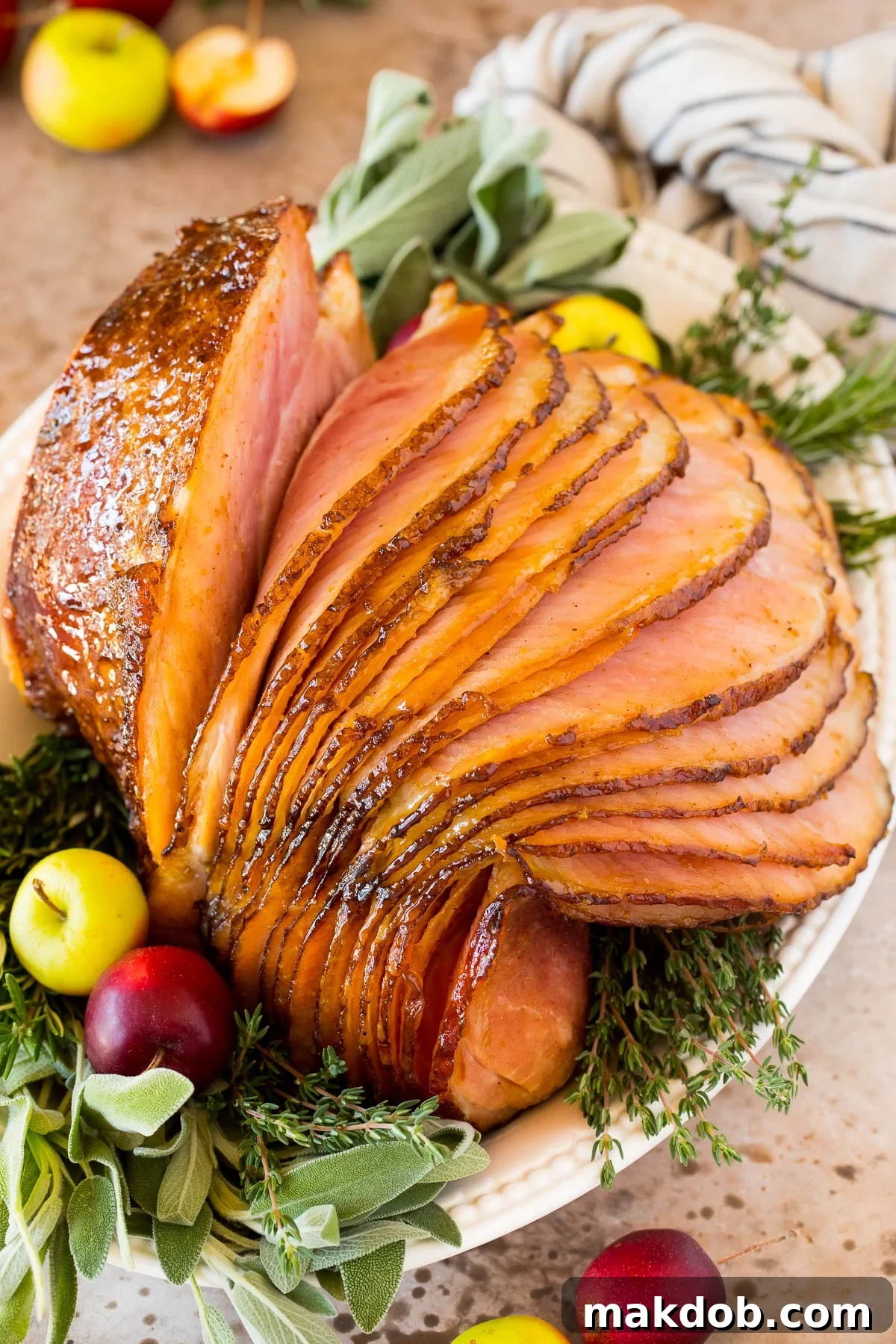
Perfect Easter Ham: A Sweet and Savory Glazed Masterpiece
Elevate your holiday table with this exquisite Easter ham recipe, featuring a succulent spiral-cut ham enveloped in a homemade sweet and savory glaze. Baked to golden perfection, this dish promises impeccable results and rave reviews every single time. Forget complicated preparations; this easy recipe delivers a show-stopping centerpiece that’s both impressive and surprisingly simple to create, making your holiday meal unforgettable.
As the spring holidays approach, the tradition of gathering around a beautifully prepared meal takes center stage. For my family, that means a grand Easter ham complemented by an array of delectable side dishes. Imagine pairing this glazed ham with a sweet and savory pineapple casserole, a rich slow cooker cranberry sauce, and perfectly seasoned oven roasted potatoes. And of course, no festive feast is complete without a delightful dessert like these charming mini egg cookies to conclude the celebration. This recipe ensures your holiday spread is not just a meal, but a cherished experience.
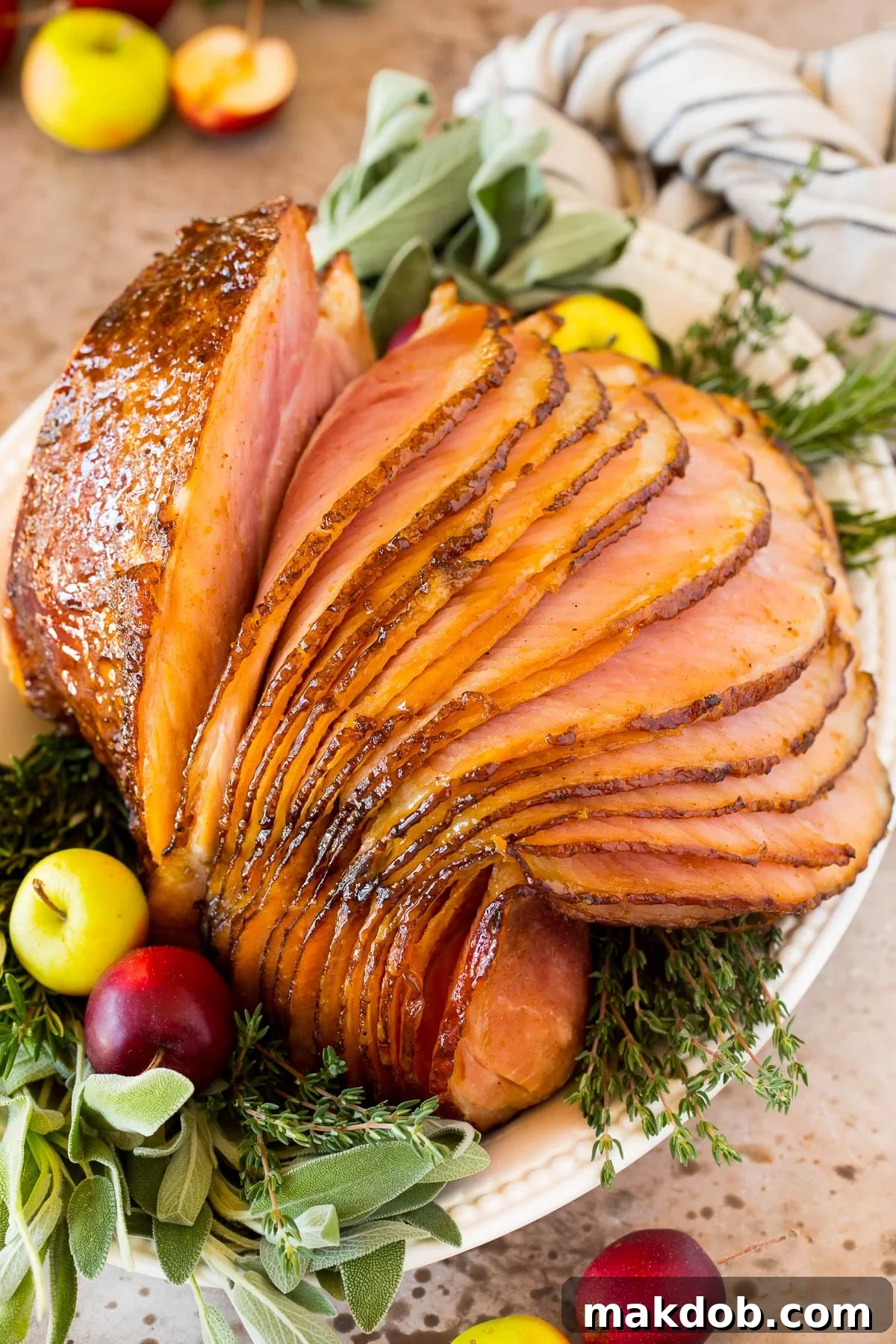
An impressive ham is truly the ultimate way to celebrate the holidays, bringing joy and a sense of occasion to any gathering. This particular recipe takes a classic Easter ham and transforms it with a simple yet incredibly flavorful homemade ham glaze. Despite taking mere minutes to prepare, this glaze tastes as though it came straight from a gourmet restaurant kitchen. It’s a secret weapon for creating an Easter dinner that consistently earns enthusiastic praise from everyone around the table, becoming a treasured part of your family’s holiday traditions.
Essential Ingredients for a Heavenly Easter Ham
Crafting the perfect glazed ham doesn’t require an extensive list of obscure ingredients. In fact, the beauty of this recipe lies in its simplicity and the likelihood that you already have many of these items in your pantry. Each component plays a crucial role in building the irresistible sweet and savory profile of our signature glaze, ensuring a rich, complex flavor that perfectly complements the ham.
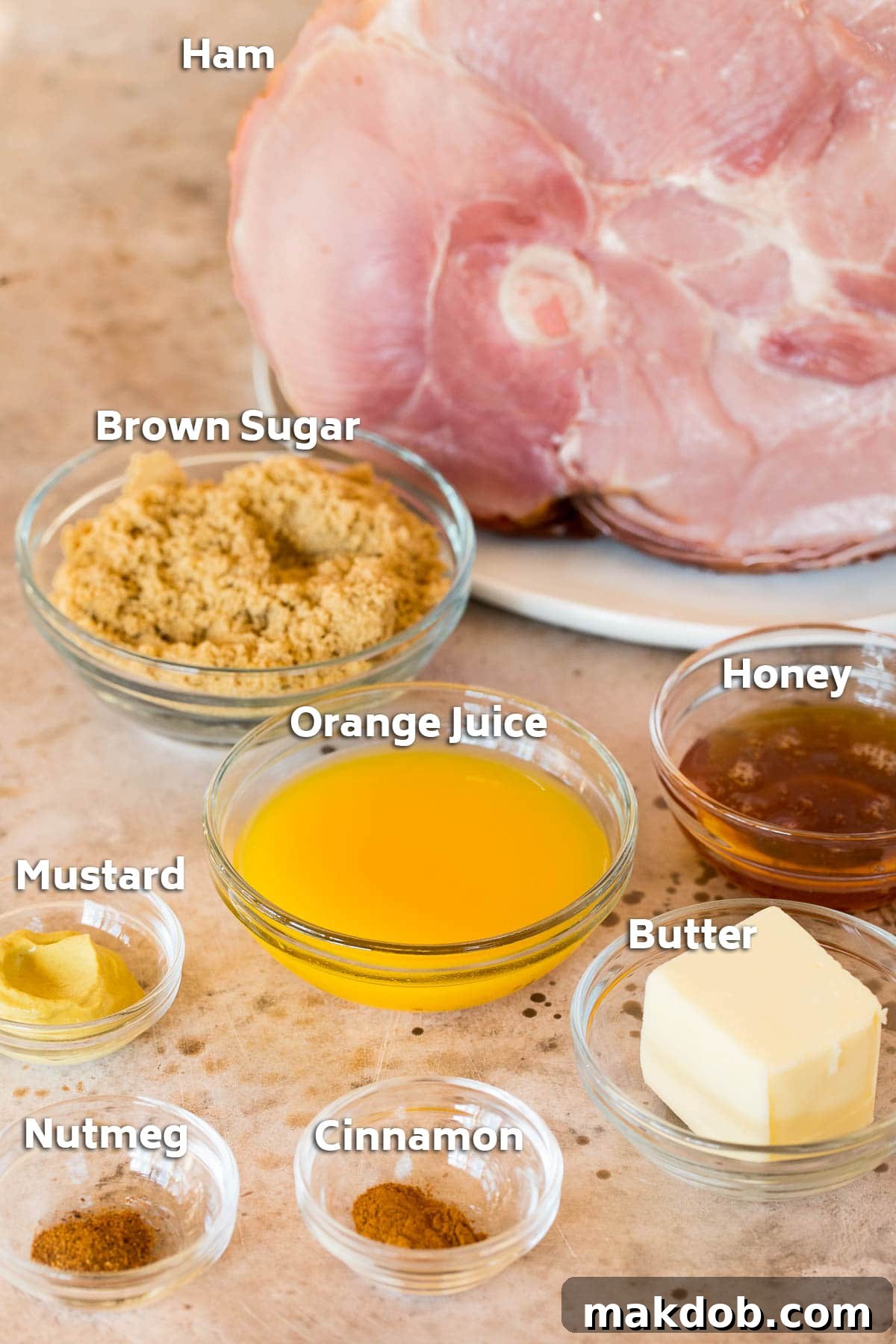
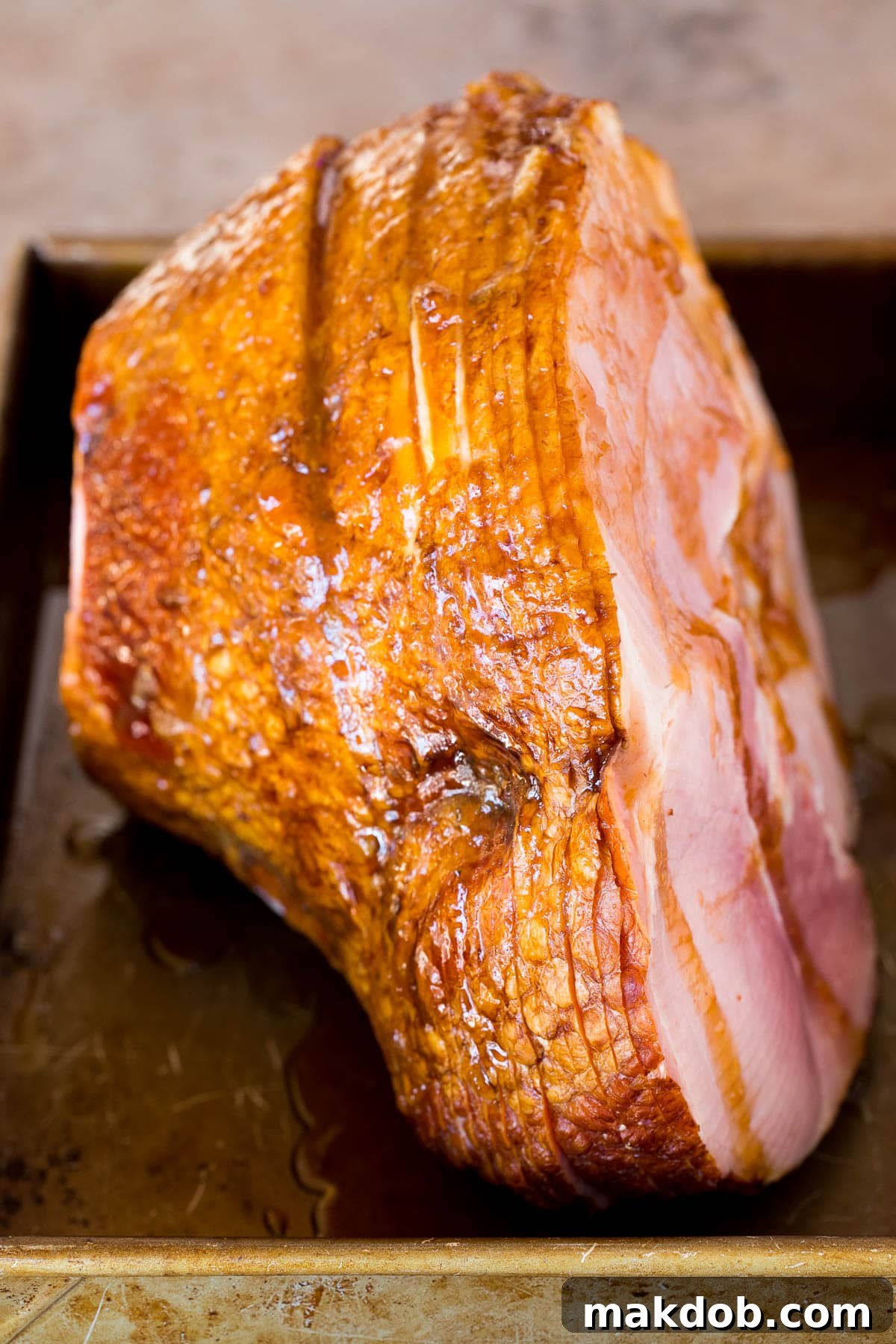
- Ham: This recipe is ideally suited for an 8-pound spiral-cut ham. The pre-sliced nature of a spiral ham allows the flavorful glaze to penetrate deeply between the slices, infusing every bite with sweetness and moisture. If you opt for a non-spiral ham, simply use a sharp knife to score the top in a diamond pattern. This not only creates a beautiful presentation but, more importantly, provides channels for the glaze to seep into, maximizing flavor.
- Butter: A touch of butter in the glaze is essential. It adds a luxurious richness and a silky texture, helping to carry the flavors and ensure the glaze adheres beautifully to the ham, creating that desirable caramelized crust.
- Brown Sugar: The foundation of our glaze’s sweetness comes from brown sugar. Light brown sugar is recommended for a balanced sweetness, but if you enjoy a deeper, more pronounced molasses flavor, dark brown sugar can be used for a more robust glaze.
- Honey: Honey contributes another layer of natural sweetness and a subtle floral note that beautifully complements the ham. Any mild-flavored honey, such as clover or wildflower, will work perfectly, adding complexity and shine to the glaze.
- Orange Juice: Freshly squeezed orange juice is highly recommended for the brightest, most vibrant flavor. The citrus tang cuts through the richness of the ham and the sweetness of the glaze, adding a refreshing counterpoint and helping to tenderize the meat slightly.
- Mustard: Dijon or a deli-style brown mustard is key to the glaze’s savory depth. The piquant notes of mustard provide a crucial balance to the sweetness, preventing the glaze from being cloyingly sweet and adding a sophisticated, tangy finish.
- Spices: A judicious blend of cinnamon and nutmeg transforms the glaze from good to extraordinary. These warm spices are classic pairings with ham, enhancing its inherent flavors and adding an inviting aroma that fills your kitchen.
Crafting Your Masterpiece: A Step-by-Step Guide to Easter Ham Perfection
Preparing this exquisite Easter ham is a straightforward process that yields incredibly impressive results. The key is in building layers of flavor with the homemade glaze and baking the ham to ideal tenderness and caramelization. Follow these simple steps for a holiday ham that will be the star of your festive spread.
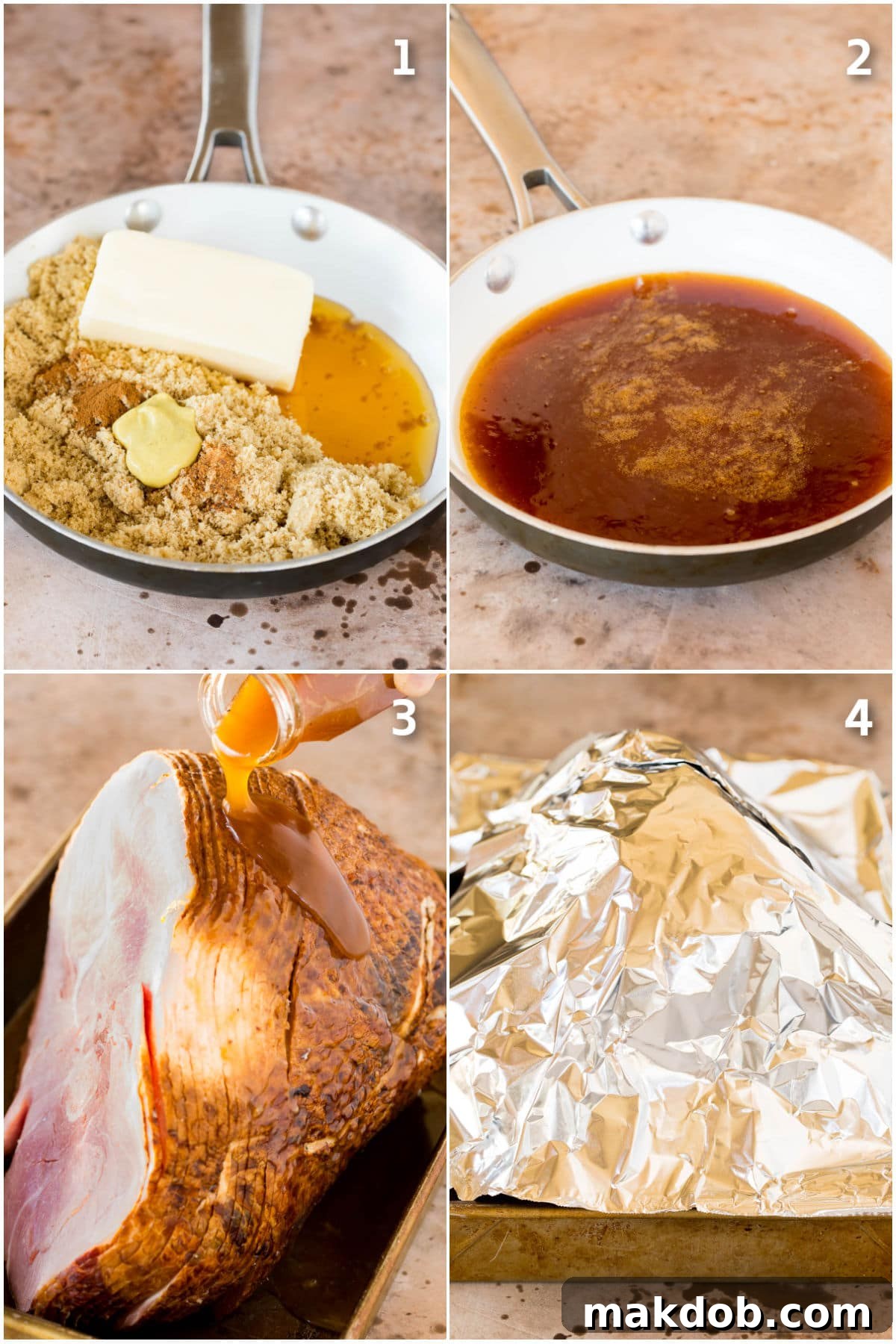
- Prepare the Glaze: Begin by combining all your glaze ingredients – butter, brown sugar, honey, orange juice, mustard, cinnamon, and nutmeg – in a saucepan. Place the pan over medium heat and bring the mixture to a gentle simmer. Continue to cook for a few minutes, stirring occasionally, until the glaze begins to thicken slightly and takes on a syrupy consistency. This simmering process allows the flavors to meld and intensify, creating a richer, more complex glaze.
- Initial Baking: Position your ham in a sturdy roasting pan. Carefully pour about half of the prepared glaze evenly over the ham, ensuring it coats as much of the surface as possible. If using a spiral ham, try to let some of the glaze seep between the slices. Cover the roasting pan tightly with aluminum foil. This seals in moisture, allowing the ham to warm through slowly and evenly without drying out. Bake until the ham is almost completely warmed through to its desired internal temperature.
- Final Glazing and Caramelization: Once the ham is nearly warmed, remove the foil. Now, pour the remaining glaze generously over the ham. This second layer of glaze will form that irresistible caramelized crust. Increase the oven temperature to a higher setting to encourage browning and caramelization. Bake for an additional 15-20 minutes, or until the glaze is beautifully browned, bubbly, and sticky, forming a glorious candied coating.
- Rest, Carve, and Serve: After baking, remove the ham from the oven and let it rest on a cutting board for 10-15 minutes before carving. This resting period is crucial as it allows the juices to redistribute throughout the meat, ensuring a tender, moist ham. Carve the ham into slices, arrange on a serving platter, and don’t forget to spoon any delicious pan drippings and extra glaze over the slices for added flavor and moisture. Serve warm and savor every delectable bite!
Pro Tips for an Unforgettable Easter Ham
Creating a truly magnificent Easter ham goes beyond just following the recipe steps. These expert tips will help you achieve a perfectly cooked, incredibly flavorful ham that will be the talk of your holiday gathering. From mastering the glaze to serving and enjoying leftovers, we’ve got you covered.
- Managing Your Glaze: It’s completely normal for the homemade glaze to thicken and harden as it cools, especially if prepared in advance. Don’t worry! If your reserved glaze has become too thick to pour, simply microwave it for 20-30 seconds, stirring well, until it loosens up to a pourable consistency again. This ensures an even coating during the final caramelization stage.
- Storing Leftovers: Any leftover ham will stay wonderfully fresh in an airtight container in the refrigerator for up to 3-4 days. For longer storage, you can freeze sliced or chopped ham for up to 2 months. Make sure it’s properly sealed to prevent freezer burn. Thaw overnight in the refrigerator before reheating.
- Creative Leftover Ideas: Leftover ham is a culinary gift that keeps on giving! Chop it into bite-sized pieces and transform it into a delicious ham salad for sandwiches, a hearty ham and beans soup, a comforting ham and corn chowder, or a satisfying ham casserole. It’s also fantastic in omelets, quiches, or diced into scrambled eggs.
- Building the Perfect Holiday Meal: Beyond the ham, consider your complete holiday spread. Complement your glazed ham with vibrant roasted red potatoes, sweet and tender glazed carrots, and a refreshing, crisp asparagus salad. For a sweet and memorable finish, serve charming peanut butter eggs as dessert.
- Ham Cooking Basics: If this is your first time preparing a ham, don’t be intimidated! Hams are typically sold fully cooked, so your primary goal is to reheat it gently and evenly while adding flavor with the glaze. For a more comprehensive guide on the nuances of selecting, preparing, and cooking various types of ham, be sure to check out my detailed resource on how to cook a ham.
Quick Tip: Understanding Your Ham
Most hams you buy, especially spiral-cut varieties, are already pre-cooked. This is excellent news for home cooks, as it means your main task is to reheat the ham thoroughly to a safe internal temperature. The ideal target internal temperature for a pre-cooked ham is 145 degrees F (63 degrees C). For best accuracy and peace of mind, insert a reliable probe thermometer into the thickest part of the ham, avoiding the bone, before it goes into the oven. This allows you to monitor the temperature continuously as it cooks, ensuring a perfectly moist and safe ham without overcooking.
Frequently Asked Questions About Easter Ham
Preparing a holiday ham can sometimes bring up a few questions, especially if it’s your first time or if you’re looking for ways to perfect your technique. Here are answers to some of the most common inquiries about making a delicious Easter ham.
While you can use almost any variety of pre-cooked, smoked ham for your Easter feast, a spiral-cut ham is often recommended. Its pre-sliced nature makes carving incredibly easy and allows the delicious glaze to seep deep into the meat, ensuring every bite is infused with flavor and moisture. Bone-in hams generally offer a richer flavor and moist texture, but boneless options are also available for convenience.
Yes, the vast majority of hams sold in grocery stores today, especially those labeled for holidays like Easter, are fully cooked. This recipe operates under the assumption that you are using a pre-cooked ham, meaning your primary goal is to reheat it to a safe internal temperature while enhancing its flavor with a glaze.
A good rule of thumb for planning your holiday meal is to account for about 3/4 pound of bone-in ham per person. If you’re using a boneless ham, you can plan for slightly less, around 1/2 pound per person. This allows for generous servings and usually leaves a little extra for delicious leftovers.
The cooking time for a pre-cooked ham is generally about 15-18 minutes per pound when baked in a 325-degree F (160-degree C) oven. Remember, this is an estimate, and the most accurate way to ensure your ham is perfectly heated is to use a meat thermometer. Aim for an internal temperature of 145 degrees F (63 degrees C).
Absolutely! The homemade glaze can be prepared up to 2-3 days in advance and stored in an airtight container in the refrigerator. When you’re ready to use it, simply reheat it gently on the stovetop or in the microwave until it’s fluid enough to pour, as it will thicken upon cooling.
To keep your ham moist, especially during the initial baking phase, always cover it tightly with aluminum foil. This traps steam and juices, ensuring a tender result. Only uncover it during the last 15-20 minutes to allow the glaze to caramelize and form a delicious crust. Adding a small amount of liquid, like water, broth, or juice, to the bottom of the roasting pan can also help keep the ham moist.
Exciting Flavor Variations for Your Glazed Ham
This classic glazed ham recipe is fantastic as is, offering a perfect balance of sweet and savory. However, it’s also wonderfully versatile, allowing you to easily customize the flavors to suit your personal preferences or to try something new each holiday season. Experiment with these variations to find your family’s next favorite!
- Juice Swaps: The orange juice provides a lovely citrus note, but you can easily swap it out for other fruit juices to create a different flavor profile. Pineapple juice is a traditional and highly popular choice, offering a tropical sweetness that pairs beautifully with ham. Apple cider or apple juice will lend a more autumnal, mellow sweetness, while cranberry juice can add a tart, festive twist.
- Spice it Up: The cinnamon and nutmeg create a warm, inviting aroma, but feel free to expand your spice cabinet. A small pinch of ground ginger will add a subtle zing, while allspice, cardamom, or ground cloves can introduce deeper, more complex aromatic notes. For a slight smoky heat, a tiny dash of smoked paprika or a pinch of cayenne pepper could be added to the glaze.
- Honey Alternatives: If you don’t have honey on hand, or simply prefer a different sweetener, maple syrup makes an excellent substitute. Its rich, woodsy flavor harmonizes perfectly with the ham and other glaze ingredients. Agave nectar could also be used for a slightly lighter sweetness.
- Herb Infusion: For an aromatic kick, consider infusing your glaze with fresh herbs. A sprig of fresh rosemary or thyme cooked briefly with the glaze ingredients will impart a fragrant, earthy note. Just remember to remove the herb sprigs before pouring the glaze over the ham.
- Citrus Zest: To intensify the citrus flavor without adding more liquid, finely grate the zest of an orange, lemon, or even a lime into the glaze mixture. The zest contains concentrated oils that will add a bright, aromatic burst.
- Bourbon or Whiskey: For an adult-friendly glaze with a sophisticated depth, a splash (1-2 tablespoons) of bourbon or whiskey can be added to the glaze mixture. The alcohol will cook off, leaving behind a rich, slightly smoky, and complex flavor.
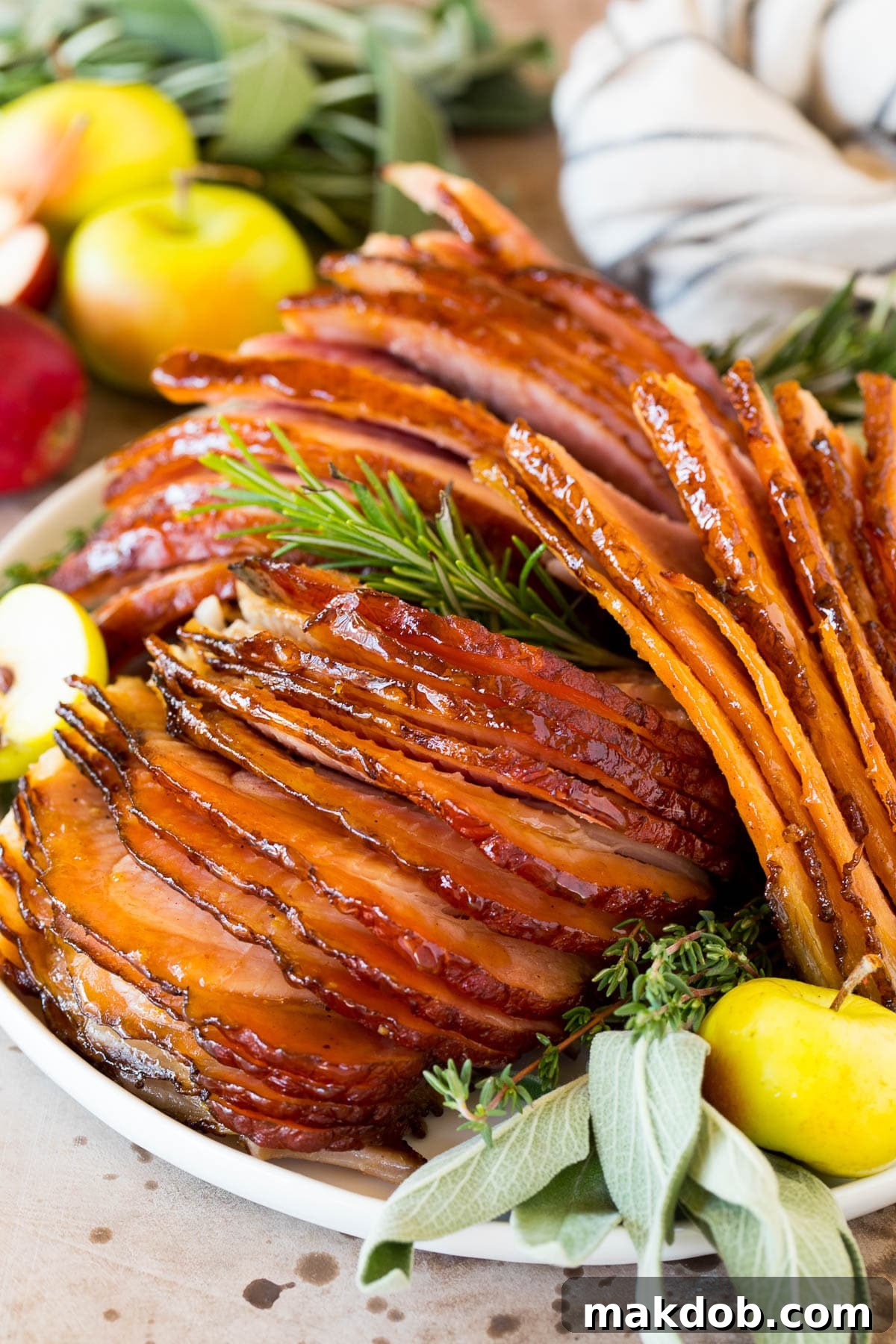
This glazed Easter ham is more than just a meal; it’s a centerpiece, a tradition, and a celebration of flavors. Whether it’s for Easter, Christmas, or any special gathering, this recipe promises a tender, juicy ham with an irresistibly sweet and savory caramelized crust. It’s the ultimate main course offering, sure to delight family and friends and create lasting memories.
Perfect Pairings: More Side Dishes for Your Easter Ham
A glorious Easter ham deserves an equally magnificent supporting cast of side dishes. The rich, sweet, and savory notes of the glazed ham pair wonderfully with a variety of textures and flavors. Here are some additional ideas to complete your festive feast, ensuring a balanced and satisfying meal:
- Candied Yams: The luscious sweetness of candied yams creates a natural harmony with the ham, enhancing the glaze’s flavors and adding a creamy, comforting element to the plate.
- Mustard Greens with Bacon: For a touch of Southern comfort and a delightful contrast, earthy mustard greens cooked with smoky bacon offer a slightly bitter, savory counterpoint to the ham’s richness.
- Baked Mac and Cheese: A creamy, cheesy baked mac and cheese is always a crowd-pleaser. Its rich, comforting texture and savory flavor provide a perfect balance to the glazed ham, appealing to both adults and children alike.
- Cornbread Casserole: A moist and flavorful cornbread casserole brings a slightly sweet, bready component to the meal, perfect for soaking up any extra glaze or pan drippings.
- Crispy Brussels Sprouts: Roasted or pan-fried until crispy, Brussels sprouts with a hint of caramelization offer a wonderful textural contrast and a slightly bitter, savory edge that cuts through the richness of the main course.
- Green Bean Casserole: A classic holiday staple, green bean casserole with its creamy sauce and crispy onion topping provides a comforting and familiar vegetable side.
- Scalloped Potatoes: Layers of thinly sliced potatoes baked in a creamy, cheesy sauce offer a decadent and hearty alternative to roasted potatoes, perfect for a grand feast.
Easter Ham Video Guide
For a visual guide to mastering this delicious Easter ham, watch our step-by-step video. See firsthand how to prepare the perfect sweet and savory glaze and achieve a beautifully cooked, caramelized ham that will impress your guests.
Love this recipe?
We’d be thrilled if you could show your support! Please consider leaving a 5-star 🌟🌟🌟🌟🌟 rating in the recipe section below, and share your thoughts in the comments section further down the page. Your feedback helps us improve and encourages others to try this delightful dish!
Easter Ham Recipe
Pin
Sara Welch
This Easter ham recipe features a spiral-cut ham coated in a homemade sweet and savory glaze, then baked to perfection. An easy dish that produces perfect results each and every time!
10 minutes
3 hours
3 hours 10 minutes
Main
American
10
Ingredients
- 8 lb bone in spiral cut ham
- 1/4 cup butter
- 1 cup brown sugar
- 1/4 cup honey
- 1/3 cup orange juice
- 1 tablespoon Dijon mustard
- 1/4 teaspoon cinnamon
- 1/8 teaspoon nutmeg
- cooking spray
- fruit and herbs for garnish (optional)
Instructions
- Preheat the oven to 325 degrees F (160°C). Coat a large baking pan with cooking spray.
- Add the butter, brown sugar, honey, orange juice, mustard, cinnamon, and nutmeg to a pot. Place the pot over medium heat.
- Bring the pot to a simmer and cook for 5-7 minutes, stirring occasionally, or until the glaze looks syrupy and has just started to thicken.
- Place the ham in the prepared pan and pour half of the glaze over it. Cover the ham with foil. Reserve the remaining glaze for later use.
- Bake the ham for 2 1/2 hours, or until the internal temperature reaches 135°F (57°C). Remove from the oven and uncover the ham.
- Pour the remaining glaze over the ham. If the glaze has started to harden, you can microwave it for about 30 seconds to loosen it back up.
- Increase the oven temperature to 400 degrees F (200°C).
- Place the ham, uncovered, back into the oven. Bake for another 15 minutes or until the glaze is caramelized and browned, and the ham reaches an internal temperature of 145°F (63°C).
- Transfer the ham to a serving platter and garnish with fresh herbs and fruit if desired. Spoon any delicious pan drippings and extra glaze over the ham. Slice the ham, then serve and enjoy.
Notes
- If you don’t have a spiral-cut ham, use a sharp knife to score the top of your ham in a diamond-shaped pattern. This allows the glaze to soak in and enhances flavor.
- The glaze will naturally start to harden as it cools. This is normal. If needed, reheat the glaze in the microwave for 30 seconds or gently on the stovetop to loosen it back up before pouring over the ham.
Nutrition
Carbohydrates: 32g
Protein: 24g
Fat: 26g
Saturated Fat: 14g
Cholesterol: 100mg
Sodium: 755mg
Potassium: 373mg
Sugar: 30g
Vitamin A: 355IU
Calcium: 34mg
Iron: 1.2mg
Tag @dinneratthezoo on Instagram and hashtag it #dinneratthezoo