
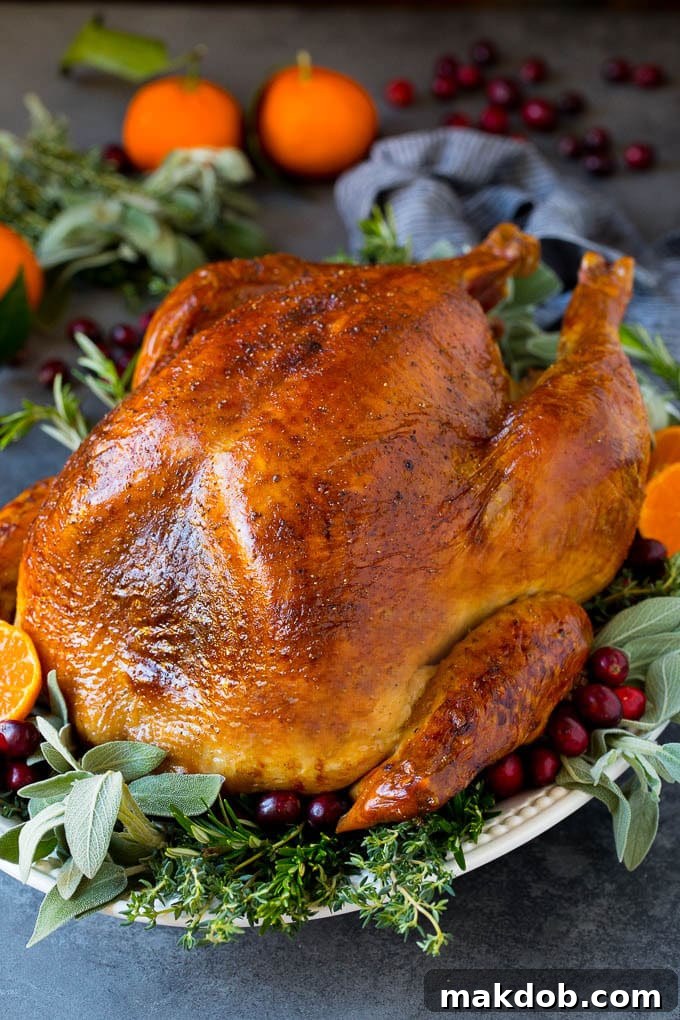
Welcome to your definitive guide on how to cook a turkey. Whether you’re a seasoned chef or preparing your first holiday feast, this comprehensive resource provides all the information you need to create a magnificent, perfectly cooked turkey that will impress every guest, year after year. From essential preparation techniques to precise cooking times, ingenious flavoring ideas, and invaluable tips for success, we’ll ensure your turkey is the star of your festive table.
The aroma of a whole roasted turkey is synonymous with holiday celebrations. It’s not just an impressive centerpiece, but a surprisingly simple dish to master, beloved by families and friends alike. To complete your holiday spread, consider pairing your bird with classic Thanksgiving recipes. Complement your bird with delightful starters from a selection of Thanksgiving appetizer recipes, a tangy slow cooker cranberry sauce, a comforting sweet potato casserole with pecans, a creamy broccoli casserole, a savory sausage stuffing, and crisp bacon green beans. Prepare for an abundance of compliments!
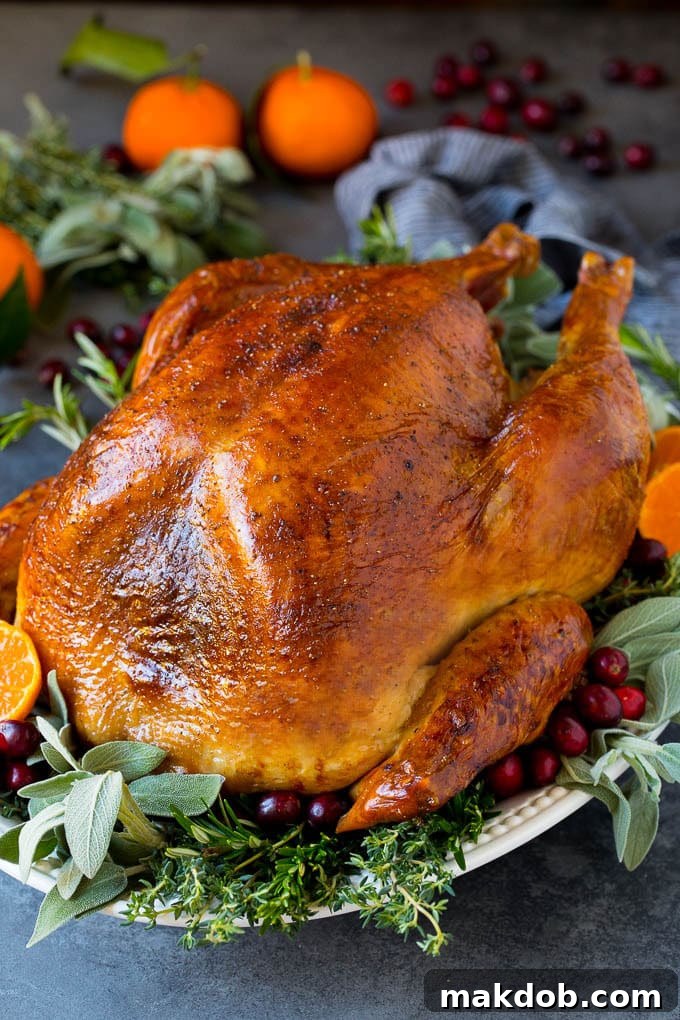
While the thought of roasting a whole turkey might seem daunting, it’s a culinary adventure far simpler than you might imagine. This guide aims to demystify the process, providing clear, actionable steps and expert advice to guarantee a moist, tender, and incredibly flavorful turkey. Say goodbye to dry, bland birds and hello to foolproof results every time.
Table of Contents
- How To Choose A Turkey For Your Holiday Feast
- How To Defrost A Turkey Safely and Effectively
- How To Prepare A Turkey For Roasting
- How To Cook A Turkey: The Classic Oven Roasting Method
- Recipe FAQs: Your Turkey Questions Answered
- How To Reheat Turkey Without Drying It Out
- How To Cook A Turkey In A Smoker: Infused with Flavor
- How To Cook A Turkey In A Crockpot: Effortless and Moist
- How To Cook A Turkey In A Fryer: Crispy Perfection
- Creative Leftover Turkey Ideas: Beyond the Sandwich
- More Turkey Recipes To Try
- How To Cook A Turkey Video Tutorial
- Loved This Recipe? Share Your Experience!
- The Best Roasted Turkey Recipe
How To Choose A Turkey For Your Holiday Feast
Selecting the right turkey is the foundational step to a delicious meal. The market offers a variety of options, which can initially feel overwhelming. Your first decision will be between a fresh or frozen turkey.
- Fresh Turkeys: These birds are never frozen and typically offer a slightly superior flavor and texture. They are often available closer to the holidays and may require pre-ordering from your local butcher or grocery store. Fresh turkeys have a shorter shelf life, needing to be cooked within 1-2 days of purchase.
- Frozen Turkeys: Widely available year-round, frozen turkeys are a convenient and often more economical choice. Modern freezing techniques ensure that frozen turkeys, once properly thawed, can be just as delicious as fresh ones. The most crucial aspect of choosing a frozen turkey is ensuring you allow ample time for thawing in the refrigerator.
Regardless of whether you choose fresh or frozen, always scrutinize the turkey’s label. Some turkeys come “pre-brined” or with added salt solutions. If your turkey is pre-brined, you’ll want to adjust your recipe by skipping any additional brining steps and significantly reducing the amount of salt used in your seasoning. For ultimate flavor control, I generally opt for a fresh or frozen turkey without any added solutions, allowing me to fully manage the brining and seasoning process from scratch.
When determining the size of turkey to buy, a good rule of thumb is to plan for 1.25 to 1.5 pounds of turkey per person. This generous estimate ensures enough for a hearty serving for each guest, plus a healthy amount of delicious leftovers. For instance, if you’re hosting 10 people, a 12-15 pound turkey would be ideal. Remember to factor in if you want plenty of leftovers for future meals!
How To Defrost A Turkey Safely and Effectively
Properly thawing your turkey is critical for food safety and even cooking. A frozen turkey must be completely defrosted before roasting. The safest and most recommended method is thawing in the refrigerator, though it requires significant advance planning.
- Refrigerator Thawing: Allow approximately one day of thawing time for every 4-5 pounds of turkey. For example, a 15-pound turkey will need about 3-4 days to fully defrost in the refrigerator. Place the turkey, still in its original packaging, on a large rimmed baking sheet or pan to catch any potential drips and prevent cross-contamination with other foods. Once thawed, a turkey can remain in the refrigerator for 1-2 days before cooking.
- Cold Water Thawing (Faster Method): If you’re pressed for time, the cold water method can be used, but it’s more labor-intensive. Place the turkey in its sealed wrapper in a large tub or sink filled with cold water. Change the water every 30 minutes to ensure it remains cold and safe. This method typically takes about 30 minutes per pound of turkey. For instance, a 15-pound turkey would take around 7.5 hours. Cook the turkey immediately after thawing using this method.
Never thaw a turkey at room temperature on the counter, as this can lead to bacterial growth and foodborne illness. Always use a reliable method and ensure the turkey is fully thawed before moving to the next steps.
How To Prepare A Turkey For Roasting
Proper preparation is key to a beautiful, evenly cooked, and flavorful turkey. Follow these essential steps before your bird goes into the oven:
- Remove Neck and Giblets: Carefully reach into both cavities of the turkey (the main body cavity and the neck cavity) and remove the neck and the giblet bag (which usually contains the liver, heart, and gizzard). You can discard these, or save them to make a rich, flavorful broth for your turkey gravy, adding depth to your meal.
- Rinse (Optional) and Pat Dry: While some cooks rinse their turkey, it’s generally not recommended by food safety experts as it can spread bacteria around your kitchen. Instead, pat the turkey thoroughly dry, inside and out, with paper towels. This step is crucial for achieving that coveted crispy, golden-brown skin, as moisture on the surface will steam the skin rather than crisp it.
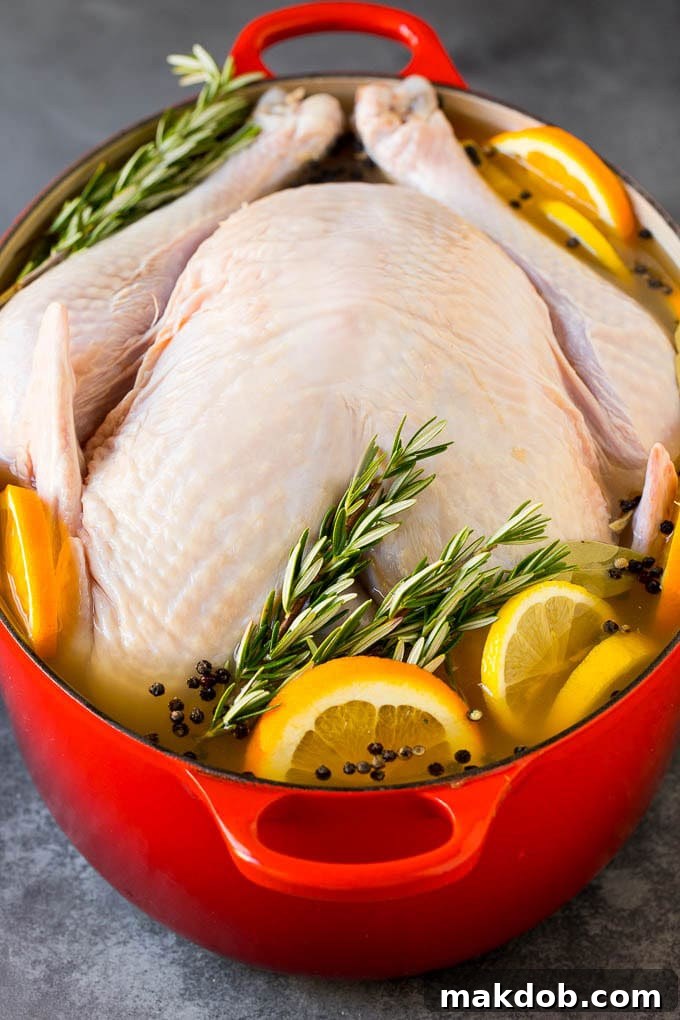
- Brine Your Turkey (Highly Recommended): If your turkey isn’t pre-brined, I strongly recommend brining it for 18-24 hours before cooking. Brining infuses the turkey with moisture and seasoning, ensuring it remains juicy and flavorful even if slightly overcooked. This step makes a significant difference in the final texture and taste. (Refer to the FAQs below for more on brining, or find a dedicated turkey brine recipe here.)
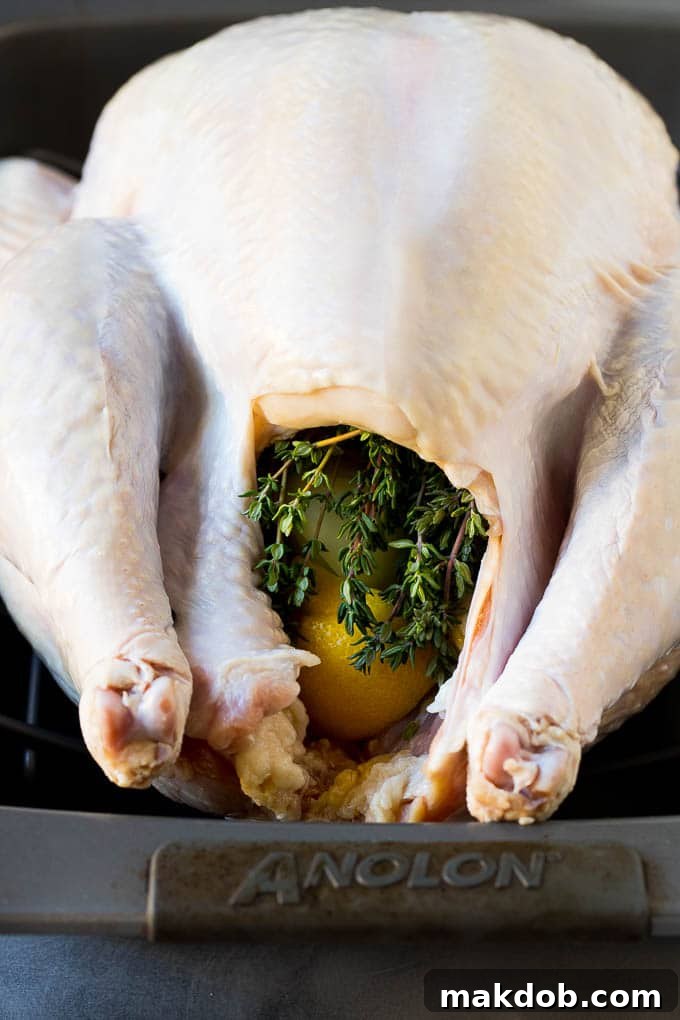
- Stuff the Cavity with Aromatics: Loosely fill the turkey’s cavity with aromatics like quartered lemons, onions, fresh thyme sprigs, and smashed garlic cloves. These ingredients will infuse the turkey with subtle flavors and moisture from the inside out. Avoid packing the cavity too tightly, as this can hinder even cooking. Note: If you plan to make a traditional stuffing, it should be cooked separately or added to the turkey just before roasting, ensuring it reaches a safe internal temperature of 165°F (74°C).
- Secure the Wings and Legs: To ensure even cooking and prevent the wing tips from burning, tuck the wing tips underneath the body of the turkey. This also helps the bird sit more stably. Next, tie the turkey legs together using kitchen twine. This keeps the legs close to the body, promoting uniform cooking and a neater presentation. Most grocery stores offer oven-safe kitchen twine.
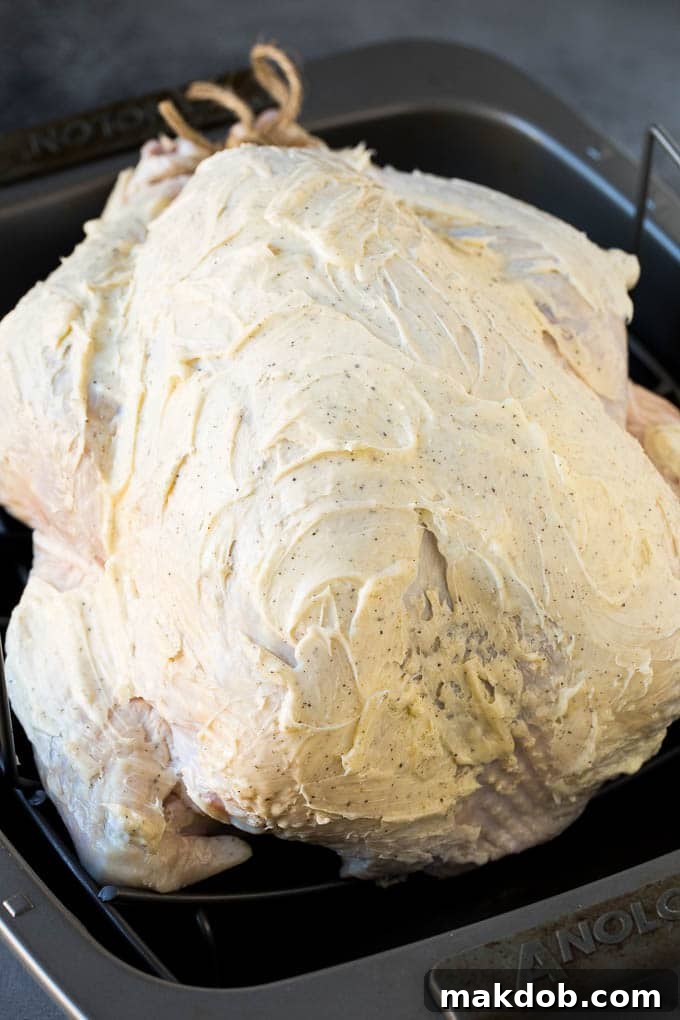
- Seasoning: Prepare a flavorful butter mixture with softened butter, salt (reduced if brined), pepper, and any desired fresh herbs (like rosemary or sage). Gently loosen the skin over the breast and thighs, and generously rub about half of this butter mixture directly onto the meat under the skin. This ensures the meat itself is seasoned and helps keep it moist. Spread the remaining butter mixture over the entire exterior of the turkey, then season generously with additional salt and pepper, if desired.
How To Cook A Turkey: The Classic Oven Roasting Method
The oven-roasting method is perhaps the most traditional and reliable way to achieve a perfectly cooked turkey. With a few simple steps, you’ll be well on your way to a succulent holiday centerpiece.
- Preheat Your Oven: Start by preheating your oven to a higher temperature, typically 450°F (232°C). This initial high heat helps to crisp the skin and achieve a beautiful golden-brown color.
- Prepare the Roasting Pan: Place your prepared turkey (with neck, giblets removed, aromatics in cavity, wings tucked, and legs tied) on a sturdy roasting rack set inside a large roasting pan. If you did not brine your turkey, pour 2 cups of chicken or turkey broth into the bottom of the roasting pan. This creates a moist environment and provides delicious pan drippings for gravy. If you brined your turkey, you can skip adding broth to the pan.
- Initial Roast: Roast the turkey at 450°F (232°C) for the first 30-40 minutes, or until the skin has begun to turn a rich, golden brown. This high-heat start is crucial for developing that desirable crispy exterior.
- Lower Temperature and Continue Roasting: After the initial browning, reduce the oven temperature to 350°F (175°C). Continue to roast the turkey, ensuring the temperature remains consistent.
- Basting (Optional, but Recommended for Unbrined Turkeys): If you did not brine your turkey, baste it every 30-45 minutes with the pan drippings or additional chicken/turkey broth. Basting helps keep the skin moist and promotes even browning. If your turkey is brined, basting is less critical as the brine helps retain moisture internally.
- Monitor Internal Temperature: The only sure way to know when your turkey is done is with a reliable digital meat thermometer. Insert the thermometer into the thickest part of the thigh, ensuring it does not touch any bone. Also, check the thickest part of the breast. The turkey is safely cooked when the internal temperature reaches 165°F (74°C) in both areas. If the turkey skin is browning too quickly before the internal temperature is reached, loosely tent it with aluminum foil.
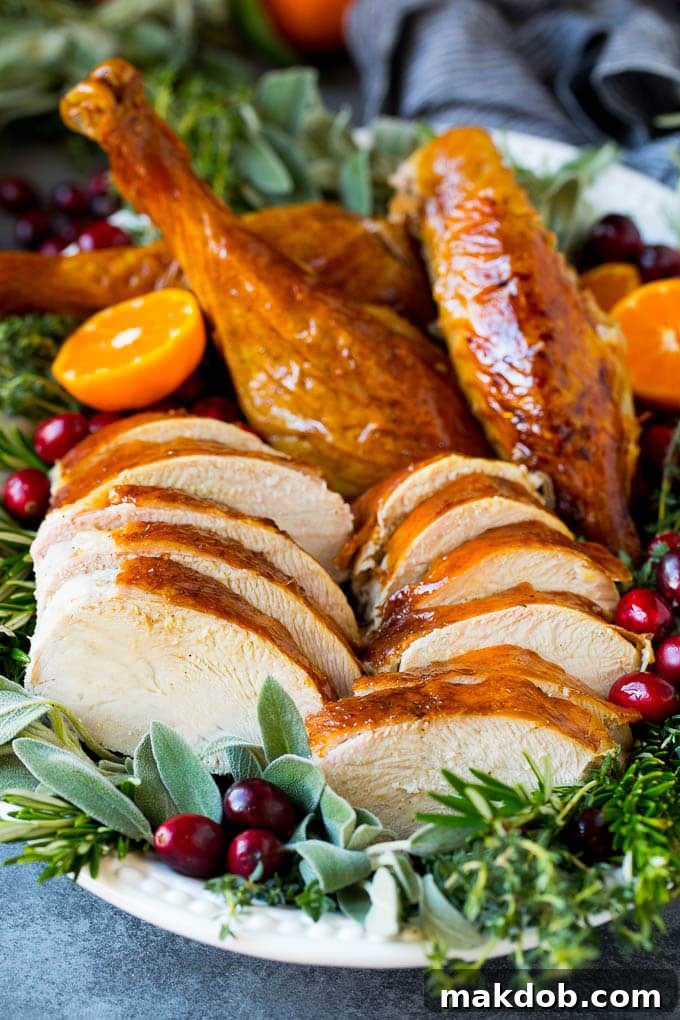
- Rest the Turkey: Once the turkey reaches 165°F (74°C), remove it from the oven and transfer it to a carving board or serving platter. Loosely tent it with aluminum foil and let it rest for at least 20-30 minutes (for larger birds, up to 45 minutes). This resting period is absolutely critical; it allows the juices to redistribute throughout the meat, resulting in a significantly more tender and juicy turkey. Skipping this step often leads to a dry bird.
- Carve and Serve: After resting, carve your magnificent Thanksgiving turkey. Be sure to collect all the flavorful pan drippings from the roasting pan to make the most incredible turkey gravy. Serve immediately and enjoy your perfectly cooked masterpiece!
Recipe FAQs: Your Turkey Questions Answered
A good guideline is to plan for 1.25 to 1.5 pounds of turkey per person. This generous amount ensures everyone gets a satisfying serving, and importantly, leaves you with plenty of delicious leftovers for sandwiches, soups, or other creative post-holiday meals. For a smaller appetite or if you have many side dishes, you can lean closer to 1.25 pounds. For a larger crowd or those who love leftovers, aim for 1.5 pounds.
The general rule of thumb for roasting a turkey at 350°F (175°C) is approximately 13-15 minutes per pound for an unstuffed turkey. This is an estimate, and actual cooking times can vary based on oven calibration, turkey shape, and whether it’s stuffed or not. A fully thawed or fresh turkey will cook more evenly. The only way to definitively know if your turkey is cooked through is by using a reliable meat thermometer to check its internal temperature.
A turkey is safely cooked when it reaches a minimum internal temperature of 165°F (74°C). You must check this temperature in several places: the thickest part of the thigh (without touching the bone), the thickest part of the breast, and the innermost part of the wing. For accuracy, use a good quality probe thermometer. Remember, juices running clear is not a reliable indicator; always rely on temperature.
Brining a turkey is an optional step, but it’s one I highly recommend for a truly exceptional result. Turkey meat is naturally lean and can easily dry out during cooking. When immersed in a brine solution (typically water, salt, sugar, and aromatics), the turkey absorbs some of the liquid and seasoning. This process helps the meat retain moisture, making it incredibly tender and juicy, even if slightly overcooked. It also seasons the meat from the inside out, providing a more robust flavor. If you choose to brine, plan for 18-24 hours of brining time before you cook the turkey. Explore my favorite turkey brine recipe and detailed how to brine a turkey tutorial for best results!
While traditional, stuffing a turkey can make it cook unevenly and increase overall cooking time. If you choose to stuff your turkey, ensure the stuffing itself reaches an internal temperature of 165°F (74°C) to be safe. For more consistent results and to free up oven space, many prefer to cook their stuffing in a separate baking dish.
How To Reheat Turkey Without Drying It Out
Leftover turkey is a holiday bonus, but reheating it without losing moisture can be a challenge. Here are the best methods:
- Oven Method (Recommended for Larger Portions): Preheat your oven to 325°F (160°C). Arrange sliced turkey in a baking dish. Add a splash of chicken or turkey broth (about 1/4 cup per 2 cups of turkey) to the bottom of the dish to create steam. Cover the dish tightly with foil to lock in moisture. Bake for 20-30 minutes, or until heated through, checking periodically to ensure it doesn’t dry out.
- Microwave Method (For Individual Servings): For quick, small portions, place turkey slices on a microwave-safe plate with a tablespoon of broth or gravy. Cover with a microwave-safe lid or damp paper towel. Microwave on medium power in 30-second intervals until warmed through. Be careful not to overcook, as this can quickly lead to tough, dry meat.
- Pan Method (For Crispier Skin): If you have pieces with skin and want to retain some crispness, gently reheat in a pan over medium-low heat with a little butter or oil. This method is best for smaller pieces.
Always ensure your reheated turkey reaches an internal temperature of 165°F (74°C).
How To Cook A Turkey In A Smoker: Infused with Flavor
For those seeking a departure from the traditional roasted bird, smoking a turkey offers an incredible depth of flavor and unbelievably juicy results. The slow cooking process in a smoker infuses the meat with aromatic wood smoke, creating a distinct and memorable taste experience that’s perfect for a holiday gathering or any special occasion.
To prepare a smoked turkey, I highly recommend starting with a good brine, such as my smoked turkey brine, which helps keep the turkey moist and flavorful throughout the smoking process. After brining, pat the turkey dry and generously coat it with a specialized turkey rub (you might try my smoked turkey rub for optimal results). Then, smoke it according to your smoker’s instructions until it reaches tender perfection. This method often yields the most tender and flavorful turkey, making it one of my personal favorites. Be sure to check out my detailed instructions for the ultimate smoked turkey to guide you through the process.
How To Cook A Turkey In A Crockpot: Effortless and Moist
Cooking a turkey in a crockpot (slow cooker) is an excellent solution for a hands-off, fuss-free main course, especially when oven space is at a premium or you’re preparing a smaller meal. The enclosed environment of a slow cooker ensures the turkey stays incredibly moist and tender, making it almost impossible to dry out.
While a whole large turkey may not fit into most standard slow cookers, the solution is simple: cook a turkey breast instead! A whole or half turkey breast fits perfectly and still delivers all the festive flavors. It’s a fantastic option for smaller gatherings or as an addition to a larger spread. My recipe for slow cooker turkey breast consistently receives rave reviews for its ease and delicious outcome. This method guarantees a succulent and perfectly cooked turkey breast with minimal effort, allowing you to focus on other aspects of your holiday meal.
How To Cook A Turkey In A Fryer: Crispy Perfection
Deep-fried turkey has become a sensation for its incredibly crispy skin and unbelievably juicy meat. While undeniably delicious, this cooking method is not typically recommended for beginner cooks due to the inherent safety considerations involved with hot oil. However, for those with experience and a commitment to safety, the results are truly spectacular.
If you decide to venture into deep-frying, you’ll need a specialized deep-fat fryer and a strict adherence to safety protocols. This includes frying outdoors, maintaining a safe distance, monitoring oil temperature diligently, and ensuring the turkey is completely thawed and dry to prevent dangerous oil flare-ups. The reward for your careful efforts is a remarkably flavorful turkey with a shatteringly crisp exterior and a moist, tender interior that will be the talk of your holiday table. For a truly delectable experience, consult my recipe for the best ever deep fried turkey, and prioritize safety above all else.
Creative Leftover Turkey Ideas: Beyond the Sandwich
One of the greatest joys of preparing a large turkey is the abundance of leftovers! Don’t let your extra turkey go to waste; transform it into exciting new meals. While a classic turkey sandwich is always a winner, there’s a world of culinary possibilities waiting:
- Classic Comforts: Use shredded turkey to make a hearty turkey soup, perfect for a chilly day, or whip up a creamy turkey salad for quick lunches.
- Innovative Dishes: Re-purpose turkey in tacos, enchiladas, pot pies, or even stir-fries for a global twist. Add it to pasta dishes, quesadillas, or a comforting shepherd’s pie.
- Breakfast & Brunch: Dice leftover turkey and add it to omelets, frittatas, or hash for a savory breakfast treat.
- Snacks & Appetizers: Create mini turkey sliders, roll-ups with cream cheese and cranberries, or add to a festive charcuterie board.
For a comprehensive collection of inspiration, be sure to check out my extensive list of leftover turkey recipes. With so many options, you’ll look forward to your leftovers almost as much as the main meal!
Now that you’re armed with all the knowledge and tips on how to cook a turkey, you are more than ready to tackle your holiday cooking with confidence! Use the classic roasted turkey recipe below to achieve the most tender, juicy, and flavorful turkey you’ve ever made. Happy cooking!
More Turkey Recipes To Try
Thanksgiving Turkey Recipe
Time: 1 d 4 hrs 20 mins
Herb Roasted Turkey
Time: 4 hrs 20 mins
Roasted Turkey Breast with Garlic and Herbs
Time: 2 hrs 10 mins
Roast Turkey for Thanksgiving
Time: 3 hrs 10 mins
Spatchcock Turkey
Time: 1 d 1 hr 20 mins
How To Cook A Turkey Video Tutorial
Watch this helpful video tutorial to see the turkey roasting process in action. Visual guidance can make all the difference in mastering this impressive holiday dish.
Loved This Recipe? Share Your Experience!
We hope you enjoyed preparing this delicious turkey! Please consider leaving a 5-star 🌟🌟🌟🌟🌟 rating in the recipe card below and a thoughtful review in the comments section further down the page. Your feedback helps us improve and inspires other home cooks!
⭐
⭐
⭐
⭐
How to Cook a Turkey – The Best Roasted Turkey Recipe
Pin Recipe
Ingredients
Instructions
- Brine the turkey as directed for 18-24 hours. This is an optional step but highly recommended for a juicy turkey. If you choose to brine, reduce the salt in this recipe to 1/2 teaspoon, and you will not need to baste your turkey with broth during cooking.
- Preheat your oven to 450 degrees F (232°C). Prepare the turkey by tucking the wings underneath the body and tying the drumsticks together with kitchen twine.
- Loosely stuff the cavity of the turkey with the quartered lemon, onion, fresh thyme sprigs, and smashed garlic cloves.
- Place the prepared turkey on a rack in a sturdy roasting pan. If you have not brined the turkey, pour 2 cups of chicken or turkey broth into the bottom of the roasting pan.
- In a small bowl, combine the softened butter, salt (adjusting if brined), and pepper. Stir until well combined to create a seasoned butter mixture.
- Gently loosen the skin over the turkey breast and thighs. Spread about half of the seasoned butter mixture directly onto the meat under the skin. Then, spread the remaining butter all over the exterior of the turkey. Season the outside with more salt and pepper to taste, if desired.
- Roast the turkey at 450 degrees F (232°C) for 30-40 minutes, or until the turkey skin has started to turn a beautiful golden brown. This initial high heat creates a crispy skin.
- Reduce the oven heat to 350 degrees F (175°C). If you did not brine your turkey, baste it with 1/2 cup of chicken or turkey broth. Remember, if your turkey was brined, basting is not necessary.
- Continue to bake for another 2 hours or longer, basting every 30 minutes with the remaining chicken broth (if not brined), until a meat thermometer inserted into the thickest part of the thigh reads 165 degrees F (74°C). I also recommend checking the thickest part of the breast to ensure it reaches the correct temperature. If the turkey skin becomes too dark before it’s fully cooked, you can loosely tent it with aluminum foil.
- Once cooked, transfer the turkey to a large serving platter or carving board. Loosely tent it with foil and let it rest for at least 20 minutes before slicing. This resting period is crucial for juices to redistribute, ensuring a moist and tender bird. Garnish with fresh herbs and fruit, if desired, before carving and serving.
Notes
- Leftover turkey will stay fresh for up to 3 days when stored in an airtight container in the refrigerator. For longer storage, you can freeze leftover turkey for up to 2 months.
- Feel free to customize the aromatics and seasonings to your taste. For example, you can use oranges or fresh rosemary in the cavity instead of lemon and thyme. Experiment with different herb blends (like sage, oregano, or marjoram) in your butter mixture for unique flavor profiles.
- For an even crispier skin, try rubbing some baking powder (about 1/2 tsp per pound of turkey) into the skin along with your butter mixture.
- Always use a reliable instant-read thermometer to verify doneness.
Nutrition Information
Carbohydrates: 2g |
Protein: 70g |
Fat: 16g |
Saturated Fat: 9g |
Cholesterol: 251mg |
Sodium: 633mg |
Potassium: 786mg |
Vitamin A: 415IU |
Vitamin C: 5.9mg |
Calcium: 46mg |
Iron: 3mg
Did you make this recipe?
Tag @dinneratthezoo on Instagram and hashtag it #dinneratthezoo