
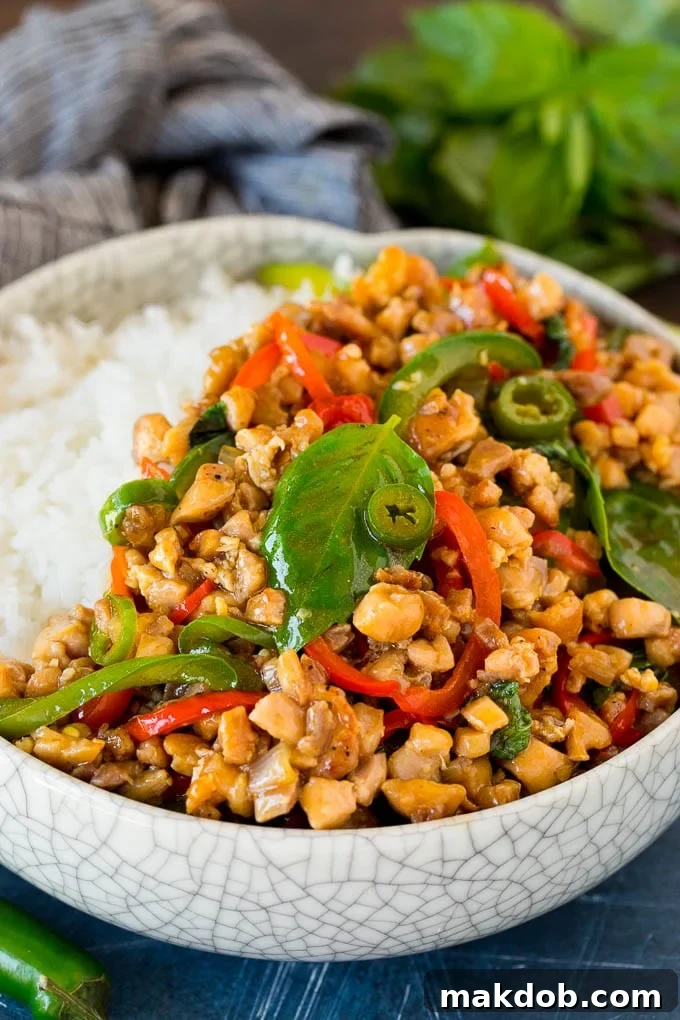
Authentic & Easy Thai Basil Chicken (Pad Krapow Gai) Recipe
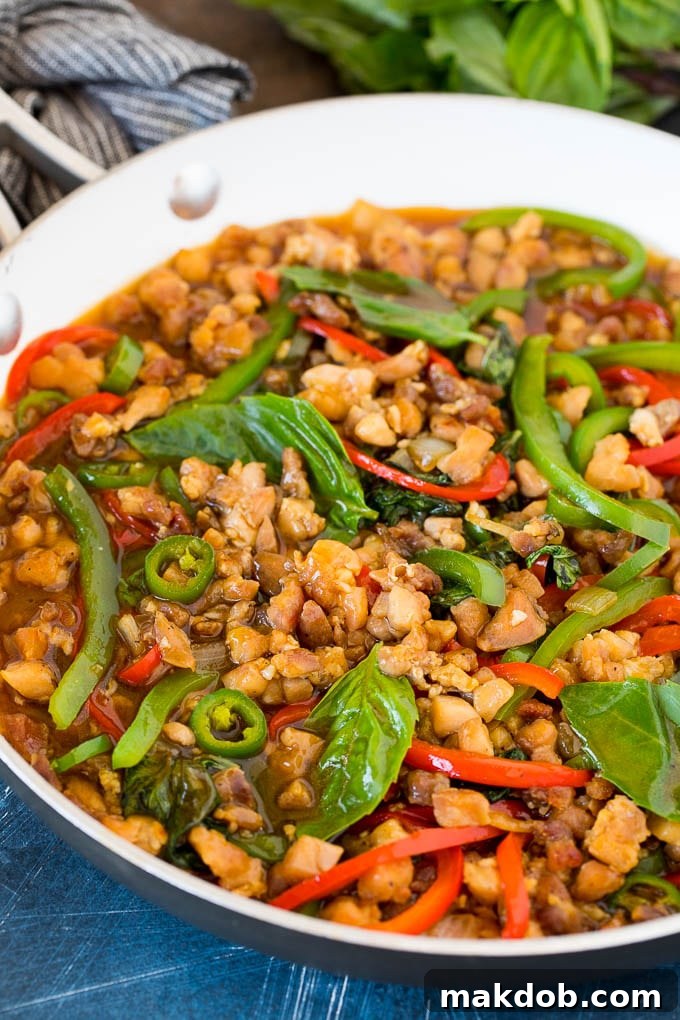
Prepare to tantalize your taste buds with the vibrant flavors of Thai Basil Chicken, famously known as Pad Krapow Gai. This iconic Thai stir-fry brings together tender, finely diced chicken with crisp bell peppers, aromatic shallots, and fragrant fresh Thai basil leaves, all coated in an irresistibly savory sauce. Forget the takeout menu – this beloved classic is surprisingly quick and easy to recreate in the comfort of your own kitchen, delivering authentic Thai flavors straight to your dinner table.
For many, the mention of Thai cuisine conjures images of spicy, aromatic, and deeply satisfying dishes. Among these, Pad Krapow Gai stands out as a true culinary star, cherished for its simplicity and explosive flavor profile. It’s a dish I find myself ordering time and again at local Thai restaurants, captivated by the harmonious blend of textures and tastes. But the real magic happens when you master this recipe at home. Not only do you gain full control over the ingredients and spice level, but you also experience the joy of cooking a fresh, wholesome meal that rivals any restaurant offering. This recipe is a testament to how accessible and rewarding authentic Thai cooking can be, transforming an exotic restaurant experience into a delightful homemade meal.
My culinary journey often leads me to recreate our favorite Thai-style dishes, transforming exotic restaurant experiences into delightful home-cooked meals. Beyond this incredibly flavorful Thai Basil Chicken, I love diving into the rich complexity of Thai chicken curry, the refreshing crunch of Thai cucumber salad, and the comforting familiarity of chicken fried rice. Each dish offers a unique taste of Thailand, but none quite capture the weeknight-friendly perfection of Pad Krapow Gai.
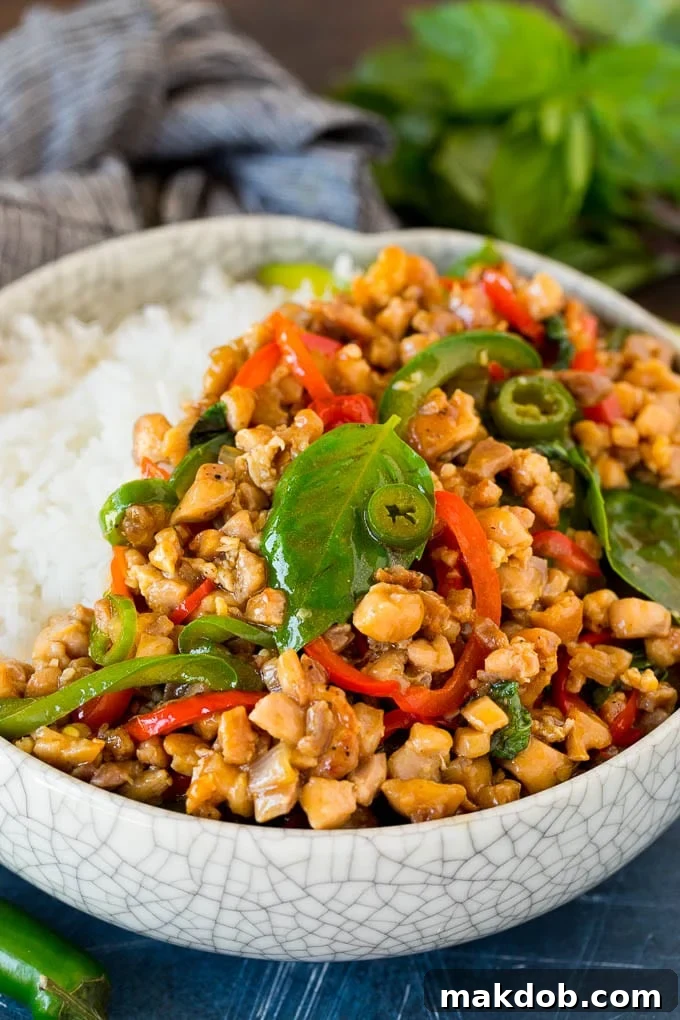
What is Thai Basil Chicken (Pad Krapow Gai)?
Thai Basil Chicken, or Pad Krapow Gai (ผัดกะเพราไก่) as it’s known in Thailand, literally translates to “stir-fried holy basil chicken.” It’s a staple in Thai cuisine, beloved for its balance of sweet, savory, and spicy notes, coupled with the unique, peppery aroma of holy basil. While traditional Pad Krapow uses holy basil, our recipe often substitutes with Thai basil, which is more readily available and offers a similar, distinctive flavor profile. This dish is characterized by its quick cooking method, high heat stir-fry, and the freshness of its ingredients. It’s a testament to the simplicity and intensity of Thai street food, delivering a burst of flavor in every bite.
Key Ingredients You’ll Need
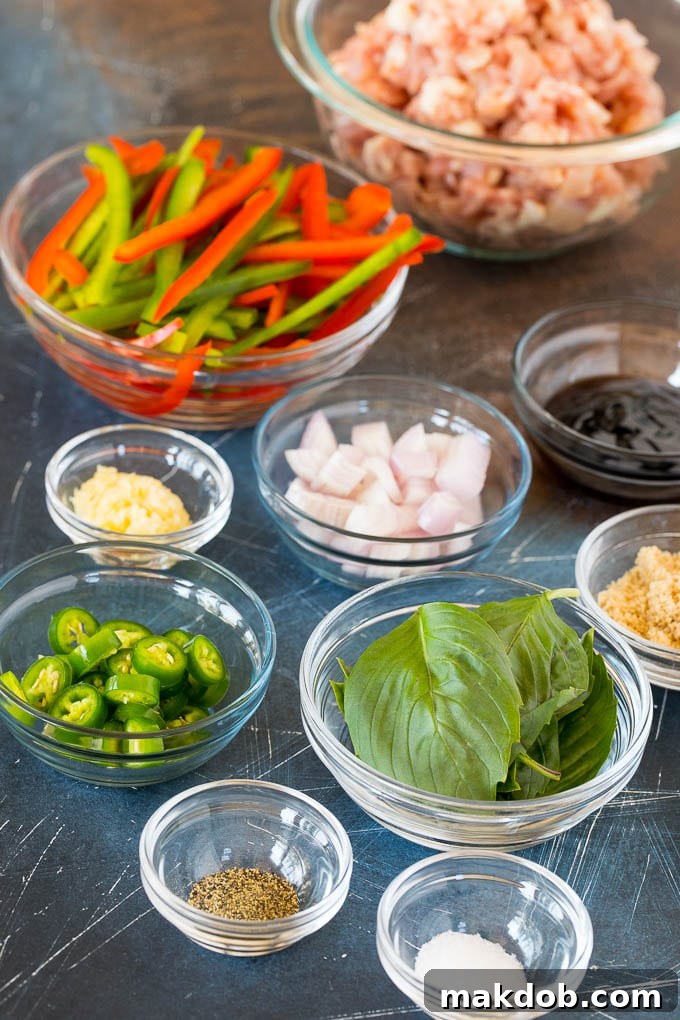
Creating an authentic Thai Basil Chicken requires a few key ingredients, some of which might be new to your pantry but are essential for that unmistakable Thai flavor. Don’t worry, these staples are becoming increasingly common in the international aisle of most grocery stores, ensuring you can easily gather everything for a truly delicious meal.
For the Irresistible Sauce:
- Chicken Broth: Forms the liquid base of our sauce, adding fundamental depth and a savory foundation.
- Oyster Sauce: A cornerstone of many Asian stir-fries, oyster sauce provides a rich, savory, and slightly sweet umami flavor that is complex and hard to replicate. It adds a beautiful sheen and thickness to the sauce.
- Soy Sauce: Adds essential salty and umami notes. Opt for a good quality light soy sauce to avoid overpowering the other flavors.
- Fish Sauce: This might seem intimidating due to its strong aroma, but fish sauce is crucial for authentic Thai cuisine. It provides a unique salty, savory, and funky umami depth that elevates the entire dish. Its aroma mellows and dissipates during cooking, leaving behind pure deliciousness.
- Brown Sugar: Balances the savory and spicy elements, adding a touch of sweetness that is characteristic of Thai cooking. It helps to round out the flavors beautifully.
- Cornstarch: Used as a thickening agent, ensuring the sauce beautifully coats every piece of chicken and vegetable, giving it that perfect takeout consistency.
For the Dynamic Stir-Fry:
- Vegetable Oil: For stir-frying at high temperatures. Any neutral oil with a high smoke point will work well.
- Boneless, Skinless Chicken Thighs: While ground chicken can be used for convenience, coarsely chopped chicken thighs are highly recommended. Thighs stay tender and juicy, and chopping them yourself gives a superior, more authentic texture compared to store-bought ground chicken, closely resembling the traditional Thai street food experience.
- Bell Peppers (Red & Green): These add vibrant color, natural sweetness, and a lovely crunch to the stir-fry. Thinly sliced, they cook quickly and absorb the savory sauce beautifully.
- Shallots: Milder and sweeter than common onions, shallots provide a delicate aromatic base that enhances the overall flavor without being too pungent.
- Garlic: A foundational aromatic in almost all stir-fries, adding a pungent, savory flavor that is indispensable.
- Serrano Chili: For that signature Thai heat! Adjust the amount to your preference. For a milder dish, you can omit it entirely or use a milder chili like a jalapeño. For an authentic and fiery kick, increase the amount of serranos or opt for Thai bird’s eye chilies.
- Fresh Thai Basil Leaves: The true star of the show! Thai basil imparts a distinct, slightly peppery, and anise-like flavor that makes this dish truly special and unique. Add it at the very end to preserve its freshness and potent aroma.
- Salt and Pepper: To season the chicken and adjust the overall taste of the finished dish.
- Rice for Serving: Traditionally, this dish is served over fluffy steamed jasmine rice, which perfectly soaks up the savory, spicy sauce, creating a complete and satisfying meal.
Step-by-Step Cooking Guide for Thai Basil Chicken
This recipe is designed for efficiency and maximum flavor, making it a perfect candidate for a quick and satisfying weeknight dinner. Follow these precise steps for a perfectly cooked Pad Krapow Gai that rivals your favorite Thai restaurant.
Preparing the Sauce:
- In a medium-sized bowl, combine all the sauce ingredients: chicken broth, oyster sauce, soy sauce, fish sauce, brown sugar, and cornstarch.
- Whisk vigorously until all ingredients are thoroughly combined and the cornstarch has completely dissolved. This ensures a smooth, lump-free sauce that will thicken perfectly. Set the sauce mixture aside while you prepare the stir-fry components.
Crafting the Stir-Fry:
- Heat one tablespoon of vegetable oil in a large skillet or wok over high heat until it shimmers and just begins to smoke. High heat is absolutely critical for a proper stir-fry, allowing the ingredients to sear quickly and develop that characteristic “wok hei” (breath of the wok) flavor.
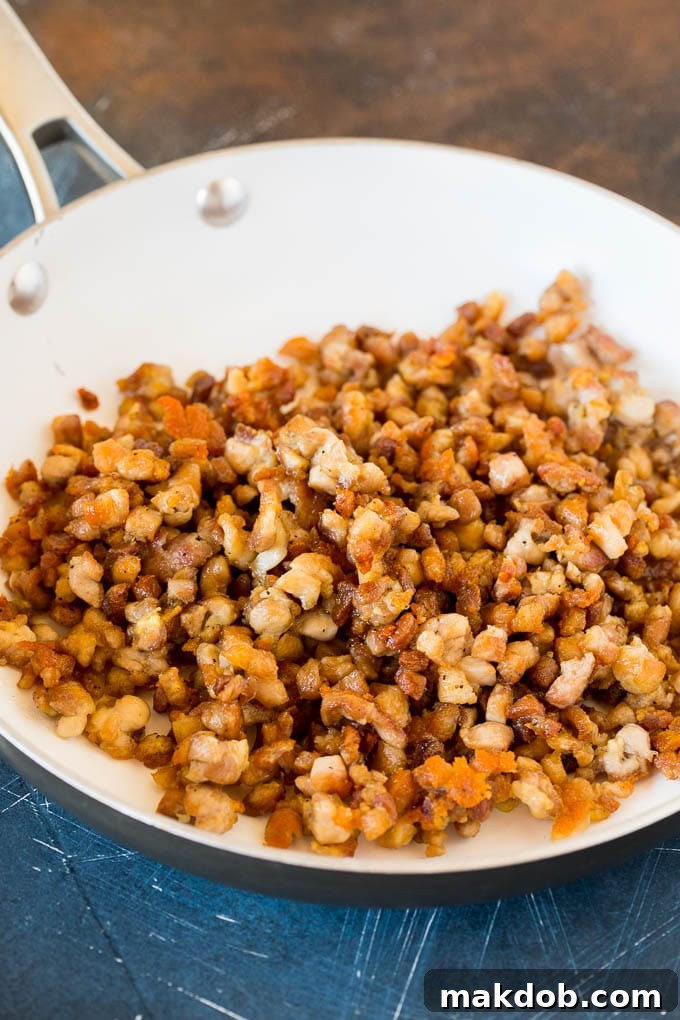
- Add the coarsely chopped chicken thighs to the hot pan. Cook for 4-5 minutes, stirring occasionally, until the chicken is beautifully browned on all sides and cooked through. Season the chicken generously with salt and freshly ground black pepper to taste as it cooks, building layers of flavor.
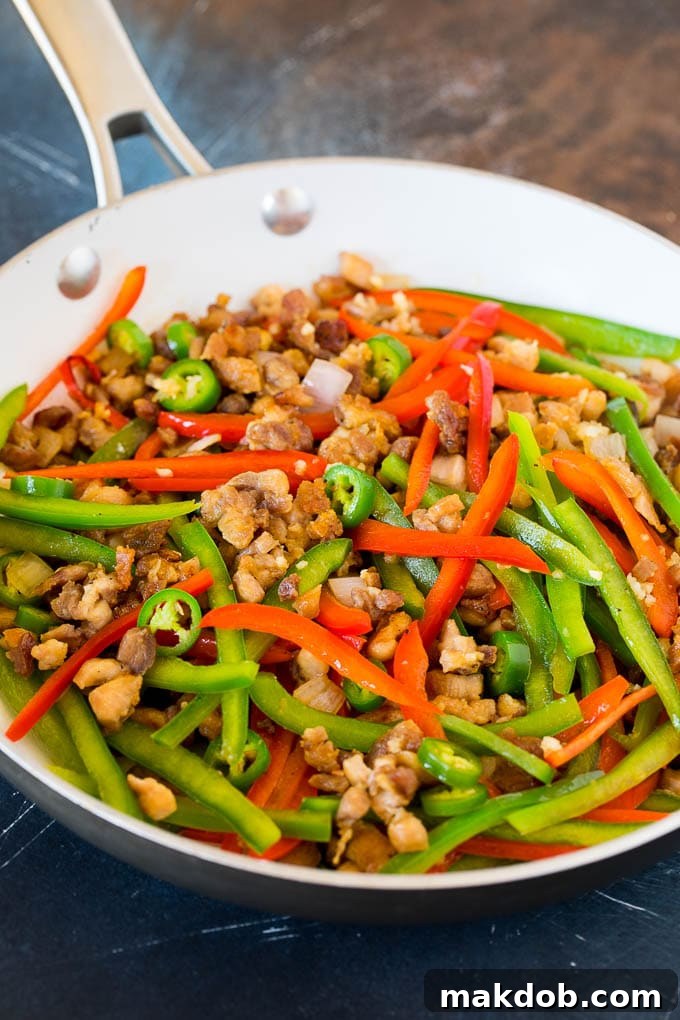
- Introduce the thinly sliced red and green bell peppers and diced shallots to the pan with the chicken. Continue to cook for another 4-5 minutes, stirring frequently, until the peppers begin to soften slightly but still retain a pleasant crispness. You want them tender-crisp, not mushy.
- Add the minced garlic and thinly sliced serrano pepper (if you’re using it for heat) to the mixture. Stir-fry for just 1 more minute until the aromatics are fragrant, being very careful not to burn the garlic, which can turn bitter quickly.
- Give your prepared sauce another quick whisk to ensure the cornstarch hasn’t settled, and then pour it evenly over the chicken and vegetables in the pan. Bring the mixture to a gentle simmer, allowing the sauce to heat through.
- Continue to cook for 1-2 minutes, stirring constantly, until the sauce has thickened nicely and coats all the ingredients in the pan. Taste the sauce and adjust seasonings with more salt, pepper, or a pinch of sugar if needed to achieve your perfect balance of flavors.
- Finally, remove the pan from the heat and generously stir in the fresh Thai basil leaves. The residual heat from the stir-fry will gently wilt the basil and release its aromatic oils without overcooking it, preserving its fresh, vibrant flavor.
- Serve immediately over a bed of fluffy steamed jasmine rice for an authentic and incredibly satisfying Thai meal. Enjoy every aromatic, savory, and spicy bite!
Tips for Mastering Your Homemade Thai Basil Chicken
Achieving restaurant-quality Thai Basil Chicken at home is easier than you think with these expert tips and considerations:
- Chicken Preparation is Key: For the most authentic texture, coarsely chop boneless, skinless chicken thighs yourself instead of relying on pre-ground chicken. This method provides a more satisfying bite and a varied texture, closely resembling the experience found in traditional street food versions of Pad Krapow Gai. If you prefer white meat, chicken breast can be used, but be mindful not to overcook it, as it tends to dry out more easily.
- Sourcing Asian Condiments: Ingredients like fish sauce and oyster sauce are foundational to authentic Thai cuisine. If your pantry doesn’t already stock them, look for them in the Asian foods aisle of larger grocery stores or at your local Asian market. These bottles will last a long time in your refrigerator and will open up a world of new, exciting flavors for your cooking. Quality matters here – a good brand of fish sauce, for instance, can significantly impact the dish’s depth and complexity.
- Customize Your Spice Level: This dish is famously spicy, but you have full control to tailor it to your palate. For a milder version, feel free to omit the sliced chili peppers entirely. If you crave heat, you can increase the amount of serrano chilies, or for a truly authentic and fiery kick, consider using fresh Thai bird’s eye chilies. You can also deseed the chilies to reduce some of the heat while still retaining their aromatic flavor.
- High Heat is Your Friend: Stir-frying inherently requires high heat to cook ingredients quickly and develop complex, caramelized flavors. Ensure your pan or wok is thoroughly heated before adding any ingredients. It’s also important not to overcrowd the pan; if necessary, cook the chicken in batches to prevent steaming it instead of achieving a beautiful browning.
- Basil Timing: The fresh Thai basil leaves should be added at the very end of cooking, ideally after the pan has been removed from the heat. This delicate herb can lose its vibrant color, delicate texture, and potent aroma if cooked for too long. Adding it at the last minute ensures its distinct flavor shines through.
Thai Basil vs. Regular Basil: What’s the Difference?
The “basil” in Thai Basil Chicken isn’t just any basil. While Italian sweet basil is common in Western kitchens, Thai basil (Horapha) has a distinct appearance and flavor profile that sets it apart and is crucial for the authentic taste of this dish.
- Appearance: Thai basil typically features sturdy purple stems and narrower, slightly serrated green leaves. Italian basil, on the other hand, usually has entirely green stems and broader, more rounded leaves.
- Flavor: The most significant difference lies in their taste. Thai basil boasts a more robust, slightly peppery flavor with pronounced notes of anise or licorice. This unique characteristic is what gives Pad Krapow Gai its signature aromatic punch and complex undertones. Italian basil is sweeter, milder, and often described with notes of clove and mint.
- Culinary Use: Thai basil is predominantly used in Southeast Asian cuisines, finding its way into curries, stir-fries, and fresh spring rolls. Its ability to stand up to heat makes it ideal for these applications. Italian basil is a staple in Mediterranean dishes, such as pestos, pasta sauces, and Caprese salads, where its milder flavor can shine.
While fresh Thai basil is highly recommended for achieving true authenticity in this dish, if you absolutely cannot find it, you can substitute it with standard Italian basil or even holy basil (if you’re lucky enough to find it at an Asian market). Just be aware that the flavor will be a bit different from what you’d experience at a traditional Thai restaurant or with the intended Thai basil. Some adventurous cooks even use a combination of Italian basil and a few mint leaves to try and mimic the anise notes often found in Thai basil.
Creative Flavor Variations & Serving Suggestions
While Thai Basil Chicken is absolutely fabulous served as-is, this versatile dish lends itself beautifully to customization. Don’t hesitate to experiment and tailor it to your dietary preferences, what you have on hand, or simply to try something new.
- Alternative Proteins:
- Ground Chicken: A convenient and widely available option if you’re short on time. Cook it until crumbled and nicely browned for a different texture.
- Sliced Steak: Thinly sliced beef (such as flank or sirloin) stir-fries quickly and pairs wonderfully with the savory sauce, offering a richer flavor profile.
- Shrimp: For a delicious seafood twist, add shrimp in the last few minutes of cooking, as they cook very fast and can become rubbery if overcooked.
- Tofu: For a fantastic vegetarian or vegan version, use firm or extra-firm tofu. Press out excess water, cube it, and pan-fry until golden and slightly crispy before adding it to the stir-fry with the vegetables.
- Boost Your Veggies:
- Enhance the nutritional value and add more interesting textures by incorporating more vegetables. Great additions include sliced mushrooms, tender green beans, crisp baby corn, crunchy bamboo shoots, vibrant broccoli florets, or sweet snap peas. Remember to add harder vegetables (like broccoli) earlier in the cooking process to ensure they cook through.
- Diverse Serving Options:
- Steamed White Rice: The traditional and most popular choice, perfect for soaking up every drop of the delicious sauce.
- Coconut Rice: For a fragrant and slightly sweeter alternative that adds another layer of Thai flavor.
- Brown Rice or Quinoa: Healthier, fiber-rich options that still complement the savory dish well.
- Rice Noodles: Transform your Pad Krapow Gai into a satisfying noodle dish by serving the stir-fry over cooked rice noodles.
- Lettuce Wraps: For a low-carb and refreshing option, serve the basil chicken mixture in crisp lettuce cups, such as butter lettuce or iceberg.
Storing and Reheating Your Thai Basil Chicken
Leftovers of Thai Basil Chicken are just as delicious, making it a great option for meal prepping throughout the week.
- Refrigeration: This dish keeps fresh and flavorful when stored in an airtight container in the refrigerator for up to 3 days. Ensure it’s cooled completely before storing.
- Freezing: You can freeze Thai Basil Chicken for up to 2 months. For best results and to maintain the integrity of the basil, I highly recommend cooking the chicken and vegetables without the fresh basil leaves if you plan to freeze it. Add fresh basil after the dish has been thawed and gently reheated. Thaw overnight in the refrigerator and reheat gently on the stovetop or in the microwave until heated through.
Why Choose Homemade Over Takeout?
While takeout Thai Basil Chicken is undeniably convenient, making it at home offers numerous advantages that elevate your dining experience:
- Unbeatable Freshness: You have complete control over the quality and freshness of every single ingredient, from the succulent chicken to the vibrant, aromatic basil. This often results in a dish with superior taste and texture.
- Personalized Customization: Tailor the spice level precisely to your liking, add an abundance of your favorite vegetables, or swap proteins to perfectly match your taste and dietary needs. No more “no bell peppers, extra spicy” requests!
- Cost-Effective: Enjoy a restaurant-quality meal for a fraction of the price, especially when feeding a family or preparing multiple servings for meal prep. Your wallet will thank you.
- Healthier Option: By cooking at home, you can minimize the use of unhealthy oils and control the amount of sodium and sugar, often found in excess in restaurant dishes. It’s a cleaner, healthier way to enjoy your favorite Thai flavors.
- The Joy of Cooking: There’s immense satisfaction and a unique sense of accomplishment in creating a beloved dish from scratch and sharing it with loved ones. It transforms a simple meal into an enjoyable culinary adventure.
Conclusion
This homemade Thai Basil Chicken recipe brings the exotic, mouth-watering flavors of Thailand right into your kitchen with remarkable ease. It’s a quick, incredibly flavorful, and highly customizable meal that promises to become a new and cherished family favorite. So, next time that irresistible craving for authentic Thai food hits, skip the takeout menu and embark on a delicious culinary adventure with your own homemade Pad Krapow Gai. You’ll be delighted by the ease, freshness, and incredible results!
More Asian Inspired Dishes to Explore
- Savory Thai Peanut Noodles
- Authentic Thai Fish Cakes
- Creamy Thai Peanut Chicken
- Zesty Ginger Chicken Stir-fry
- Crispy Fried Wontons Recipe
Nutrition Information (Per Serving)
(Based on 4 servings for the recipe)
- Calories: 217 kcal
- Carbohydrates: 11g
- Protein: 24g
- Fat: 8g
- Saturated Fat: 4g
- Cholesterol: 108mg
- Sodium: 941mg
- Potassium: 488mg
- Fiber: 2g
- Sugar: 6g
- Vitamin A: 1083 IU
- Vitamin C: 66mg
- Calcium: 22mg
- Iron: 1mg
Disclaimer: Nutritional information is an estimate and may vary based on specific ingredients and preparation methods.
Did you make this recipe? Tag @dinneratthezoo on Instagram and hashtag it #dinneratthezoo.
Share it with the world: