
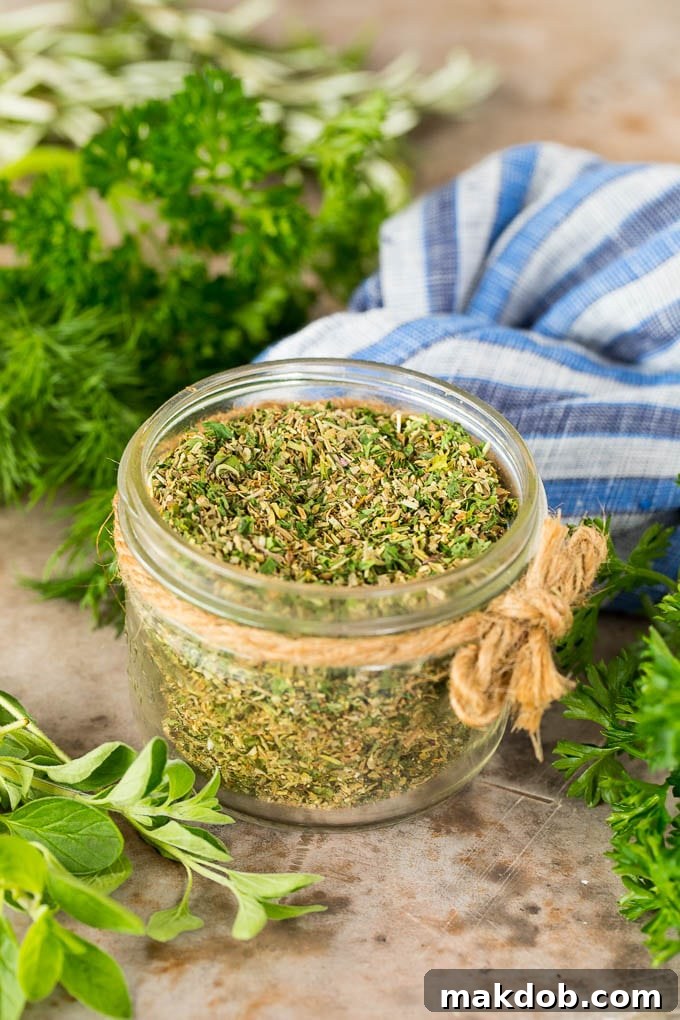
Mastering Mediterranean Flavors: Your Essential Guide to Homemade Greek Seasoning
Unlock the vibrant, aromatic heart of Greek cuisine with this exquisite homemade Greek seasoning blend. Far superior to store-bought alternatives, this carefully crafted mix of dried herbs and spices takes mere minutes to prepare and promises to infuse your dishes with an unparalleled depth of flavor. From succulent chicken and delicate seafood to tender lamb and roasted vegetables, this versatile Greek spice mix is an indispensable pantry staple for effortlessly delicious meals.
There’s an undeniable magic in creating your own spice blends. Not only do they taste remarkably fresher and more potent than their mass-produced counterparts, but they also offer the freedom to customize flavors to your exact preference. In my kitchen, jars of homemade taco seasoning, Cajun seasoning, and this vibrant Greek blend are always at the ready, ensuring that a flavorful meal is never more than a sprinkle away. Embracing Mediterranean flavors has become a regular ritual in my home, and this Greek seasoning was specifically developed to guarantee that the perfect harmony of herbs and spices is always within reach.
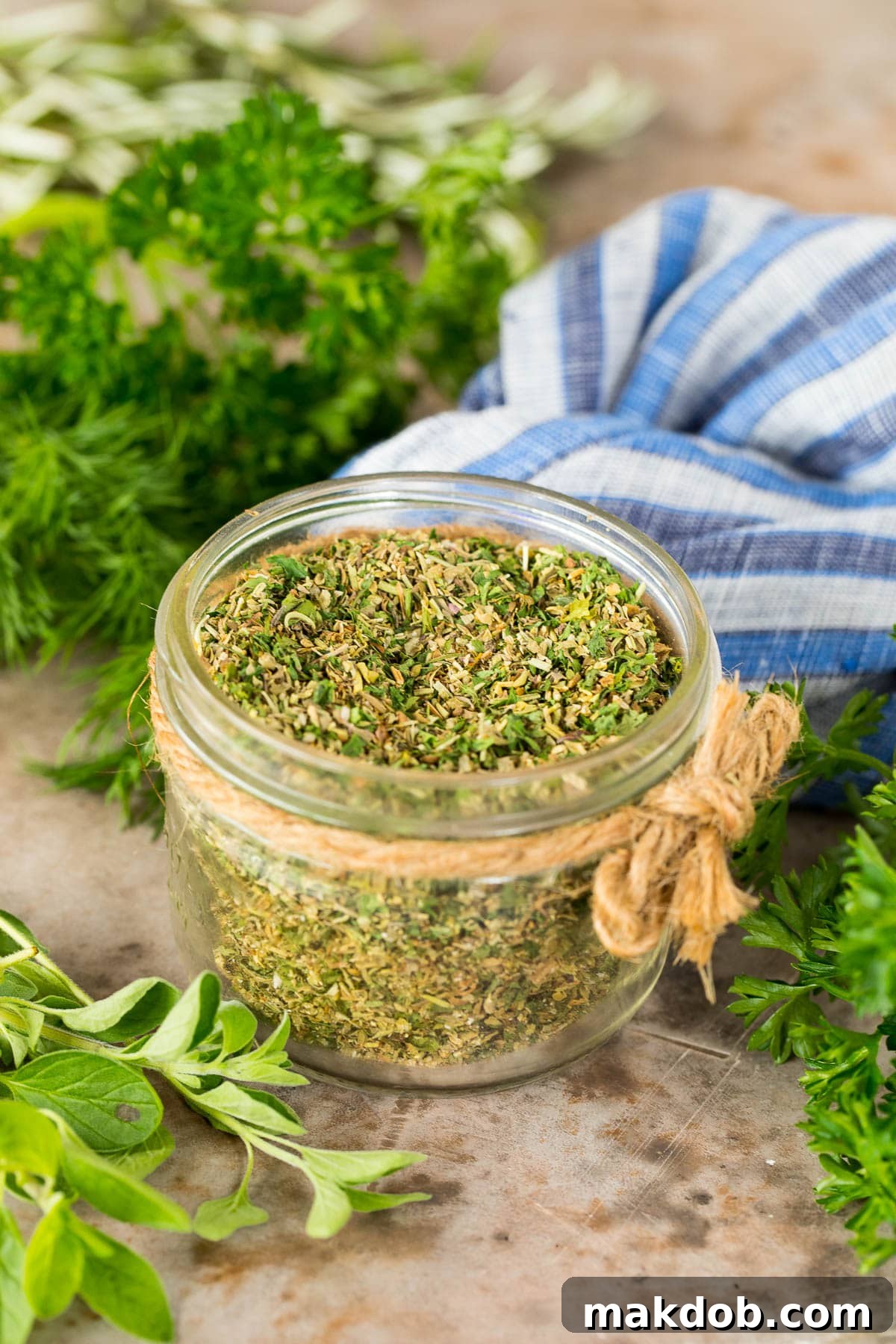
Why Choose Homemade Greek Seasoning?
The allure of homemade spice blends extends beyond just taste. When you create your own, you’re in control of every ingredient, ensuring no artificial fillers, preservatives, or excessive sodium are included. This means a cleaner, healthier, and more potent flavor profile for your cooking. Furthermore, freshly mixed herbs retain their essential oils and aromatic compounds much longer, translating to dishes that truly sing with authentic Mediterranean character. It’s a simple step that elevates everyday cooking to an art form, making gourmet meals achievable even on the busiest weeknights.
Essential Ingredients for Your Greek Seasoning Blend
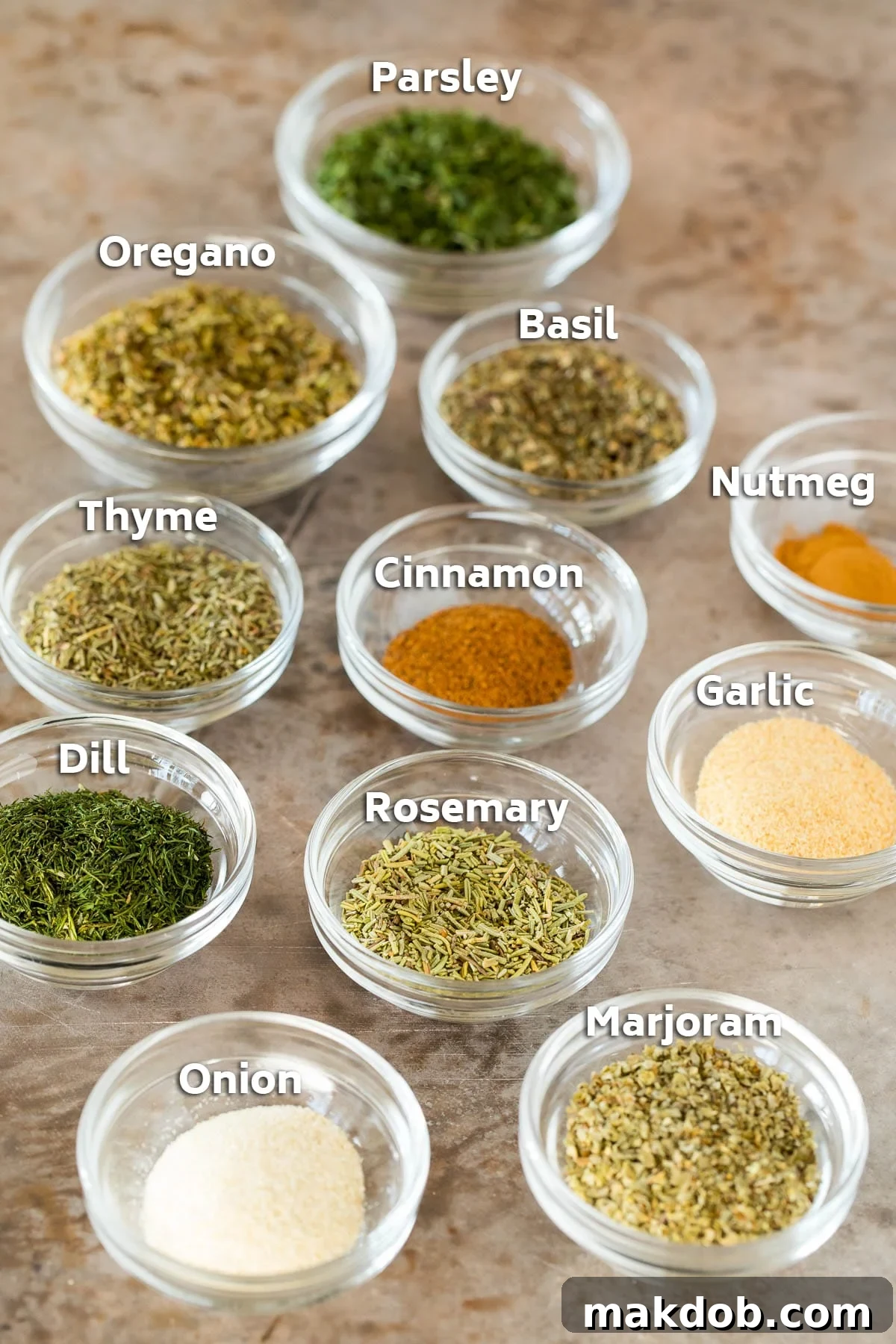
This exquisite Greek seasoning brings together a carefully balanced selection of dried herbs and spices, most of which are likely already staples in your pantry. Each ingredient plays a crucial role in creating the blend’s signature Mediterranean profile:
- Basil: Dried basil lends a sweet, peppery, and slightly minty herbaceous note, a foundational flavor in Mediterranean cooking that brightens the entire mix.
- Oregano: The undisputed king of Greek herbs. For this blend, opt for Mediterranean oregano, which offers a robust, earthy, and slightly peppery flavor distinct from its Mexican counterpart. It provides the quintessential taste of Greece.
- Garlic Powder: A convenient way to infuse that beloved pungent garlic aroma and savory depth without the hassle of mincing fresh cloves. It’s a crucial component for a well-rounded Greek flavor.
- Onion Powder: Similar to garlic powder, onion powder adds a subtle yet essential savory undertone, contributing to the overall complexity without introducing moisture or texture.
- Dill: A classic herb in many traditional Greek dishes, dill offers a fresh, grassy, and slightly tangy flavor. Due to its delicate nature, ensure your dried dill is relatively fresh for optimal potency, as its flavor can fade quickly over time.
- Rosemary: With its distinctive piney and slightly peppery notes, rosemary adds an earthy elegance. It’s a potent herb, so a measured amount is used to complement rather than overpower the other flavors.
- Parsley: Dried parsley brings a fresh, clean, and slightly peppery taste, along with a lovely green hue that enhances the visual appeal of the blend.
- Thyme: Look for dried thyme leaves rather than ground thyme for the best flavor and texture. Thyme contributes a subtle, earthy, and minty warmth that harmonizes beautifully with the other Mediterranean herbs.
- Cinnamon: This might seem like an unexpected addition, but cinnamon is surprisingly common in savory Greek cooking, particularly in dishes like moussaka and pastitsio. Just a tiny touch imparts a unique warm, sweet, and savory dimension, adding intriguing complexity.
- Nutmeg: Like cinnamon, nutmeg adds a hint of warm, sweet spice that elevates the savory elements. For the most aromatic result, consider freshly grated nutmeg if available.
- Marjoram: Often described as a milder, sweeter cousin to oregano, marjoram introduces delicate floral and citrusy notes that round out the herbaceous profile of the blend.
Crafting Your Greek Seasoning: Simple Steps
Making your own Greek seasoning is incredibly straightforward, requiring minimal effort for maximum reward. This recipe couldn’t be any simpler, making it perfect for even the busiest home cooks.
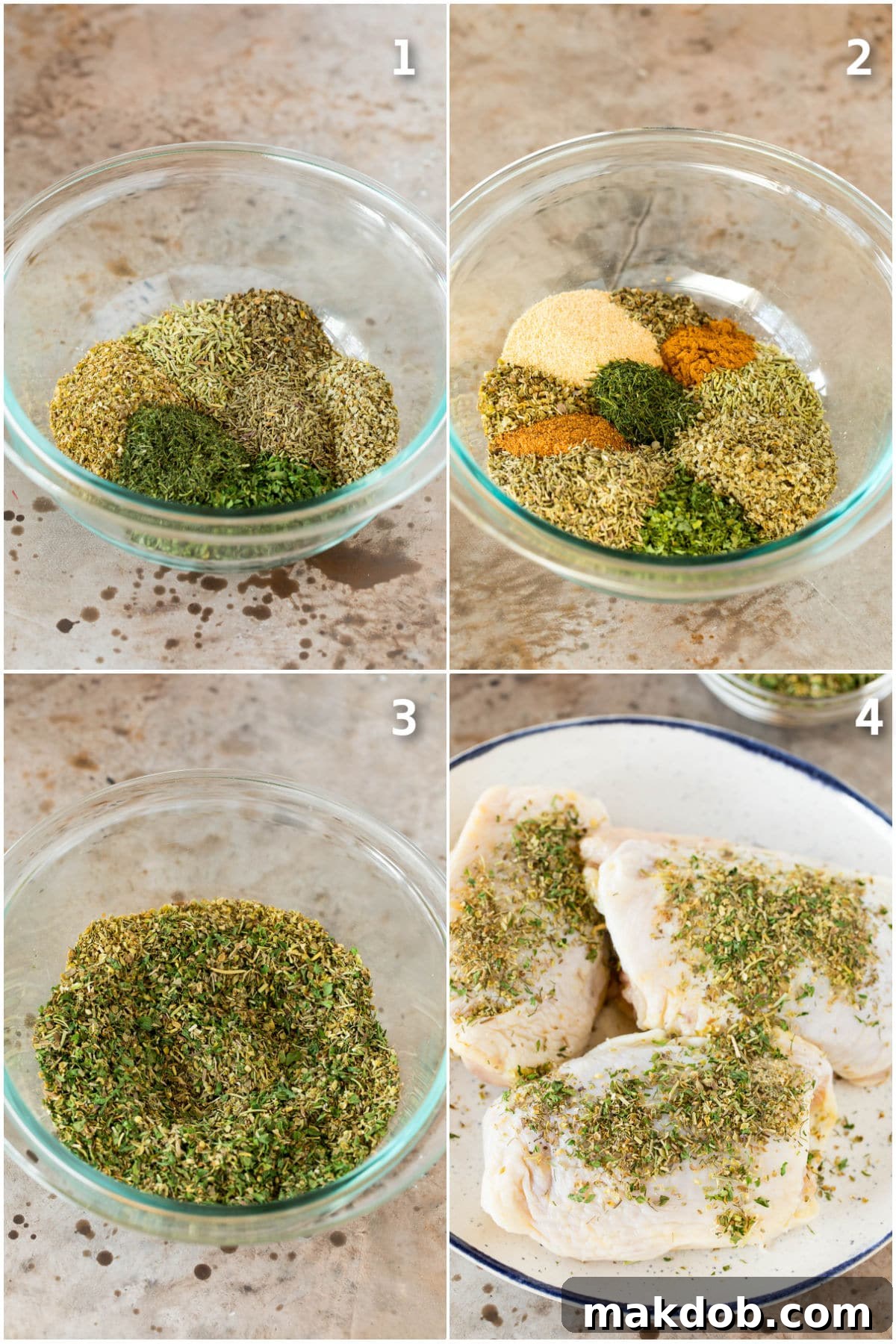
- Combine Ingredients: Gather all the specified dried herbs and spices. Place them together in a medium-sized mixing bowl.
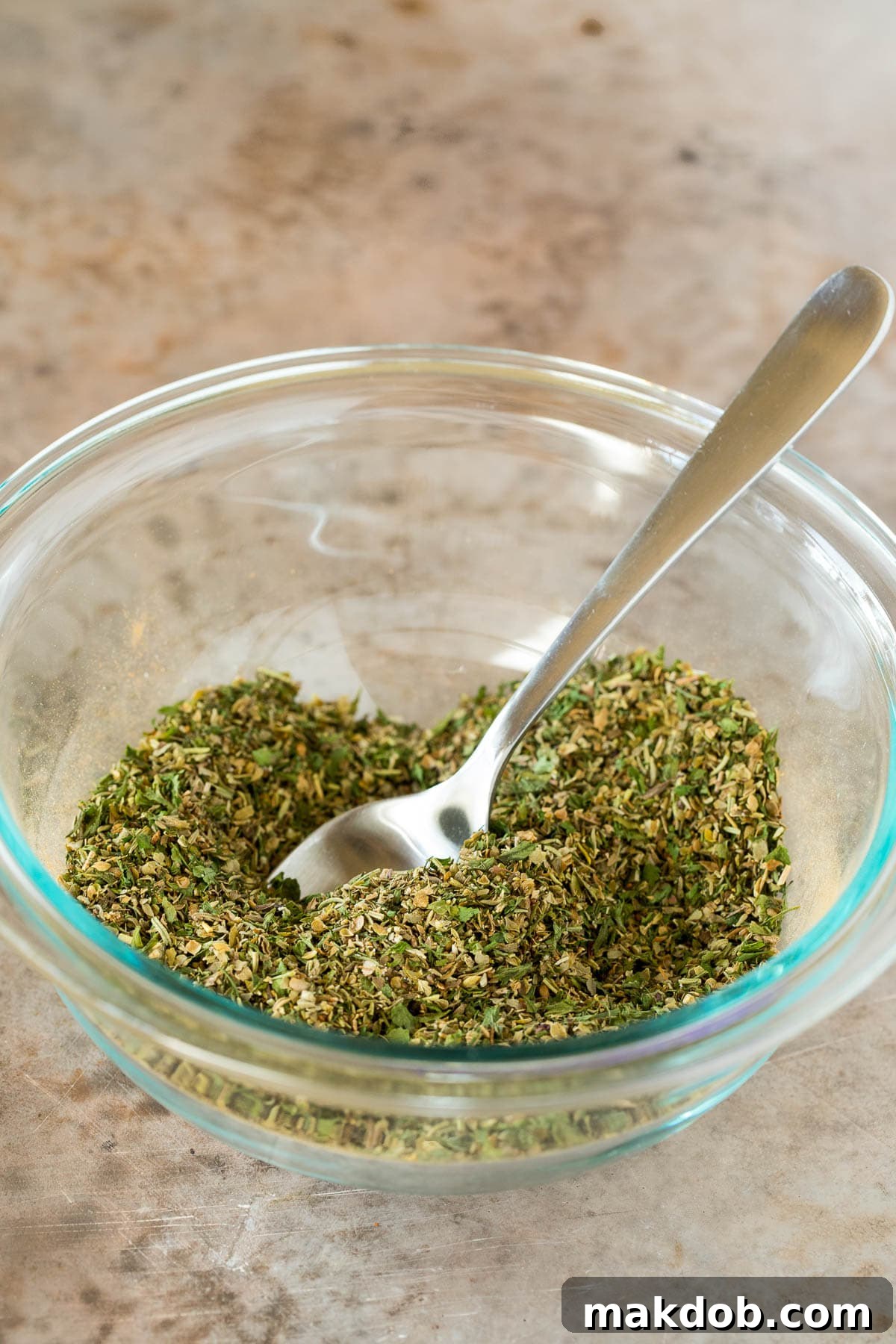
- Mix Thoroughly: Using a spoon or whisk, stir all the ingredients until they are thoroughly combined and evenly distributed. This ensures that every pinch of seasoning delivers a consistent flavor profile.
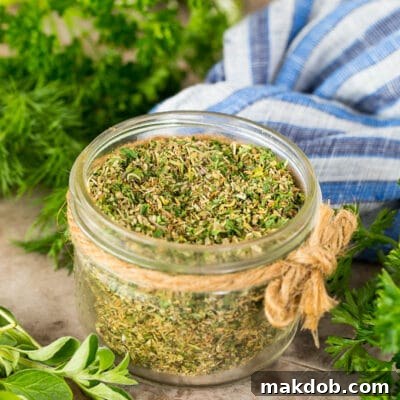
- Store or Use Immediately: Your homemade Greek seasoning is now ready to use! For storage, transfer the blend to an airtight jar or container. Store it in a cool, dark place, away from direct sunlight and heat, to preserve its freshness and potency for up to 4 months.
Tips for the Perfect Spice Blend and Optimal Flavor
To ensure your homemade Greek seasoning is always at its best and provides the most vibrant flavors to your dishes, consider these key tips:
- Batching for Convenience: This recipe is easily scalable. Feel free to double or triple the quantities to ensure you always have a fresh supply of this versatile seasoning in your pantry. Making larger batches saves time in the long run.
- Freshness Matters: Dried herbs and spices are not immortal; their essential oils and aromatic compounds diminish over time, leading to a loss of flavor and potency. For the best results, aim to use herbs and spices that have been purchased within the last 2-3 months. Older spices are still safe to consume but won’t deliver the vibrant punch you desire. A good rule of thumb is to replace ground spices every 6-12 months and whole spices every 1-2 years.
- Usage Guidelines: As a general starting point, use 1-2 teaspoons of this Greek seasoning per pound of meat (like chicken, lamb, or beef) or vegetables (such as potatoes). If you’re incorporating the seasoning into a marinade, it’s advisable to use a slightly higher amount, around 2 teaspoons per pound, as some of the seasoning may not fully adhere to the food during the marinating process. Always adjust to your personal taste preference.
Frequently Asked Questions About Greek Seasoning
- What is a good substitute for Greek seasoning?
- If you find yourself in a pinch and need Greek seasoning but don’t have time to whip up a batch, Italian seasoning can serve as a reasonable substitute. While it won’t be an exact match, it shares many of the same core Mediterranean herbs like oregano, basil, and thyme, providing a similar aromatic profile.
- What herb is used the most in Greek cooking?
- Without a doubt, Mediterranean oregano is one of the most commonly used and iconic herbs in Greek cooking. Its robust, earthy flavor is deeply intertwined with traditional Greek dishes.
- What does Greek seasoning contain?
- This versatile spice mix typically contains a harmonious blend of common Mediterranean herbs such as parsley, basil, oregano, dill, and thyme. It often includes other aromatic ingredients like onion powder and garlic powder for savory depth, and sometimes a hint of warm spices like cinnamon or nutmeg for a unique sweet-savory balance.
- Is Greek seasoning spicy?
- Traditional Greek seasoning is generally not spicy. It focuses on aromatic herbs and warm spices rather than heat. If you prefer a spicy kick, you can always add a pinch of red pepper flakes to your dishes.
- Can I use fresh herbs instead of dried?
- While fresh herbs offer a brighter flavor, the quantities and ratios in this recipe are formulated for dried herbs, which are more concentrated. If substituting fresh, you’ll typically need to use about three times the amount of fresh herbs compared to dried, and adjust the moisture content of your recipe accordingly.
Unleashing the Flavors: How to Use Your Greek Seasoning
The beauty of this homemade Greek seasoning lies in its incredible versatility. A single jar opens up a world of culinary possibilities, allowing you to infuse countless dishes with the sun-drenched flavors of the Mediterranean. Here are just a few ideas to get you started:

- Chicken: Create an unforgettable marinade by combining 1/2 cup olive oil, 1/4 cup fresh lemon juice, 1 teaspoon lemon zest, 2 teaspoons minced garlic, 2 teaspoons Greek seasoning, 1 teaspoon salt, and 1/2 teaspoon black pepper. Add chicken thighs, breasts, or drumsticks to this fragrant mixture and allow them to marinate for at least one hour, or ideally up to 8 hours for maximum flavor. Grill, bake, or pan-fry until perfectly cooked and golden.
- Beef: Transform beef cubes into tender, flavorful skewers. Rub the beef generously with olive oil, then sprinkle with Greek seasoning, salt, and pepper. Thread the seasoned meat onto skewers with your favorite vegetables like bell peppers and onions, then grill or bake until beautifully charred and cooked to your desired doneness.
- Seafood: Craft a quick yet impactful marinade for one pound of shrimp or firm white fish. Whisk together 1/4 cup olive oil, 2 tablespoons lemon juice, 1 teaspoon lemon zest, 2 teaspoons of the seasoning mix, and a pinch of salt and pepper. Add the seafood to the marinade and let it soak for 1-2 hours. Grill, bake, or pan-sear for a light and delicious meal.
- Potatoes: Achieve crispy, golden Greek-style potatoes. Coat one pound of diced potatoes with 3 tablespoons olive oil, 1 teaspoon salt, and 2 teaspoons Greek seasoning. Roast at 400 degrees F (200 degrees C) for 25-30 minutes, or until they are deliciously brown and crispy on the outside and tender on the inside.
- Vegetables: Elevate any vegetable to a gourmet side dish. Toss your favorite vegetables (such as zucchini, bell peppers, eggplant, or broccoli) with a generous drizzle of olive oil, then liberally sprinkle with this Greek seasoning and a little salt. Grill or roast until tender-crisp. Finish with a squeeze of fresh lemon juice for an extra burst of brightness.
- Salad Dressings: Whisk a teaspoon of Greek seasoning into your homemade vinaigrette for a refreshing and authentic Greek salad dressing.
- Dips and Spreads: Stir into Greek yogurt or hummus for an instant flavor boost, perfect for appetizers or healthy snacks.
- Feta Cheese: Sprinkle over crumbled feta cheese with a drizzle of olive oil for a simple, elegant appetizer.
With a jar of homemade Greek seasoning in your kitchen, the culinary possibilities are truly endless. This simple spice mix has the power to take almost any meal from ordinary to extraordinary, infusing it with the rich, inviting essence of the Mediterranean.
More Mediterranean Style Recipes You’ll Enjoy
- Greek Chicken and Potatoes
- Chicken Souvlaki
- Greek Salmon Salad
- Tzatziki
- Spanakopita
Greek Seasoning Recipe
Greek Seasoning
This Greek seasoning is a blend of dried herbs and spices that adds tons of flavor to chicken, seafood, lamb and vegetables. Greek spice mix only takes minutes to make, and is great to have on hand for easy dinners.
Ingredients
- 1 tablespoon dried basil
- 2 tablespoons dried oregano
- 1 teaspoon garlic powder
- 3/4 teaspoon onion powder
- 1 tablespoon dried dill
- 1 1/2 teaspoons dried rosemary
- 2 tablespoons dried parsley
- 2 teaspoons dried thyme
- 1/4 teaspoon cinnamon
- 1/4 teaspoon nutmeg
- 1 tablespoon dried marjoram
Instructions
-
Place all of the ingredients in a medium bowl. Stir everything together until it is well combined.
-
Use immediately, or transfer to an airtight container or jar.
Notes
- This seasoning will stay fresh in a sealed container for up to 4 months.
- Be sure to check the expiration labels on your pantry jars of herbs before you start to prepare this recipe, as expired herbs are edible, but will not be as flavorful.