
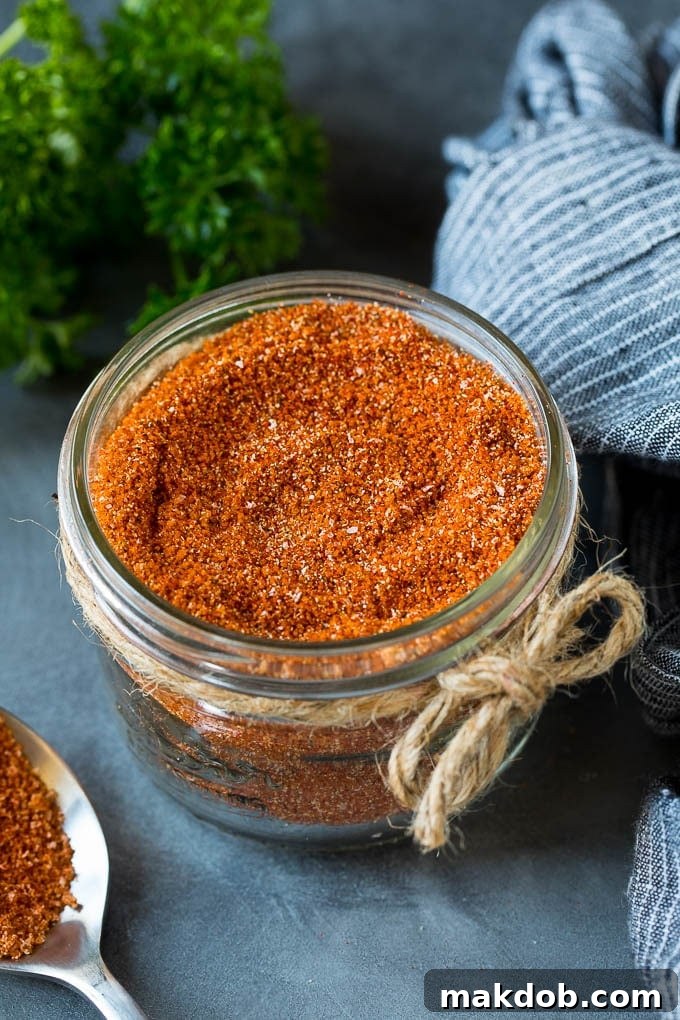
Ultimate Homemade Brisket Rub: Your Secret to Flavorful BBQ Perfection
Transform your barbecue with the ultimate homemade brisket rub! This expertly crafted blend of spices is designed to elevate not just beef brisket, but also chicken, pork, and fish, delivering an unforgettable depth of flavor. Whether you’re grilling, roasting, braising, or smoking, this versatile seasoning is your secret weapon for culinary excellence. You can even sprinkle it on vegetables and potatoes for a delightful savory kick.
When planning to feed a crowd or simply aiming for an extraordinary family meal, preparing a large cut of meat like prime rib, beef tenderloin, or a hearty brisket is always a great choice. The cornerstone of a truly exceptional brisket, or any magnificent cut of meat for that matter, is an outstanding rub. This particular recipe takes only minutes to prepare, yet it promises to imbue your meat with layers of sweet and savory notes that will have everyone asking for your secret.
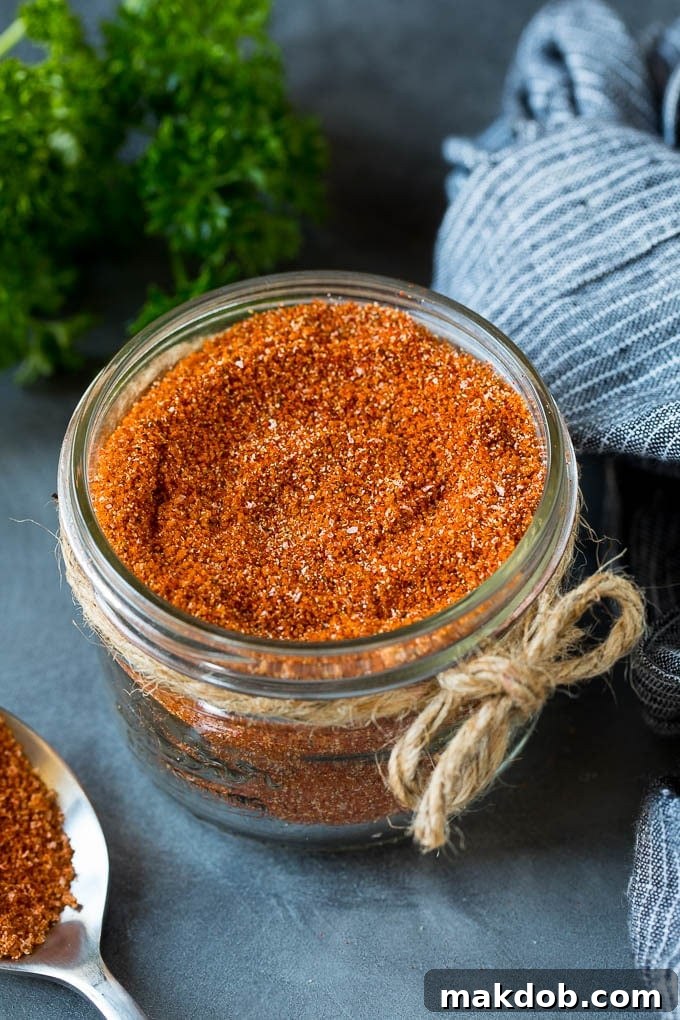
Brisket, known for its rich flavor and affordability, is an ideal choice for both everyday family dinners and special celebratory occasions. To truly unlock its potential, a well-balanced brisket rub is indispensable. Our proprietary blend combines a harmonious variety of spices, striking the perfect balance between sweetness and savory richness, ensuring every bite is moist, tender, and incredibly flavorful. This rub not only seasons the meat but also helps to create that coveted “bark” during the cooking process, trapping juices and enhancing texture.
Why a Brisket Rub is Essential for BBQ Mastery
A quality brisket rub does far more than just add flavor to the surface of your meat. It plays a critical role in the entire cooking process, contributing to tenderness, moisture retention, and the development of a delicious crust. The combination of salt, sugar, and various spices creates a dynamic flavor profile that penetrates the meat, tenderizing it from the outside in. The sugar caramelizes during cooking, forming a beautiful, dark bark that is characteristic of perfectly cooked brisket. This bark isn’t just for show; it locks in the natural juices, resulting in a moist, succulent interior that truly melts in your mouth.
Using a rub also allows for incredible customization. While marinades add moisture and flavor, they often penetrate only the very surface. A dry rub, when applied generously and given time to work its magic, draws moisture from the meat’s surface, mixes with the spices, and creates a flavorful paste that reabsorbs, infusing the meat deeply with its aromatic goodness. This process, known as osmosis, is key to achieving that deep, all-encompassing flavor that defines great barbecue.
How to Make the Perfect Homemade Brisket Rub
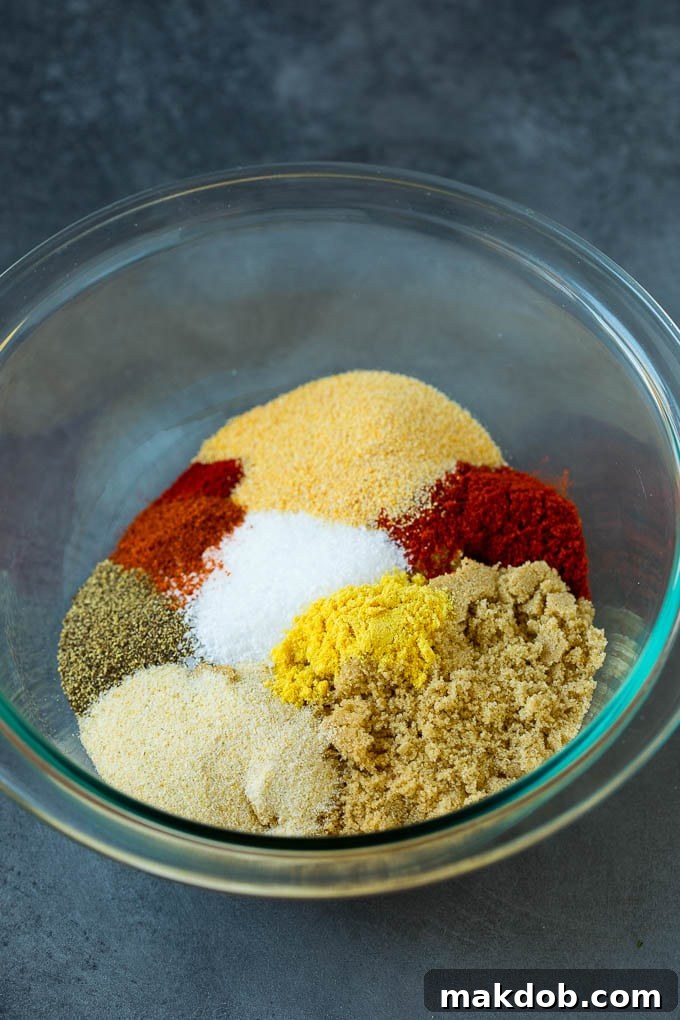
Crafting this exceptional brisket rub is remarkably simple, requiring just a few common pantry staples and minimal effort. The secret lies in the thoughtful combination of sweet and savory elements, enhanced by aromatic spices and a hint of heat. Our core recipe features a blend of brown sugar, two types of paprika (including the crucial smoked variety), salt, black pepper, garlic powder, onion powder, and a touch of mustard powder. For those who appreciate an extra kick, cayenne pepper rounds out the profile beautifully.
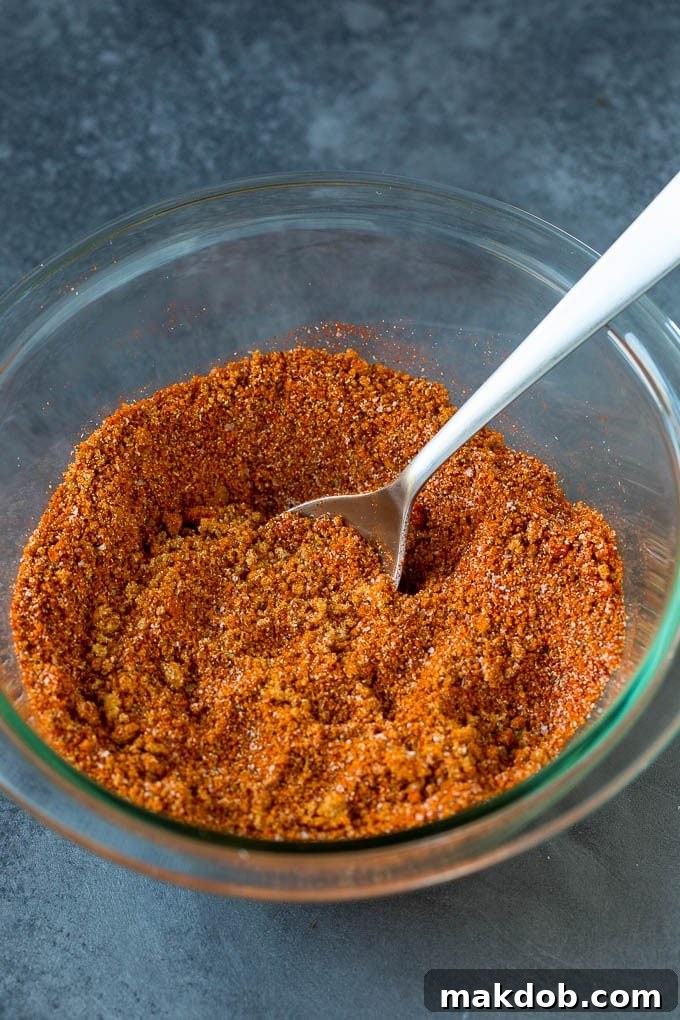
To prepare your rub, simply measure out all the specified ingredients into a mixing bowl. Use a whisk or a spoon to thoroughly combine them, ensuring that the brown sugar lumps are broken up and all spices are evenly distributed. This uniformity is important for consistent flavor application. Once mixed, your rub is ready for immediate use. For optimal convenience, consider making a larger batch to store, ensuring you always have this fantastic seasoning on hand for your next culinary adventure.
Pro Tips for Mastering Your Brisket Rub
- Storage for Longevity: This homemade rub will maintain its freshness and potency for up to 4 months when stored in a cool, dry place in a sealed, airtight container. Making a double or triple batch is a smart move, ensuring you’re always prepared for impromptu BBQs or meal prep sessions.
- The Power of Smoked Paprika: Do not underestimate the transformative power of smoked paprika. Its rich, smoky depth is irreplaceable and adds a fundamental layer of flavor that regular paprika simply cannot replicate. Smoked paprika is widely available in the spice aisle of most grocery stores, so don’t be tempted to substitute it for more of the plain variety.
- Beyond Brisket: Universal Appeal: This versatile rub isn’t limited to just brisket. Experiment with it on other cuts of meat such as pork or beef ribs, chicken (whole, breasts, or thighs), pork tenderloin, or pork shoulder. It’s also fantastic on roasted root vegetables, sweet potatoes, or even sprinkled over popcorn for a savory snack.
- Freshly Ground Black Pepper: For maximum aroma and a more vibrant, pungent flavor, always opt for freshly ground black pepper. The difference between pre-ground and freshly ground pepper is substantial, elevating the overall quality of your rub.
- Quality Spices Matter: While convenience is great, the quality of your spices directly impacts the flavor of your rub. Seek out fresh, potent spices from reputable sources. Spices lose their potency over time, so if your spices have been sitting in the pantry for years, it might be time for a refresh.
- Spice Grinder for Finer Texture: For a more uniform and fine consistency, consider using a dedicated spice grinder (or a clean coffee grinder). This ensures all ingredients are perfectly blended, leading to better adhesion and more even flavor distribution on your meat.
Applying the Rub: How Long Should It Be On Brisket?
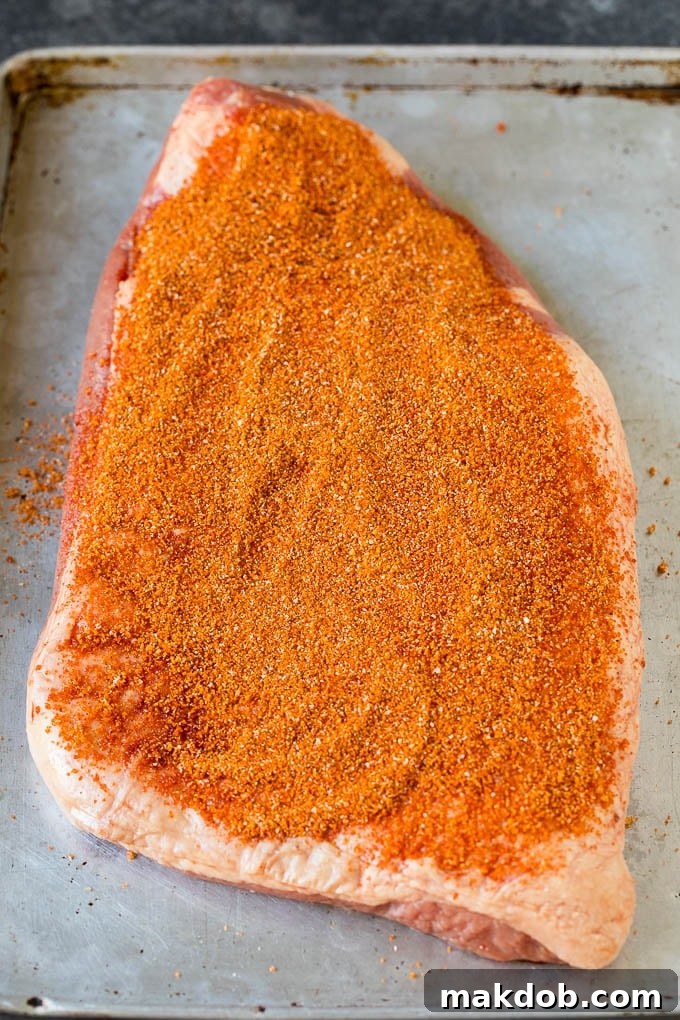
Proper application of the rub is just as important as the rub itself. Begin by patting your brisket dry with paper towels; this helps the rub adhere better and promotes a crispier bark. Then, generously apply the rub over every surface of the meat. Don’t be shy – aim for a thick, even coating. Use your hands to gently massage the rub into the brisket, ensuring every crevice is covered. This tactile process helps the spices bond with the meat’s surface, setting the stage for deep flavor penetration.
The duration for which the dry rub should sit on the brisket can vary depending on your schedule and desired intensity. For a quick cook, you can apply the rub right before cooking. However, for truly exceptional results, allowing the rub to sit on the meat for an extended period, typically between 4 to 24 hours, is highly recommended. This “resting” period allows the salt in the rub to draw out moisture from the meat, forming a flavorful brine that then reabsorbs, carrying the spices deeper into the muscle fibers. This process not only enhances flavor but also contributes to the meat’s tenderness.
If you plan to sear or brown your brisket before a long, slow cook, it’s crucial to be mindful of the sugar content in the rub. Sugar can burn quickly at high temperatures, leading to an undesirable bitter taste and blackened crust. In such cases, it’s best to brown the meat first, then apply the rub before transitioning to a lower temperature cooking method. Alternatively, if browning is part of your method, consider a “reverse sear” where the rub is applied, the meat is cooked low and slow, and then quickly seared at the very end to achieve a crust.
Cooking Brisket to Perfection: Methods and Tips
Achieving a perfectly tender, flavorful brisket relies on a long cooking time at a low temperature, regardless of the method you choose. This slow process breaks down the tough connective tissues in the brisket, transforming it into that coveted melt-in-your-mouth texture. Here are three primary methods for cooking brisket, each with its unique advantages:
1. Smoking Brisket for Unmatched Flavor
Smoking is often considered the pinnacle of brisket cooking, imparting a deep, smoky flavor and a beautiful smoke ring. My favorite recipe for smoked brisket guides you through the process, but the general principle involves maintaining a consistent low temperature (around 225-275°F or 107-135°C) for many hours, sometimes up to 12-18 hours, depending on the size of the brisket. Wood choice is crucial; oak, hickory, or mesquite are classic choices for beef. During the cook, many pitmasters employ techniques like spritzing the meat with apple cider vinegar or broth to keep it moist, and wrapping it in butcher paper or foil (the “Texas crutch”) once it hits the “stall” (around 150-170°F internal temperature) to push it through to tenderness. The goal internal temperature for tenderness is typically 200-205°F (93-96°C).
2. Slow Cooker Brisket for Effortless Tenderness
For a hands-off approach that guarantees tender results, the slow cooker is an excellent option. After generously coating your brisket with this delicious rub, place it in your slow cooker. For added moisture and flavor, you can simmer it in a cup or two of beef broth, your favorite barbecue sauce, or a combination. Cook on low heat for 8-10 hours, or until the brisket is fork-tender. This method is fantastic for busy days, allowing you to set it and forget it, returning to a house filled with the aroma of slow-cooked goodness.
3. Oven-Baked Brisket: A Reliable Indoor Option
Don’t have a smoker or slow cooker? The oven can produce equally delicious results. Start by coating the brisket thoroughly with this rub and a layer of your preferred barbecue sauce. Place it in a sturdy roasting pan, ideally on a rack to allow heat circulation, and add a small amount of liquid (like beef broth or water) to the bottom of the pan to create a moist environment. Cover the pan tightly with foil to trap steam, which helps tenderize the meat. Bake at a low temperature, around 300°F (150°C), for approximately 3-5 hours, or until it reaches the desired internal temperature and tenderness. The exact time will depend on the size and thickness of your brisket. For a crispier finish, you can remove the foil for the last 30 minutes of cooking.
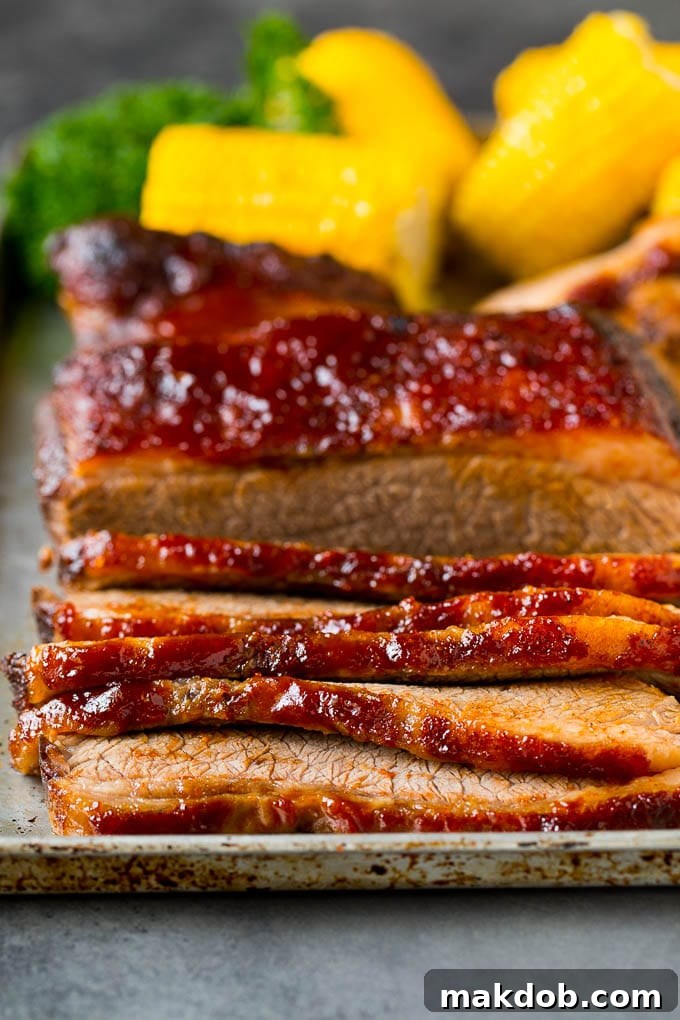
Regardless of your chosen cooking method, remember to always rest your brisket after cooking. Tent it loosely with foil for at least 30 minutes, or even up to an hour. This allows the juices to redistribute throughout the meat, resulting in a more succulent and flavorful final product.
Unleashing Creativity: Exciting Brisket Rub Flavor Variations
While this brisket rub recipe is perfection as written, one of the greatest joys of cooking is customization. Feel free to experiment with different flavor profiles to perfectly match your personal taste or the occasion. Here are some exciting variations to inspire your culinary creativity:
- Spicy BBQ Rub: For those who crave heat, infuse your rub with an extra kick. Add 1/2 to 1 teaspoon of crushed red pepper flakes or ground chipotle pepper to the mix. For a deeper, smoky heat, consider adding ancho chili powder. If you’re feeling adventurous, a pinch of habanero powder can take it to the next level.
- Garlic Lovers Rub: If garlic is your passion, double the amount of garlic powder in the recipe. For an even more intense garlic flavor, you could also add a teaspoon of granulated garlic (which is slightly different from garlic powder) or even a small amount of dried minced garlic, though this might slightly alter the texture.
- Mexican-Inspired Rub: Transform your brisket with vibrant Mexican flavors. Add 1 tablespoon of chili powder, 1 teaspoon of ground cumin, and 1 teaspoon of ground coriander to the base recipe. A pinch of dried oregano and a touch of lime zest (if using immediately) can further enhance this profile, perfect for tacos or burritos.
- Coffee Rub: For a bold, rich, and surprisingly delicious twist, add 1-2 tablespoons of finely ground coffee (dark roast works wonderfully) to the rub. Coffee enhances the savory notes of beef and creates an incredibly dark, appealing bark.
- Herbaceous Rub: Introduce an aromatic freshness by incorporating dried herbs. Try adding 1 teaspoon each of dried rosemary and thyme, finely crushed, to the basic rub. This pairs wonderfully with beef and offers a more sophisticated flavor profile.
- Mediterranean Twist: For a departure from traditional BBQ, add 1 teaspoon of dried oregano, 1/2 teaspoon of dried mint, and a pinch of ground cinnamon to your rub. This creates a unique and fragrant seasoning, perfect for lamb or even chicken.
Final Thoughts: Elevate Your Cooking with This Brisket Rub
This meticulously balanced brisket rub is more than just a seasoning; it’s a game-changer that transforms regular cuts of meat into something truly extraordinary. Its versatility and robust flavor profile make it an indispensable addition to any kitchen, capable of enhancing a wide array of dishes beyond just brisket. You’ll undoubtedly find yourself reaching for this spice blend again and again for countless different culinary applications, from weeknight dinners to festive gatherings. Master this rub, and you’ll master the art of flavorful, tender meats every time.
More Recipes You’ll Enjoy
- BBQ Spice Rub
- Smoked Pork Tenderloin
- Juicy Smoked Chicken
- Smoked Pulled Pork
- BBQ Smoked Ribs
Brisket Rub Recipe
Author: Sara Welch
This brisket rub is a blend of barbecue spices that pairs perfectly with beef, as well as chicken, pork and fish. It’s great for grilled, roasted, braised or smoked brisket, and you can even use it on vegetables and potatoes.
Prep Time: 5 minutes
Cook Time: 1 minute
Total Time: 6 minutes
Course: Seasoning
Cuisine: American
Servings: 12 (This recipe yields enough rub for approximately 12 servings of brisket, depending on application.)
Ingredients
- 1/3 cup brown sugar
- 2 tablespoons paprika
- 1 tablespoon smoked paprika
- 2 1/2 teaspoons black pepper, freshly ground
- 1 tablespoon kosher salt
- 1 tablespoon garlic powder
- 1 tablespoon onion powder
- 3/4 teaspoon mustard powder
- 1/4 teaspoon cayenne pepper
Instructions
- Mix all of the ingredients together thoroughly. Stir until well combined and store in an airtight container until ready to use.
- This brisket rub will keep fresh for up to 4 months in an airtight container when stored in a cool, dry place away from direct light and heat.
Nutrition (per serving of rub)
- Calories: 53kcal
- Carbohydrates: 12g
- Sodium: 388mg
- Potassium: 138mg
- Fiber: 1g
- Sugar: 9g
- Vitamin A: 2300IU
- Vitamin C: 0.2mg
- Calcium: 23mg
- Iron: 1.2mg
Nutrition values are estimates and may vary based on specific ingredient brands and preparation.
Share Your Creation!
Did you make this recipe? Tag @dinneratthezoo on Instagram and hashtag it #dinneratthezoo to share your delicious results with the community!
Share it with the world:
Facebook |
Twitter |
Pinterest