
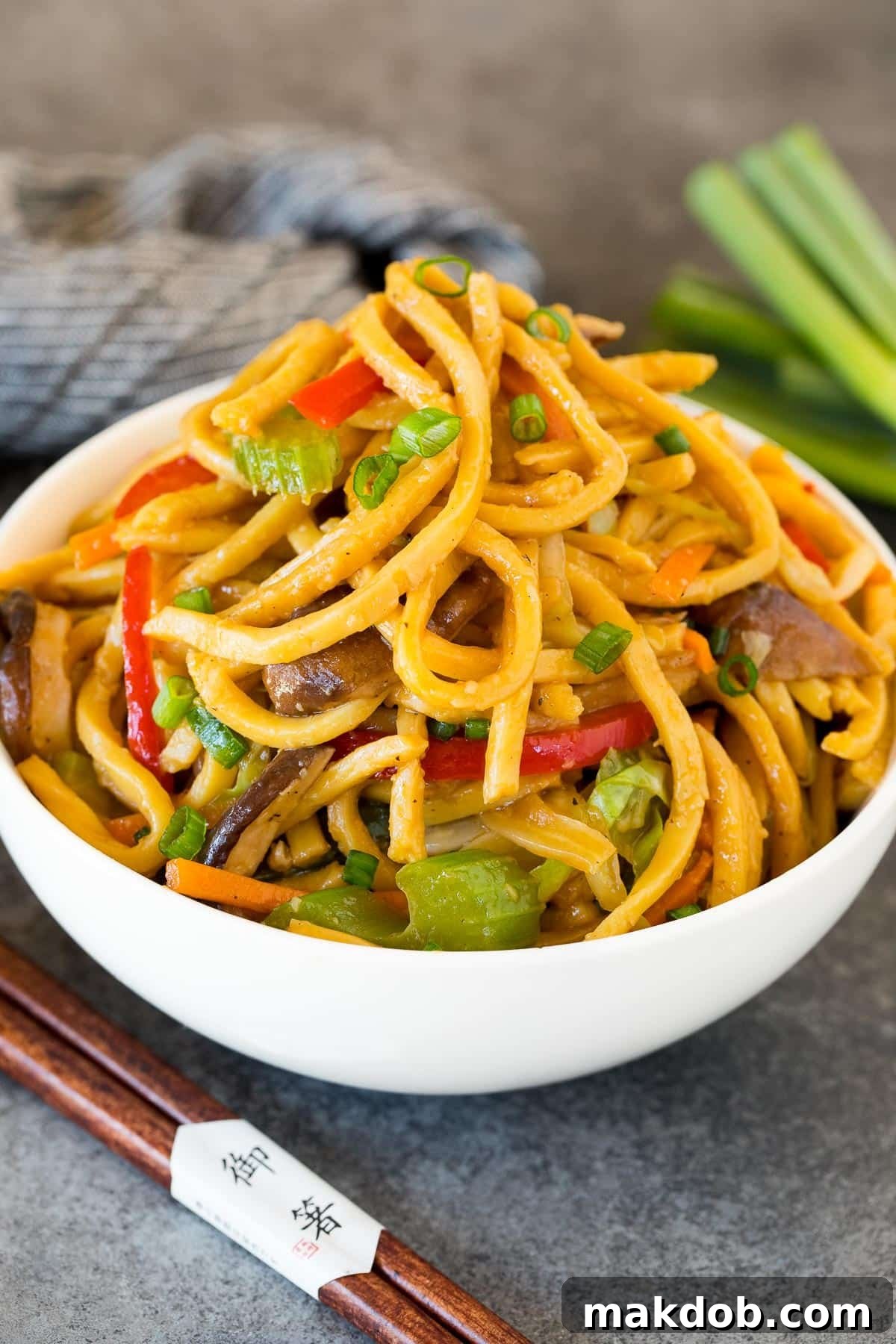
Welcome to the ultimate guide for creating the most delicious, restaurant-quality vegetable lo mein right in your own kitchen! Forget the takeout menus; this recipe brings vibrant, fresh noodles tossed with a medley of colorful vegetables in a rich, savory sauce directly to your table. It’s a simplified, healthier, and incredibly satisfying remake of a beloved classic that tastes like it came straight from your favorite Asian eatery.
As a passionate home cook, I often recreate my family’s most cherished restaurant dishes. From the zesty Thai basil chicken and hearty almond chicken stir-fry to the delightful sweet and sour pork, bringing these flavors home is always a joy. This easy vegetable lo mein holds a special place, offering a fantastic way to enjoy a wholesome, flavor-packed meal on any given night.
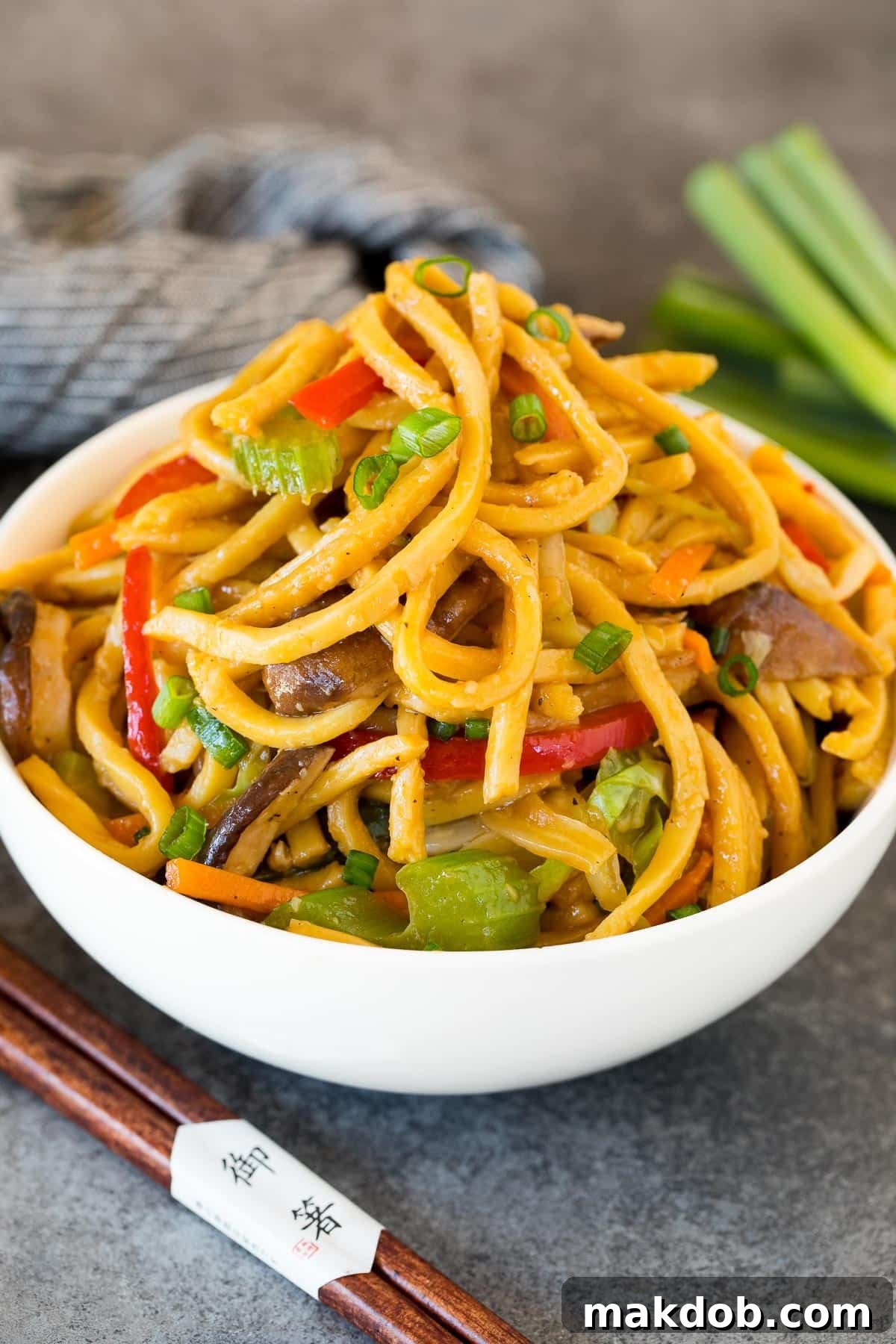
There’s something uniquely comforting about long, slurpable noodles perfectly intertwined with an abundance of crisp-tender vegetables. Whenever I’d order takeout, vegetable lo mein was a non-negotiable. The good news? Crafting this incredible dish at home is far simpler than you might imagine, and the results are truly spectacular. You gain complete control over the ingredients, ensuring freshness and allowing for endless customization to suit your palate and dietary needs.
Why You’ll Love This Homemade Vegetable Lo Mein
Making vegetable lo mein from scratch offers a multitude of benefits that elevate it far beyond your average takeout order. Here’s why this recipe will become a new favorite in your culinary repertoire:
- Unbeatable Freshness: You control every ingredient, from the crispness of the vegetables to the quality of the noodles, ensuring a fresh and vibrant meal every time.
- Healthier Alternative: Skip the excessive oils and sodium often found in restaurant versions. This recipe allows you to manage fat content and seasonings, making it a nutritious choice.
- Cost-Effective: Preparing lo mein at home is significantly more economical than ordering it from a restaurant, allowing you to enjoy this delicious meal more often without breaking the bank.
- Customizable to Perfection: Easily adjust the vegetables, protein, and sauce to your family’s preferences. It’s an excellent way to use up whatever fresh produce you have on hand.
- Quick and Easy: Despite its impressive appearance and taste, this dish comes together remarkably fast, making it ideal for busy weeknights when you crave something wholesome and satisfying.
What Exactly is Lo Mein? Exploring the Classic Dish
The term “lo mein” translates literally to “tossed noodles” in Cantonese, which perfectly describes this beloved Chinese-American dish. Unlike its stir-fried counterpart, chow mein, lo mein focuses on the noodles being tossed with the sauce and other ingredients rather than fried until crispy. This results in a softer, chewier noodle texture that beautifully absorbs the rich flavors of the sauce and pairs wonderfully with the fresh, tender vegetables.
While often grouped with chow mein, the key distinction lies in the cooking technique and noodle preparation. Chow mein typically involves frying pre-cooked noodles until they develop a crispy texture, often served underneath a saucy topping. Lo mein, however, features soft, boiled noodles that are gently mixed with the stir-fried vegetables and sauce at the very end, ensuring they remain tender and supple. Both dishes offer incredible flavor, but if you prefer a silky, saucy noodle experience, lo mein is undoubtedly the way to go.
Table of Contents
- Why You’ll Love This Homemade Vegetable Lo Mein
- What Exactly is Lo Mein? Exploring the Classic Dish
- Essential Ingredients for Flavorful Vegetable Lo Mein
- Choosing Your Vegetables
- Selecting the Perfect Noodles
- Crafting the Savory Lo Mein Sauce
- Step-by-Step: How to Make Restaurant-Style Vegetable Lo Mein at Home
- Pro Tips for Achieving Lo Mein Perfection
- Frequently Asked Questions About Vegetable Lo Mein
- Exciting Flavor Variations & Customization Ideas
- More Delicious Asian-Inspired Recipes to Explore
- The Ultimate Vegetable Lo Mein Recipe Card
Essential Ingredients for Flavorful Vegetable Lo Mein
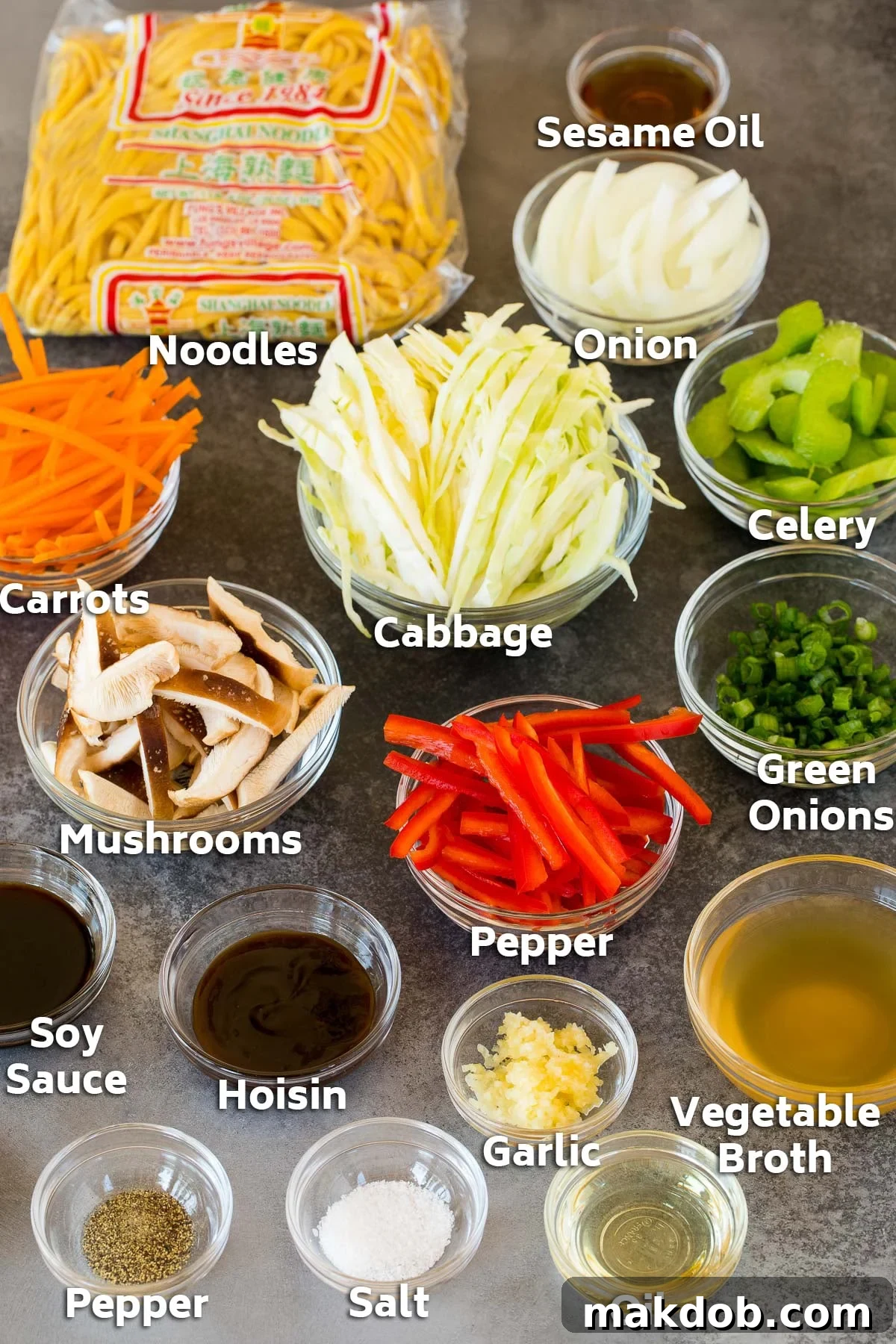
The beauty of this recipe lies in its simplicity and the accessibility of its ingredients. Many of these can be found at your local grocery store, with a few specialty items easily sourced from an Asian market or the international foods aisle.
Choosing Your Vegetables
The foundation of a great vegetable lo mein is a vibrant assortment of fresh produce. Traditional lo mein often features carrots, onions, celery, and cabbage. However, I love to elevate the dish with an even wider spectrum of colors and flavors, boosting both nutrition and visual appeal. Here are some of my top recommendations:
- Core Vegetables: Thinly sliced yellow onion, shredded or julienned carrots, thinly sliced celery, and finely shredded green cabbage form the essential base.
- Flavor and Color Boosters: Add red bell peppers (thinly sliced), shiitake mushrooms (stems removed, thinly sliced, for an authentic umami depth), and minced fresh garlic. Other fantastic additions include bok choy, zucchini, green beans, snow peas, or snap peas.
- Seasonal Variety: Don’t hesitate to incorporate seasonal vegetables. Broccoli florets, asparagus tips, or even thinly sliced Napa cabbage can make wonderful additions. Ensure all vegetables are sliced thinly and uniformly for even cooking.
Selecting the Perfect Noodles
The noodles are the heart of lo mein, and selecting the right kind makes all the difference for that authentic chewy texture.
- Fresh Asian-Style Egg Noodles: For the best results, I highly recommend using fresh Asian-style egg noodles. These are often labeled as “Shanghai noodles” or “lo mein noodles” and can typically be found in the refrigerated section of the produce aisle at larger grocery stores, or readily available at Asian markets. Their slightly thicker texture and egg content give them the perfect chewiness to soak up the sauce.
- Dry Noodle Alternatives: If fresh noodles are hard to come by, dry egg noodles or even dry ramen noodles (without the seasoning packet) can work well. Look for them in the international foods aisle. Cook them according to package instructions until al dente, then rinse with cold water to prevent sticking before adding to the stir-fry.
- Emergency Substitute: In a pinch, regular spaghetti or linguine can be used, though the texture will be slightly different. Cook al dente and rinse thoroughly.
Crafting the Savory Lo Mein Sauce
The sauce is what ties all the elements of lo mein together, creating that irresistible sweet and savory profile. This balanced blend coats every noodle and vegetable, delivering a burst of authentic Asian flavor.
- Base Liquids: Vegetable broth provides a rich foundation, while soy sauce (or tamari for a gluten-free option) delivers essential umami and saltiness.
- Sweet and Savory Depth: Hoisin sauce is a cornerstone of Asian cuisine, contributing a unique sweet, savory, and slightly tangy flavor. It’s often found in the international aisle of most supermarkets.
- Aromatic Finish: Sesame oil adds a distinctive nutty aroma and flavor, a must-have for authentic lo mein.
- Thickener: A touch of corn starch is crucial. It ensures the sauce perfectly clings to the noodles and vegetables, rather than simply pooling at the bottom of the pan. Whisk it in thoroughly with the cold liquids to prevent lumps.
Step-by-Step: How to Make Restaurant-Style Vegetable Lo Mein at Home
Creating this flavorful vegetable lo mein is a straightforward process, largely involving simple stir-frying and sauce preparation. Follow these steps for a perfect dish every time:
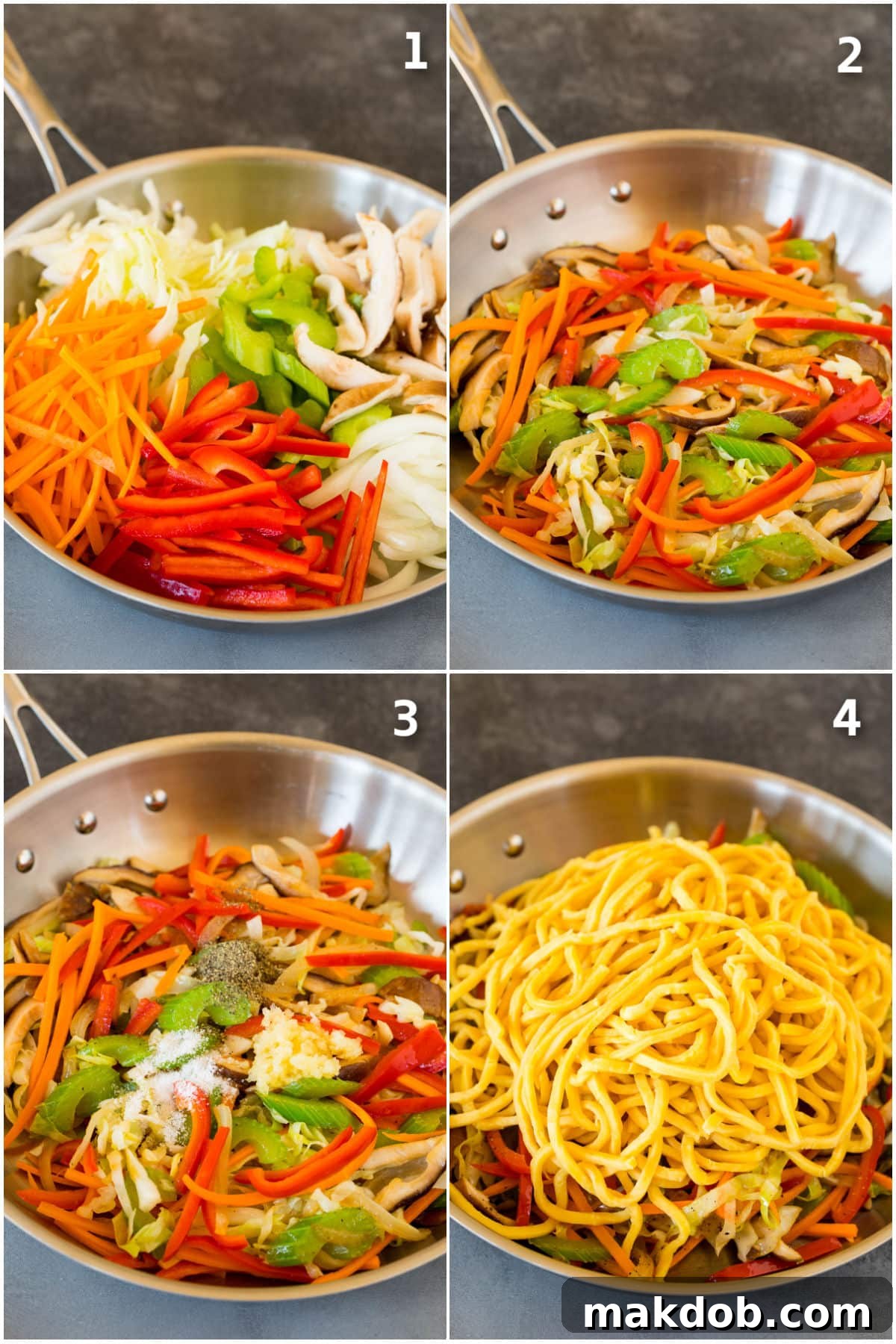
- Prep Your Ingredients: Before you start cooking, have all your vegetables thinly sliced or shredded, your garlic minced, and your noodles cooked according to package instructions (and drained). Whisk together all sauce ingredients in a separate small bowl. This mise en place is key for successful stir-frying.
- Sauté the Vegetables: Heat one tablespoon of vegetable oil in a large pan or wok over medium-high heat. Once shimmering, add the onions, carrots, celery, cabbage, mushrooms, and bell peppers. Stir-fry for about 4-5 minutes, or until the vegetables are just tender-crisp. Avoid overcooking, as they will continue to soften slightly.
- Add Garlic and Season: Stir in the minced garlic and cook for an additional 30 seconds until fragrant. Be careful not to burn the garlic. Season the vegetables lightly with salt and pepper to taste at this stage.
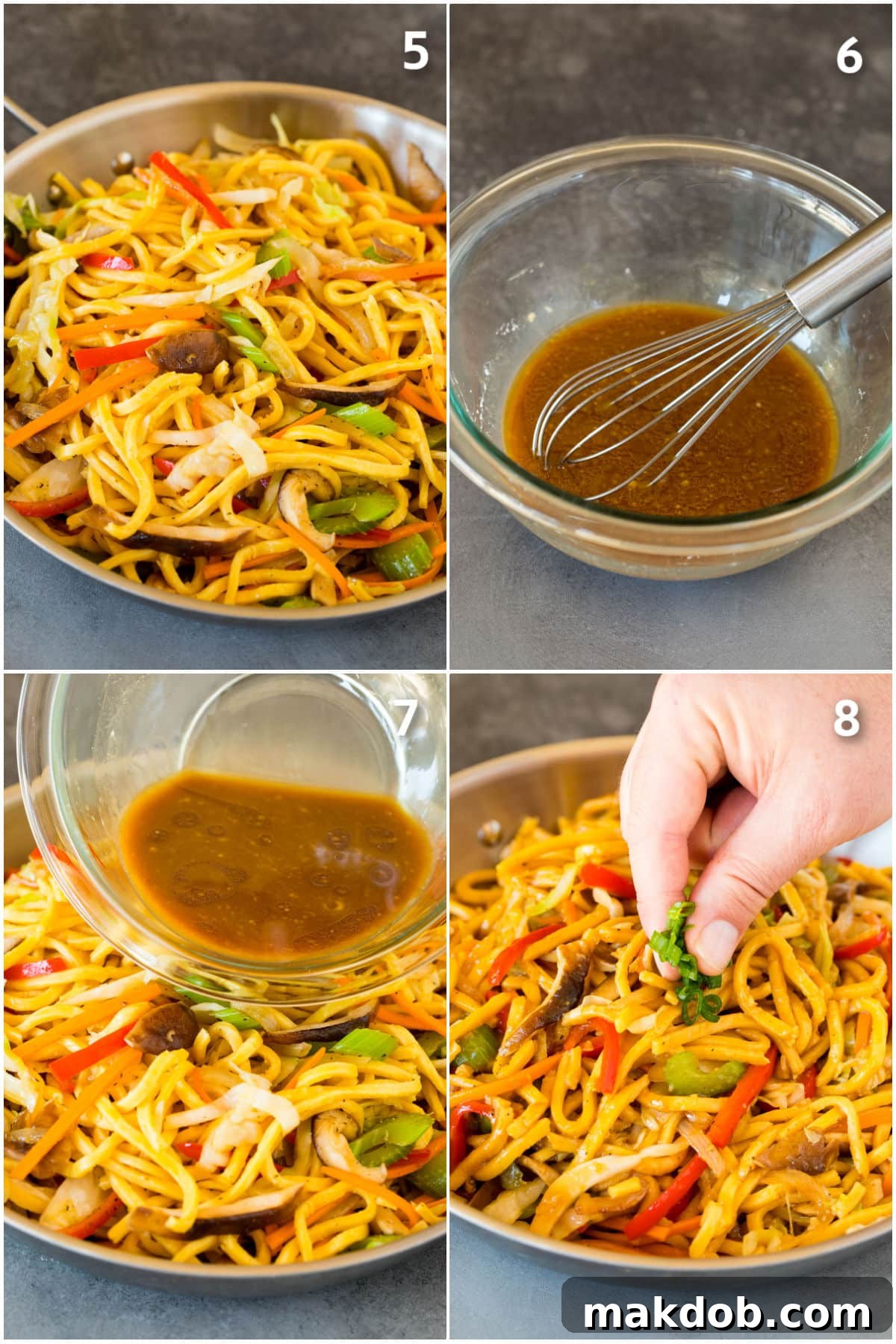
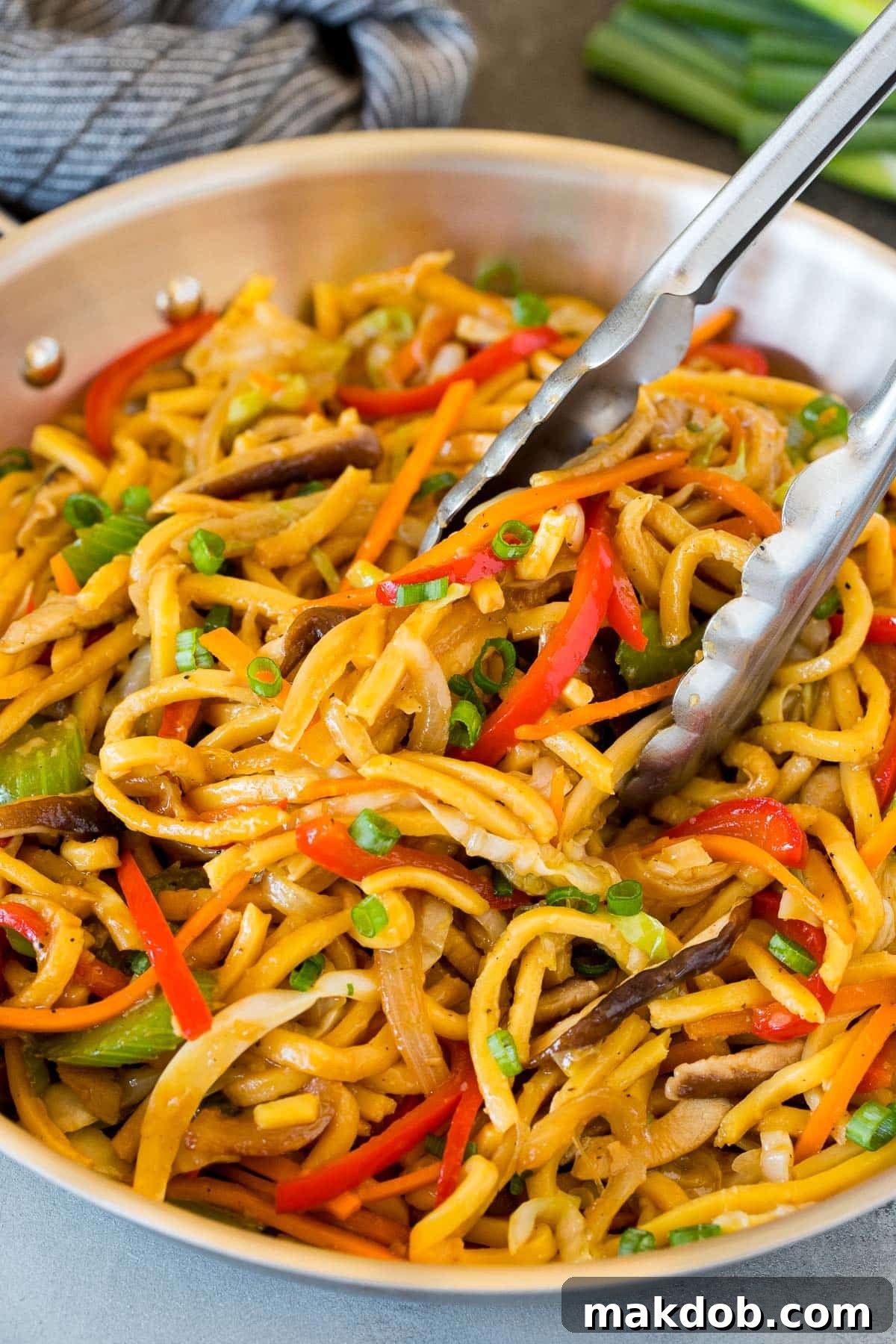
- Combine with Noodles: Add the pre-cooked and drained fresh noodles to the pan with the vegetables. Use tongs to gently toss and combine the noodles with the aromatic vegetables, ensuring everything is evenly distributed.
- Pour in the Sauce: Give your prepared sauce mixture another quick whisk (as corn starch can settle) and pour it evenly over the noodles and vegetables in the pan.
- Simmer and Thicken: Bring the sauce to a gentle simmer, continuously tossing the noodles and vegetables to coat them thoroughly. Cook for about 1 minute, or until the sauce has thickened just enough to beautifully cling to the noodles.
- Garnish and Serve: Remove from heat. Sprinkle with freshly sliced green onions for a final burst of flavor and color. Serve immediately and savor every delicious bite!
Pro Tips for Achieving Lo Mein Perfection
While the recipe is straightforward, a few expert tips can elevate your homemade vegetable lo mein from good to truly exceptional, making it taste even more like your favorite restaurant creation.
- Precision Slicing for Even Cooking: Use a mandoline or a very sharp knife to thinly slice your carrots, onions, celery, and cabbage. Uniformly thin slices ensure that all vegetables cook quickly and evenly, achieving that perfect tender-crisp texture. This also significantly speeds up cooking time, getting dinner on the table in no time!
- Optimal Mushroom Choice: For an authentic and deeply savory flavor, I highly recommend using shiitake mushrooms. Their earthy notes complement the sauce beautifully. If shiitakes aren’t available in your produce section, don’t fret; cremini mushrooms (also known as baby bellas) or even regular white button mushrooms make excellent substitutes, though the flavor profile will be slightly milder.
- Smart Storage for Leftovers: Vegetable lo mein makes fantastic leftovers. Store it in an airtight container in the refrigerator for up to 4 days. Keep in mind that the noodles will continue to absorb the savory sauce as they sit, making them even more flavorful, though potentially slightly softer. Reheat gently on the stovetop or in the microwave.
- Understanding Hoisin Sauce: Hoisin sauce is a cornerstone ingredient in this dish. It’s a rich, thick, and wonderfully complex Chinese condiment that balances sweet, savory, and tangy notes. You’ll typically find it in the international foods aisle of most major grocery stores, often near the soy sauce and other Asian ingredients. It’s truly indispensable for that signature lo mein flavor.
- Noodle Adaptations: If you’re struggling to find traditional fresh Asian-style noodles, don’t let it deter you. While fresh egg noodles offer the best texture, regular spaghetti can be a surprisingly good substitute in a pinch. Cook it al dente and rinse well after boiling to prevent sticking.
Frequently Asked Questions About Vegetable Lo Mein
The primary difference lies in the noodles and cooking method. Lo mein typically uses thicker, fresh egg noodles that are boiled and then tossed with the stir-fried ingredients and sauce. Chow mein, on the other hand, often uses thinner noodles that are fried until crispy, then a saucy topping (with vegetables and sometimes meat) is poured over them, or the noodles are stir-fried until slightly crisp.
Vegetable lo mein is hearty and satisfying enough to be served as a main course on its own. However, if you’re planning a more elaborate Asian-inspired meal or want some appetizer options, it pairs wonderfully with side dishes like homemade egg rolls, creamy crab rangoon, refreshing Asian cucumber salad, or a protein-rich dish like sesame chicken or tofu.
The name “lo mein” comes from the Cantonese phrase “lāu-mín” (捞面), which translates to “tossed noodles.” This accurately describes the cooking technique where the cooked noodles are tossed and mixed with the sauce and other ingredients, rather than stir-fried directly in the wok for crispiness.
Absolutely! To make it gluten-free, simply use tamari instead of regular soy sauce and ensure your hoisin sauce is certified gluten-free (some brands contain wheat). For a vegan version, all ingredients in this recipe are already plant-based, making it naturally vegan. Just double-check your noodles to ensure they are egg-free if strictly vegan, or use a wheat noodle alternative.
Yes, many components can be prepped in advance to make assembly even quicker. You can slice and shred all your vegetables and store them in an airtight container in the refrigerator for up to 2 days. The sauce can also be whisked together and stored in the fridge for up to 3-4 days. Cook the noodles just before serving for the best texture.
FOLLOW ME
Exciting Flavor Variations & Customization Ideas
This vegetable lo mein recipe is wonderfully versatile, serving as an excellent base for endless culinary creativity. While it’s fantastic as-is, feel free to experiment with these additions and tweaks to truly make the flavors your own:
- Protein Power-Up: Transform your lo mein into an even heartier main course by adding your favorite protein. Dice and sauté some firm tofu for a delicious plant-based option. If you eat meat, cooked chicken (sliced or shredded), succulent shrimp, or thinly sliced beef or pork are all excellent choices. Add cooked proteins towards the end of the stir-frying process to warm through and coat with sauce.
- Vegetable Wonderland: The sky is truly the limit when it comes to adding more vegetables. Beyond the suggested list, consider incorporating bean sprouts, bamboo shoots, water chestnuts for crunch, edamame for a protein boost, or additional leafy greens like spinach or chard. Always aim for a variety of colors and textures.
- Sauce Enhancements:
- Zesty Kick: Stir in a teaspoon of freshly grated ginger to the sauce mixture for an aromatic, pungent boost.
- Spice It Up: If you love a bit of heat, add a dash of sriracha, a pinch of red pepper flakes, or a teaspoon of chili garlic sauce to taste.
- Nutty Texture: Sprinkle some toasted sesame seeds into the sauce or as a garnish for an added layer of texture and nutty flavor.
- Citrus Brightness: A squeeze of fresh lime juice at the very end can brighten the entire dish.
- Aromatics: Beyond garlic, consider adding thinly sliced scallions or a touch of minced shallots to your vegetable stir-fry for more depth.
You’ll soon find yourself making this delightful vegetable lo mein on a regular basis. It’s not only loaded with incredible flavor but also offers a fantastic and delicious way to ensure everyone gets a generous serving of healthful vegetables!
More Delicious Asian-Inspired Recipes to Explore
Moo Shu Pork
Prep & Cook Time: 30 mins
A classic Chinese dish featuring shredded pork and vegetables, served with thin pancakes.
Sesame Noodles
Prep & Cook Time: 15 mins
Quick and easy cold noodles tossed in a rich, nutty sesame sauce, perfect as a side or light meal.
Easy Egg Drop Soup
Prep & Cook Time: 20 mins
A comforting and simple Chinese soup with delicate egg ribbons in a savory broth.
Kung Pao Beef
Prep & Cook Time: 30 mins
Spicy and flavorful Szechuan-style beef stir-fry with peanuts and vegetables.
Yakisoba Noodles with Chicken
Prep & Cook Time: 40 mins
Japanese-style stir-fried noodles with tender chicken and crisp vegetables in a savory sauce.
Love This Recipe?
Please leave a 5-star 🌟🌟🌟🌟🌟 rating in the recipe card below & a review in the comments section further down the page. Your feedback helps us share delicious recipes with more home cooks!
Vegetable Lo Mein
Pin Recipe
Sara Welch
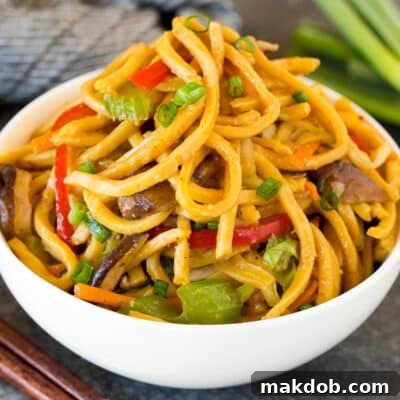
This vegetable lo mein is fresh noodles tossed with an assortment of colorful vegetables in a savory sauce. A remake of the take out classic that takes like it came straight from a restaurant!
10 minutes
12 minutes
22 minutes
Main
Asian
4
Ingredients
- 1 tablespoon vegetable oil
- 1/2 cup onion thinly sliced
- 1/2 cup carrots shredded or julienned
- 1/4 cup celery thinly sliced
- 1 cup green cabbage shredded
- 3/4 cup shiitake mushrooms stems removed, thinly sliced
- 1/2 cup red bell pepper thinly sliced
- 2 teaspoons minced garlic
- 10 ounces fresh noodles cooked according to package instructions
- 1/3 cup vegetable broth
- 2 tablespoons hoisin sauce
- 2 tablespoons soy sauce
- 1 tablespoon sesame oil
- 2 teaspoons corn starch
- 1/4 cup green onions sliced
- salt and pepper to taste
Instructions
- Heat the oil in a large pan over medium-high heat.
- Add the onions, carrots, celery, cabbage, mushrooms, and bell peppers to the pan and cook for 4 minutes or until just softened.
- Add the garlic and cook for 30 seconds. Season the vegetables with salt and pepper.
- Add the noodles to the pan, then toss to combine.
- In a separate bowl, whisk together the vegetable broth, hoisin sauce, soy sauce, sesame oil, and corn starch.
- Pour the sauce into the pan and bring it to a simmer. Cook for 1 minute or until the sauce is just thickened. Sprinkle with green onions, then serve.
Notes
- Vegetable lo mein will stay fresh in the refrigerator for up to 4 days. Keep in mind that the noodles will continue to absorb the sauce as they sit in the fridge.
- I find that fresh noodles work best, such as Asian style egg noodles. Many grocery stores sell Asian noodles in the refrigerated area of the produce section, or you can purchase them at an Asian market. The noodles I buy are labeled as Shanghai noodles. If you can’t find fresh noodles, dry noodles will also work well. Check your grocery store’s international foods aisle for dry noodle options.
Nutrition
Calories:
286
kcal
|
Carbohydrates:
33
g
|
Protein:
7
g
|
Fat:
10
g
|
Saturated Fat:
2
g
|
Cholesterol:
49
mg
|
Sodium:
606
mg
|
Fiber:
3
g
|
Sugar:
6
g
Did you make this recipe?
Tag @dinneratthezoo on Instagram and hashtag it #dinneratthezoo