
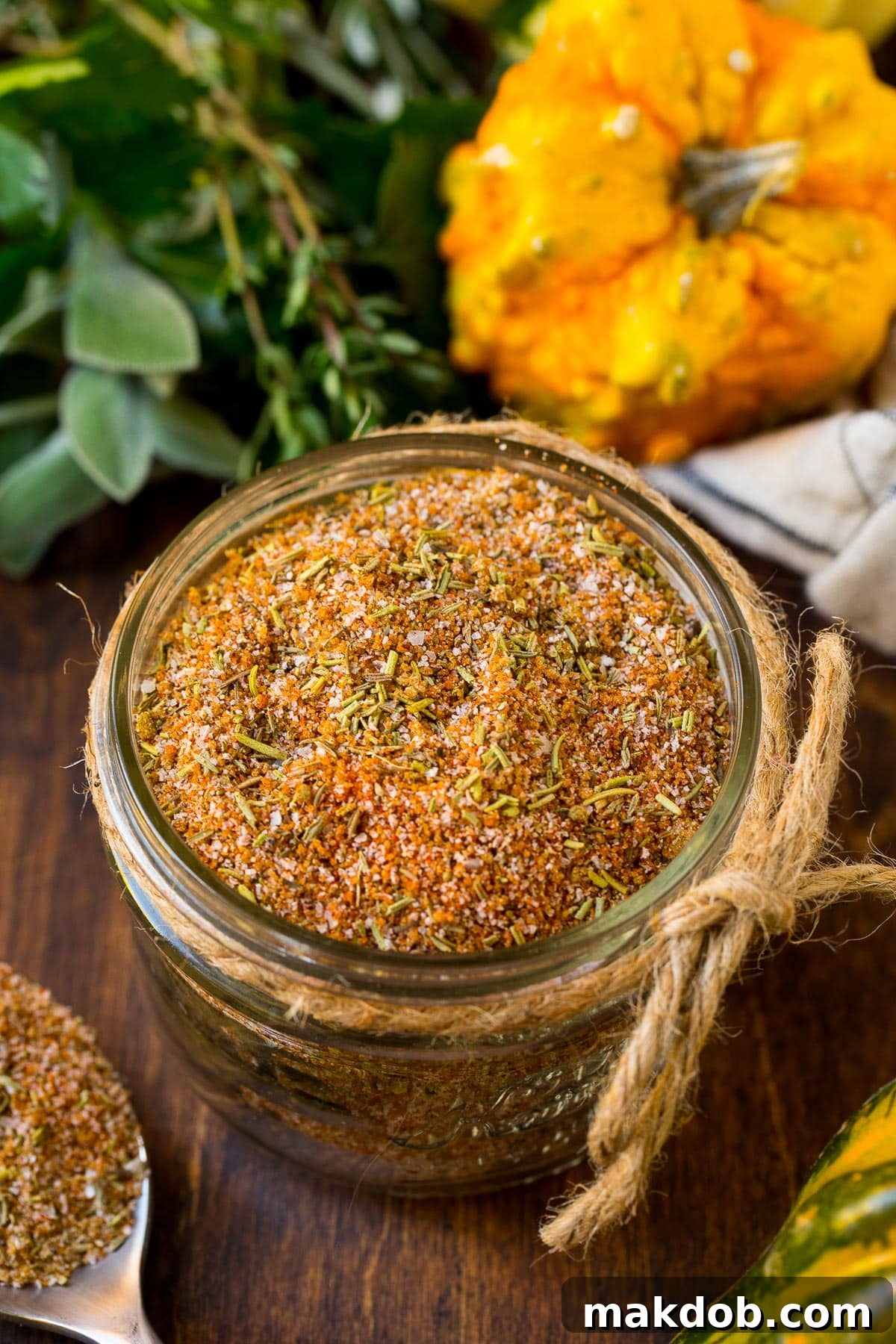
Welcome to the ultimate guide for creating a homemade turkey rub that promises to transform your holiday bird into an unforgettable feast. This carefully crafted blend of savory spices is more than just a seasoning; it’s the secret to achieving a juicy, flavorful, and beautifully golden-brown turkey every single time. While perfect for Thanksgiving, this versatile spice rub extends its magic far beyond poultry, working wonders on chicken, pork, and even beef. Say goodbye to bland birds and hello to a culinary masterpiece that will impress even the most discerning palates. Join us as we explore the simple steps to create this essential poultry seasoning, guaranteed to elevate your cooking with minimal effort and maximum flavor.
Creating an impressive turkey doesn’t have to be complicated. With this easy-to-make homemade turkey rub as your primary seasoning agent, you’re set for success. Envision your holiday table adorned with a perfectly roasted turkey, its skin glistening with a rich, aromatic crust. Pair it with beloved classics like a creamy sweet potato casserole and a vibrant cranberry relish for a truly memorable and mouth-watering meal that your family and friends will cherish.
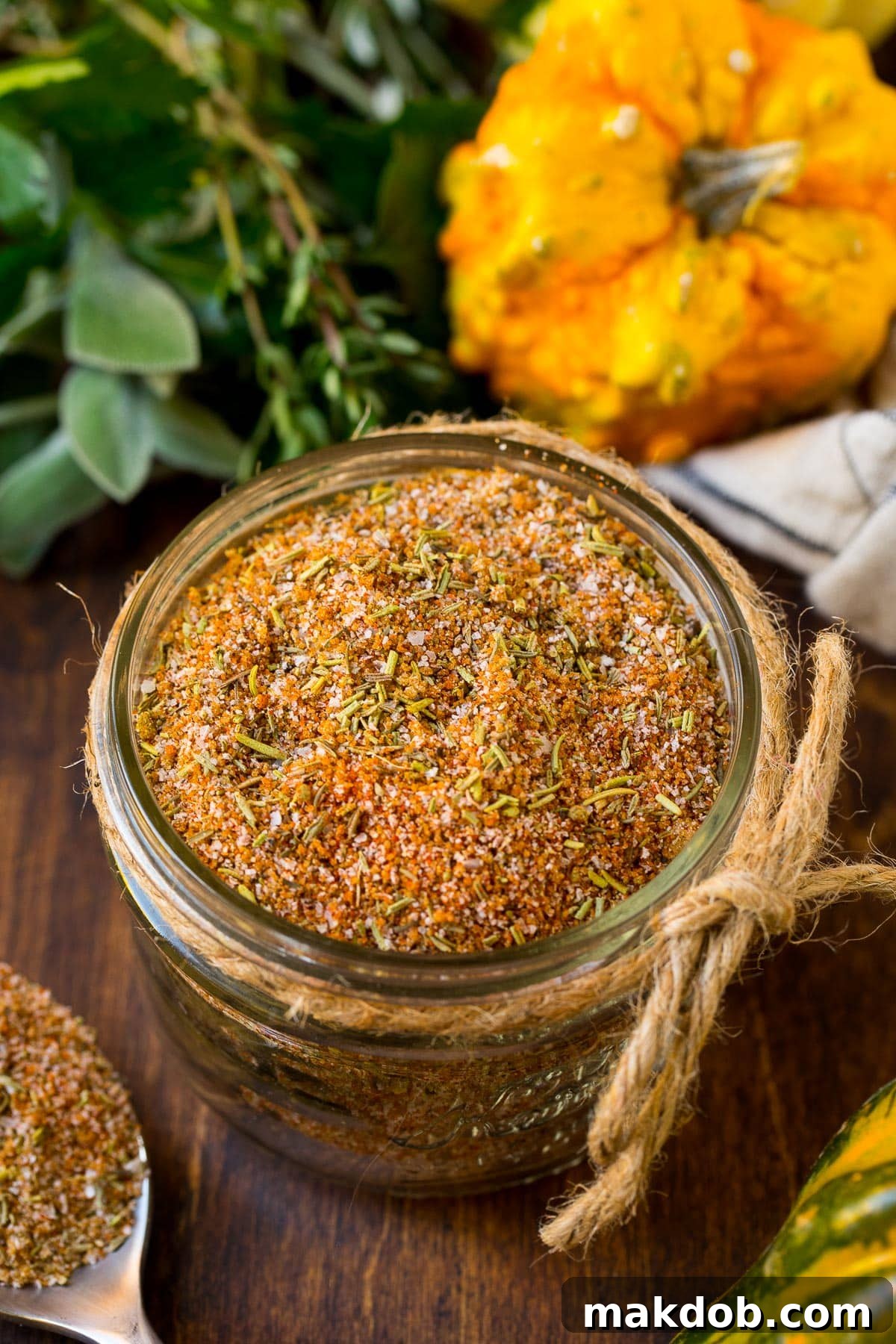
The journey to a show-stopping turkey offers many exciting paths, from brining and roasting to deep frying and beyond. However, for a roasted turkey that truly stands out, this exquisite turkey rub is your key. It effortlessly transforms an ordinary roasted bird into an extraordinary culinary experience. The best part? Crafting this flavor-packed seasoning takes less than 5 minutes, making it an incredibly convenient and impactful addition to your holiday preparations or any meal throughout the year.
The Magic of Homemade Turkey Rub: Why It’s Essential
There’s an undeniable charm and superior quality that comes with a homemade spice rub, and this turkey seasoning is no exception. Store-bought rubs often contain anti-caking agents, excessive salt, or artificial flavors, whereas making your own gives you complete control over the ingredients, ensuring freshness and purity. This particular blend isn’t just about adding salt; it’s about building layers of complex flavor that permeate the turkey, from the crispy skin to the succulent meat. The combination of herbs and spices works synergistically to tenderize, moisten, and impart a deep, aromatic profile that enhances the natural taste of the turkey rather than masking it. Opting for a homemade rub means you’re investing in a healthier, more flavorful, and truly personalized meal, guaranteeing rave reviews from your dinner guests.
Turkey Rub Ingredients: A Symphony of Flavors
The foundation of any great rub lies in the quality and balance of its ingredients. Each component in this turkey rub recipe plays a vital role in creating a harmonious flavor profile that is both robust and perfectly complements poultry. From the earthy notes of herbs to the subtle sweetness of brown sugar, every ingredient contributes to the rub’s irresistible charm.
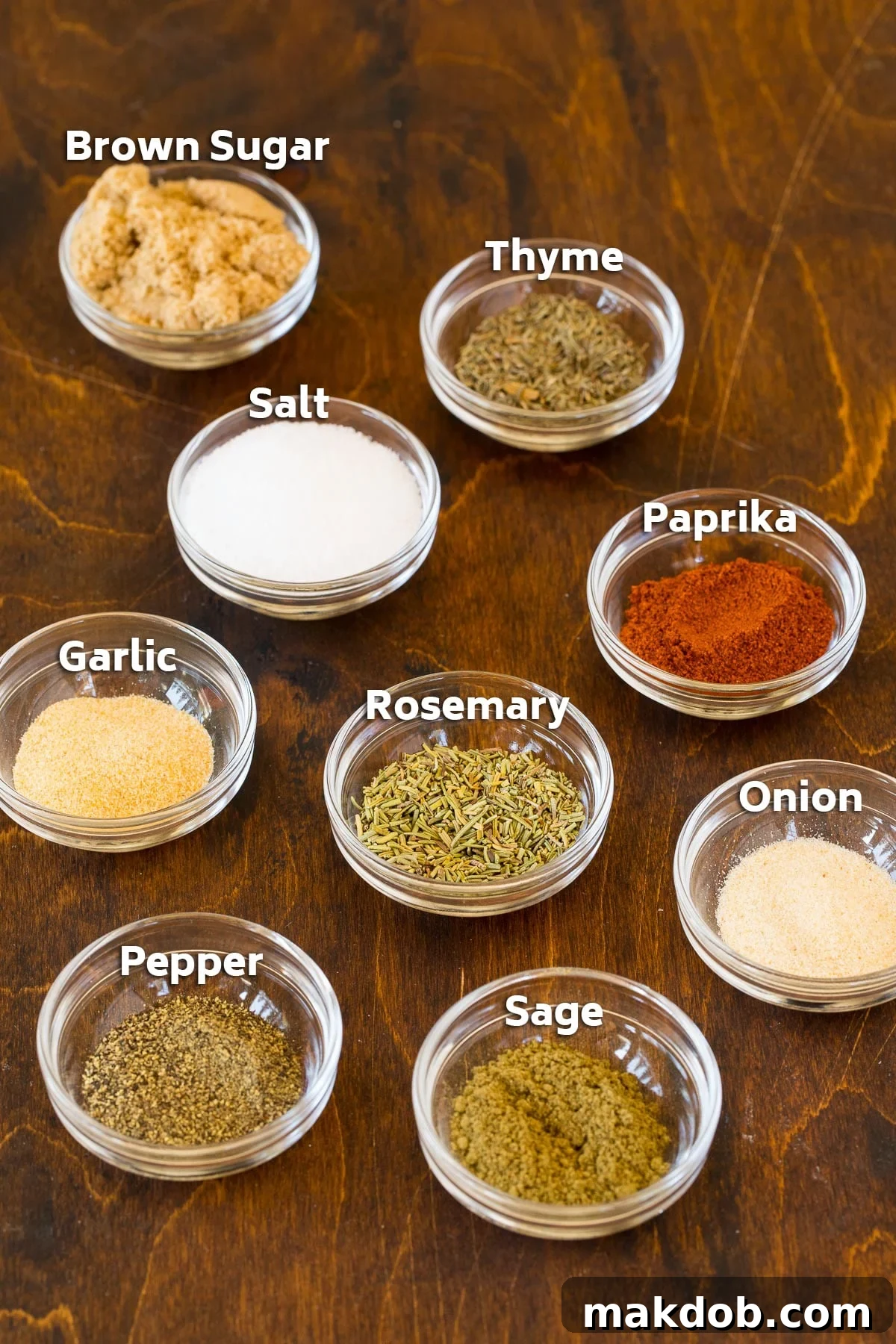
This exceptional recipe features a thoughtfully selected variety of herbs and spices:
- Kosher Salt: Essential for seasoning and tenderizing, kosher salt crystals are larger than table salt, allowing for better adherence and a more even distribution of flavor without over-salting.
- Brown Sugar: A touch of brown sugar not only balances the savory elements but also contributes to the beautiful caramelization and golden-brown skin on your turkey, adding a subtle hint of sweetness.
- Paprika: Provides a mild, sweet peppery flavor and a lovely reddish hue, enhancing the visual appeal of the cooked bird.
- Black Pepper: A foundational spice, black pepper adds a pungent warmth and subtle heat that complements all the other flavors.
- Dried Thyme: With its earthy, slightly minty, and lemony notes, thyme is a classic poultry herb that adds depth and freshness.
- Dried Rosemary: Pungent and piney, rosemary brings a distinct, aromatic, and slightly bitter flavor that pairs wonderfully with rich meats.
- Dried Sage: An iconic herb for poultry, sage offers a warm, earthy, and slightly peppery taste that evokes traditional holiday flavors.
- Garlic Powder: A staple in savory cooking, garlic powder provides a concentrated, umami-rich flavor without the moisture of fresh garlic, ensuring a crispier skin.
- Onion Powder: Similar to garlic powder, onion powder delivers a deep, savory, and slightly sweet onion flavor that rounds out the spice blend.
How Do You Make and Apply Turkey Rub: Step-by-Step
Crafting this incredible turkey rub is astonishingly simple and quick, making it a perfect last-minute addition to your kitchen arsenal. The beauty of this recipe lies in its straightforward preparation, requiring minimal time but delivering maximum impact. Follow these easy steps to prepare your seasoning and get your turkey ready for roasting.
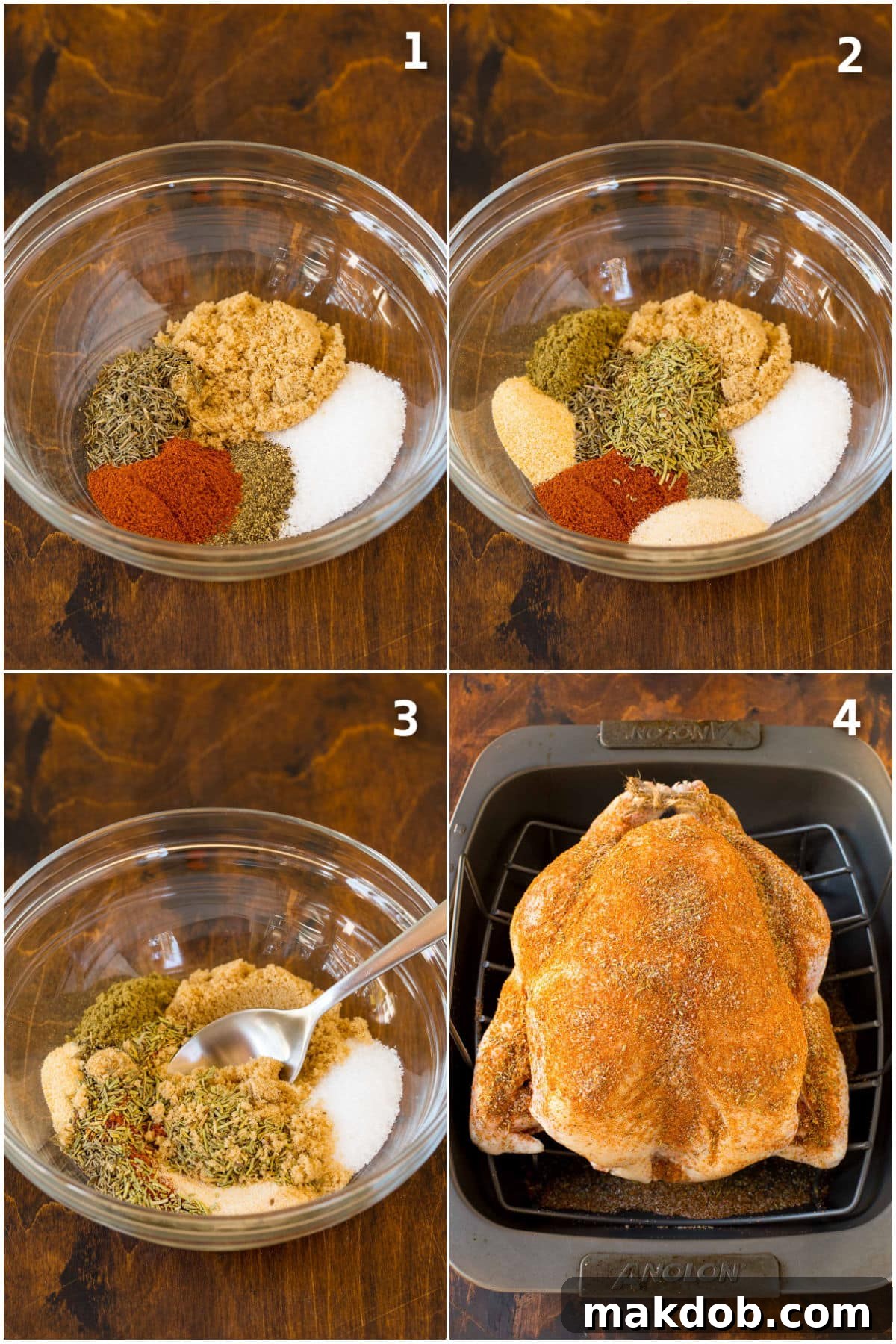
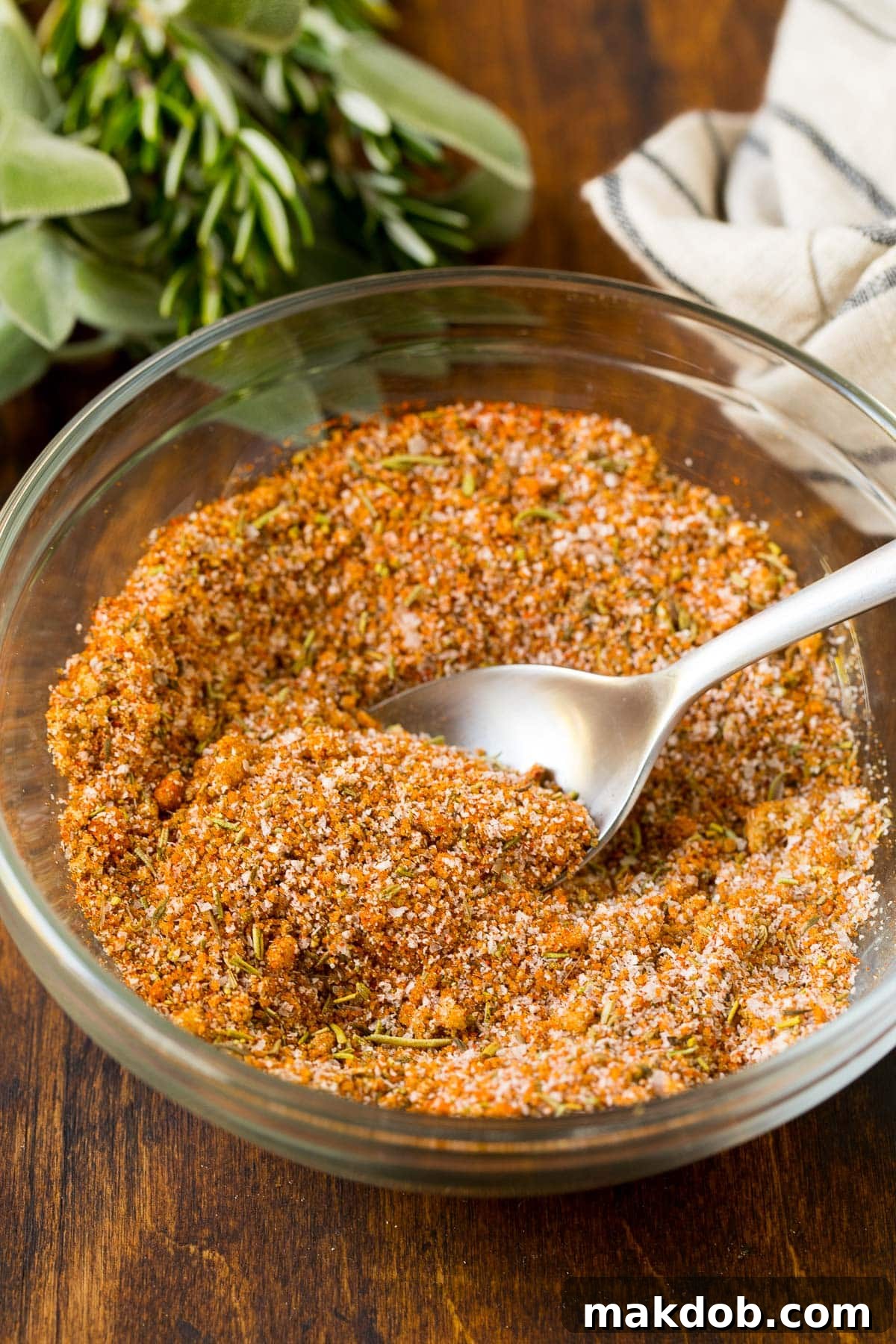
- Combine Ingredients: Gather all your specified dry ingredients—salt, sugar, herbs, and spices—and place them in a medium-sized mixing bowl.
- Mix Thoroughly: Using a spoon or whisk, stir the ingredients vigorously until they are completely well mixed and no clumps remain. Ensure an even distribution of each spice and herb throughout the blend.
- Immediate Use or Storage: Your homemade seasoning is now ready to use! If you’re not using it right away, transfer the blend to an airtight container. Store it in a cool, dark pantry away from direct sunlight for future culinary adventures. This rub can maintain its potency for up to 2 months.
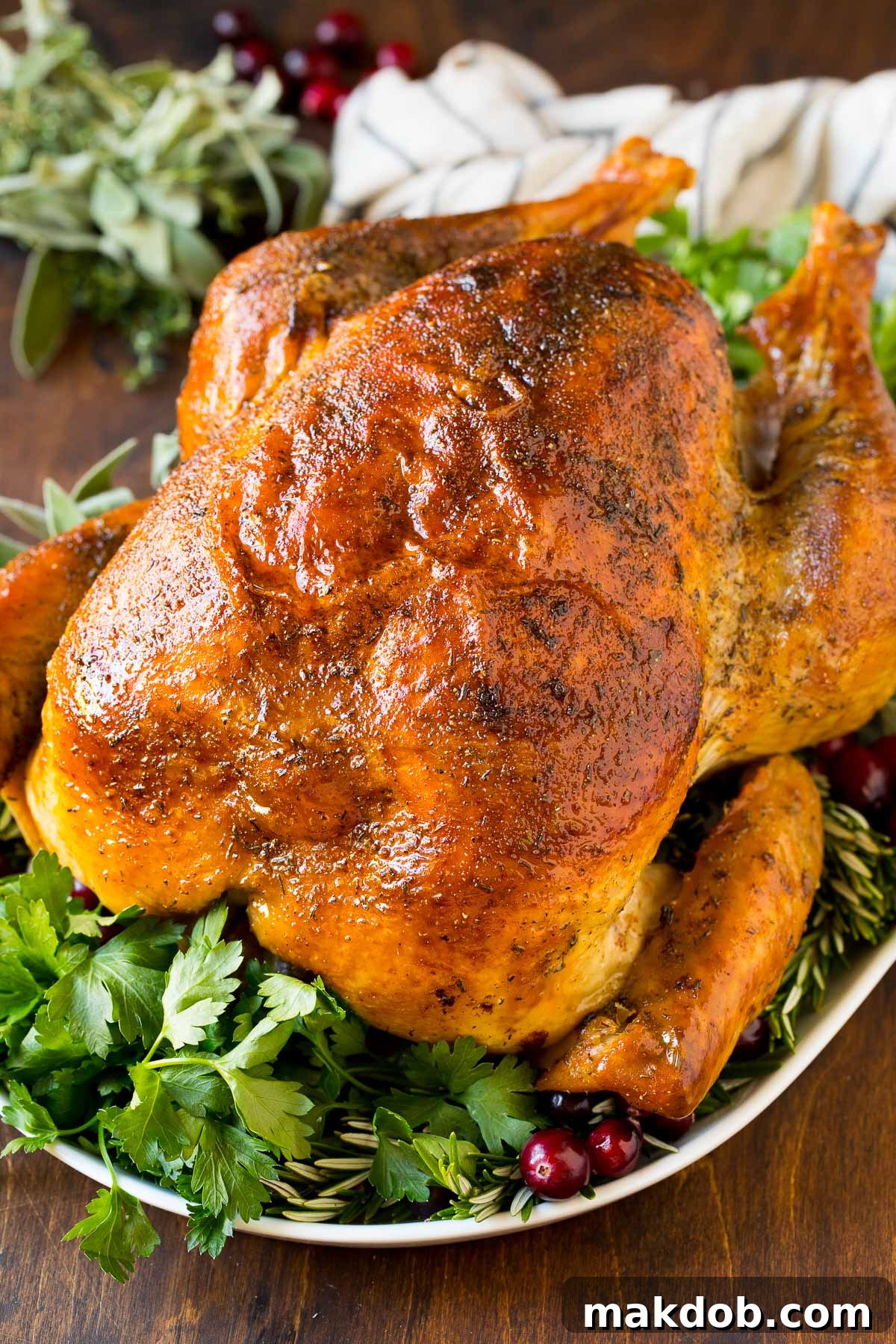
- Applying the Rub: To apply, ensure your turkey is patted completely dry with paper towels. Generously sprinkle the rub over the entire surface of the turkey. Using your hands, firmly massage the rub into the skin and meat. For an even deeper flavor, gently loosen the skin over the turkey breast and thighs, and meticulously rub some of the spice mixture directly onto the meat underneath the skin. This ensures the seasonings penetrate deeply, resulting in a profoundly flavorful and moist bird.
Tips for the Perfect Seasoning Mix and Application
Achieving a perfectly seasoned turkey goes beyond just mixing ingredients. A few expert tips can make all the difference, ensuring your homemade rub performs optimally and your turkey turns out exceptionally delicious. Pay attention to these details for a truly impressive result.
- Turkey Size Matters: This recipe is perfectly proportioned for a 10-12 pound turkey. If your turkey is larger, it’s crucial to double the recipe to ensure adequate coverage and flavor penetration. For every additional 5-6 pounds, increase the rub quantity by half, or simply scale up for larger birds.
- Fresh vs. Dried Herbs: While dried herbs are convenient and potent, you can certainly use fresh herbs for a vibrant, aromatic twist. Remember the golden rule: when substituting fresh herbs for dried, you’ll need to triple the amount. For example, if the recipe calls for 1 teaspoon of dried thyme, use 3 teaspoons (or 1 tablespoon) of fresh, finely chopped thyme.
- The Importance of Kosher Salt: This recipe specifically calls for kosher salt, and for good reason. Kosher salt has a larger, coarser crystal structure compared to fine table salt. This allows for a more controlled seasoning, as it adheres better to the meat and dissolves more slowly, preventing over-salting and promoting better moisture retention. Always use kosher salt for best results, easily found in any grocery store.
- Pat Your Turkey Dry: Before applying the rub, it is absolutely critical to pat your turkey thoroughly dry with paper towels. Excess moisture on the skin will prevent the rub from adhering properly and will hinder the browning process, resulting in less crispy skin.
- Under the Skin Application: For maximum flavor infusion, don’t just rub the outside. Gently separate the skin from the breast meat and thighs using your fingers (be careful not to tear it). Generously apply a portion of the rub directly onto the meat underneath the skin. This ensures the meat itself is seasoned, not just the skin.
- Resting the Rub: As mentioned in the FAQs, allowing the rub to sit on the turkey overnight in the refrigerator (loosely covered) provides ample time for the flavors to penetrate the meat, leading to a more tender and juicy final product. This “dry brining” effect is a game-changer.
Recipe FAQs: Your Turkey Rub Questions Answered
Cooking a turkey, especially for a special occasion, often comes with questions. Here, we address some of the most common inquiries about using this turkey rub to ensure your cooking experience is seamless and successful.
Using a rub effectively involves more than just sprinkling. Begin by patting your entire turkey completely dry with paper towels. This crucial step helps the rub adhere better and promotes a crispier skin. Then, generously apply the seasoning mixture over the entire exterior of the turkey, including the back and wings. Use your hands to thoroughly massage the rub into the skin, ensuring even coverage. For an exceptional depth of flavor, gently loosen the skin of the turkey breast and thighs with your fingers. Carefully slide some of the rub underneath the skin, directly onto the meat. This direct contact allows the spices and salt to penetrate deeper, tenderizing and flavoring the meat from within, not just on the surface.
Absolutely, and in fact, it is highly recommended to season your turkey the night before cooking whenever possible! This technique, often referred to as “dry brining,” is a game-changer for flavor and texture. Applying the rub 12 to 24 hours in advance allows the salt to draw moisture out of the turkey, which then reabsorbs, carrying the spices deep into the meat. This process results in a significantly more tender, juicy, and flavorful cooked bird. After applying the rub, loosely cover the turkey with plastic wrap or foil (to allow for some air circulation, which helps dry the skin for crispiness) and store it in the refrigerator for up to 24 hours before you plan to roast it. This extended contact time gives the rub ample opportunity to work its magic.
Turkey is a wonderfully versatile protein that pairs beautifully with a wide array of both sweet and savory flavors. Classic complements include aromatic herbs such as thyme, rosemary, parsley, and sage, which form the backbone of many traditional turkey seasonings. Other excellent savory pairings include garlic, onion, paprika, and black pepper, adding depth and warmth. For a touch of brightness, lemon is a fantastic choice. Sweet elements like brown sugar and maple syrup can enhance the browning and add a delightful counterpoint to the savory spices. This specific spice blend is primarily savory, with just a hint of brown sugar intelligently incorporated to offset the robust salt and herbs. The added bonus of the brown sugar is its ability to aid in creating that coveted golden-brown, crispy crust on the turkey, making it not only delicious but visually appealing.
Flavor Variations: Customize Your Turkey Rub
While this particular spice blend is a beloved classic for its balanced and rich flavor, the beauty of homemade rubs lies in their adaptability. You have the freedom to customize this recipe to perfectly suit your personal taste preferences or the specific culinary theme of your meal. Experiment with these variations to find your signature blend!
- Sugar Substitutions: Instead of traditional brown sugar, consider experimenting with maple sugar for a distinct autumnal note, muscovado sugar for a deeper molasses-like richness, or coconut sugar for a more subtle, caramel flavor. For a “wet rub” alternative, you can blend liquid sweeteners like honey, agave syrup, or maple syrup with the spices. This creates a paste that adheres beautifully and can help create an even glossier crust.
- Herb Additions: Expand the aromatic profile by incorporating other dried herbs into the mix. Dried parsley can add a fresh, slightly peppery flavor, while basil offers a sweet, aromatic dimension. Marjoram provides a delicate, slightly floral, and woodsy taste, savory adds a peppery and minty essence, and oregano contributes a bold, slightly bitter Mediterranean flair. Choose herbs that complement your overall meal plan.
- Spice Enhancements: For those who love a bit of heat, a pinch of cayenne pepper will add a fiery kick. Mustard powder introduces a sharp, pungent warmth that can cut through the richness of the turkey. Smoked paprika deepens the flavor profile with an irresistible smoky aroma, perfect for a BBQ-style turkey. Chili powder can add a complex, earthy heat, ranging from mild to hot depending on the blend.
- Creating a Wet Rub: Transform this dry rub into a luscious wet rub by mixing your spice blend with 2-4 tablespoons of a liquid fat. Olive oil lends a fruity, peppery note, while melted butter provides a rich, creamy flavor and promotes an incredibly crispy skin. A wet rub ensures even adherence and can help keep the turkey moist during cooking.
- Smoky Rub for Smoked Turkey: If you’re planning to cook your bird in a smoker, consider using a specialized smoked turkey rub. These blends often feature ingredients like smoked paprika, chipotle powder, and sometimes a touch of liquid smoke powder to enhance the smoky flavor profile that pairs wonderfully with a slow-smoked turkey.
- Citrus Zest Infusion: For a brighter, fresher flavor, add 1-2 tablespoons of finely grated lemon, orange, or lime zest to the rub. The citrus oils will infuse the turkey with a delightful aroma and a subtle tang that beautifully cuts through the richness of the meat.
This remarkable rub isn’t just for special occasions. I often prepare a double or triple batch and keep it on hand to use all year long. It’s absolutely fantastic on roasted chicken, giving it a delightful savory crust, and it brings incredible flavor to pork tenderloin and succulent roast beef. This year, make your holiday turkey truly unforgettable with this expertly crafted spice blend. Its rich aromas and balanced flavors are sure to garner rave reviews and become a cherished part of your culinary traditions.
Delicious Side Dishes to Pair with Your Turkey
A perfectly roasted turkey deserves equally incredible accompaniments. Elevate your holiday spread or any family dinner by pairing your flavorful turkey with these complementary and crowd-pleasing side dishes. Each recipe is designed to enhance the overall meal experience, bringing texture, flavor, and color to your table.
- Bacon Green Bean Bundles: Crisp-tender green beans wrapped in savory bacon and baked until golden. A delightful and elegant side.
- Sauteed Brussels Sprouts: Perfectly caramelized Brussels sprouts, offering a slightly bitter yet sweet counterpoint to the rich turkey.
- Sausage Stuffing: A hearty and flavorful stuffing packed with savory sausage and aromatic herbs, a quintessential holiday staple.
- Turkey Gravy: The ultimate accompaniment to turkey, this rich and velvety gravy made from pan drippings ties the entire meal together.
- Winter Fruit Salad: A refreshing and vibrant salad featuring seasonal fruits, providing a light and sweet contrast to the savory main course.
Turkey Rub Video Demonstration
★
★
★
★
Homemade Turkey Rub
Pin
Author
Sara Welch
Time
5 minutes
1 minute
6 minutes
Course
Seasoning
Cuisine
American
Serves
8
Ingredients
- 1 tablespoon kosher salt
- 1 tablespoon brown sugar
- 1 teaspoon paprika
- 1 teaspoon black pepper
- 1 1/2 teaspoons dried thyme
- 1 1/2 teaspoons dried rosemary
- 1 teaspoon dried sage
- 1/2 teaspoon garlic powder
- 1/2 teaspoon onion powder
Instructions
-
Place all the listed ingredients into a small bowl. Stir thoroughly until the spices and herbs are perfectly combined and evenly distributed.
-
Generously rub this aromatic spice mixture all over your prepared turkey, ensuring to also apply some under the skin for deeper flavor. Cook the turkey as desired, whether roasting, baking, or smoking.
-
This versatile spice rub can be prepared in advance and stored in an airtight container for up to 2 months, making your meal prep even easier.
Notes
- This recipe yields the ideal amount of rub for a 10-12 pound turkey. For larger turkeys, simply double the recipe to ensure full coverage and maximum flavor.
- Should you prefer to use fresh herbs over dried, remember to triple the quantity of fresh herbs compared to the dried amount specified in the recipe.
Nutrition
Carbohydrates: 2g |
Protein: 1g |
Fat: 1g |
Saturated Fat: 1g |
Sodium: 873mg |
Potassium: 6mg |
Fiber: 1g |
Sugar: 2g |
Vitamin A: 130IU |
Calcium: 4mg |
Iron: 1mg
Did you make this recipe?
Tag @dinneratthezoo on Instagram and hashtag it #dinneratthezoo
Tweet
Pin