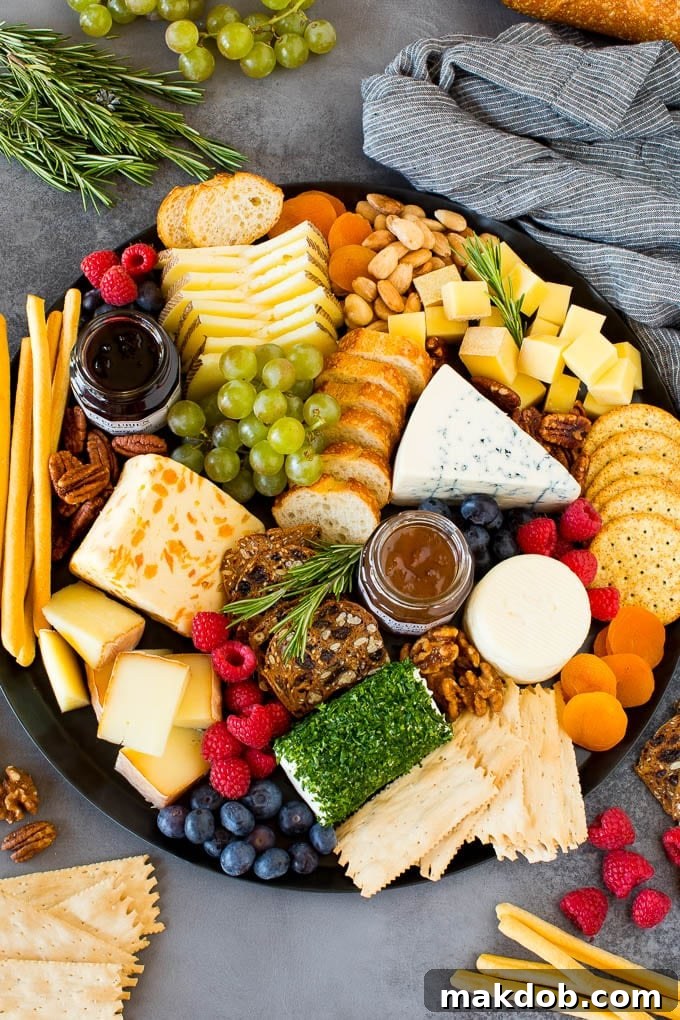
Crafting the perfect cheese board is an art form that transforms simple ingredients into an unforgettable culinary experience. Whether you’re hosting an intimate gathering, a festive party, or simply enjoying a quiet evening, a thoughtfully arranged cheese board, also known as a cheese platter or charcuterie board, serves as an exquisite and effortless appetizer that always garners rave reviews. This comprehensive guide will walk you through selecting the finest cheeses, complementary accompaniments, and expert tips to assemble a visually stunning and deliciously balanced spread.
When planning for entertaining, a diverse selection of appetizers is key to pleasing every palate. While popular choices like bacon-wrapped smokies, savory sausage balls, a vibrant fresh veggie tray, crispy bacon-wrapped water chestnuts, delightful veggie pizza, and succulent air fryer chicken wings are always crowd-pleasers, a gourmet cheese board truly stands out. It’s the ultimate low-effort, high-impact solution for feeding a crowd, offering an array of textures and flavors that cater to everyone’s taste.
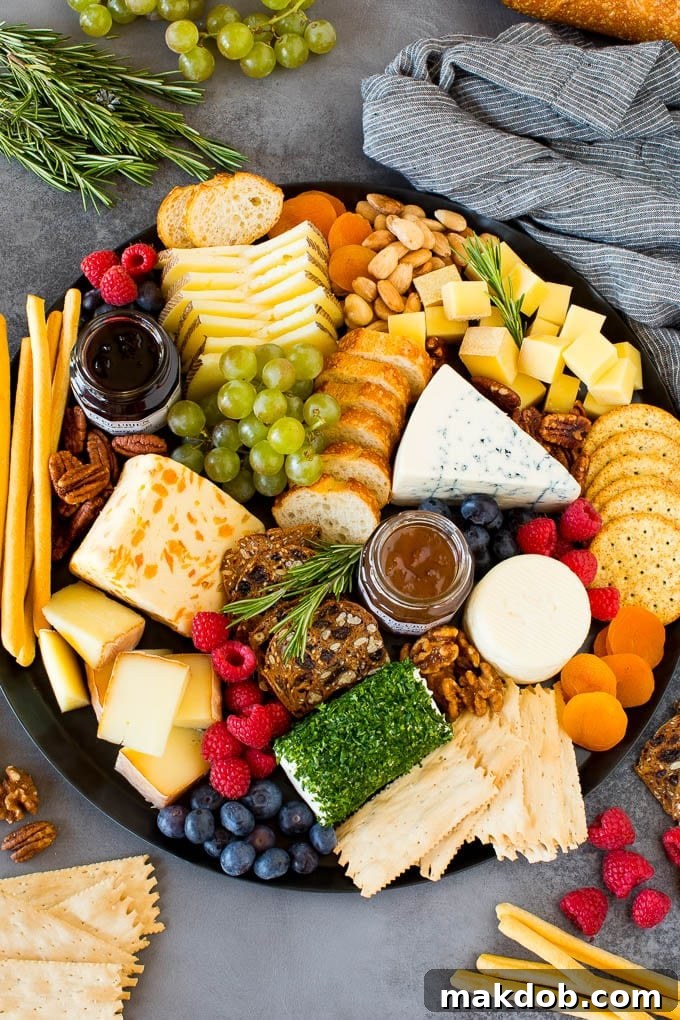
My version of the ultimate cheese board goes beyond just cheese, incorporating a harmonious blend of sweet and savory elements that elevate the experience and enhance the inherent flavors of each cheese selection. From artisan crackers to seasonal fruits and delectable spreads, every component is chosen to create a symphony of tastes and an inviting visual feast.
Table of Contents
- The Art of Cheese Selection for Your Board
- Essential Accompaniments: Crackers, Bread, and More
- Sweet & Savory Enhancements: Fruit, Nuts, and Spreads
- Assembling Your Masterpiece: A Step-by-Step Guide
- Expert Tips for the Perfect Cheese Platter
- Frequently Asked Questions About Cheese Boards
- Beyond Cheese: Exciting Flavor Variations
- More Appetizer Inspiration
The Art of Cheese Selection for Your Board
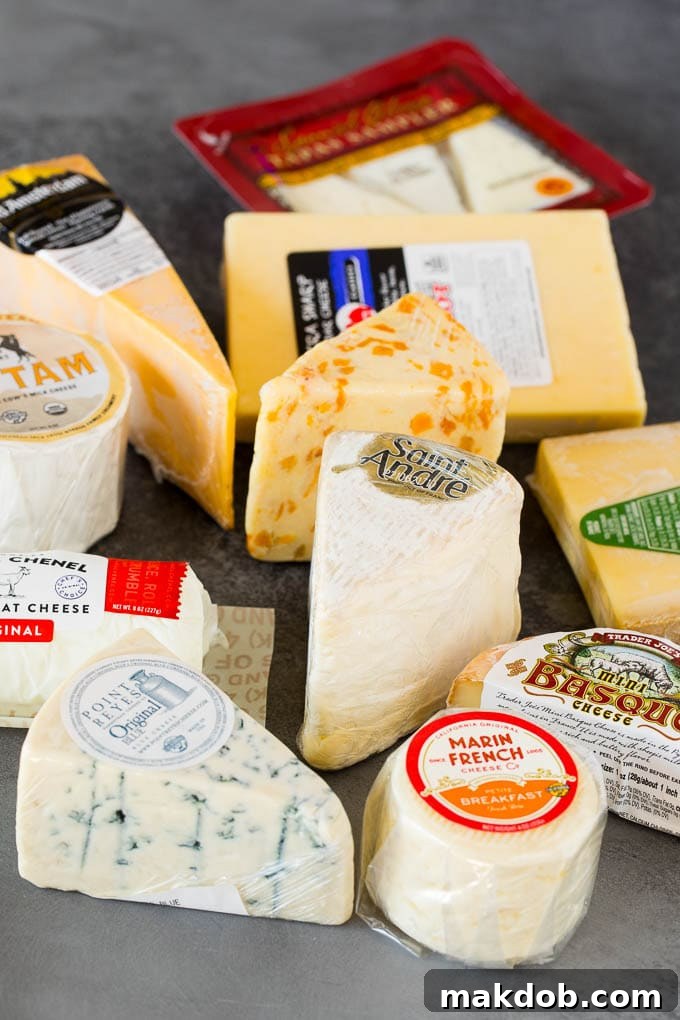
The foundation of any exceptional cheese board is, without a doubt, the cheese itself. To create a truly dynamic and appealing platter, it’s crucial to offer a diverse range of flavors and textures. Aim for at least three to five different types of cheese, ensuring you include at least one from each of the following categories. This variety allows your guests to explore different profiles and discover new favorites, creating a memorable tasting journey.
- Soft Cheeses: These creamy, spreadable cheeses add a luxurious texture to your board. They often have milder, buttery flavors that pair well with sweet accompaniments.
- Brie: A classic French soft cheese, known for its rich, buttery flavor and edible bloomy rind. Perfect with fruit jams and crusty bread.
- Camembert: Similar to Brie but typically richer and earthier in flavor.
- Boursin: A fresh, creamy cheese often infused with herbs and garlic, offering a delightful savory kick.
- Goat Cheese (Chèvre): Tangy and often crumbly, goat cheese comes in various forms, from fresh logs to aged discs. Its bright acidity contrasts beautifully with honey and berries.
- Burrata: A decadent fresh Italian cheese, featuring an outer shell of solid mozzarella and a creamy interior of stracciatella and cream. Best served at room temperature with a drizzle of olive oil.
- Hard Cheeses: These firm, often nutty cheeses provide structure and a satisfying bite. Their robust flavors stand up well to strong pairings.
- Parmigiano-Reggiano: A king among cheeses, this Italian hard cheese offers a sharp, salty, and complex nutty flavor. Serve in irregular shards.
- Manchego: A semi-hard Spanish sheep’s milk cheese with a distinctive basket-weave rind and a buttery, slightly piquant flavor.
- Comté: A firm, savory French cheese with a nutty and sweet profile, varying in intensity depending on its age.
- Gruyère: A sweet and slightly salty Swiss cheese with a complex flavor that ranges from nutty to earthy.
- Mimolette: A French cheese with a bright orange interior and a fruity, caramel-like flavor, similar to aged cheddar but with a unique texture.
- Aged Cheeses: These cheeses have developed deeper, more concentrated flavors and often a firmer, sometimes crystalline, texture through the aging process.
- Vintage Cheddar: Sharp, crumbly, and often with a tangy bite, aged cheddar is a crowd-pleaser.
- Grana Padano: A hard, granular Italian cheese, slightly less intense than Parmigiano-Reggiano, with a buttery and nutty flavor.
- Aged Gouda: Sweet, nutty, and often featuring crunchy crystals, aged Gouda is a true delight. Its caramel notes pair wonderfully with dried fruits.
- Blue Cheeses: For the adventurous palate, blue cheeses offer a pungent, salty, and often spicy kick.
- Cambozola: A German triple-cream cheese that combines the richness of a Camembert with the sharp notes of Gorgonzola, yet remains surprisingly mild.
- Stilton: A classic English blue cheese, creamy and strong with a distinct earthy flavor.
- Roquefort: A potent French sheep’s milk blue cheese, sharp, salty, and intensely flavorful.
- Gorgonzola: An Italian blue cheese that can range from mild and creamy (Dolce) to firm and pungent (Piccante).
Essential Accompaniments: Crackers, Bread, and More
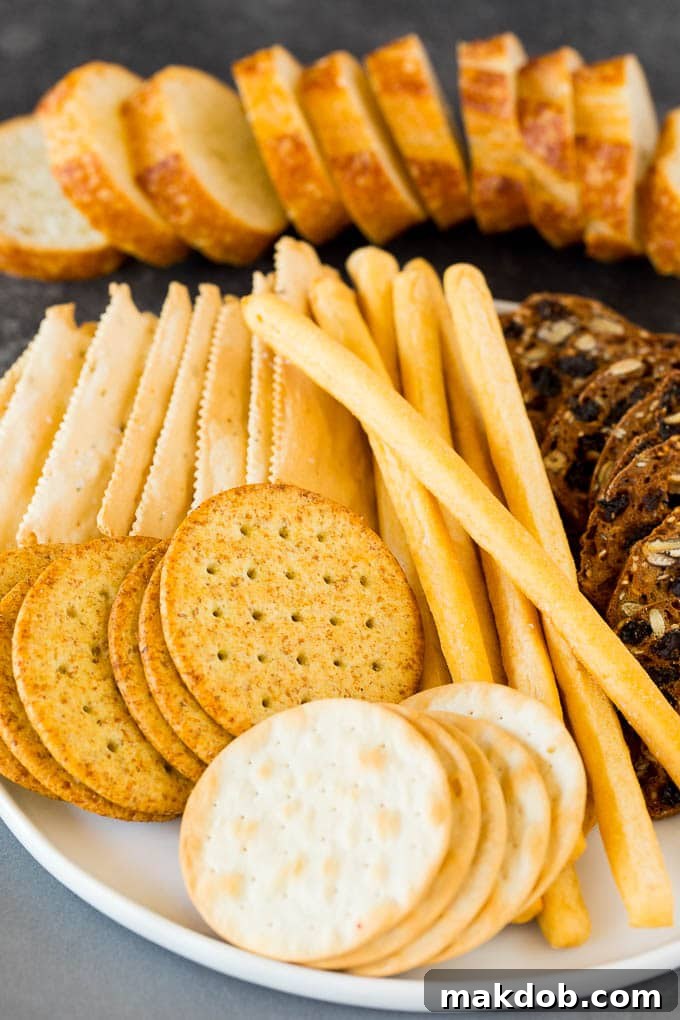
No cheese board is complete without an array of crisp crackers and fresh bread to serve as vehicles for your cheese selections. Offering a variety ensures there’s a perfect match for every cheese and preference, adding texture and substance to your platter.
- Breadsticks: These slender, crispy sticks are excellent for dipping into soft cheeses or savory spreads.
- Sesame Breadsticks: Add a nutty flavor and satisfying crunch.
- Olive Oil Breadsticks: Simple, elegant, and perfect for lighter cheeses.
- Cheese Straws: A more flavorful option, these add a savory, cheesy dimension of their own.
- Crackers: The backbone of any cheese board, crackers come in countless varieties. Choose a few different types to create contrast in texture and flavor.
- Water Crackers: Mild and thin, they allow the cheese’s flavor to shine.
- Buttery Crackers: Rich and flaky, these are delicious with almost any cheese.
- Multigrain Crackers: Offer a heartier texture and often a slightly nutty, wholesome flavor.
- Flatbread Crackers: Can be plain or herb-infused, providing a sturdy base for heavier cheeses and toppings.
- Artisan Bread: Freshly baked bread adds a gourmet touch and satisfying chewiness.
- Sliced Baguette: Classic and versatile, perfect for softer cheeses or making mini sandwiches.
- Toasted Crostini: Small, crisp toasts that provide a delightful crunch and prevent sogginess.
- Focaccia Strips: Soft, olive oil-infused bread that pairs wonderfully with rich cheeses and savory toppings.
Sweet & Savory Enhancements: Fruit, Nuts, and Spreads
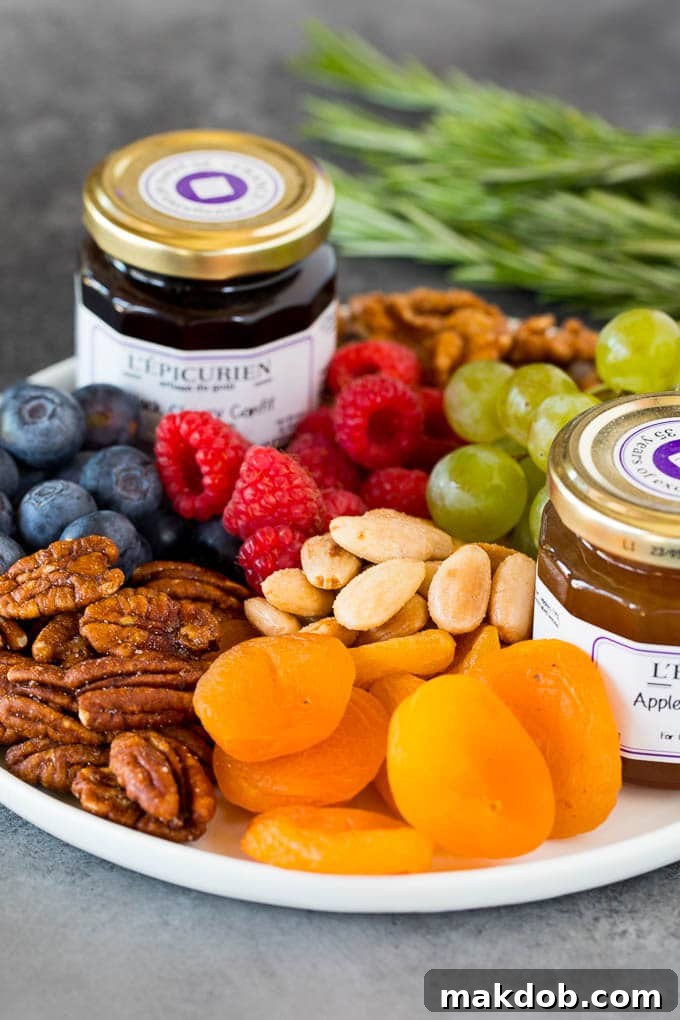
To truly round out your cheese board and create a balanced flavor profile, incorporating a mix of fresh and dried fruits, crunchy nuts, and sweet or savory spreads is essential. These elements cleanse the palate, add texture, and introduce delightful flavor contrasts that complement the cheeses.
- Fruit: A combination of fresh and dried fruit offers varying levels of sweetness and chewiness.
- Fresh Fruit Options:
- Berries: Strawberries, blueberries, raspberries, and blackberries add bursts of sweetness and color.
- Apple Slices: Crisp and slightly tart, apples like Honeycrisp or Granny Smith are excellent palate cleansers.
- Grapes: Sweet and juicy, grapes are a classic pairing for almost any cheese.
- Pear Slices: Soft and subtly sweet, pears complement creamy and pungent cheeses beautifully.
- Dried Fruit Options:
- Dried Apricots: Chewy and sweet-tart, they add a vibrant color and concentrated flavor.
- Dried Pears: A softer, milder sweetness that pairs well with nutty cheeses.
- Cranberries: Tart and chewy, perfect for cutting through rich, creamy cheeses.
- Figs: Rich and sweet, dried figs are a luxurious addition, especially with goat cheese or blue cheese.
- Fresh Fruit Options:
- Nuts: Nuts provide a satisfying crunch and a variety of earthy and sweet flavors, enhancing the textural diversity of your board.
- Candied Pecans: I always include these candied pecans because their sweet crunch complements most cheeses, especially aged Goudas and Bries.
- Roasted Almonds: Simple, elegant, and versatile.
- Candied Walnuts: Another delightful sweet option, similar to candied walnuts, that pairs well with soft and blue cheeses.
- Cashews: Buttery and mild, they offer a different texture.
- Pistachios: Slightly sweet and vibrant green, they add color and a delicate flavor.
- Spreads and Dips: These add moisture, sweetness, or savory notes, creating delightful flavor combinations when paired with cheese and crackers.
- Sweet Spreads:
- Fig Jam: A classic pairing for almost any cheese, especially goat cheese and Brie.
- Chutney: Fruit-based chutneys (like mango or apple) offer a sweet and tangy counterpoint.
- Berry Jam: Raspberry or blackberry jam provides a bright, fruity sweetness.
- Honey: A drizzle of honey over blue cheese or fresh goat cheese is pure magic. Consider flavored honey for an extra touch.
- Savory Options:
- Olive Tapenade: A salty, briny spread made from olives, capers, and olive oil, perfect for balancing rich cheeses.
- Grainy Mustard: Adds a sharp, piquant flavor that cuts through the richness of cured meats (if adding charcuterie) and some hard cheeses.
- Hummus or Pesto: While less traditional, a small bowl of hummus or pesto can offer a delicious, fresh element, especially on a larger board.
Assembling Your Masterpiece: A Step-by-Step Guide
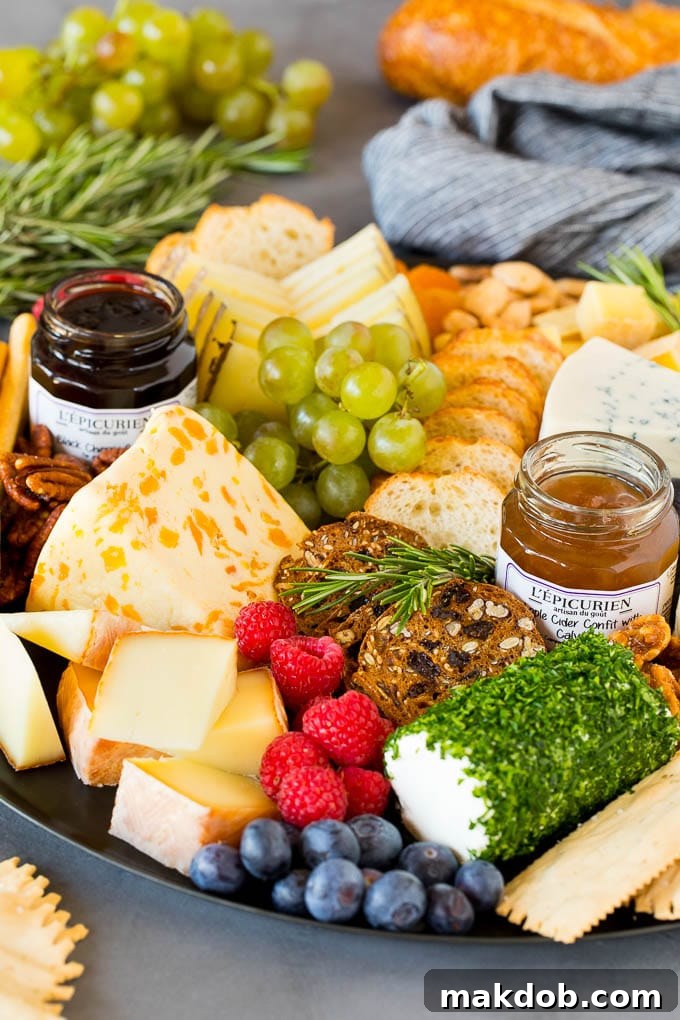
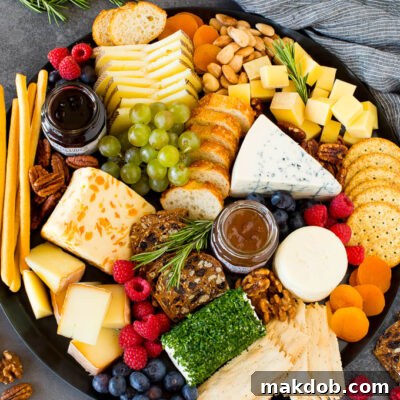
Creating an appealing cheese board is as much about presentation as it is about taste. Follow these simple steps to arrange a visually stunning and easy-to-navigate platter that will impress your guests:
- Choose Your Board: Start with a large platter, wooden cutting board, slate, or even a baking sheet covered with parchment paper. The larger the surface, the more room you have for creative arrangement.
- Anchor the Cheeses: Begin by placing your chosen cheeses on the board. Strategically space them out to create visual interest. You can keep some pieces whole, slice others into wedges or cubes, or even crumble certain varieties. Consider unwrapping cheeses about 20-30 minutes before arranging so they can breathe and come to room temperature, which enhances their flavor and texture.
- Arrange Crackers and Bread: Next, fan out your crackers and bread around the cheeses. Arrange them in neat piles, rows, or artistic curves. Ensure they are easily accessible for dipping and scooping. Don’t be afraid to use small bowls for loose crackers or breadsticks to keep things tidy.
- Add Fruits and Nuts: Fill in the larger gaps with clusters of fresh fruit and small bowls or piles of nuts. Arrange grapes on the vine, fan out apple or pear slices, and scatter berries around. Place different types of nuts in separate sections for visual appeal and easy selection.
- Incorporate Spreads and Dips: Place small jars or ramekins of honey, jam, or savory tapenades onto the board. Position them near cheeses they pair well with, or centrally for easy access. Include small spoons or spreaders for each.
- Garnish with Fresh Herbs: For a final touch of freshness and color, garnish your board with fresh herbs such as rosemary sprigs, parsley, or thyme. These not only look beautiful but also add a lovely aroma.
- Provide Serving Utensils: Ensure you have dedicated cheese knives for cutting hard cheeses, spreaders for soft cheeses, and small spoons for jams and honey.
Expert Tips for the Perfect Cheese Platter
Elevate your cheese board from good to extraordinary with these practical tips and tricks:
- Temperature is Key: Most cheeses taste best when they’ve had a chance to sit at room temperature for about 20 to 30 minutes before serving. This allows their flavors and aromas to fully develop, offering a more enjoyable tasting experience.
- Prepare Ahead: The platter can be prepared up to 8 hours before you plan to serve it. Assemble all ingredients except the bread products and delicate fresh herbs. Cover everything tightly with plastic wrap to prevent drying, then store in the refrigerator. About 30 minutes before serving, remove it from the refrigerator, uncover, and add your fresh bread, crackers, and herbs. This allows the cheeses to reach optimal temperature while keeping bread from getting stale.
- Label Your Cheeses: It’s incredibly helpful and considerate to label the cheeses. Guests often appreciate knowing what they’re eating, especially with a diverse selection. Small flags, chalk labels, or even handwritten cards can add a charming touch.
- Plenty of Implements: Be sure to put out plenty of serving implements such as dedicated cheese knives for different textures (hard, soft, crumbly), spreaders for jams, and small spoons. This makes it easy for people to serve themselves cleanly and efficiently.
- Source Smart: Many grocery stores now boast an impressive, higher-end cheese selection. You’ll often find a better assortment of specialty cheeses in the deli or gourmet foods section rather than just the standard dairy aisle. Don’t hesitate to ask for recommendations or samples.
- Consider a Theme: While not essential, a theme can add a fun layer. This could be regional (e.g., Italian, French, Spanish cheeses), seasonal (summer fruits, fall nuts), or even a specific milk type (all goat, all sheep, all cow).
- Don’t Overcrowd: While you want an abundant look, avoid overcrowding the board to the point where items spill or are difficult to access. Leave a little breathing room between different elements.

Frequently Asked Questions About Cheese Boards
What should be on a cheese board?A well-rounded cheese board should contain at least three different types of cheeses, ideally representing a variety of textures and flavors such as a hard cheese, a soft cheese, and a blue cheese or an aged cheese. Beyond the cheese, it typically includes an assortment of crackers and bread, both fresh and dried fruits, a selection of nuts, and complementary spreads like honey or fruit jam. These components work together to create a balanced and exciting tasting experience, offering different pairings and palate cleansers.
What not to put on a cheese board?While versatility is encouraged, I recommend staying away from strongly flavored items that could clash with or overpower the delicate nuances of the cheeses and other ingredients on the platter. For example, highly spicy cheeses (like a chipotle cheddar) or intensely flavored pickled items might not mesh well with the sweet fruits or mild soft cheeses. Also, avoid anything too messy or with strong, lingering odors that could affect other elements on the board. The goal is harmony, not competition.
How much cheese do I need for a cheese board?A good rule of thumb is to calculate about 1 to 2 ounces of cheese per person if the cheese board is served as an appetizer before a meal. If the cheese board is the main event or for a longer, more casual gathering, increase this to 3 to 4 ounces per person. It’s better to have a little too much than not enough, as leftovers can often be enjoyed later.
Can I make a cheese board vegetarian or vegan?Absolutely! For a vegetarian board, simply ensure all cheeses are made with vegetarian rennet (most artisan cheeses will specify this). For a fully vegan option, substitute dairy cheeses with a variety of plant-based cheeses, which are increasingly delicious and widely available. Focus on a vibrant array of fruits, nuts, vegan dips (like hummus or tapenade), marinated vegetables, and high-quality crackers to make it just as appealing.
FOLLOW ME
Beyond Cheese: Exciting Flavor Variations
While a standard cheese board with cheeses, crackers, fruit, and nuts is always a winner, the concept is incredibly flexible. You can easily expand upon it to create a full charcuterie board or a themed snacking platter with a variety of delicious additions. These variations allow you to tailor your board to specific tastes, occasions, or even dietary preferences.
- Charcuterie Board: Elevate your platter by adding a selection of cured meats.
- Salami: Hard or soft, thinly sliced salami adds a salty, savory element.
- Pepperoni: A familiar favorite, especially popular for casual gatherings.
- Prosciutto: Delicate, salty, and melt-in-your-mouth, perfect draped elegantly on the board.
- Coppa: A flavorful cured pork shoulder with a rich, savory taste.
- Pâté or Terrine: For a more gourmet touch, include a small dish of creamy pâté or a rustic terrine.
- Vegetarian & Vegetable-Focused Board: Emphasize fresh and pickled vegetables for a lighter, refreshing option.
- Fresh Vegetables: Crisp cucumber slices, vibrant cherry tomatoes, colorful bell pepper strips, and crunchy carrot sticks.
- Pickled Vegetables: Tangy cornichon pickles, pickled green beans, or marinated artichoke hearts add a zesty contrast.
- Dips: Include fresh dips like roasted red pepper hummus, creamy tzatziki, or a vibrant pesto.
- Antipasto Style: Transform your board into an Italian-inspired feast.
- Roasted Roma Tomatoes: Sweet and concentrated in flavor.
- Marinated Mushrooms: Earthy and savory, soaked in herbs and olive oil.
- Grilled Artichoke Hearts: Tender and slightly smoky, a perfect savory bite.
- Roasted Bell Peppers: Sweet and juicy, often marinated in olive oil and garlic.
- Olives: A mix of Kalamata, Castelvetrano, and Niçoise olives adds briny notes.
- Mozzarella Balls (Bocconcini): Small fresh mozzarella balls, perhaps marinated in herbs.
- Spanish Tapas Board: Bring the vibrant flavors of Spain to your platter.
- Chorizo: Spicy and robust, often sliced thinly.
- Marcona Almonds: These buttery, soft Spanish almonds are a gourmet treat.
- Green Olives: Briny and firm, like Manzanilla or Gordal olives.
- Serrano Ham: A drier, saltier Spanish ham, similar to prosciutto.
- Piquillo Peppers: Sweet, roasted red peppers, often stuffed or served simply.
- Boquerones: Marinated anchovies for a true taste of Spanish seafood tapas.
No matter what combination of delightful elements you choose to feature, a meticulously prepared cheese platter is destined to be a huge hit. It’s more than just food; it’s an invitation to gather, share, and savor the simple pleasures of good company and exquisite flavors. Enjoy the process of creating your perfect board!
More Appetizer Inspiration
Antipasto Platter Recipe
Total Time: 21 mins
Baked Brie with Raspberries and Pecans
Total Time: 30 mins
Mini Quiche Recipe (3 Flavors!)
Total Time: 50 mins
Mediterranean Mezze Platter
Total Time: 25 mins
Prosciutto Wrapped Asparagus
Total Time: 15 mins
The Best Cheese Board Recipe
The Best Cheese Board
Author
Sara Welch
A guide to creating the best cheese board with a variety of different cheeses, crackers, fruit and accompaniments. An easy and impressive appetizer for any gathering, and this one always gets rave reviews!TimePrep Time
20 minutes
Cook Time
1 minute
Total Time
21 minutes
Course
AppetizerCuisine
American, FrenchServes
10Ingredients
- 8 ounces aged cheese (cheddar, gouda)
- 8 ounces blue cheese (gorgonzola, stilton)
- 8 ounces soft cheese (goat cheese, brie)
- 8 ounces hard cheese (parmigiano-reggiano, comte)
- 1 cup fresh fruit (berries, sliced apples or pears)
- 1/2 cup dried fruit (apricots, cranberries)
- 16 ounces assorted bread (baguette slices, breadsticks, crackers)
- 3/4 cup nuts (candied pecans, almonds, pistachios)
- 1-2 small jars honey or jam
- fresh herbs for garnish (rosemary, parsley)
Instructions
-
Arrange all the ingredients on a large board or platter. Garnish with fresh herbs. Let the cheese sit at room temperature for 20 minutes, then serve.
-
If you want to make this platter in advance, assemble everything on the board except the bread products and fresh herbs. Cover and refrigerate for up to 8 hours. Remove from the refrigerator, uncover, and add bread and herbs. Let stand for 20 minutes, then serve.
Notes
- The platter can be prepared up to 8 hours before you plan to serve it. Cover everything tightly with plastic wrap, then store in the refrigerator. Let it come to room temperature before serving.
- It’s helpful to label the cheeses so that your guests know what they’re eating!
- Be sure to put out plenty of serving implements such as knives and spreaders so that it’s easy for people to serve themselves.
Nutrition
Calories: 282kcal |
Carbohydrates: 10g |
Protein: 14g |
Fat: 22g |
Saturated Fat: 11g |
Cholesterol: 48mg |
Sodium: 503mg |
Potassium: 174mg |
Fiber: 3g |
Sugar: 3g |
Vitamin A: 1503IU |
Vitamin C: 2mg |
Calcium: 347mg |
Iron: 1mg
Did you make this recipe?
Tag @dinneratthezoo on Instagram and hashtag it #dinneratthezoo
Share it with the worldFacebook
Twitter
Pinterest - Sweet Spreads: