
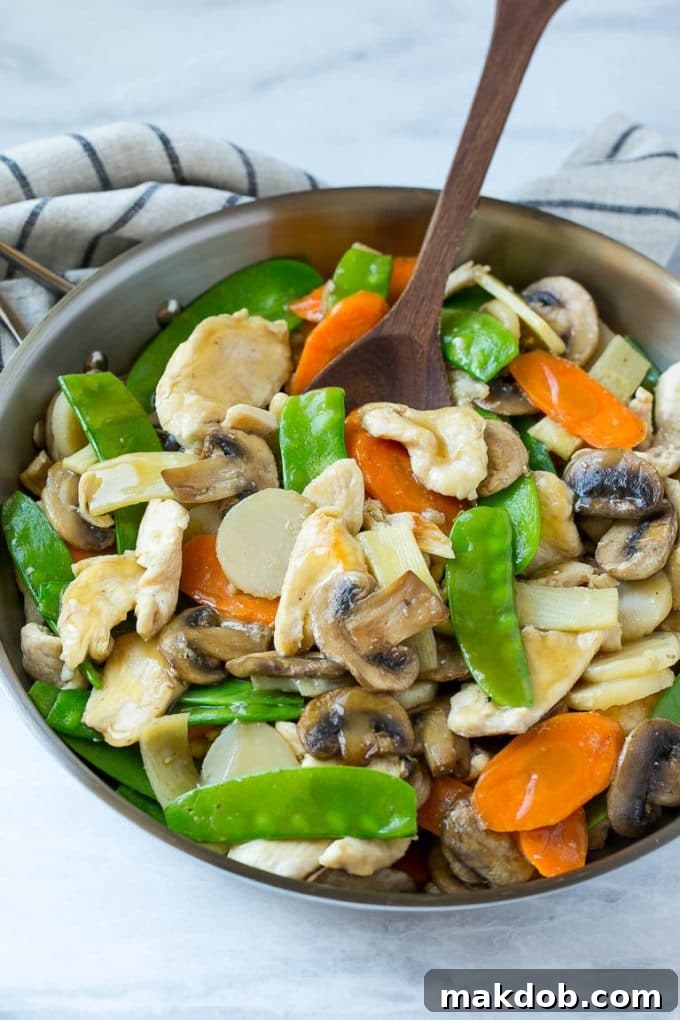
Welcome to the ultimate guide to mastering **Moo Goo Gai Pan**, a timeless Chinese chicken and vegetable stir-fry that promises a symphony of delicate flavors and satisfying textures. This isn’t just another recipe; it’s your secret weapon to recreating that coveted **restaurant-style stir fry** right in your own kitchen. Prepare to unlock the techniques that transform simple ingredients into an extraordinary, **healthy Chinese food** experience, perfect for any weeknight dinner or special occasion.
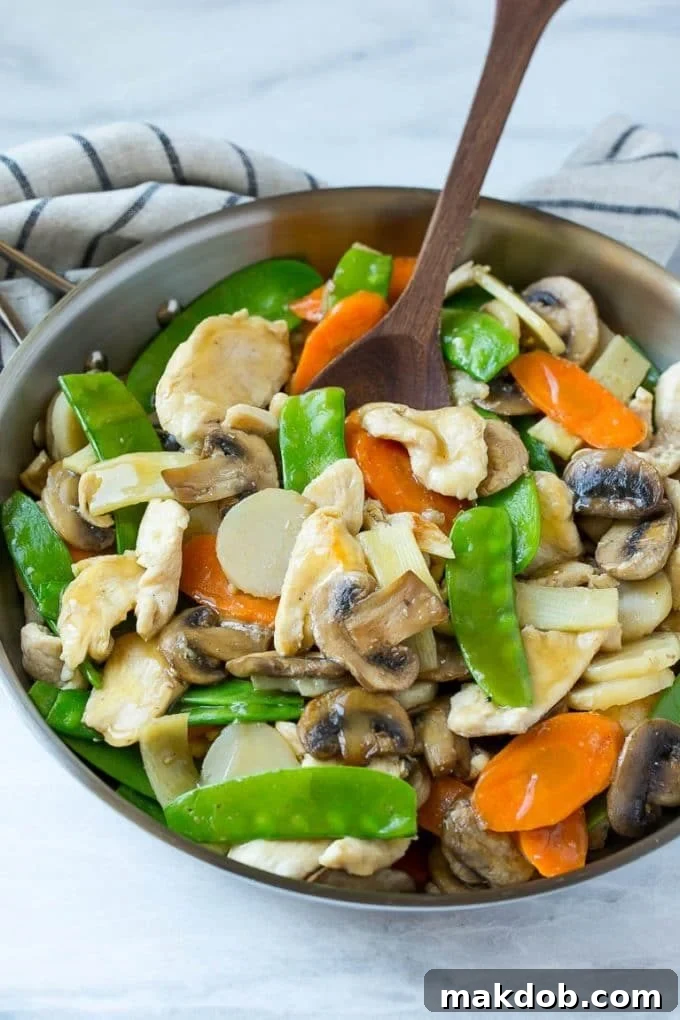
Have you ever been captivated by the subtle yet profound flavors of Moo Goo Gai Pan at your favorite Chinese restaurant? This beloved dish, a vibrant medley of tender chicken and crisp vegetables bathed in a savory, light sauce, is a testament to the elegance of simple ingredients executed flawlessly. It’s not just incredibly flavorful but also remarkably lighter and healthier than many other takeout options, making it a fantastic choice for those seeking a guilt-free yet indulgent meal.
My own journey with Moo Goo Gai Pan began many years ago, introduced by my now-husband. I remember being instantly smitten by its fresh taste and the surprisingly tender texture of the chicken. For years, I believed such culinary magic could only be achieved in a professional kitchen. However, with a little research and practice, I discovered that replicating this **easy chicken recipe** at home is not only achievable but immensely rewarding. This guide will walk you through every step, ensuring your homemade Moo Goo Gai Pan rivals, if not surpasses, your favorite restaurant version.
What Exactly is Moo Goo Gai Pan? Unpacking This Classic Chinese Stir-Fry
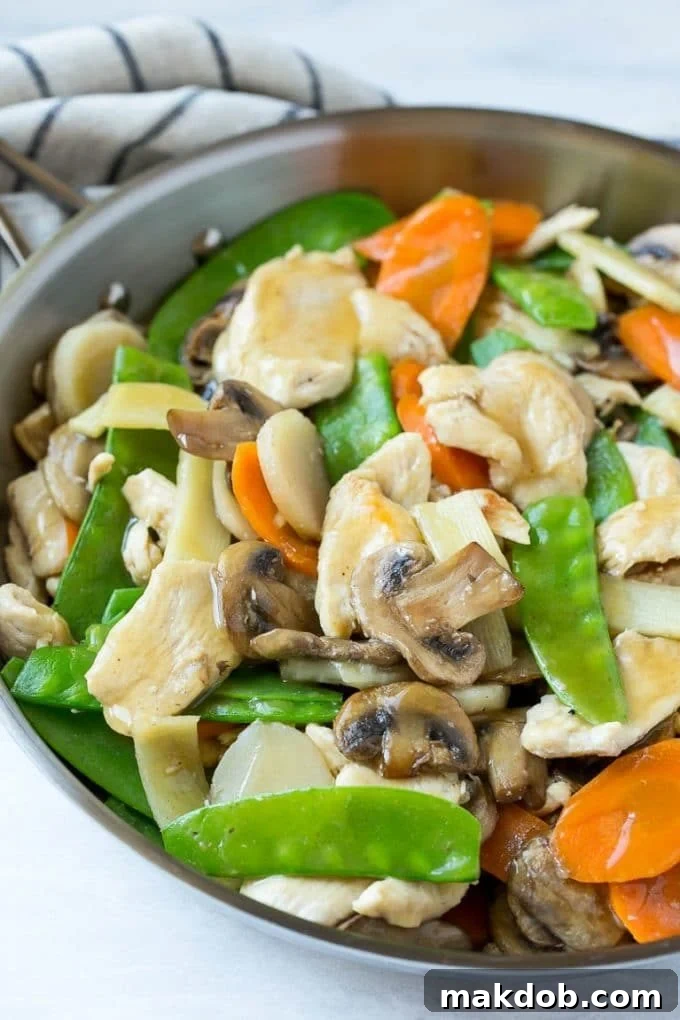
At its heart, **Moo Goo Gai Pan** translates roughly to “mushrooms sliced chicken.” This straightforward translation perfectly encapsulates the essence of this traditional Cantonese dish: a delightful **chicken and mushroom stir fry** featuring thinly sliced chicken breast and an assortment of fresh vegetables, all brought together by a delicate, white sauce. Unlike many other Chinese dishes that rely on bold, dark sauces, Moo Goo Gai Pan is known for its light, subtle, and incredibly fresh flavor profile, allowing the natural tastes of the chicken and vegetables to shine.
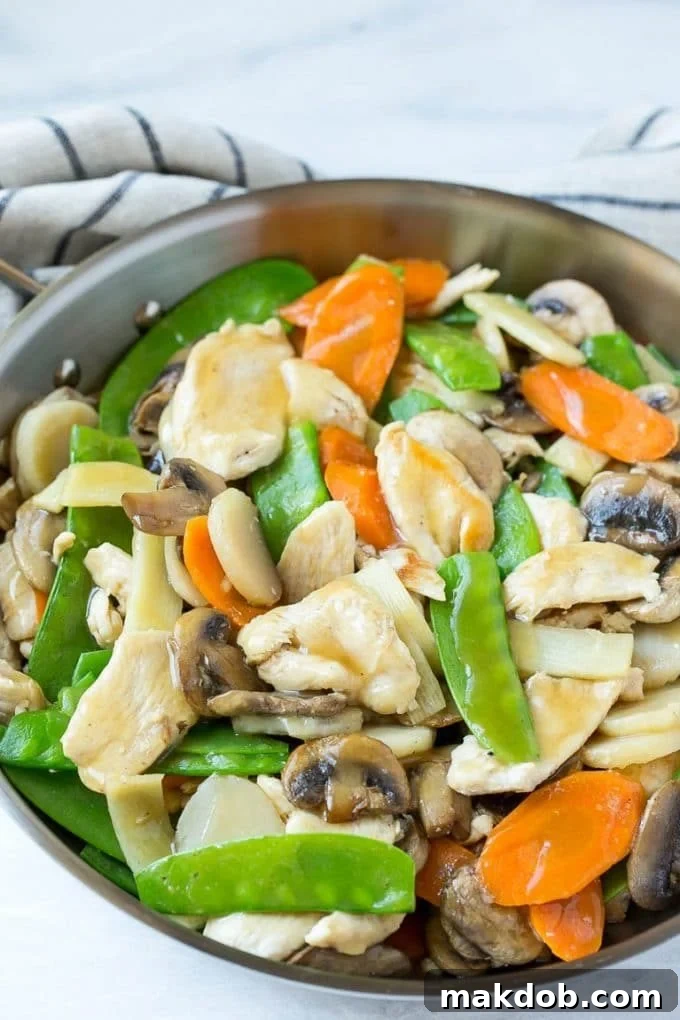
While mushrooms (typically white button or cremini) and chicken are non-negotiable staples, the accompanying vegetables can vary widely, reflecting regional preferences and seasonal availability. Common additions include crisp snow peas, vibrant carrots, crunchy water chestnuts, and earthy bamboo shoots. The beauty of this dish lies in its versatility and its focus on fresh, high-quality ingredients. It’s a testament to the art of stir-frying, where quick cooking at high heat preserves the nutrients and crispness of the vegetables while ensuring the chicken remains incredibly tender.
For those mindful of their diet, Moo Goo Gai Pan is an excellent choice. It’s often lower in fat and calories compared to heavier, fried, or richer sauced Chinese dishes, making it a staple for a **healthy dinner** option. It’s also naturally packed with protein from the chicken and a wealth of vitamins and fiber from the diverse vegetable medley. This **authentic chicken stir fry** offers a balanced and satisfying meal without feeling heavy.
The Secret to Restaurant-Quality Chicken: Mastering the Art of Velveting
One of the most distinguishing characteristics of restaurant-prepared Chinese chicken dishes is the incredibly tender, almost silky texture of the meat. For years, I wondered how they achieved this consistent tenderness, only to discover a surprisingly simple yet transformative technique known as **velveting chicken**. This method is the key to elevating your homemade Moo Goo Gai Pan from good to absolutely exceptional.
Velveting involves a quick marinade that protects the chicken from drying out during the high-heat stir-frying process. It typically uses egg white and cornstarch, sometimes with a touch of oil or soy sauce. The cornstarch forms a protective coating, sealing in moisture, while the egg white further tenderizes the meat. This barrier prevents the chicken from toughening up, resulting in that wonderfully succulent texture you crave.
To prepare your chicken for velveting, start with boneless, skinless chicken breasts. The first crucial step is to slice the chicken thinly and uniformly. The easiest way to achieve these perfect, delicate slices is to partially freeze the chicken breasts for about 20-30 minutes. You don’t want them frozen solid, but firm enough that a sharp knife glides through them effortlessly. Slice the chicken against the grain (width-wise) into thin, bite-sized pieces. This technique further contributes to the tenderness, as it shortens the muscle fibers, making them easier to chew.
Once sliced, the chicken takes a quick dip in the cornstarch and egg white mixture. After marinating for about 30 minutes, it’s important to strain off any excess liquid before stir-frying. This ensures the chicken sears beautifully without steaming. This extra little step, though simple, is incredibly well worth the effort for an authentic, **tender chicken stir fry** that truly tastes like it came from a professional wok.
Crafting the Perfect Stir-Fry Sauce: A Balance of Flavor
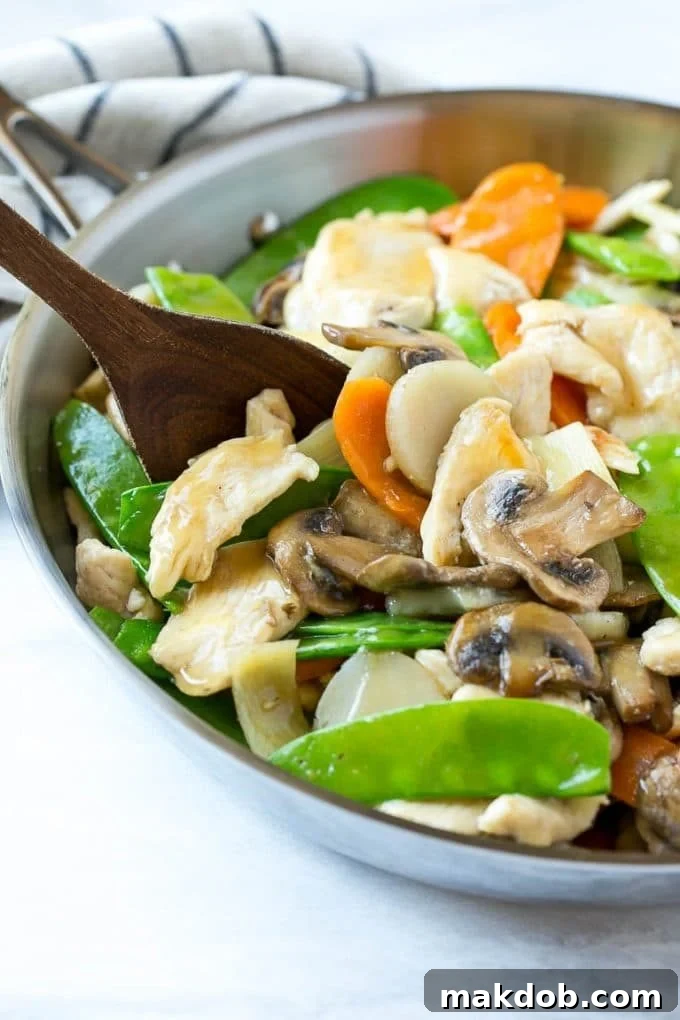
The sauce for this **Moo Goo Gai Pan recipe** is deceptively simple, yet it’s the magical element that brings all the vibrant flavors together in perfect harmony. Unlike many other stir-fries that feature rich, dark, or spicy sauces, the sauce for Moo Goo Gai Pan is light in color and delicate in taste, allowing the natural sweetness of the vegetables and the tenderness of the chicken to shine through. It’s designed to complement, not overpower.
Our sauce foundation typically includes chicken stock for savory depth, a touch of sugar to balance the flavors, soy sauce for umami and a hint of saltiness, and sesame oil for that unmistakable aromatic finish. The key to achieving the perfect restaurant-style consistency is cornstarch. Whisked into the liquid ingredients, cornstarch acts as a thickening agent, creating a glossy, silky sauce that coats every ingredient beautifully without being too heavy or gummy.
When preparing the sauce, ensure all ingredients are whisked thoroughly before adding to the hot pan. This prevents lumps and ensures even thickening. A common pitfall for home cooks is adding the sauce too early or not letting it simmer long enough to thicken. Once you add it, let it come to a gentle boil while stirring; within a minute or two, it will transform into that luscious, clingy sauce you expect. You can adjust the sugar or soy sauce to your preference, making this **easy chicken recipe** truly your own.
Selecting Your Vegetables: The Heart of Moo Goo Gai Pan
The beauty of Moo Goo Gai Pan lies not only in its tender chicken but also in its vibrant and varied vegetable medley. Each vegetable plays a crucial role, contributing unique textures and flavors that create a harmonious ensemble. While the classic **chicken and mushroom stir fry** always features mushrooms, feel free to personalize your dish with your favorite seasonal produce.
- Mushrooms: White button or cremini mushrooms are traditional and widely available. Their earthy flavor pairs wonderfully with chicken. Slice them evenly for consistent cooking.
- Snow Peas: These bright green pods add a delightful crunch and a hint of sweetness. They cook very quickly, so add them towards the end of the vegetable cooking process to maintain their crispness.
- Carrots: Thinly sliced carrots provide a pop of color and a subtle sweetness. Their firmer texture means they should be added earlier in the stir-fry sequence.
- Water Chestnuts: Canned water chestnuts are a staple in Chinese stir-fries, offering an irresistible, refreshing crunch that contrasts beautifully with the softer elements. Ensure they are well-drained before adding.
- Bamboo Shoots: Also typically canned, bamboo shoots contribute a mild, slightly sweet, and earthy flavor with a satisfying tender-crisp texture. Like water chestnuts, drain them thoroughly.
For those looking to experiment, broccoli florets, thinly sliced bell peppers (red or yellow for color), baby bok choy, or even sliced zucchini can be excellent additions. Remember to cut all your vegetables into similar sizes to ensure even cooking. Freshness is key for the best flavor and texture, so choose crisp, vibrant produce whenever possible. The medley of these vegetables makes this **healthy stir fry** not only delicious but also visually appealing.
The Art of Stir-Frying: Tips for a Perfect Finish
Stir-frying is a cooking method that rewards speed and preparation. To achieve a perfect **homemade stir fry** like Moo Goo Gai Pan, keep these essential tips in mind:
- Mise en Place (Everything in its Place): This French culinary term is paramount for stir-frying. Chop all your vegetables, slice your chicken, and mix your sauce *before* you even turn on the heat. Stir-frying happens fast, and you won’t have time to chop mid-cook.
- High Heat is Key: Use a large wok or a heavy-bottomed skillet over high heat. The goal is to cook ingredients quickly, achieving a slight char and maintaining crispness, rather than steaming them.
- Don’t Overcrowd the Pan: This is perhaps the most common mistake. Adding too many ingredients at once lowers the pan’s temperature, leading to steamed, soggy vegetables and tough meat. Cook in batches if necessary, especially the chicken.
- Cook in Stages: Different ingredients have different cooking times. Start with firmer vegetables like carrots, then add mushrooms, followed by quicker-cooking items like snow peas. The chicken should be cooked separately and then added back to the pan at the end with the vegetables and sauce.
- Use the Right Oil: Vegetable oil, canola oil, or peanut oil are ideal for stir-frying due to their high smoke points. Avoid olive oil.
- Constant Motion: The name “stir-fry” says it all! Keep the ingredients moving constantly in the pan to ensure even cooking and prevent burning.
By following these techniques, you’ll ensure your chicken remains tender, your vegetables retain their vibrant color and satisfying crunch, and your sauce achieves that perfect, glossy finish. Serve this incredible dish immediately, ideally over a bed of fluffy white or brown rice, for a complete and utterly satisfying **weeknight meal** that rivals any takeout.
Still hungry? Follow Dinner at the Zoo on Facebook, Twitter, Instagram and Pinterest for more great recipe ideas!
Moo Goo Gai Pan Video
While the video embed code has been removed for a streamlined HTML experience, imagine a vibrant visual guide demonstrating each step of this delicious **chicken and mushroom stir fry**. From the delicate slicing of the chicken to the swift stir-frying of the vegetables and the final pour of the silky sauce, a visual walkthrough can make mastering this recipe even easier. Visualize the perfectly browned mushrooms, the crisp snow peas, and the perfectly coated, tender chicken coming together in your wok, ready to be served. A video would emphasize the quick pace of stir-frying and the importance of having all ingredients prepped and ready.
Moo Goo Gai Pan
Pin Recipe
Sara Welch
30 minutes
15 minutes
45 minutes
Main Course
Asian
4 servings
Ingredients
- 1 pound of boneless skinless chicken breasts, thinly sliced
- 1 large egg white
- 2 tablespoons + 1 teaspoon of cornstarch (divided use)
- 1 tablespoon vegetable oil (divided use)
- 2 teaspoons minced garlic
- 1 teaspoon minced ginger
- 2 cups of sliced mushrooms
- 1 cup of snow peas
- 1/2 cup of thinly sliced carrots
- 1 8-ounce can of sliced water chestnuts (drained)
- 1 8-ounce can of sliced bamboo shoots (drained)
- 3/4 cup chicken stock
- 1 1/2 teaspoons sugar
- 1 tablespoon soy sauce
- 1 1/2 teaspoons sesame oil
- salt and pepper to taste
Instructions
-
In a medium bowl, whisk together the egg white and 1 tablespoon of cornstarch until smooth. Add the thinly sliced chicken pieces and toss thoroughly to coat them. Refrigerate the chicken for at least 30 minutes to allow the velveting process to work its magic. Before proceeding, strain the chicken and gently discard any excess liquid.
-
Heat 1 teaspoon of vegetable oil in a large saucepan or wok over medium-high heat. Add the thinly sliced carrots along with 1 tablespoon of water. Cook for 2-3 minutes, stirring constantly, until the carrots begin to soften slightly but still retain some crunch.
-
Next, add the sliced mushrooms to the pan. Continue to cook for 3-4 minutes, stirring occasionally, until the mushrooms are beautifully browned and tender. The high heat will help them develop a rich, earthy flavor.
-
Stir in the fresh snow peas and cook for an additional 1-2 minutes, or until they turn bright green and are tender-crisp. Finally, incorporate the drained water chestnuts and bamboo shoots. Season the vegetables generously with salt and freshly ground black pepper to taste.
-
Carefully remove all the cooked vegetables from the pan and transfer them to a plate. Cover the plate loosely with aluminum foil to keep them warm while you cook the chicken.
-
Wipe out the pan thoroughly with a paper towel to remove any residue. Heat the remaining 2 teaspoons of vegetable oil over medium-high heat until shimmering.
-
Add the velveted chicken slices to the hot pan. Season the chicken with salt and pepper to taste. Cook, stirring occasionally, for 3-4 minutes, or until the chicken is cooked through and lightly golden. Add the minced garlic and ginger, cooking for just 30 seconds more until fragrant.
-
While the chicken cooks, prepare the stir-fry sauce. In a small bowl, whisk together the chicken stock, sugar, soy sauce, and sesame oil. Then, whisk in the remaining 1 tablespoon + 1 teaspoon of cornstarch until no lumps remain. This ensures a smooth, thick sauce.
-
Return the cooked vegetables to the pan with the chicken and heat through for approximately 1 minute, tossing everything together. Pour the prepared sauce mixture over the chicken and vegetables. Increase the heat to high. Bring the sauce to a boil and cook for about 1 minute, stirring constantly, until the sauce has thickened to a glossy, desirable consistency.
-
Serve your delicious Moo Goo Gai Pan immediately, ideally over a bed of steamed white or brown rice for a complete and satisfying meal. Enjoy your homemade restaurant-quality Chinese food!
Nutrition
Carbohydrates: 15g |
Protein: 39g |
Fat: 10g |
Saturated Fat: 2g |
Cholesterol: 96mg |
Sodium: 420mg |
Fiber: 2g |
Sugar: 1g
Did you make this recipe?
Tag @dinneratthezoo on Instagram and hashtag it #dinneratthezoo