
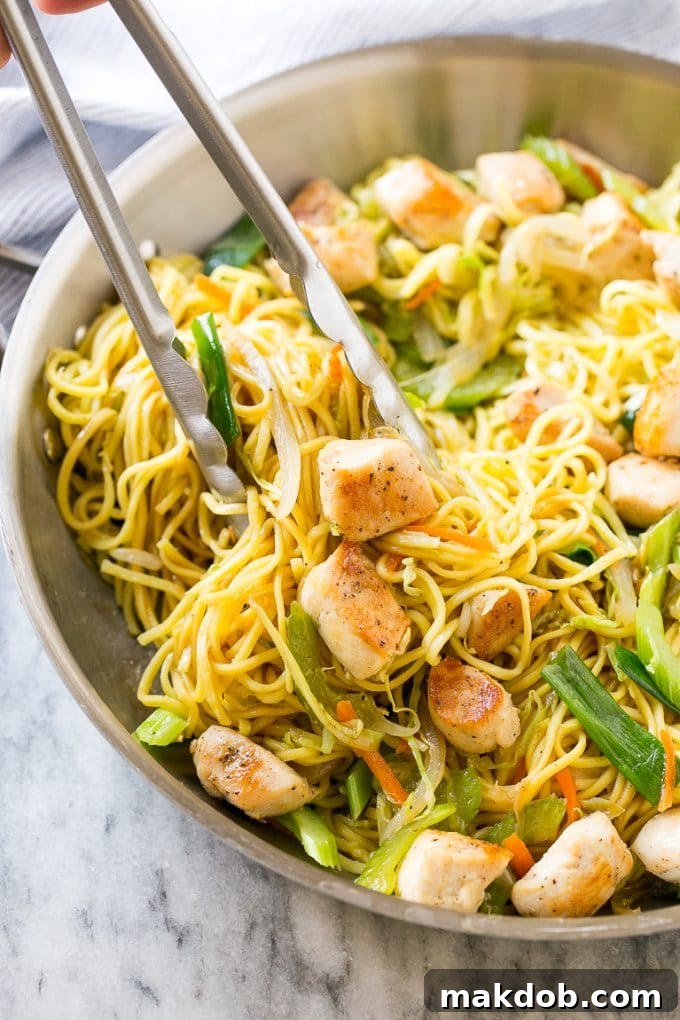
Easy Chicken Chow Mein Recipe: Experience Authentic Takeout Flavors at Home
Craving the vibrant, savory taste of your favorite Chinese restaurant but don’t want to leave the comfort of your home? This easy chicken chow mein recipe is your perfect solution! Packed with tender, seasoned chicken, crisp vegetables, and springy noodles, all coated in a rich, umami-packed sauce, it’s a homemade triumph that undeniably surpasses any takeout order. Forget the wait and the delivery fees; delicious, restaurant-quality chow mein is now just minutes away in your own kitchen.
There’s a unique satisfaction that comes with creating classic dishes from scratch. When the craving for Chinese food strikes, I often find myself pairing this irresistible chicken chow mein with complementary dishes like flavorful veggie fried rice and crisp homemade egg rolls. This combination transforms an ordinary evening into an extraordinary culinary experience, bringing all the beloved flavors of your go-to Chinese spot directly to your dining table.
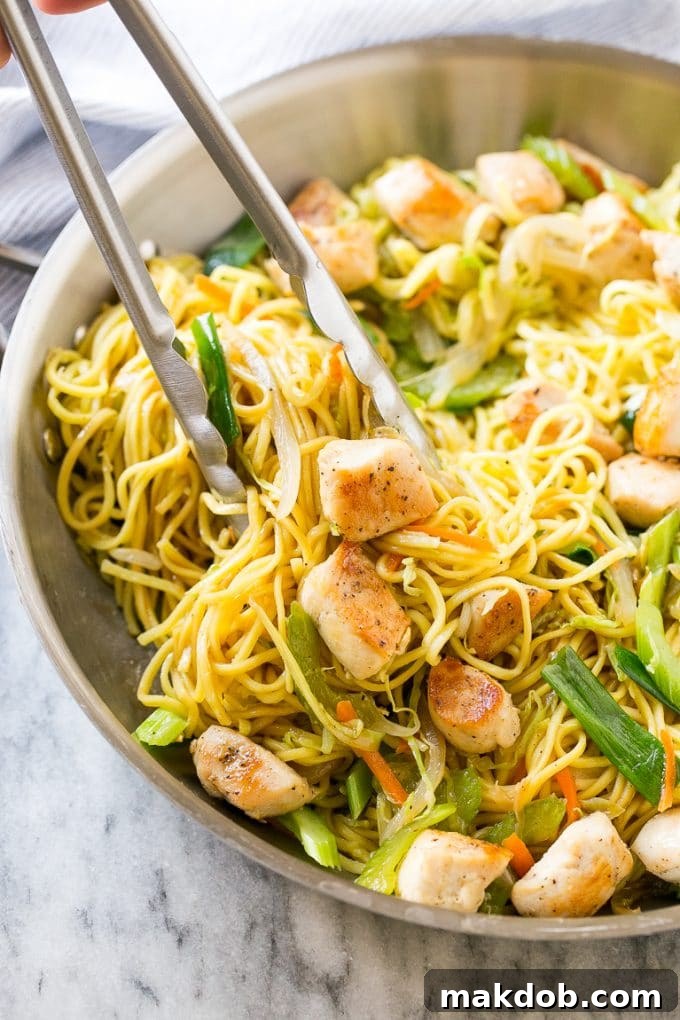
Unlock the Secrets of Perfect Homemade Chicken Chow Mein
Chow mein, a cornerstone of Chinese cuisine, translates literally to “stir-fried noodles.” It’s a dish celebrated globally for its comforting texture and robust flavor profile. While variations abound, the essence remains the same: a harmonious blend of chewy noodles, fresh vegetables, and succulent protein, all united by a savory sauce in a sizzling wok or pan. This recipe demystifies the process, proving that this beloved classic is remarkably simple to recreate at home. You don’t need expert chef skills to whip up a batch that will impress your family and friends; just follow our easy steps and tips.
Essential Ingredients for Your Authentic Chicken Chow Mein
Creating an authentic and incredibly delicious chicken chow mein begins with selecting the right ingredients. The beauty of this recipe lies in its accessibility; most items are readily available at your local grocery store. Here’s what you’ll need to assemble for a memorable meal:
- Vegetable Oil: The foundation for stir-frying, providing a neutral base for other flavors.
- Chicken Breast: Boneless, skinless chicken breast, cut into bite-sized pieces, ensures quick cooking and lean protein. Chicken thighs can also be used for a more tender, flavorful alternative.
- Chow Mein Noodles: The star of the dish! Look for dried chow mein noodles in the international aisle. If unavailable, yaki soba noodles or thin spaghetti can serve as excellent substitutes.
- Yellow Onion: Thinly sliced, adding a foundational aromatic sweetness.
- Carrots: Shredded or julienned for a touch of sweetness, vibrant color, and delightful crunch.
- Celery: Thinly sliced, contributing a refreshing crispness and subtle peppery note.
- Garlic: Minced fresh garlic is crucial for that characteristic savory depth.
- Cabbage: Shredded cabbage wilts beautifully, adding bulk and a tender texture to the noodle dish.
- Soy Sauce: The backbone of the savory sauce, providing umami and saltiness. Opt for a good quality brand.
- Honey: A touch of honey balances the savory notes with a hint of natural sweetness, giving the sauce a lovely sheen.
- Sesame Oil: Added at the end, sesame oil imparts a distinctive nutty aroma and deep flavor that defines many Asian dishes.
- Green Onion: Sliced green onion tops (the dark green part) are used as a garnish and for a fresh, mild oniony bite.
- Salt and Black Pepper: Essential for seasoning the chicken and adjusting the overall flavor to your preference.
Mastering the Stir-Fry: A Step-by-Step Guide to Chicken Chow Mein
Making chicken chow mein at home is a swift and rewarding experience. The key to a successful stir-fry is preparation, so ensure all your ingredients are chopped and measured before you even turn on the stove. This technique, known as mise en place, will make the cooking process smooth and enjoyable.
Here’s how to create your own delectable chicken chow mein:
- Noodle Preparation: Begin by boiling water in a large pot. Add your chow mein noodles and cook them according to the package directions until they are al dente. Drain them thoroughly and set aside.
- Chicken Stir-Fry: Heat a tablespoon of vegetable oil in a large skillet or wok over medium-high heat. Add the bite-sized chicken pieces, seasoning them with a pinch of salt and freshly ground black pepper. Cook the chicken for about 3-4 minutes per side, or until it’s golden brown and fully cooked through. Remove the chicken from the pan and set it aside, leaving any residual oil and flavorful bits in the pan.
- Vegetable Sauté: To the same pan, add the thinly sliced yellow onions, shredded carrots, and sliced celery. Sauté these vegetables for 3-4 minutes until they begin to soften but still retain a slight crispness.
- Aromatic Boost: Stir in the minced garlic and cook for another 30 seconds until fragrant. Be careful not to burn the garlic.
- Combine and Toss: Return the cooked chicken to the pan. Add the prepared chow mein noodles and the shredded cabbage. Toss everything together vigorously to ensure even distribution of ingredients.
- Crafting the Sauce: In a small bowl, whisk together the soy sauce, honey, and sesame oil until well combined. This is your flavorful chow mein sauce.
- Sauce and Finish: Pour the soy sauce mixture over the noodles and vegetables in the pan. Stir continuously until the sauce evenly coats all the ingredients, imparting that signature glossy finish. Finally, add the sliced green onion tops and cook for 1-2 more minutes, just until the green onions and cabbage are slightly wilted.
- Serve Immediately: Transfer your hot, fragrant chicken chow mein to serving plates and enjoy without delay!
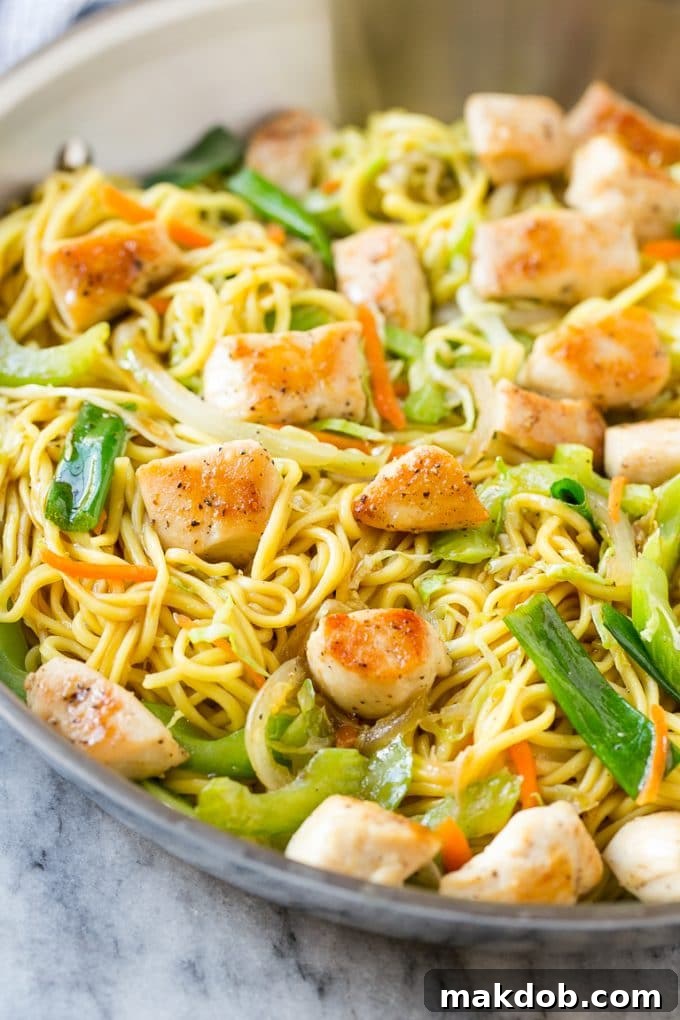
Pro Tips for the Best Chicken Chow Mein Experience
Achieving takeout-level perfection in your homemade chicken chow mein is easier than you think with a few clever tricks:
- Noodle Nuances: While finding specific “chow mein” noodles is ideal, don’t fret if they’re elusive. Many supermarkets carry dried chow mein noodles in their international or Asian food aisles, often in 6-ounce packages that cook quickly. Excellent alternatives include refrigerated yaki soba noodles (which often don’t even require boiling, saving you a step!), thin egg noodles, or even regular spaghetti or linguine cooked al dente. The goal is a noodle with good chew that holds up to stir-frying.
- Precision Veggie Prep: Uniformly thin vegetables cook quickly and evenly, contributing to the overall texture of the dish. A mandoline slicer is a fantastic tool for achieving perfectly thin slices of onions, carrots, and celery, but a sharp knife and a steady hand work just as well. The thinner the slice, the faster they’ll cook and the better they’ll integrate with the noodles.
- Mise en Place is Your Friend: This French culinary term means “everything in its place.” Before you even turn on the heat, have all your chicken cut, vegetables sliced, garlic minced, and sauce whisked together. Stir-frying is a rapid cooking method, and you won’t have time to chop ingredients mid-process. This preparation ensures a stress-free and successful cooking experience.
- High Heat, Quick Cook: A wok or a large, heavy-bottomed skillet is best for stir-frying. Ensure your pan is very hot before adding the oil and ingredients. High heat sears the chicken and vegetables quickly, preserving their texture and preventing them from steaming.
- Don’t Overcrowd the Pan: Cook the chicken and vegetables in batches if necessary, especially if you’re using a smaller pan. Overcrowding lowers the pan’s temperature, leading to steamed rather than stir-fried ingredients, which can result in a soggy dish.
Remember: Preparation is paramount in stir-frying. Have your chicken and all vegetables finely chopped and ready to go before you even think about heating the pan!
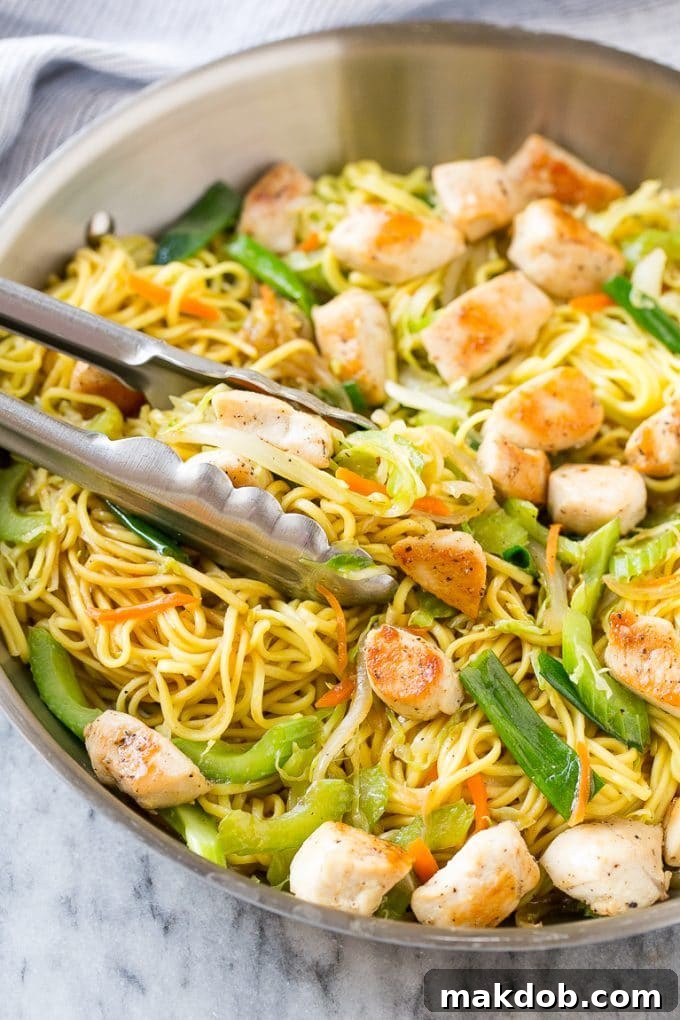
Chow Mein vs. Lo Mein: Understanding the Delicious Difference
It’s a common culinary conundrum: what’s the real difference between chow mein and lo mein? While both are popular Chinese noodle dishes, their names and preparation methods reveal distinct characteristics that lead to different textures and flavor experiences.
- Chow Mein: As discussed, “chow mein” literally means “stir-fried noodles.” The noodles used for chow mein are typically thinner, often sold dried, and are boiled briefly before being added to the wok. The cooking method involves stir-frying these noodles until they are slightly crisp or have a chewier bite, often incorporating them directly into the stir-fry with the meat and vegetables. The sauce tends to be lighter and adheres more subtly to the noodles, allowing the individual flavors of the other ingredients to shine.
- Lo Mein: “Lo mein” translates to “tossed noodles.” These noodles are generally thicker, chewier, and often sold fresh or refrigerated. Instead of being stir-fried until crisp, lo mein noodles are boiled until fully cooked and then tossed with a thicker, more abundant sauce and other ingredients. The focus in lo mein is more on the noodles themselves, as they are thicker and absorb more of the rich sauce. This results in a softer, saucier dish where the noodles are the primary textural component.
So, which is “better”? The choice ultimately comes down to personal preference. If you enjoy a dish where the noodles are distinct, perhaps a little firmer or crisper, and the meat and vegetables are equally highlighted, chow mein is your ideal choice. The sauce in chow mein tends to be less absorbent, keeping the dish from becoming overly saucy. If you prefer a heartier, thicker noodle that is generously coated in sauce and plays a more central role in the meal, then lo mein is likely to be your preferred option.
Customize Your Chow Mein: Flavor Variations & Protein Power-Ups
This easy chicken chow mein recipe is a fantastic canvas for culinary creativity. It’s incredibly simple to customize, allowing you to tailor it to your preferences or whatever ingredients you have on hand. Don’t be afraid to experiment!
- Veggies Galore: While carrots, celery, onion, and cabbage are classics, feel free to diversify your vegetable medley. Add colorful bell peppers for sweetness and crunch, earthy mushrooms, crisp snow peas, tender baby corn, or even bamboo shoots for an authentic touch. Broccoli florets or snap peas are also excellent additions.
- Meat Marvels: For a different texture or richer flavor, swap out chicken breast for succulent chicken thighs. You can also elevate this dish by incorporating other proteins. Shrimp chow mein is a popular choice, as is pork or beef chow mein. For an “all-in” experience, consider a “ten-ingredient chow mein” loaded with various meats and seafood—a true restaurant-style feast!
- Vegetarian & Vegan Friendly: Easily transform this into a vegetarian or vegan delight by substituting the chicken with extra-firm tofu, tempeh, or a medley of your favorite mushrooms. Ensure your soy sauce is a vegan brand.
- Garnish & Glee: Enhance both the visual appeal and flavor with simple toppings. A sprinkle of toasted sesame seeds adds a nutty crunch, while fresh bean sprouts contribute a refreshing, crisp texture. A drizzle of chili oil can introduce a lovely kick for those who enjoy a bit of spice.
- Flavor Enhancers: For an extra layer of complexity, mince some fresh ginger and cook it alongside the garlic. A tablespoon of oyster sauce (for umami depth) or hoisin sauce (for a sweet and tangy touch) can be whisked into the main sauce, transforming the flavor profile. A splash of rice vinegar at the end can brighten the whole dish.
Follow Me
Serving Suggestions & Perfect Pairings
While chicken chow mein is a satisfying meal on its own, it truly shines when served as part of a larger Asian-inspired feast. Consider pairing it with a simple steamed white rice to soak up any extra sauce, or a light vegetable soup. For a refreshing contrast, a crisp cucumber salad with a sesame dressing or a side of blanched asparagus can complement the richness of the noodles. The dish’s versatility also allows it to be served with other popular Chinese appetizers or main courses for a diverse spread.
Storing Leftovers for Future Enjoyment
One of the many joys of homemade chow mein is the delicious leftovers! To store, allow the chow mein to cool completely to room temperature. Transfer it to an airtight container and refrigerate for up to 3-4 days. When reheating, gently warm in a skillet over medium heat, adding a splash of water or chicken broth to rehydrate the noodles and sauce. You can also microwave it, stirring occasionally, until heated through. The flavors often deepen overnight, making it an even more delightful meal the next day.
Conclusion: Your Homemade Chow Mein Adventure Awaits
The next time you find yourself contemplating a takeout order, pause and remember how simple and incredibly satisfying it is to make your own chicken chow mein. This recipe offers a quick, fresh, and customizable alternative that’s ready in about the same time it would take to drive to pick up your order. Keep a package of dried chow mein noodles in your pantry for those spontaneous cravings, and you’ll always be prepared to whip up a wholesome, flavorful, and budget-friendly meal. Enjoy the journey of bringing authentic Chinese flavors into your home with this fantastic, easy-to-follow recipe!
More Asian Food Favorites to Try
If you loved this chicken chow mein, be sure to explore more of our delightful Asian-inspired recipes:
- Crispy Crab Rangoon
- Lighter Honey Sesame Chicken
- Zesty Chinese Lemon Chicken
- Fresh Chicken Lettuce Wraps
- Savory Pepper Steak Stir Fry
Chicken Chow Mein
Pin Recipe
Sara Welch
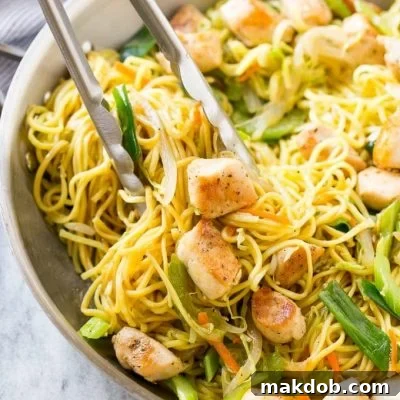
This easy chicken chow mein recipe is full of seasoned chicken, veggies and noodles, all tossed together in a savory sauce. It’s so much better than take out!
Ingredients
- 1 tablespoon vegetable oil
- 3/4 pound boneless skinless chicken breasts cut into 1 inch pieces
- 6 ounces dry chow mein noodles
- 1/2 cup thinly sliced yellow onion
- 1/2 cup shredded or julienned carrots
- 1/4 cup thinly sliced celery
- 1 teaspoon minced garlic
- 1 cup shredded cabbage
- 1/4 cup soy sauce
- 2 teaspoons honey
- 1 tablespoon sesame oil
- 1/4 cup sliced green onion tops (only the dark green part)
- salt and pepper to taste
Instructions
- Bring a pot of water to a boil; add the chow mein noodles and cook according to package instructions.
- Preheat the oil in a large pan over medium high heat.
- Add the chicken and season with salt and pepper to taste. Cook for 3-4 minutes per side or until golden brown.
- Add the onions, carrots and celery to the pan and cook for 3-4 minutes or until just softened.
- Add the garlic and cook for 30 seconds.
- Add the noodles to the pan, along with the cabbage. Toss to combine.
- In a small bowl, whisk together the soy sauce, honey and sesame oil. Pour the soy sauce mixture into the pan.
- Stir until sauce evenly coats the noodles. Add the green onion tops and cook for 1-2 more minutes, until green onions and cabbage are wilted. Serve immediately.
Notes
- You probably already have most of the ingredients for this recipe except for the chow mein noodles. I found dried chow mein noodles in the international aisle of my grocery store, they come in 6 ounce packages and cook very quickly.
- I use a mandoline to cut my vegetables thin so that they cook quickly.
- Cut your vegetable and chicken before you start cooking to save time.
Nutrition
Tag @dinneratthezoo on Instagram and hashtag it #dinneratthezoo