
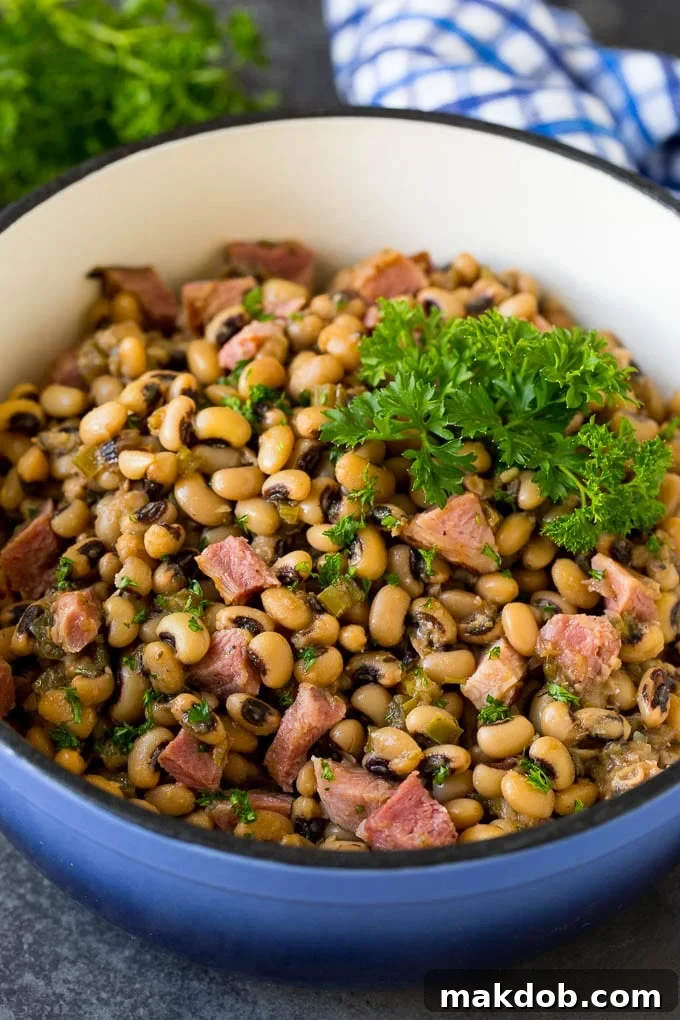
Delve into the heart of Southern culinary tradition with Hoppin’ John, a soul-satisfying dish that promises not only warmth and robust flavor but also a heaping serving of good fortune for the year ahead. This classic recipe features tender black eyed peas simmered to perfection with savory ham and a medley of vibrant vegetables, all served atop a bed of fluffy rice. More than just a meal, Hoppin’ John is a cherished ritual, especially on New Year’s Day, believed to usher in prosperity and luck for those who partake.
While most famously associated with January 1st celebrations, the irresistible flavors of Hoppin’ John make it a beloved comfort food staple enjoyed throughout the entire year. Its rich, smoky profile and creamy texture are simply too good to reserve for just one special occasion. Annually, as the calendar turns, families gather to savor this symbolic dish, often accompanied by other Southern essentials like golden honey cornbread and tender smoky collard greens, completing a feast steeped in tradition and hope.
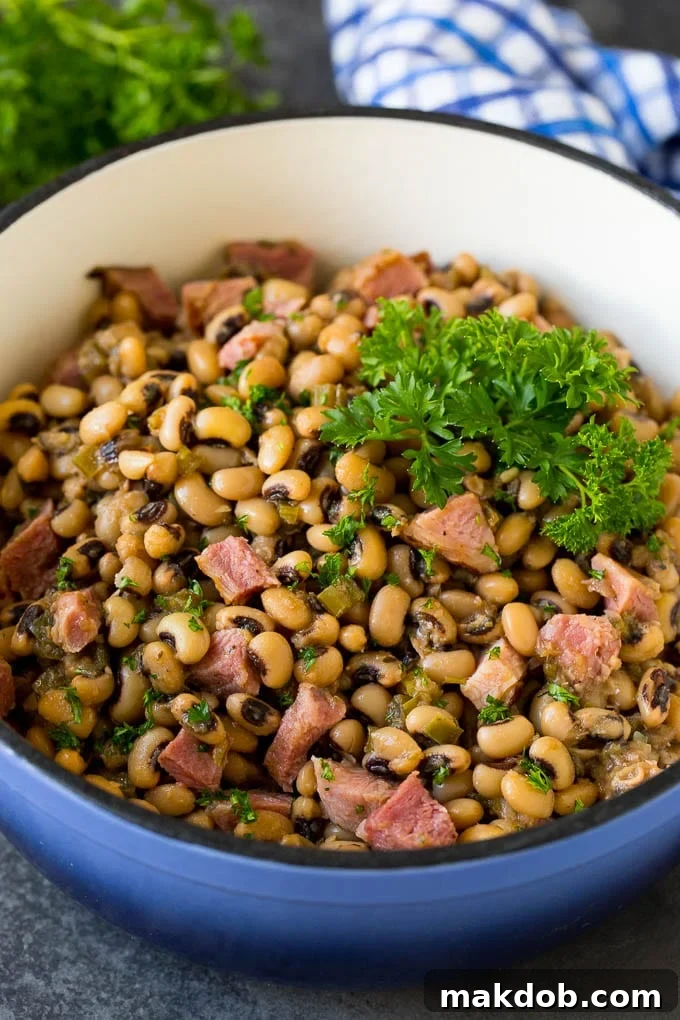
Hoppin’ John stands out as a traditional dish that is not only simple to prepare and economical but also bursting with flavor and profound symbolic meaning. Its deep roots in Southern culture and its association with ushering in good fortune have made it an indispensable part of New Year’s celebrations for generations. However, its wholesome goodness and comforting nature transcend seasonal traditions, making it an ideal choice for any family meal where hearty, soulful food is desired.
If you’re looking to create a true Southern culinary experience, consider pairing your Hoppin’ John with other regional favorites. Explore recipes for savory mustard greens, classic Southern mac and cheese, a unique pineapple casserole, or the ever-popular funeral potatoes. Mix and match these delectable options to craft your ultimate Southern feast!
Table of Contents
- What is Hoppin’ John? A Southern Culinary Gem
- The Symbolism of Hoppin’ John: More Than Just a Meal
- Essential Hoppin’ John Ingredients
- Crafting Your Hoppin’ John: A Step-by-Step Guide
- Expert Tips For The Perfect Hoppin’ John
- Spice It Up: The Art of Cajun Seasoning
- Hoppin’ John FAQs: Unveiling the Mysteries
- Customizing Your Hoppin’ John: Delicious Flavor Variations
- Serving Suggestions: Completing Your Southern Feast
- More Southern Dishes
- Hoppin’ John Recipe Card
What is Hoppin’ John? A Southern Culinary Gem
At its core, Hoppin’ John is a traditional dish deeply embedded in the culinary landscape of the American South, particularly in the Lowcountry region of South Carolina and Georgia. It typically consists of black eyed peas and rice, often with pork (such as ham hocks, bacon, or fatback), and chopped onions, bell peppers, and celery (the “holy trinity” of Southern cooking). The ingredients are simmered together until the peas are tender and infused with rich, smoky flavors from the pork. While it may seem like a simple concoction, the magic of Hoppin’ John lies in the slow melding of these humble ingredients into a dish that is profoundly flavorful and comforting.
The origins of Hoppin’ John are believed to trace back to West African and Caribbean influences, brought to the American South through the transatlantic slave trade. Enslaved Africans, particularly those from the Gullah Geechee culture of the Lowcountry, adapted traditional cooking methods and ingredients, transforming simple sustenance into dishes brimming with cultural significance. Over time, it evolved into the beloved staple we recognize today, celebrated for its unique taste and its role in regional customs. It’s a testament to the resilience and creativity of Southern cooks throughout history.
The Symbolism of Hoppin’ John: More Than Just a Meal
Beyond its delectable taste, Hoppin’ John carries a rich tapestry of symbolism, particularly concerning prosperity and good luck. This is why it remains an unmissable dish on New Year’s Day across the Southern states, and increasingly, beyond. Each component of the meal is imbued with a special meaning, promising a prosperous year ahead for those who observe the tradition.
The central ingredient, black eyed peas, are said to represent coins or currency. Their small, round shape, which swells as they cook, symbolizes the expansion of wealth and fortune. The more peas you eat, the more prosperity you invite into your life! This belief dates back to the Civil War era, when Union soldiers reportedly left black eyed peas and salted pork untouched, leading Southerners to consider them lucky for survival.
Often served alongside Hoppin’ John are collard greens (or mustard greens), which symbolize paper money due to their green color. Eating greens with your Hoppin’ John is believed to double your financial blessings for the coming year. To complete this triumvirate of luck, many serve cornbread, whose golden hue is thought to represent gold, further enhancing the promise of wealth.
Finally, the pork element – whether it’s a ham hock, bacon, or another cut – is significant because pigs are known to “root forward” when they forage for food. This forward-moving action is seen as a symbol of progress and looking ahead, ensuring you don’t look back at past misfortunes but rather stride confidently into the new year. Together, these elements create a meal that is not just satisfying to the palate but also deeply meaningful to the soul, reinforcing hope and optimism for what lies ahead.
Essential Hoppin’ John Ingredients
To embark on the creation of this authentic and flavorful Hoppin’ John, you’ll need a selection of fresh and pantry staples. The magic truly happens when these simple ingredients come together to form a rich, complex stew. Gather the following:
- Butter: For sautéing and adding richness to the base.
- Aromatics (Onion, Celery, Bell Pepper): These three form the “holy trinity” of Cajun and Creole cooking, providing a foundational flavor profile. Ensure they are finely diced for even cooking and distribution.
- Garlic: Adds a pungent, aromatic depth that is essential to the dish.
- Bay Leaf: Infuses the stew with a subtle, earthy, and slightly floral note. Remember to remove it before serving.
- Dried Thyme: A classic herb that complements the savory flavors of pork and peas.
- Cajun Seasoning: Brings a vibrant blend of spices and a mild kick. You can use a store-bought blend or make your own for customized flavor.
- Salt and Black Pepper: To season the dish perfectly and bring out all the flavors. Adjust to your personal taste.
- Ham Hock or Diced Ham: The star protein that imparts a deep, smoky, and savory flavor. A ham hock offers unparalleled depth, while diced ham provides convenience and flavor.
- Black Eyed Peas: The namesake legume. Use dried peas for the best texture and flavor, ensuring they are thoroughly rinsed.
- Chicken Broth: The liquid base that allows the peas to simmer and absorb all the delicious flavors. Low-sodium broth is recommended to control the overall saltiness.
- Fresh Parsley: For a bright, herbaceous garnish that adds a touch of freshness and color at the end.
Crafting Your Hoppin’ John: A Step-by-Step Guide
Creating a truly memorable Hoppin’ John is a straightforward process, relying on careful layering of flavors and a patient simmer. Follow these steps to prepare your own pot of good luck and deliciousness:
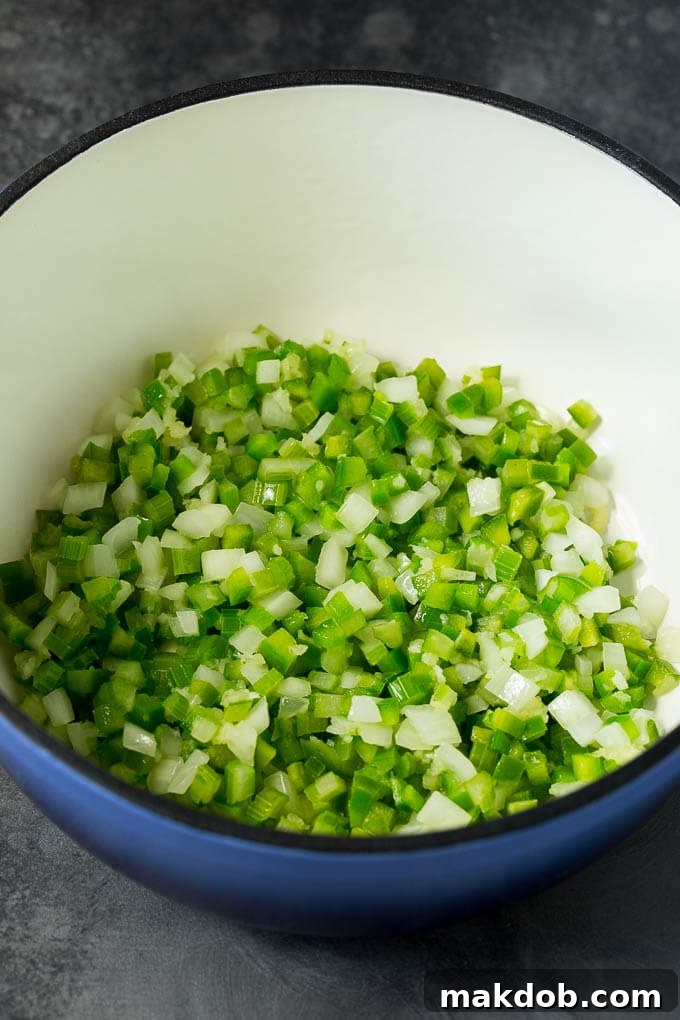
- Sauté the Aromatics: Begin by melting the butter in a large, heavy-bottomed pot or Dutch oven over medium heat. Once the butter is shimmering, add your finely diced onion, celery, and green bell pepper. Cook these vegetables gently for about 4-5 minutes, stirring occasionally, until they soften and become fragrant. This step is crucial for building the foundational flavor of your stew.
- Infuse with Garlic and Spices: Stir in the minced garlic and cook for another 30 seconds until aromatic, being careful not to burn it. Next, add the bay leaf, dried thyme, Cajun seasoning, salt, and black pepper. Stir these spices into the softened vegetables, allowing their aromas to release.
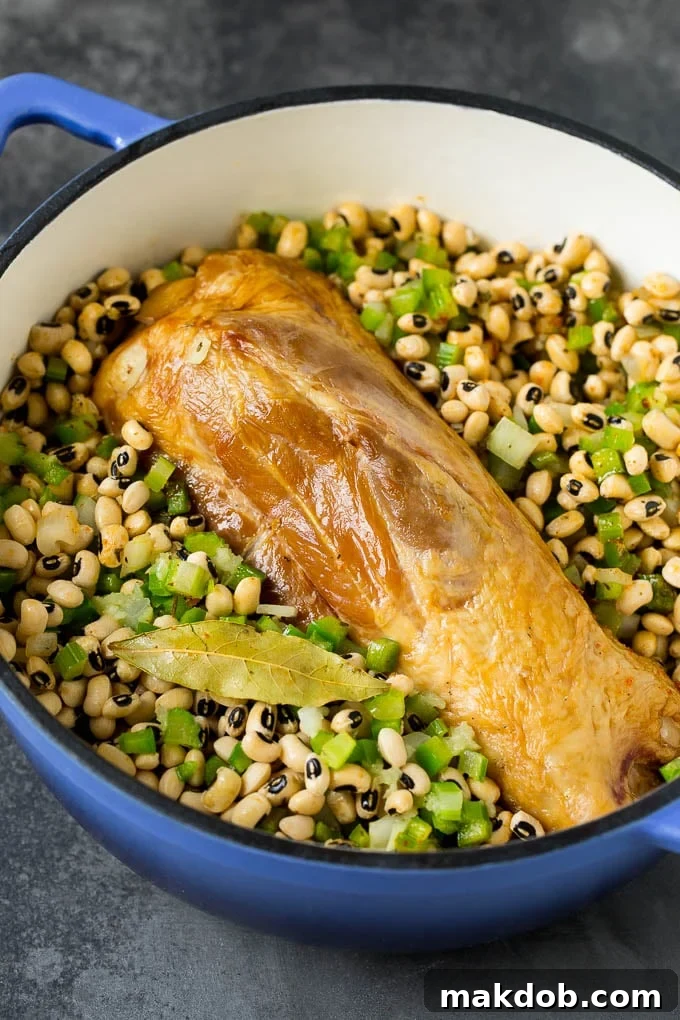
- Add Protein and Peas: Incorporate the ham hock (or diced ham) and the rinsed black eyed peas into the pot. Stir everything thoroughly to ensure the peas and ham are well coated with the seasoned aromatics.
- Simmer to Perfection: Pour in the chicken broth, ensuring all the ingredients are adequately submerged. Bring the mixture to a gentle simmer over medium-high heat. Once simmering, reduce the heat to medium-low, cover the pot, and allow it to cook for approximately one hour. The key here is patience; the peas need time to become tender and absorb the rich flavors from the ham and spices. Periodically check for tenderness – the cooking time may vary based on the freshness of your dried peas.
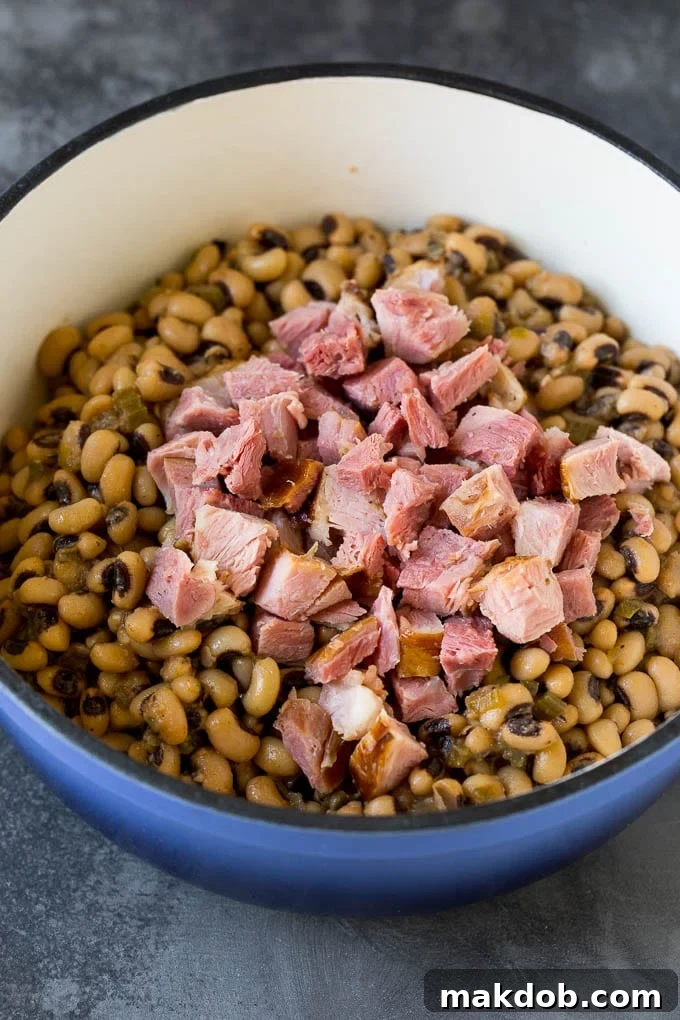
- Prepare and Return Ham: Once the peas are tender, carefully remove the ham hock from the pot. Allow it to cool slightly, then expertly cut the succulent meat off the bone. Discard the bone and return the shredded or diced ham meat back into the pot, stirring it through the peas. This ensures every bite is infused with that delightful smoky flavor.
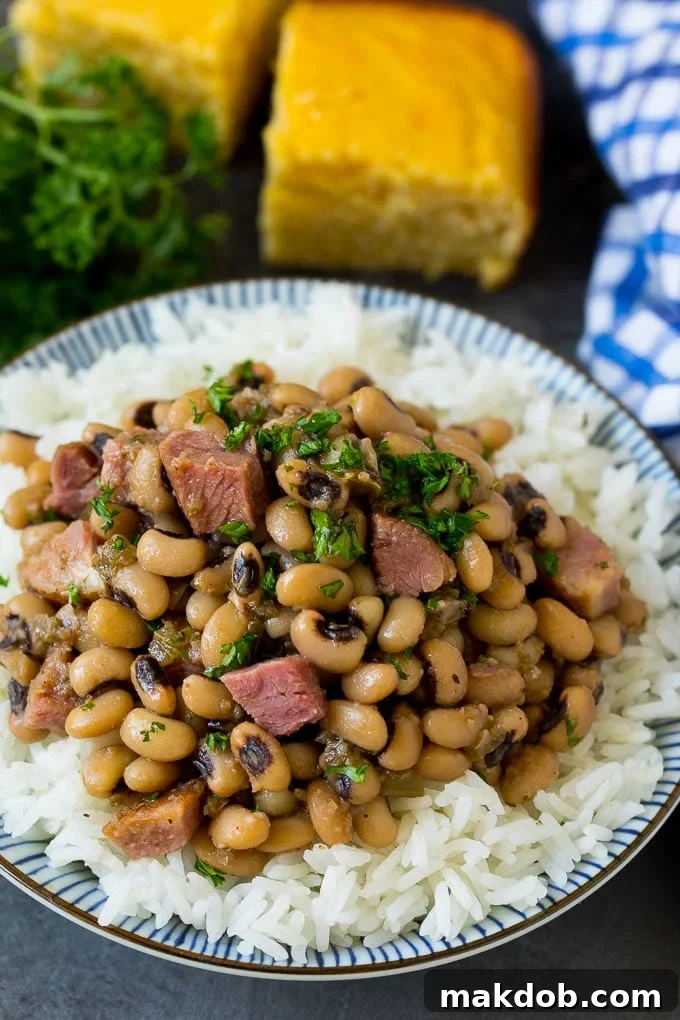
- Garnish and Serve: Stir in the fresh chopped parsley for a burst of color and herbaceous freshness. Give it a final taste and adjust seasoning if necessary. Ladle generous portions of your flavorful Hoppin’ John over freshly steamed long-grain rice, then garnish with a little extra parsley. Serve hot and enjoy this classic Southern comfort food!
Expert Tips For The Perfect Hoppin’ John
- To Soak or Not to Soak? For this particular Hoppin’ John recipe, you do not strictly need to soak your dried black eyed peas before cooking. The simmering process, combined with the other ingredients, will tenderize them beautifully. However, if you prefer to soak them overnight or for a few hours, you certainly can. Be aware that soaking will likely reduce the overall cook time. Regardless of whether you soak them or not, always remember to thoroughly rinse your black eyed peas under cold running water to remove any dust or debris before adding them to the pot.
- Monitoring Cook Time: The exact cook time for your peas can vary significantly based on their age and how long they’ve been sitting in your pantry. While fresh dried peas might become tender in about an hour, older peas could take up to two hours, or even longer. Start checking for tenderness around the 45-minute mark and continue simmering until they reach your desired consistency – creamy but not mushy.
- Don’t Forget the Bay Leaves! Bay leaves contribute a subtle, aromatic depth to the stew during cooking. However, they are not meant to be eaten. Always make sure to remove the bay leaf (or leaves) from the pot before serving your Hoppin’ John.
- The Ideal Pairing: Hoppin’ John is traditionally served over fluffy cooked long-grain rice. The rice absorbs the flavorful broth, making each spoonful incredibly satisfying. You can use white or brown long-grain rice, depending on your preference. Some also enjoy it with grits or even crusty bread for dipping.
- Storage and Freezing: This hearty dish makes for excellent leftovers! Hoppin’ John will stay fresh and delicious in an airtight container in the refrigerator for up to 4 days. If you’ve made a large batch or wish to prepare ahead, both the peas and rice freeze beautifully. Store them separately in freezer-safe containers for up to 2 months. Thaw overnight in the refrigerator and reheat gently on the stovetop or in the microwave, adding a splash of broth if needed to restore moisture.
Spice It Up: The Art of Cajun Seasoning
Cajun seasoning is the vibrant soul of many Southern dishes, including Hoppin’ John. You can effortlessly purchase a good quality blend from most grocery stores. However, for a truly personalized touch and to control the spice level, consider making your own homemade Cajun seasoning blend. A typical blend includes paprika, garlic powder, onion powder, cayenne pepper, dried oregano, and dried thyme, allowing you to adjust the heat and flavor notes to your liking. Crafting it yourself ensures freshness and the perfect balance for your palate.
Hoppin’ John FAQs: Unveiling the Mysteries
The precise origin of the name “Hoppin’ John” remains a delightful mystery, steeped in folklore and various theories. One popular theory suggests that the name is a charming derivation from the French term “pois pigeons,” which translates to “pigeon peas” or “dried peas.” Another whimsical explanation attributes the name to the excitement people felt on New Year’s Day, reportedly hopping around the table in eager anticipation of savoring this much-loved, lucky dish. Regardless of its true etymology, the name has become synonymous with tradition and good fortune.
The tradition of eating black eyed peas on New Year’s Day for good luck is deeply ingrained in Southern culture and carries several symbolic meanings, primarily revolving around wealth and prosperity. The dried peas themselves are said to vaguely resemble small coins, thus representing riches in the coming year. Another belief is that as the peas cook and swell in the pot, they symbolize the expansion and growth of wealth and fortune in one’s life. This concept is often extended by serving the dish with cornbread, whose vibrant yellow color is believed to represent gold, and with various types of cooked greens (like collards or mustard greens), which symbolize paper money. Together, these elements form a meal that is not only delicious but also a powerful culinary charm for a prosperous start to the new year.
Customizing Your Hoppin’ John: Delicious Flavor Variations
While the traditional Hoppin’ John recipe offers a time-honored taste, its beauty also lies in its adaptability. You can easily customize the ingredients to perfectly suit your dietary preferences or simply to explore new flavor dimensions. Here are some delicious variations to consider:
- Protein Power-Up: The ham hock is a flavor powerhouse, providing incredible smoky depth. However, you have several other excellent options. A leftover ham bone can also infuse a wonderful taste. For a quicker preparation, use diced ham or crispy rendered bacon. If you’re looking for different smoky notes, try adding sliced smoked sausage or even lean smoked turkey for a lighter alternative. For a vegetarian version, simply omit the meat and use vegetable broth, perhaps adding a smoked paprika for a hint of smokiness.
- Pea Alternatives: While black eyed peas are traditional, some regions and personal preferences might lean towards other legumes. Red cowpeas or crowder peas are excellent alternatives that maintain a similar Southern feel and texture. In a pinch, or for a different twist, you could even experiment with other types of dried beans, keeping in mind that cooking times may vary.
- Veggie Boost: Enhance the nutritional value and visual appeal by incorporating additional vegetables. Sliced red bell peppers can add a touch of sweetness and vibrant color. A can of diced tomatoes (drained or undrained, depending on your desired consistency) can introduce a pleasant acidity and depth, making the stew even heartier.
- Fresh Herb Finish: Beyond parsley, consider other fresh herbs for garnish or even stirred in at the end. Sliced green onions (scallions) are a fantastic addition, offering a mild oniony bite and a beautiful green contrast. Fresh cilantro, though less traditional, can also add a bright, fresh note if that’s to your taste.
- Heat Seekers Welcome: For those who love a bit of a kick, it’s easy to dial up the spice! Stir in a dash of your favorite hot sauce during simmering or drizzle it over individual servings. A pinch (or more) of red pepper flakes can be added with the other seasonings, or for a more intense heat, a touch of cayenne pepper will certainly do the trick.
This adaptable Hoppin’ John recipe is truly the best way to kick off your year, or to enjoy any time you crave a meal packed with flavor and tradition. You simply can’t go wrong with the harmonious combination of smoky meat and creamy, tender peas, all coming together in a comforting and satisfying stew.
More Southern Dishes for Your Table
Fried Okra Recipe
40 mins
Fried Apples Recipe
25 mins
Mississippi Pot Roast
8 hrs 20 mins
Low Country Boil
30 mins
Southern Cornbread Dressing
1 hr 15 mins
Serving Suggestions: Completing Your Southern Feast
To truly embrace the Southern tradition and amplify the flavors of your Hoppin’ John, consider these classic accompaniments that turn a simple meal into a memorable feast:
- Golden Cornbread: A staple that complements Hoppin’ John perfectly. Its slightly sweet, crumbly texture is ideal for soaking up the savory broth, and as mentioned, it symbolically represents gold for prosperity. Whether it’s a skillet cornbread or individual muffins, it’s a must-have.
- Tender Collard Greens or Mustard Greens: These leafy greens, simmered with ham hocks or bacon, are another essential pairing. Their earthy, slightly bitter notes provide a wonderful contrast to the rich Hoppin’ John, and they represent paper money for good luck.
- Hot Sauce: For those who appreciate an extra kick, a dash of your favorite hot sauce, such as Tabasco or Louisiana hot sauce, can elevate the flavors and add a pleasant warmth.
- Sliced Green Onions or Fresh Parsley: A final sprinkle of fresh herbs not only adds a pop of color but also a fresh, aromatic finish that brightens the entire dish.
- Sweet Iced Tea: To complete the authentic Southern experience, serve your meal with a tall glass of freshly brewed sweet iced tea.
Crafting a Southern feast around Hoppin’ John is an act of culinary tradition and hospitality. Each element plays a role in creating a balanced, flavorful, and symbolically rich meal that brings comfort and hope to the table.
Love This Recipe?
We hope you cherish this authentic Hoppin’ John recipe as much as we do! Please consider leaving a 5-star 🌟🌟🌟🌟🌟 rating in the recipe card below and a review in the comments section further down the page. Your feedback helps others discover and enjoy this wonderful dish!
Hoppin’ John
Pin
Time
Ingredients
- 2 tablespoons butter
- 3/4 cup onion finely diced
- 3/4 cup celery finely diced
- 1 green bell pepper cored, seeded and finely diced
- 1 tablespoon garlic minced
- 1 bay leaf
- 1 teaspoon dried thyme
- 1 teaspoon Cajun seasoning
- salt and pepper to taste
- 1 large ham hock or 1 1/2 cups diced ham
- 1 pound black eyed peas rinsed
- 6 cups chicken broth I use low sodium
- 2 tablespoons chopped parsley
- steamed rice for serving
Instructions
-
Melt the butter in a large pot over medium heat. Add the onion, celery and bell pepper and cook for 4-5 minutes or until softened.
-
Add the garlic and cook for 30 seconds. Add the bay leaf, thyme, Cajun seasoning, salt and pepper, ham hock or diced ham, and black eyed peas. Stir to combine.
-
Pour in the chicken broth and bring the pot to a simmer. Reduce the heat to medium low, and cook for one hour or until peas are tender.
-
Remove the ham hock from the pot. Cut the meat off the bone, and return the meat to the pot.
-
Sprinkle with parsley, then serve over rice.
Notes
- You do not need to soak your peas before you add them to this dish. If you prefer to soak them, you can, just be aware that it may reduce the cook time. Be sure to rinse your peas to remove any debris before you cook them.
- Your cook time may vary depending on the freshness of your peas. While typical dried peas take about an hour to become tender, it could take as little as 45 minutes or as long as two hours.
- Make sure to remove the bay leaves before serving the dish.
Nutrition
Carbohydrates: 15g |
Protein: 10g |
Fat: 7g |
Saturated Fat: 3g |
Cholesterol: 25mg |
Sodium: 507mg |
Potassium: 390mg |
Fiber: 4g |
Sugar: 3g |
Vitamin A: 317IU |
Vitamin C: 22mg |
Calcium: 37mg |
Iron: 2mg