
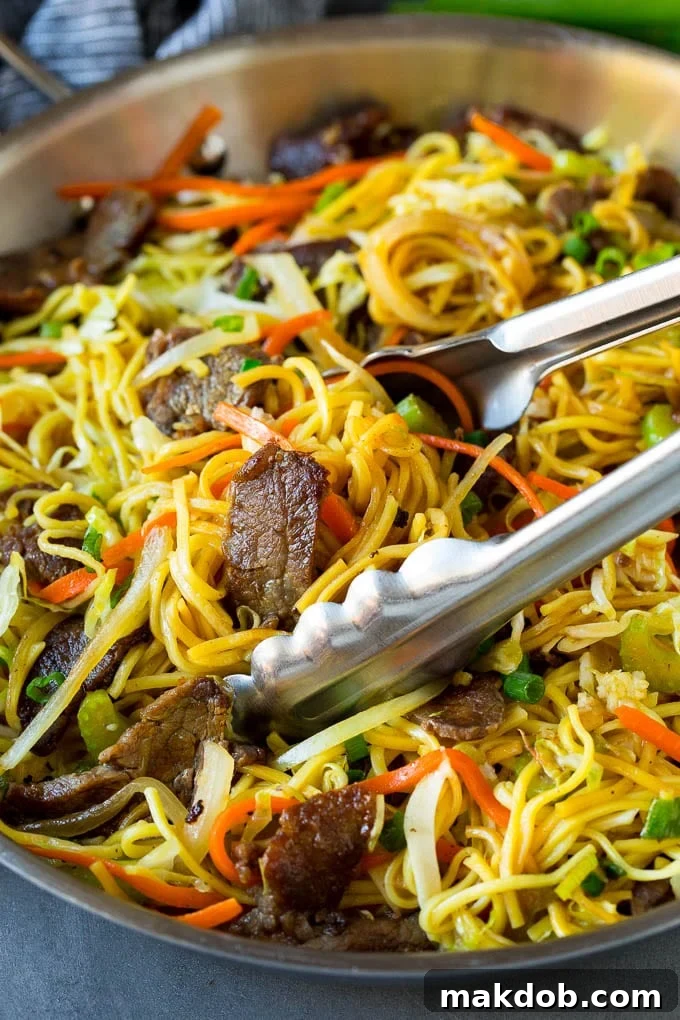
This comprehensive guide will show you how to master the art of making delicious homemade Beef Chow Mein. Forget takeout – our recipe features tender, marinated flank steak stir-fried with vibrant vegetables and perfectly cooked noodles, all coated in a rich, savory sauce. It’s an authentic take on a beloved classic that promises to be even better than what you’d find at your favorite restaurant!
My family shares a deep appreciation for the diverse flavors of Asian cuisine. Over the years, I’ve dedicated myself to perfecting our favorite dishes right in our own kitchen. From crispy egg rolls to zesty kung pao chicken, these homemade versions consistently outshine their restaurant counterparts. Today, I’m thrilled to share one of our absolute go-to recipes: this incredibly flavorful and satisfying Beef Chow Mein. It’s a dish that embodies comfort, flavor, and the joy of a home-cooked meal.
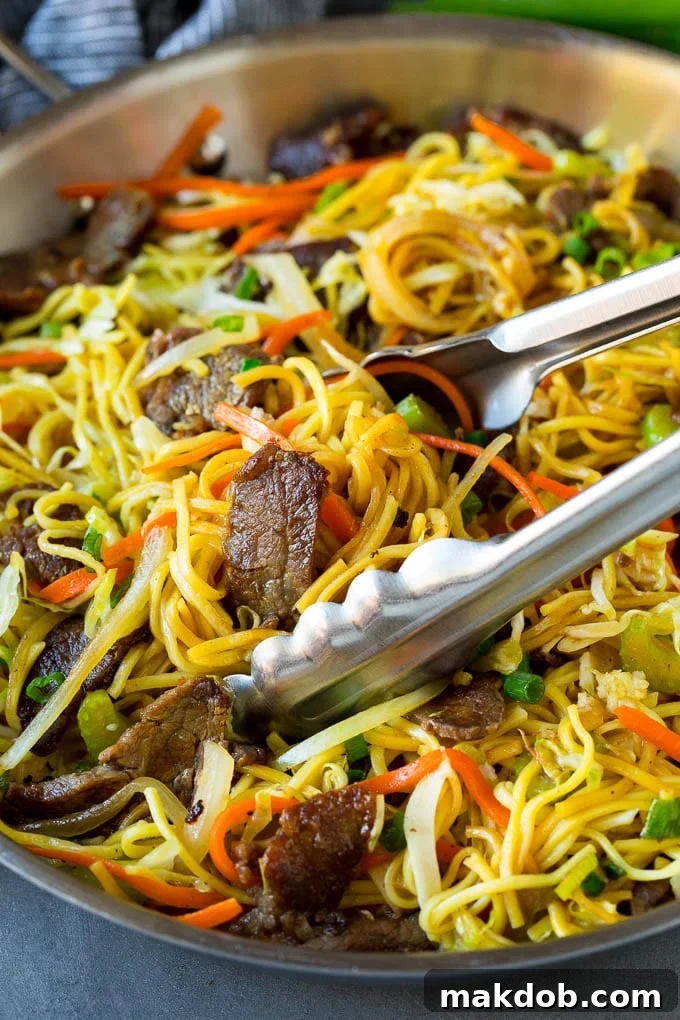
Experience the Irresistible Charm of Homemade Beef Chow Mein
For many, a trip to a Chinese restaurant isn’t complete without ordering Beef Chow Mein. It’s a dish that holds a special place, thanks to its perfect harmony of textures and flavors: succulent, savory meat, slurpable, tender noodles, and a colorful array of crisp-tender vegetables, all brought together by an umami-packed sauce. This classic combination is simply unbeatable. While dining out offers a wonderful experience, there’s a unique satisfaction that comes with recreating these beloved flavors in the comfort of your own home. Our homemade Beef Chow Mein recipe delivers the same authentic restaurant-quality taste, but with the added benefits of freshness, customizability, and the sheer pleasure of cooking for yourself and your loved ones.
Making Beef Chow Mein from scratch might sound daunting, but it’s surprisingly straightforward. This recipe is designed to guide you through each step, ensuring a delicious and rewarding culinary adventure. You’ll learn the secrets to tenderizing steak, achieving perfectly cooked noodles, and stir-frying vegetables to their ideal texture. Get ready to impress your family and friends with a dish that rivals any professional kitchen.
Crafting the Perfect Beef Chow Mein: Step-by-Step Guide
The journey to a perfect Beef Chow Mein begins with carefully preparing your ingredients. Each component plays a vital role in building the layers of flavor and texture that make this dish so special. Our recipe focuses on efficiency and maximizing flavor, ensuring a memorable meal with minimal fuss.
Preparing the Tender Flank Steak
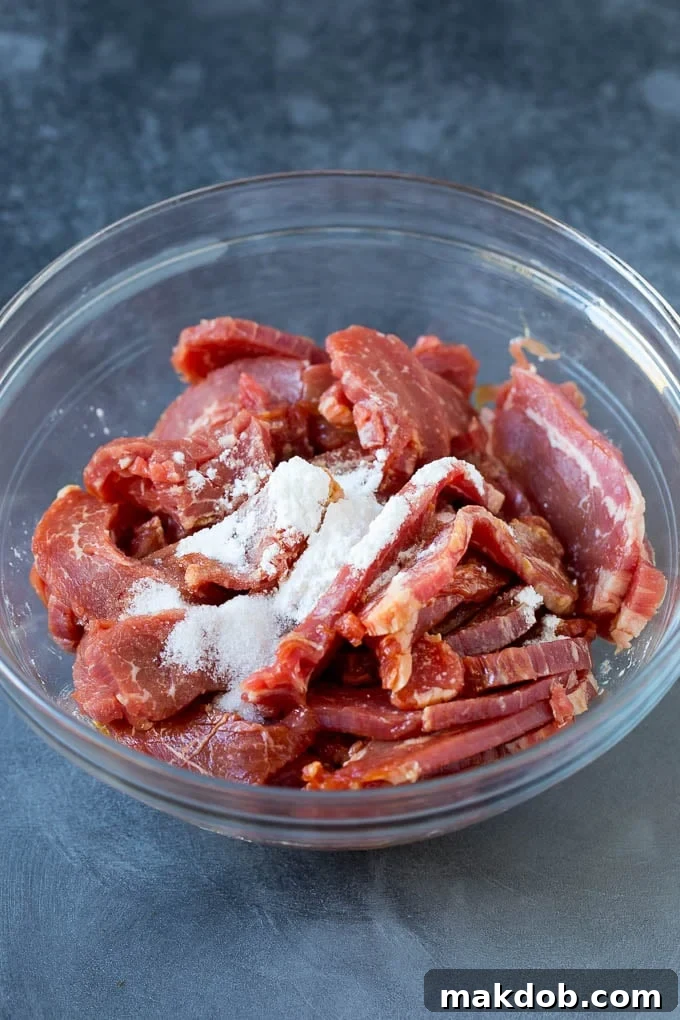
Our Beef Chow Mein truly shines thanks to the tender, flavorful flank steak. This cut is ideal for stir-frying when prepared correctly. The secret lies in a simple yet effective marinade. We start by thinly slicing the flank steak, which increases its surface area, allowing the marinade to penetrate deeply and quickly. The marinade itself is a powerhouse of flavor and tenderization, featuring soy sauce for savory depth, cornstarch for a silky texture (known as “velveting”), aromatic sesame oil, and a touch of sugar to balance the flavors and aid in browning.
Allowing the steak to marinate for a minimum of 10 minutes is crucial. This short period is enough to begin tenderizing the meat and infusing it with flavor, ensuring every bite is moist and delicious. If you have more time, an extended marination of up to 8 hours in the refrigerator will only deepen the flavors and further enhance the steak’s tenderness.
Prepping Your Fresh Vegetables
While your beef is marinating, seize the opportunity to prepare your vegetables. This stage is all about mise en place – getting everything ready before the cooking begins, which is essential for successful stir-frying. For our Beef Chow Mein, we use a classic blend of yellow onion, carrots, celery, and shredded cabbage. These vegetables not only add vibrant color and essential nutrients but also contribute different textures and subtle sweetness that complement the beef and noodles.
Thinly slicing the onions, shredding or julienning the carrots, and finely slicing the celery ensures they cook quickly and evenly in the stir-fry. A mandoline can be a fantastic tool for achieving uniform, thin slices, especially for cabbage and onions, saving you valuable time and effort. If you don’t have a mandoline, a sharp knife and a steady hand will do the trick.
The Stir-Frying Process
With your beef marinated and vegetables prepped, it’s time for the star of the show: the stir-fry. Heat a large pan or wok over medium-high heat with a tablespoon of vegetable oil. The high heat is critical for achieving a good sear on the beef and for quickly cooking the vegetables while retaining their crispness. Add the marinated steak in a single layer, ensuring not to overcrowd the pan, which would steam the meat instead of browning it. Cook the steak for 3-4 minutes per side until it’s beautifully browned and cooked through.
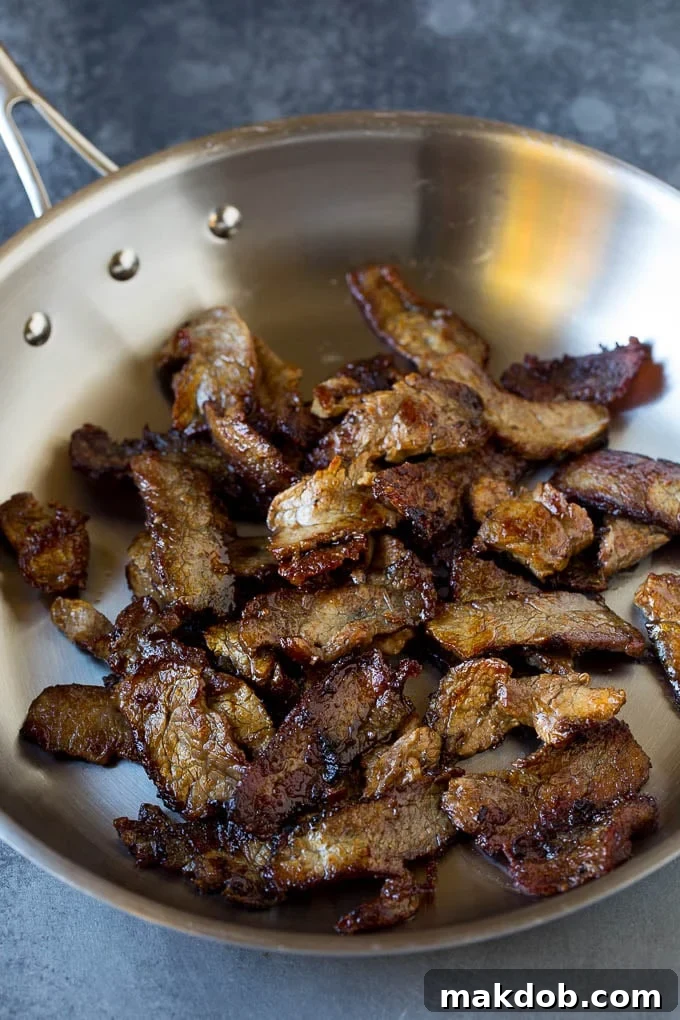
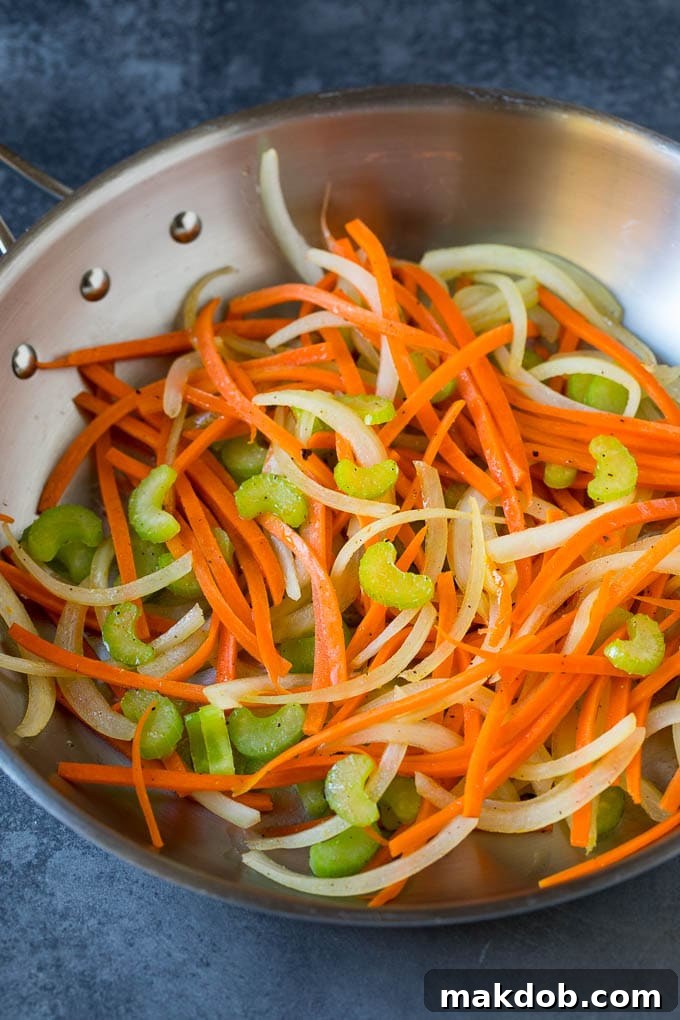
Once the steak is cooked, remove it from the pan and set it aside, covering it loosely to keep it warm. Now, it’s the vegetables’ turn. Add the onions, carrots, and celery to the same pan, stirring frequently for 3-4 minutes until they are just softened but still retain a slight bite. Season lightly with salt and pepper to taste. Next, add the minced garlic and cook for another 30 seconds until fragrant, being careful not to burn it.
Bringing It All Together: Noodles and Sauce
While the vegetables are cooking, ensure your chow mein noodles are ready. Cook them according to package instructions in a pot of salted boiling water until al dente, then drain them thoroughly. The final assembly is quick and crucial for the dish’s success. Return the cooked beef to the pan with the softened vegetables. Add the cooked chow mein noodles and shredded cabbage. Toss everything together to combine, ensuring the noodles are well integrated with the beef and vegetables.
The sauce is the soul of Chow Mein. In a small bowl, whisk together low-sodium soy sauce, sugar, low-sodium beef broth, cornstarch, and sesame oil. This blend creates a balanced, savory, and slightly sweet sauce with a silky texture from the cornstarch, which will thicken as it heats. Pour this sauce over the beef, noodles, and vegetables in the pan. Bring the mixture to a gentle simmer, allowing the sauce to thicken and beautifully coat all the ingredients. This usually takes about 1 minute.
Finally, stir in the sliced green onion tops – specifically the dark green parts for a fresh, vibrant finish. Cook for another 1-2 minutes until the green onions and cabbage are slightly wilted but still retain some texture. Serve your homemade Beef Chow Mein immediately, garnished with extra green onions if desired, and prepare for a symphony of flavors!
Mastering Your Chow Mein: Expert Tips & Tricks
Achieving restaurant-quality Beef Chow Mein at home is easier than you think with a few clever tips:
- Choosing Your Steak: While flank steak is my top recommendation for its robust flavor and texture, skirt steak or thinly sliced sirloin are excellent alternatives. Look for cuts that can be easily sliced against the grain for maximum tenderness.
- Effortless Slicing: To achieve perfectly thin slices of beef, place your steak in the freezer for 20-30 minutes before cutting. This firms up the meat, making it much easier to slice uniformly against the grain, which is key to tender stir-fried beef.
- Marination Matters: The minimum 10-minute marinade is essential, but if your schedule allows, marinating the meat for up to 8 hours in the refrigerator will significantly enhance its flavor and tenderness. Plan ahead for an even more exquisite result.
- Speedy Veggie Prep: A mandoline slicer is a game-changer for thinly slicing cabbage and onions, saving a considerable amount of time and ensuring consistent pieces that cook evenly. If you don’t have one, a sharp chef’s knife and careful technique will work just as well.
- Controlling Sodium: Always opt for low-sodium soy sauce and beef broth. This gives you complete control over the saltiness of your finished dish, allowing you to season to perfection without overdoing it.
- Wok vs. Pan: While a large skillet works perfectly, if you own a wok, this is its moment to shine! A wok’s unique shape provides even heat distribution and allows for dynamic stir-frying, creating that signature smoky flavor known as “wok hei.”
- Batch Cooking for Success: If you’re doubling the recipe or cooking for a crowd, cook the beef in batches. Overcrowding the pan lowers the temperature, leading to steamed, rather than seared, meat.
- Fresh Garlic & Ginger: For the best flavor, always use fresh minced garlic. Consider adding a teaspoon of fresh grated ginger along with the garlic for an extra layer of aromatic warmth.
Customizing Your Chow Mein: Delicious Variations
While this Beef Chow Mein recipe is absolutely delicious as written, it also serves as a fantastic base for customization. Feel free to experiment with different ingredients to tailor the dish to your specific tastes or dietary needs:
- Protein Power: Not a beef fan, or simply looking for variety? Easily swap the flank steak for sliced chicken breast or thighs, ground beef, tender pork loin, or even shrimp for a seafood twist. Adjust cooking times accordingly; thinner proteins like shrimp cook much faster.
- Vegetable Medley: Enhance your chow mein with an even wider array of vegetables. Mushrooms, crisp bok choy, vibrant red bell peppers, crunchy snap peas, broccoli florets, or thinly sliced zucchini would all make excellent additions. Add harder vegetables earlier and softer ones later to ensure they cook to the perfect crisp-tender consistency.
- Flavor Boosters: Elevate the taste profile with additional flavorings. A dash of sriracha or a pinch of red pepper flakes can introduce a pleasant heat. Freshly minced ginger adds a pungent warmth. For added texture and nutty flavor, sprinkle in some toasted cashews or sesame seeds before serving. A squeeze of lime juice at the end can brighten the entire dish.
- Dietary Adjustments: For a gluten-free version, ensure you use tamari instead of regular soy sauce and verify that your noodles are gluten-free. To reduce carbohydrates, you can substitute some or all of the noodles with zucchini noodles or extra shredded cabbage.
Chow Mein vs. Lo Mein: Understanding the Nuances
Often confused, chow mein and lo mein are both popular Chinese noodle dishes, but they differ primarily in their preparation method and, consequently, their texture. Understanding these distinctions can help you appreciate each dish more fully and even guide your choice when ordering or cooking.
- Chow Mein: The term “chow mein” literally translates to “fried noodles.” In authentic chow mein, the noodles are first boiled until nearly cooked, then drained and added to a hot wok or pan where they are stir-fried with meat, vegetables, and sauce. The goal is often to achieve a slightly crispy texture on some of the noodles, particularly those that come into direct contact with the hot pan. The sauce is typically lighter and clings to the ingredients rather than creating a thick, glossy coat.
- Lo Mein: “Lo mein” translates to “tossed noodles.” For lo mein, the noodles are boiled until fully cooked and soft. They are then added to a pan where they are *tossed* with the other ingredients and a thicker, often more robust sauce. The noodles in lo mein are the star, maintaining their soft, pliable texture throughout, and are thoroughly coated in the sauce. They are not stir-fried to crispness.
In essence, chow mein emphasizes the stir-fried aspect, often resulting in a dryer dish with a varied noodle texture, while lo mein is characterized by its soft, saucy, tossed noodles.
Choosing the Perfect Noodles for Your Chow Mein
The right noodles are fundamental to authentic Beef Chow Mein. Typically, chow mein is made with thin, round egg noodles. You can find these in both fresh and dried varieties, usually located in the ethnic foods aisle of larger grocery stores or in Asian supermarkets. Look specifically for packets labeled “chow mein noodles” or “Hong Kong style pan-fried noodles.”
If traditional chow mein noodles are unavailable, don’t despair! There are several excellent substitutes that will still yield a delicious dish:
- Yakisoba Noodles: These Japanese noodles are very similar in texture and thickness to chow mein noodles and work wonderfully in stir-fries. They are often sold pre-cooked and fresh, requiring minimal preparation.
- Ramen Noodles: While not traditional, dried ramen noodles (without the seasoning packet) can be a good substitute in a pinch. They offer a similar bite and absorb flavors well.
- Thin Spaghetti or Linguine: Surprisingly, standard Italian pasta like thin spaghetti or linguine can serve as a decent stand-in. Boil them until al dente, rinse them, and then proceed with the recipe. Their neutral flavor and texture make them versatile.
No matter which noodle you choose, ensure they are cooked according to package directions, then thoroughly drained. For stir-fries, it’s often beneficial to lightly rinse and toss cooked noodles with a tiny bit of oil to prevent them from sticking together.
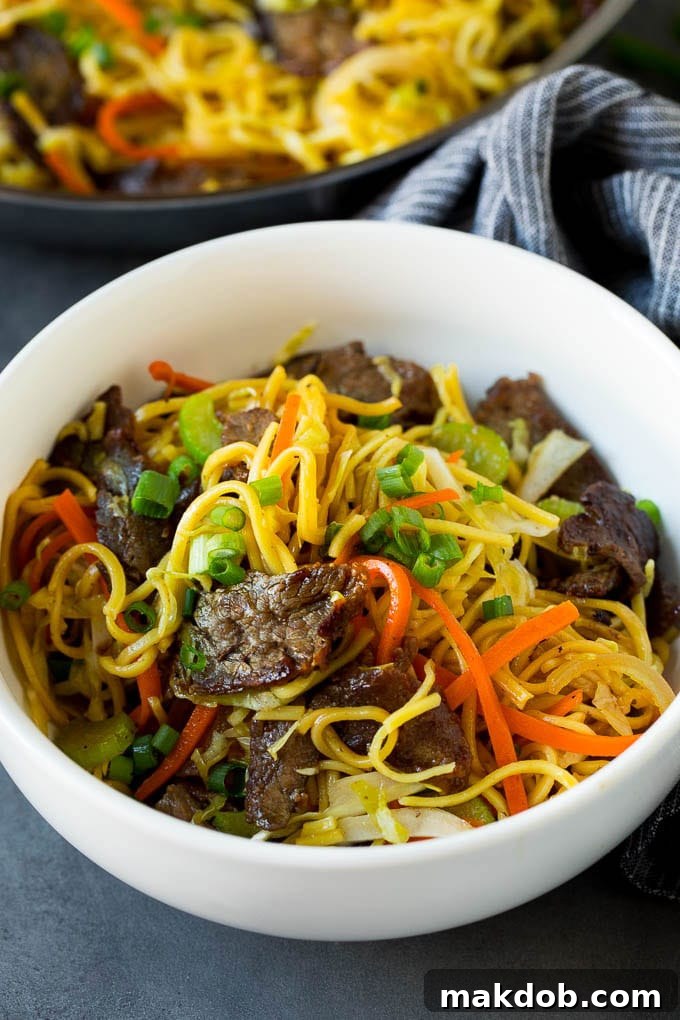
Once you experience the incredible flavor and ease of this homemade Beef Chow Mein, you’ll likely find yourself skipping the takeout menu altogether. It’s truly that good, and surprisingly simple to prepare!
More Asian Dishes You’ll Adore
- Chicken and Green Beans Stir-Fry
- Flavorful Chinese Chicken Salad
- Authentic Mongolian Chicken
- Sweet and Zesty Orange Chicken
- Hearty Cashew Chicken Stir-Fry
Beef Chow Mein Video Guide
Beef Chow Mein Recipe
Pin
Ingredients
For the Beef
-
1/2 pound flank steak thinly sliced
-
1/4 teaspoon sugar
-
1/4 teaspoon sesame oil
-
1 tablespoon low sodium soy sauce
-
1 teaspoon cornstarch
For the Chow Mein
-
1 tablespoon vegetable oil
-
6 ounces dry chow mein noodles
-
1/2 cup yellow onion thinly sliced
-
1/2 cup carrots shredded or julienned
-
1/4 cup celery thinly sliced
-
1 teaspoon minced garlic
-
1 cup shredded cabbage
-
2 tablespoons low sodium soy sauce
-
1 1/2 teaspoons sugar
-
1/4 cup low sodium beef broth
-
1 teaspoon cornstarch
-
1 tablespoon sesame oil
-
1/4 cup sliced green onion tops (only the dark green part)
-
salt and pepper to taste
Instructions
For the Beef
-
1. Place the flank steak, sugar, sesame oil, soy sauce and cornstarch in a bowl. Stir to combine thoroughly. Cover and refrigerate for at least 10 minutes to marinate.
For the Chow Mein
-
1. Bring a large pot of salted water to a rolling boil; add the chow mein noodles and cook according to the package instructions until al dente. Drain well and set aside.
-
2. Preheat the vegetable oil in a large pan or wok over medium-high heat until shimmering.
-
3. Add the marinated steak to the hot pan in a single layer. Cook for 3-4 minutes per side, or until beautifully browned and cooked through. Avoid overcrowding the pan to ensure proper searing.
-
4. Remove the cooked steak from the pan and transfer it to a plate, covering it loosely to keep warm. Add the sliced yellow onions, shredded carrots, and thinly sliced celery to the same pan. Stir-fry for 3-4 minutes, or until the vegetables are just softened but still retain some crispness. Season with salt and pepper to taste.
-
5. Add the minced garlic to the pan with the vegetables and cook for an additional 30 seconds until fragrant, being careful not to burn it.
-
6. Return the cooked beef to the pan. Add the drained chow mein noodles and shredded cabbage. Toss all the ingredients together thoroughly to combine everything evenly.
-
7. In a small bowl, whisk together the additional soy sauce, sugar, beef broth, cornstarch, and sesame oil to create the chow mein sauce. Pour this sauce over the beef, noodles, and vegetables in the pan. Bring the mixture to a gentle simmer and cook for approximately 1 minute, stirring continuously, until the sauce thickens and coats all the ingredients beautifully.
-
8. Stir in the sliced green onion tops (the dark green part). Cook for 1-2 more minutes, until the green onions and cabbage are slightly wilted. Serve your delicious homemade Beef Chow Mein immediately.
Nutrition
Tweet
Pin