
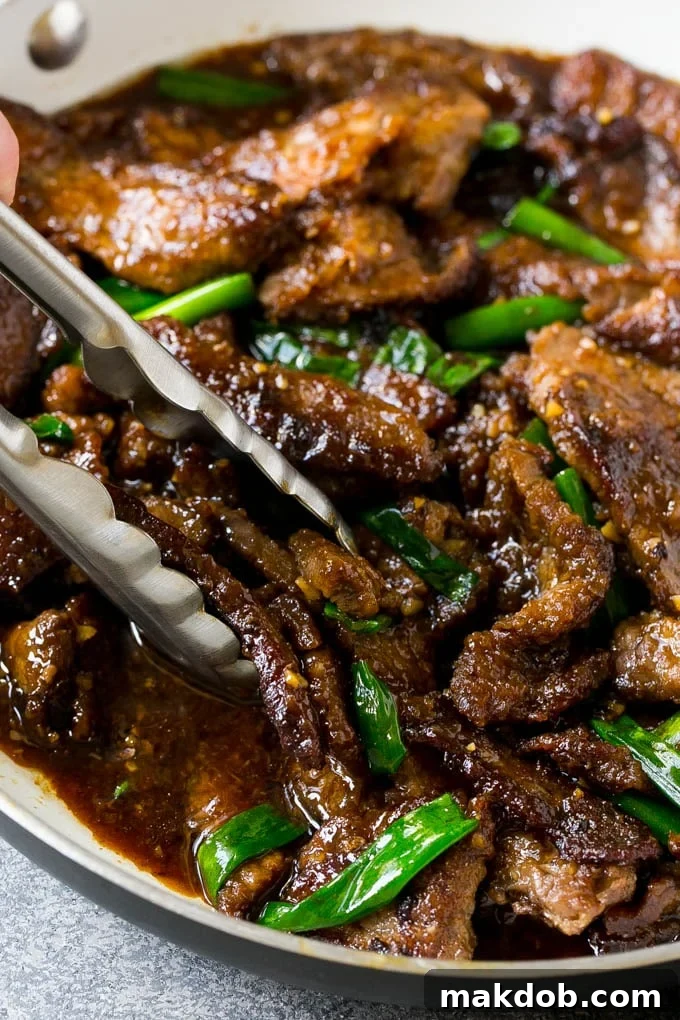
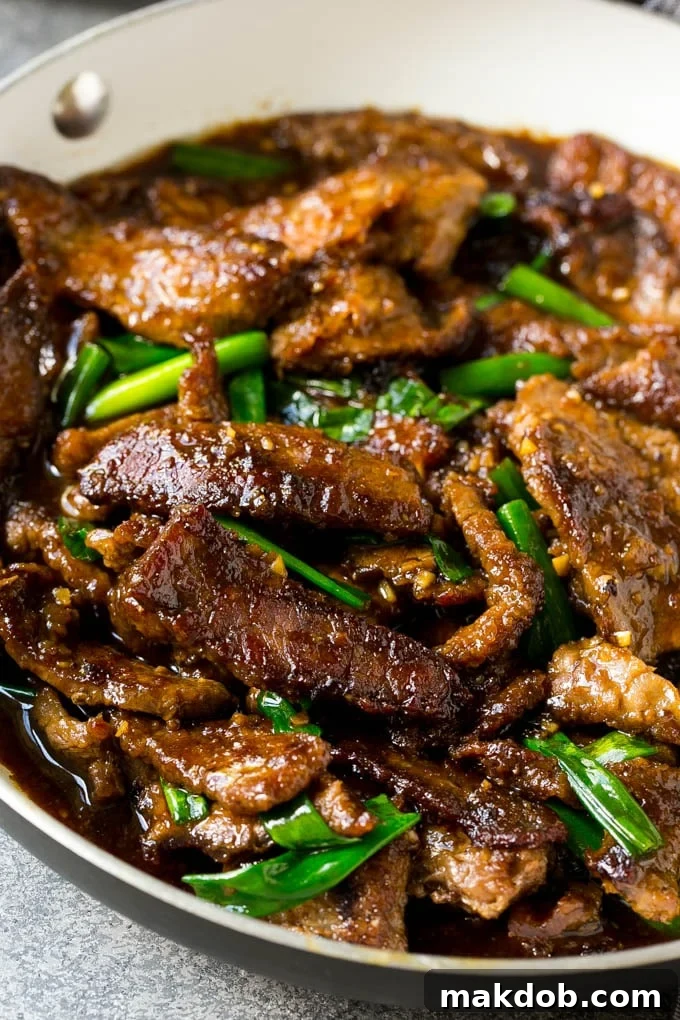
Craving the irresistible flavors of your favorite Chinese takeout? Look no further! This homemade Mongolian Beef recipe brings the restaurant experience right into your kitchen with remarkable ease. Featuring thinly sliced steak, perfectly seared to a crispy perfection, then generously coated in a rich, sweet, and savory sauce, this dish is a true crowd-pleaser that promises to become a regular in your meal rotation. Forget the wait and the delivery fees; prepare to impress your family and friends with an authentic taste that’s surprisingly simple to achieve.
For many families, Chinese cuisine holds a special place, offering a delightful array of textures and tastes. Over the years, I’ve mastered several beloved takeout classics, from succulent
shrimp fried rice
to the spicy kick of
kung pao chicken. This Mongolian Beef stands proudly among them, offering tender meat bathed in a glossy, aromatic sauce that’s utterly addictive. Serve it alongside some perfectly
pan-fried noodles
or fluffy steamed rice for a truly memorable and satisfying meal.
My culinary collection is brimming with recipes designed to bring the joy of takeout into your home. From savory
chow mein
and delicate
moo shu chicken
to fiery
kung pao shrimp
and comforting
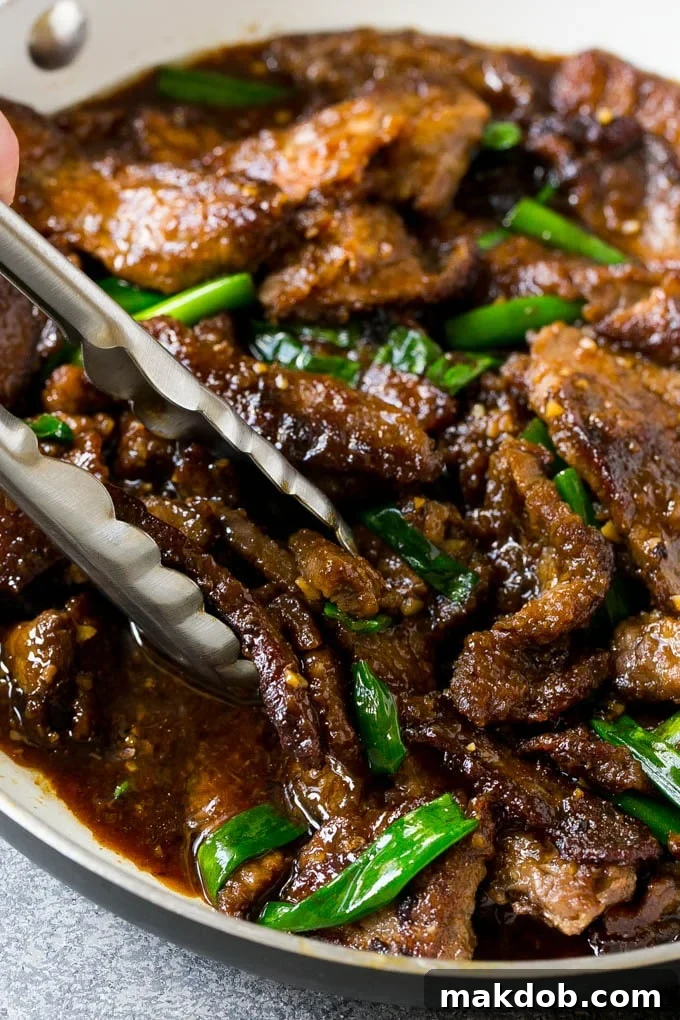
moo goo gai pan, there’s a dish for every craving. Today, we’re adding another spectacular creation to that list: this incredibly flavorful Mongolian Beef. It perfectly balances sweet and savory notes, delivering that signature crispy beef texture you expect from your favorite restaurant. The best part? It’s ready to serve in under 30 minutes, making it an ideal choice for busy weeknights.
Why You’ll Love This Homemade Mongolian Beef
Beyond its fantastic flavor, there are countless reasons why this Mongolian Beef recipe should be your next cooking adventure. Firstly, the convenience of homemade means you control every ingredient, ensuring freshness and quality. You can adjust the sweetness or spice level to perfectly match your family’s preferences. Secondly, it’s incredibly cost-effective compared to frequent takeout orders, allowing you to enjoy this gourmet dish without breaking the bank. Finally, the quick cooking time makes it a lifesaver for those evenings when you need a delicious and hearty meal on the table fast. It’s a testament to how easy it is to elevate your home cooking with just a few simple steps.
What Exactly is Mongolian Beef?
Despite its evocative name, Mongolian Beef actually has its roots in Taiwanese cuisine, specifically from a stir-fried dish known as “Mongolian barbecue.” This dish, often found in Chinese-American restaurants across the United States, bears little resemblance to traditional Mongolian cooking methods or ingredients. Instead, it’s characterized by thin slices of beef, typically flank steak, quickly stir-fried until crispy, then tossed in a rich, dark sauce that is predominantly sweet with savory undertones. The defining features are the tender-crisp texture of the beef and the luscious, flavorful glaze that coats every piece, often garnished with fresh green onions. It’s a comforting and robust dish that appeals to a wide range of palates.
Key Ingredients for Authentic Mongolian Beef
Crafting this delicious Mongolian Beef requires a few essential ingredients, each playing a crucial role in achieving its signature flavor and texture. Here’s a detailed look at what you’ll need:
- Flank Steak: The star of the show. Flank steak is ideal for stir-fries due to its robust flavor and fibrous texture. When sliced correctly (thinly and against the grain), it becomes incredibly tender.
- Cornstarch: This serves a dual purpose. First, it creates a light, crispy coating on the beef when seared, helping to lock in moisture. Second, it acts as a thickening agent for the sauce, giving it that desirable glossy consistency.
- Vegetable Oil: Essential for high-heat searing, helping the beef develop a beautiful brown crust.
- Garlic and Ginger: These aromatic powerhouses form the foundational flavor base of the sauce, providing a pungent, spicy, and fresh counterpoint to the sweet and savory notes. Freshly minced garlic and ginger are highly recommended for the best flavor.
- Sesame Oil: A finishing oil added at the end, providing a distinct nutty aroma and depth to the sauce. A little goes a long way.
- Low Sodium Soy Sauce: The primary savory component of the sauce. Using low-sodium allows you to control the overall saltiness and prevent the dish from becoming overly salty.
- Water: Used to thin out the sauce base before thickening, ensuring it coats the beef evenly without being too heavy.
- Dark Brown Sugar: The key to the characteristic sweetness of Mongolian Beef. Dark brown sugar also contributes a molasses-like depth of flavor that light brown sugar cannot replicate.
- Green Onions: Sliced into 1-inch pieces, these are typically stirred in at the very end and also serve as a fresh, vibrant garnish, adding a mild oniony bite.
- Salt and Pepper: For seasoning the beef before searing, enhancing its natural flavor. Remember to use sparingly, as the soy sauce adds significant salt.
How to Prepare This Mouthwatering Mongolian Beef
Making Mongolian Beef at home is a straightforward process that yields incredibly delicious results. Here’s a step-by-step guide to help you achieve perfection:
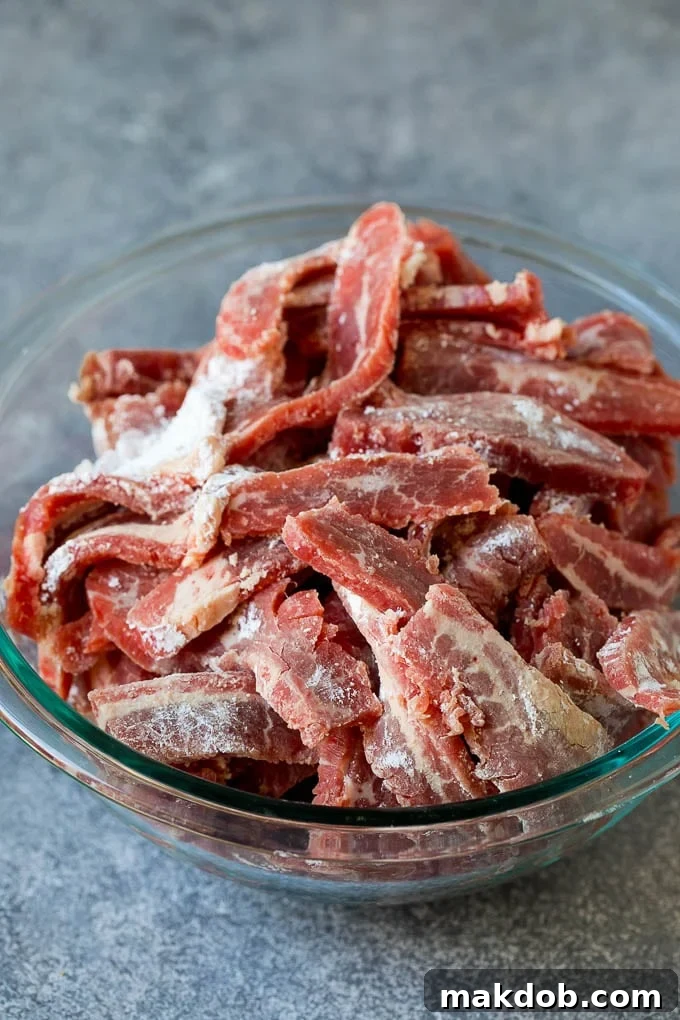
- Prepare the Steak: Begin by thinly slicing your flank steak. For easier slicing, partially freeze the steak for about 30 minutes before cutting. Always slice against the grain to ensure maximum tenderness. Once sliced, toss the beef strips with a quarter cup of cornstarch in a resealable plastic bag until each piece is evenly coated. This cornstarch coating is crucial for developing that crispy exterior when seared.
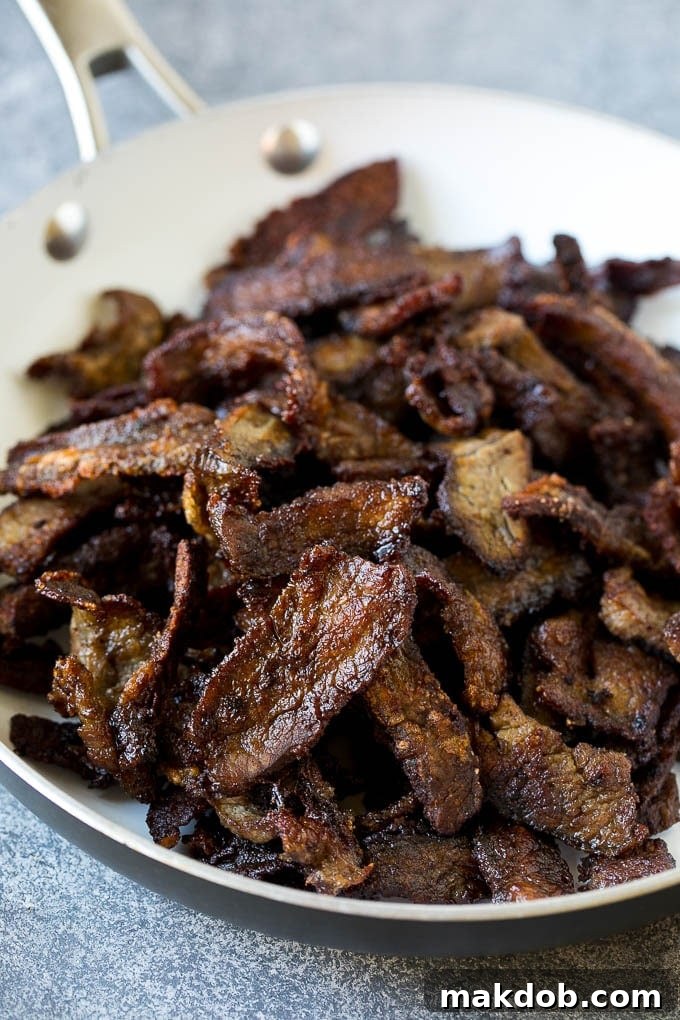
- Sear the Beef: Heat the vegetable oil in a large skillet or wok over high heat. The high temperature is essential for searing the beef quickly and creating a crispy crust without overcooking the interior. Add the cornstarch-coated beef in a single layer, making sure not to overcrowd the pan. Overcrowding will lower the pan’s temperature and cause the beef to steam rather than sear, resulting in a less desirable texture. Season lightly with salt and pepper. Cook for 3-4 minutes per side until beautifully browned and crispy. You may need to cook the beef in multiple batches. Once cooked, remove the beef from the pan and place it on a plate lined with paper towels to drain any excess oil.
- Build the Sauce: With the beef removed, add the minced garlic and ginger to the same pan (if necessary, add a tiny bit more oil). Sauté for about 30 seconds until fragrant, being careful not to burn them. Then, pour in the soy sauce, sesame oil, water, and dark brown sugar. Bring the mixture to a gentle simmer, stirring occasionally until the sugar has completely dissolved and the sauce is well combined.
- Thicken the Sauce: In a small bowl, whisk together the remaining 2 teaspoons of cornstarch with 1 tablespoon of cold water to create a smooth slurry. Pour this cornstarch slurry into the simmering sauce in the pan, whisking constantly to prevent lumps. Continue to boil for 30-60 seconds, or until the sauce thickens to a glossy consistency that will perfectly coat the beef.
- Combine and Serve: Return the seared beef strips to the pan with the thickened sauce. Add the sliced green onions and toss everything together until the beef is thoroughly coated in the rich, aromatic sauce. Serve immediately over steamed white rice, brown rice, fried rice, or your favorite stir-fry noodles.
Expert Tips for the Ultimate Stir Fry Experience
Achieving that perfect restaurant-quality Mongolian Beef at home is easier than you think with these expert tips:
- The Art of Slicing: For incredibly tender beef that truly melts in your mouth, partially freeze your flank steak for about 20-30 minutes before slicing. This firms up the meat, making it much easier to cut into thin, uniform strips. Always slice against the grain of the meat; this shortens the muscle fibers, ensuring a tender bite.
- Sear, Don’t Steam: The key to crispy beef is high heat and not overcrowding your pan. When too much meat is added at once, the temperature of the pan drops, and the meat releases its juices, causing it to steam instead of sear. Cook your beef in a single layer in batches, giving each piece enough space to brown properly. A very large skillet or a traditional wok is highly recommended for best results.
- Spice it Up: If you prefer a dish with a bit of a kick, don’t hesitate to customize your sauce. You can add up to 1/2 teaspoon of crushed red pepper flakes to the sauce while it simmers, or stir in sriracha sauce to taste at the end. Adjust the amount based on your desired heat level.
- Storing Leftovers: Mongolian Beef makes fantastic leftovers! Store any uneaten portions in an airtight container in the refrigerator for up to 3 days. To reheat, gently warm in a skillet over medium heat or in the microwave until heated through.
Perfect Pairing and Serving Suggestions
Mongolian Beef is incredibly versatile and pairs wonderfully with a variety of side dishes. Traditionally, it’s served over fluffy steamed white rice, which perfectly soaks up the rich, sweet, and savory sauce. However, feel free to explore other delicious options to suit your taste and dietary preferences:
- Rice Varieties: Opt for wholesome brown rice for a nuttier flavor and added fiber, or even cauliflower rice for a low-carb alternative.
- Noodles: Serve your beef over fried rice, lo mein noodles, or even simple stir-fry noodles for a complete meal.
- Healthy Wraps: For a lighter, fresher take, pile your Mongolian Beef into crisp lettuce cups or sturdy cabbage leaves.
- Vegetable Sides: Enhance your meal with a vibrant green vegetable on the side. Steamed or stir-fried broccoli, asparagus, green beans, or snap peas are excellent choices that add color, crunch, and nutritional value.
Frequently Asked Questions About Mongolian Beef
Recipe FAQs
Despite its name, Mongolian Beef is not actually from Mongolia. This dish is named after a stir-fried dish called Mongolian barbecue, which originated in Taiwan. Neither the ingredients nor the cooking methods are derived from traditional Mongolian cuisine. It gained popularity in Chinese-American restaurants, particularly in the United States, where it became a beloved “takeout” item.
The rich and flavorful Mongolian Beef sauce is primarily made with a blend of soy sauce and brown sugar, which provides its signature sweet and savory profile. Additional flavorings typically include fresh minced garlic and ginger, along with a touch of sesame oil for an aromatic finish. Sometimes, a little water is added to achieve the desired consistency before being thickened with cornstarch.
Both Mongolian Beef and Kung Pao Beef feature thinly sliced steak cooked in a delicious sauce, but they have distinct differences. Mongolian Beef is generally sweeter and milder, focusing on the interplay of soy sauce and brown sugar for its primary flavor. Kung Pao Beef, on the other hand, is known for its bold, spicy, and slightly tangy flavor profile. It typically includes extra ingredients such as peanuts for crunch, bell peppers, chili peppers for heat, and onions, offering a more complex and often spicier taste experience.
No, traditional Mongolian Beef is not inherently spicy. Its flavor profile is characterized by a balance of sweet and savory notes. However, it’s very easy to add a spicy kick if you prefer. You can incorporate crushed red pepper flakes, a dash of chili oil, or a spoonful of sriracha sauce into the recipe to adjust the heat to your liking.
Absolutely! While flank steak is a popular choice for its flavor and texture, this recipe is adaptable to other cuts of beef such as skirt steak, sirloin, or New York strip, all thinly sliced against the grain. For non-beef options, thinly sliced chicken breast or even shrimp can be used, adjusting cooking times accordingly.
Follow Me
Exciting Flavor Variations & Customizations
While this Mongolian Beef recipe is absolutely fabulous as-is, one of its greatest strengths is its adaptability. Feel free to customize the flavors and ingredients to perfectly suit your preferences or what you have on hand.
- Alternative Proteins: If flank steak isn’t available, you can easily substitute it with other thinly sliced cuts of beef like skirt steak, sirloin, or New York strip. For a different twist, this recipe also works beautifully with thinly sliced chicken breast, pork tenderloin, or even shrimp. Simply adjust the cooking time to ensure the protein is cooked through.
- Add More Vegetables: To boost the nutritional value and texture, stir-fry some fresh vegetables in the pan after you’ve cooked your beef and before making the sauce. Great options include broccoli florets, sliced zucchini, green beans, bell peppers (red or green), carrots, or mushrooms. Add them according to their cooking time, ensuring they are tender-crisp.
- Enhance the Sauce: Experiment with additional flavorings to give the sauce a unique touch. A dash of rice vinegar can add a lovely tang, while a small amount of hoisin sauce can provide extra depth and sweetness. For those who love heat, a few drops of chili oil or a pinch of white pepper can elevate the spice level. Oyster sauce also offers a savory umami boost.
- Garnishes and Toppings: Elevate the presentation and add extra texture with delightful garnishes. Toasted sesame seeds sprinkled over the finished dish offer a nutty crunch. For an authentic restaurant feel, consider adding a few crispy fried noodles or a handful of chopped roasted peanuts just before serving.
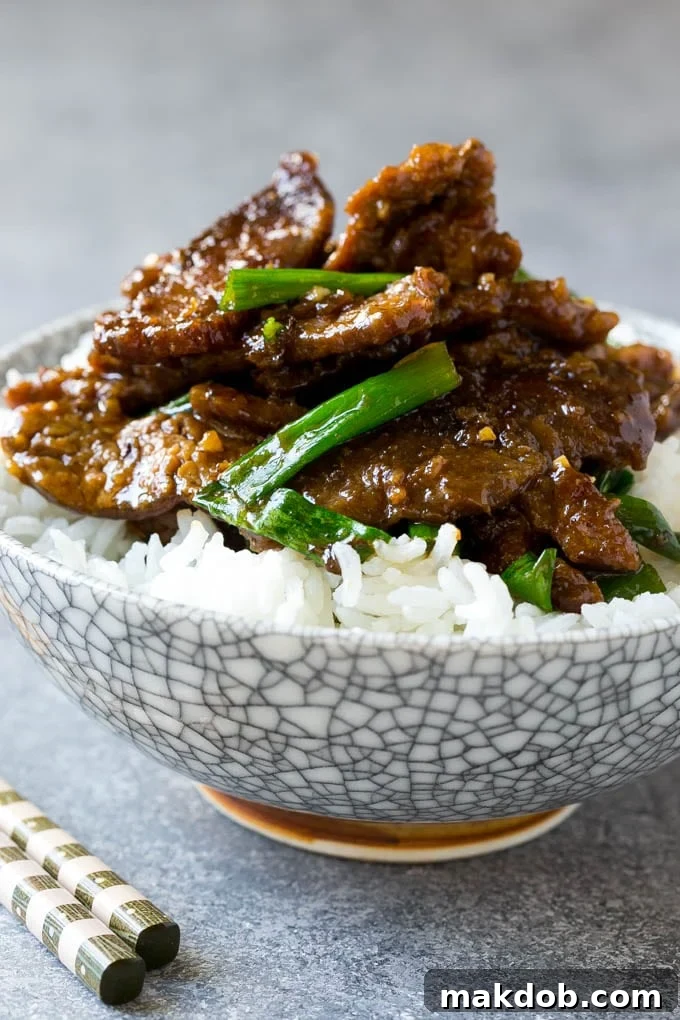
This homemade Mongolian Beef truly captures the essence of your favorite Chinese takeout restaurant, delivering that perfect balance of sweet, savory, and crispy textures. All the convenience of making it yourself at home means you can enjoy this sensational dish whenever the craving strikes, without leaving your kitchen. If you’re a lover of Chinese cuisine, this recipe is an absolute must-try that promises to delight your taste buds!
Other Asian-Inspired Recipes You’ll Love
- Sweet and Sour Chicken
- Pepper Stir Fry Steak
- Pineapple Chicken
- Homemade Egg Rolls
- Sesame Shrimp
Mongolian Beef
Sara Welch
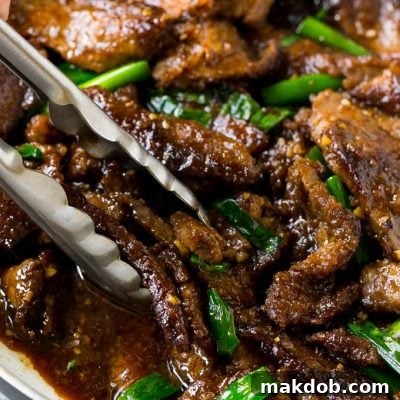
This Mongolian beef recipe features thinly sliced steak that’s seared until crispy, then coated in a sweet and savory sauce. A takeout favorite that’s super easy to make at home!
Prep Time: 10 minutes
Cook Time: 20 minutes
Total Time: 30 minutes
Course: Main Course
Cuisine: Asian
Serves: 4
Ingredients
- 1 1/4 lbs flank steak, thinly sliced
- 1/4 cup + 2 teaspoons cornstarch, divided use
- 3 tablespoons vegetable oil
- 1 1/2 teaspoons minced garlic
- 1 teaspoon minced ginger
- 1 teaspoon toasted sesame oil
- 1/2 cup low sodium soy sauce
- 1/3 cup water
- 1/2 cup dark brown sugar
- 1/2 cup green onions, cut into 1 inch pieces
- Salt and pepper to taste
Instructions
- Place the thinly sliced flank steak and 1/4 cup cornstarch in a resealable plastic bag. Shake well to coat the beef evenly.
- Heat the vegetable oil in a large pan or wok over high heat until shimmering.
- Add the meat to the hot pan in a single layer, ensuring not to overcrowd it. Season lightly with salt and pepper (remembering the sauce is already savory!). Cook for 3-4 minutes per side, or until browned and crispy. Cook in multiple batches if necessary, then remove the meat and place it on a plate lined with paper towels to drain.
- In the same pan, add the minced garlic and ginger and cook for 30 seconds until fragrant.
- Pour in the soy sauce, sesame oil, water, and dark brown sugar. Bring the mixture to a simmer, stirring until the sugar dissolves.
- In a small bowl, mix the remaining 2 teaspoons of cornstarch with 1 tablespoon of cold water to create a slurry. Add this slurry to the simmering sauce in the pan and bring to a boil. Boil for 30-60 seconds, whisking constantly, until the sauce has thickened to a glossy consistency.
- Return the cooked beef and add the green onions to the pan. Toss everything together to coat the beef evenly with the sauce. Serve immediately.
Notes
- Flank steak is easiest to slice thin when it’s partially frozen. Place your meat in the freezer about 30 minutes before you plan to use it. Be sure to slice it against the grain for the most tender beef.
- You want the meat to sear and not steam, so you’ll need to avoid adding too much meat at once to the pan. Cook your beef strips in a single layer in batches so that it all ends up browned and delicious. Use a very large pan, or a wok if you have one.
Nutrition Information (Approximate Per Serving)
Calories: 376 kcal |
Carbohydrates: 45g |
Protein: 33g |
Fat: 16g |
Saturated Fat: 11g |
Cholesterol: 85mg |
Sodium: 1400mg |
Potassium: 615mg |
Sugar: 27g |
Vitamin A: 125IU |
Vitamin C: 2.3mg |
Calcium: 67mg |
Iron: 3.3mg
Did you make this recipe?
Tag @dinneratthezoo on Instagram and hashtag it #dinneratthezoo