
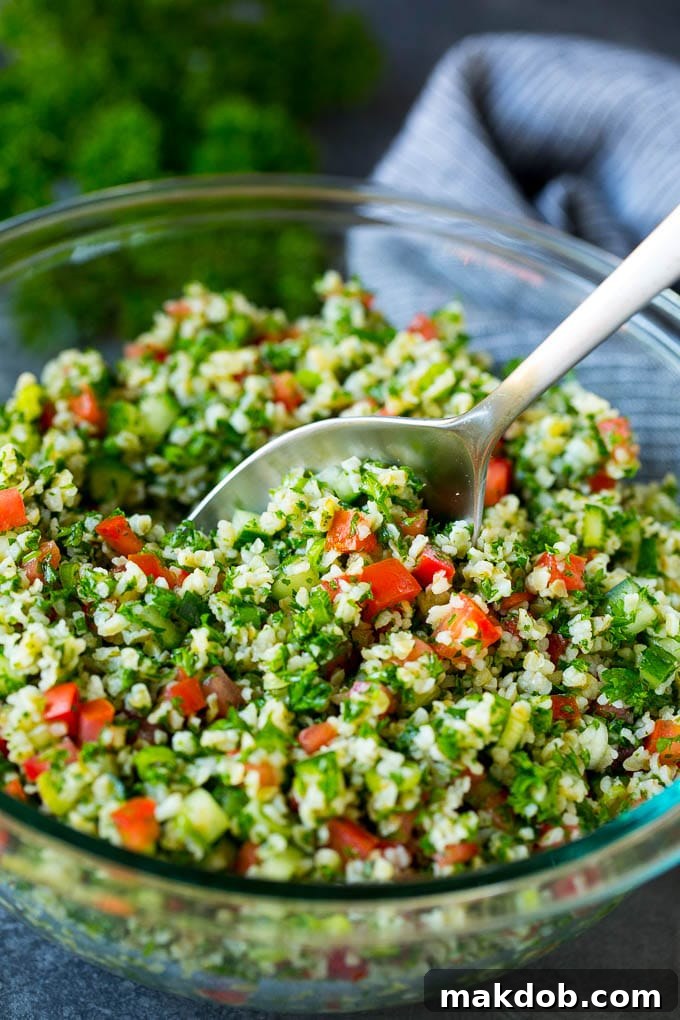
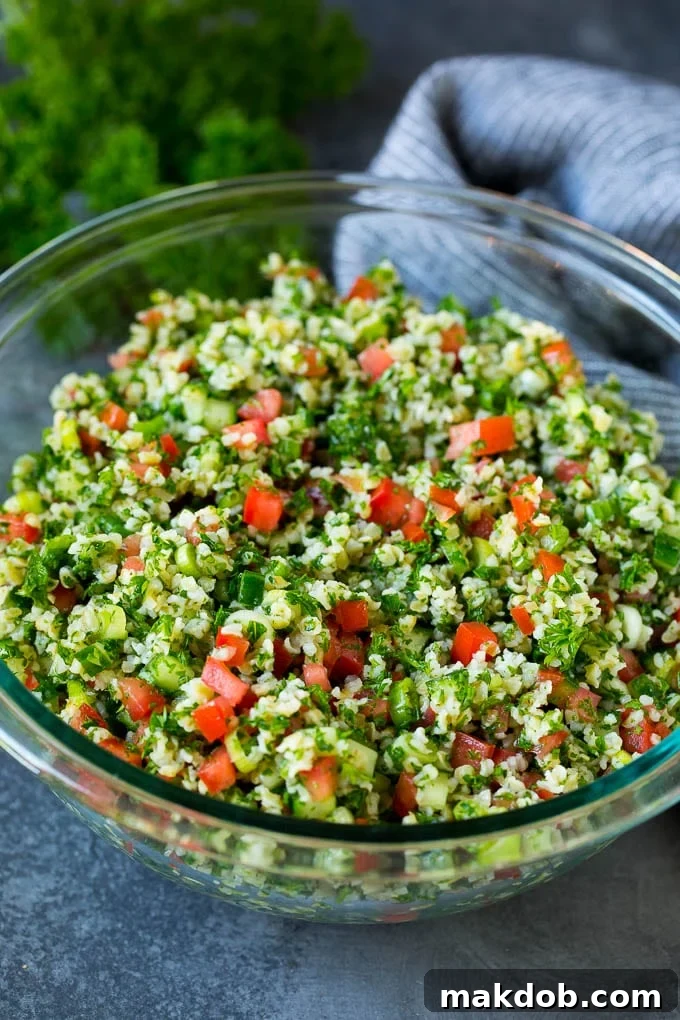
This tabbouleh recipe offers a vibrant and refreshing take on a classic Middle Eastern bulgur wheat salad. It’s a delightful medley of fresh herbs, juicy tomatoes, and crisp cucumbers, all harmoniously united by a simple, zesty lemon dressing. More than just a side dish, tabbouleh is a celebration of fresh flavors and wholesome ingredients, making it a delicious, healthy, and incredibly versatile accompaniment to a wide array of Mediterranean and Middle Eastern meals. Whether you know it as tabbouleh or tabouli, this salad is guaranteed to bring a burst of freshness to your table without ever feeling heavy.
When the craving strikes for a light, invigorating salad that satisfies without weighing you down, my go-to choices often include a vibrant Israeli salad, a protein-rich Mediterranean quinoa salad, or this timeless and incredibly flavorful tabbouleh. Each offers a unique blend of textures and tastes, perfect for brightening any meal, but tabbouleh holds a special place for its unparalleled freshness and aromatic profile.
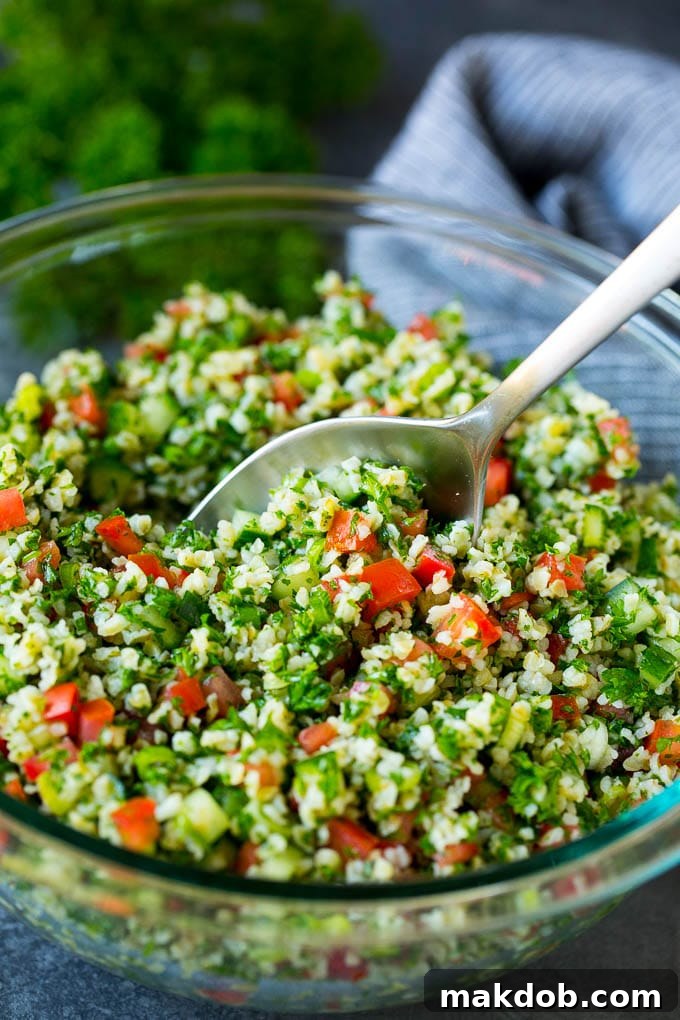
My culinary journey often takes inspiration from the incredible flavors found at local Mediterranean restaurants. One particular platter, overflowing with creamy hummus, aromatic tabbouleh, smoky baba ghanoush, savory spanakopita, briny olives, and an assortment of other mouth-watering specialties, ignited a passion within me. I was determined to recreate these exquisite appetizers in my own kitchen. After extensive research, numerous taste tests, and dedicated recipe development, I successfully crafted my own versions of these beloved dishes. The project was not only a success but also incredibly rewarding, and these fantastic recipes have since become regular staples in my home!
Crafting these homemade Mediterranean delights is a joy. My fresh, creamy hummus is rich and utterly delicious, while this baba ghanoush boasts a smoky depth that I truly believe is the best I’ve ever tasted. To perfectly balance these rich dips, I developed a cool and refreshing tzatziki sauce. These dips are magnificent served with warm pita bread, flaky spanakopita, or crispy falafel. Alongside these, I perfected a light and incredibly refreshing tabbouleh salad. It’s an exceptionally versatile side dish, simple to prepare, and absolutely bursting with invigorating flavors. For those looking to elevate their dinner parties or special gatherings, consider arranging these delectable items into a stunning Mediterranean mezze platter – a feast for both the eyes and the palate.
Table of Contents
- The Vibrant History and Cultural Significance of Tabbouleh
- Unlocking the Health Benefits of Tabbouleh
- Tabbouleh Ingredients
- How Do You Make Tabbouleh?
- Tips For The Perfect Tabbouleh Salad
- Recipe FAQS
- Salad Variations
- More Recipes You’ll Enjoy
- Love This Recipe?
- Tabbouleh Salad Video
- Tabbouleh Recipe Recipe
The Vibrant History and Cultural Significance of Tabbouleh
Tabbouleh, often pronounced “tabouli,” is more than just a salad; it’s a culinary icon deeply rooted in the history and culture of the Middle East, particularly in the Levant region. The primary ingredient, bulgur wheat, has been a dietary staple for thousands of years, with its origins tracing back to ancient Mesopotamia. Wheat, being an essential crop, was processed into bulgur – cracked and parboiled wheat – for its longevity and ease of preparation. This ancient grain formed the backbone of many early dishes.
While bulgur’s history is ancient, tabbouleh as we know it today is believed to have originated in the mountains of Lebanon and Syria. Historically, it was a humble peasant dish, primarily consisting of bulgur, parsley, and wild greens, reflecting the abundance of fresh produce in the region. Over centuries, tomatoes and cucumbers were introduced, refining the salad into the celebrated dish it is now. Tabbouleh is not merely food; it is a symbol of hospitality, tradition, and the vibrant flavors of the Mediterranean landscape. It graces almost every mezze platter, family gathering, and celebration, representing the freshness and health-conscious nature of Levantine cuisine. Understanding its rich background only enhances the appreciation for this seemingly simple yet profoundly flavorful salad.
Unlocking the Health Benefits of Tabbouleh
Tabbouleh is celebrated not only for its incredible taste but also for its impressive nutritional profile, making it a fantastic addition to any healthy diet. At its heart, this salad is packed with ingredients that offer substantial health benefits:
- Bulgur Wheat: As a whole grain, bulgur is an excellent source of dietary fiber, which is crucial for digestive health and can help regulate blood sugar levels. It also provides a good amount of plant-based protein, essential B vitamins, and minerals like iron and magnesium. Its low glycemic index makes it a healthier carbohydrate choice.
- Fresh Parsley: The star herb of tabbouleh, parsley is a powerhouse of vitamins, particularly Vitamin K, Vitamin C, and Vitamin A. It’s rich in antioxidants and boasts anti-inflammatory properties. Parsley also acts as a natural diuretic and aids in detoxification, contributing significantly to the salad’s refreshing feel.
- Tomatoes: These juicy red gems are a superb source of lycopene, a powerful antioxidant known for its potential role in reducing the risk of certain chronic diseases. They also provide Vitamin C and potassium, supporting overall immune function and heart health.
- Cucumber: Composed of over 95% water, cucumbers are incredibly hydrating. They offer a refreshing crunch and contribute vitamins K and C, as well as several B vitamins. Cucumbers help in maintaining electrolyte balance and can aid in digestion.
- Fresh Mint: Beyond its invigorating flavor, mint is known for its digestive benefits, helping to soothe indigestion and relieve discomfort. It also contains antioxidants and can contribute to fresh breath.
- Extra Virgin Olive Oil: This healthy fat is a cornerstone of the Mediterranean diet. It’s rich in monounsaturated fatty acids, which are beneficial for heart health, and contains powerful antioxidants and anti-inflammatory compounds.
Together, these ingredients make tabbouleh a nutrient-dense, low-calorie, and highly satisfying dish that supports heart health, aids digestion, and provides a wide array of essential vitamins and minerals. It’s a naturally vegan dish and can easily be made gluten-free with a simple substitution, making it accessible to many dietary preferences.
Tabbouleh Ingredients
To create this quintessential tabbouleh, you will need a selection of fresh, high-quality ingredients. Each component plays a vital role in building the salad’s characteristic flavor and texture:
- Bulgur Wheat: The foundation of our salad, providing a delightful chewy texture and a subtle nutty flavor.
- Fresh Parsley: The heart and soul of tabbouleh, offering a vibrant green hue and an intensely fresh, slightly peppery taste.
- Ripe Tomatoes: Diced finely, they add bursts of juicy sweetness and a beautiful red color.
- Crisp Cucumber: Providing a cool, refreshing crunch that perfectly complements the herbs and grains.
- Green Onions: For a mild, piquant kick and an extra layer of freshness.
- Fresh Mint: An optional but highly recommended addition, lending a bright, cooling aroma and flavor that elevates the entire dish.
- Lemon Juice: The essential tangy component of the dressing, cutting through richness and awakening the flavors.
- Extra-Virgin Olive Oil: A staple of Mediterranean cuisine, contributing a rich, fruity note and helping to bind the dressing.
- Salt and Pepper: To season the salad, enhancing all the natural flavors and bringing them into perfect balance.
How Do You Make Tabbouleh?
Crafting this classic tabbouleh is a straightforward process, primarily involving preparation and assembly. The key lies in the freshness of your ingredients and the precision of your chopping. Here’s a breakdown of the simple steps to create this refreshing salad:
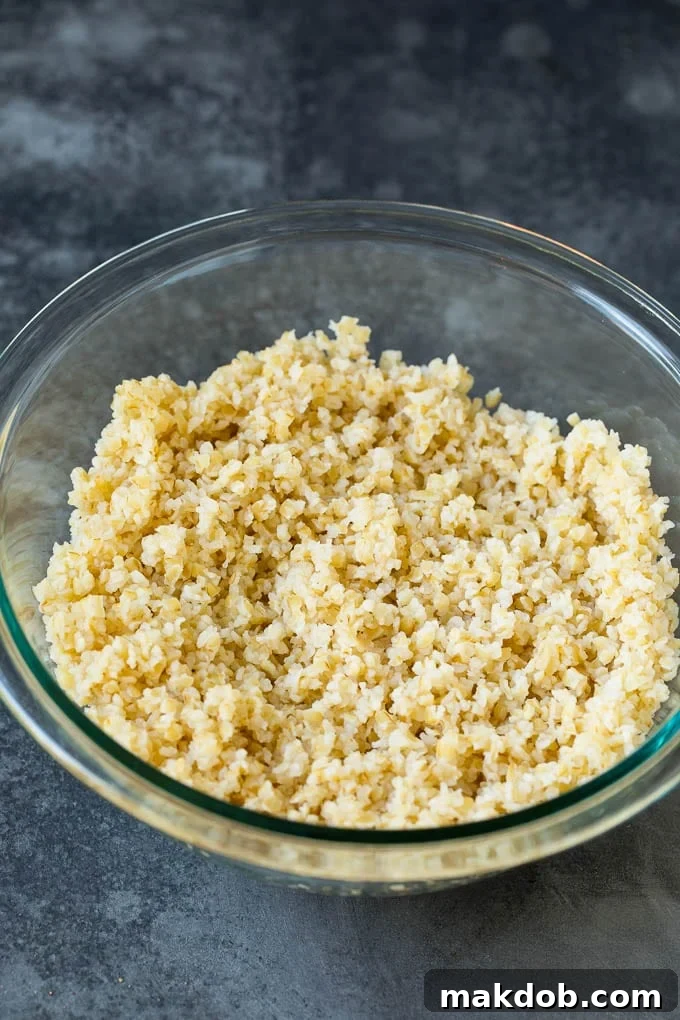
- Prepare the Bulgur Wheat: Begin by placing the bulgur wheat in a large bowl. Pour hot (preferably boiling) water over the bulgur, ensuring it is fully submerged. Cover the bowl and let it sit undisturbed for about 45 minutes. During this time, the bulgur will absorb the water, softening beautifully. Once tender, make sure to drain any excess liquid thoroughly. This step is crucial to prevent a soggy salad.
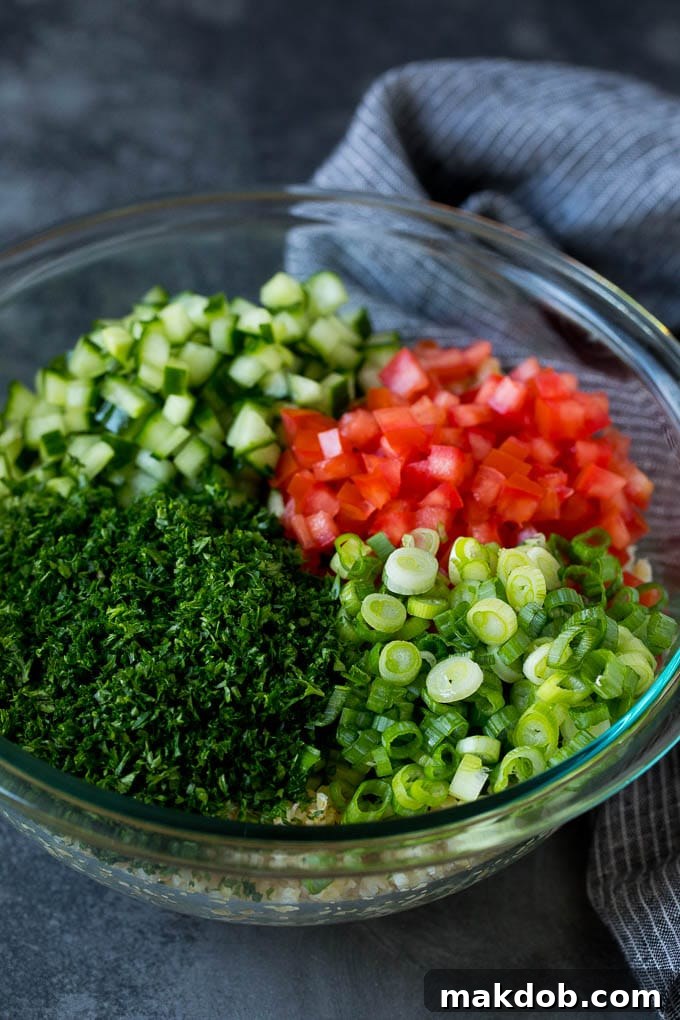
- Chop the Fresh Vegetables and Herbs: While the bulgur is soaking, focus on finely chopping your fresh produce. You’ll want to achieve a very fine, almost uniform dice for the cucumber, tomatoes, green onions, parsley, and mint (if using). The traditional texture of tabbouleh is characterized by its finely minced ingredients, allowing the flavors to meld seamlessly.
- Combine Ingredients: Once the bulgur is ready and all your fresh ingredients are finely chopped, gently combine the softened bulgur with the cucumber, tomatoes, green onions, parsley, and mint in a large mixing bowl. Toss everything together to ensure an even distribution of colors and textures.
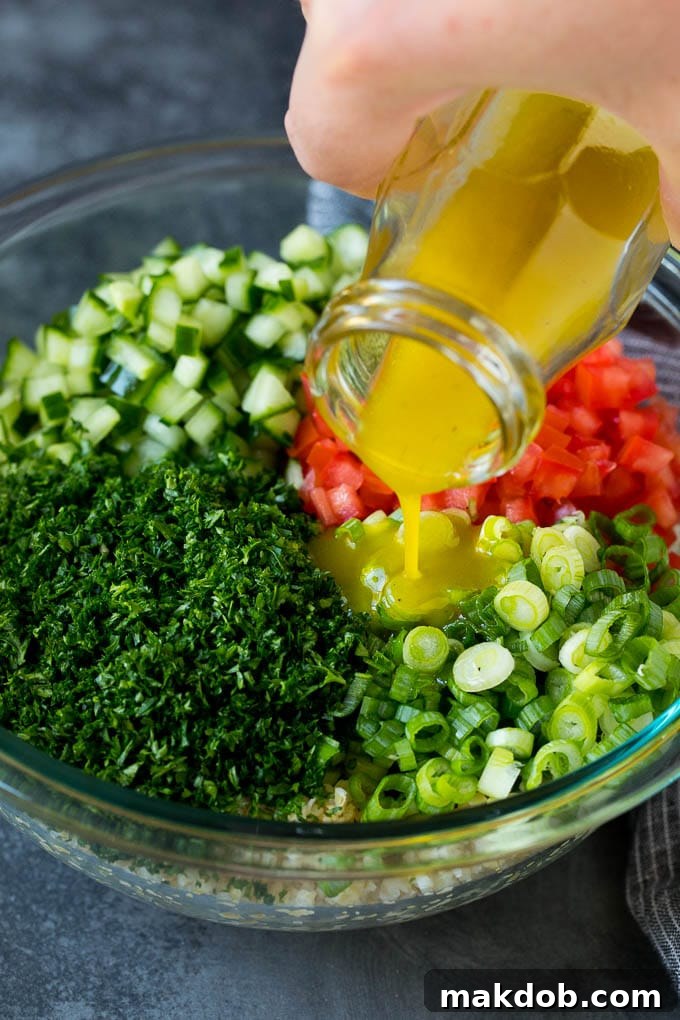
- Whisk the Dressing: In a separate small bowl, prepare the simple yet potent dressing. Whisk together the extra-virgin olive oil, freshly squeezed lemon juice, salt, and black pepper. Continue whisking until the ingredients are well combined and slightly emulsified.
- Dress and Chill: Pour the freshly prepared lemon dressing generously over the salad mixture. Gently toss all the ingredients until every component is evenly coated with the zesty dressing. For the best flavor, cover the salad and allow it to chill in the refrigerator for at least 30 minutes, or ideally, for one to two hours. This resting period allows the bulgur to fully absorb the dressing and the flavors to deepen and harmonize. Serve chilled and enjoy the refreshing taste!
Tips For The Perfect Tabbouleh Salad
Achieving a truly exceptional tabbouleh involves a few key techniques and considerations. Follow these tips to ensure your salad is always vibrant, flavorful, and perfectly textured:
- Choosing the Right Bulgur Wheat: Bulgur wheat is typically available in various grinds, from fine to coarse. For authentic tabbouleh, opt for fine bulgur wheat. It has a delicate texture and requires less soaking time, often simply absorbing hot water without needing to be cooked on the stove. You can find it in most grocery stores, often in the bulk bins or international aisles.
- Precision Chopping is Key: The signature texture of tabbouleh comes from its finely chopped ingredients. Aim for a very consistent, small dice for your tomatoes, cucumbers, and green onions. The parsley should be minced almost as finely as possible. This meticulous chopping ensures that every forkful contains a balanced blend of flavors and textures, creating a cohesive and elegant salad. To save time on the parsley, a food processor can be a great tool, but be careful not to over-process it into a paste.
- Select the Best Cucumbers: I highly recommend using English cucumbers or small Persian cucumbers for this dish. Both varieties have thin skins, small seeds (or no seeds at all), and a refreshing crunch, making them ideal for dicing without adding excess water to the salad.
- The Role of Fresh Mint: While fresh mint leaves are an optional addition, they contribute a unique and incredibly refreshing taste that truly elevates the salad. The cooling sensation and bright aroma are a hallmark of traditional tabbouleh. However, if you’re not a fan of mint or find its flavor too strong, you can adjust the quantity or omit it entirely.
- Prevent a Watery Salad: Tomatoes can release a lot of liquid, which can make your tabbouleh soggy. To avoid this, it’s beneficial to seed your Roma tomatoes before dicing them. Simply cut the tomatoes in half, gently scoop out the watery seeds, and then proceed with finely dicing the flesh.
- Fresh Lemon Juice is Essential: Always use freshly squeezed lemon juice for your dressing. Bottled lemon juice often lacks the vibrant, bright flavor of fresh lemons and can contain additives. The quality of your lemon juice will significantly impact the overall taste of your tabbouleh.
- Resting Time Enhances Flavor: This salad tastes best when it has some time to sit and allow the flavors to meld. The bulgur acts like a sponge, absorbing the zesty lemon dressing and the aromatic juices from the herbs and vegetables. I recommend making it at least one hour before you plan to serve it, allowing the ingredients to properly infuse and the salad to become even more delicious.
Recipe FAQS
Tabbouleh is primarily made of fine bulgur wheat, an abundance of fresh parsley and mint, finely chopped vegetables like tomatoes and cucumbers, and green onions. It’s dressed simply with a bright and zesty mixture of extra-virgin olive oil, fresh lemon juice, salt, and pepper. The emphasis is on the fresh herbs and vegetables, with bulgur acting as a supporting component.
If bulgur wheat is unavailable or if you’re looking for a gluten-free alternative, you can successfully substitute it with other grains. Finely ground couscous (which is pasta, not a grain, but similar texture when cooked) or cooked quinoa (for a naturally gluten-free option) are excellent choices. For a low-carb version, some people even use finely chopped cauliflower “rice.” Keep in mind that the texture and exact flavor will vary slightly with substitutions, but the essence of the salad will remain.
Absolutely! Tabbouleh is a remarkably healthy salad. It features bulgur wheat, a whole grain that is cracked and partially boiled, allowing it to cook quickly. Bulgur is rich in fiber, protein, and essential nutrients. The salad is also packed with fresh, vibrant vegetables like tomatoes and cucumbers, which provide vitamins, minerals, and antioxidants. The dressing, based on healthy extra-virgin olive oil and fresh lemon juice, contributes beneficial fats and Vitamin C. It’s a low-calorie, nutrient-dense dish perfect for a balanced, healthy meal.
Tabbouleh is best enjoyed fresh, but it can be stored in a sealed airtight container in the refrigerator for up to three days after preparation. While it remains safe to eat, the herbs may lose some of their vibrant green color and crispness over time, and the bulgur will continue to absorb the dressing, potentially becoming softer. For optimal taste and texture, consuming it within 24-48 hours is recommended.
Yes, tabbouleh is an excellent make-ahead salad! In fact, it often tastes even better after an hour or two in the refrigerator, as this allows the flavors to meld and the bulgur to fully absorb the dressing. You can prepare it completely up to 24 hours in advance. If making it further ahead, store the dressing separately and toss it with the bulgur and vegetables just an hour or two before serving to maintain maximum freshness and prevent the salad from becoming too watery.
Yes, traditional tabbouleh is inherently vegan! It is made entirely from plant-based ingredients: bulgur wheat, fresh herbs (parsley, mint), vegetables (tomatoes, cucumbers, green onions), olive oil, lemon juice, salt, and pepper. It contains no animal products, making it a perfect choice for vegan and vegetarian diets.
Follow Me
Salad Variations
While the traditional tabbouleh recipe is perfect as is, it’s also wonderfully adaptable! You can easily customize it with additional ingredients to suit your taste, turn it into a heartier main course, or simply explore new flavor profiles:
- Add Protein: To transform tabbouleh into a fulfilling main course, consider adding cooked and chopped chicken breast, grilled shrimp, or flaked salmon. For plant-based protein, cooked lentils or white beans are excellent choices.
- Include Cheese: For a creamy, salty counterpoint, try adding 1/2 cup of finely crumbled feta cheese to the mix. Goat cheese could also offer a delightful tang.
- Boost with Beans: This salad pairs beautifully with legumes. The addition of 1 cup of canned chickpeas (garbanzo beans), rinsed and drained, will add extra fiber and protein. Black beans or cannellini beans could also work well for different flavor profiles.
- Experiment with Vegetables: Feel free to incorporate other finely chopped vegetables. Diced bell peppers (red, yellow, or orange) add sweetness and color, while finely minced red onion provides a sharper bite. Using halved cherry tomatoes instead of diced Roma tomatoes can also be a fun variation. Don’t be afraid to add roasted vegetables like zucchini or eggplant for a deeper, earthier flavor.
- Herb Alternatives: While curly parsley is traditional, flat-leaf parsley (Italian parsley) can be used interchangeably. For a different aromatic twist, a touch of fresh dill or oregano could be added alongside the parsley and mint.
- Fruity Additions: For a burst of sweetness and tartness, consider adding a handful of pomegranate seeds or finely diced dried apricots. These offer a delightful contrast to the savory herbs.
- Spiced Up: A pinch of ground sumac in the dressing can add an extra layer of zesty, tangy flavor, which is common in Middle Eastern cuisine. A touch of za’atar spice blend can also infuse the salad with complex herbal notes.
Tabbouleh salad, with its vibrant colors and refreshing taste, makes a unique and unexpected offering for parties, potlucks, barbecues, or any event where you need a lighter, healthy salad to accompany the meal. Its adaptability means there’s a version for every preference!
More Recipes You’ll Enjoy
Green Bean Salad
18 mins
Kale Salad with Apples
21 mins
Caprese Salad Recipe
11 mins
Italian Pasta Salad
25 mins
Arugula Salad with White Beans
16 mins
Love This Recipe?
Please leave a 5-star 🌟🌟🌟🌟🌟rating in the recipe card below & a review in the comments section further down the page.
Tabbouleh Salad Video
While the video player content has been removed as per instructions, you can easily find many helpful video demonstrations online to guide you through the chopping and mixing process for the perfect tabbouleh salad.
Tabbouleh Recipe
Pin
Time
Ingredients
- 3/4 cup bulgur wheat
- 1 1/2 cups boiling water
- 1 cup English cucumber finely diced
- 1 1/4 cups Roma tomatoes seeded and finely diced
- 1/2 cup green onions thinly sliced
- 1 cup curly parsley finely chopped
- 1/4 cup fresh mint finely chopped (optional)
- 1/3 cup olive oil
- 3 tablespoons lemon juice
- 1 teaspoon salt
- 1/4 teaspoon pepper
Instructions
-
Place the bulgur wheat and boiling water in a large bowl. Cover and let it sit for 45 minutes or until the wheat has softened. Drain off any excess liquid thoroughly to prevent a soggy salad.
-
Add the finely diced cucumber, seeded tomatoes, thinly sliced green onions, finely chopped parsley, and optional finely chopped mint to the bowl with the prepared bulgur wheat.
-
In a small separate bowl, whisk together the extra-virgin olive oil, fresh lemon juice, salt, and pepper until well combined.
-
Pour the dressing evenly over the salad mixture and gently toss all the ingredients to ensure every component is thoroughly coated.
-
Cover the salad tightly and chill it in the refrigerator for at least 30 minutes, or for optimal flavor development, up to 2 days before serving. Serve cold for the best refreshing experience.
Notes
- Bulgur wheat is readily available in most grocery stores, often found in the bulk bins or the international food aisle. Choose a fine grind for the most authentic texture.
- This recipe traditionally requires quite a bit of precise chopping to achieve the desired fine texture. To significantly reduce preparation time, consider using a food processor to finely chop the parsley, being careful not to over-process it into a paste.
- For the most exquisite flavor, allow this salad some time to rest after dressing. This crucial step enables the bulgur to fully absorb the zesty dressing and allows all the vibrant flavors from the herbs and vegetables to truly meld and deepen. I highly recommend preparing it at least one hour before you intend to serve it.
- To prevent a watery salad, especially from juicy tomatoes, make sure to thoroughly drain your soaked bulgur and, if using large tomatoes, consider seeding them before dicing.