
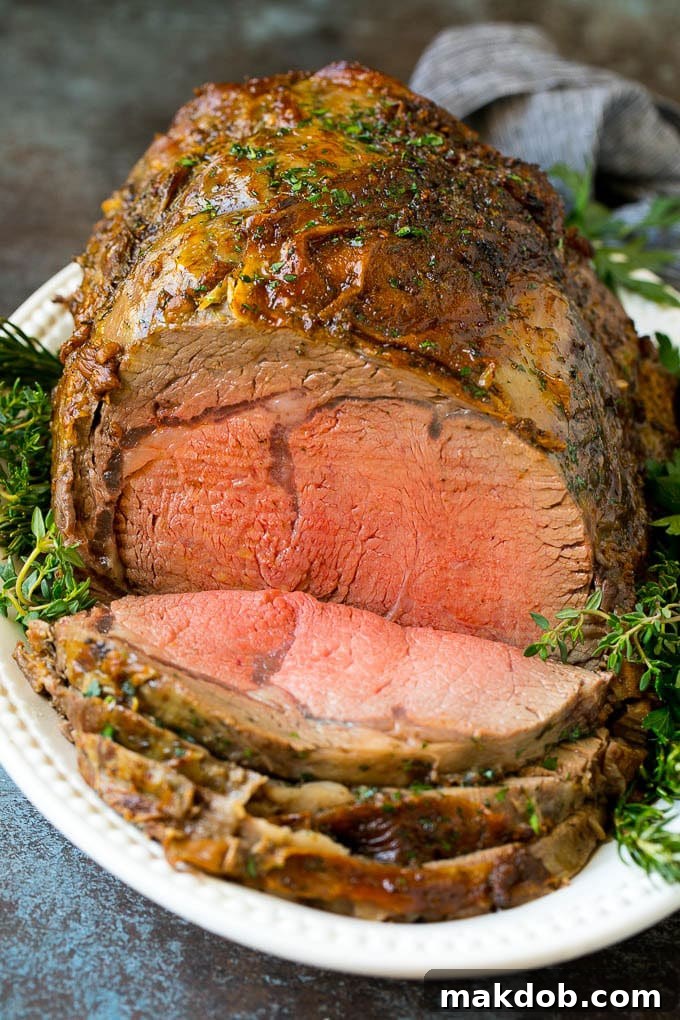
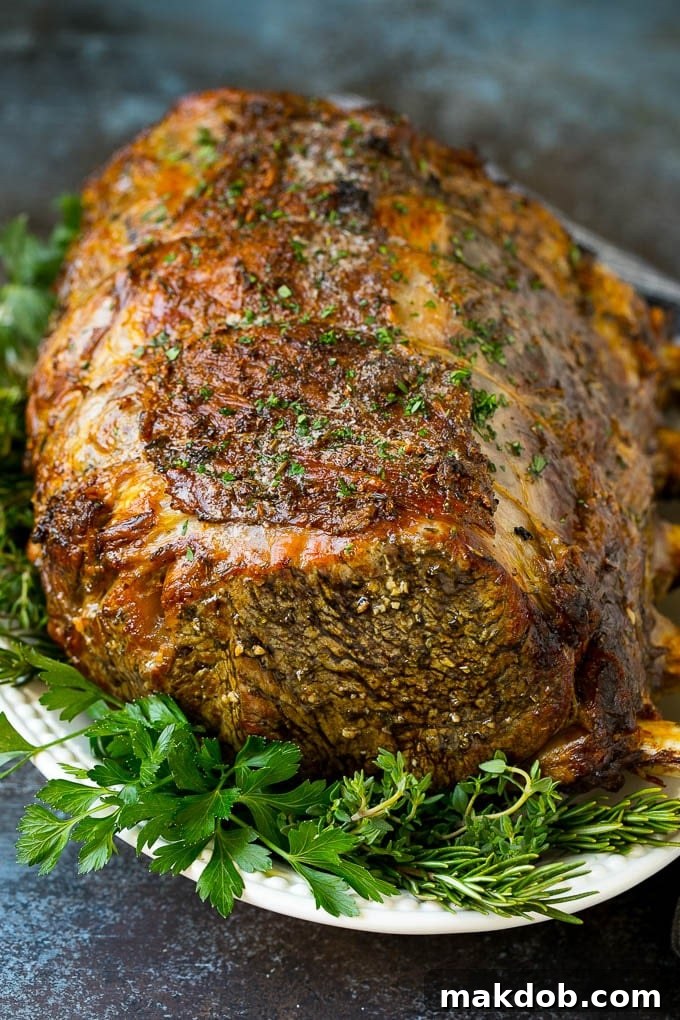
Unlock the secret to an unforgettable culinary experience with this master recipe for Slow Roasted Prime Rib. Renowned for its unparalleled flavor and luxurious texture, prime rib is truly the crown jewel of any celebratory meal. This particular method ensures a beautifully crusted exterior, infused with aromatic garlic and fresh herbs, while maintaining a spectacularly tender and juicy interior with every single slice. It’s more than just a roast; it’s a centerpiece designed to impress, making it the quintessential main course for any special occasion, from festive holidays to intimate gatherings.
There are moments when you want to truly elevate your meal, and for the holidays, especially Thanksgiving or Christmas dinner, nothing quite matches the grandeur and deliciousness of a perfectly cooked prime rib. It consistently receives rave reviews from family and friends, and for good reason! To complement such a magnificent main course, I love serving it alongside a selection of exquisite side dishes. Imagine pairing the rich beef with the sweet and tangy notes of a pineapple casserole, the fresh crunch of a vibrant Thanksgiving salad, the savory crispness of zucchini fritters, the creamy indulgence of Ruth’s Chris sweet potato casserole, and the irresistible smoky appeal of bacon wrapped green beans. This combination creates a feast that’s not just a meal, but a cherished memory.
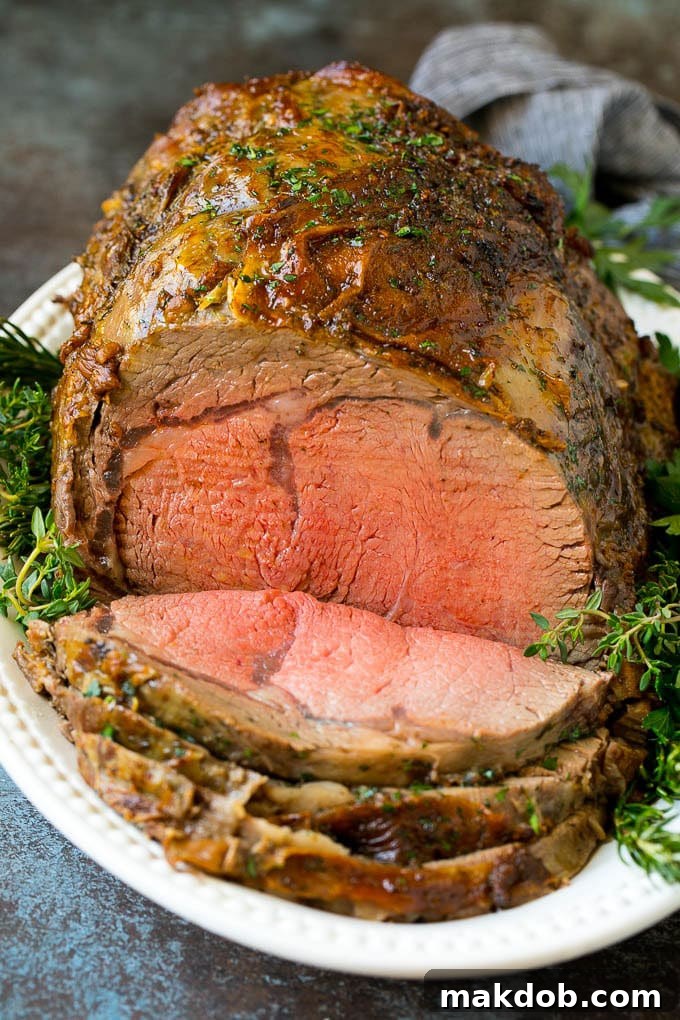
When the festive season arrives, I always look forward to treating my guests to a truly exceptional meal, be it for Thanksgiving or Christmas. In my culinary philosophy, there’s nothing quite as special as dinner recipes that feature a magnificent prime rib roast. It’s not just incredibly flavorful, boasting a rich beefy taste that’s hard to beat, but it also happens to be surprisingly simple to prepare. Despite its luxurious reputation, achieving prime rib perfection is well within reach for any home cook, making it an ideal choice for those who want to impress without the stress.
Table of Contents
- Slow Roasted Prime Rib Ingredients
- How to Cook a Perfect Prime Rib
- Choosing the Best Prime Rib
- Expert Tips for the Best Prime Rib
- Quick Tip: Leftover Prime Rib Storage
- Slow Roasted Prime Rib Cooking Time Guidelines
- Understanding Beef Doneness Temperatures
- Prime Rib Recipe FAQs
- Flavor Variations for Your Prime Rib
- More Great Beef Recipes to Explore
- Love This Recipe? Leave a Review!
- Slow Roasted Prime Rib Recipe Card
Slow Roasted Prime Rib Ingredients
Crafting a truly spectacular slow roasted prime rib begins with a handful of quality ingredients, each playing a crucial role in developing its signature flavor and texture. For this recipe, you will need a beautiful prime rib roast, preferably bone-in, which enhances both flavor and moisture. Complementing the rich beef, a good quality olive oil acts as the perfect binder for the aromatic rub. Five cloves of freshly minced garlic infuse the crust with a pungent, savory depth. Fresh thyme and rosemary, two classic herbs for beef, lend an earthy, fragrant note that is both bright and comforting. Finally, kosher salt and freshly ground black pepper are essential for seasoning, bringing out the natural flavors of the meat and contributing to that irresistible crust. The use of kosher salt specifically ensures a more even seasoning and forms a beautiful crust without being overly salty, while fresh herbs provide a more vibrant aroma compared to their dried counterparts.
How to Cook a Perfect Prime Rib
The idea of cooking a perfect prime rib might sound intimidating, conjuring images of complex techniques, but with the right guidance, it’s remarkably straightforward. This slow roasting method is designed for ease and consistently delivers outstanding results. Here’s a detailed, step-by-step guide to achieving prime rib perfection:
- **Bring to Room Temperature:** Begin by removing your prime rib roast from the refrigerator at least 30 minutes, or up to 2 hours, before cooking. Allowing the beef to rest on the counter helps it come closer to room temperature, which is a critical step. This ensures the roast cooks more evenly from edge to center, preventing a cold, undercooked middle or an overcooked exterior.
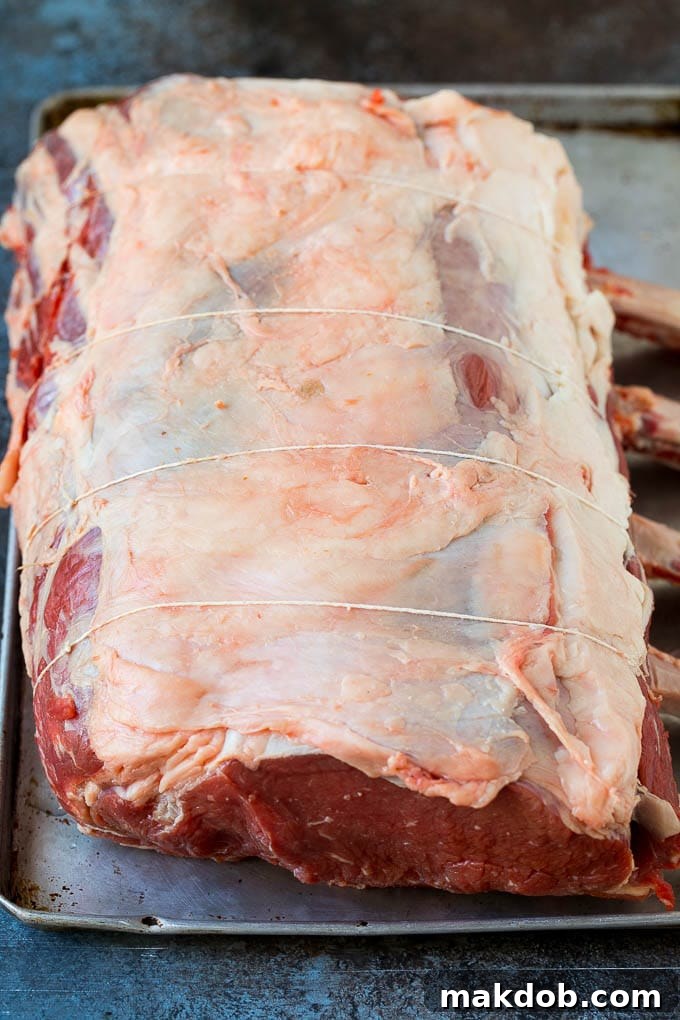
- **Prepare the Roast:** While the beef is resting, take a moment to prepare it for roasting. If your roast is bone-in, tying it with butcher’s twine between the ribs is highly recommended. This simple step helps maintain the roast’s compact shape throughout the cooking process, promoting even cooking and a more attractive final presentation. Wrap the exposed ends of the bones with aluminum foil to prevent them from burning and charring excessively during the high-heat searing phase.
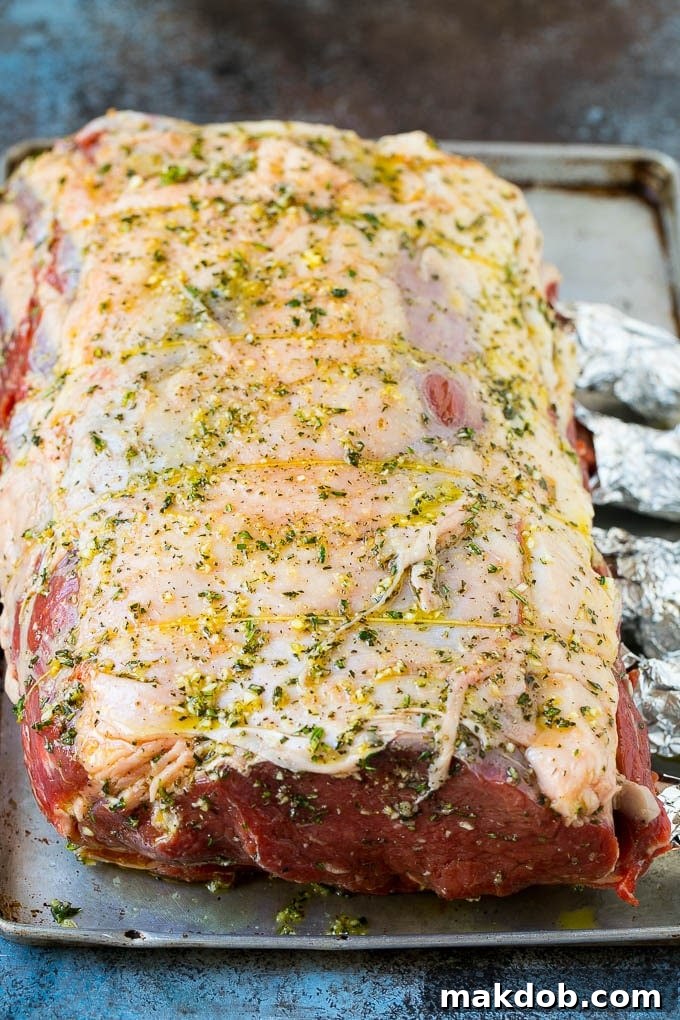
- **Craft the Herb and Garlic Rub:** In a small bowl, combine your flavorful ingredients: olive oil, freshly minced garlic, minced fresh thyme leaves, minced fresh rosemary leaves, kosher salt, and freshly ground black pepper. Mix them thoroughly to form a fragrant paste.
- **Season Generously:** Liberally coat the entire surface of the prime rib with the prepared herb and garlic rub. Don’t be shy – a generous application ensures a rich, flavorful crust. Massage the rub into every crevice of the meat for maximum flavor penetration.
- **Prepare for Roasting:** Transfer the seasoned prime rib to a sturdy roasting pan, ideally one fitted with a V-rack or a flat rack to allow for even air circulation around the roast. Insert a reliable meat thermometer into the thickest part of the roast, avoiding the bone. This will be your guide to achieving the perfect doneness.
- **High-Heat Sear:** Place the roasting pan into a preheated 500 degrees F (260 degrees C) oven. Roast at this high temperature for an initial 15 minutes. This crucial step creates a beautiful, caramelized crust on the exterior of the beef, locking in juices and developing intense flavor. Keep a close eye on your roast during this phase; if the exterior begins to darken too quickly for your preference, you can reduce the temperature sooner.
- **Slow Roasting:** After the initial 15 minutes of high-heat searing, immediately reduce the oven temperature to 325 degrees F (160 degrees C). Continue to cook the prime rib at this lower temperature until the internal meat thermometer registers approximately 5 degrees F below your desired final doneness (refer to the Beef Temperatures section below). This slow roasting method ensures a tender, juicy interior.
- **Crucial Resting Period:** Once the roast reaches the target internal temperature (e.g., 120-125°F for rare), remove it from the hot oven. Tent it loosely with aluminum foil and let it rest undisturbed for at least 20 to 30 minutes. This resting period is absolutely essential: it allows the juices to redistribute throughout the meat, ensuring every slice is incredibly moist and tender. During this time, the internal temperature of the roast will continue to rise by several degrees, known as “carryover cooking,” reaching your ideal doneness.
- **Carve and Serve:** After resting, carefully remove the twine and slice the prime rib. If bone-in, hold the bones vertically and slice down between the bone and the meat to remove the entire bone section, then slice the meat against the grain into desired thickness. Serve immediately with any accumulated pan juices, which are packed with flavor. Enjoy the fruits of your labor!
Choosing the Best Prime Rib
Selecting the right prime rib is fundamental to the success of your roast. Prime rib is a section of seven beef ribs, often referred to as a standing rib roast or a bone-in rib roast. A full standing rib roast typically weighs around 17 pounds, which is often too large for most home cooks, so it’s commonly cut into smaller sections. As a general guide, each rib can comfortably serve 2 people, though for a larger, more impressive meal or for presentation purposes, you might consider serving one rib per person. When determining the size you need, simply multiply the number of guests by the serving size per rib.
For the absolute best quality, seek out prime rib from a reputable butcher shop or a grocery store that boasts an excellent butcher counter. Look for beef graded USDA “Prime” or “Choice.” USDA Prime represents the highest quality, featuring abundant marbling (intramuscular fat) that translates to exceptional juiciness, tenderness, and flavor. USDA Choice is also an excellent option, with good marbling and quality. USDA Select, while leaner, is generally not recommended for prime rib due to its reduced tenderness and flavor.
When you’re at the butcher, don’t hesitate to ask questions. You can request for the bones of the roast to be “frenched.” This means the butcher will trim away the excess fat and meat from the ends of the rib bones, creating a cleaner, more elegant presentation often seen in high-end restaurants. Another useful request is to have the bones cut away from the roast, then tied back on. This allows for easier carving after cooking, as you can simply snip the twine to remove the bones, while still benefiting from the flavor and moisture they impart during roasting. Discuss your guest count and desired doneness with your butcher, as they can often provide valuable insights and prepare the cut perfectly for your needs.
Expert Tips for the Best Prime Rib
Achieving a truly exceptional prime rib involves a few key techniques and considerations. Keep these expert tips in mind to ensure your roast turns out perfect every time:
- **Bone-In for Flavor and Moisture:** While some recipes suggest removing the bones before cooking, I strongly recommend keeping them in. The bone acts as a natural insulator, which helps the meat cook more evenly. More importantly, bones contribute significantly to the overall flavor and moisture of the roast, resulting in a richer, more succulent outcome. You can always ask your butcher to cut the bones off and tie them back on, which makes carving easier later.
- **Room Temperature is Key:** Never put a prime rib roast directly from the refrigerator into a hot oven. If your prime rib roast starts cooking while it’s still cold, it will cook unevenly, leaving the outer edges overdone while the center remains too rare. Always let it sit at **room temperature** for at least 30 minutes to 2 hours before placing it in the oven. This allows the internal temperature to equalize, promoting a more consistent and even cook.
- **Understand Carryover Cooking:** This is perhaps one of the most crucial tips for perfectly cooked beef. Remember to remove your meat from the oven when its internal temperature is about 5 to 10 degrees F lower than your desired final temperature. Once removed, immediately cover the meat loosely with aluminum foil and let it rest. The residual heat will continue to cook the meat internally, gradually raising its temperature to the target doneness. This process, known as carryover cooking, is vital for a juicy roast, as it also allows the meat fibers to relax and reabsorb juices. Don’t skip the rest, and if you have an oven-safe thermometer, leave it in place to monitor the temperature during resting.
- **Invest in a Good Meat Thermometer:** A reliable leave-in digital meat thermometer is your best friend when roasting prime rib. It takes the guesswork out of cooking and ensures you hit your desired doneness every time. Insert it into the thickest part of the meat, avoiding the bone, before placing the roast in the oven.
- **Don’t Forget the Pan Juices:** As the prime rib roasts, it will release delicious juices into the pan. These pan drippings are liquid gold! You can use them to create a rich au jus or a delectable gravy to serve alongside your sliced prime rib. Deglaze the pan with some beef broth or red wine after removing the roast for extra flavor.
Quick Tip: Leftover Prime Rib Storage
Any leftover slow roasted prime rib can be safely stored in an airtight container in the refrigerator for up to 3 days. To reheat, slice the meat thinly and gently warm it in a skillet with a splash of beef broth, or in a low oven, to prevent it from drying out.
Slow Roasted Prime Rib Cooking Time Guidelines
The total cooking time for a prime rib roast primarily depends on its weight and your desired level of doneness. This recipe employs a two-stage cooking method: an initial high-heat sear followed by a slow roast. This technique ensures a beautiful, crispy crust and a tender, juicy interior.
After an initial 15 minutes at a high temperature of 500 degrees F (260 degrees C) to develop that coveted browned crust, you will reduce the oven temperature to 325 degrees F (160 degrees C) for the remainder of the cooking time. As a general guide, for a rare roast, you can expect the interior of the meat to reach its target temperature in approximately 10-11 minutes per pound at 325 degrees F. For instance, a 12-pound prime rib, cooked to a perfect rare, took me roughly 2 hours and 5 minutes using this method. This means about 10.4 minutes per pound, which aligns well with the general guideline.
If you prefer your beef to be more done (medium-rare, medium, etc.), you will need to add a few more minutes per pound to the cooking time. However, it’s crucial to remember that these timing estimates are for planning purposes only. The most accurate way to ensure your prime rib is cooked to your exact preference is by using a reliable meat thermometer and focusing on the internal temperature, regardless of the clock. Always prioritize the thermometer reading over estimated cooking times to achieve consistent, perfect results.
Understanding Beef Doneness Temperatures
Knowing your desired beef temperature is the key to a perfectly cooked prime rib. For a roast beef, doneness is determined by the internal temperature of the meat. As discussed earlier, always remove the meat from the oven when it’s about 5 to 10 degrees F below your target temperature, accounting for carryover cooking during the resting period. Monitor the meat with a leave-in thermometer as it rests to ensure it reaches your ideal final temperature and allow for proper juice redistribution.
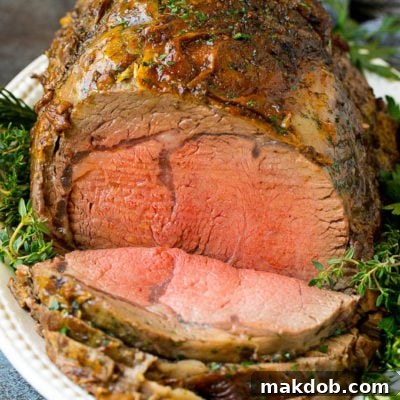
- **Rare:** 120-130 degrees F (49-54 degrees C). Expect a cool, red center. This is for true beef lovers who appreciate a deep, rich flavor and incredibly tender texture.
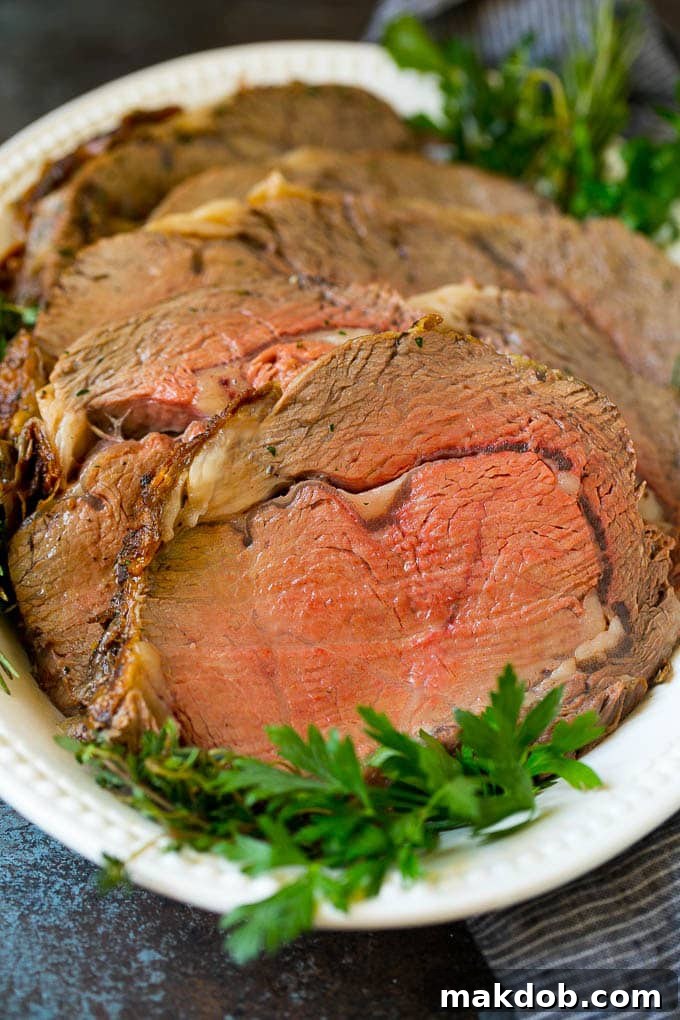
- **Medium Rare:** 130-135 degrees F (54-57 degrees C). A warm, red center. This is the most recommended doneness for prime rib, offering optimal juiciness, tenderness, and flavor.
- **Medium:** 135-140 degrees F (57-60 degrees C). A warm, pink center. Still very juicy and flavorful, a good choice if some guests prefer a slightly less red center.
- **Medium Well:** 145-155 degrees F (63-68 degrees C). A slightly pink center. The meat will be firmer and less juicy than medium-rare or medium.
- **Well Done:** 155 degrees F (68 degrees C) and above. Cooked through with little to no pink. The meat will be firm and considerably less juicy. While not typically recommended for prime rib due to potential dryness, some prefer it this way.
Prime Rib Recipe FAQs
Prime rib, also known as a standing rib roast, is a large, tender, and incredibly flavorful cut of beef that comes from the rib section of a steer. A cow typically has 13 ribs. The full rib roast usually consists of ribs 6 through 12. When purchasing, you’ll want to buy at least 3 ribs for a roast, which is typically enough to serve 6-8 people. Ribs near the loin end (closer to the back of the cow, ribs 10-12) tend to be more tender with less marbling. Ribs near the chuck end (closer to the front, ribs 6-9) are typically more marbled, offering a richer, more intense beefy flavor. Both sections are delicious, so your choice depends on your preference for tenderness versus marbling. Your butcher can guide you to the best option.
The best way to cook prime rib is widely considered to be the slow roasting method, often combined with an initial high-heat sear. This technique involves first roasting the exterior at a high temperature (like 500°F) for a short period to achieve a beautiful, savory brown crust. After this searing, the oven temperature is significantly lowered (typically to 325°F or even lower) to allow the meat to cook slowly and evenly to the desired internal temperature. This slow and steady approach ensures a tender, juicy interior from edge to edge, with minimal gray banding, and maximizes flavor development.
Yes, you can absolutely use a boneless prime rib roast. The cooking time will be slightly shorter per pound, and you’ll need to be extra vigilant with your meat thermometer, as bones can slightly buffer temperature changes. While bones contribute to flavor and moisture, a boneless roast is easier to carve and still yields excellent results with this slow roasting method. Adjust cooking time estimates accordingly and always rely on internal temperature for doneness.
A sturdy, heavy-duty roasting pan is ideal. Look for one with a V-rack or a flat rack insert. The rack is important because it lifts the roast off the bottom of the pan, allowing for even heat circulation around the entire piece of meat and preventing the bottom from steaming. A good quality pan will also distribute heat evenly, contributing to a better crust and more consistent cooking.
FOLLOW ME
Flavor Variations for Your Prime Rib
While this slow roasted prime rib recipe is absolutely fantastic as written, its versatility allows for exciting customizations to perfectly suit your taste preferences. Don’t hesitate to experiment with different aromatic additions to make this dish uniquely yours.
- **Herbs:** The classic combination of thyme and rosemary is superb, but you can certainly explore other fresh or dried herbs. Consider adding sage for a more autumnal, earthy flavor, or finely minced parsley for a fresher, brighter note. Oregano can lend a Mediterranean touch, or for an easy and robust blend, a good quality Italian seasoning mix works wonderfully. You could also create a compound butter with various herbs and garlic, and rub it under the skin or over the surface for extra richness.
- **Spices:** Elevate the rub by incorporating a variety of spices before the roast goes into the oven. Some excellent choices include garlic powder and onion powder for an intensified savory base. Smoked paprika can add a subtle smoky depth and a beautiful reddish hue to the crust. A pinch of cayenne pepper or red pepper flakes can introduce a hint of warmth and spice, while a touch of ground mustard can provide a sharp, tangy contrast that complements rich beef flavors.
- **Sauces:** The natural pan juices from a prime rib are often all you need, but serving your masterpiece with an accompanying sauce can take it to new heights. A rich mushroom steak sauce adds an earthy umami complexity. For those who enjoy a tangier accompaniment, my homemade A-1 style steak sauce recipe provides a zesty counterpoint that cuts through the richness of the beef. You can also whip up a quick red wine reduction using the pan drippings for an elegant touch, or a creamy horseradish sauce for a classic pairing.
Prime rib, a tender and incredibly flavorful cut of meat, is truly perfect for holidays and special occasions. With this detailed recipe and these valuable tips, making prime rib will be not only easy but also result in picture-perfect, delicious outcomes every single time. Prepare to impress your guests and savor a meal that epitomizes culinary excellence!
More Great Beef Recipes to Explore
Steak Kabobs with Garlic Butter
Total Time: 30 mins
Slow Cooker Beef Stroganoff
Total Time: 4 hrs 15 mins
Smoked Prime Rib
Total Time: 3 hrs 30 mins
Slow Cooker Corned Beef and Cabbage
Total Time: 8 hrs 10 mins
New York Strip Steak with Garlic Butter
Total Time: 25 mins
Love This Recipe? Leave a Review!
We hope you absolutely loved preparing and enjoying this Slow Roasted Prime Rib recipe! If you found it delicious and helpful, please take a moment to leave a 5-star 🌟🌟🌟🌟🌟 rating in the recipe card below. Your feedback and review in the comments section further down the page are invaluable and help other home cooks discover this fantastic dish!
Slow Roasted Prime Rib
Pin
Ingredients
- 12 pounds bone in prime rib roast (6 ribs)
- 5 tablespoons olive oil
- 5 cloves garlic (minced)
- 4 teaspoons fresh thyme leaves (minced)
- 2 teaspoons fresh rosemary leaves (minced)
- 2 tablespoons salt
- 1 teaspoon pepper
Instructions
-
Preheat your oven to a high temperature of 500 degrees F (260 degrees C).
-
Remove your prime rib from the refrigerator and let it rest on the counter for at least 30 minutes, allowing the beef to come closer to room temperature for more even cooking.
-
While the prime rib is resting, carefully tie it with butcher’s twine between each rib. This helps hold the meat together and maintain its shape as it roasts. Wrap the exposed ends of the bones with aluminum foil to prevent them from burning during the high-heat phase.
-
In a small bowl, prepare the flavorful rub for the prime rib by mixing together the olive oil, minced garlic, minced fresh thyme, minced fresh rosemary, salt, and pepper until well combined.
-
Generously coat the entire surface of the prime rib with the prepared olive oil and herb rub, ensuring even coverage for a delicious crust.
-
Insert a meat thermometer into the thickest part of the roast, making sure it doesn’t touch any bone. Place the seasoned roast on a rack in a sturdy roasting pan or a large baking dish.
-
Cook your prime rib in the preheated 500 degrees F (260 degrees C) oven for 15 minutes. This high-heat searing step is crucial for developing a beautiful, browned, and flavorful exterior. Monitor your roast carefully; if the crust starts to get darker than you prefer, you can reduce the oven temperature to 325 degrees F sooner.
-
After the initial 15 minutes, immediately reduce the oven temperature to 325 degrees F (160 degrees C). Continue to roast the meat until the internal meat thermometer registers approximately 5 degrees below your ideal final temperature (refer to the beef temperatures chart).
-
Once it reaches the target temperature, remove the prime rib from the oven. Loosely tent it with aluminum foil and let it rest undisturbed for 20 to 30 minutes. This resting period is critical for the juices to redistribute, ensuring a tender and moist roast. The internal temperature will also continue to rise due to carryover cooking.
-
After resting, remove the twine. If bone-in, hold the bones vertically and carefully cut down between the bone and the meat to separate the entire bone section.
-
Slice the prime rib against the grain into desired portions and serve immediately with any delicious pan juices. Enjoy!
Notes
- Some home cooks choose to remove the bones before roasting, but I find this step unnecessary. Keeping the bones in during cooking allows the meat to be thoroughly seasoned and significantly contributes to the roast’s flavor and moisture content, resulting in a more succulent outcome.
- For consistent and even cooking, it’s essential to allow your prime rib roast to sit at room temperature for at least 30 minutes (up to 2 hours for larger roasts) before placing it in the oven. Roasting a cold prime rib straight from the refrigerator can lead to uneven cooking, where the exterior is overdone and the center is too rare.