
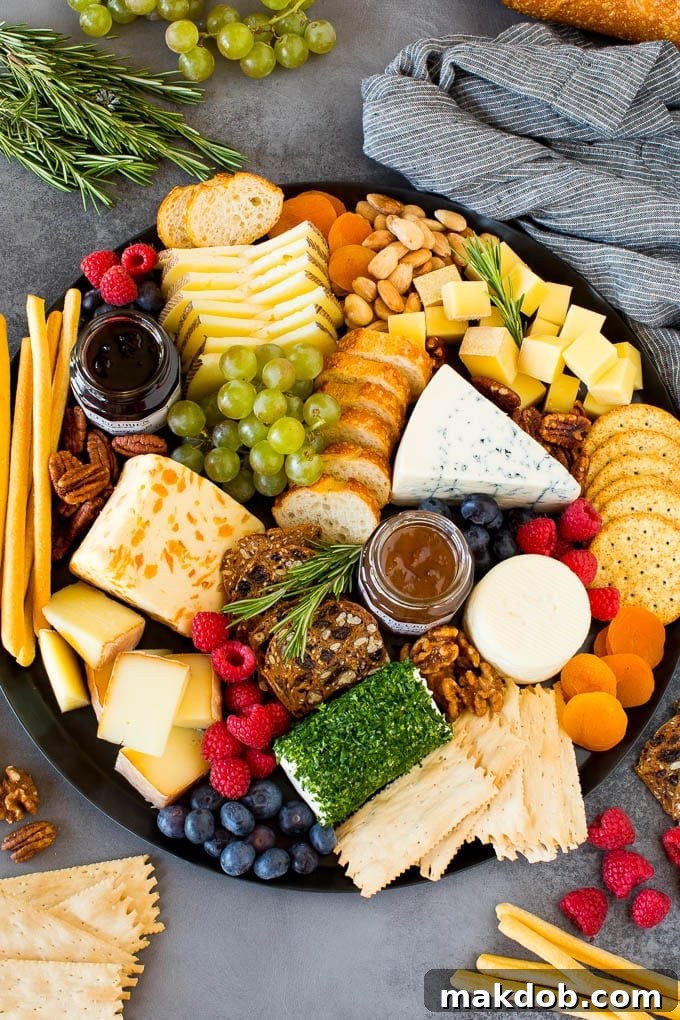
Welcome to the ultimate guide for creating the most exquisite and memorable cheese board recipe, meticulously designed to delight your guests with a stunning array of cheeses, crackers, fresh and dried fruits, and an assortment of complementary accompaniments. Far more than just an appetizer, a well-curated cheese board is an effortless yet incredibly impressive culinary centerpiece for any gathering, promising rave reviews and ensuring your entertaining success.
Whether you’re hosting an intimate dinner party, a festive holiday celebration, or a casual get-together, a beautifully arranged cheese board consistently stands out. It offers a sophisticated yet approachable way to cater to diverse palates with minimal fuss, allowing you to spend less time in the kitchen and more time enjoying your guests. My approach to crafting the perfect cheese board emphasizes not just abundance, but also thoughtful selection and harmonious pairings of sweet, savory, and tangy elements that truly enhance the complex flavors of the cheeses.
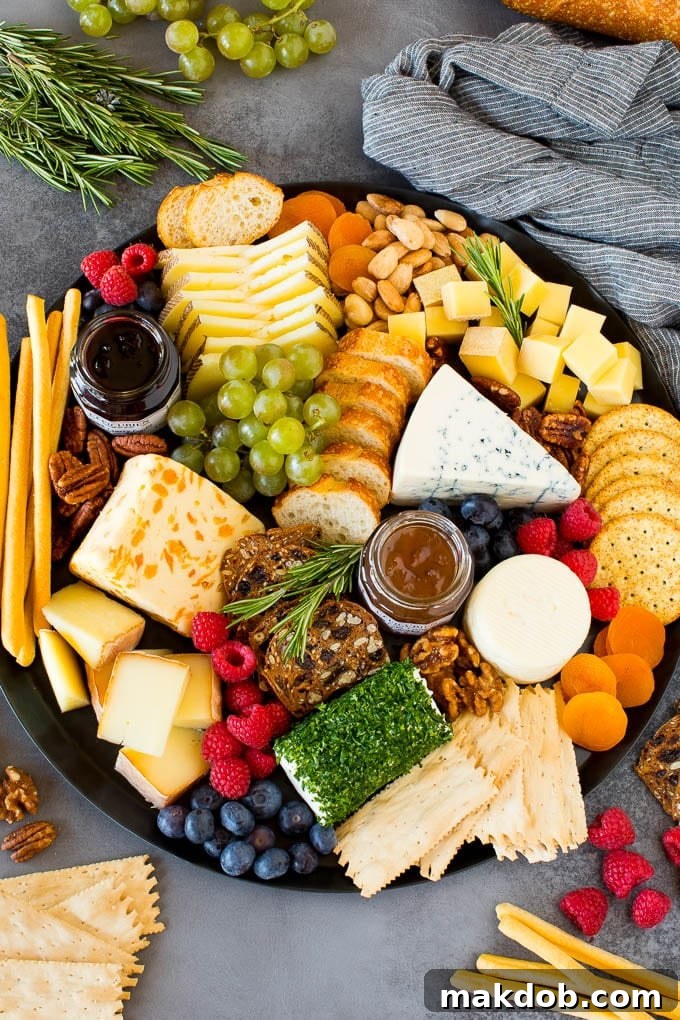
Beyond its visual appeal, a cheese board offers a tactile and interactive dining experience, inviting guests to explore different textures and flavor combinations. It’s a culinary journey that can be customized to reflect seasons, themes, or personal preferences, making it an incredibly versatile and rewarding dish to assemble. This guide will walk you through every step, from selecting the finest cheeses and building a balanced collection of accompaniments to artfully arranging your platter and offering expert tips for a flawless presentation.
Table of Contents
- Selecting the Perfect Cheeses
- Essential Accompaniments: Crackers, Fruits, Nuts, and Spreads
- How to Assemble Your Dream Cheese Board
- Pro Tips for a Flawless Cheese Platter
- Frequently Asked Questions About Cheese Boards
- Elevate Your Board: Flavor Variations and Themes
- More Irresistible Appetizer Ideas
- The Ultimate Cheese Board Recipe
Selecting the Perfect Cheeses
The foundation of an exceptional cheese board is, without a doubt, a thoughtful selection of cheeses. To provide a rich tapestry of flavors and textures, aim to include at least three to five different varieties, ensuring you have at least one from each of the following categories. This diverse approach caters to various preferences and makes for a more exciting tasting experience.
- Soft & Creamy: These cheeses offer a luxurious, melt-in-your-mouth texture.
- Brie: A classic choice, known for its buttery flavor and smooth, yielding interior.
- Camembert: Similar to Brie but often with a more intense, earthy flavor.
- Boursin: A fresh, creamy cheese often infused with herbs and garlic, adding a savory kick.
- Goat Cheese (Chèvre): Tangy and often crumbly or spreadable, offering a bright contrast.
- Burrata: An exquisite fresh Italian cheese, essentially a mozzarella pouch filled with creamy stracciatella and cream.
- Hard & Nutty: These firm cheeses provide a robust flavor and satisfying chewiness, often with crystalline structures.
- Parmigiano-Reggiano: The king of cheeses, sharp, salty, and wonderfully granular. Break off chunks rather than slicing.
- Manchego: A Spanish sheep’s milk cheese, firm with a buttery texture and a distinct, nutty flavor.
- Comte: A French Gruyère-style cheese, rich and fruity with a firm, smooth texture.
- Gruyere: A Swiss cheese renowned for its complex, nutty, and slightly sweet flavor.
- Mimolette: A French cheese with a distinct orange hue and a caramel-nutty flavor.
- Aged & Complex: These cheeses have developed deeper, more nuanced flavors over time, often becoming sharper and more crumbly.
- Vintage Cheddar: Sharp, tangy, and often crumbly with a wonderfully long finish.
- Grana Padano: A hard, granular Italian cheese, similar to Parmigiano-Reggiano but with a slightly milder flavor.
- Aged Gouda: Sweet, nutty, and often butterscotch-like with delightful crunchiness from salt crystals.
- Blue & Pungent: For those who appreciate a bolder flavor, blue cheeses add a powerful, distinctive note.
- Cambozola: A creamy, mild blue cheese, often described as a hybrid of Camembert and Gorgonzola.
- Stilton: A classic English blue, intensely flavorful, rich, and crumbly.
- Roquefort: A salty, tangy sheep’s milk blue cheese from France, with a moist texture.
- Gorgonzola: An Italian blue cheese, available in dolce (sweet and creamy) or piccante (sharp and firm) varieties.
When selecting, consider varying milk types (cow, goat, sheep), countries of origin, and intensity levels. Aim for about 2-4 ounces of cheese per person if it’s an appetizer, and more if it’s the main event.
Essential Accompaniments: Crackers, Fruits, Nuts, and Spreads
While cheese is the star, the accompaniments are the supporting cast that completes the flavor profile and adds visual interest. They offer crunch, sweetness, tang, and earthiness, creating perfect pairings for every bite.
- Carriers (Crackers & Bread):
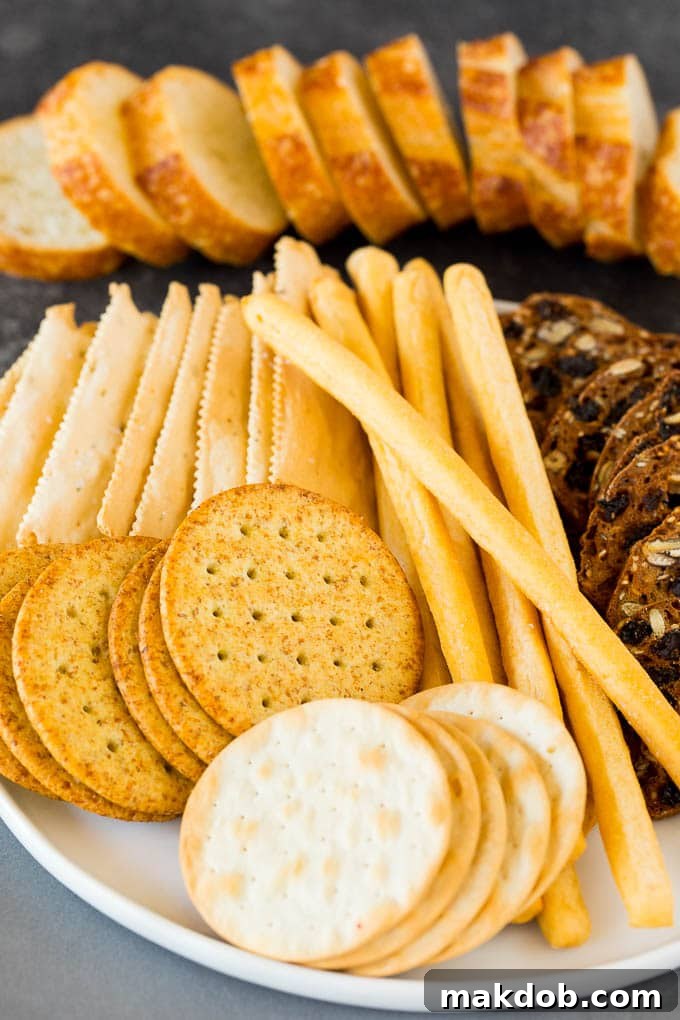
- Breadsticks: Offer a variety, such as thin sesame breadsticks for a subtle crunch, olive oil breadsticks for a savory note, or cheesy straws for an extra layer of flavor.
- Crackers: Provide a range of textures and flavors. Include neutral water crackers, rich buttery crackers, wholesome multigrain crackers, and elegant flatbread crackers. Consider gluten-free options to cater to all guests.
- Bread: Sliced baguette (toasted or fresh), delicate crostini, or even strips of fragrant focaccia add substance and variety.
- Fruits: A mix of fresh and dried fruits adds natural sweetness, acidity, and vibrant color.
- Fresh Fruit Options: Seasonal berries (raspberries, blueberries, blackberries), crisp apple slices (Granny Smith for tartness, Honeycrisp for sweetness), juicy grapes (red and green), and ripe pear wedges. These provide refreshing contrast.
- Dried Fruit Options: Sweet dried apricots, chewy dried figs, tangy dried cranberries, or tender dried cherries. These offer concentrated sweetness and a different texture.
- Nuts: Nuts add a welcome crunch and earthy depth.
- Candied Pecans: A personal favorite, their sweet and crunchy coating pairs beautifully with a wide range of cheeses.
- Roasted Almonds: Simple, elegant, and always a hit.
- Candied Walnuts: Another excellent sweet-savory option.
- Cashews & Pistachios: Offer different textures and mild, buttery flavors.
- Spreads & Jams: These sweet and savory condiments offer exciting flavor bridges between cheeses and carriers.
- Sweet Spreads: Fig jam (a classic pairing for many cheeses), berry jams (raspberry, strawberry), apricot preserves, or artisanal chutneys. A small pot of local honey or a honeycomb also adds natural sweetness and a beautiful visual element.
- Savory Options: Olive tapenade, sun-dried tomato spread, or a simple grain mustard can provide a delicious counterpoint to richer cheeses.
Don’t be afraid to experiment with other additions like cornichons, marinated olives, or even a small bowl of high-quality dark chocolate for a touch of unexpected indulgence.
How to Assemble Your Dream Cheese Board
Creating a beautiful cheese board is an art form, but it’s simpler than you think. Follow these steps to build a visually stunning and delicious platter that will impress your guests:
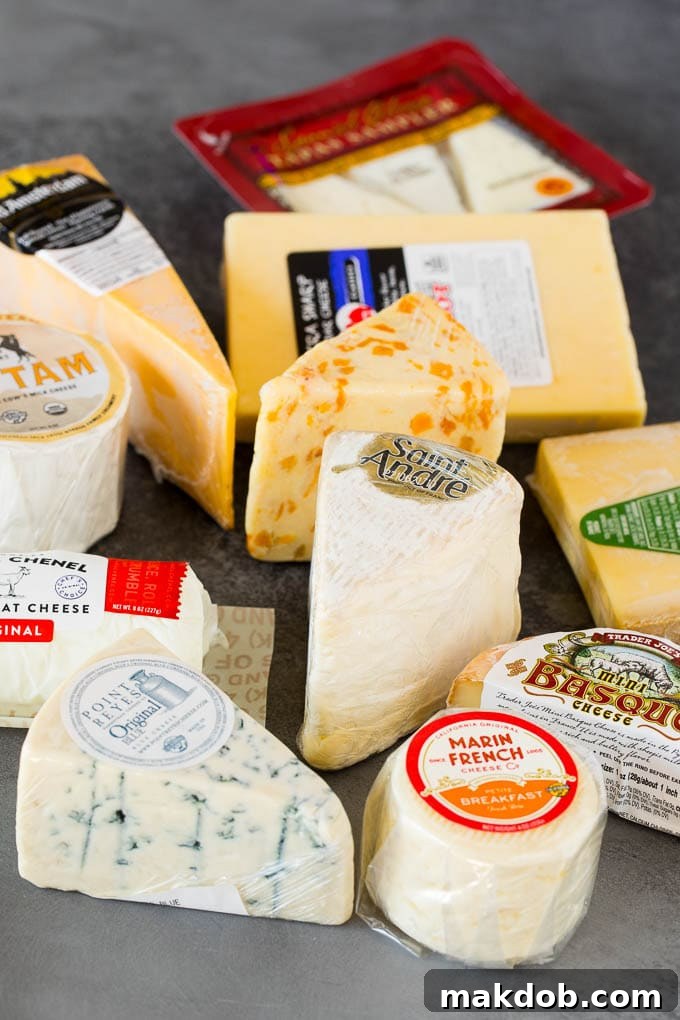
- Start with the Cheeses: Begin by placing your chosen cheeses strategically on a large platter or board. Distribute them evenly to ensure good flow. You can keep some pieces whole, slice others into wedges or cubes, or even crumble certain varieties like blue cheese for visual interest. This variation in presentation adds to the appeal.
- Add Bowls and Spreads: Next, place any small bowls for jams, honey, tapenades, or olives. This anchors your board and prevents the liquids from mixing with other ingredients.
- Arrange the Carries: Artfully arrange your crackers and bread around the cheeses and bowls. Fan out crackers, create piles of breadsticks, or stack baguette slices. Ensure they are easily accessible for dipping and scooping.
- Fill with Fruits and Nuts: Now, fill in the larger gaps with your fresh and dried fruits and nuts. Create clusters of grapes, scatter berries, and sprinkle nuts around the board. Think about contrasting colors and textures. For instance, place bright red berries next to a creamy white cheese.
- Garnish for Flourish: Finally, add your fresh herbs. Sprigs of rosemary, thyme, or parsley not only add a beautiful pop of green and a fresh aroma but also fill in any remaining small spaces, making the board look lush and abundant.
- Allow to Temper: Let the assembled board sit at room temperature for about 20-30 minutes before serving. This allows the cheeses to soften slightly and their flavors to fully develop, ensuring the best tasting experience.
Pro Tips for a Flawless Cheese Platter
Crafting a truly exceptional cheese board goes beyond just selecting ingredients. These expert tips will help you elevate your presentation and ensure a seamless experience for your guests:
- The Importance of Temperature: Most cheeses taste best when they’ve had a chance to sit at room temperature for about 20-30 minutes before serving. This allows their complex flavors and creamy textures to fully express themselves. Remove your cheeses from the refrigerator slightly in advance.
- Prepare Ahead: For stress-free entertaining, the platter can be mostly prepared up to 8 hours before you plan to serve it. Arrange all components except for the most delicate bread products and fresh herbs. Cover everything tightly with plastic wrap to prevent drying, then store in the refrigerator. Before serving, remove from the fridge, uncover, add your fresh bread and herbs, and let it come to room temperature for at least 20 minutes.
- Label Your Cheeses: It’s incredibly helpful to label the cheeses! Your guests will appreciate knowing what delicious varieties they are enjoying, especially those with dietary preferences or adventurous palates. You can use small chalkboards, elegant cheese markers, or even simple paper flags.
- Provide Ample Serving Implements: Be sure to put out plenty of serving implements, such as dedicated cheese knives for different cheese types (a spade for hard cheeses, a fork-tipped knife for soft, a spreader for creamy cheeses), as well as small spoons for jams and honey. This makes it easy and hygienic for people to serve themselves.
- Shop Smart for Quality Cheeses: Many grocery stores now boast impressive cheese selections. For a wider and higher-quality assortment, check the deli or specialty cheese area rather than just the general dairy aisle. Local cheese shops or farmers’ markets are also excellent sources for unique, artisanal finds. Don’t be afraid to ask for samples!
- Consider Your Board: The board itself is part of the presentation. Choose a board that’s large enough to hold all your ingredients without looking cramped. Wood, slate, or marble boards all make elegant choices.
- Think About Texture and Color: When arranging, strive for a balance of textures (soft, hard, crumbly, smooth) and a vibrant mix of colors. This visual diversity makes the board more appealing and inviting.
Frequently Asked Questions About Cheese Boards
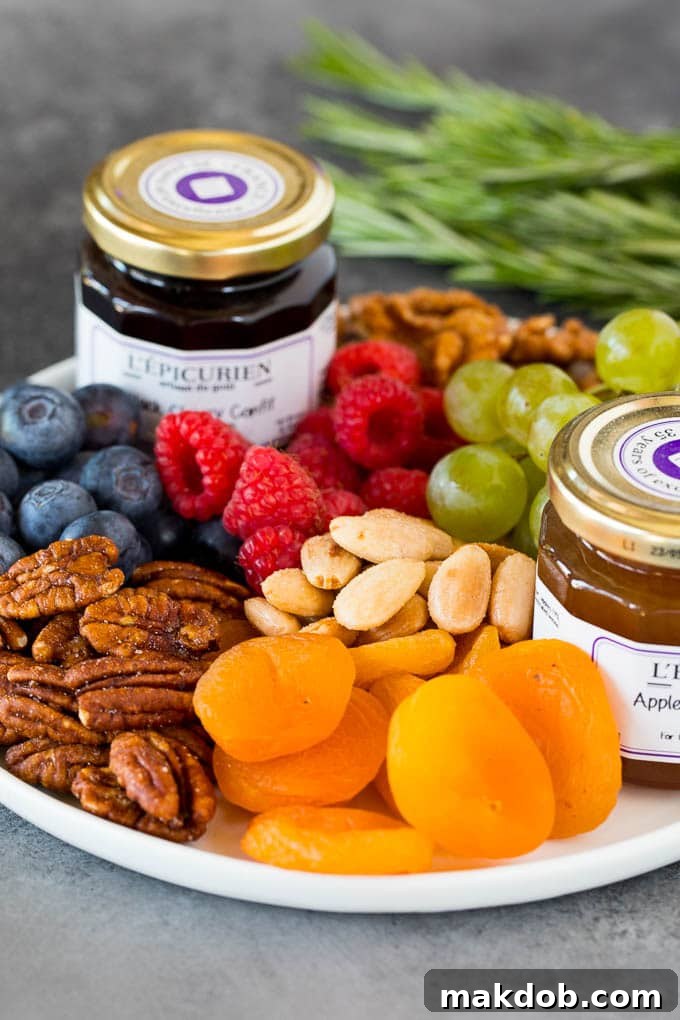
A well-rounded cheese board should contain at least three different types of cheeses, ideally representing various categories like a hard cheese, a soft cheese, an aged cheese, and a blue cheese. Beyond the cheese, it typically includes an assortment of crackers and breads, fresh fruits (such as berries, grapes, apples, or pears), dried fruits (like apricots or cranberries), a selection of nuts (almonds, pecans, pistachios), and sweet or savory spreads (like fig jam, honey, or olive tapenade). Fresh herbs are also excellent for garnish.
While versatility is key, it’s generally recommended to avoid strongly flavored items that might clash with or overpower the delicate nuances of the cheeses and other accompaniments. For example, extremely spicy cheeses or chips with intense artificial flavors may not integrate well with the other elements. Also, avoid anything overly messy or difficult to eat, and ensure all items are fresh and properly stored to maintain quality and safety.
As a general rule, plan for about 2-4 ounces (50-100 grams) of cheese per person if the cheese board is serving as an appetizer. If it’s intended to be more substantial, or the main focus of the meal, you might increase that to 4-6 ounces (100-150 grams) per person. Always err on the side of slightly more, as leftover cheese is rarely a problem!
Absolutely! To make a cheese board vegetarian, simply ensure all cheeses and accompaniments are meat-free. For a vegan board, substitute traditional dairy cheeses with a variety of artisanal plant-based cheeses (cashew-based, almond-based, etc.). Many brands offer excellent vegan cheeses that mimic the texture and flavor of dairy. Pair them with a diverse selection of plant-based crackers, fresh and dried fruits, nuts, olives, vegetable sticks, hummus, and vegan dips.
FOLLOW ME
Elevate Your Board: Flavor Variations and Themes
While a classic cheese board is always a crowd-pleaser, don’t hesitate to think outside the box and customize it into a more elaborate charcuterie board or a themed snacking board with a variety of exciting additions. This allows for endless creativity and ensures your board is perfectly suited to the occasion and your guests’ preferences.
- Charcuterie Board with Meats: Elevate your board by incorporating a selection of high-quality cured meats.
- Salami: Hard or soft, often peppery or garlicky.
- Pepperoni: A familiar favorite, with a slight spice.
- Prosciutto: Thinly sliced, salty, and melt-in-your-mouth.
- Coppa: Cured pork shoulder, rich and marbled.
- Paté or Rillettes: For a more gourmet touch, offering a spreadable texture.
- Fresh & Pickled Vegetables: Add a refreshing crunch and tangy counterpoint.
- Cucumber Slices & Cherry Tomatoes: Fresh and crisp.
- Cornichon Pickles: Small, tart pickles that cut through richness.
- Pickled Green Beans or Asparagus: Unexpected and delightful.
- Olives: A mix of green and black olives for briny goodness.
- Italian Antipasto Style: Transform your board into a Mediterranean feast.
- Roasted Roma Tomatoes: Sweet and concentrated flavor.
- Marinated Mushrooms: Earthy and savory.
- Grilled Artichoke Hearts: Tender and slightly smoky.
- Roasted Bell Peppers: Sweet and colorful.
- Mozzarella Balls: Fresh, mild cheese to complement the stronger flavors.
- Spanish Tapas Board: Bring the vibrant flavors of Spain to your table.
- Chorizo: Spicy, smoked Spanish sausage.
- Marcona Almonds: Sweet, plump, and addictive.
- Green Olives (Manzanilla or Castelvetrano): Buttery and mild.
- Serrano Ham: A Spanish cured ham, similar to prosciutto but with a distinct flavor.
- Piquillo Peppers: Sweet and slightly smoky roasted red peppers.
- Quince Paste (Membrillo): A traditional pairing for Spanish cheeses like Manchego.
- Mediterranean Mezze Board: Feature creamy dips, fresh veggies, and bright flavors.
- Hummus & Baba Ghanoush: Classic creamy dips.
- Falafel: Crispy chickpea fritters.
- Pita Bread & Cucumber Slices: For dipping.
- Feta Cheese & Halloumi: Salty and grillable cheeses.
- Sun-dried Tomatoes & Artichoke Hearts: Flavorful additions.
- Sweet & Dessert Board: Who says cheese boards can’t be dessert?
- Sweet Cheeses: Cream cheese, mascarpone, ricotta, or even fruit-infused soft cheeses.
- Chocolates & Candies: Dark chocolate, truffles, gourmet caramels.
- Sweet Fruits: Berries, melon, sliced stone fruits.
- Cookies & Biscotti: For dipping.
- Sweet Spreads: Chocolate spread, dulce de leche, fruit curds.
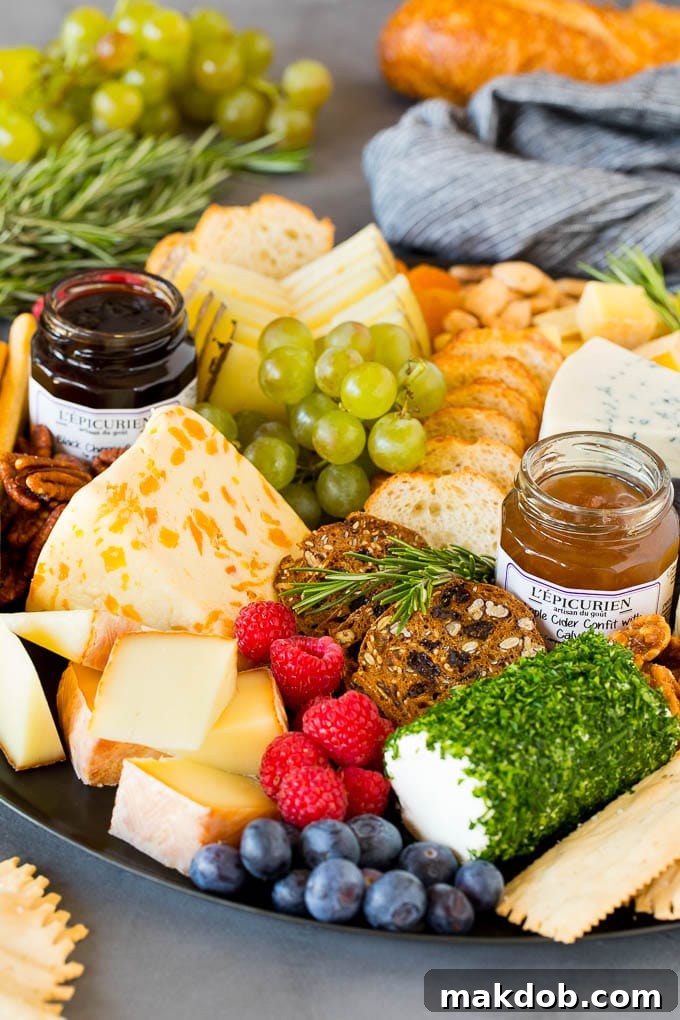
No matter what theme or additions you choose, remember that the goal is to create a visually appealing and delicious spread that encourages interaction and enjoyment. With these variations, your cheese platter is sure to be a huge hit and a memorable highlight of any gathering!
More Irresistible Appetizer Ideas
Antipasto Platter Recipe
21 mins
Baked Brie with Raspberries and Pecans
30 mins
Mini Quiche Recipe (3 Flavors!)
50 mins
Mediterranean Mezze Platter
25 mins
Prosciutto Wrapped Asparagus
15 mins
The Ultimate Cheese Board Recipe
The Best Cheese Board
Pin

Time
Ingredients
- 8 ounces aged cheese (cheddar, gouda)
- 8 ounces blue cheese (gorgonzola, stilton)
- 8 ounces soft cheese (goat cheese, brie)
- 8 ounces hard cheese (parmigiano-reggiano, comte)
- 1 cup fresh fruit (berries, sliced apples or pears)
- 1/2 cup dried fruit (apricots, cranberries)
- 16 ounces assorted bread (baguette slices, breadsticks, crackers)
- 3/4 cup nuts (candied pecans, almonds, pistachios)
- 1-2 small jars honey or jam
- fresh herbs for garnish
Instructions
-
Arrange all the ingredients artfully on a large board or platter. Garnish with fresh herbs. Allow the cheese to sit at room temperature for 20 minutes before serving to ensure optimal flavor.
-
If preparing in advance, assemble everything on the board except for the bread products and fresh herbs. Cover tightly with plastic wrap and refrigerate for up to 8 hours. Before serving, remove from the refrigerator, uncover, and add the bread and herbs. Let stand for 20-30 minutes at room temperature, then serve.
Notes
- The platter can be prepared up to 8 hours before serving. Simply cover it tightly with plastic wrap and refrigerate. Remember to let it come to room temperature for optimal taste before guests arrive.
- For a truly refined experience, it’s highly recommended to label the cheeses so your guests can easily identify and appreciate the varieties they are enjoying.
- Ensure you provide plenty of serving implements, such as various cheese knives and spreaders, to make it convenient for everyone to help themselves.
Nutrition
Did you make this recipe?
Tag @dinneratthezoo on Instagram and hashtag it #dinneratthezoo
Tweet
Pin