
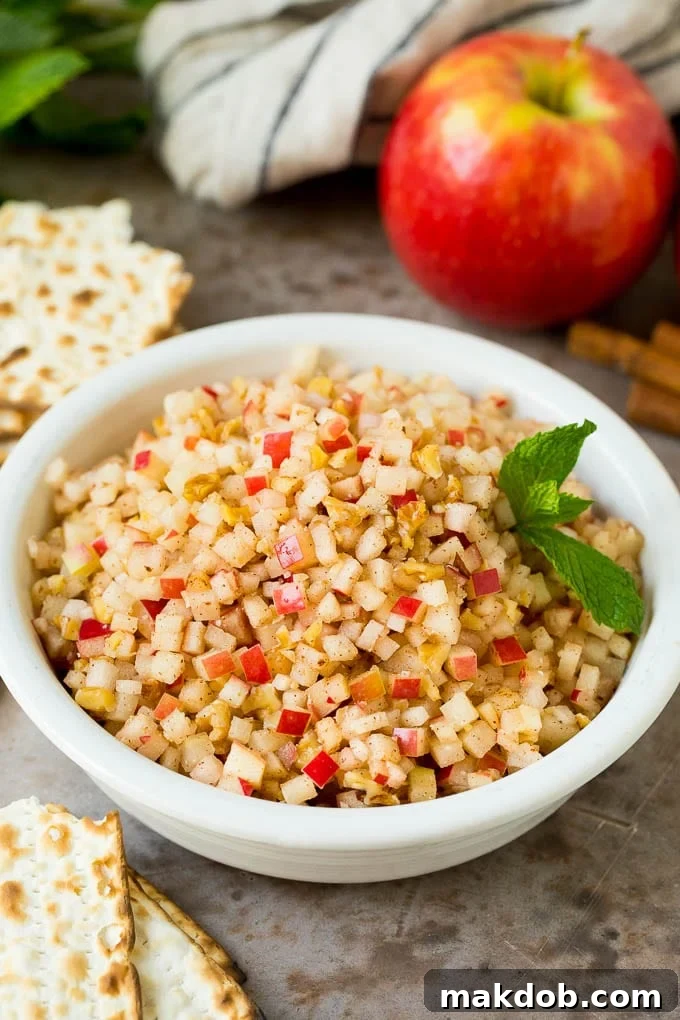
Delicious Homemade Charoset: A Traditional Passover Delight
Step into the rich tapestry of Jewish traditions with this delightful charoset recipe, an indispensable component of any Passover Seder. This sweet and savory spread, brimming with the vibrant flavors of crisp apples, crunchy walnuts, and golden honey, is more than just a dish; it’s a symbol of resilience, memory, and hope. Quick to prepare and always a crowd-pleaser, homemade charoset brings a touch of authentic joy to your holiday table and beyond.
As the spring season ushers in the joyous celebration of Passover, gathering with loved ones around a festive meal is a cherished tradition. Our Seder table is never complete without an array of classic Passover recipes, from the hearty rack of lamb to comforting matzo ball soup, and the irresistible matzo crack. Yet, the star that truly illuminates the Seder plate is always this fresh, aromatic, and absolutely delicious apple charoset. It’s a testament to simple ingredients coming together to create something profoundly meaningful and utterly delicious.
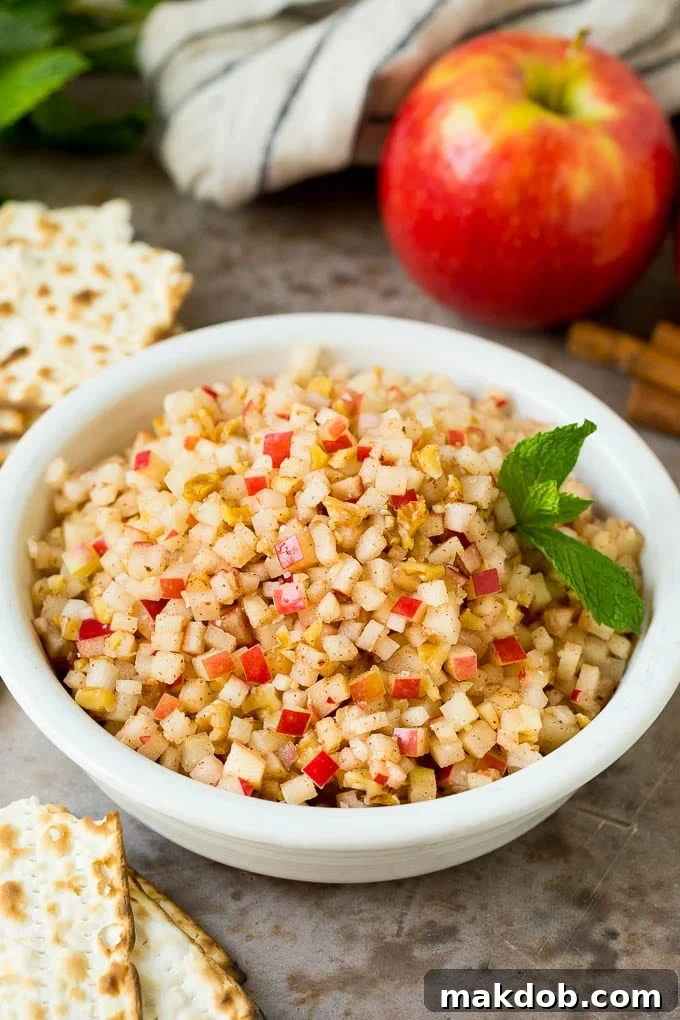
The Symbolism and Significance of Charoset
Passover stands as one of the most significant Jewish holidays, commemorating the liberation of the Israelites from slavery in ancient Egypt. At the heart of the Passover Seder is the Seder plate, a collection of symbolic foods, each telling a piece of the ancient story. Among these, charoset holds a particularly poignant place. This delightful paste, made from fruits, nuts, and wine, represents the mortar used by the Jewish slaves to build structures for Pharaoh. Its sweet taste, however, offers a crucial counterbalance to the bitterness of the maror (horseradish), symbolizing the hope and optimism that sustained the Israelites even amidst their suffering. This blend of sweet and bitter flavors encapsulates the duality of the Passover narrative, celebrating freedom while remembering hardship.
Table of Contents
- What is Charoset?
- Why Make Homemade Charoset?
- Charoset Ingredients Demystified
- How to Master Your Charoset: Step-by-Step
- Tips For The Perfect Dish
- Recipe FAQs
- Flavor Variations To Explore
- Serving Suggestions
- More Recipes You Might Enjoy
- Charoset Video Guide
- Charoset Recipe Card
What is Charoset?
Charoset (pronounced ha-RO-set) is a traditional Jewish fruit and nut paste, integral to the Passover Seder. Its exact composition varies across different Jewish communities worldwide, reflecting local ingredients and culinary traditions. Ashkenazi charoset, like the recipe shared here, typically features apples, walnuts, sweet wine, and cinnamon, creating a chunky yet cohesive texture. Sephardic charoset, on the other hand, often incorporates a wider array of dried fruits such as dates, figs, and apricots, sometimes with different nuts like almonds or pistachios, and spices like ginger or cloves. Regardless of its regional variations, charoset consistently symbolizes the mortar used by Israelite slaves in Egypt, offering a sweet counterpoint to the bitter herbs on the Seder plate and representing the enduring sweetness of freedom.
Why Make Homemade Charoset?
While store-bought charoset options exist, crafting this symbolic dish from scratch offers numerous advantages. Homemade charoset allows you to control the quality and freshness of ingredients, ensuring a superior flavor and texture. You can customize the sweetness, spice levels, and even the texture—whether you prefer a finely processed paste or a chunkier, more rustic blend. The process itself can be a meditative and meaningful part of preparing for Passover, connecting you more deeply to the holiday’s traditions. Plus, the aroma of fresh apples, toasted walnuts, and warm cinnamon filling your kitchen is an added bonus that truly sets the festive mood.
Charoset Ingredients Demystified
Creating this flavorful charoset recipe requires a handful of simple, wholesome ingredients, each playing a vital role in achieving its signature taste and texture:
- Apples: The base of our charoset, providing natural sweetness and a crisp texture. You’ll need about 4 cups once shredded or finely diced. We’ll discuss the best varieties below.
- Toasted Walnuts: These add a delightful crunch and nutty depth. Toasted nuts enhance their flavor significantly.
- Lemon Juice: A splash of fresh lemon juice brightens the flavors and, crucially, prevents the apples from browning, keeping your charoset visually appealing.
- Honey: The primary sweetener, adding a rich, floral note that complements the apples and spices beautifully.
- Cinnamon: A warm spice that ties all the flavors together, lending a comforting aroma and taste reminiscent of autumn.
- Sweet Red Wine: Traditionally used in Ashkenazi charoset, a sweet kosher red wine (like Manischewitz) adds depth, moisture, and a subtle tang. It’s a symbolic ingredient that deepens the connection to the Seder.
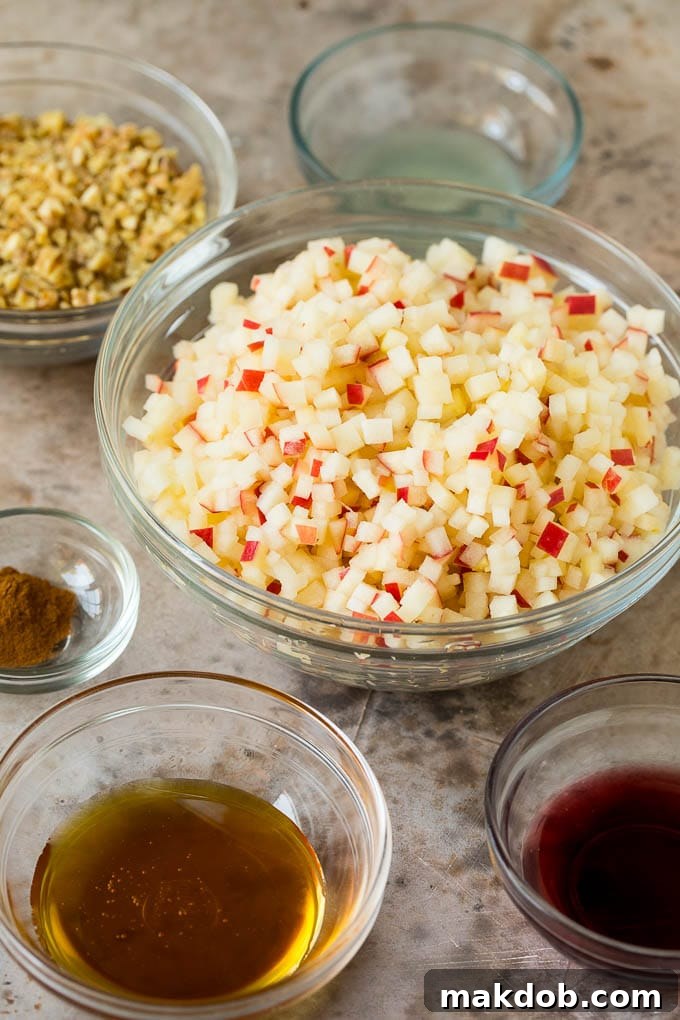
How to Master Your Charoset: Step-by-Step
Making charoset is refreshingly simple, requiring minimal effort for maximum flavor. Here’s how you can prepare this beloved Passover dish:
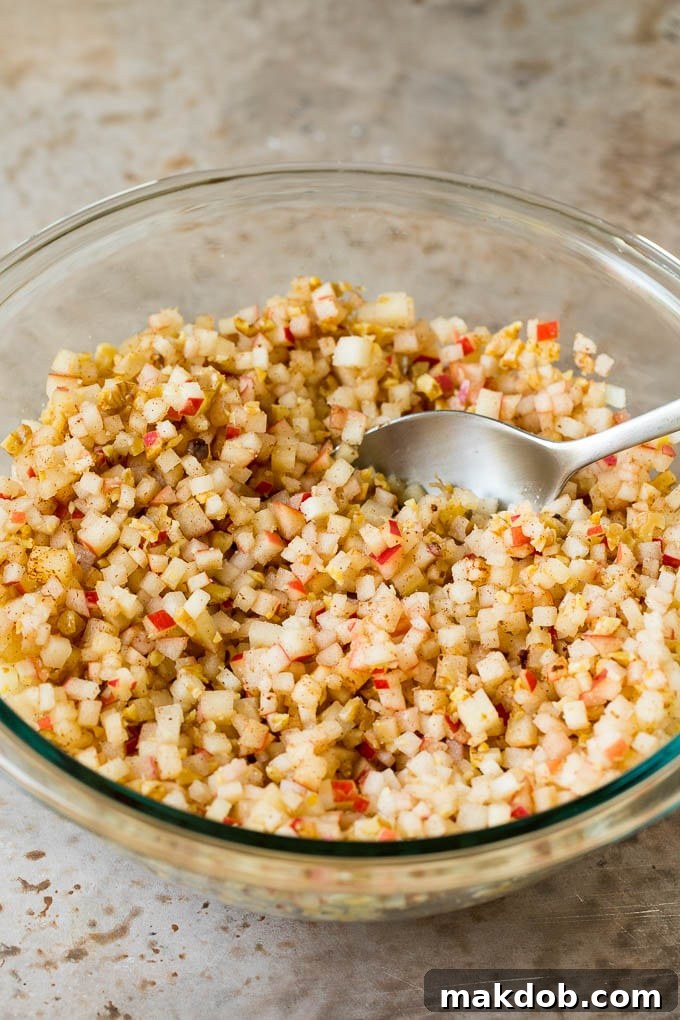
- Prepare the Apples: Begin by washing and peeling your chosen apples. Then, either shred them using a box grater or a food processor with a shredding attachment, or finely dice them by hand into small, uniform pieces. The texture is a matter of personal preference—some enjoy a finer paste, while others prefer a chunkier consistency.
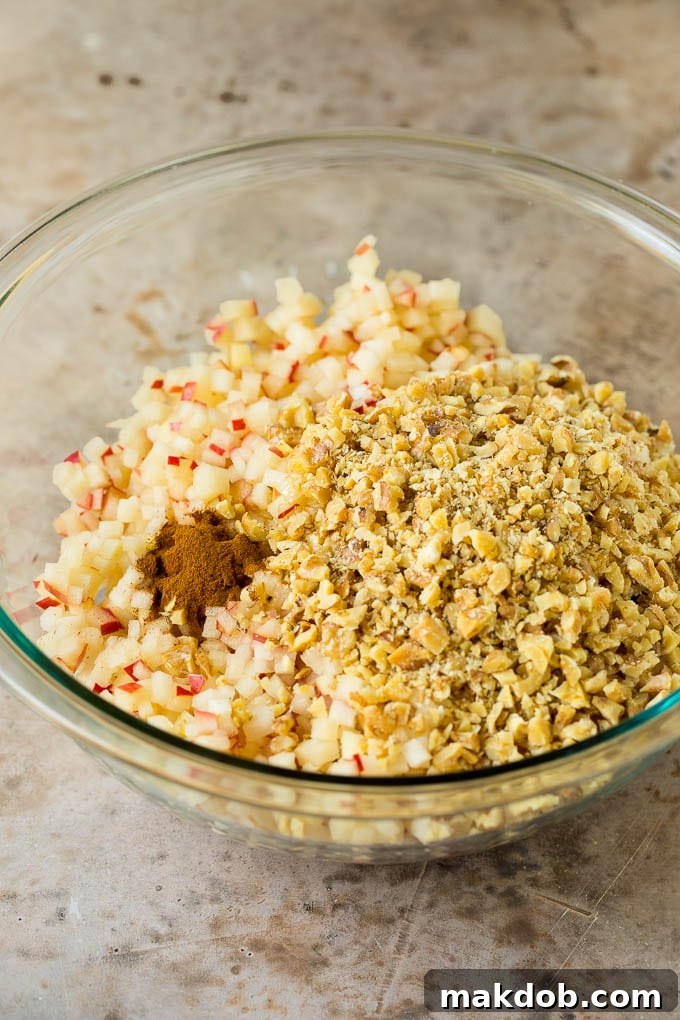
- Combine Ingredients: Transfer the prepared apples into a large mixing bowl. Add the finely chopped toasted walnuts, the golden honey, a sprinkle of ground cinnamon, a splash of fresh lemon juice, and the sweet kosher red wine.
- Mix Thoroughly: Using a sturdy spoon or spatula, mix all the ingredients together until they are thoroughly combined. Ensure that the apples are evenly coated with the honey, wine, and spices.
- Chill for Flavor Infusion: Once mixed, cover the bowl tightly and refrigerate the charoset for at least 30 minutes. This crucial chilling time allows the flavors to meld beautifully, creating a more harmonious and delicious spread. For best results, you can even prepare it up to 8 hours in advance.
- Serve and Enjoy: Serve your homemade charoset alongside matzo crackers during your Passover Seder, or enjoy it as a delightful sweet treat any time of the year!
Tips For The Perfect Dish
Achieving the perfect charoset is all about attention to a few key details. Follow these tips to ensure your dish is nothing short of spectacular:
- Apple Selection is Key: For the best results, opt for a firm, sweet apple with a crisp texture. Varieties like Braeburn, Pink Lady, Envy, Honeycrisp, and Fuji apples are excellent choices. Their natural sweetness and firm flesh hold up well in the mixture. Feel free to use a blend of different apple types for a more complex flavor profile. For those who enjoy a hint of tartness, incorporating a Granny Smith apple can provide a lovely sweet and tart charoset.
- Shredded vs. Diced: The texture of your apples greatly influences the final consistency of the charoset. You can choose to use either shredded or finely diced apples—it’s truly a matter of personal preference. Shredding often yields a more paste-like consistency, while dicing creates a chunkier, more rustic spread.
- Efficiency with a Food Processor: To save time and effort, especially if you’re making a large batch, utilize a food processor equipped with a shredding blade to quickly chop the apples. This ensures uniform pieces and significantly speeds up the prep process.
- Don’t Skip the Lemon Juice: The addition of lemon juice is not just for flavor; it’s essential for preventing the apples from oxidizing and turning brown. This small step ensures your charoset remains vibrant and appealing.
- Toast Your Walnuts: While raw walnuts can be used, I highly recommend toasting your walnuts for an unparalleled depth of flavor. You can spread them on a baking sheet and toast them in a toaster oven for a few minutes, or cook them in a dry pan over medium heat until they become golden brown and fragrant. Be vigilant, as nuts can burn quickly! This simple step elevates the nutty notes and adds a wonderful aroma.
- Adjust Sweetness to Taste: Depending on the sweetness of your apples and your personal preference, you might want to adjust the amount of honey. Taste the mixture after chilling and add more if desired.
- Consider the Wine: While sweet red wine is traditional, the type of kosher wine can influence the flavor. Manischewitz is a popular choice for its classic sweet profile, but a drier red wine could be used if you prefer less sweetness, just be prepared to adjust the honey accordingly.
Quick Tip
Need to make this dish without alcohol? Substitute an equal amount of grape juice instead of the wine for a delicious, family-friendly version.
Recipe FAQs
Charoset is a symbolic paste or spread featured on the Seder plate during Passover. It represents the mortar that the Israelite slaves used to make bricks while enslaved in ancient Egypt. Its sweetness is intended to offset the bitterness of the horseradish (maror) also present on the Seder plate, signifying the enduring hope and optimism within the Passover narrative.
Absolutely! Charoset is an excellent make-ahead dish. It actually tastes best if it has at least 30 minutes to chill in the refrigerator, allowing the flavors to fully meld. For optimal taste and freshness, I recommend preparing and serving your charoset within 8 hours. While it can last a bit longer, the apples will retain their best texture within this timeframe. This dish is not suitable for freezing, as the apples tend to become watery and mushy upon thawing.
In Ashkenazi tradition (the basis of this recipe), charoset is primarily made of shredded or finely diced apples mixed together with toasted walnuts, honey, and sweet red wine. Many recipes also include a touch of lemon juice to prevent browning and a hint of cinnamon for warm spice, creating a beautifully balanced flavor profile.
For a traditional Ashkenazi charoset, a sweet kosher red wine like Manischewitz or Mogen David is commonly used. These wines contribute a distinctive sweetness and a slight tang that is characteristic of the dish. If you prefer a less sweet charoset, you could experiment with a semi-sweet or even dry red kosher wine, adjusting the amount of honey to taste.
Yes, charoset is highly adaptable! While apples and walnuts are traditional for Ashkenazi versions, you can certainly experiment with other ingredients. For nuts, consider pecans, almonds, or even hazelnuts. For fruits, dried apricots, dates, figs, or raisins are popular additions, especially in Sephardic charoset variations. See our “Flavor Variations” section for more ideas!
Follow Us for More Delicious Recipes!
Flavor Variations to Explore
While this classic charoset recipe is perfect as-is, one of its joys is its adaptability. Feel free to unleash your creativity and customize the flavors to suit your palate or explore different regional traditions. Here are some ideas to inspire you:
- Expand Your Fruit Palette: Beyond apples, consider introducing other fruits. Dried fruits like raisins, currants, finely chopped dried cherries, or soft Medjool dates can add wonderful chewy textures and concentrated sweetness. For a fresh twist, fruits that pair well with apples, such as pears, can be a delightful addition.
- Nutty Alternatives: While walnuts are traditional, feel free to swap them out for other nuts. Toasted almonds or pecans offer a different flavor profile and crunch. If you or your guests have nut allergies or simply aren’t a fan, you can easily omit them entirely, or substitute with toasted sunflower or pumpkin seeds for a nut-free crunch.
- Aromatic Flavor Boosters: Amp up the aromatic complexity of your charoset with additional flavorings. Consider adding citrus zest, such as lemon zest or orange zest, for a brighter, more fragrant note. Ground or crystallized ginger can introduce a lovely warmth and subtle spice. Don’t shy away from other warm spices like freshly grated nutmeg, a pinch of allspice, or a subtle hint of ground clove for an even richer taste.
- Sweetener Swaps: While honey is classic, you could experiment with maple syrup for a different kind of sweetness and a hint of a deeper, woodsy flavor. Date syrup (silan) is another excellent option, especially for a Sephardic-inspired twist.
- Alcohol-Free Options: As mentioned, grape juice is a fantastic non-alcoholic substitute for wine. You can also use apple juice or even a splash of orange juice for a different fruity undertone.
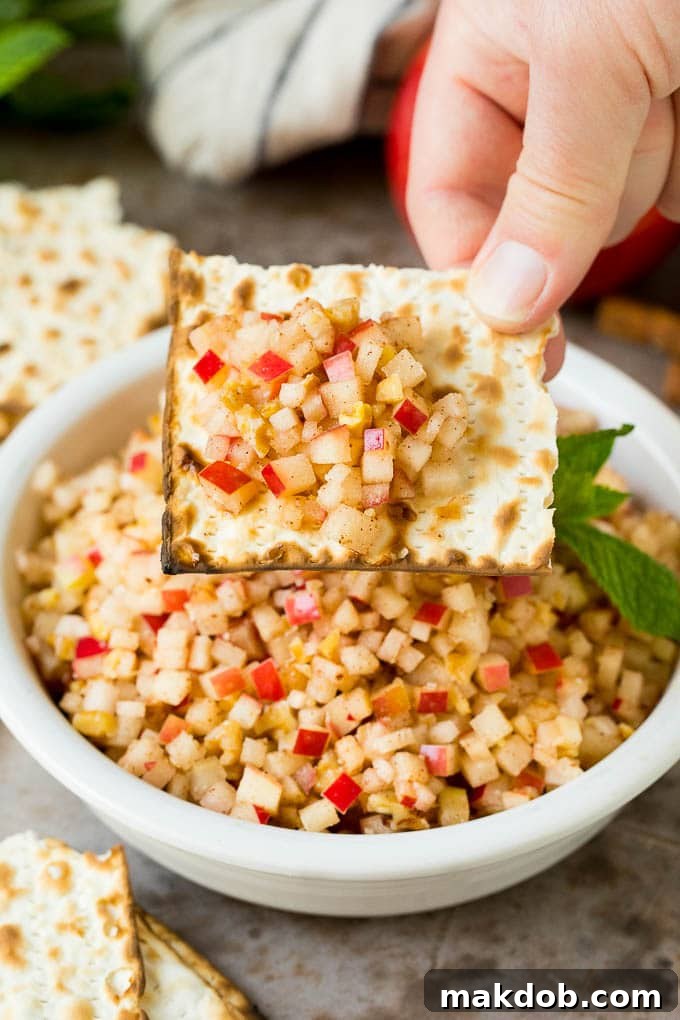
This charoset is the perfect blend of sweet and satisfying flavors, making it absolutely amazing when served on a piece of matzo. But remember, charoset isn’t just for the holidays; its delicious versatility means you’ll find yourself wanting to make and enjoy it all year long!
Serving Suggestions Beyond the Seder Plate
While charoset traditionally graces the Passover Seder plate, its delightful flavors make it a versatile spread that can be enjoyed in many creative ways throughout the year. Don’t limit this delicious concoction to just one holiday! Here are some ideas:
- Classic Matzo Companion: The most iconic way to enjoy charoset is spread generously on a piece of matzo. The crisp, plain matzo perfectly complements the sweet and nutty spread.
- Breakfast Booster: Swirl charoset into your morning oatmeal or yogurt for a flavorful and nutritious start to your day. It’s also delicious as a topping for pancakes or waffles.
- Dessert Topping: Use it as a topping for vanilla ice cream, plain cheesecake, or even a simple fruit tart. Its sweet, spiced profile elevates any dessert.
- Cheese Board Addition: Serve charoset as part of a cheese board. Its sweet and slightly tangy notes pair wonderfully with sharp cheddar, creamy brie, or even goat cheese.
- Sandwich Spread: Spread charoset on challah or whole-grain bread for a unique and satisfying sandwich, perhaps alongside some cream cheese or a light nut butter.
- Salad Component: A small dollop can add a burst of flavor and texture to a simple green salad, especially one featuring walnuts or goat cheese.
- Snack Time Delight: Enjoy it simply by the spoonful, or with pita chips, apple slices, or celery sticks for a healthy and satisfying snack.
More Passover & Holiday Recipes You Might Enjoy
Looking to round out your Passover meal or simply explore more delicious holiday-friendly dishes? Here are some fantastic recipes that complement charoset beautifully.
Crispy Potato Pancakes (Latkes)
35 mins
Creamy Smoked Salmon Dip
6 mins
Tender Slow Cooker Brisket
8 hrs 35 mins
Roasted Chicken with Garlic and Herbs
1 hr 30 mins
Charoset Video Guide
Watch our step-by-step video to see how easily this delicious charoset comes together! Visual instructions make the process even simpler.
You can find the full video tutorial for Charoset here.
Love This Recipe?
We’d love to hear from you! Please leave a 5-star 🌟🌟🌟🌟🌟 rating in the recipe card below & share your thoughts in the comments section further down the page. Your feedback helps other home cooks discover and enjoy this wonderful recipe!
Charoset Recipe
Pin
Time
Ingredients
- 4 cups apples shredded or finely diced (firm, sweet varieties recommended)
- 1 cup toasted walnuts finely chopped
- 1 tablespoon fresh lemon juice
- 3 tablespoons honey (or more, to taste)
- 1/2 teaspoon ground cinnamon
- 1/4 cup sweet kosher red wine such as Manischewitz (or grape juice for alcohol-free)
Instructions
-
In a large, sturdy mixing bowl, combine all of your prepared ingredients: the shredded or finely diced apples, chopped toasted walnuts, fresh lemon juice, honey, cinnamon, and sweet red wine (or grape juice).
-
Stir the mixture thoroughly until all components are well combined and the apples are evenly coated. Ensure the honey and spices are distributed throughout for consistent flavor.
-
Cover the bowl tightly with plastic wrap or a lid. Refrigerate the charoset for at least 30 minutes to allow the flavors to meld and deepen. For best results and flavor development, you can chill it for up to 8 hours.
-
Serve your delicious charoset with matzo crackers, as part of your Passover Seder, or enjoy it as a sweet spread on its own. Enjoy!
Notes
- For the best charoset, select a firm, sweet apple with a crisp texture. This ensures a pleasant bite and excellent flavor.
- Whether you prefer a smoother paste or a chunkier spread, this dish can be made with either shredded or finely diced apples. Choose the texture that suits your personal preference!
- To make this dish suitable for those avoiding alcohol, simply substitute the sweet red wine with an equal amount of grape juice. The flavor will still be fantastic!
- For an extra layer of flavor, consider adding a pinch of freshly grated nutmeg or orange zest along with the cinnamon.