
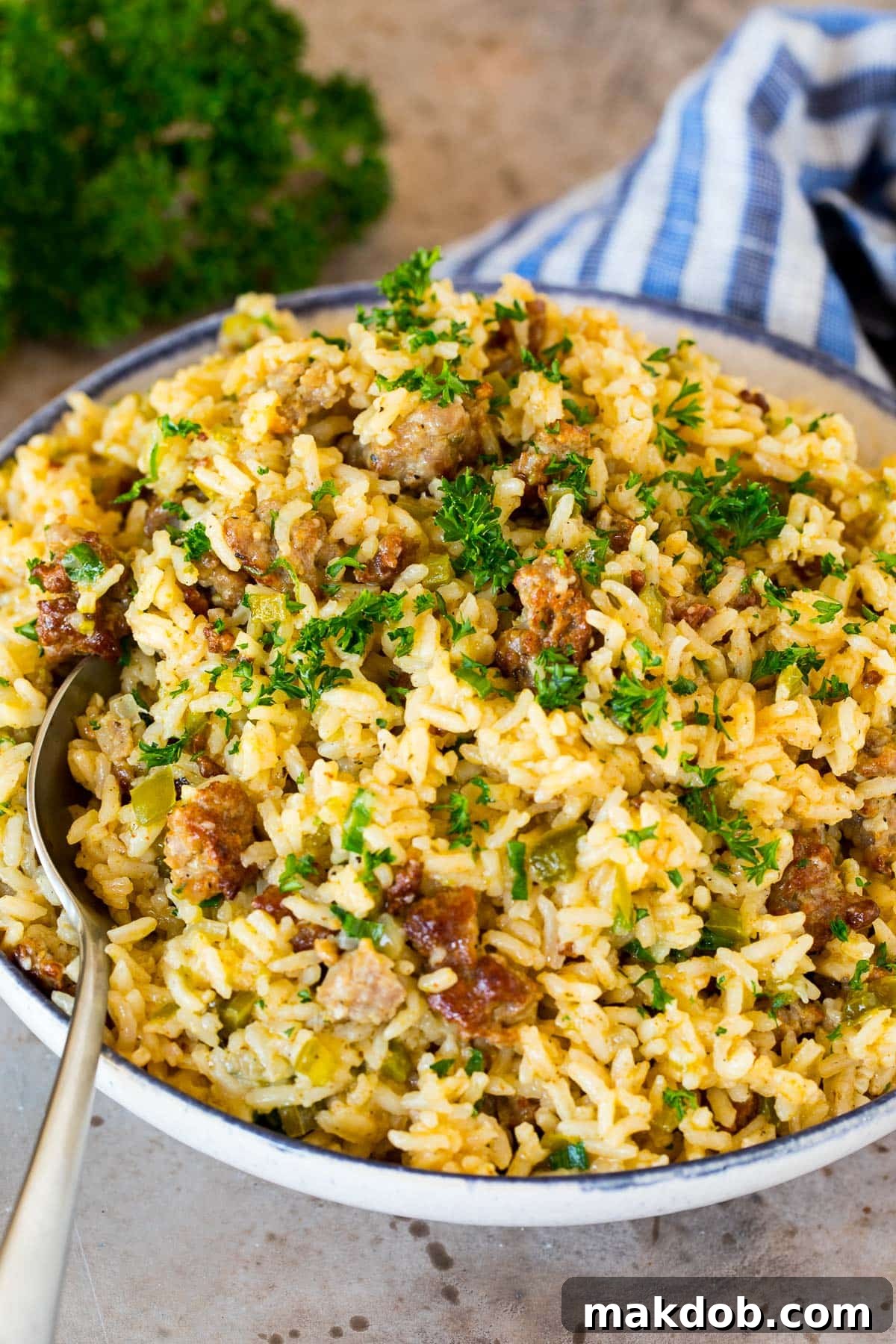
Welcome to the ultimate guide for creating the most flavorful and authentic **Dirty Rice**! This iconic Louisiana staple is far more than just a side dish; it’s a celebration of rich Cajun flavors, hearty textures, and culinary tradition. Imagine a savory medley of succulent sausage, the aromatic “Holy Trinity” of vegetables—onions, bell peppers, and celery—all perfectly melded with fluffy rice and a symphony of warm spices. Each spoonful offers a depth of flavor that transports you straight to the bayous and vibrant kitchens of the South. Whether served alongside perfectly blackened salmon, spicy Cajun chicken, or tender pork, this homemade **Cajun rice** recipe promises to be a showstopper at your dinner table, earning rave reviews from family and friends.
As someone who adores Cajun cooking, I often find myself craving that distinctive taste that only a truly well-made dirty rice can provide. For years, I sought out local Cajun restaurants to satisfy this craving, always admiring their ability to create such a comforting and complex dish. Eventually, I decided it was time to master this culinary art in my own kitchen. After numerous attempts and adjustments, I developed a version that not only rivals my favorite restaurant’s but is also remarkably straightforward to prepare, using ingredients readily available in most pantries. This recipe isn’t just about combining ingredients; it’s about layering flavors to achieve that authentic, deep, and satisfying taste that makes dirty rice a beloved classic.
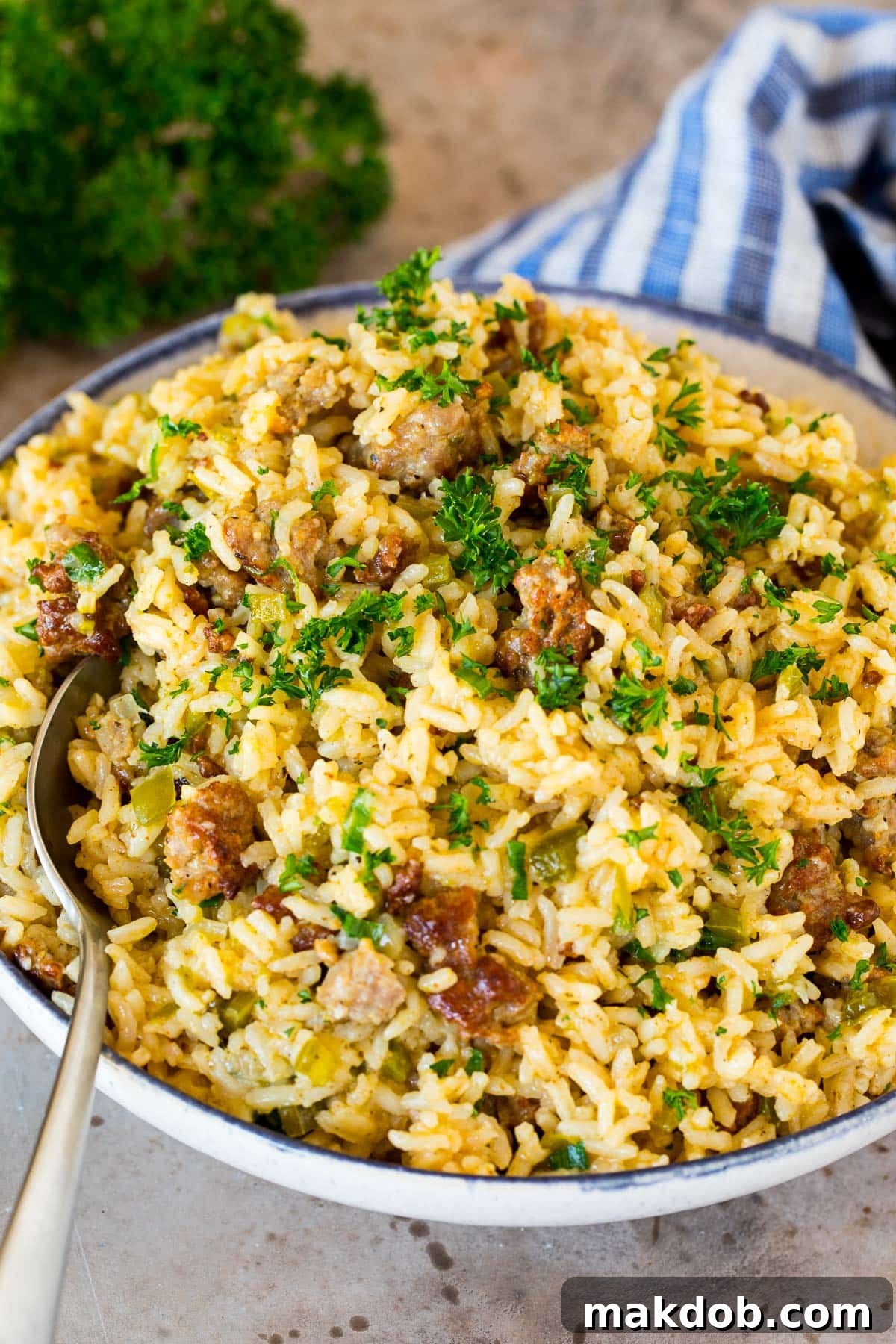
What is Dirty Rice? Unveiling the Southern Classic
Often referred to as **Cajun rice**, dirty rice is a traditional Louisiana Creole and Cajun dish renowned for its rich, earthy flavor and distinctive appearance. The term “dirty” comes from the specks of ground meat and sometimes chicken liver that give the rice a brownish, “dirty” color, rather than being uniformly white. This humble yet incredibly flavorful dish originated from the need to utilize all parts of an animal, a common practice in traditional Southern cooking. It embodies the essence of Cajun cuisine: simple ingredients transformed into something extraordinary through robust seasoning and a slow, loving cooking process. Dirty rice is a cornerstone of Southern comfort food, serving as a versatile side dish or a satisfying main course.
At its heart, dirty rice is built upon a foundation of what Cajuns call the “Holy Trinity”—finely diced onions, bell peppers, and celery. This aromatic blend forms the flavor base for countless Cajun and Creole dishes, providing a sweet, savory, and slightly peppery starting point. Cooked with ground meat (typically pork sausage or ground pork, sometimes with the addition of chicken livers), long-grain white rice, and a generous blend of spices, dirty rice becomes a symphony of textures and tastes. It’s a dish that tells a story of cultural heritage, resourcefulness, and a deep appreciation for bold, comforting flavors.
The Essential Ingredients for Authentic Dirty Rice
Creating truly spectacular dirty rice begins with selecting the right ingredients. Each component plays a vital role in building the layers of flavor that make this dish so irresistible. My recipe focuses on classic elements, ensuring an authentic taste that will impress everyone who tries it.
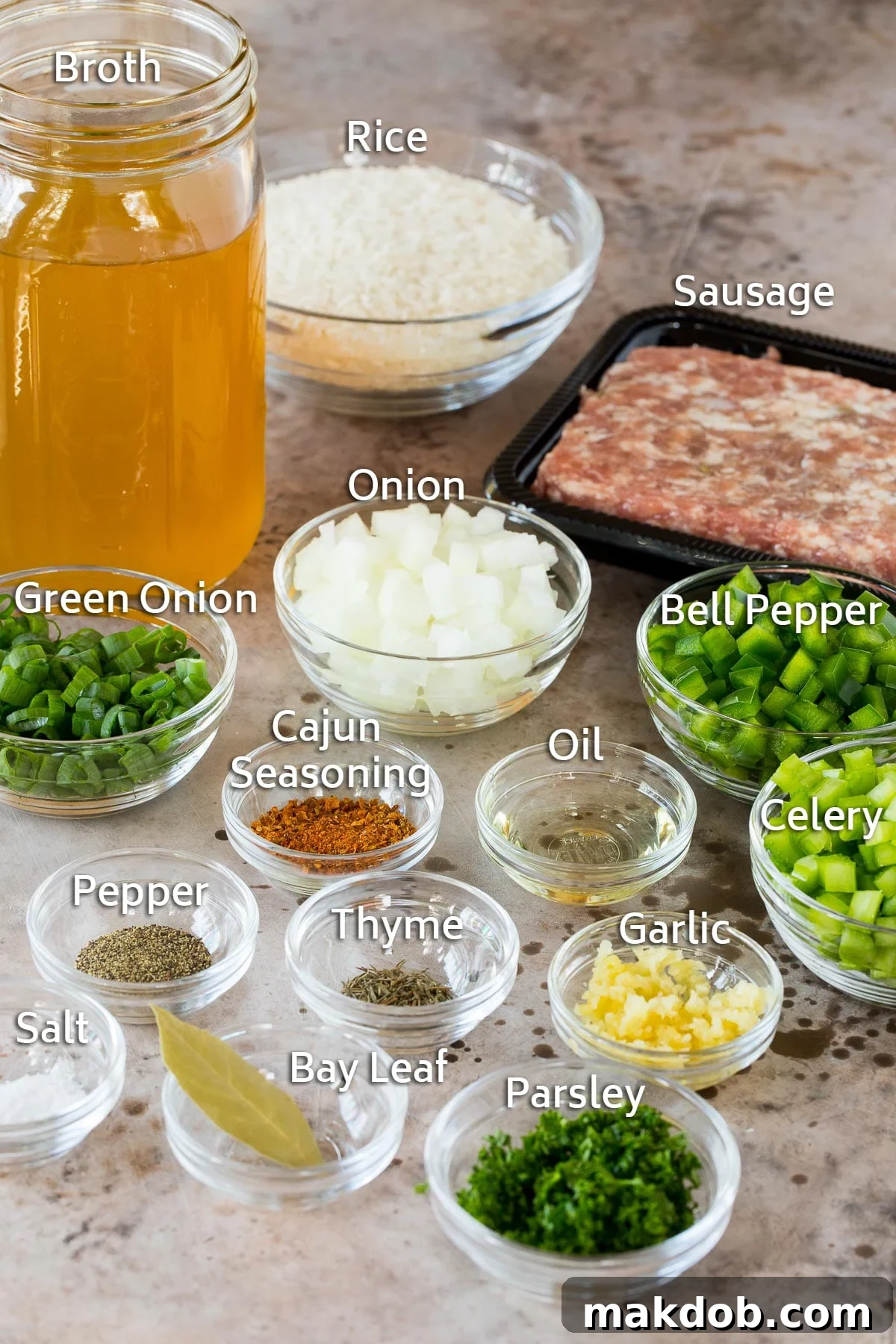
- Pork Sausage: The star of the show! I typically opt for bulk ground pork sausage, as it breaks down easily and infuses the rice with incredible flavor. You can also use sausage links, just make sure to remove the casings first. For a slightly leaner option, turkey sausage can be substituted, though it will alter the traditional flavor profile slightly.
- The Holy Trinity: Onions, Green Bell Peppers, and Celery: These three vegetables are non-negotiable in Cajun cooking. Finely dicing them ensures they soften beautifully and release their sweet, earthy aromas, forming the foundational flavor layer of your dirty rice.
- Garlic: A generous amount of minced garlic adds pungent depth and warmth, a crucial aromatic in Southern cuisine.
- Long Grain White Rice: This type of rice is ideal for dirty rice as it cooks up fluffy and separate, absorbing the rich flavors without becoming mushy. Brown rice is not recommended due to its longer cooking time and need for more liquid, which can throw off the dish’s balance.
- Chicken Broth: Provides the liquid for cooking the rice, adding moisture and a savory base. Using a good quality broth is key to a flavorful dish.
- Cajun Seasoning: This spice blend is what gives dirty rice its characteristic kick and complex flavor. You can use your favorite store-bought brand or even make your own Cajun seasoning for a personalized touch.
- Dried Thyme Leaves, Salt, Pepper, and Bay Leaf: These seasonings enhance the overall profile, adding herbaceous notes and ensuring every bite is perfectly balanced. The bay leaf infuses a subtle, aromatic quality during cooking and is removed before serving.
- Fresh Parsley and Green Onions: Stirred in at the end, these fresh herbs provide a vibrant burst of color and a fresh, herbaceous finish, lifting the rich flavors of the dish.
- Optional Chicken Livers: While my family prefers dirty rice with just sausage, diced chicken livers are a traditional component of the dish for many. They add an intense, savory, and slightly gamey flavor that some consider essential for authentic dirty rice. If using, they are typically cooked along with the sausage.
Step-by-Step Guide: How to Make Dirty Rice at Home
Making homemade dirty rice is a rewarding experience, and with these clear steps, you’ll achieve a perfectly seasoned and textured dish every time. The key is to build flavors in layers, allowing each ingredient to contribute its best.
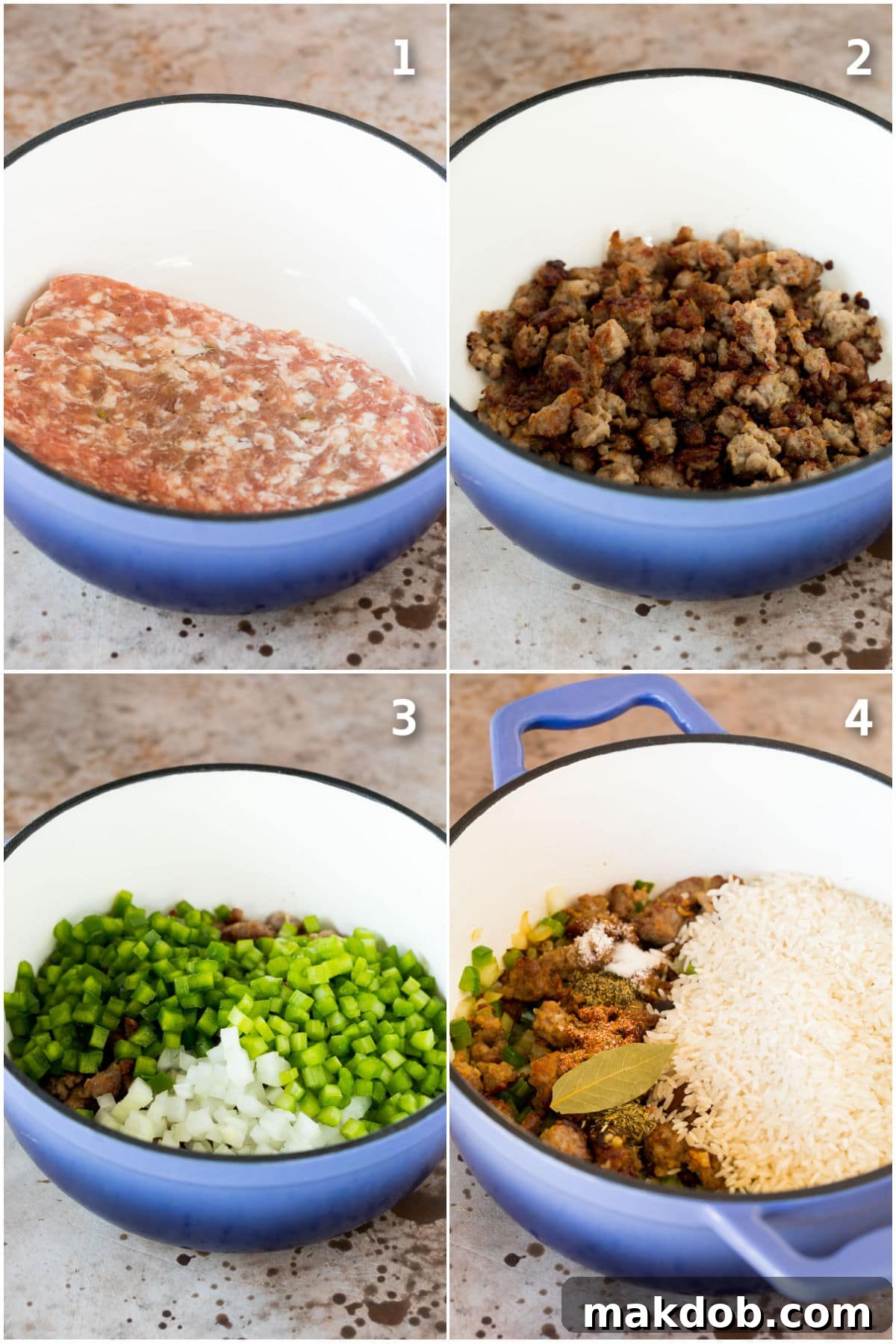
- Brown the Meat: Begin by heating a little vegetable oil in a large pot or Dutch oven over medium heat. Add your ground pork sausage (and finely diced chicken livers, if using). Cook the meat, breaking it up into small, even pieces with a spatula as it browns. This usually takes about 4-5 minutes. The goal is to get nice browned bits, which add a tremendous amount of flavor to the dish. Once fully cooked, drain any excess grease from the pot, leaving just enough to coat the bottom.
- Sauté the Holy Trinity: Add the finely diced onions, green bell peppers, and celery to the pot. Cook these vegetables for another 4-5 minutes, stirring occasionally, until they have softened and become translucent. This step is crucial for building the aromatic foundation of your dirty rice.
- Infuse with Garlic and Spices: Stir in the minced garlic and cook for just 30 seconds more, until fragrant. Be careful not to burn the garlic, as it can turn bitter quickly. Next, add the Cajun seasoning, dried thyme leaves, salt, pepper, and the bay leaf. Stir everything together, allowing the spices to toast lightly for about a minute, which deepens their flavor.
- Add Rice and Broth: Pour in the uncooked long grain white rice and the chicken broth. Stir well to combine all the ingredients, ensuring the rice is evenly distributed. Bring the mixture to a gentle simmer, making sure to scrape up any browned bits from the bottom of the pot; these are packed with flavor!
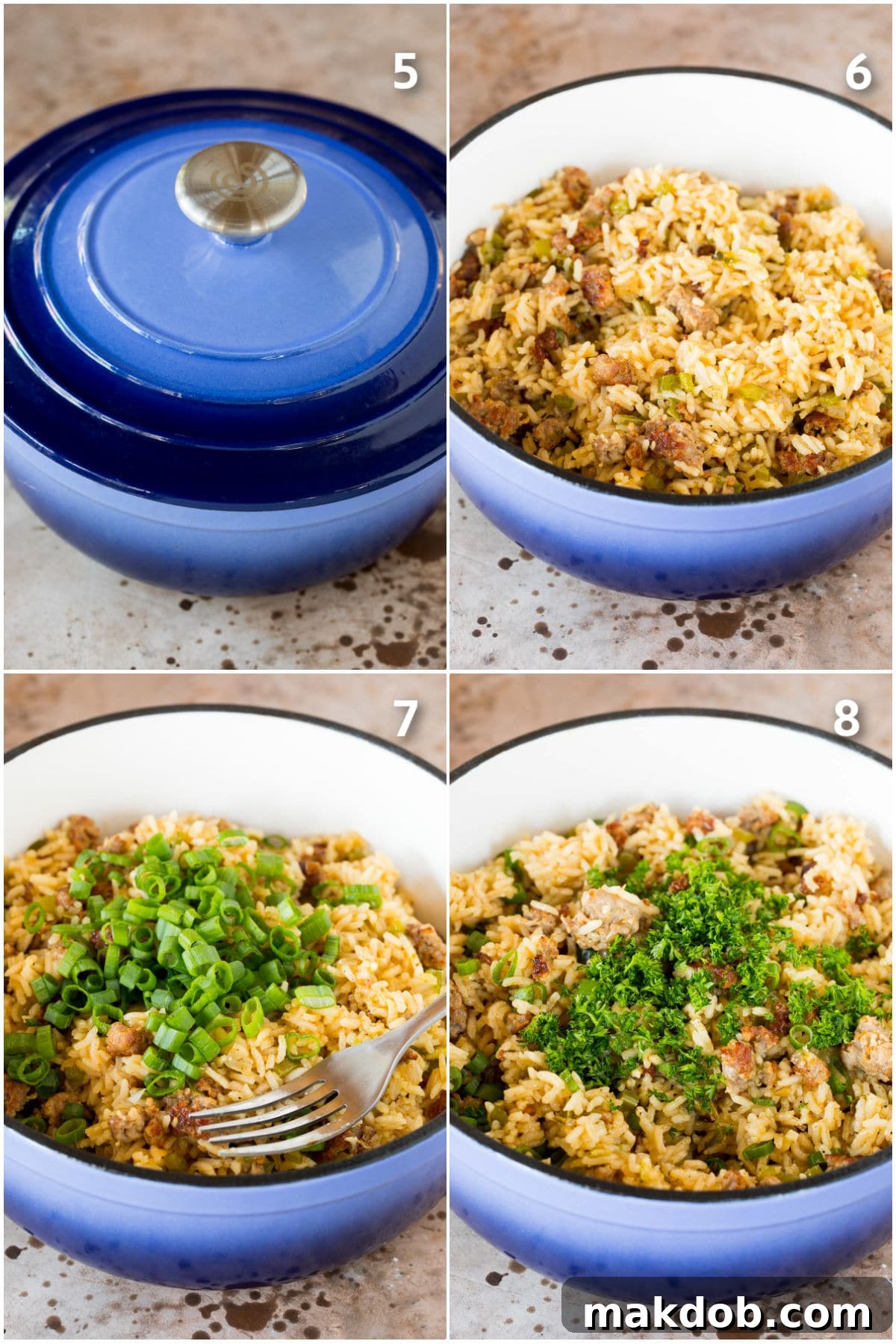
- Cook to Perfection: Once simmering, reduce the heat to low, cover the pot tightly with a lid, and let it cook undisturbed for 20 minutes. During this time, the rice will absorb all the liquid and become tender. Resist the urge to lift the lid, as this releases steam essential for proper cooking.
- Rest and Finish: After 20 minutes, remove the pot from the heat and let the rice stand, still covered, for another 5 minutes. This resting period allows the steam to redistribute, resulting in perfectly fluffy rice. Remove and discard the bay leaf.
- Fluff and Serve: Finally, stir in the fresh parsley and thinly sliced green onions. Use a fork to gently fluff the rice, separating the grains and incorporating the fresh herbs. Serve immediately and prepare for a chorus of compliments!
Pro Tips for the Best Dirty Rice Every Time
Achieving restaurant-quality dirty rice at home is entirely possible with a few insider tips and tricks. These suggestions will help you elevate your dish from good to unforgettable.
- Choosing Your Meat: While bulk pork sausage is classic, feel free to experiment. You can use ground beef, ground pork, or a combination. If using sausage links, always remove the casings before browning. For a lighter version, lean ground turkey or chicken sausage can be used, but you might need to add a touch more oil to prevent sticking and add flavor.
- The Right Rice Matters: Stick to long-grain white rice for the best results. Its texture prevents it from becoming sticky or mushy, ensuring each grain is distinct and coated in flavor. Avoid medium or short-grain rice, which tend to clump, and brown rice, which requires different cooking times and liquid ratios.
- Don’t Skimp on the Trinity: Finely dicing your onions, bell peppers, and celery is important. Smaller pieces soften more uniformly and integrate better into the rice, providing consistent flavor throughout the dish.
- Season to Taste: Cajun seasoning blends vary in their salt and spice levels. Always taste your mixture before adding the rice and broth, and adjust the salt and pepper as needed. You can always add more at the end, but you can’t take it away!
- The Importance of Resting: After the rice has cooked and absorbed the liquid, resist the temptation to serve it immediately. Allowing it to rest off the heat for 5-10 minutes, still covered, helps the steam redistribute evenly, resulting in perfectly fluffy and separate grains of rice.
- Storing Leftovers: Dirty rice makes fantastic leftovers! Store any extra in an airtight container in the refrigerator for up to 4 days. When reheating, you might need to add a splash of chicken broth or water to bring back its moisture.
- Freezing for Later: You can freeze cooked dirty rice for up to 3 months. While it will still be delicious, be aware that the texture may become slightly softer upon thawing and reheating. Thaw overnight in the refrigerator before gently reheating on the stovetop or in the microwave.
- The Chicken Liver Debate: While traditional, chicken livers aren’t for everyone. If you’re new to dirty rice or have picky eaters, feel free to omit them. The dish will still be incredibly flavorful with just the sausage. If you do include them, ensure they are finely diced to blend seamlessly with the ground meat.
Delicious Flavor Variations to Explore
While my base recipe for dirty rice is delicious on its own, it also serves as a fantastic canvas for culinary creativity. Feel free to experiment with these variations to customize the flavors to your unique tastes.
- Meat Options: Instead of, or in addition to, ground pork sausage, consider using ground beef, ground chicken, or even diced bacon for a smoky flavor. Smoked sausage, like Andouille (another Cajun classic), can also be a wonderful addition, adding another layer of robust flavor.
- Vegetable Enhancements: The Holy Trinity is essential, but you can certainly introduce other vegetables for added texture and nutrients. Try stirring in finely diced red bell peppers for a touch of sweetness and color, sliced mushrooms for an earthy depth, or even a handful of frozen peas at the very end for a pop of freshness. These aren’t traditional, but they certainly taste great!
- Broth Alternatives: While chicken broth is standard, beef broth can lend a richer, deeper flavor to your dirty rice, especially if you’re using ground beef. For a touch of heat, you could even use a spicy vegetable broth.
- Spice it Up: If you love a good kick, don’t hesitate to add a few dashes of your favorite hot sauce to the pot along with the broth. Sliced jalapeños or a pinch of cayenne pepper cooked with the vegetables will also provide a pleasant heat.
- Umami Boosters: A teaspoon or two of Worcestershire sauce can add a complex, savory umami note to the dish. Stir it in when you add the broth for a subtle but impactful flavor enhancement.
While I typically serve dirty rice as a hearty side dish, its substantial nature and robust flavor mean it can easily stand alone as a main course offering. Paired with a simple green salad or a side of cornbread, it makes for a complete and satisfying meal. No matter how you choose to serve it, this versatile and flavorful Cajun rice will undoubtedly be a hit!
Serving Suggestions: What to Pair with Dirty Rice
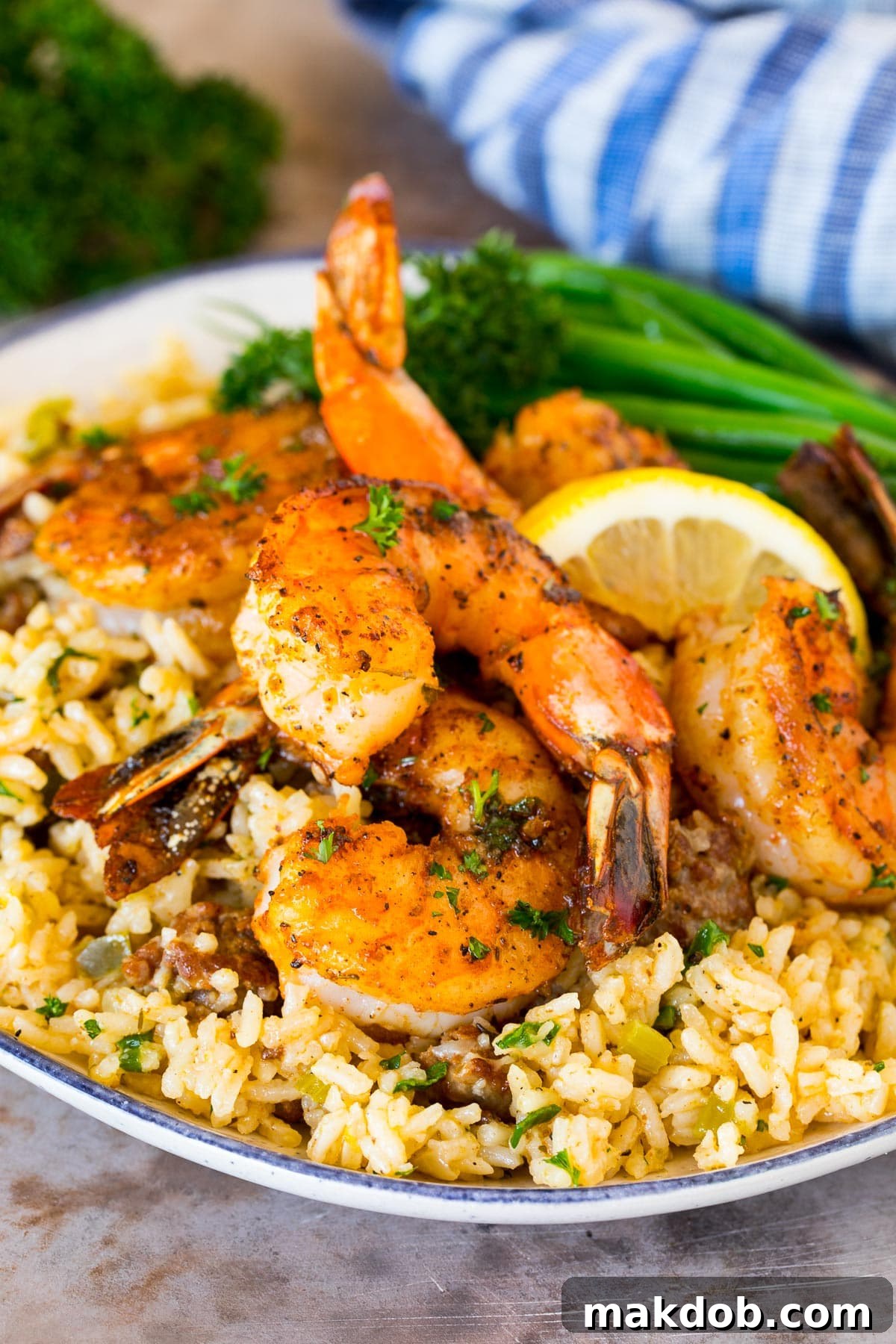
Dirty rice is incredibly versatile and pairs beautifully with a wide array of main dishes, making it a staple in any Southern-inspired meal. Its robust flavors and hearty texture complement both rich and light proteins, elevating any spread.
- Chicken and Pork: Serve it alongside grilled or baked chicken, like my Cajun Chicken or Blackened Chicken. It’s also a fantastic accompaniment to pork chops, roasted pork loin, or even a simple pan-seared pork tenderloin.
- Seafood Delights: The flavors of dirty rice perfectly match various seafood preparations. Try it with blackened salmon, grilled shrimp, pan-fried catfish, or a classic Shrimp Creole. The spice and richness of the rice provide a wonderful contrast to the fresh taste of seafood.
- Hearty Main Dish: As mentioned, dirty rice is substantial enough to be a meal on its own. For a simple and satisfying dinner, serve a generous portion with a side of collard greens, sweet corn on the cob, or a crisp green salad.
- Breakfast/Brunch: Believe it or not, some Southern households enjoy dirty rice for breakfast, topped with a fried egg and a dash of hot sauce!
Frequently Asked Questions (FAQs) About Dirty Rice
Dirty rice is a classic Cajun dish featuring the “Holy Trinity” of bell peppers, onions, and celery, along with ground meat (typically pork sausage or ground pork), and sometimes diced chicken livers. It also includes long-grain white rice, chicken broth, and a generous blend of traditional herbs and spices like Cajun seasoning, thyme, and bay leaf.
The name “dirty rice” comes from the unique appearance of the dish. As the rice cooks, it absorbs the rich brown color and speckled bits from the browned ground meat and/or finely diced chicken livers, giving it a darker, “dirty” or brownish hue, rather than remaining perfectly white.
Dirty rice is sometimes also referred to as Cajun rice. However, it’s worth noting that while often used interchangeably, traditional dirty rice specifically contains ground meat and frequently chicken livers. Cajun rice, more broadly, can encompass rice dishes that utilize Andouille sausage or other elements of Cajun seasoning without necessarily having the “dirty” appearance from ground meat.
While both are iconic Cajun and Creole rice dishes, they differ significantly. Dirty rice is primarily a side dish where the rice is cooked with finely ground meat and vegetables, giving it a “dirty” appearance. Jambalaya, on the other hand, is a one-pot meal that often contains larger pieces of meat (like sausage, chicken, shrimp), and sometimes diced tomatoes, along with the Holy Trinity, making it a more stew-like main course.
Yes, you can adapt dirty rice to be vegetarian or vegan. To do so, omit the meat and chicken livers. Instead, use a combination of plant-based ground “meat” crumbles or finely chopped mushrooms for texture. Replace chicken broth with vegetable broth, and ensure your Cajun seasoning is vegan-friendly. You can also add more vegetables like corn, carrots, or kidney beans for added substance.
More Cajun Recipes to Savor
If you love the rich, bold flavors of Cajun cuisine, you’re in for a treat! Explore these other fantastic recipes to bring more of the South’s culinary magic to your table.
- Jambalaya
- Cajun Shrimp Pasta
- Blackened Chicken
- Cajun Seasoning
- New Orleans BBQ Shrimp
Dirty Rice
Pin
Time
Ingredients
- 2 teaspoons vegetable oil
- 1 pound ground pork sausage
- 1/2 cup chicken livers finely diced, optional
- 3/4 cup onion finely diced
- 3/4 cup green bell pepper finely diced
- 1/2 cup celery finely diced
- 2 teaspoons garlic minced
- 2 teaspoons Cajun seasoning
- 1/4 teaspoon dried thyme leaves
- 3/4 teaspoon salt or more to taste
- 1/2 teaspoon pepper
- 1 bay leaf
- 1 1/2 cups long grain white rice uncooked
- 3 1/2 cups chicken broth
- 2 tablespoons parsley chopped
- 1/2 cup green onions thinly sliced
Instructions
-
Heat the oil in a large pot over medium heat. Add the sausage and chicken liver if using, then cook for 4-5 minutes, breaking up the meat into small pieces with a spatula.
-
After the sausage is browned and cooked through, drain off any excess grease. Next, add the onion, bell pepper and celery to the pot.
-
Cook for 4-5 minutes or until vegetables have softened.
-
Add the garlic and cook for 30 seconds.
-
Add the Cajun seasoning, thyme, salt, pepper, bay leaf, rice and chicken broth to the pot. Stir, then bring to a simmer.
-
Cover the pot and turn the heat to low. Cook for 20 minutes or until all the liquid has been absorbed.
-
Let the rice stand for 5 minutes. Remove the bay leaf. Stir in the green onions and fluff the rice with a fork.
-
Sprinkle with parsley, then serve.
Notes
- I use bulk pork sausage and I break it up into small pieces as it cooks. You can also use sausage links, just remove the casings first.
- Leftover dirty rice will stay fresh in the refrigerator for 4 days. You can freeze the rice for later use, but it may become softer in texture when thawed and reheated.
- It’s up to you whether you include chicken livers or not. My family prefers it with just sausage, so that’s how I make it. That being said, chicken livers are considered to be a traditional component of the dish.