
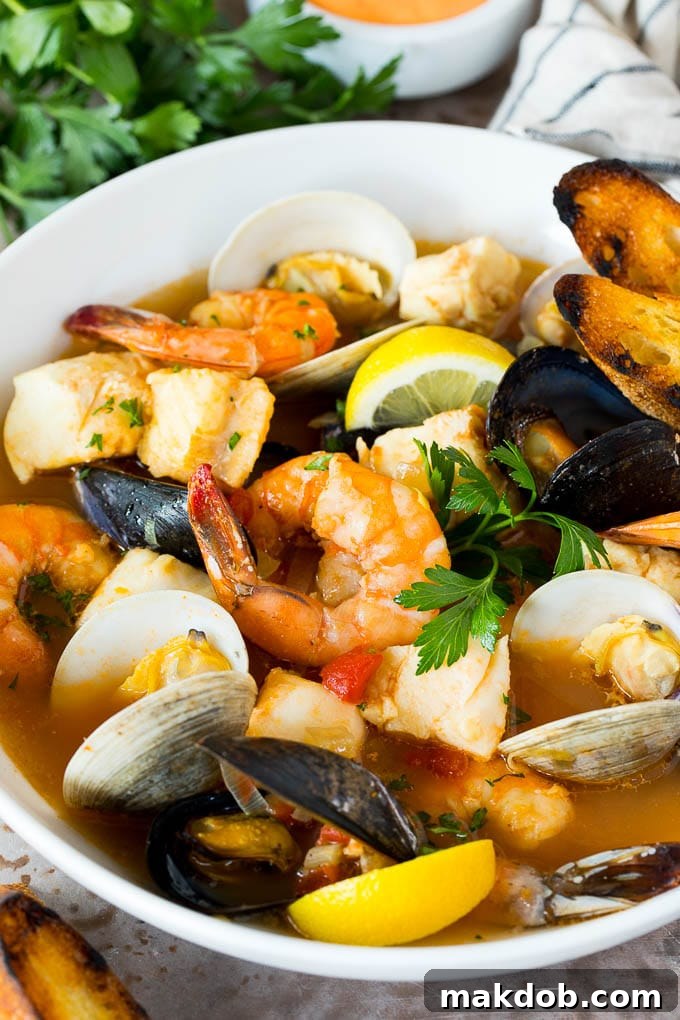
Delve into the heart of French culinary tradition with a truly magnificent dish: Bouillabaisse. This classic French seafood stew is a symphony of fresh flavors, featuring an exquisite medley of fish, succulent shrimp, tender clams, and plump mussels, all harmoniously simmered in a rich, aromatic broth. It’s more than just a meal; it’s an easy yet undeniably elegant experience that promises to impress guests and garner glowing reviews every time.
For those special occasions when a meal needs to transcend the ordinary, seafood often takes center stage. While favorites like perfectly seared scallops, creamy shrimp Alfredo, fragrant steamed mussels, rich crab legs, and luxurious grilled lobster tail are always appreciated, nothing quite captures the essence of a gourmet celebration like a homemade French bouillabaisse. Its deep, complex flavors and vibrant array of seafood make it a culinary masterpiece that is surprisingly achievable in your own kitchen.
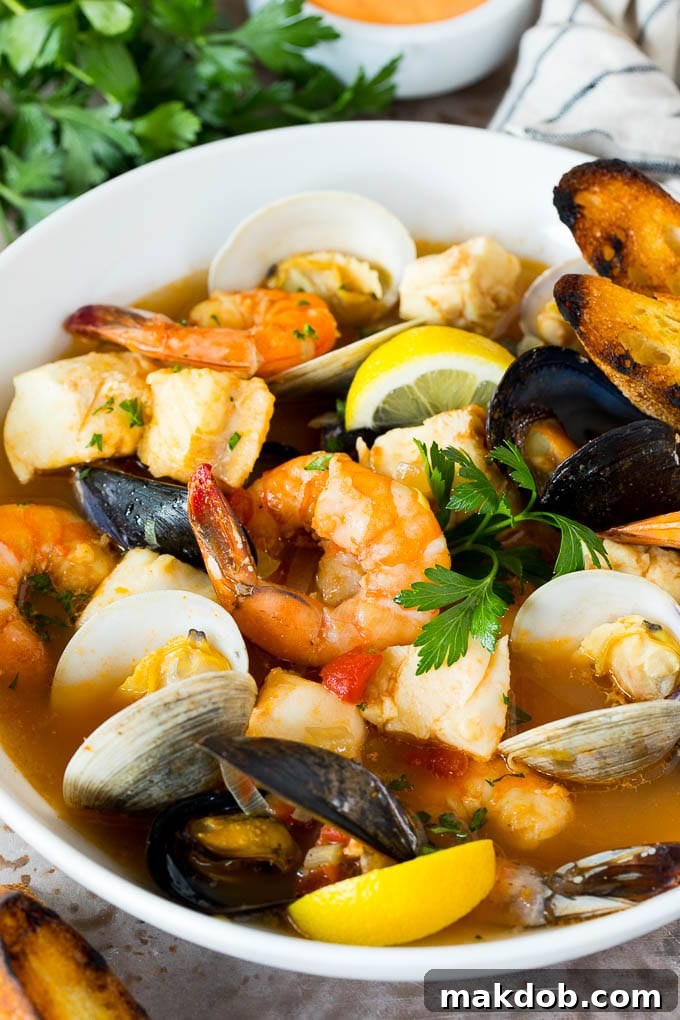
There’s an undeniable allure to bouillabaisse, a dish that instantly transports you to the sun-drenched coasts of Marseille with every spoonful. Its reputation as a complex, restaurant-only delicacy often intimidates home cooks, but the truth is, crafting this iconic French fish stew at home is far simpler than it appears. The reward for your efforts is a deeply satisfying, incredibly flavorful, and truly impressive meal that rivals any gourmet restaurant offering.
Historically, bouillabaisse originated as a fisherman’s stew in the port city of Marseille, France. Fishermen would use the bony rockfish and other less marketable seafood from their daily catches to create a hearty and flavorful soup. The name itself, “bouillabaisse,” comes from the Provençal words “bolhir” (to boil) and “abaissar” (to reduce), referring to the process of boiling the stock vigorously and then reducing the heat to a simmer. This method ensures maximum flavor extraction and perfectly cooked seafood. Over centuries, this humble stew evolved into the celebrated gourmet dish we know today, cherished for its rich broth and diverse array of fresh seafood.
Table of Contents
- Essential Bouillabaisse Ingredients
- Crafting Your Homemade Bouillabaisse
- Expert Tips for the Perfect Bouillabaisse
- Quick Safety Tip for Shellfish
- Bouillabaisse Recipe FAQs
- Flavor Customizations and Variations
- More Seafood Recipes to Explore
- Serving Your Bouillabaisse
- Bouillabaisse Recipe Card
Essential Bouillabaisse Ingredients
The secret to an exceptional bouillabaisse lies in the quality and freshness of its components. This recipe thoughtfully breaks down the ingredients into three main parts: the deeply flavorful seafood stock, the main bouillabaisse stew, and the traditional rouille accompaniment.
For the Rich Seafood Stock:
To lay the foundational flavors, you’ll need a robust stock made from:
- Shrimp shells and various seafood trimmings (such as fish heads and bones – ask your local fishmonger!).
- Aromatic vegetables like half an onion, one carrot, and one stalk of celery, all roughly chopped to release their essence.
- Seasonings including a teaspoon of salt, a strip of orange zest (a crucial, often overlooked ingredient that adds brightness), 8 cups of water, and 8 ounces of clam juice for an extra layer of seafood depth.
- Fragrant herbs and spices: a half teaspoon of saffron threads (providing that iconic golden hue and distinct aroma), three sprigs of fresh thyme, three sprigs of fresh parsley, and a bay leaf. These elements meld together to create a complex, savory base that defines the stew.
For the Main Bouillabaisse Stew:
Once your stock is ready, the main event calls for:
- 3 tablespoons of high-quality olive oil for sautéing.
- Aromatic vegetables: 3/4 cup finely diced yellow onion, 3/4 cup sliced leeks (using the light green and white parts), and 1/2 cup diced fennel bulb, which adds a subtle anise flavor.
- 1 tablespoon of minced garlic for depth.
- A 15-ounce can of crushed tomatoes, preferably San Marzano for their sweet and rich flavor.
- Seasonings: 2 teaspoons of kosher salt and 1/2 teaspoon of black pepper.
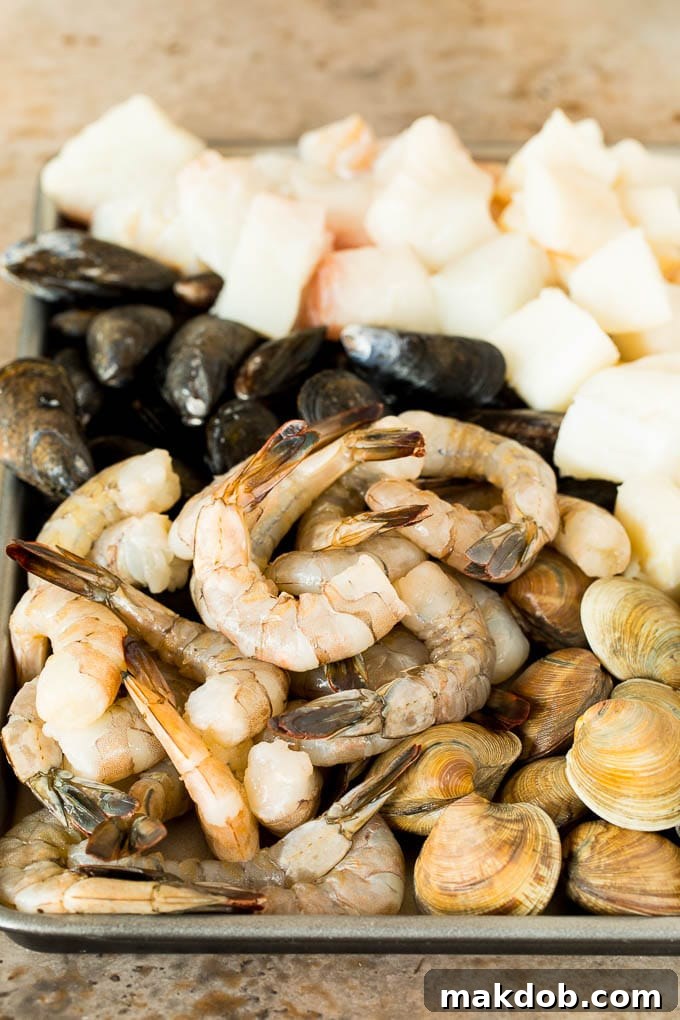
- The star seafood components: 1 pound of mussels (scrubbed and debearded), 1 pound of clams (scrubbed), 2 pounds of white fish (a mix of at least two varieties like halibut, cod, snapper, sole, or monkfish for varied textures and flavors), and 1 pound of medium to large shrimp.
- A final garnish of 2 tablespoons of chopped fresh parsley.
For the Traditional Rouille:
No bouillabaisse is complete without rouille, a spicy, garlic-infused mayonnaise-like sauce, perfect for spreading on toasted bread. You will need:
- 1 tablespoon of your freshly made seafood stock (reserved from earlier).
- 1 teaspoon of chopped garlic.
- 1/4 teaspoon of cayenne pepper for a gentle kick.
- 1/2 cup of soft white breadcrumbs to thicken.
- 1/4 cup of roasted red pepper (jarred is perfectly fine).
- 1/2 teaspoon of kosher salt.
- 1/2 cup of creamy mayonnaise as the base.
Crafting Your Homemade Bouillabaisse
Making bouillabaisse is a journey of building flavors, starting with a robust homemade stock and culminating in a vibrant seafood medley. Follow these steps for an unforgettable culinary experience:
Step 1: Preparing the Seafood Stock
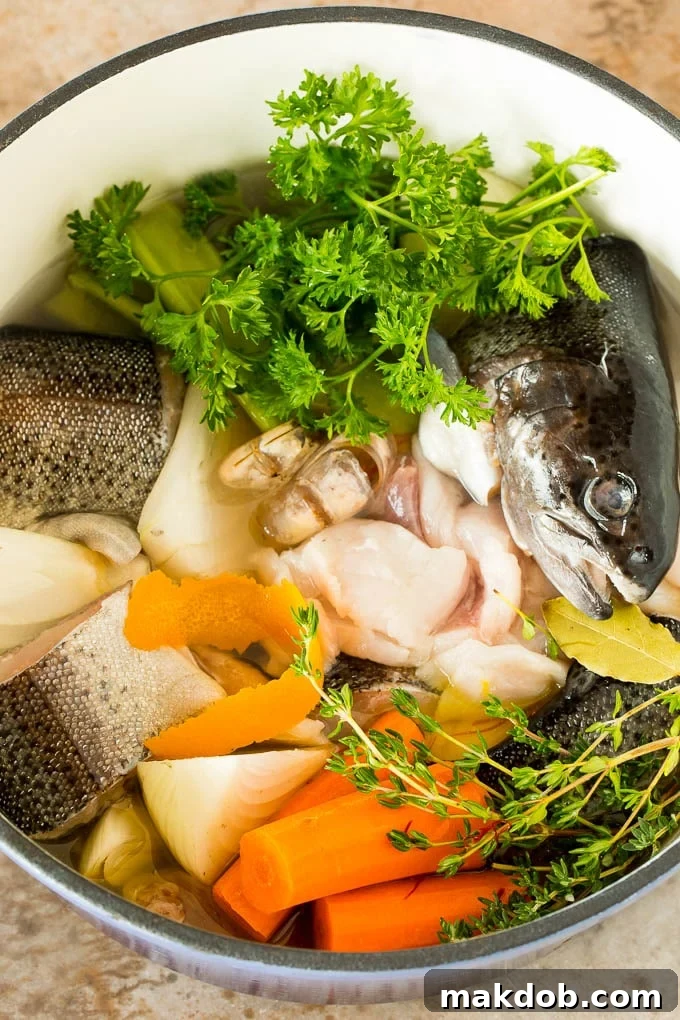
- Combine Ingredients: Begin by placing all your seafood stock ingredients – shrimp shells, fish heads, bones, any other seafood trimmings, onion, carrot, celery, salt, orange zest, water, clam juice, saffron threads, thyme, parsley, and the bay leaf – into a large, heavy-bottomed pot. This combination forms the aromatic backbone of your stew.
- Gentle Simmer: Bring the mixture to a gentle simmer over medium-low heat. It’s crucial not to let the stock come to a rolling boil, as this can make the broth cloudy and extract undesirable flavors from the fish bones. A steady, gentle simmer is perfect for extracting all the delicious essences.
- Cook and Strain: Allow the stock to simmer for 30-45 minutes. This extended cooking time ensures that all the flavors are fully developed. Once cooked, carefully strain the stock through a fine-mesh sieve or cheesecloth into a separate bowl. Discard all the solids, leaving you with a clear, golden, and incredibly flavorful broth. You will need 8 cups of this stock for the bouillabaisse and 1 tablespoon for the rouille sauce later.
Step 2: Assembling the Bouillabaisse Stew
- Sauté Aromatics: Wipe out the large pot (the same one you used for the stock) with a paper towel. Heat the olive oil over medium heat. Add the finely diced onion, sliced leeks, and diced fennel bulb to the hot oil. Sauté for 4-5 minutes, stirring occasionally, until the vegetables have softened and become translucent, releasing their sweet aromas.
- Add Garlic and Tomatoes: Stir in the minced garlic and cook for another 30 seconds, stirring constantly to prevent burning. Immediately add the crushed tomatoes, the reserved 8 cups of homemade seafood stock, kosher salt, and black pepper to the pot. Stir everything together to combine.
- Simmer the Broth: Bring the mixture to a gentle simmer. Allow it to cook for 5-7 minutes, stirring occasionally. This simmering time allows the flavors to meld beautifully and the tomatoes to integrate into the broth, creating a rich, savory base for your seafood.
- Cook Shellfish: Gently add the scrubbed mussels and clams to the simmering broth. Cover the pot and cook for 4 minutes. The steam will help the shellfish open up, releasing their briny juices into the stew.
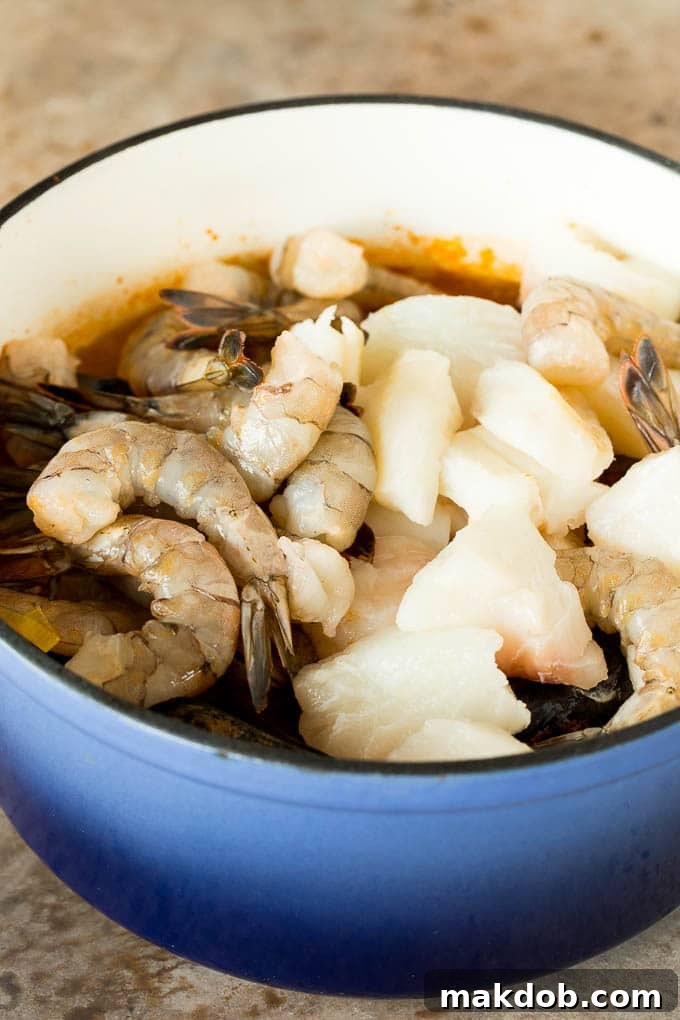
- Add Fish and Shrimp: After the initial shellfish cooking, add the chunks of white fish and shrimp to the pot. Continue to cook for another 4 minutes, or until all the seafood is opaque and cooked through. The shrimp should turn pink, and the fish should flake easily. Most importantly, ensure that all the mussels and clams have opened.
- Discard Unopened Shellfish: This is a crucial safety step. Promptly discard any mussels or clams that did not open during the cooking process, as they are not safe to eat.
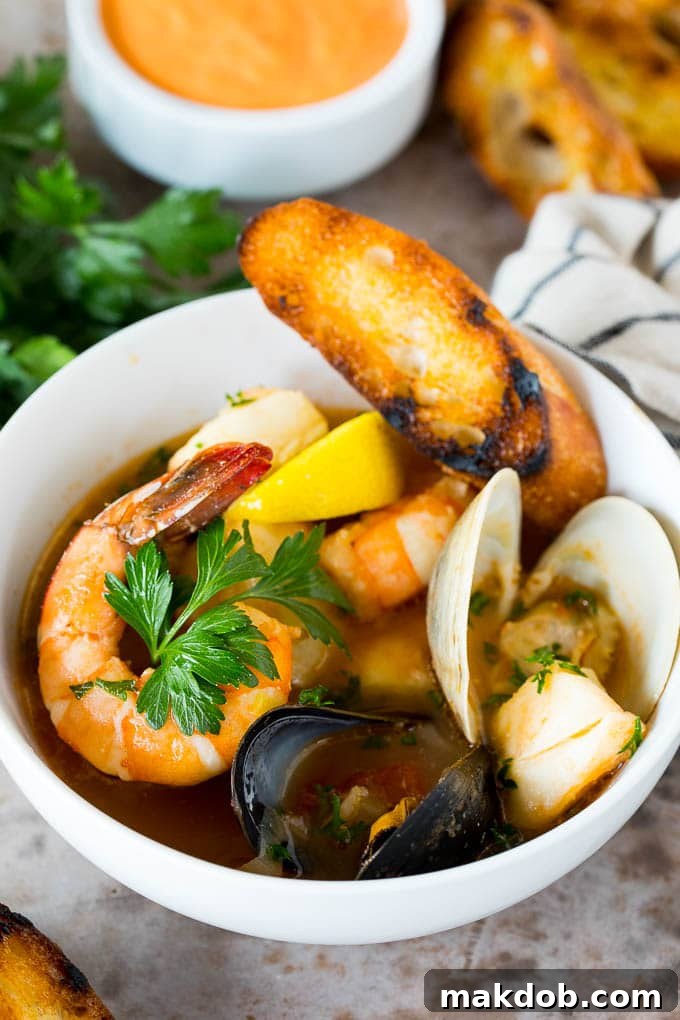
- Serve Fresh: Ladle the hot bouillabaisse into large bowls. Garnish generously with fresh chopped parsley. Serve immediately with toasted slices of baguette and a dollop of homemade rouille. For an extra touch of freshness and presentation, you can also add parsley sprigs and lemon wedges.
Step 3: Preparing the Rouille Sauce
- Blend Ingredients: While your bouillabaisse is simmering, prepare the rouille. Place the reserved 1 tablespoon of seafood stock, chopped garlic, cayenne pepper, soft white breadcrumbs, roasted red pepper, kosher salt, and mayonnaise into a food processor or blender.
- Achieve Smoothness: Blend all the ingredients until a smooth, creamy, and vibrant orange sauce forms. This spicy, garlicky spread is the perfect accompaniment to bouillabaisse, adding a complementary flavor and texture to the toasted bread.
Expert Tips for the Perfect Bouillabaisse
- Source Fresh Seafood: The cornerstone of an exceptional bouillabaisse is impeccably fresh seafood. Don’t hesitate to ask your local fishmonger if they can provide fish trimmings (heads, bones, tails) for your stock. This is key to a truly authentic flavor. Opt for shell-on shrimp as the shells are vital for adding depth to the stock.
- Stock Substitutions: If fresh fish trimmings are unavailable, you can substitute homemade stock with 8 cups of high-quality prepared seafood stock, readily available at most grocery stores. Be sure to still include the bottle of clam juice for an intensified seafood flavor.
- Choosing Your Fish: For a varied texture and flavor profile, select at least two different types of firm white fish. Excellent choices include cod, red mullet, sea bass, grouper, red snapper, halibut, monkfish, or sole. Ensure the fish is cut into roughly 1-2 inch chunks so it cooks evenly and doesn’t fall apart.
- Serving Immediately: Bouillabaisse is truly best when served immediately after cooking. The delicate seafood can become overcooked if left in the hot broth for too long. For optimal taste and texture, enjoy it fresh from the pot.
- Storing Leftovers: Should you have any leftovers, they will keep fresh for up to 2 days in the refrigerator in an airtight container. When reheating, do so gently over low heat on the stove, being careful not to overcook the seafood.
- Building Flavor Depth: Don’t rush the simmering of the stock. Allowing it to gently cook for the full 30-45 minutes ensures that all the flavors from the seafood trimmings, vegetables, and saffron are fully extracted and melded. This deep, complex stock is what sets authentic bouillabaisse apart.
- Mise en Place: “Mise en place” (everything in its place) is particularly helpful for this recipe. Have all your vegetables chopped, seafood prepared, and stock ready before you start cooking the main stew. This will make the process smooth and enjoyable.
- Perfect Pairing: Traditionally, bouillabaisse is served with toasted baguette slices and rouille. A crisp, dry white wine, like a Provençal Rosé or a Sauvignon Blanc, makes an ideal accompaniment, complementing the rich seafood flavors without overpowering them.
Quick Safety Tip for Shellfish
Always prioritize food safety! Be sure to discard any clams or mussels that do not open after they’ve been cooked, as this indicates they were not alive and are unsafe to eat.
Bouillabaisse Recipe FAQs
Bouillabaisse is a classic French seafood stew originating from the bustling port towns of Provence, particularly Marseille. Traditionally, it was conceived by fishermen as a resourceful way to utilize the less desirable varieties of rockfish and other seafood they couldn’t easily sell. Over time, it evolved into a sophisticated dish, typically featuring an assortment of white fish, often including several types, alongside various shellfish like mussels, clams, and shrimp. It is famously characterized by its rich, saffron-infused broth and is almost always served with toasted bread slathered in rouille, a creamy, spicy garlic sauce.
While both bouillabaisse and cioppino are flavorful seafood stews, they hail from different culinary traditions and possess distinct characteristics. Bouillabaisse is French, known for its emphasis on a clear, saffron-laced broth and its traditional accompaniment, rouille. It often features a wider variety of white fish. Cioppino, on the other hand, is an Italian-American seafood stew that originated in San Francisco. It typically boasts a richer, more tomato-heavy broth and often includes Dungeness crab. While both are hearty and delicious, the subtle differences in spices, primary liquid base, and traditional accompaniments set them apart.
Making rouille is straightforward and can be done while your bouillabaisse simmers. The process involves combining a few key ingredients in a blender or food processor. You’ll typically blend breadcrumbs (to give it body), a small amount of seafood stock for flavor, minced garlic for its pungent kick, cayenne pepper for warmth, roasted red peppers for color and sweetness, a touch of salt, and a generous amount of mayonnaise as the creamy base. Simply process these until you achieve a smooth, thick, and velvety sauce. It’s the perfect spicy-garlic condiment to slather on toasted baguette slices, enhancing every spoonful of the stew.
While Bouillabaisse is best served immediately for the freshest seafood texture, you can certainly prepare parts of it in advance. The seafood stock can be made a day or two ahead and stored in the refrigerator, or even frozen for longer storage. You can also chop all your vegetables (onions, leeks, fennel, garlic) ahead of time. The main broth (after adding tomatoes and stock, before adding seafood) can also be prepared a few hours in advance and gently reheated. However, it’s always recommended to cook the actual seafood right before serving to prevent it from becoming overcooked or rubbery.
A large, heavy-bottomed pot or a Dutch oven is ideal for making bouillabaisse. The heavy bottom ensures even heat distribution, preventing ingredients from sticking or burning, which is especially important when simmering the stock and sautéing the aromatics. A large capacity is also necessary to accommodate all the seafood and broth comfortably, allowing the ingredients to cook evenly and the flavors to meld properly.
FOLLOW ME
Flavor Customizations and Variations
While this authentic French fish soup recipe is fantastic as written, it’s also wonderfully adaptable, allowing you to customize the flavors and ingredients to suit your personal preferences or what’s available fresh at your market.
- Seafood Selection: The inclusion of firm white fish is paramount, but feel free to expand your shellfish horizons! Consider adding other luxurious seafood options such as chunks of sweet lobster tail, delicate crab meat, or meaty scallops. For a truly authentic touch, some regional variations even incorporate calamari or octopus, adding unique textures and oceanic depths to the stew. Just ensure cooking times are adjusted for any new additions to prevent overcooking.
- Vegetable Enhancements: To bulk up the bouillabaisse and add even more nutrients, you can easily incorporate additional vegetables. Small new potatoes, quartered, can be added to the broth along with the initial aromatics to cook through. Sliced carrots and celery, beyond what’s used in the stock, can also be added to the main stew for extra flavor and texture. Green beans or a handful of spinach stirred in at the very end would also be delightful.
- Additional Flavorings: While this recipe captures traditional bouillabaisse flavors, don’t be afraid to experiment with other complementary additions. A splash of dry white wine or pastis (an anise-flavored liqueur, a very traditional Provençal touch) added to the broth after sautéing the vegetables can elevate the aromatic complexity. Though not strictly traditional, a few briny olives or salty capers could offer an interesting contrast to the rich seafood, enhancing the Mediterranean profile. A pinch of chili flakes could also be added to the rouille for an extra fiery kick.
Bringing the sophisticated tastes of France into your home kitchen with this homemade bouillabaisse is both a rewarding culinary adventure and a delightful treat. This elegant seafood stew is guaranteed to deliver an authentic taste of the Mediterranean coast, promising a truly memorable dining experience that will impress even the most discerning palates!
More Seafood Recipes to Explore
Seafood Paella
Total Time: 1 hr 5 mins
Steamed Clams in Garlic Butter
Total Time: 25 mins
Shrimp Etouffee
Total Time: 1 hr 25 mins
Baked Cod with Garlic and Herbs
Total Time: 55 mins
Seafood Pasta Recipe
Total Time: 40 mins
Serving Your Bouillabaisse
To truly embrace the French dining experience, serving bouillabaisse goes beyond just spooning it into a bowl. The traditional presentation is part of its charm. Always serve it piping hot, directly from the pot to large, warmed bowls. Accompany it with crusty, toasted baguette slices, which are perfect for soaking up the rich, flavorful broth. A generous dollop of homemade rouille, spread on the toasted bread, adds an essential spicy and garlicky counterpoint to the seafood. For garnish, a sprinkle of fresh chopped parsley or a few sprigs, along with bright lemon wedges, enhances both the visual appeal and fresh aroma of this classic French seafood stew. Consider pairing it with a dry white wine from Provence for an authentic regional experience.
Love This Recipe?
Please share your experience and comments further down the page!
Bouillabaisse Recipe
Pin Recipe
Ingredients
For the seafood stock
- 2 pounds shrimp shells, fish heads, fish bones, seafood trimmings, etc.
- 1/2 onion cut into wedges
- 1 carrot peeled and cut into 1 inch pieces
- 1 stalk celery cut into 1 inch pieces
- 1 teaspoon salt
- 1 strip orange zest 2-3 inches
- 8 cups water
- 8 ounces clam juice
- 1/2 teaspoon saffron threads
- 3 sprigs fresh thyme
- 3 sprigs fresh parsley
- 1 bay leaf
For the bouillabaisse
- 3 tablespoons olive oil
- 3/4 cup yellow onion finely diced
- 3/4 cup leeks light green and white parts, sliced
- 1/2 cup fennel bulb diced
- 1 tablespoon garlic minced
- 15 ounce can crushed tomatoes preferably San Marzano brand
- 2 teaspoons kosher salt
- 1/2 teaspoon black pepper
- 1 pound mussels scrubbed and debearded
- 1 pound clams scrubbed
- 2 pounds white fish at least two varieties such as halibut, cod, snapper, sole or monkfish
- 1 pound shrimp medium to large size
- 2 tablespoons parsley chopped
- parsley sprigs and lemon wedges for serving optional
- bread for serving toasted if desired
For the rouille
- 1 tablespoon seafood stock recipe above
- 1 teaspoon garlic chopped
- 1/4 teaspoon cayenne pepper
- 1/2 cup soft white breadcrumbs
- 1/4 cup roasted red pepper jarred is fine
- 1/2 teaspoon kosher salt
- 1/2 cup mayonnaise
Instructions
For the seafood stock
-
Place all of the stock ingredients in a large pot. Bring to a simmer. Cook for 30-45 minutes. Strain and reserve for later use. You will need 8 cups of the stew and 1 tablespoon for the rouille.
For the bouillabaisse
-
Wipe out the pot with a paper towel. Heat the olive oil in the pot over medium heat.
-
Add the onion, leeks and fennel and cook for 4-5 minutes or until softened.
-
Add the garlic and cook for 30 seconds, stirring constantly.
-
Add the crushed tomatoes, reserved 8 cups of seafood stock, salt and pepper to the pot, then bring to a simmer.
-
Cook for 5-7 minutes, stirring occasionally.
-
Add the mussels and clams to the pot and cook for 4 minutes.
-
Add the fish and shrimp, then cook for another 4 minutes or until seafood is opaque and cooked through, and mussels and clams have opened.
-
Discard any mussels and clams that do not open during the cooking process.
-
Sprinkle with parsley, then serve with toasted bread and rouille. Garnish with parsley and lemon if desired.
For the rouille
-
Place all the ingredients in a food processor or blender. Blend until a smooth sauce forms.
Notes
- Ask your fish counter if they can sell you fish trimmings to make the stock, and choose shell on shrimp.
- If you can’t find the fish trimmings to make your own stock, you can use 8 cups of prepared seafood stock, as well as the bottle of clam juice.
- Be sure to discard any clams or mussels that do not open after they’ve been cooked, as they are not good to eat.
Nutrition (per serving)
| Carbohydrates: 18g
| Protein: 54g
| Fat: 30g
| Saturated Fat: 5g
| Trans Fat: 1g
| Cholesterol: 280mg
| Sodium: 856mg
| Potassium: 1066mg
| Fiber: 3g
| Sugar: 7g
| Vitamin A: 2475IU
| Vitamin C: 27mg
| Calcium: 212mg
| Iron: 6mg