
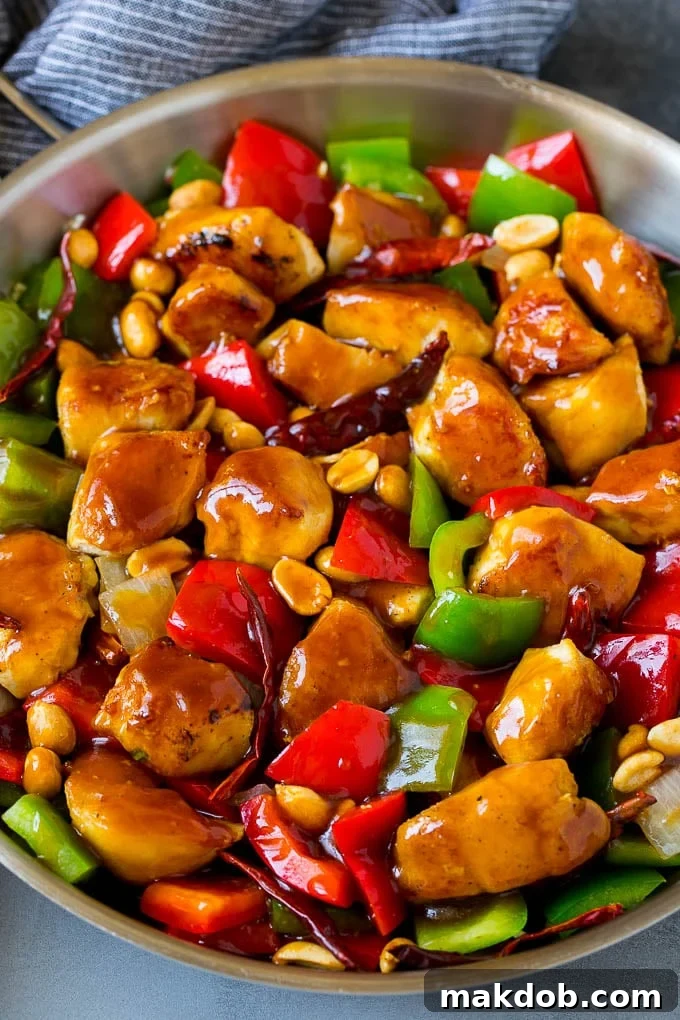
Welcome to the ultimate guide for crafting the most delectable Kung Pao Chicken right in your own kitchen! Forget the endless search for “takeout near me” and prepare to elevate your weeknight dining experience. This classic Chinese stir-fry, renowned for its tantalizing blend of savory, spicy, sweet, and nutty flavors, is surprisingly simple to recreate at home. Our recipe features perfectly seared chicken breasts, vibrant bell peppers, crisp onions, and crunchy peanuts, all enveloped in a rich, aromatic sauce that truly outshines any restaurant version. Get ready to impress your family and friends with a homemade dish that’s not just a meal, but a culinary adventure.
For years, my family has cherished the flavors of authentic Chinese cuisine. While we enjoy restaurant classics, there’s a unique satisfaction in preparing these dishes from scratch. From savory egg rolls to comforting hot and sour soup, and especially this incredible Kung Pao Chicken, bringing these tastes home has become a cherished tradition. This particular chicken stir-fry recipe stands out for its ease and speed, transforming fresh ingredients into a gourmet meal in just about 30 minutes. Served over fluffy steamed rice, it’s a complete, wholesome, and utterly delicious meal that will have everyone asking for seconds.
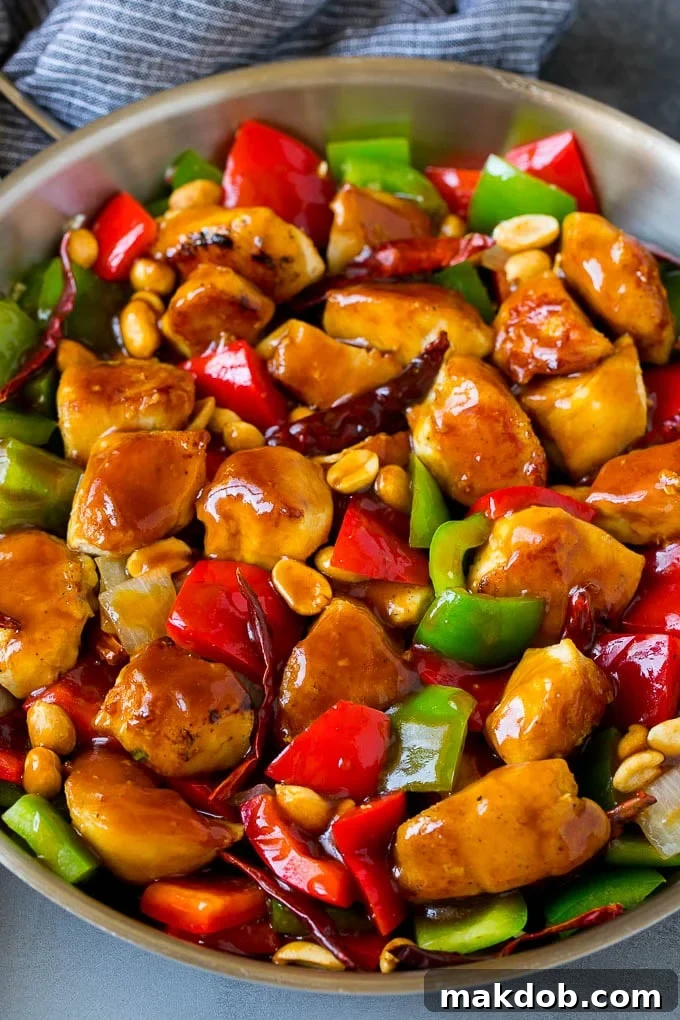
My love affair with Kung Pao Chicken began many years ago, frequenting my local Chinese restaurant for that irresistible combination of tender chicken and crunchy vegetables bathed in a fiery, flavorful sauce. The convenience of takeout was undeniable, but the desire to control the ingredients and tailor the spice level led me to explore making it at home. What I discovered was a revelation: not only is homemade Kung Pao Chicken incredibly fresh and satisfying, but it’s also remarkably quick to prepare. Now, instead of reaching for the phone, I reach for my wok, knowing a superior dish is just minutes away.
Unveiling the Delights of Kung Pao Chicken: A Culinary Journey
Kung Pao Chicken (Gōngbǎo Jīdīng) is far more than just a chicken dish; it’s a celebrated icon of Sichuan cuisine, renowned for its complex and addictive “mala” (numb and spicy) flavor profile. Originating from the Sichuan province in southwestern China, this stir-fry masterfully balances a medley of tastes: the fiery kick of dried chili peppers, the distinctive numbing sensation from Sichuan peppercorns (often included in more authentic versions, though optional in adapted recipes), the rich savoriness of soy sauce and hoisin, the delicate sweetness of sugar, and the irresistible crunch and aroma of roasted peanuts. While its roots are deeply embedded in Chinese culinary history, Kung Pao Chicken has transcended borders, becoming a staple on Chinese restaurant menus worldwide. Our homemade recipe captures the essence of this global favorite, offering a vibrant, flavorful, and accessible rendition that brings the spirit of Sichuan right to your dining table.
The beauty of Kung Pao Chicken lies in its dynamic texture and flavor contrasts. Tender, succulent pieces of chicken are perfectly complemented by crisp-tender vegetables like bell peppers and onions, all brought together by the unexpected textural delight of peanuts and the aromatic punch of garlic and chili. It’s a dish that engages all your senses, making every bite a memorable experience. Whether you’re a seasoned chef or a novice in the kitchen, mastering this recipe will provide you with a versatile skill and a dish that’s perfect for any occasion, from a quick weeknight dinner to an impressive meal for guests.
Mastering Homemade Kung Pao Chicken: Your Step-by-Step Guide
Creating this irresistible Kung Pao Chicken at home is a straightforward and rewarding process. The key to its success lies in efficient preparation and a quick stir-fry technique that locks in flavors and textures. Here’s a detailed breakdown of how to achieve culinary perfection:
- **Prepare the Chicken:** Begin by cutting boneless, skinless chicken breasts into uniform 1-inch pieces. For extra tenderness and a silky texture, a technique called “velveting” is often employed in Chinese cooking. Lightly coat the chicken pieces with cornstarch, salt, and pepper. This thin coating not only protects the chicken from drying out but also helps the sauce adhere beautifully.
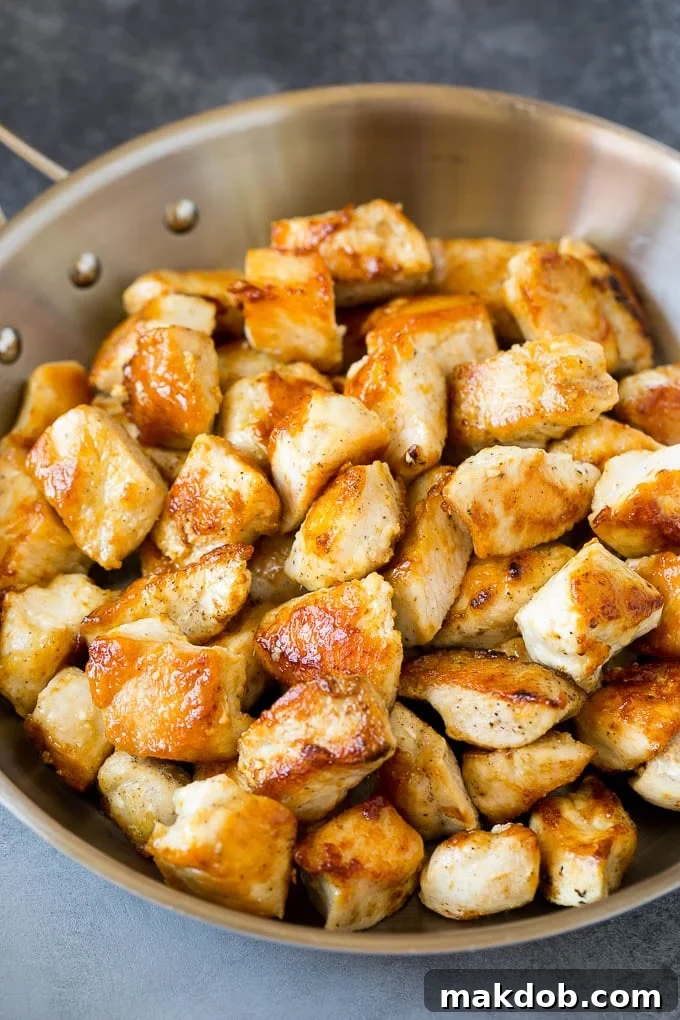
- **Sear the Chicken:** In a large pan or wok, heat a portion of your vegetable oil over high heat. Once shimmering, add the coated chicken in a single layer, being careful not to overcrowd the pan. Cook for 3-4 minutes per side until the chicken turns a beautiful golden brown and is cooked through. You might need to do this in batches to ensure proper searing. Remove the seared chicken from the pan and set it aside, covering it loosely to keep warm.
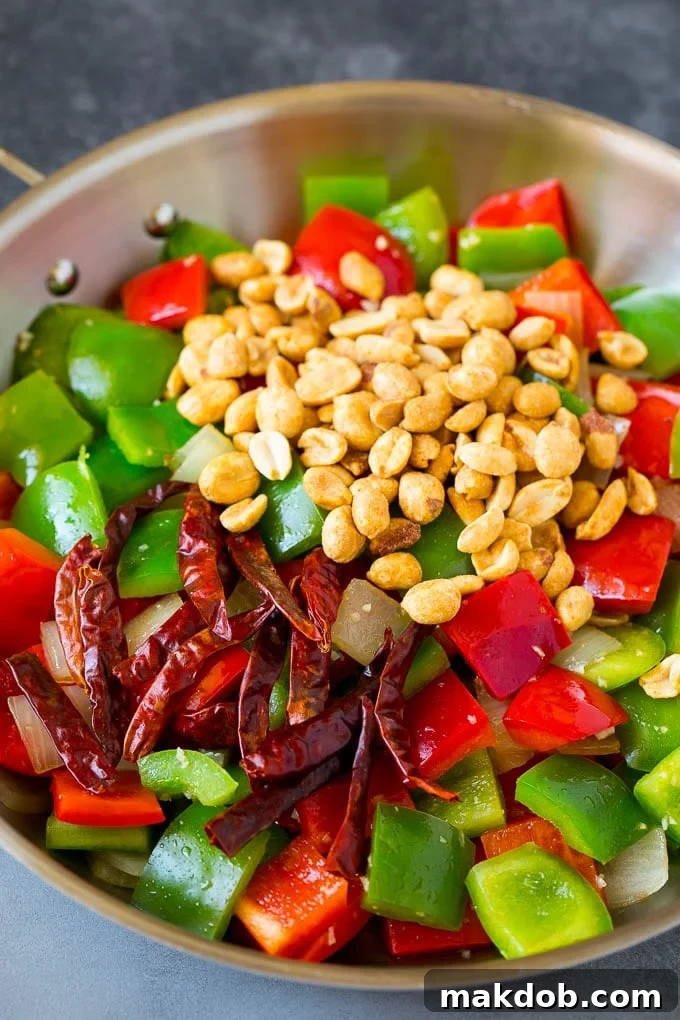
- **Stir-Fry the Vegetables:** Add the remaining vegetable oil to the same pan. Introduce the vibrant red and green bell peppers along with the yellow onion. Stir-fry for 3-4 minutes until the vegetables begin to soften but still retain a slight crispness. Next, add the minced garlic, stirring for another 30 seconds until fragrant, being careful not to burn it.
- **Combine and Sauce:** Return the cooked chicken to the pan with the aromatic vegetables. Toss in the dried red chilies and roasted peanuts. Meanwhile, whisk together all the sauce ingredients in a small bowl: low sodium soy sauce, hoisin sauce, sesame oil, sugar, cornstarch, and water. This creates a balanced, flavorful, and perfectly thick sauce.
- **Thicken and Serve:** Pour the prepared sauce over the chicken and vegetable mixture in the pan. Bring the mixture to a boil, then cook for an additional 30 seconds to 1 minute, stirring constantly, until the sauce thickens to your desired consistency. The cornstarch in the sauce will ensure a glossy, clingy finish. Serve your homemade Kung Pao Chicken immediately over steamed white rice, brown rice, or even noodles for a complete and satisfying meal.
This systematic approach ensures every component is cooked to perfection, resulting in a harmonious dish bursting with authentic flavors and delightful textures. The aroma alone will transport you straight to your favorite Chinese restaurant!
Expert Tips for a Flawless Kung Pao Chicken
- **Protein Versatility:** While chicken breasts are classic, this recipe is incredibly adaptable. Feel free to substitute with other proteins like tender slices of beef, succulent shrimp, or even firm tofu for a vegetarian option. Adjust cooking times accordingly to ensure the protein is cooked through but not overdone.
- **The Chili Factor: Chiles de Árbol:** Dried red chilies are crucial for both heat and a distinctive smoky, nutty flavor. For this recipe, Chiles de Árbol are an excellent choice. These Mexican chili peppers are widely available in most grocery stores and Asian markets. They offer a significant but manageable heat level and meld beautifully with the savory sauce, enhancing the overall depth of flavor. For a more authentic Sichuan experience, consider adding a few Sichuan peppercorns along with the dried chilies for that unique numbing sensation. You can adjust the quantity of chilies to match your preferred spice level – a few less for milder, a few more for a bolder kick.
- **Meal Prep Perfection:** This Kung Pao Chicken is a fantastic candidate for meal prepping. It stores exceptionally well in an airtight container in the refrigerator for up to 4 days. Reheat gently on the stovetop or in the microwave for a quick and delicious lunch or dinner throughout the week. The flavors often deepen and meld even more after a day or two.
- **The Magic of Hoisin Sauce:** Hoisin sauce is a cornerstone of many Chinese dishes, providing a beautiful dark red color and a complex flavor profile that is both sweet and tangy. It contributes significant depth and umami to the Kung Pao sauce. If you regularly enjoy Chinese takeout or homemade Asian cuisine, you’ve likely tasted hoisin sauce many times without realizing it! It’s readily available in the Asian foods aisle of your local supermarket. Don’t skip this ingredient, as it’s vital for achieving that authentic taste.
- **Perfect Stir-Frying Technique:** Always ensure your pan or wok is sufficiently hot before adding ingredients. High heat is essential for effective stir-frying, which quickly cooks ingredients while maintaining their texture and flavor. Don’t overcrowd the pan; cook in batches if necessary to prevent steaming, which can lead to soggy results.
- **Peanut Power:** Roasted unsalted peanuts provide that signature crunch and rich, earthy flavor. If you can only find raw peanuts, quickly toast them in a dry skillet over medium heat until fragrant and lightly browned before adding them to the dish.
Kung Pao Chicken vs. General Tso’s Chicken: A Flavor Showdown
While both Kung Pao Chicken and General Tso’s Chicken are beloved spicy and sweet Chinese stir-fries, they possess distinct characteristics that set them apart. Understanding these differences can help you appreciate the nuances of Chinese American cuisine and choose the dish that best suits your cravings.
**General Tso’s Chicken** is typically known for its crispy, deep-fried chicken pieces coated in a rich, sweet, and moderately spicy dark sauce. The chicken is almost always breaded, contributing to its satisfying crunch. Vegetables are often minimal or entirely absent in traditional General Tso’s preparations, focusing primarily on the textural contrast of the fried chicken and its thick sauce. It’s a dish that embodies indulgence and is a hallmark of American Chinese comfort food.
In contrast, **Kung Pao Chicken** offers a lighter, fresher take. The chicken in Kung Pao is generally not breaded; instead, it’s pan-seared or stir-fried, often “velveted” with cornstarch to achieve a tender, silky texture. This dish prominently features a vibrant array of vegetables, such as bell peppers and onions, which add freshness, color, and a pleasant crispness. A defining ingredient of Kung Pao Chicken is the inclusion of roasted peanuts, which contribute a crucial nutty flavor and satisfying crunch that is absent in General Tso’s. The sauce, while spicy and savory, tends to be less sweet and emphasizes the aromatic qualities of dried chilies and, in more authentic versions, the unique numbing sensation of Sichuan peppercorns. Kung Pao Chicken delivers a more complex balance of flavors and textures, making it a favorite for those who enjoy a dynamic culinary experience.
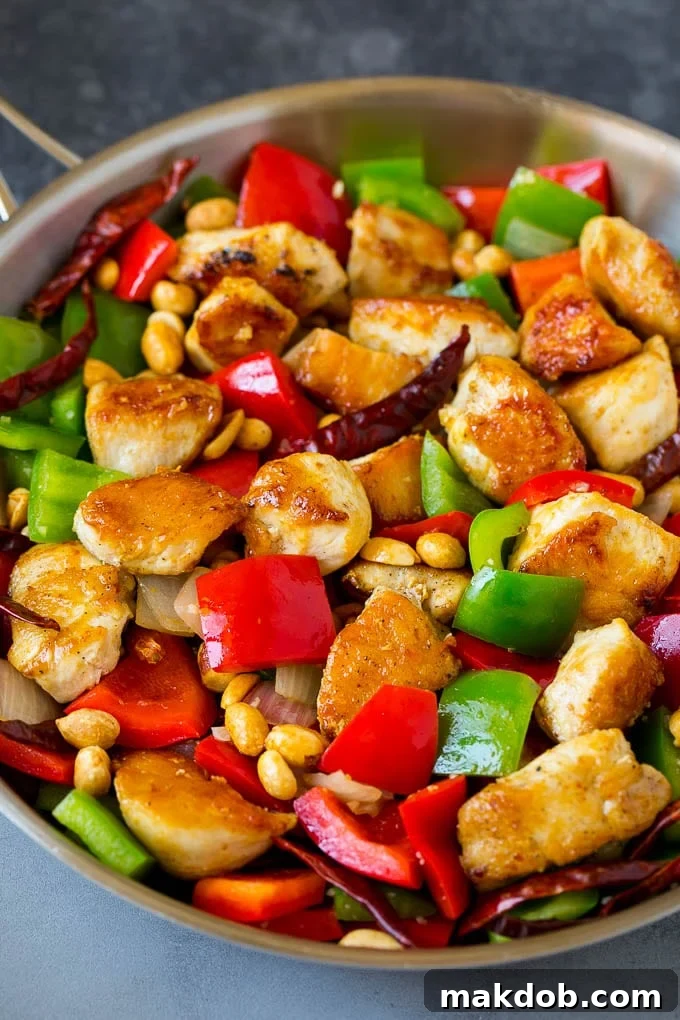
Is Kung Pao Chicken a Healthy Choice? Absolutely!
When it comes to enjoying delicious Chinese flavors while making conscious dietary choices, homemade Kung Pao Chicken stands out as an excellent option. Unlike many other popular Chinese takeout dishes that rely on heavy breading and deep-frying, this particular stir-fry embraces a healthier preparation method. Our recipe focuses on lean protein and fresh vegetables, making it a smart choice for those seeking a balanced meal.
Because the chicken is pan-seared rather than deep-fried, it significantly reduces the fat content, offering a leaner source of protein. The abundance of vibrant bell peppers and onions not only adds incredible flavor and texture but also boosts the nutritional value, providing essential vitamins and antioxidants. Bell peppers, for instance, are rich in Vitamin C and A, while onions contribute Vitamin B6. The dish also contains healthy fats from the peanuts, which are also a good source of protein and fiber. This combination ensures you’re getting a well-rounded meal that’s satisfying without being overly heavy.
By preparing Kung Pao Chicken at home, you gain complete control over the ingredients. You can opt for low-sodium soy sauce to manage sodium intake, choose high-quality vegetable oil, and even adjust the amount of sugar in the sauce. This level of customization allows you to tailor the dish to your specific dietary needs and preferences, ensuring it remains a delicious and healthy part of your meal rotation. So, yes, you can absolutely indulge in the incredible, traditional flavors of Chinese cuisine while still making healthier food choices with this fantastic Kung Pao Chicken recipe.
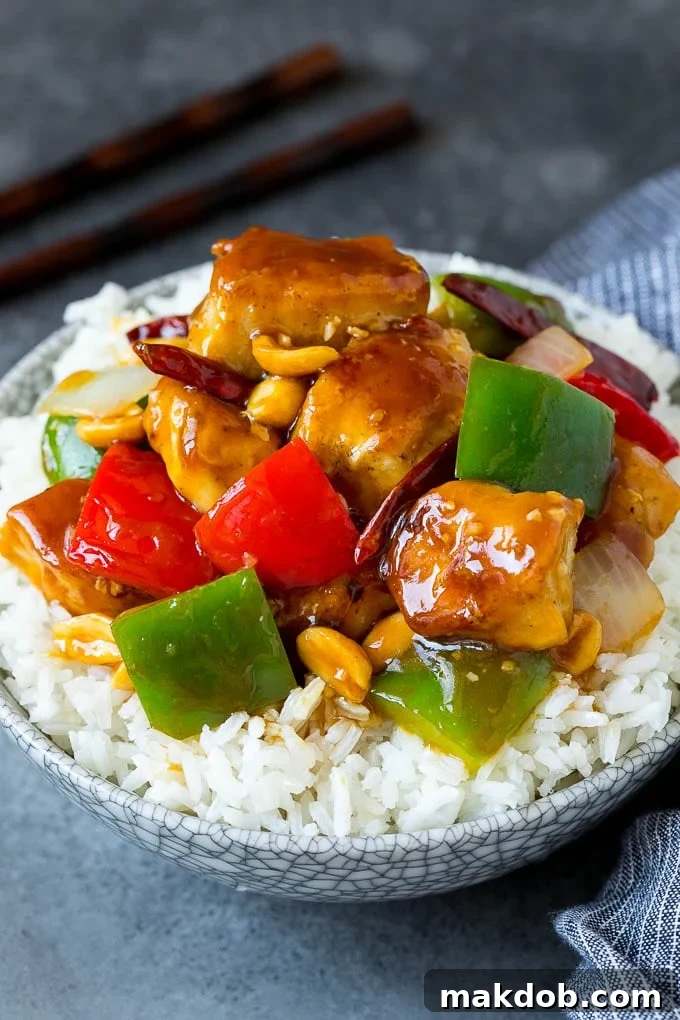
With this incredible recipe, there’s truly no need to rely on takeout when you can effortlessly create your own hot, fresh, and exceptionally flavorful Kung Pao Chicken stir-fry right in your own kitchen. This dish is guaranteed to be a resounding success with all the Chinese food enthusiasts in your life, delivering an authentic and satisfying culinary experience every time!
More Delicious Asian Recipes to Explore
- Chinese Lemon Chicken
- Shrimp Fried Rice
- Chicken Lo Mein
- Mongolian Chicken
- Chicken and Broccoli Stir Fry
Kung Pao Chicken
Pin
Sara Welch
10
20
30
Main Course
Asian
4
servings
Ingredients
For the stir fry
- 2 tablespoons vegetable oil divided use
- 1 1/4 pounds boneless skinless chicken breasts cut into 1 inch pieces
- 1 1/2 tablespoons corn starch
- 1 red bell pepper cut into 1 inch pieces
- 1 green bell pepper cut into 1 inch pieces
- 1/2 cup yellow onion cut into 1/2 inch pieces
- 1 1/2 teaspoons minced garlic
- 4-6 dried red chilies seeded and cut in half (you can use more or less chilies to adjust the heat level to your preference)
- 1/2 cup roasted unsalted peanuts
- salt and pepper to taste
For the sauce
- 3 tablespoons low sodium soy sauce
- 1 1/2 tablespoons hoisin sauce
- 1 tablespoon sesame oil
- 1 tablespoon sugar
- 1 tablespoon corn starch
- 1/4 cup water
Instructions
-
Heat 1 1/2 tablespoons of the vegetable oil in a large pan over high heat. Place the chicken in a bowl with the corn starch and salt and pepper to taste. Toss to combine.
-
Place the chicken in a single layer in the pan. Cook for 3-4 minutes per side until golden brown. You may have to do this step in batches.
-
Remove the chicken from the pan. Cover to keep warm.
-
Pour the remaining vegetable oil into the pan. Add the onion and red and green bell peppers. Cook for 3-4 minutes or until vegetables are softened.
-
Add the garlic to the pan; cook for an additional 30 seconds. Return the chicken to the pan with the vegetables. Stir in the peanuts and chilies.
-
While the chicken and vegetables are cooking, make the sauce. Whisk together all of the sauce ingredients in a small bowl.
-
Add the sauce to the chicken mixture and bring to a boil; cook for 30 seconds to 1 minute, or until sauce is just thickened. Serve immediately.
Nutrition
Carbohydrates: 12g |
Protein: 35g |
Fat: 15g |
Saturated Fat: 2g |
Cholesterol: 173mg |
Sodium: 788mg |
Fiber: 3g |
Sugar: 5g
Did you make this recipe?
Tag @dinneratthezoo on Instagram and hashtag it #dinneratthezoo