
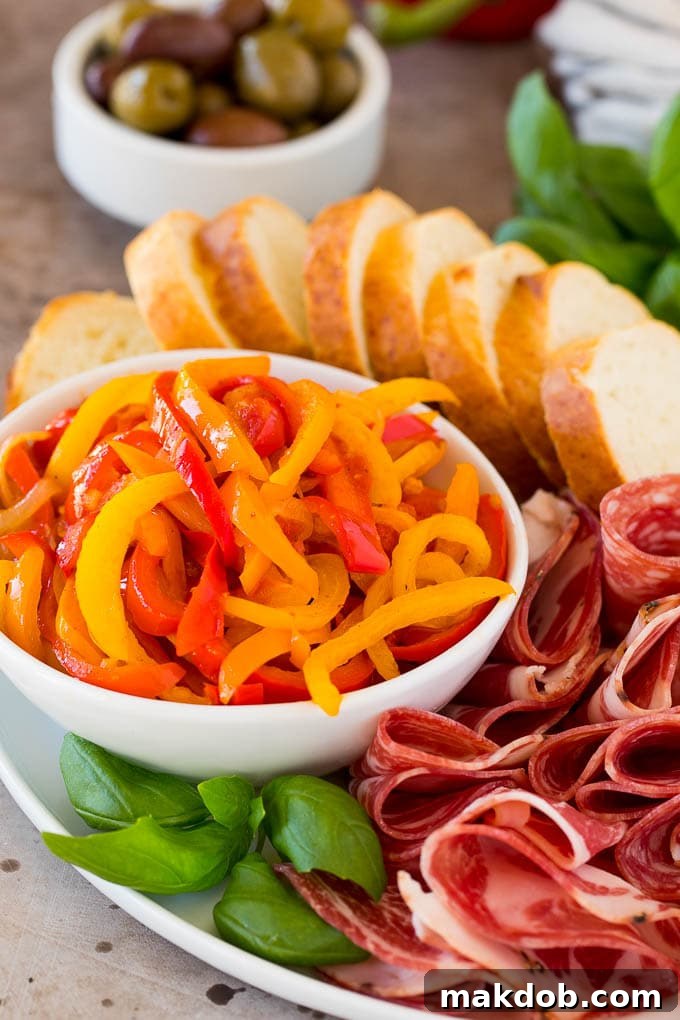
Welcome to the delightful world of Peperonata, a timeless Italian classic that beautifully transforms simple garden vegetables into a rich, savory stew. This dish, celebrated across Italy, particularly in the southern regions, highlights the sweet, vibrant essence of bell peppers, onions, and tomatoes, slow-cooked to perfection. More than just a side, peperonata is a versatile culinary gem, ideal for enhancing grilled meats, adding depth to pasta dishes, or serving as an elegant topping for crisp crostini. Its ease of preparation and incredible flavor make it an indispensable recipe for both novice and experienced cooks looking to add a touch of authentic Italian flair to their meals.
Embracing the charm of uncomplicated side dishes is a secret to stress-free entertaining and flavorful weeknight dinners. While I love the robust flavors of balsamic Brussels sprouts and the creamy indulgence of creamed spinach, this savory peperonata stew truly stands out. It’s a dish that embodies rustic elegance, proof that the finest flavors often come from the simplest, freshest ingredients. Whether you’re a seasoned chef or just starting your culinary journey, this peperonata recipe promises a rewarding experience, delivering a burst of Mediterranean sunshine to your plate.
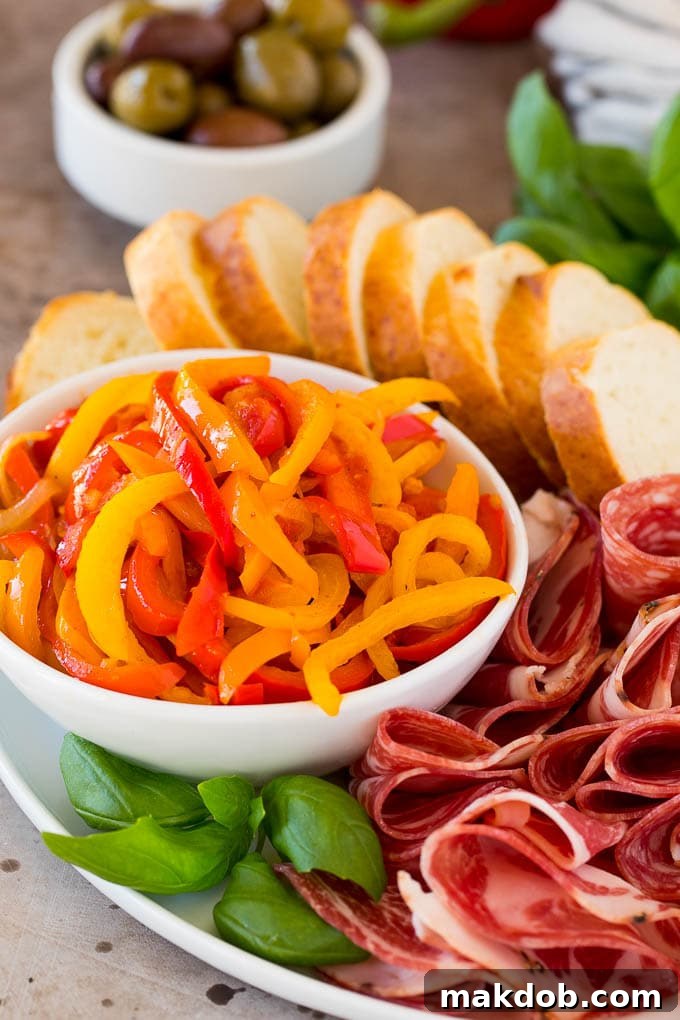
For those times when your kitchen counter is brimming with an abundance of fresh bell peppers, this peperonata recipe offers a brilliant and delicious solution. It’s a fantastic way to utilize a seasonal bounty, allowing the inherently sweet and subtly savory notes of the bell peppers to truly take center stage. This adaptable stew isn’t just a standalone delight; it serves as an incredible foundation, capable of transforming into a multitude of different meal options, making it a staple in my culinary repertoire.
What is Peperonata? A Deep Dive into this Italian Classic
Peperonata is a celebrated Italian vegetable stew, renowned for its beautiful simplicity and profound flavor. At its heart, it features a harmonious trio of slow-cooked bell peppers, onions, and tomatoes. Originating from the diverse culinary traditions of Italy, particularly the sun-drenched southern regions, peperonata embodies the Mediterranean philosophy of cooking: fresh, local ingredients transformed into something extraordinary with minimal fuss. While other seasonings like garlic, fresh herbs, or a touch of sugar may be added to balance and enhance the flavors, the true essence of the dish remains steadfast: to magnificently showcase ripe, seasonal bell peppers and tomatoes at their peak. It’s a celebration of summer’s bounty, a rustic dish that brings warmth and comfort, whether served hot or at room temperature.
The beauty of peperonata lies in its humble origins and robust character. It’s not just about cooking vegetables; it’s about coaxing out their natural sweetness and creating a deeply integrated flavor profile through patient, slow simmering. The peppers become incredibly tender, almost melting into the rich tomato and onion base, while the flavors meld and deepen over time. This process is key to achieving the characteristic sweetness and slightly tangy depth that defines authentic peperonata. Each spoonful offers a taste of Italian tradition, a testament to how simple ingredients can yield such complex and satisfying results.
Crafting the Perfect Peperonata: A Step-by-Step Guide
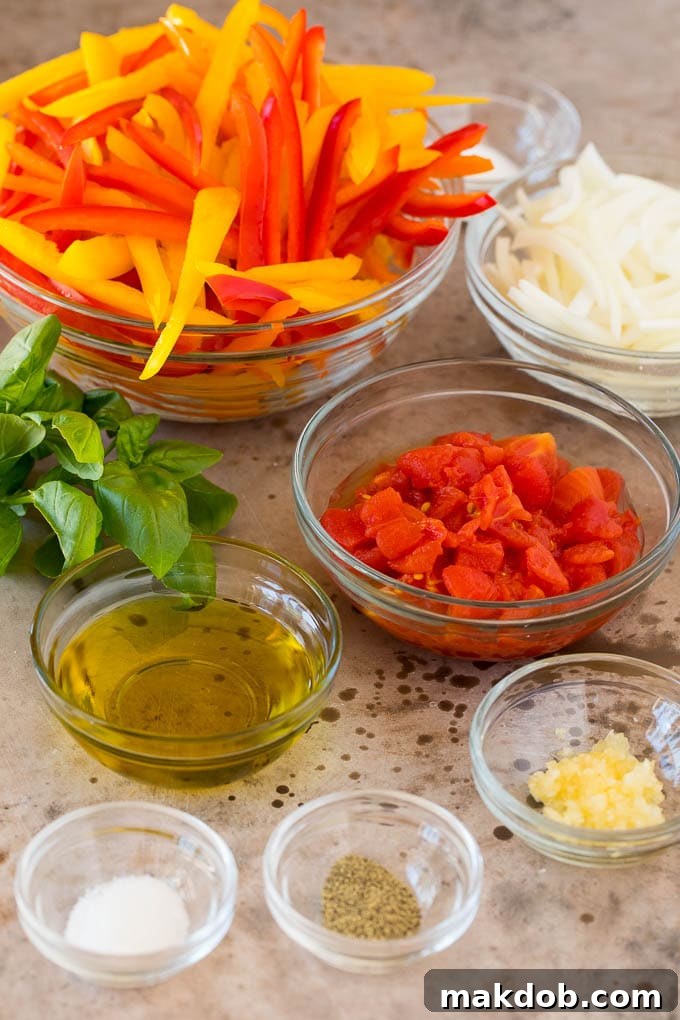
Making peperonata is a rewarding culinary endeavor that, while requiring a bit of patience for the slow simmer, is remarkably straightforward. The process begins with building a foundational layer of flavor, ensuring every spoonful of the finished dish is rich and satisfying. Here’s how to create this delectable Italian stew:
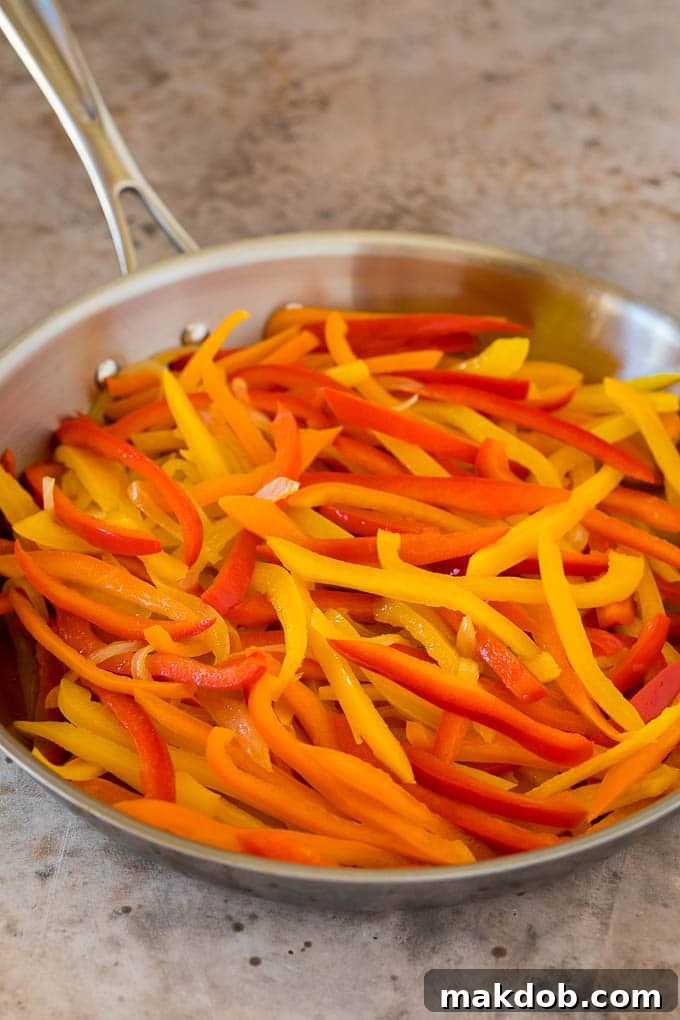
- **Sauté the Onions:** Begin by heating a generous mixture of olive oil and butter in a large, heavy-bottomed pot or Dutch oven over medium heat. The combination of oil and butter imparts a beautiful richness and helps prevent scorching. Add your thinly sliced onions and cook them gently for about 4-5 minutes, or until they become translucent and just begin to soften. This initial step is crucial for drawing out their inherent sweetness, which will form a vital base for your peperonata.
- **Introduce the Bell Peppers:** Once the onions have softened, add the colorful bell peppers to the pot. It’s important to use a variety of colors like red, yellow, and orange for both visual appeal and a nuanced flavor profile. Continue to cook, stirring occasionally, for another 6-8 minutes, or until all the vegetables are tender-crisp. At this stage, the peppers should still retain a bit of their structure but be pliable enough to absorb the upcoming flavors.
- **Infuse with Aromatics and Tomatoes:** Stir in the minced garlic, allowing it to cook for just about 30 seconds until fragrant. Be careful not to burn it, as burnt garlic can turn bitter. Immediately follow with the diced tomatoes (fresh or canned San Marzano work wonderfully), fresh basil sprigs, salt, pepper, and a touch of granulated sugar. The sugar helps to balance the acidity of the tomatoes and enhance the overall sweetness of the peppers.
- **Slow Simmer to Perfection:** Reduce the heat to medium-low and bring the mixture to a gentle simmer. This is where the magic truly happens. Cover the pot loosely and let the stew cook slowly, stirring occasionally, for at least an hour, or until the bell peppers are incredibly soft and the tomatoes have completely broken down, forming a luscious, integrated sauce. If you notice the mixture becoming too dry during this cooking process, feel free to add a tablespoon or two of water or vegetable broth as needed to maintain a desirable consistency. The longer it simmers, the deeper and more complex the flavors will become.
- **Finish and Serve:** Once the peperonata has reached your desired tenderness and consistency, carefully remove and discard the basil sprigs. Allow the stew to cool slightly before tasting, then adjust the seasoning with more salt and pepper if necessary. Serve your exquisite peperonata warm, perhaps garnished with a sprinkle of fresh basil leaves for a burst of color and aroma.
Expert Tips for the Perfect Peperonata
Achieving a truly exceptional peperonata is simple with a few key considerations. These tips will help you ensure your stew is flavorful, perfectly textured, and a joy to eat:
- **Uniform Slicing is Key:** To ensure even cooking, slice your bell peppers and onions into pieces of roughly the same size. This prevents some vegetables from becoming mushy while others are still firm, ensuring a consistent texture throughout the stew. Aim for strips that are about 1/4 to 1/2 inch thick.
- **Choose the Right Peppers:** For the best results, I strongly recommend using a combination of red, yellow, and orange bell peppers. These varieties are naturally sweeter and develop a beautiful caramelization when cooked slowly. Green bell peppers, while still bell peppers, tend to have a more pronounced bitter note, which can sometimes overpower the delicate sweetness of this dish.
- **Patience in Simmering:** Do not rush the stewing process. Peperonata benefits immensely from a long, slow simmer. This extended cooking time allows the peppers to soften deeply, practically melting into the sauce, and gives all the flavors ample opportunity to meld and intensify. The longer it gently cooks, the more developed and delicious your peperonata will be.
- **Optimal Tomato Choice:** The quality of your tomatoes significantly impacts the final flavor. When fresh tomatoes are in season, especially during summer, use ripe, peeled, and diced varieties. In colder months, high-quality canned tomatoes are an excellent substitute. I often opt for canned San Marzano plum tomatoes, which I dice before adding to the pot, known for their balanced sweetness and low acidity.
- **Taste and Adjust Seasoning:** Always taste your peperonata before serving and adjust the salt, pepper, and even sugar if needed. The flavors can deepen and change during cooking, so a final adjustment ensures perfect balance.
- **Make-Ahead and Storage:** Peperonata is a fantastic make-ahead dish, often tasting even better the next day as the flavors continue to marry. It can be stored in an airtight container in the refrigerator for up to 4 days. For longer storage, it freezes beautifully. Portion it into freezer-safe containers or bags, and it will stay fresh in the freezer for up to 2 months. Thaw overnight in the refrigerator before reheating gently on the stovetop.
Creative Ways to Enjoy Your Peperonata
The versatility of peperonata is truly one of its greatest assets. While it shines as a standalone side dish, its rich flavors and tender texture make it a superb ingredient for a multitude of main course options or creative culinary applications. Here are some inspiring ways to incorporate this delightful Italian stew into your meals:
- **Elevated Pizza Topping:** For a gourmet twist on pizza night, spread a thin, generous layer of peperonata over your pizza base before adding cheese and other toppings. The stewed vegetables will impart a sweet, savory depth and a beautiful rustic texture that elevates any pie.
- **Hearty Pasta Sauce:** Peperonata transforms into an incredibly flavorful and vibrant pasta sauce. Simply stir the warm peperonata into your favorite cooked pasta, tossing to coat. For a more substantial meal, consider adding your choice of cooked protein, such as grilled chicken strips, Italian sausage, or even some crumbled feta for a vegetarian option.
- **Elegant Crostini Appetizer:** Create an easy yet elegant appetizer by piling toasted bread slices or baguette rounds high with cooled or warm peperonata. A drizzle of extra virgin olive oil and a sprinkle of fresh basil can make this simple starter truly shine at any gathering.
- **Wholesome Polenta Companion:** Serve a generous portion of peperonata over a creamy bed of warm polenta for a satisfying and comforting vegetarian main course. The rich, soft polenta perfectly complements the savory sweetness of the pepper stew.
- **Flavorful Main Course Topping:** Peperonata is an ideal accompaniment to a variety of proteins. Spoon this luscious stew over perfectly grilled chicken breasts, flaky baked fish (like cod or salmon), or a sizzling steak. It adds moisture, flavor, and a beautiful Mediterranean touch to any main dish.
- **Egg Enhancer:** Stir peperonata into scrambled eggs, omelets, or frittatas for a vibrant and flavorful breakfast or brunch dish. It adds both vegetables and a rich taste.
- **Sandwich & Wrap Filler:** Use peperonata as a flavorful filling for sandwiches, paninis, or wraps. It pairs wonderfully with mozzarella, provolone, or even a bit of prosciutto.
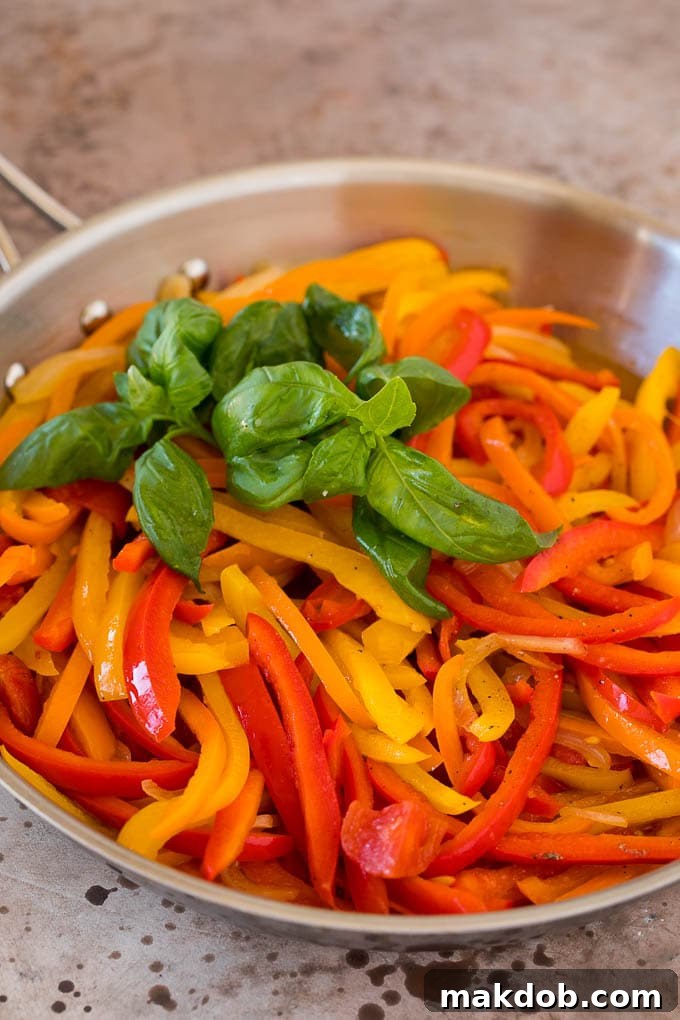
Exciting Peperonata Flavor Variations to Explore
While this traditional peperonata stew is undeniably delicious in its pure form, its inherent flexibility invites creative experimentation. Feel free to customize the flavors to your personal preferences or what you have on hand, transforming this classic into a new culinary experience:
- **Add More Vegetables:** While less traditional, incorporating other vegetables can add new dimensions of flavor and texture. Consider stirring in artichoke hearts for a tangy bite, diced eggplant or zucchini for added body, or yellow squash for extra sweetness. Add them during the bell pepper cooking phase to ensure they soften adequately.
- **Enhance with Mediterranean Flavorings:** Elevate the Mediterranean profile by stirring in other classic Italian ingredients. Pitted Kalamata or green olives can add a briny depth, capers offer a pleasant tang, and sun-dried tomatoes (either oil-packed or rehydrated) intensify the tomato flavor with a concentrated sweetness. Add these towards the end of the simmering process to retain their distinct characteristics.
- **Introduce a Cheesy Finish:** For an extra layer of richness and savory goodness, finish the dish with a generous sprinkle of freshly grated hard Italian cheese. Parmesan Reggiano offers a nutty, umami flavor, while Pecorino Romano provides a sharper, saltier kick, both complementing the sweet peppers beautifully.
- **Boost with Protein:** Transform peperonata into a more complete meal by incorporating a protein. Cooked Italian sausage (mild or spicy, depending on your preference) can be sliced and stirred in, or add tender slices of grilled chicken for a lighter option. Cook the protein separately and add it during the last 10-15 minutes of simmering to allow flavors to meld without overcooking the protein.
- **A Touch of Heat:** If you enjoy a bit of spice, a pinch of red pepper flakes or a finely diced fresh chili pepper can be added with the garlic to give your peperonata a gentle kick.
- **Herbal Enhancements:** Beyond basil, fresh oregano or marjoram can add another layer of aromatic complexity. Add fresh herbs at the very end to preserve their vibrant flavor.
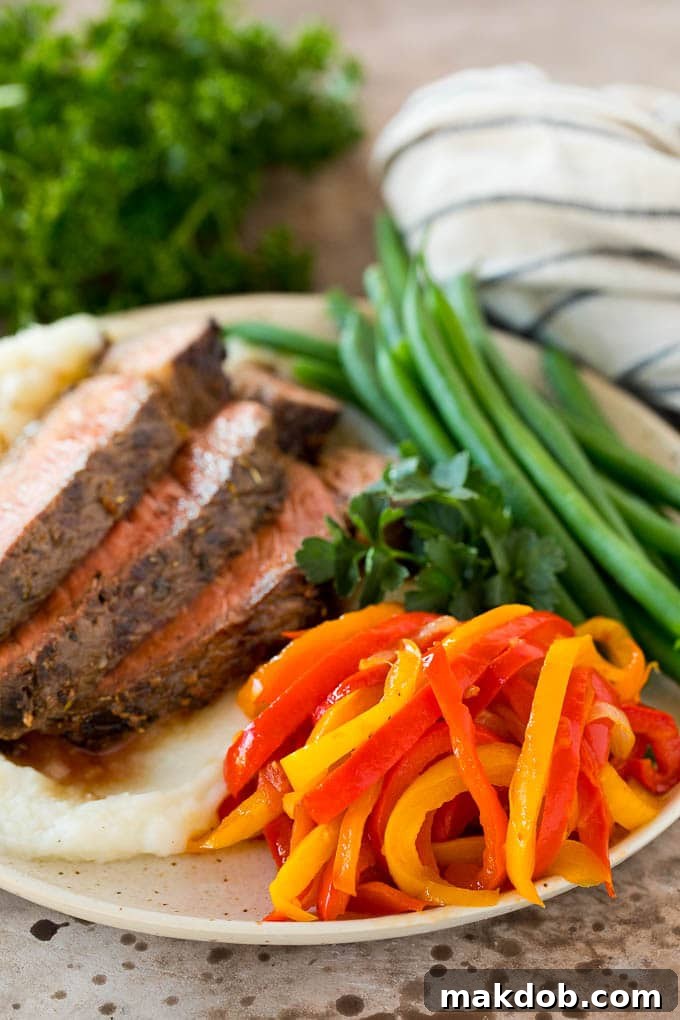
Once you experience the rich, sweet, and savory symphony of flavors that is homemade peperonata, you’ll undoubtedly find yourself adding it to your regular rotation. Its simplicity, versatility, and sheer deliciousness make it a truly unforgettable dish that consistently delights the palate. It’s just that good, and you’ll wonder how you ever managed without it!
More Delicious Side Dishes to Savor
- Creamy Cheesy Potatoes
- Garlic Sautéed Green Beans
- Crispy Roasted Red Potatoes
- Southern Style Collard Greens
- Creamy Cauliflower Mashed Potatoes
Authentic Peperonata Recipe
Peperonata
Sara Welch
Pin Recipe
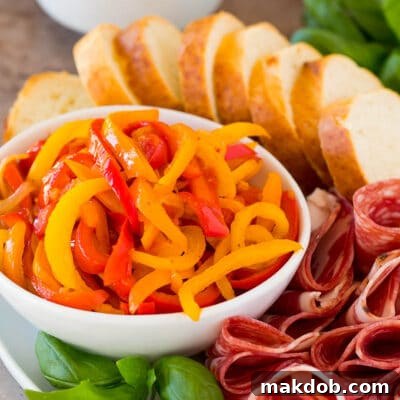
This peperonata is a classic Italian recipe of stewed bell peppers, onions and tomatoes. An easy side dish that’s great when served with grilled meats, spooned over crostini or stirred into pasta.
15 minutes
Cook Time:
1 hour
Total Time:
1 hour 15 minutes
Side Dish
Italian
6
Ingredients
- 1/4 cup olive oil
- 1 tablespoon butter
- 1 onion, thinly sliced
- 2 red bell peppers, cored, seeded and sliced
- 2 yellow bell peppers, cored, seeded and sliced
- 2 orange bell peppers, cored, seeded and sliced
- 2 teaspoons garlic, minced
- 4 plum tomatoes, fresh or canned (San Marzano), seeded and diced
- 2 sprigs fresh basil, plus more for garnish
- Salt and pepper to taste
- 1 teaspoon granulated sugar
Instructions
- Heat the olive oil and butter in a large pot over medium heat. Add the onion and cook for 4-5 minutes or until just softened.
- Add the red, yellow and orange bell peppers. Cook for 6-8 minutes or until tender.
- Add the garlic and cook for 30 seconds. Stir in the tomatoes, basil, salt, pepper and sugar.
- Reduce the heat to medium-low and bring the mixture to a simmer. Cook, stirring occasionally, until the peppers are very soft and the tomatoes have broken down to form a sauce. If the mixture seems dry as it cooks, you can add a tablespoon of water as needed.
- Remove the basil sprigs and discard. Let cool slightly, then taste and add more salt and pepper if desired. Serve, garnished with additional basil.
Nutrition
| Carbohydrates: 12g
| Protein: 2g
| Fat: 11g
| Saturated Fat: 2g
| Cholesterol: 5mg
| Sodium: 24mg
| Potassium: 376mg
| Fiber: 3g
| Sugar: 6g
| Vitamin A: 3001IU
| Vitamin C: 181mg
| Calcium: 20mg
| Iron: 1mg
Tag @dinneratthezoo on Instagram and hashtag it #dinneratthezoo