
Crispy Korean Fried Chicken: Your Ultimate Homemade Guide
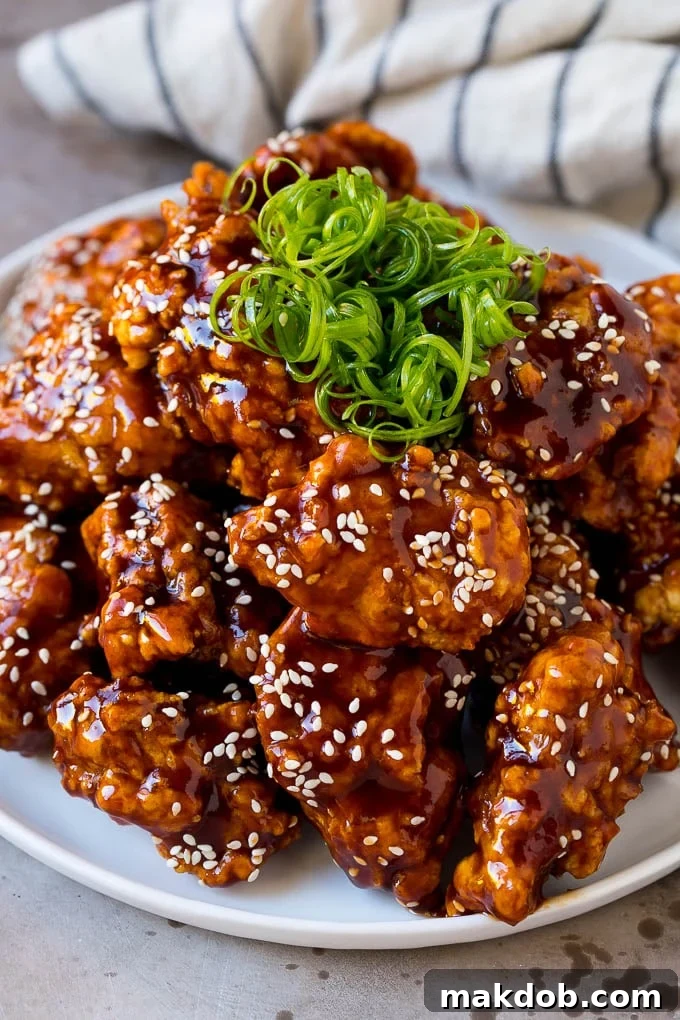
Prepare to embark on a culinary journey that will transform your kitchen into a Korean fried chicken paradise! This recipe features succulent chicken thighs encased in an unbelievably crispy coating, generously tossed in a signature sauce that perfectly balances sweet, spicy, and savory notes. Far more than just a meal, it’s an experience – a unique and utterly delicious adventure for your taste buds.
If you haven’t yet discovered the magic of Korean fried chicken (often affectionately called “KFC”), you are truly missing out on one of the world’s most addictive culinary delights. The first bite promises to be a revelation, and we guarantee you’ll be hooked! For those eager to explore more Asian-inspired chicken dishes, be sure to explore our recipes for lighter honey sesame chicken and Chinese lemon chicken.
The Irresistible Allure of Korean Fried Chicken
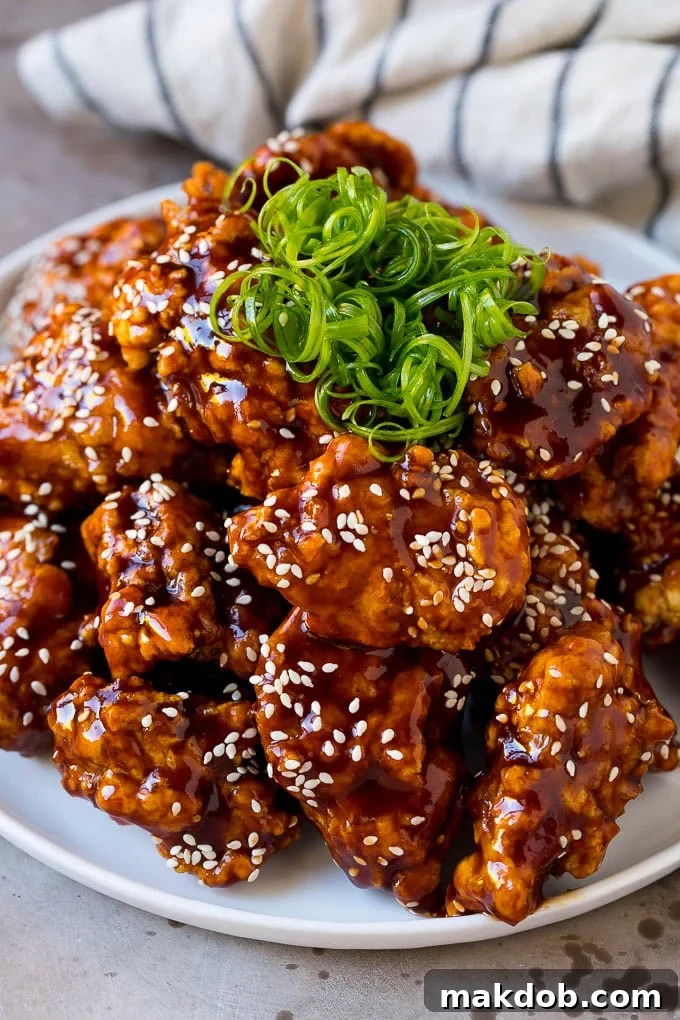
My initial encounter with Korean fried chicken took place at a charming local eatery, and from that moment, I was captivated. The quest to perfectly replicate its exquisite flavors at home became a delicious obsession. What sets Korean fried chicken apart is its distinctive texture and the complex depth of its sauce. Unlike other fried chicken varieties, Korean fried chicken often boasts a delicate, almost translucent crust that stays incredibly crisp, even when drenched in sauce. This phenomenal crunch, combined with a sauce that hits all the right notes—umami-rich, subtly sweet, and wonderfully spicy—creates an undeniably addictive dish. I can confidently say that this homemade version captures that restaurant-quality excellence, delivering an authentic and truly satisfying experience right in your own dining room.
What Makes Korean Fried Chicken Unique?
- Ultra-Crispy Coating: The secret lies in the double-frying technique and often the use of starches like potato starch or cornstarch, which result in an exceptionally thin, light, and shatteringly crispy crust. This crispness is retained longer than traditional fried chicken, even after being coated in sauce.
- Flavorful Glaze: The sauce is usually applied *after* frying, ensuring the chicken remains crunchy while absorbing a burst of flavor. This glaze is a harmonious blend of sweet, savory, and spicy elements, with Gochujang (Korean chili paste) often playing a starring role.
- Tender Interior: Despite the intense crispiness of the exterior, the chicken inside remains juicy and tender, offering a delightful contrast in every bite.
Crafting Your Own Korean Fried Chicken: A Step-by-Step Guide
Creating authentic Korean fried chicken at home is surprisingly straightforward, focusing on key techniques to achieve that signature crunch and flavor. The journey begins with preparing your chicken and creating its light, crispy batter, followed by careful frying and a luxurious sauce coating.
Prepping the Chicken
The first crucial step is to prepare your chicken. I prefer using boneless, skinless chicken thighs, cut into bite-sized pieces (approximately 2-inch chunks). Chicken thighs are excellent for frying because their higher fat content keeps them moist and flavorful, even when cooked at high temperatures. If you prefer white meat, boneless, skinless chicken breast can also be used; simply adjust cooking times slightly to prevent drying out. Ensure all pieces are uniform in size for even cooking.
The Perfect Coating
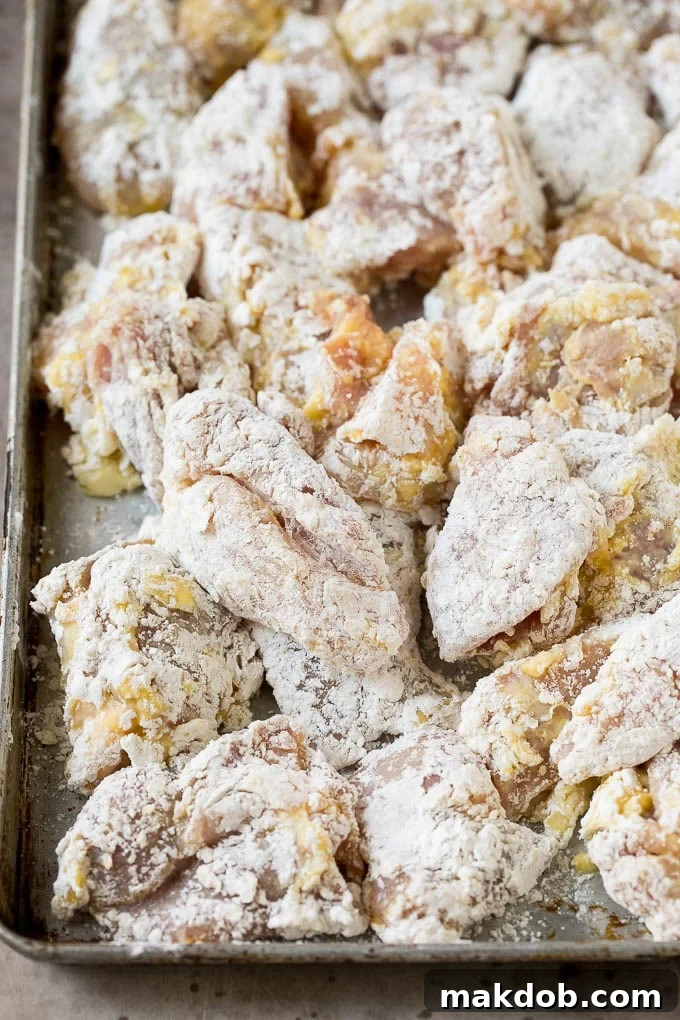
For the coating, the chicken pieces are first lightly seasoned with salt and pepper, then dipped into beaten eggs. This egg wash acts as a binder, allowing the dry coating mixture to adhere perfectly. The dry coating is a precise blend of cornstarch and all-purpose flour. Cornstarch is key here, as it contributes significantly to the unique, super-crispy texture that defines Korean fried chicken, making the crust lighter and airier than a purely flour-based batter.
Frying to Perfection
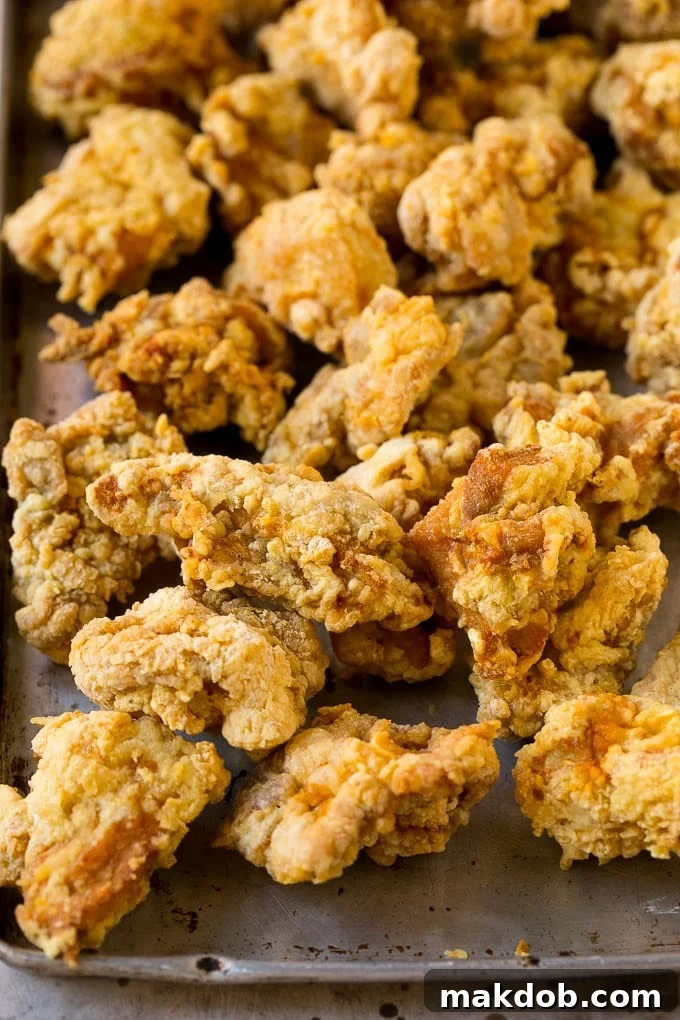
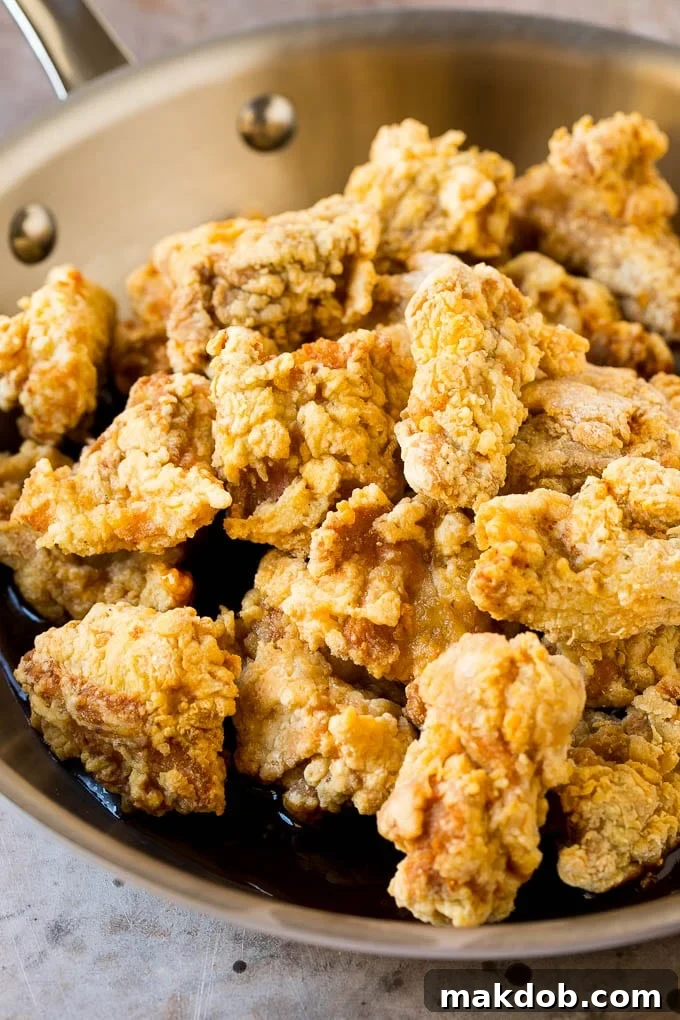
Once coated, the chicken is ready for its crispy transformation. It’s fried in hot oil until golden brown and cooked through. This process is about achieving that perfect exterior without overcooking the inside. After the initial fry, the chicken is often briefly set aside before a second quick fry, which is the ultimate secret to its incredible, long-lasting crispiness. This double-frying method expels more moisture from the skin and batter, creating a truly irresistible crunch.
The Signature Sauce
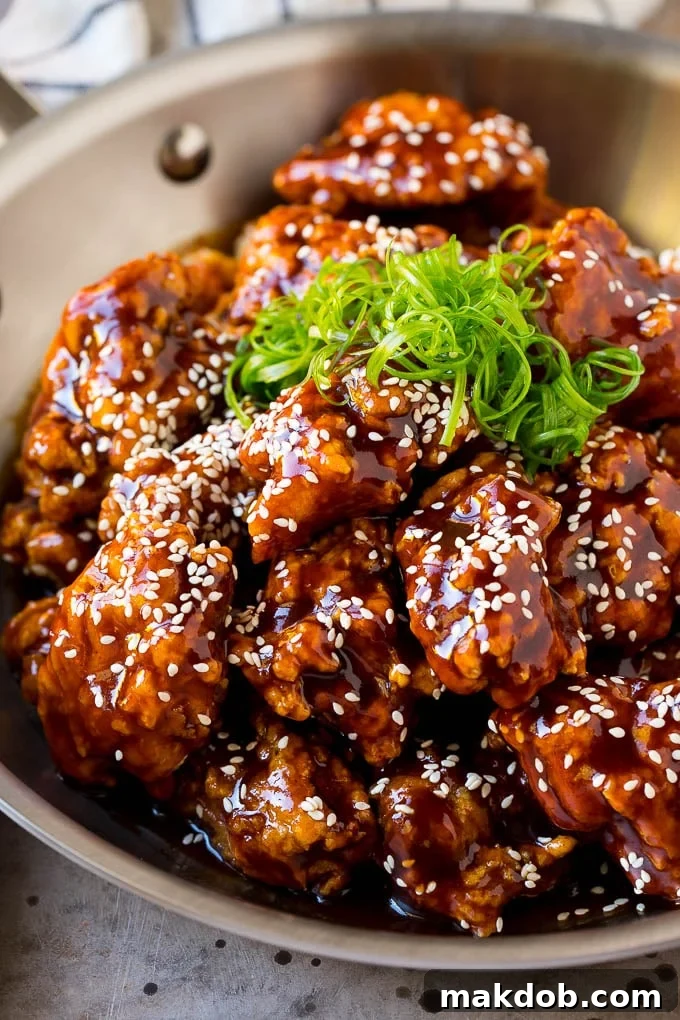
The final and perhaps most exciting step is creating the legendary sauce. This vibrant glaze is a meticulously balanced blend of several key ingredients: sugar for sweetness, ketchup for a tangy depth, and the indispensable gochujang paste for its characteristic sweet, spicy, and savory heat. Additional ingredients like soy sauce for umami and sesame oil for nutty richness further enhance the complexity, creating an utterly addictive coating that elevates the fried chicken to new heights.
Essential Tips for Flawless Korean Fried Chicken
Achieving truly perfect Korean fried chicken involves a few critical techniques and considerations. Follow these expert tips to ensure your homemade version rivals the best restaurant dishes:
- Mastering Oil Temperature: This is arguably the most crucial tip for crispy chicken. I highly recommend using a deep-fry thermometer to meticulously monitor your oil temperature. Aim for a consistent range of 350-375 degrees F (175-190 degrees C). If the oil is too cold, the chicken will absorb too much oil, resulting in a greasy, soggy product. Conversely, if the oil is too hot, the exterior will burn quickly, leaving the inside undercooked and potentially raw. Consistent temperature ensures a beautifully golden, evenly cooked, and supremely crispy crust.
- The Power of Double Frying: While not explicitly in the initial recipe steps, for truly authentic and enduring crispiness, consider a second quick fry. After frying all the chicken pieces once and draining them, increase the oil temperature slightly (to about 375-390°F or 190-200°C) and fry the chicken again in batches for 1-2 minutes until deeply golden brown and extra crispy. This extra step expels even more moisture, creating a lighter, crunchier shell.
- Prepare the Sauce Ahead: To streamline your cooking process, the delicious Korean fried chicken sauce can be prepared up to 2 days in advance. Store it in an airtight container in the refrigerator. When ready to use, gently reheat it over low heat until it’s pourable and warm.
- Serve Immediately for Peak Crispness: While the coating is designed to stay crisp longer than traditional fried chicken, this dish is undeniably best served immediately after tossing with the sauce. The chicken coating will inevitably begin to soften as it soaks up the savory, sweet, and spicy glaze over time. Enjoy it fresh for the ultimate texture experience.
- Effortless Curly Green Onion Garnish: Elevate the presentation of your Korean fried chicken with a fun and elegant curly green onion garnish. Simply cut green onions into very thin, long slices (julienne them), then immerse them in a bowl of ice water. Within 15-30 minutes, they will beautifully curl up, adding a fresh, vibrant, and visually appealing touch to your dish.
- Don’t Crowd the Pot: Fry the chicken in small batches to maintain optimal oil temperature. Overcrowding the pot will cause the oil temperature to drop significantly, leading to greasy, less crispy chicken. Give each piece enough space to cook evenly.
- Drain Properly: After frying, always transfer the chicken to a wire rack set over a baking sheet lined with paper towels. This allows excess oil to drain away and prevents the bottom of the chicken from becoming soggy.
Gochujang: The Heart and Soul of Korean Fried Chicken Sauce
The quintessential flavor profile of this Korean fried chicken, and indeed many beloved Korean dishes, comes from a remarkable condiment known as Gochujang. This thick, vibrant red chili paste is a cornerstone of Korean cuisine, celebrated for its unique blend of sweet, savory, and spicy notes all in one potent spoonful.
What is Gochujang?
Gochujang is a fermented savory and sweet chili paste, made from gochugaru (Korean chili powder), glutinous rice, meju (fermented soybean powder), yeotgireum (barley malt powder), and salt. The fermentation process, traditionally carried out in large earthenware pots called onggi, is what gives Gochujang its incredible depth of flavor and distinctive umami profile. It’s not just spicy; it has a rich, complex sweetness and a subtle funkiness that makes it truly special.
Flavor Profile
Unlike other chili pastes, Gochujang offers a unique balance. It brings a mild to moderate heat, accompanied by a noticeable sweetness that often comes from ingredients like rice syrup or honey. The fermentation adds layers of savory umami, making it incredibly versatile. It’s this multifaceted flavor that makes it the primary flavoring agent for our Korean fried chicken, imparting that authentic, mouthwatering taste.
Where to Find Gochujang
Fortunately, Gochujang is becoming increasingly accessible. You can typically find it in the ethnic foods aisle of larger grocery stores. For a wider selection and potentially better pricing, your local Asian market or Korean grocery store is an excellent resource. It usually comes in distinctive red rectangular tubs, clearly labeled “Gochujang” or “Korean Chili Paste.” Don’t mistake it for plain chili sauce; Gochujang’s fermented complexity is irreplaceable.
Serving Suggestions for Korean Fried Chicken
Korean fried chicken is incredibly versatile and can be enjoyed in various ways, making it perfect for any occasion:
- As a Finger Food Appetizer: Its bite-sized pieces and saucy coating make it an ideal party snack or appetizer. Arrange it on a platter with toothpicks for easy serving. It pairs wonderfully with a cold beverage, especially beer, aligning with Korea’s popular “Chimaek” (chicken and beer) culture.
- As a Satisfying Main Course: Transform this delectable chicken into a hearty main meal. Serve it alongside fluffy steamed white rice to soak up every last drop of the glorious sauce.
- Accompaniments: Complement the rich flavors with a side of refreshing pickled vegetables (like daikon radish or cucumber kimchi), a crisp green salad, or even some kimchi for an authentic Korean dining experience. The acidity and freshness of these sides perfectly cut through the richness of the fried chicken.
Whether presented as a casual snack or the star of a full dinner, Korean fried chicken is always a crowd-pleaser and an undeniable hit!
Customizing Your Korean Fried Chicken
This Korean fried chicken recipe leans towards the spicier side, offering a delightful kick that many will love. However, if you’re cooking for young children or individuals who are sensitive to heat, you can easily adjust the spice level without compromising too much on flavor. To significantly reduce the heat, simply cut the amount of gochujang in half. While the flavor profile won’t be quite as intense or authentically fiery, you’ll still end up with an amazingly delicious dish that everyone can enjoy.
For those who love extra garlic, consider adding a teaspoon of minced garlic to the sauce as it simmers. If you prefer a nuttier flavor, a dash of toasted sesame seeds sprinkled over the finished chicken adds both texture and aroma.
Frequently Asked Questions About Korean Fried Chicken
Q: Can I use boneless chicken breasts instead of thighs?
A: Yes, boneless, skinless chicken breasts can be used as a substitute for thighs. However, chicken breasts tend to dry out more quickly, so you may need to adjust frying times slightly and ensure you don’t overcook them. Thighs are often preferred for their inherent moisture and richer flavor, which stand up well to frying.
Q: How can I make the chicken extra crispy?
A: The secret to extra crispy Korean fried chicken often lies in double-frying. After the first fry, let the chicken rest for a few minutes to allow moisture to evaporate from the surface. Then, increase the oil temperature slightly (to about 375-390°F or 190-200°C) and fry the chicken again for another 1-2 minutes until it’s deeply golden and super crunchy. Ensure your oil temperature is consistently maintained throughout the frying process.
Q: Is Gochujang very spicy?
A: Gochujang offers a unique blend of sweet, savory, and spicy. Its heat level can vary from mild to moderately spicy, but it’s typically not overwhelmingly hot like some pure chili pastes. It’s known for its complex flavor that goes beyond just heat. In this recipe, the other sweet and savory ingredients in the sauce help balance its spice.
Q: Can I prepare Korean fried chicken in advance?
A: While the sauce can be made up to 2 days ahead of time and stored in the refrigerator, the chicken itself is best prepared and served immediately. The crispy coating will begin to soften once it’s tossed in the sauce. If you need to prep ahead, you can fry the chicken a few hours in advance, then re-crisp it in a hot oven or air fryer before tossing with freshly warmed sauce.
More Delicious Asian-Inspired Recipes to Try
- Sweet and Sour Chicken
- Veggie Fried Rice
- Chicken Lettuce Wraps
- Korean Beef Bowls
- Slow Cooker Orange Chicken
Korean Fried Chicken
Rating: 5 out of 5 stars (based on 38 votes)
Author: Sara Welch
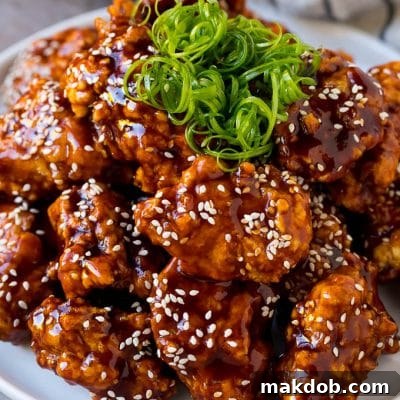
This Korean fried chicken is chicken thighs in a crispy coating that are tossed in a sweet, spicy and savory sauce. A unique meal or snack that’s totally delicious!
Prep Time: 10 minutes
Cook Time: 25 minutes
Total Time: 35 minutes
Course: Main
Cuisine: Asian
Serves: 6
Ingredients
For the chicken
- 1 1/2 pounds boneless skinless chicken thighs, cut into 2 inch pieces
- 2 eggs, lightly beaten
- salt and pepper to taste
- 1/2 cup all purpose flour
- 1/2 cup cornstarch
- oil for frying
- 1 tablespoon sesame seeds
- green onions for garnish (optional)
For the sauce
- 1/4 cup ketchup
- 3 tablespoons gochujang sauce
- 3 tablespoons honey
- 3 tablespoons brown sugar
- 2 tablespoons soy sauce
- 2 teaspoons sesame oil
Instructions
- Place the eggs in a bowl, add salt and pepper to taste.
- Mix the flour and cornstarch together and place in a shallow bowl or on a plate.
- Heat 3 inches of oil in a deep pot to 350 degrees F.
- Dip each piece of chicken into the egg, then roll into the flour mixture. Repeat with all of the chicken.
- Fry 7-8 pieces of chicken at a time for 5 minutes or until golden brown. Drain on paper towels. Repeat the process with all of the chicken.
- While the chicken is cooking, whisk together the ketchup, gochujang paste, honey, brown sugar, soy sauce and sesame oil until smooth.
- Pour the sauce ingredients into a small pot. Bring to a simmer over medium heat and cook for 1-2 minutes or until sugar is dissolved.
- Pour the sauce over the chicken and toss to coat. Sprinkle with sesame seeds and serve, garnished with green onions if desired.
Nutrition
Calories: 323kcal | Carbohydrates: 35g | Protein: 25g | Fat: 12g | Saturated Fat: 6g | Cholesterol: 162mg | Sodium: 551mg | Potassium: 367mg | Sugar: 16g | Vitamin A: 160IU | Vitamin C: 0.4mg | Calcium: 36mg | Iron: 2.2mg
Tweet
Pin