
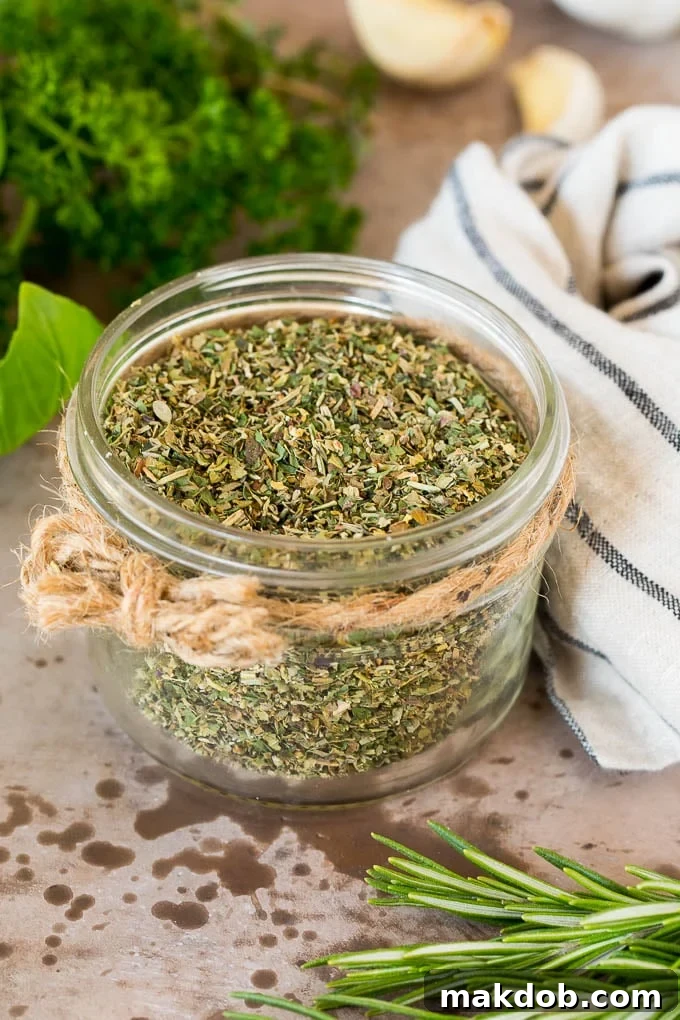
In the vibrant world of culinary arts, few things can transform an ordinary dish into an extraordinary one quite like a well-crafted seasoning blend. Among these, homemade Italian seasoning stands out as a true pantry powerhouse. This versatile mix, a symphony of aromatic herbs and spices, is incredibly easy to prepare and promises to elevate a countless array of dishes, from succulent chicken and flaky fish to hearty meatballs, comforting pasta, and so much more. Best of all, it demands a mere 5 minutes of your time, making it an accessible luxury for any home cook.
There’s a distinct pleasure in creating your own seasoning blends. Not only is it significantly more economical than relying on store-bought options, but the flavor profile is also incomparably fresher and more robust. The difference is truly remarkable! In my own kitchen, I always keep a selection of homemade spice mixes readily available, including my go-to taco seasoning, a zesty Cajun blend, and of course, this effortlessly simple Italian seasoning.
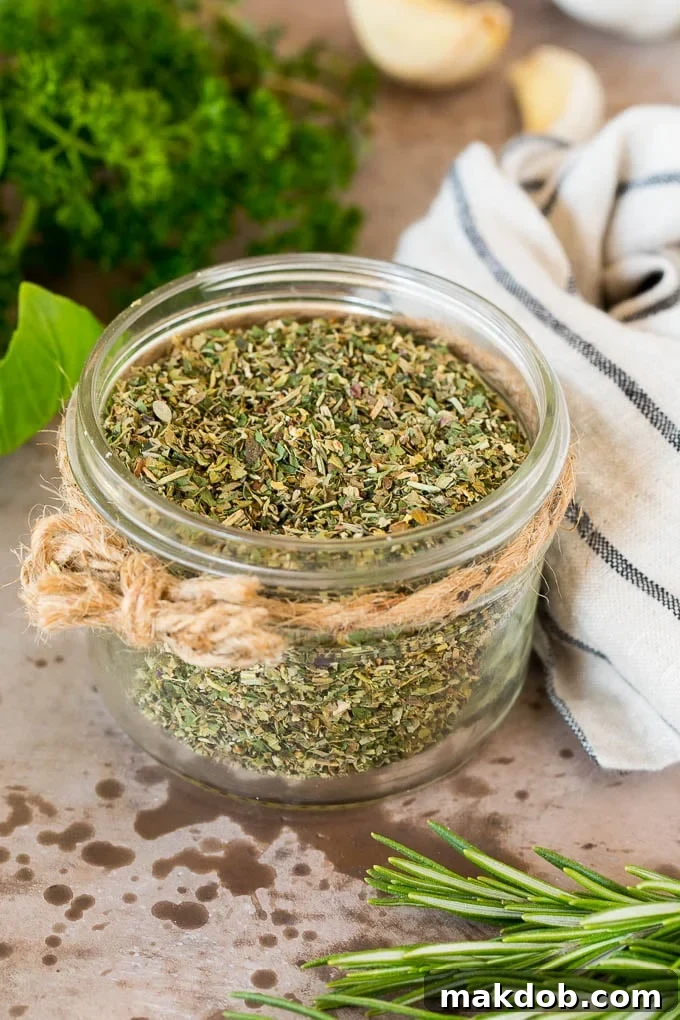
Unleashing Flavor: Why Homemade Italian Seasoning Reigns Supreme
For those familiar with my recipes, it’s no secret that Italian seasoning frequently makes an appearance. Its ability to impart a profound depth of flavor to savory creations is simply unmatched. While I once reached for commercially packaged varieties, the revelation of how simple and superior a homemade version could be completely changed my cooking game. The difference in taste is significant; the homemade blend bursts with freshness and aroma that industrial blends often lack. Plus, knowing exactly what goes into your food brings an added layer of satisfaction and peace of mind. With just a few minutes of effort, you can have a jar of this aromatic treasure on hand, ready to infuse your meals with authentic Italian zest.
The Advantages of Crafting Your Own Spice Blends
- Unmatched Freshness and Flavor: Store-bought seasonings, while convenient, can sit on shelves for extended periods, causing their volatile oils and aromas to diminish. When you make your own, you use freshly opened herbs, ensuring a vibrant and potent flavor that truly sings in your dishes.
- Cost-Effectiveness: Buying individual dried herbs in bulk and mixing them yourself is almost always cheaper than purchasing pre-blended spice mixes. You get more seasoning for your money, making it a smart choice for budget-conscious cooks.
- Control Over Ingredients: Commercial blends can sometimes contain anti-caking agents, excessive salt, or other additives. Making your own gives you complete control, allowing you to avoid unwanted ingredients and ensure purity. This is especially beneficial for those with dietary restrictions or allergies.
- Customization to Your Palate: Whether you prefer a stronger garlic note, a touch more basil, or a hint of spice, a homemade blend empowers you to tailor the seasoning to your exact preferences. This personalized touch ensures every meal is perfectly seasoned to your liking.
- Reduced Waste: By buying individual herbs and blending them as needed, you can manage quantities more effectively, potentially reducing waste from unused or expired blends.
The Magic Behind the Blend: What’s in Authentic Italian Seasoning?
The beauty of Italian seasoning lies in its harmonious blend of classic Mediterranean herbs. Each ingredient plays a crucial role, contributing to the distinctive aromatic and savory profile that defines so many beloved Italian dishes. Here’s a closer look at the key components that make this seasoning mix so special:
- Basil: Often considered the cornerstone of Italian cuisine, dried basil offers a sweet, peppery, and slightly minty aroma. It provides a warm, inviting base note that is absolutely essential for an authentic Italian flavor. Look for dried basil leaves, which retain more flavor than powdered basil.
- Oregano: Pungent, earthy, and slightly bitter, oregano is another indispensable herb. It brings a robust, bold flavor often associated with pizza and tomato-based sauces. When selecting oregano, opt for Mediterranean oregano (also known as Greek oregano), as its flavor is brighter and more compatible with Italian profiles than the earthier Mexican oregano.
- Garlic Powder: For a convenient and consistent infusion of that essential savory flavor, garlic powder is an excellent choice. It disperses evenly throughout the blend, offering a foundational aromatic without the need for chopping fresh garlic cloves. Ensure you use garlic powder, not garlic salt, to control the overall sodium content of your dishes.
- Rosemary: With its distinct piney, woody, and slightly peppery notes, rosemary adds an elegant depth to the mix. It’s a potent herb, so a balanced amount is key to ensuring it complements rather than overwhelms the other flavors.
- Parsley: Dried parsley flakes contribute a fresh, slightly peppery, and herbaceous flavor. Beyond its taste, it also adds a lovely bright green color to the blend, making it visually appealing. It helps to brighten the overall profile of the seasoning.
- Thyme: Earthy, minty, and subtly floral, thyme introduces a gentle complexity. It pairs beautifully with the other herbs, offering a warm and aromatic undertone. For the best texture and flavor, seek out dried thyme leaves rather than ground thyme for your spice blend.
- Marjoram: This often-overlooked herb is a close cousin to oregano but generally possesses a milder, sweeter, and more delicate flavor with hints of pine and citrus. Marjoram rounds out the blend, adding subtle nuances that enhance the overall aromatic complexity without being too dominant.
Crafting Your Own: A Simple Guide to Making Italian Seasoning
The simplicity of preparing your own Italian seasoning is truly one of its most appealing aspects. No special equipment is required, just a few minutes of your time and a desire for superior flavor. Here’s how you can create this essential pantry staple:
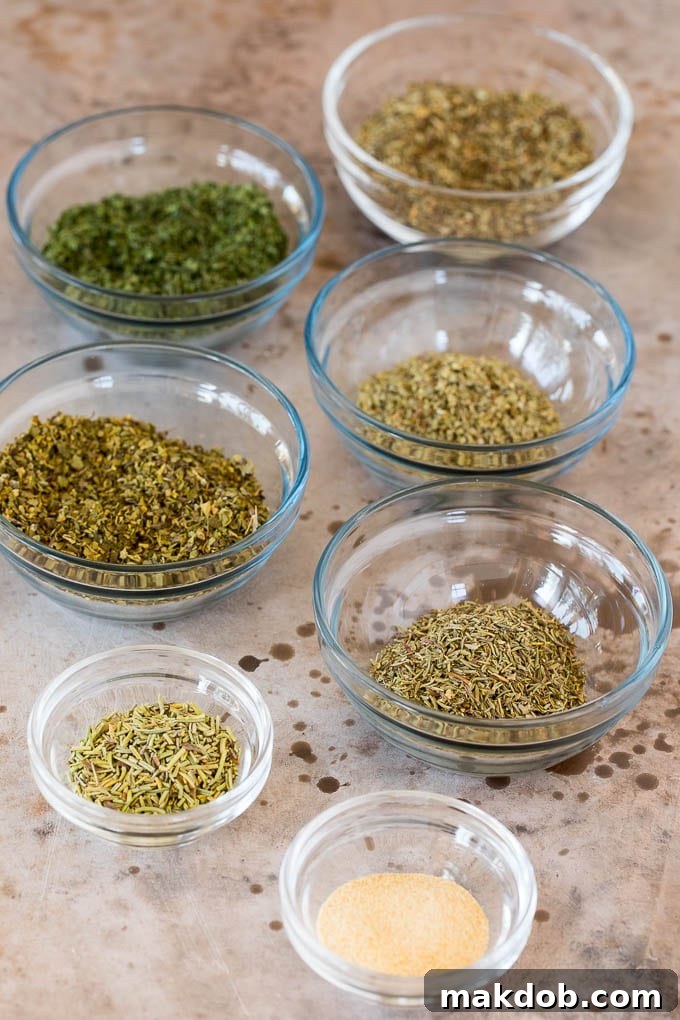
- Gather Your Herbs: Start by measuring out all the specified dried herbs and garlic powder. Accuracy in measurement is important for achieving a balanced flavor profile.
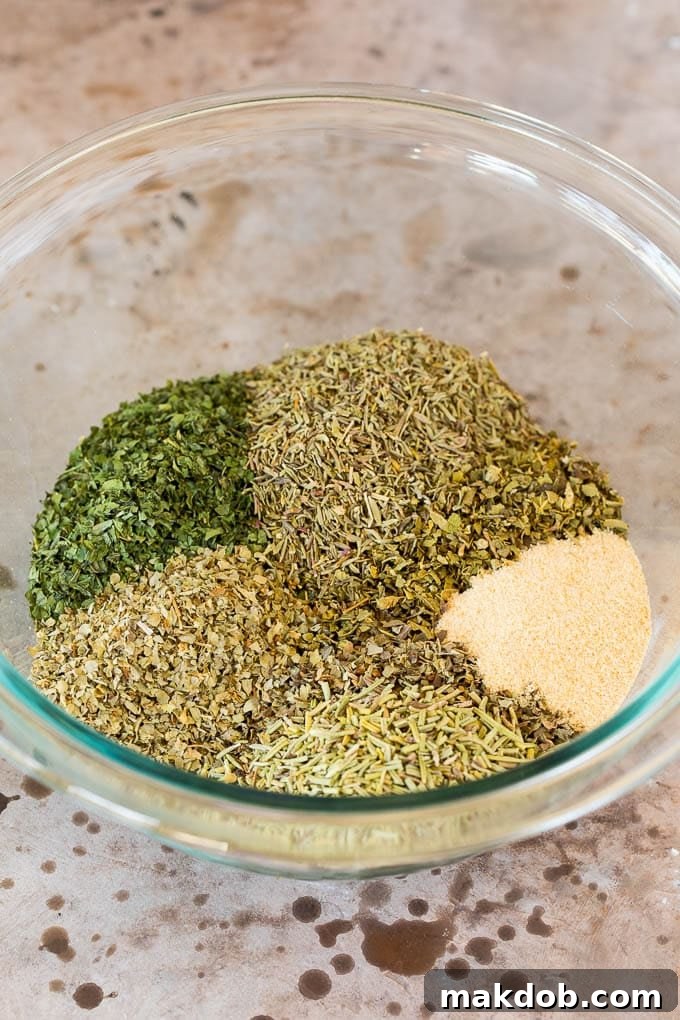
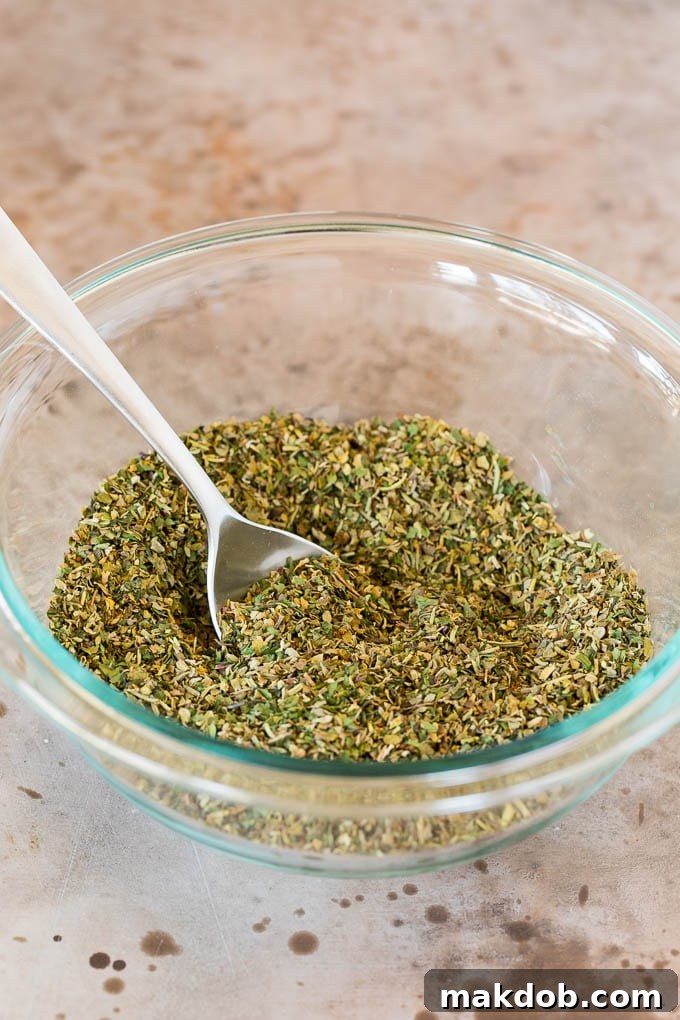
- Combine Thoroughly: Place all the measured ingredients into a small mixing bowl. Using a spoon or a small whisk, stir vigorously until all the herbs and spices are uniformly combined. Ensure there are no clumps of individual ingredients and that the blend looks consistent in color and texture.
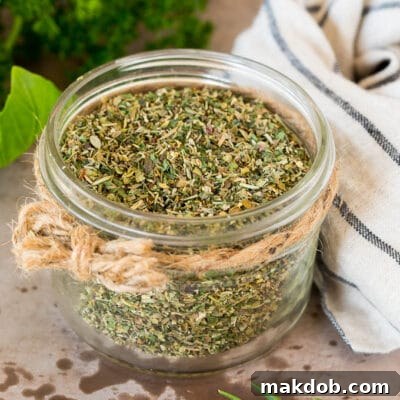
- Store Properly: Once mixed, your homemade Italian seasoning is ready for immediate use! For storage, transfer the blend into an airtight container or a jar with a tight-fitting lid. This is crucial for preserving its potency and freshness.
- Optimal Storage Conditions: Store the container in a cool, dark, and dry place, away from direct sunlight, heat, and moisture. A pantry or a spice cabinet is ideal. Avoid storing it above the stove, as the heat and steam can quickly degrade the quality of the herbs. When stored correctly, your homemade Italian seasoning will maintain its vibrant flavor and aroma for up to 6 months.
Expert Tips for a Perfect Italian Spice Blend and Optimal Storage
- Batch Size Matters: To ensure you always have fresh, potent seasoning on hand, I highly recommend making a double or even triple batch. This saves time in the long run and prevents you from running out when you need it most. Just be sure to scale all ingredients proportionally.
- Freshness is Key for Herbs: Contrary to a common misconception, dried herbs and spices do not last indefinitely. While they don’t spoil in the same way fresh food does, their essential oils—which provide flavor and aroma—evaporate over time. For the most vibrant results, aim to use dried herbs and spices that have been purchased within the last 3-6 months. Periodically check your spice cabinet for older ingredients and replace them as needed. You can test their potency by rubbing a small amount between your fingers; if the aroma is faint, it’s time for a fresh supply.
- The Power of Proper Storage: Light, heat, air, and moisture are the enemies of dried spices. Always store your homemade Italian seasoning in an opaque, airtight container in a cool, dark, and dry place. Glass jars with tight lids or specialized spice tins are excellent choices. This practice will significantly extend the shelf life and maintain the robust flavor of your blend.
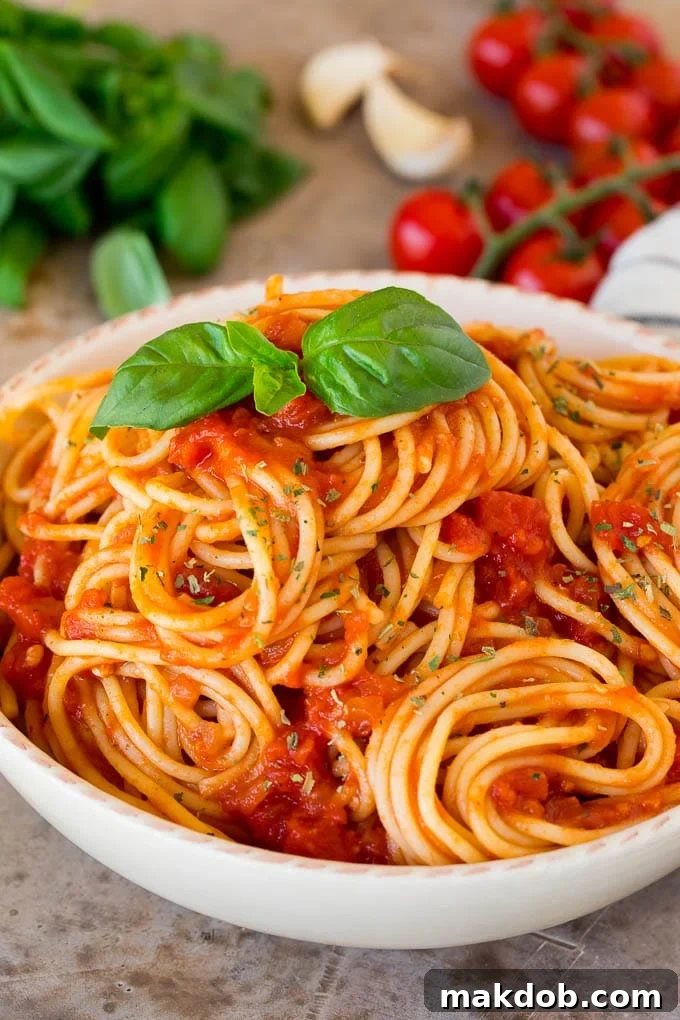
- Endless Culinary Applications: The versatility of Italian seasoning is truly limitless. Sprinkle it generously on chicken, steak, fish, or pork before grilling, roasting, or pan-frying. Incorporate it into marinades for meats and vegetables, or whisk it into salad dressings for an herbaceous kick. It’s also fantastic on roasted potatoes, bell peppers, zucchini, and other vegetables. Don’t forget to try it on homemade pizza, focaccia bread, or stirred into pasta sauces, soups, and stews. It’s even great sprinkled over scrambled eggs or avocado toast!
- General Usage Guideline: As a starting point, I suggest using approximately 1 teaspoon of Italian seasoning per pound of meat or per 2-3 cups of vegetables or sauce. However, seasoning is a matter of personal taste, so always adjust according to your preferences. Start with a smaller amount and add more as you taste and cook.
Elevate Your Culinary Creations: Exciting Flavor Variations for Your Italian Seasoning
While this recipe provides a perfectly balanced and classic Italian seasoning blend, the beauty of homemade is the freedom to customize. Feel free to experiment with these flavor variations to tailor the mix to your specific tastes or to complement particular dishes:
- Onion Powder or Dried Minced Onion Flakes: For an added layer of savory depth, consider incorporating 1/2 teaspoon of onion powder or 1 tablespoon of dried minced onion flakes. Onion powder will blend seamlessly, while minced flakes will add a bit of texture and a more pronounced onion flavor, especially when rehydrated in cooking.
- Lemon Pepper: To introduce a bright and zesty note, add up to 1/2 teaspoon of lemon pepper. The citrusy tang pairs wonderfully with Italian herbs, particularly in dishes featuring chicken or fish, bringing a refreshing twist.
- Dried Dill: Though not a traditional Italian flavor, a small addition of 1/2 teaspoon of dried dill can create an interesting and surprisingly compatible profile. Its fresh, slightly tangy notes can complement the other herbs beautifully, offering a unique herbaceous dimension.
- Ground Sage: If you enjoy the warm, earthy, and slightly peppery flavor of sage, and have it on hand, adding 3/4 teaspoon can give your Italian seasoning a more robust, rustic character. It’s particularly good for poultry or pork dishes.
- Crushed Red Chili Flakes: For those who appreciate a bit of heat, crushed red chili flakes are an excellent addition. Start with 1/4 to 1/2 teaspoon and adjust to taste to give your Italian seasoning a spicy kick, perfect for pasta sauces or pizzas.
- Fennel Seeds: A classic Italian flavor, especially in sausage, 1/2 teaspoon of lightly crushed fennel seeds (or ground fennel) can add a sweet, licorice-like aroma and taste, enhancing the authenticity for certain dishes.
- Black Pepper: While often added during cooking, a touch of freshly ground black pepper (1/2 teaspoon) can be incorporated into the blend for an immediate peppery kick and to enhance the overall spice profile.
With this incredibly simple and highly customizable recipe, you’ll discover that there’s no longer any need to settle for mediocre store-bought options. Keeping a jar of homemade Italian seasoning in your kitchen means you’re always just a sprinkle away from infusing your meals with authentic, vibrant flavors that speak of tradition and homemade goodness. Embrace the ease and superior taste – your taste buds, and your wallet, will thank you!
Recipes that Shine with Italian Seasoning
- Grilled Brussels Sprouts: A simple sprinkle before grilling transforms these into a savory side.
- Italian Chicken: The cornerstone spice for perfectly seasoned, tender chicken dishes.
- Smashed Potatoes: Adds an herby, aromatic crust to crispy smashed potatoes.
- Sauteed Green Beans: Elevates a humble vegetable side to something special.
- Italian Meatball Soup: Essential for the rich, comforting flavors of a classic Italian soup.
Italian Seasoning Recipe Card
Italian Seasoning
Pin
Time
Ingredients
- 2 tablespoons dried basil
- 2 tablespoons dried oregano
- 1 teaspoon garlic powder
- 2 teaspoons dried rosemary
- 2 tablespoons dried parsley
- 1 tablespoon dried thyme
- 1 tablespoon dried marjoram
Instructions
-
Place all of the ingredients in a small bowl. Stir until well combined.
-
Use immediately, or transfer to an airtight container and store in a cool, dry place for up to 6 months.