
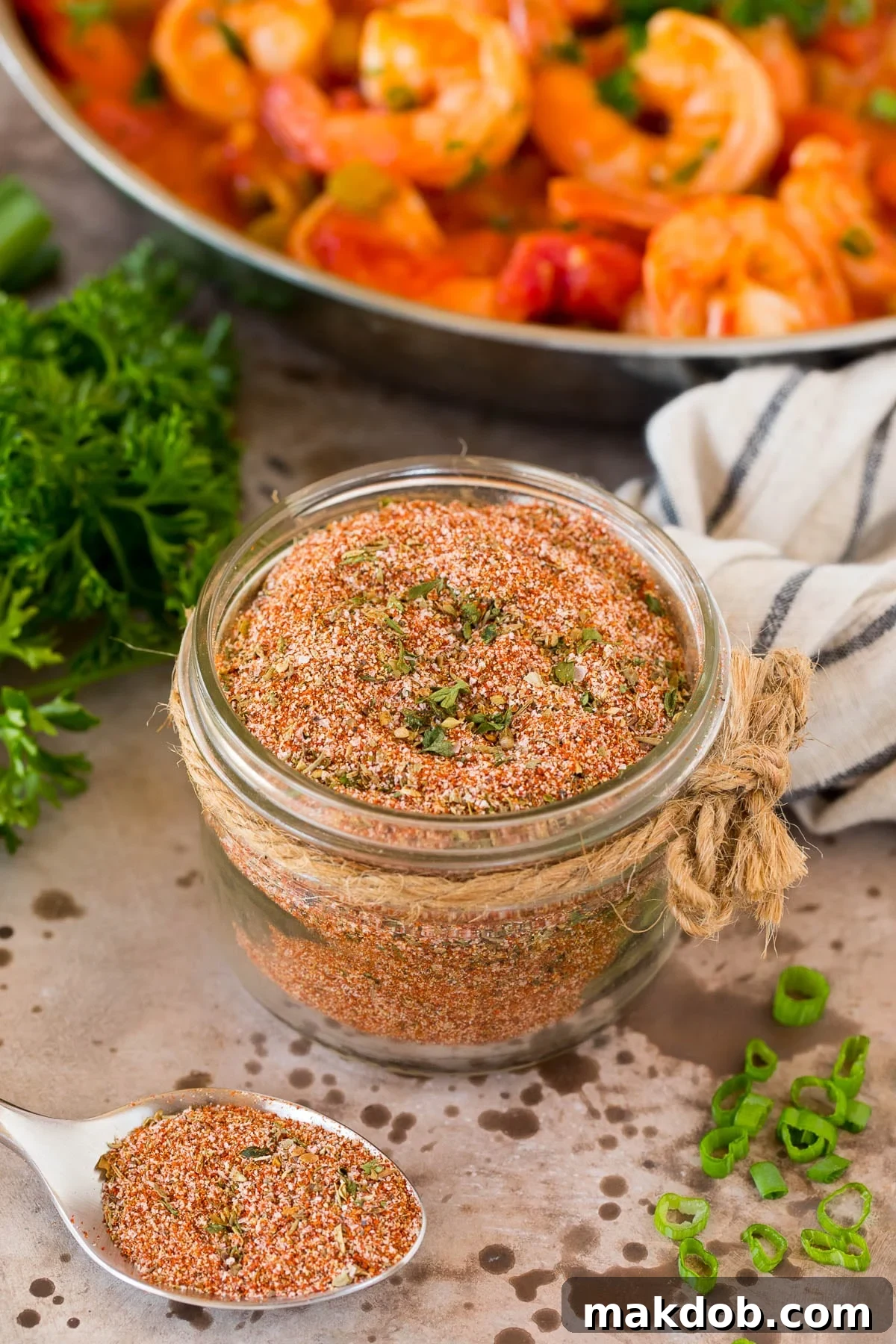
Homemade Creole Seasoning: Your Ultimate Guide to Authentic Flavor
There’s nothing quite like the vibrant, complex flavors of Creole cuisine, and at its heart lies a well-balanced seasoning blend. This homemade Creole seasoning is a savory symphony of herbs and spices, meticulously combined to create an all-purpose mix that will revolutionize your cooking. Forget the bland, often overly salty store-bought versions; crafting your own spice rubs and seasoning blends at home allows for unparalleled control over flavor, freshness, and quality. When you blend your own, you unlock a depth of taste that simply can’t be matched, making every dish from succulent chicken and fresh seafood to roasted vegetables sing with authentic Creole zest.
I am a firm believer in the power of homemade seasonings. They consistently deliver more potent and nuanced flavors than anything you can buy off the shelf. My kitchen pantry is always stocked with my own blends, including favorites like taco seasoning, BBQ rub, and Jamaican jerk seasoning. This Creole seasoning recipe holds a special place, as it’s my go-to for infusing dishes with that distinctive, lively Louisiana kick.
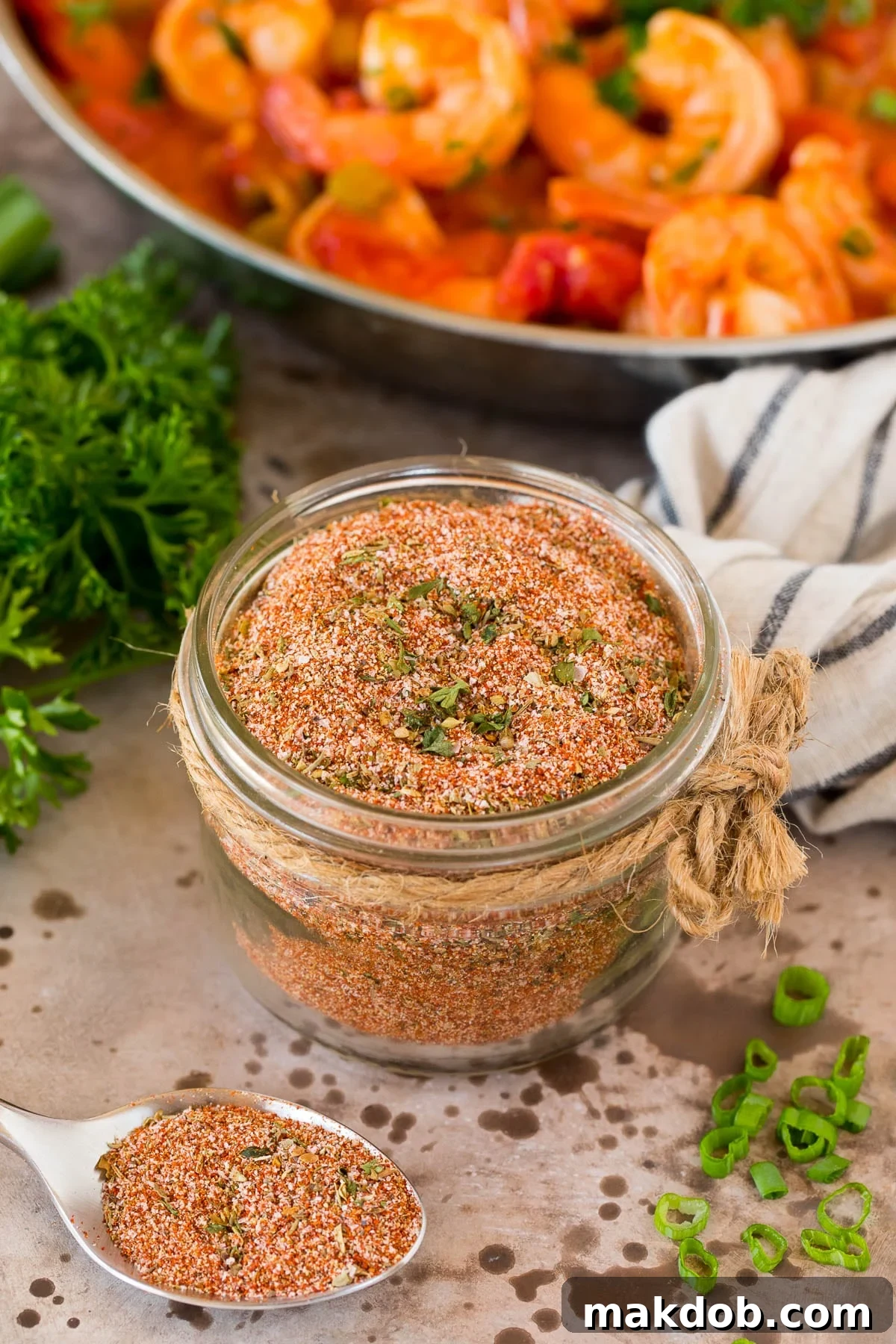
The Allure of Creole Cuisine: A Brief Background
Creole cuisine is a fascinating culinary tradition that originated in Louisiana, primarily in New Orleans. It’s a rich melting pot of French, Spanish, West African, Native American, and Caribbean influences, reflecting the diverse cultural tapestry of the region. Unlike its rustic cousin, Cajun cuisine, Creole cooking developed in urban settings and often features a wider array of ingredients, including tomatoes and rich sauces. Creole seasoning is a cornerstone of this culinary heritage, designed to enhance the natural flavors of proteins and vegetables with its aromatic and gently spicy profile. It’s a flavor passport to the heart of Louisiana, ready to transport your taste buds with every pinch.
Why Make Your Own Creole Seasoning?
While convenience often steers us towards pre-made products, the benefits of making your own Creole seasoning are undeniable and far-reaching:
- Unmatched Freshness and Potency: Store-bought spices can sit on shelves for extended periods, losing their aromatic oils and potency. When you grind and mix your own, you’re working with fresh ingredients, ensuring maximum flavor impact and a vibrant aroma in every meal.
- Complete Control Over Ingredients: Commercial blends often contain unwanted fillers, anti-caking agents, and excessive amounts of sodium. By making it yourself, you dictate exactly what goes in, allowing you to avoid undesirable additives and tailor the salt level to your preference or dietary needs. This ensures a healthier and purer blend.
- Customizable Flavor Profile: Do you prefer more heat? Less salt? A stronger herbaceous note? With a homemade blend, you can easily adjust the ratios to perfectly suit your palate, creating a truly personalized seasoning that’s ideal for your family’s tastes.
- Cost-Effectiveness: Buying individual spices in bulk and blending them yourself is often significantly more economical in the long run than repeatedly purchasing small containers of pre-mixed seasoning. A little upfront investment in quality spices goes a long way.
- The Joy of Creation: There’s immense satisfaction in knowing you’ve crafted something delicious and essential from scratch. It connects you more intimately with your food, the cooking process, and the culinary traditions you explore.
Essential Creole Seasoning Ingredients for a Perfect Blend
The magic of this Creole seasoning lies in its harmonious blend of readily available dried herbs and spices. You likely have most, if not all, of these staples in your pantry right now. Each component plays a crucial role in building the seasoning’s iconic flavor profile, contributing to its depth, warmth, and subtle kick:
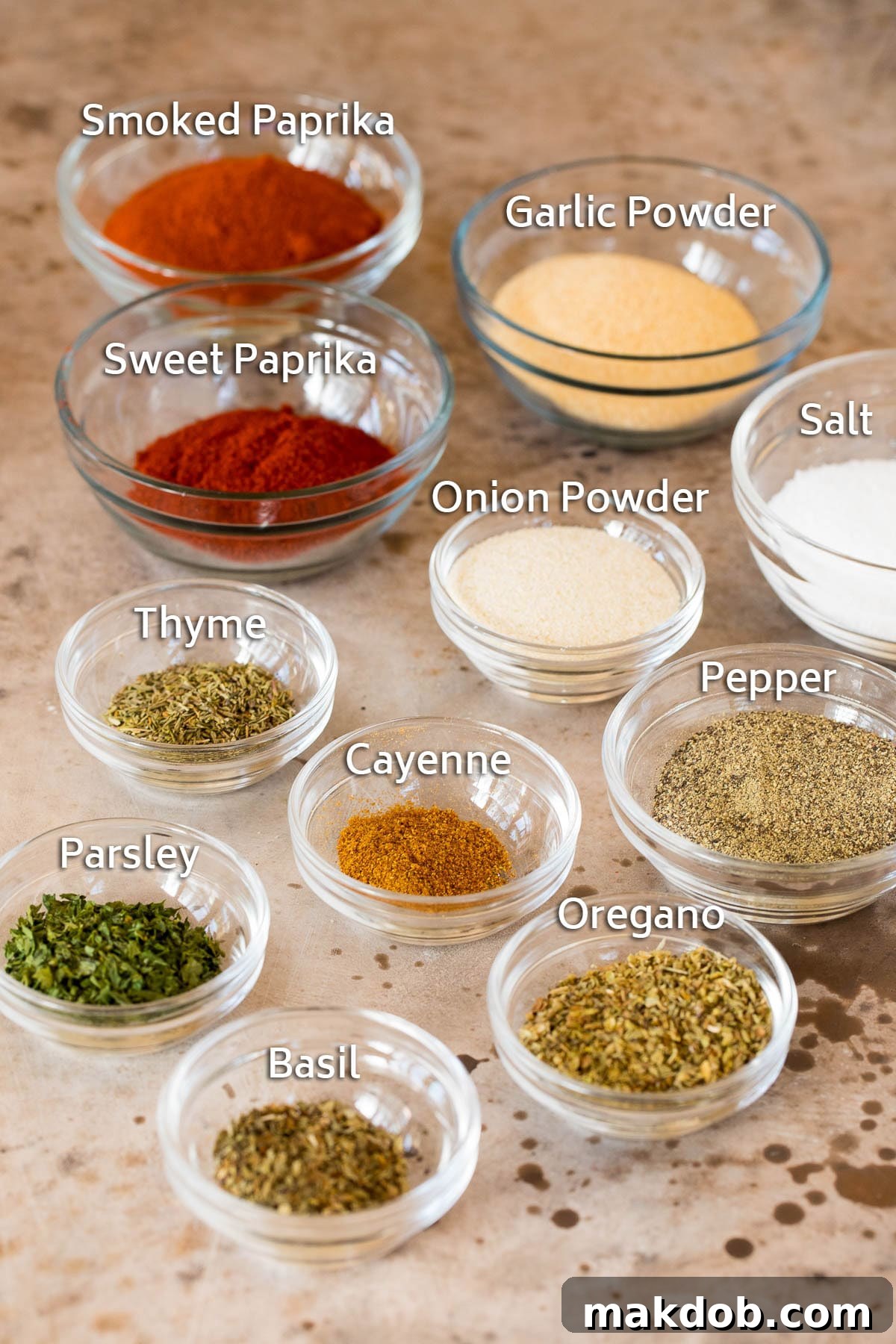
- Paprika (Sweet and Smoked): This duo is absolutely essential for a truly authentic Creole flavor. Sweet paprika provides a beautiful red hue and a mild, slightly sweet pepper flavor that forms the base. Smoked paprika (also known as Pimentón de la Vera), on the other hand, adds a deep, rich, smoky complexity and a savory undertone that elevates the entire blend. Using both varieties creates a multi-dimensional flavor that you won’t get with just one.
- Garlic Powder & Onion Powder: These two form the aromatic backbone of the seasoning. They offer a foundational savory depth and umami without the added moisture that fresh garlic or onion would introduce. They are key to the “holy trinity” of Louisiana flavors.
- Kosher Salt: A crucial flavor enhancer that balances all the other spices. We recommend kosher salt for its larger flakes, which make it easier to measure and distribute evenly throughout the mix. It’s less dense than table salt, providing a more controlled salinity.
- Freshly Ground Black Pepper: Provides a sharp, pungent bite and a subtle heat that complements the other warm spices. Freshly grinding your own black pepper offers vastly superior flavor and aroma compared to pre-ground versions, which often lose their volatile compounds quickly.
- Dried Herbs (Oregano, Thyme, Basil, Parsley): These herbs infuse the blend with earthy, herbaceous, and slightly floral notes, bringing a fresh brightness to the mix.
- Dried Oregano: You’ll often find “Mexican” or “Mediterranean” varieties in stores. For an authentic Creole taste, Mediterranean oregano (often labeled simply as “oregano”) is preferred for its milder, more balanced, and slightly minty flavor, though Mexican oregano (with its stronger, more earthy, and sometimes citrusy notes) will also work in a pinch.
- Dried Thyme Leaves: Adds a delicate, earthy, and slightly floral note that is characteristic of many Southern dishes. Its subtle flavor perfectly rounds out the blend.
- Dried Basil: Contributes a sweet, peppery, and slightly anise-like aroma. It adds an important layer of herbaceous complexity that sets Creole seasoning apart.
- Dried Parsley: Offers a fresh, clean, and slightly bitter finish, brightening the overall flavor profile and adding visual appeal.
- Cayenne Pepper: This is where the characteristic Creole “kick” comes from. Cayenne provides a clean, fiery heat. You have complete control here; adjust the amount to achieve your desired level of heat, from a gentle warmth to a fiery intensity.
Crafting Your Perfect Homemade Creole Seasoning Blend
Making your own Creole seasoning is incredibly straightforward, requiring just minutes of your time for a payoff in flavor that lasts for months. Here’s a simple, step-by-step guide to create your signature blend:
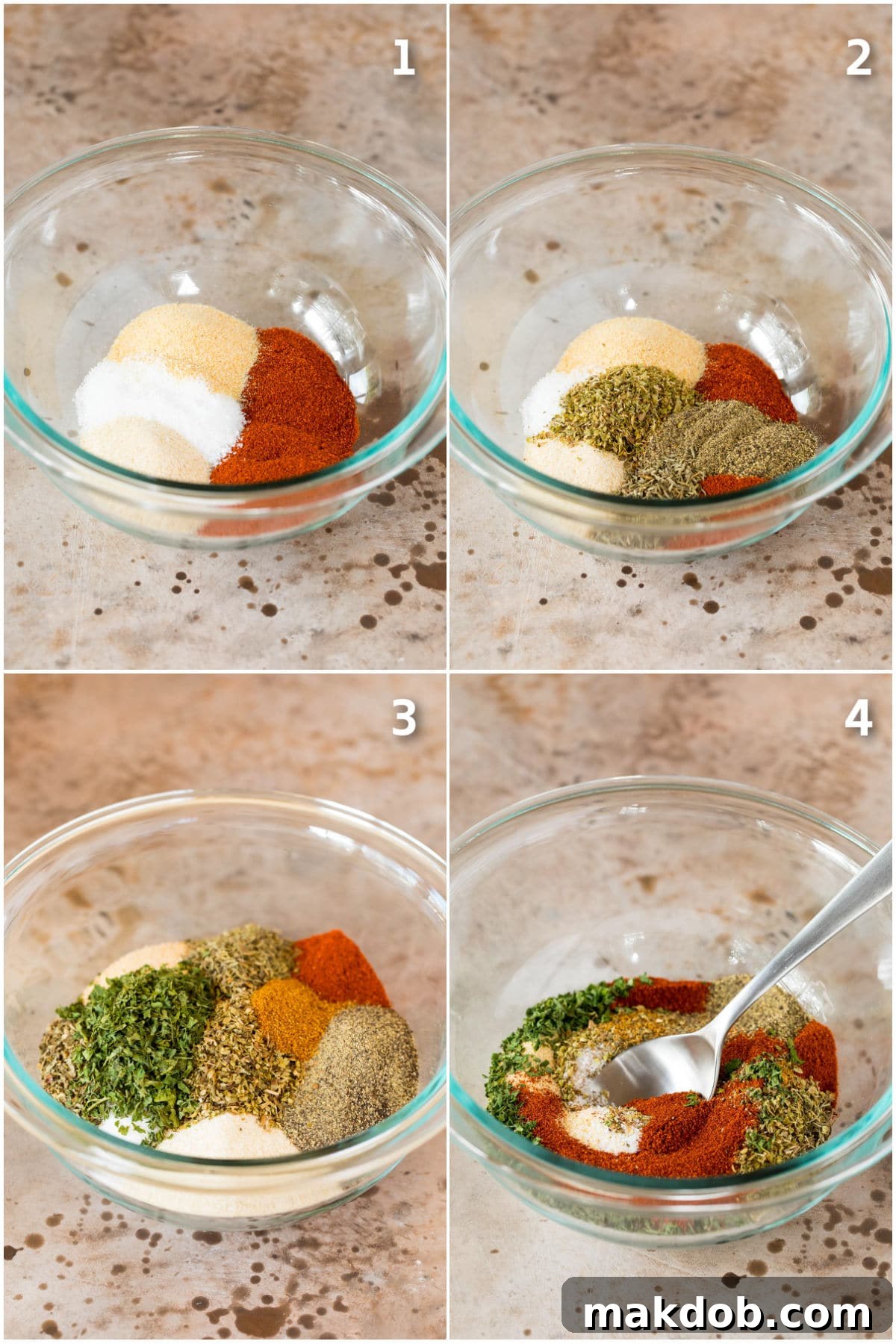
Preparation Steps:
- Gather Your Ingredients: Before you begin, measure out all the dried spices and herbs accurately. Having them ready in separate bowls ensures a smooth and efficient blending process.
- Combine in a Bowl: Carefully add all the measured ingredients – sweet paprika, smoked paprika, kosher salt, garlic powder, onion powder, black pepper, dried oregano, dried thyme, dried basil, dried parsley, and cayenne pepper – into a small to medium-sized mixing bowl.
- Whisk Thoroughly: Using a whisk or a spoon, vigorously stir and combine all the spices. Continue mixing until there are no visible clumps, and the mixture is uniform in color and texture. This step is crucial for ensuring even flavor distribution when you use your seasoning in cooking.
- Taste (Optional): For experienced cooks, a tiny pinch can be tasted to assess the balance of salt and heat, though this is not strictly necessary for dry rubs. Adjust cayenne as needed.
- Store Properly: Once thoroughly mixed, transfer your freshly made Creole seasoning into a clean, dry, airtight glass jar or container. Store it in a cool, dark place, away from direct sunlight and heat. Proper storage will help preserve its potency and freshness for several months.
Expert Tips for an Unforgettable Spice Blend
Achieving the perfect homemade Creole seasoning blend is simple with these expert tips:
- Batch It Up: I highly recommend making a double or even triple batch of this Creole seasoning. It’s so versatile and delicious that you’ll quickly find yourself reaching for it constantly, and having extra readily available in your pantry will save you time and effort for all your culinary adventures.
- The Paprika Advantage: Investing in both sweet and smoked paprika truly pays off in terms of flavor. While sweet paprika provides the classic color and mild flavor, the smoked variety adds an incredible depth, a nuanced, woody aroma, and a hint of savoriness that truly elevates the entire blend. Most well-stocked grocery stores carry both, and the difference is worth the extra expense.
- Oregano Insights: When selecting dried oregano, you’ll often encounter “Mexican” and “Mediterranean” varieties. For this traditional Creole recipe, opt for Mediterranean oregano if possible. Its milder, slightly sweeter, and more balanced profile complements the other herbs beautifully. However, if Mexican oregano is all you have, its stronger, more earthy notes will still yield a delicious result.
- Freshly Ground Pepper: For maximum flavor and a more pungent bite, always go with freshly ground black pepper. The difference between freshly ground and pre-ground is remarkable; fresh pepper offers a more vibrant and aromatic kick.
- Mind the Salt: This seasoning mix already contains a significant amount of kosher salt, which is a key component of Creole flavor. Be mindful of this and always taste your food before adding any additional salt when cooking with your Creole blend. It’s always easier to add more salt than to remove it from a dish!
- Customize the Heat: The specified amount of cayenne pepper in the recipe creates a Creole seasoning with a pleasant, mild to medium heat. If you prefer a milder blend, feel free to reduce or even omit the cayenne entirely. For those who love a fiery kick, gradually add extra cayenne pepper, tasting as you go, until you reach your desired level of spice. You can even add a touch of white pepper for a different kind of subtle heat.
- Label and Date: Always label your storage container with the name of the seasoning and the date it was made. This simple practice helps you keep track of its freshness and ensures you’re always using the most potent blend.
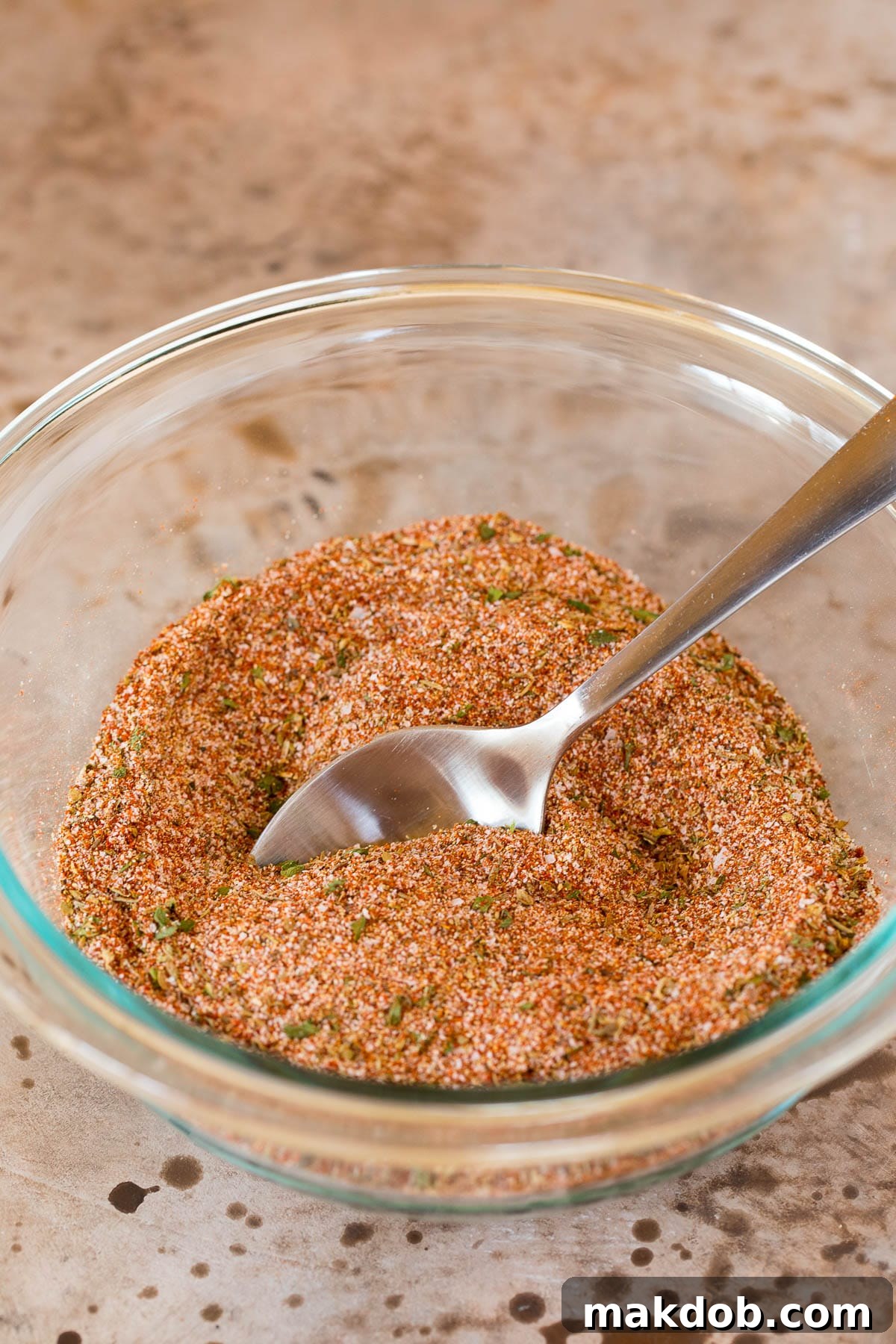
Creole Seasoning vs. Cajun Seasoning: What’s the Difference?
This is a common question, and while Creole and Cajun seasonings share many foundational ingredients, they have distinct characteristics reflecting their respective culinary traditions:
- Creole Seasoning: Generally, Creole seasoning is often described as having a more “refined” or “layered” flavor profile. It tends to be more herbaceous, often containing a wider array of dried herbs such as basil, oregano, parsley, and thyme, which contribute to its complex and aromatic nature. While it certainly includes cayenne, the heat level is typically milder and more balanced, allowing the savory, earthy, and herbal notes to shine through. Creole cuisine, with its urban origins in New Orleans, often incorporates ingredients like tomatoes and rich sauces.
- Cajun Seasoning: In contrast, Cajun seasoning is traditionally more rustic and heat-forward. It typically relies heavily on a robust blend of garlic powder, onion powder, paprika, and a more generous amount of cayenne pepper. While it may include some herbs, they are often less prominent, with the focus squarely on bold, spicy flavors and a stronger, more direct kick. Cajun cuisine originated in the rural areas of Louisiana and is known for its hearty, often spicier dishes that emphasize ingredients readily available from the land and sea.
In essence, while both are fantastic for adding Southern flair, understanding their subtle differences can help you choose the right blend to complement your specific dish and culinary vision. Creole seasoning leans towards herbal complexity, while Cajun seasoning leans towards spicy intensity.
Endless Ways to Use Your Homemade Creole Seasoning
The beauty of this homemade Creole seasoning lies in its incredible versatility. While it’s an indispensable staple for classic Louisiana dishes like jambalaya and gumbo, its balanced flavor profile makes it suitable for an astonishing array of culinary applications. Once you have a batch ready, you’ll find yourself reaching for it almost daily!
- For Proteins:
- Chicken & Poultry: Sprinkle generously over chicken breasts, thighs, or a whole roasted chicken before baking, grilling, or frying. It creates an irresistible, flavorful crust and infuses the meat with deep, aromatic flavor.
- Seafood: A match made in heaven for shrimp, various types of fish (such as cod, snapper, or catfish), oysters, and crab. Use it as a dry rub for grilling fish, sautéing shrimp, or even as a key component in a vibrant seafood boil.
- Pork & Beef: Excellent as a rub for pork chops, tenderloin, or even a slow-cooked pork shoulder. Try it on steak before grilling or pan-searing for a burst of Southern-inspired flavor that will delight your palate.
- For Vegetables:
- Roasted & Grilled: Transform simple vegetables into flavorful side dishes. Toss chopped broccoli florets, zucchini, bell peppers, mushrooms, cauliflower, or green beans with olive oil and a generous amount of Creole seasoning before roasting at 425°F (220°C) for 20-25 minutes, or until tender and beautifully browned.
- Potatoes: Cut Russet or Yukon Gold potatoes into thick wedges. Toss them with ¼ cup olive oil and 2-3 teaspoons of this seasoning. Bake on a greased sheet pan at 425°F (220°C) for 35-40 minutes until golden brown and wonderfully crispy. It’s also fantastic sprinkled over roasted sweet potatoes.
- In Marinades & Dressings:
- Versatile Marinade: Whisk together 1-2 tablespoons of Creole seasoning with ½ cup olive oil, ¼ cup lemon juice, 2 teaspoons minced fresh garlic, and 1 tablespoon Worcestershire sauce. This concoction creates an incredible marinade for chicken, steak, or shrimp, adding tenderizing properties and a powerful flavor boost.
- Salad Dressing: Mix a teaspoon into your favorite homemade vinaigrette for a zesty, unexpected, and truly unique twist that will awaken your salads.
- For Soups, Stews & Gumbos:
- Classic Creole Dishes: This seasoning is absolutely indispensable for creating authentic jambalaya, gumbo, étouffée, and red beans and rice. It forms the foundational flavor layer of these iconic Southern comfort foods.
- Everyday Soups: Stir a teaspoon or two into your favorite chicken noodle soup, hearty vegetable soup, or chili for an extra layer of warmth, complexity, and a delightful spicy nuance.
- In Pasta Dishes:
- Creamy Sauces: Add 1-2 teaspoons of Creole seasoning to your creamy Alfredo sauce, mac and cheese, or any cheese sauce for a spicy, savory kick that brightens the entire dish and adds a touch of the South.
- Pasta Primavera: Use it to season the vegetables in a light pasta primavera for an unexpected burst of flavor.
- For Breakfast & Snacks:
- Eggs: Sprinkle generously over scrambled eggs, omelets, frittatas, or even deviled eggs for a flavorful and exciting start to your day.
- Popcorn: A fantastic savory topping for freshly popped popcorn. Just a sprinkle adds incredible depth and a hint of spice.
- Nuts: Toss roasted nuts with a bit of olive oil and Creole seasoning before baking for an addictive and flavorful snack that’s perfect for entertaining or everyday munching.
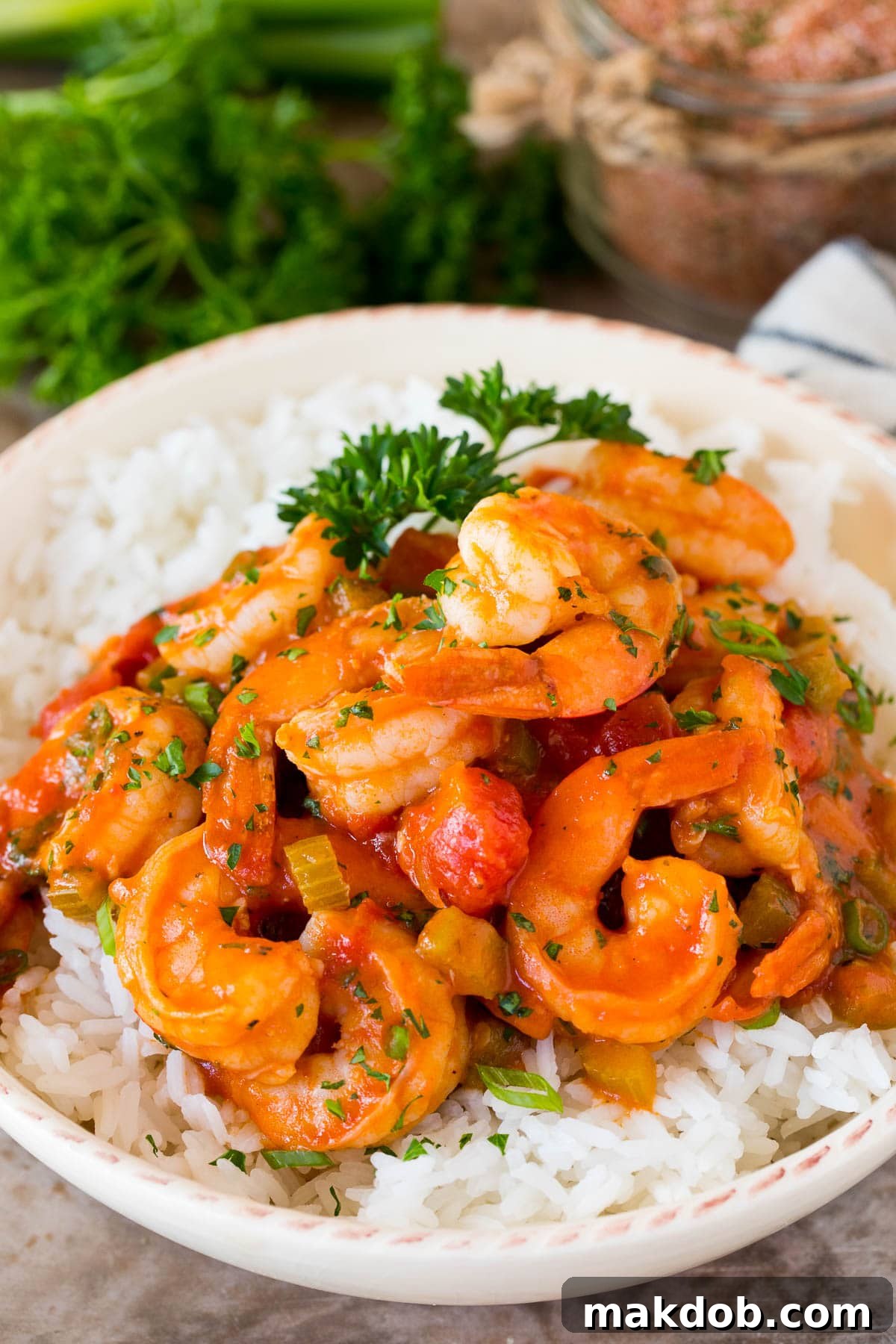
Once you experience the incredible flavor, freshness, and versatility of this homemade spice blend, it will quickly become a cherished staple in your kitchen. Get ready to add a magical sprinkle to countless favorite dinners and discover new culinary horizons!
More Homemade Spice Blends to Explore
If you love making your own seasonings and want to expand your homemade spice rack, here are a few more recipes to try:
- Brisket Rub
- Steak Seasoning
- Blackened Seasoning
- Turkey Rub
- Greek Seasoning
Homemade Creole Seasoning Recipe
Craft your own signature Creole blend with this easy-to-follow recipe, guaranteeing fresh, vibrant, and authentic flavors every time. This recipe yields a generous batch, perfect for multiple uses.
Creole Seasoning
Prep Time: 5 minutes
Cook Time: 1 minute
Total Time: 6 minutes
Course: Seasoning, Spice Blend, Rub
Cuisine: Creole, American, Southern
Serves: 8 (approximately 8 servings of 1-2 tbsp each)
Ingredients:
- 2 tablespoons sweet paprika (sometimes just labeled as “paprika”)
- 1 tablespoon smoked paprika
- 2 tablespoons kosher salt
- 1 1/2 tablespoons garlic powder
- 1 tablespoon onion powder
- 2 teaspoons ground black pepper (freshly ground is best for maximum flavor)
- 2 teaspoons dried oregano (Mediterranean oregano preferred)
- 1 teaspoon dried thyme leaves
- 1 teaspoon dried basil
- 2 teaspoons dried parsley
- 1/4 teaspoon cayenne pepper (adjust to taste for desired heat level)
Instructions:
- Place all of the measured ingredients (sweet paprika, smoked paprika, kosher salt, garlic powder, onion powder, black pepper, dried oregano, dried thyme, dried basil, dried parsley, and cayenne pepper) into a small mixing bowl.
- Stir thoroughly with a whisk or spoon until all spices are well combined and the mixture is uniform in color and texture. This ensures every pinch delivers a balanced flavor. Use immediately or transfer to an airtight container for storage.
Notes:
- Sweet paprika is often simply labeled as “paprika.” The “sweet” designation helps distinguish it from other varieties like hot or smoked paprika.
- This seasoning mix contains a sufficient amount of salt. Therefore, there is typically no need to add additional salt to your meat, seafood, or vegetables when using this blend for cooking. Always taste your dish before adding more.
- For optimal freshness and potency, store your homemade Creole seasoning in a cool, dark, and dry place in an airtight container. It will maintain its best quality for up to 6 months.
Nutrition Information (per serving, approximate):
- Calories: 21 kcal
- Carbohydrates: 4g
- Protein: 1g
- Fat: 1g
- Saturated Fat: 1g
- Sodium: 648mg
- Potassium: 101mg
- Fiber: 1g
- Sugar: 1g
- Vitamin A: 1397 IU
- Vitamin C: 1mg
- Calcium: 13mg
- Iron: 1mg
Did you make this recipe? We’d love to see your delicious creations! Share your culinary masterpieces with us on Instagram. Tag @dinneratthezoo and use the hashtag #dinneratthezoo to show off your flavorful dishes!
Share this irresistible Creole seasoning recipe with your friends and family:
Share on Facebook |
Share on Twitter |
Pin this Recipe