
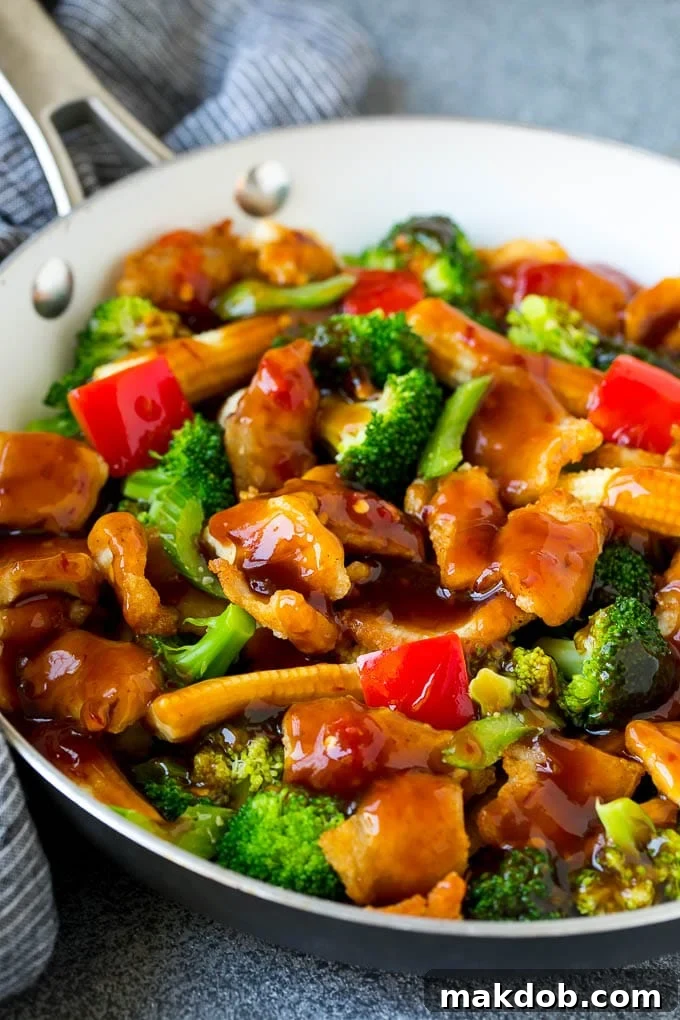
Hunan chicken stands out as a vibrant and flavorful dish, perfectly balancing savory notes with a fiery kick. This popular Chinese stir-fry, featuring thinly sliced chicken breast and a medley of fresh vegetables coated in a rich, spicy sauce, offers a delightful culinary experience. Recreating this restaurant favorite in your own kitchen brings the authentic taste of Hunan right to your dining table, allowing for customization to suit every palate.
For those who appreciate the art of homemade Asian cuisine, Hunan chicken is an absolute must-try. Alongside beloved classics like crispy homemade egg rolls and sweet and sour chicken, this fresh and zesty Hunan chicken recipe promises a burst of authentic flavors and a satisfying meal for the entire family. It’s a testament to how simple yet impactful home cooking can be, transforming everyday ingredients into an extraordinary dish.
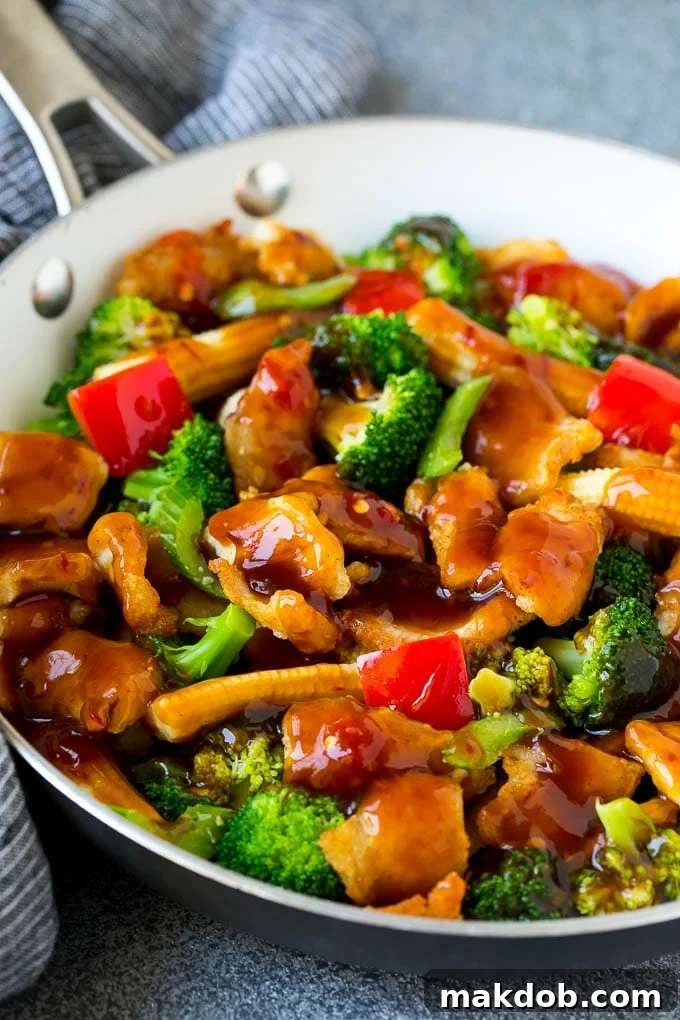
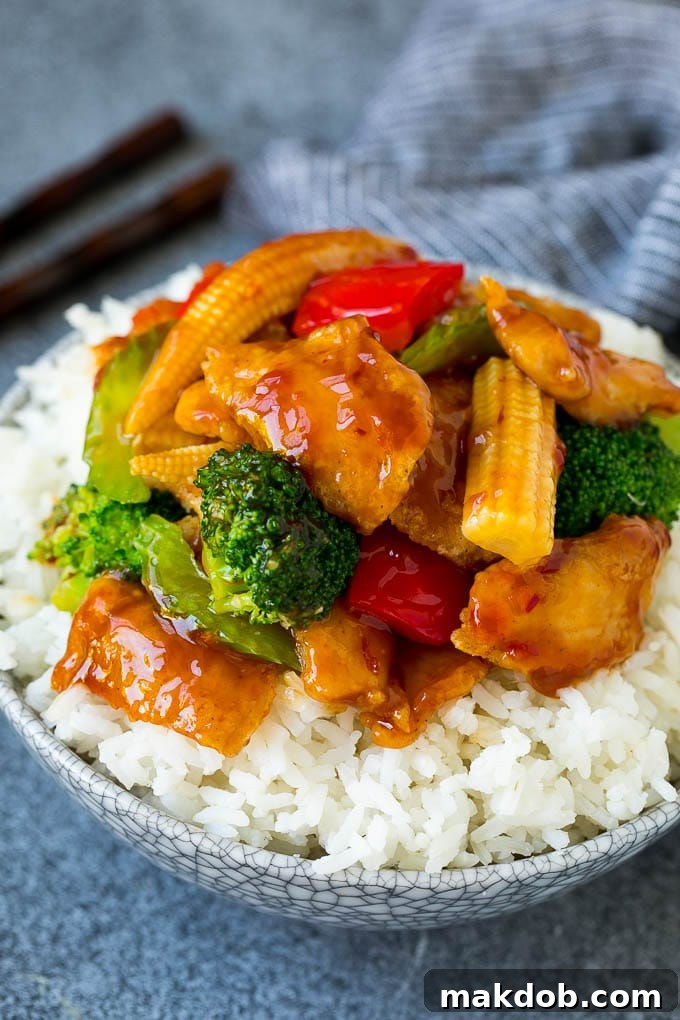
There’s a special satisfaction in replicating a beloved restaurant dish at home, and Hunan chicken is no exception. Each bite offers a harmonious blend of perfectly seared chicken, brightly colored, crisp-tender vegetables, and a robust, spicy sauce that truly captivates the senses. The beauty of this homemade version lies in its surprising simplicity and quick preparation. Serve it generously over a bed of fluffy steamed rice, and prepare for glowing reviews from everyone who tastes it!
What Exactly is Hunan Chicken? Discovering the Flavors of Hunan Cuisine
Hunan chicken originates from the Hunan province in China, a region celebrated for its bold and fiery culinary traditions. Unlike some other Chinese cuisines that might lean towards sweetness or mildness, Hunan cuisine is renowned for its generous use of chili peppers, creating intensely spicy and often tart flavor profiles. The provincial capital, Changsha, is at the heart of this culinary philosophy, influencing dishes that awaken the palate with their vibrant heat.
This delectable stir-fry perfectly embodies the essence of the Hunan region, masterfully combining hot and sour elements within its signature sauce. What sets Hunan chicken apart is not just its spice, but also its emphasis on fresh, wholesome vegetables. The dish typically features a generous assortment of crisp, colorful produce, ensuring a balanced meal that is both nutritious and incredibly satisfying. It’s an ideal choice for a quick and flavorful weeknight dinner, yet elegant enough to be shared with friends and family during a special gathering. One of the greatest advantages of preparing Hunan chicken at home is the complete control you have over the spice level. Whether you prefer a gentle warmth or an exhilarating blaze, you can easily adjust the amount of chili paste to match your personal preference, making it perfect for every spice tolerance.
Crafting Your Own Hunan Chicken: A Step-by-Step Guide
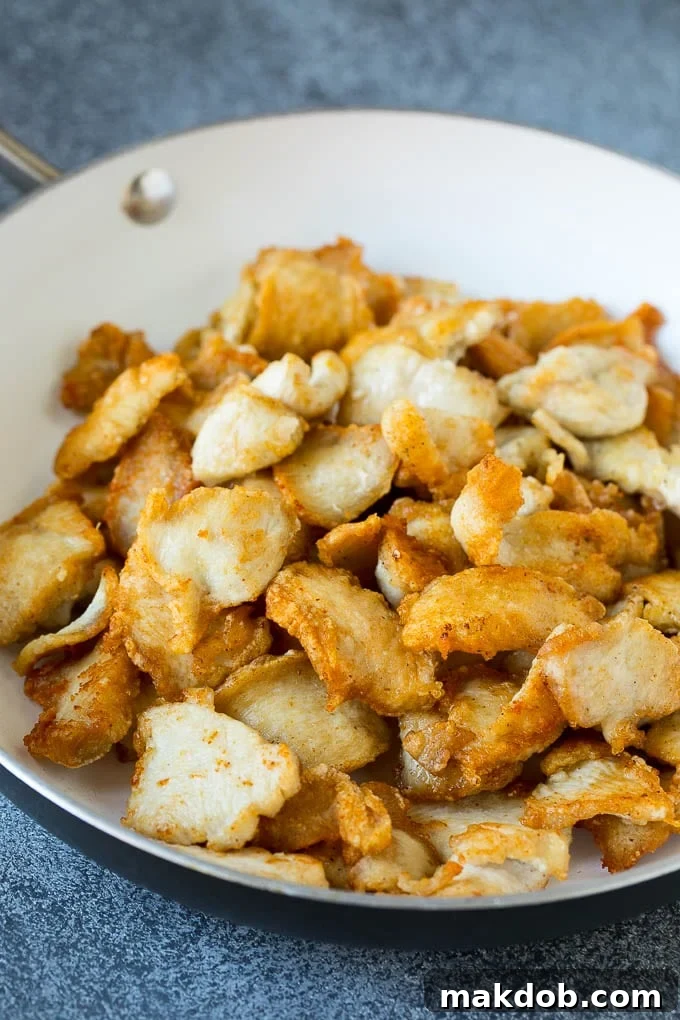
Creating this authentic Hunan chicken dish at home is a straightforward and rewarding process. It begins with selecting high-quality boneless, skinless chicken breasts, which are then thinly sliced. This crucial step ensures that the chicken cooks quickly and evenly, absorbing the flavors of the stir-fry sauce beautifully. The thinly sliced chicken is then lightly coated in cornstarch, a technique that not only helps to create a delicate crispy crust when pan-seared but also locks in moisture, resulting in tender, succulent chicken pieces. After coating, the chicken is pan-seared over high heat until it achieves a perfect golden-brown hue, signaling its readiness to mingle with the vibrant vegetables.
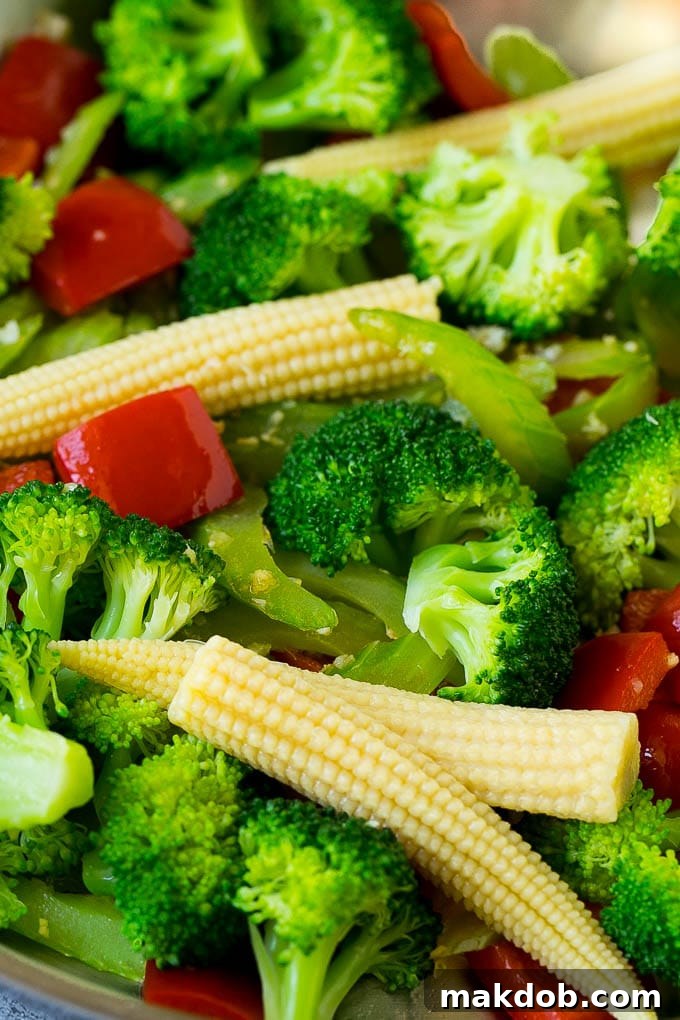
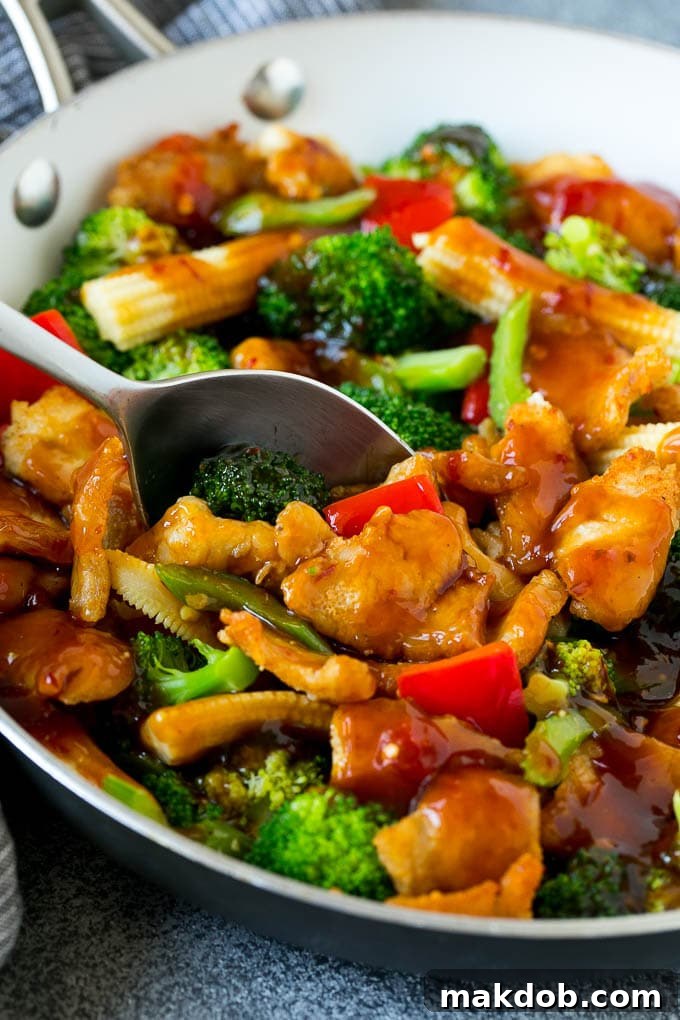
Once the chicken is seared and set aside, the attention shifts to the colorful array of fresh vegetables. A typical Hunan chicken stir-fry incorporates a delightful mix, often including crisp broccoli florets, vibrant red bell peppers for a touch of sweetness and crunch, and tender baby corn. These vegetables are quickly stir-fried in the same pan, allowing them to become tender-crisp while retaining their nutritional value and bright colors. The quick cooking process ensures they are never overdone. Finally, a simple yet profoundly flavorful sauce is prepared by whisking together chicken broth, rich oyster sauce, a kick of chili paste, a hint of honey for balance, and savory soy sauce. This exquisite sauce is then poured over the chicken and vegetables in the pan, and everything is gently simmered together. As the sauce heats, the remaining cornstarch in the recipe works its magic, thickening the sauce to a perfect consistency that clings beautifully to every piece of chicken and vegetable. Serve this incredible dish immediately, perhaps garnished with some fresh scallions or sesame seeds, and savor every bite of this homemade Chinese masterpiece.
Essential Tips for a Perfect Hunan Chicken Stir-Fry
- Achieving Perfectly Thin Slices: To make slicing chicken breast thinly an effortless task, place the chicken in the freezer for about 20-30 minutes before you begin. This semi-freezing process firms up the meat, allowing you to achieve uniform, delicate slices that cook quickly and evenly, absorbing all the delicious sauce.
- Searing for Success, Not Steaming: When cooking the chicken, it’s crucial to avoid overcrowding the pan. If too many pieces are added at once, the temperature of the pan will drop, causing the chicken to steam rather than sear. To get that desired golden-brown crust and tender interior, cook the chicken in batches, allowing enough space for each piece to brown properly.
- Mastering Your Spice Level: Hunan chicken is known for its heat, but you have full control over how spicy you want your dish to be. The recipe typically calls for 2 teaspoons of chili paste, which usually delivers a medium level of heat that is enjoyable for most. If you prefer a milder flavor, you can reduce the amount of chili paste. For those who crave an extra fiery kick, simply add another teaspoon (or more!) of chili paste to the sauce mixture until it meets your preferred intensity.
- High Heat is Your Friend: Stir-frying thrives on high heat. Ensure your pan or wok is thoroughly heated before adding any ingredients. This high temperature is essential for quickly searing the chicken and crisping the vegetables, preserving their texture and vibrant colors.
- Prep Everything Ahead: Stir-frying is a fast-paced cooking method. To ensure a smooth process, have all your ingredients prepped, chopped, and measured before you even turn on the stove. This is often referred to as “mise en place” and will prevent you from scrambling during cooking.
Hunan vs. Szechuan Chicken: Understanding the Distinct Differences
While both Hunan and Szechuan cuisines are celebrated for their spiciness, they offer distinct flavor profiles and culinary approaches. Szechuan cuisine originates from the Sichuan province, located to the west of Hunan, and is famous for its unique “mala” (numbing and spicy) flavor. This sensation comes from the generous use of Sichuan peppercorns, which create a tingling, numbing effect on the tongue, combined with dried chili peppers.
In contrast, Hunan cuisine, as exemplified by Hunan chicken, derives its heat primarily from fresh chilies or chili paste. It typically emphasizes a “gan la” (dry hot) and “suan la” (sour hot) flavor, often utilizing vinegar to achieve a characteristic tartness alongside the spice. Szechuan dishes frequently incorporate abundant garlic and onion, along with nuts like peanuts or cashews, and seeds such as sesame seeds, adding layers of texture and richness. Hunan cuisine, on the other hand, is generally characterized by its fresh, bold flavors and a heavy reliance on a wide variety of fresh vegetables. While both cuisines deliver an exciting spicy experience, understanding these nuances helps appreciate the distinct regional culinary traditions of China. Hunan chicken, with its clean, spicy-sour profile and vegetable-forward approach, offers a different, yet equally delicious, journey for your taste buds compared to its Szechuan counterpart.
Creative Variations for Your Chicken Stir-Fry
This Hunan chicken recipe is undeniably vibrant and delicious, offering a fantastic base for customization. Feel free to experiment with the ingredients to perfectly match your preferences and what you have on hand.
- Vegetable Power-Up: The beauty of a stir-fry lies in its versatility with vegetables. While broccoli, bell peppers, and baby corn are classic, consider adding other crunchy and colorful options. Carrots, thinly sliced onions, mushrooms, zucchini, snow peas, or even eggplant can all make wonderful additions, boosting the nutritional value and texture of your dish.
- Meat Alternatives: Not a fan of chicken, or simply looking for a change? This recipe works equally well with thinly sliced beef (such as flank or sirloin) or tender pork. Ensure these meats are also thinly sliced for quick and even cooking, and adjust cooking times as needed to prevent overcooking.
- Nutty Crunch: While not traditionally a staple in Hunan cuisine, a handful of toasted cashews, almonds, or peanuts can introduce a delightful textural contrast and a rich, nutty flavor to the stir-fry. Add them towards the end of cooking to maintain their crunch.
- Add a Citrusy Twist: For an extra layer of brightness, a squeeze of fresh lime or orange juice, or even a tablespoon of orange zest, can be added to the sauce just before serving. This complements the existing tart notes and adds a refreshing aroma.
- Spice Variations: If you’re looking for different types of heat, consider adding a pinch of dried red pepper flakes along with the chili paste, or even a dash of Sriracha for a garlicky-chili punch. For a more aromatic heat, fresh ginger can be minced and added with the garlic.
Hunan chicken offers an exciting and flavorful journey into Chinese stir-fry, packed with fresh vegetables and an invigorating spicy kick. With this adaptable recipe, you’ll discover that creating a restaurant-quality meal at home is not only achievable but also incredibly satisfying. Ditch the takeout menus and treat yourself to this wholesome and delicious dish!
Perfect Pairings: Serving Suggestions for Hunan Chicken
Hunan chicken, with its rich sauce and tender chicken and vegetables, pairs wonderfully with a variety of side dishes that can either soak up the flavors or provide a refreshing contrast. Here are some ideas to complete your meal:
- Steamed White Rice: The most classic accompaniment, plain steamed jasmine or basmati rice provides a neutral canvas for the bold flavors of the Hunan chicken sauce. Its light texture also helps to balance the spiciness.
- Brown Rice or Quinoa: For a healthier, fiber-rich option, serve your Hunan chicken with steamed brown rice or fluffy quinoa. These grains add a subtle nutty flavor and a heartier texture.
- Noodles: Turn your meal into a noodle bowl! Serve the chicken stir-fry over pan-fried noodles (chow mein style), soft lo mein noodles, or even thin rice vermicelli for a different experience.
- Cauliflower Rice: A fantastic low-carb alternative, cauliflower rice perfectly absorbs the spicy sauce while adding extra vegetables to your meal.
- Simple Green Salad: A light, crisp green salad with a ginger-sesame dressing can offer a refreshing counterpoint to the rich and spicy main dish.
- Potstickers or Spring Rolls: For an appetizer, homemade or store-bought potstickers or spring rolls make a great addition, continuing the Asian theme.
More Delicious Asian Dishes to Explore
- Flavorful Tofu Stir Fry
- Classic Mongolian Chicken
- Crispy Korean Fried Chicken
- Sweet Chili Chicken
- Quick Tofu Stir Fry
Rated 5 out of 5 stars by 66 users
Hunan Chicken
Pin Recipe
Save Recipe
Author: Sara Welch
This Hunan chicken is thinly sliced chicken breast with mixed vegetables in a savory and spicy sauce. A remake of the restaurant favorite that you can enjoy in the comfort of your own home.
Prep Time: 15 minutes
Cook Time: 20 minutes
Total Time: 35 minutes
Course: Main
Cuisine: Asian
Serves: 4
Ingredients
- 2 tablespoons vegetable oil
- 1 pound boneless skinless chicken breasts, thinly sliced
- 1/4 cup + 2 teaspoons cornstarch (divided use)
- Salt and pepper to taste
- 1 cup broccoli florets
- 1/2 cup celery, thinly sliced
- 1 red bell pepper, cored, seeded, and diced
- 1 cup canned baby corn, drained and halved
- 1 1/2 teaspoons minced garlic
- 1/2 cup chicken broth
- 2 tablespoons soy sauce
- 2 tablespoons oyster sauce
- 2 teaspoons rice vinegar
- 1 teaspoon honey
- 2 teaspoons chili paste (such as sambal oelek)
Instructions
- Place the chicken and 1/4 cup cornstarch in a resealable plastic bag; shake to coat evenly.
- Heat the vegetable oil in a large pan over high heat.
- Add the chicken to the pan in a single layer and season to taste with salt and pepper.
- Cook for 3-4 minutes per side or until browned. Cook in multiple batches if needed to avoid overcrowding.
- Remove the chicken from the pan and place on a plate lined with paper towels.
- Add the broccoli, celery, and bell pepper to the pan. Cook for 4-5 minutes or until vegetables are tender-crisp. Season with salt and pepper to taste. Stir in the baby corn. Add the garlic and cook for 30 seconds more, until fragrant.
- Add the cooked chicken back to the pan with the vegetables.
- In a small bowl, whisk together the chicken broth, soy sauce, oyster sauce, rice vinegar, honey, chili paste, and the remaining 2 teaspoons of cornstarch until smooth.
- Pour the prepared sauce over the chicken and vegetables in the pan; bring to a simmer. Cook for 1-2 minutes or until the sauce has thickened to your desired consistency. Serve immediately, ideally over steamed rice.
Nutrition
Calories: 230kcal | Carbohydrates: 8g | Protein: 26g | Fat: 10g | Saturated Fat: 6g | Cholesterol: 73mg | Sodium: 1007mg | Potassium: 639mg | Fiber: 1g | Sugar: 4g | Vitamin A: 1165IU | Vitamin C: 62.9mg | Calcium: 24mg | Iron: 1mg
Did you make this recipe? Tag @dinneratthezoo on Instagram and hashtag it #dinneratthezoo
Tweet
Pin