
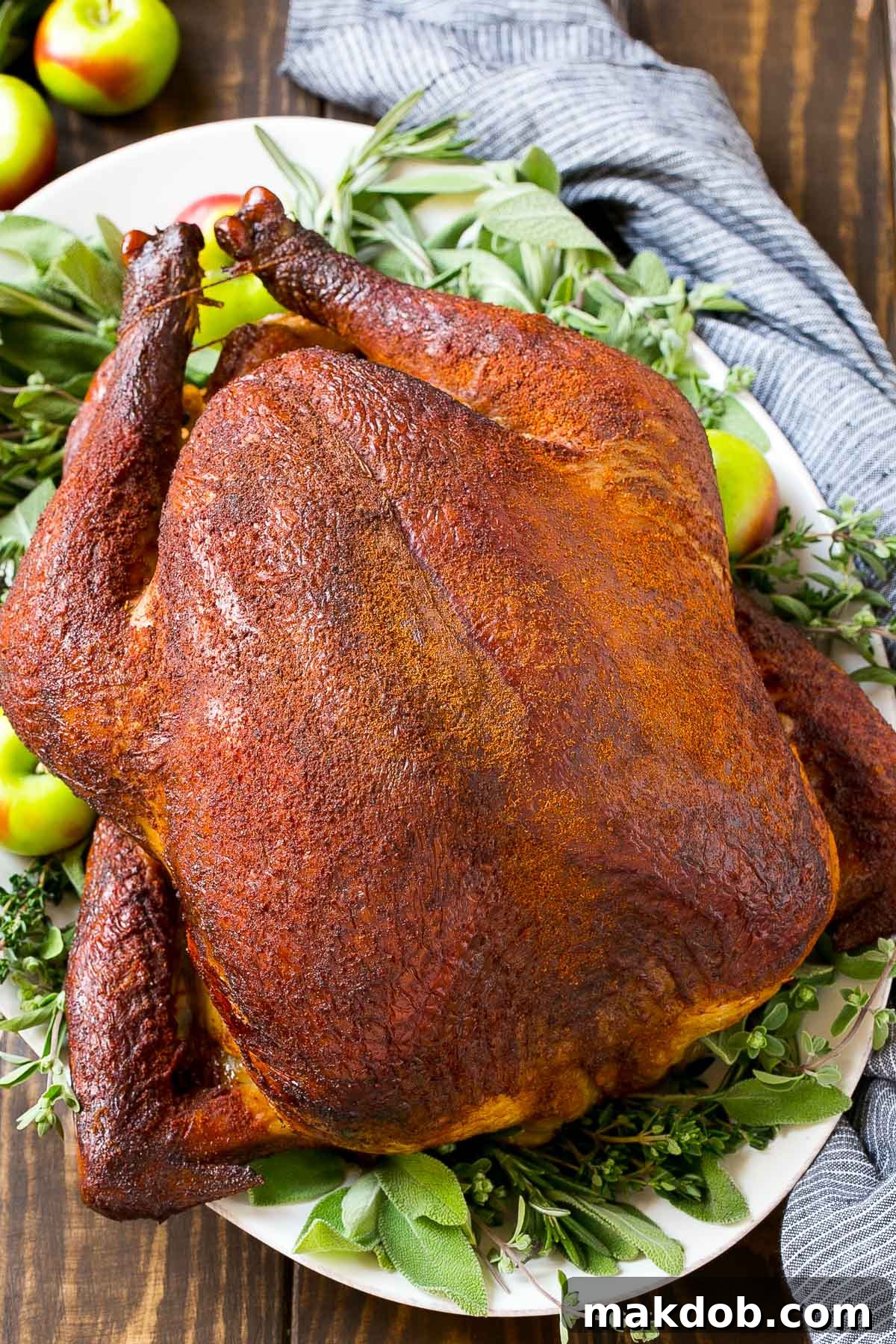
Unlock the secret to an unforgettable holiday meal with this sensational smoked turkey recipe. Imagine a whole turkey, lovingly coated in a rich, homemade spice rub, then slowly smoked to achieve unparalleled tenderness, juiciness, and a depth of flavor that a conventional oven simply can’t match. This isn’t just a meal; it’s a show-stopping centerpiece that promises rave reviews and, perhaps best of all, frees up precious oven space on your busiest cooking days. If you’re seeking to elevate your holiday feast beyond the standard roasted turkey, prepare to be amazed by the delicious simplicity and impressive results of a perfectly smoked bird.
Whether you’re a seasoned pitmaster or a complete novice in the world of smoking, this recipe is designed for success. We’ll guide you through each step, ensuring you produce a beautiful, flavorful turkey that will be the highlight of any Thanksgiving, Christmas, or special family gathering. Pair your succulent smoked turkey with classic sides like homemade cranberry sauce and watch as your guests delight in every bite.
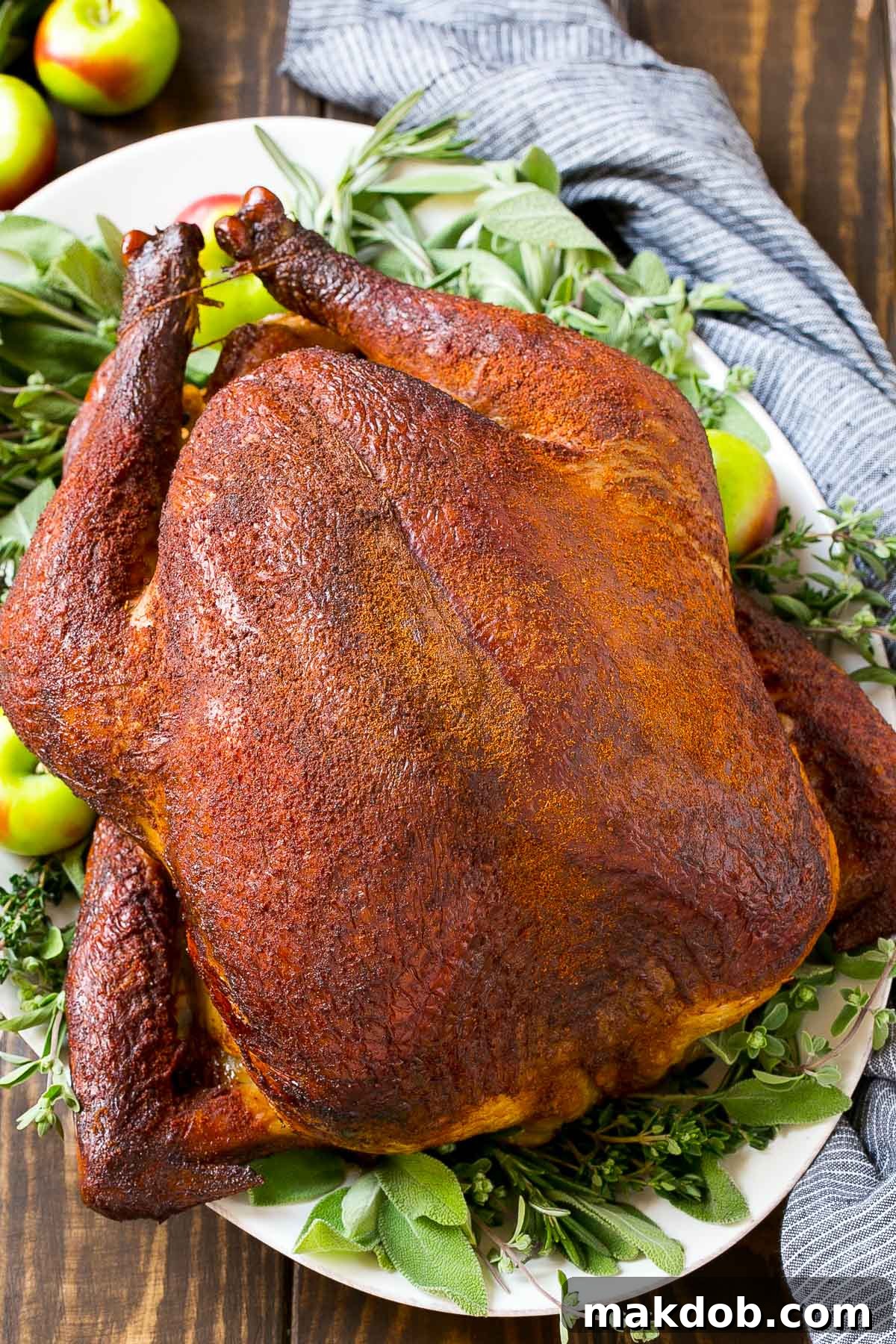
For years, I found myself wrestling with oven logistics during the holidays, dedicating hours to roasting a turkey and leaving little room for other essential dishes. That changed the moment I discovered the magic of smoking turkey. Not only does it produce a bird that’s incredibly moist and infused with smoky goodness, but it also brilliantly solves the oven space dilemma. The outcome is consistently fabulous, yielding a turkey that’s crispy on the outside, incredibly tender within, and boasts a flavor profile that truly stands out.
Essential Ingredients for a Perfect Smoked Turkey

Crafting the perfect smoked turkey starts with selecting high-quality ingredients and understanding their role in the overall flavor and texture. Here’s a detailed look at what you’ll need:
- Turkey Brine (Optional, but Highly Recommended): While you can smoke a turkey without brining, I wholeheartedly recommend this crucial extra step if time permits. Brining is a game-changer, infusing the turkey with significant flavor and moisture, acting as a safeguard against drying out in the smoker. My homemade turkey brine recipe is straightforward to prepare and yields exceptional results. A good brine typically consists of water, salt, sugar, and aromatics, working through osmosis to draw moisture into the meat, ensuring a juicy bird every time.
- Whole Turkey (12-14 pounds): The size of your turkey is vital for successful smoking. A smaller turkey, ideally between 12-14 pounds, is best for safety and even cooking. This specific weight range allows the turkey to pass through the critical temperature zone (40-140°F) within 4 hours, preventing potential bacterial growth before it fully cooks. When selecting, look for a fresh turkey if possible, or ensure a frozen one is fully thawed in the refrigerator well in advance (allow 24 hours per 4-5 pounds). Remember to remove the giblets and neck from the cavity before preparation.
- BBQ Rub: The spice rub is where much of the turkey’s signature smoky flavor will be enhanced. You can opt for my well-balanced homemade BBQ rub, or choose your favorite seasoning blend from the grocery store. Look for rubs with a good balance of sweet, savory, and a hint of spice, featuring ingredients like paprika, garlic powder, onion powder, brown sugar, and a touch of cayenne. Apply it generously over the entire surface of the bird for maximum flavor penetration and a beautiful crust.
- Onion (Quartered): Stuffing a quartered onion into the turkey cavity is a simple yet effective way to infuse subtle aromatic flavors into the bird as it slowly smokes. The steam from the onion helps to keep the interior moist and fragrant.
- Lemon (Quartered): Similar to the onion, a quartered lemon placed in the cavity introduces a bright, citrusy note that beautifully complements the rich turkey and smoke flavors, preventing the meat from tasting too heavy.
- Fresh Herbs (4 sprigs, e.g., Thyme, Rosemary, Parsley): Turkey and fresh herbs are a classic pairing for a reason. A blend of aromatic herbs like thyme, rosemary, and parsley tucked into the cavity further enhances the overall flavor profile, adding a fresh, earthy dimension to every bite.
- Chicken Broth (3 cups, for basting): If you decide not to brine your turkey, basting with chicken broth as it cooks will be crucial. This regular application of liquid helps to keep the turkey moist and prevents the skin from becoming too dry. Even with brining, a light basting towards the end can contribute to a beautiful, golden-brown skin.
- Cooking Spray: For preparing the disposable aluminum pan.
- Fresh Herbs for Garnish: A few extra sprigs of fresh rosemary or parsley elevate the presentation of your finished turkey.
Mastering the Art of Smoking a Turkey: A Step-by-Step Guide
Smoking a turkey is a rewarding culinary experience that, while requiring a bit of time, is surprisingly straightforward. Follow these steps for a perfectly cooked, incredibly flavorful bird:
-
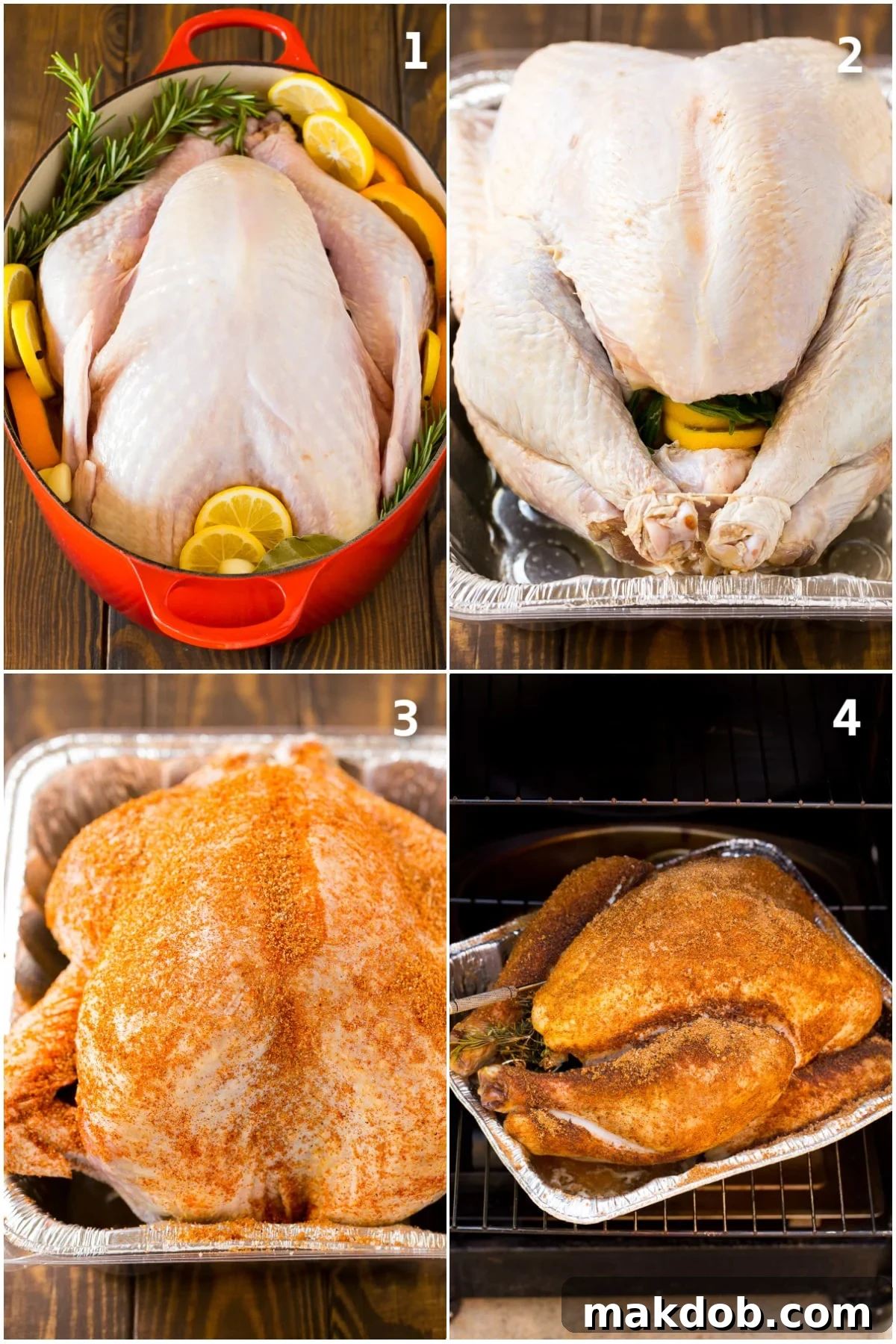
1. Brine Your Turkey (If Desired): If you’re opting to brine your turkey for maximum moisture and flavor, prepare the turkey brine according to the recipe directions. Submerge the turkey in the brine solution for 18-24 hours before you plan to cook it. Ensure the turkey is fully defrosted and patted dry before brining.
-
2. Preheat Your Smoker: About 30-45 minutes before you’re ready to cook, preheat your smoker to a consistent temperature of 250 degrees F (121°C). Load your smoker with your chosen wood chips or chunks; apple wood is highly recommended for its mild, sweet flavor that pairs beautifully with poultry. Other great options include cherry or pecan for a slightly sweeter smoke, or a subtle hickory if you prefer a bolder flavor.
-
3. Prepare the Turkey for the Smoker: Lightly coat a large, disposable aluminum pan with cooking spray. This not only aids in cleanup but also helps to collect delicious drippings for gravy. Carefully place the turkey into the prepared pan. Tuck the wing tips underneath the bird to prevent them from burning and ensure even cooking.
-
4. Flavor the Cavity and Truss the Bird: Stuff the cavity of the turkey with the quartered onion, lemon, and fresh herb sprigs (thyme, rosemary, or parsley). These aromatics will gently infuse the turkey with flavor from the inside out. Use kitchen twine to tie the legs together; this helps the turkey cook more evenly and makes for a more appealing presentation.
-
5. Apply the BBQ Rub: Generously sprinkle your homemade or store-bought BBQ rub all over the entire surface of the turkey. Don’t be shy – a good layer of rub creates a flavorful crust. Pat it gently to ensure it adheres well to the skin.
-
6. Smoke the Turkey: Carefully transfer the pan with the prepared turkey to the preheated smoker. Close the smoker lid and begin the cooking process. For a 12-14 pound turkey, expect smoking to take approximately 5-6 hours at 250 degrees F (121°C), or roughly 25-30 minutes per pound. If you did not brine your turkey, baste it with chicken broth every 30-45 minutes to maintain moisture. If you brined it, basting is optional as the brine will keep it juicy. Monitor the wood chips and refill as needed to maintain a consistent smoke.
-
7. Monitor Internal Temperature: The most crucial step is ensuring the turkey reaches the correct internal temperature. A thermometer inserted into the thickest part of the thigh (without touching bone) should register 165 degrees F (74°C). This is your sole indicator of doneness, as cooking times can vary based on smoker type and external conditions.
-
8. Prevent Over-Browning: If the turkey skin starts to get too dark before the internal temperature is reached, loosely cover it with aluminum foil. This will protect the skin from burning while allowing the internal meat to finish cooking.
-
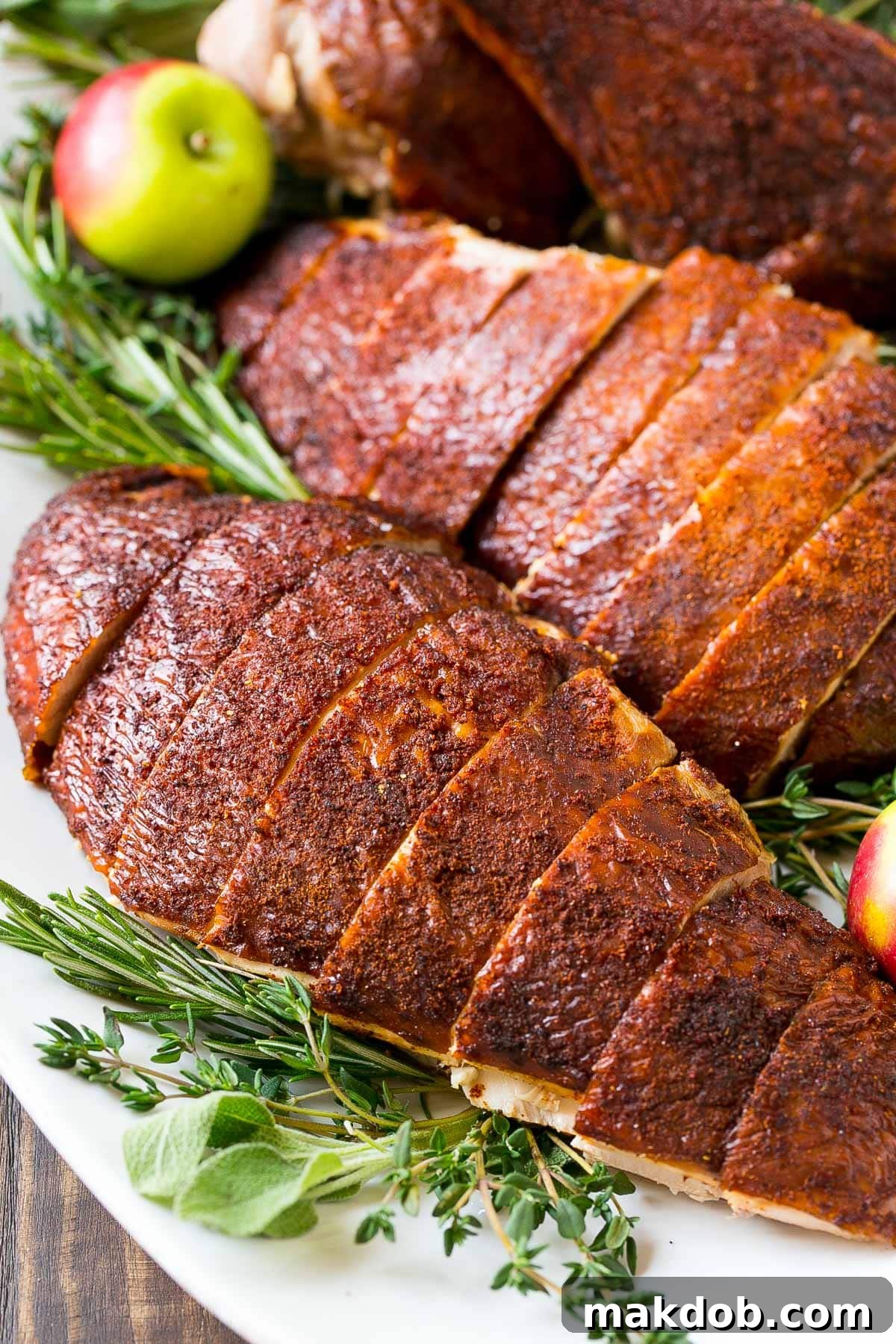
9. Rest and Serve: Once the turkey reaches 165 degrees F (74°C), remove it from the smoker. Tent it loosely with foil and let it rest for a minimum of 10-15 minutes (20-30 minutes is even better for larger birds) before carving. Resting allows the juices to redistribute throughout the meat, resulting in a more tender and flavorful turkey. Transfer to a serving platter, garnish with fresh herbs if desired, and serve immediately.
Pro Tips for Achieving the Best Smoked Turkey
To ensure your smoked turkey turns out exceptionally delicious and hassle-free, keep these expert tips in mind:
- Utilize a Disposable Pan: Smoking your turkey in a disposable aluminum pan is a game-changer for cleanup. It catches all the delicious drippings (perfect for gravy!) and prevents the need for scrubbing sticky grates. Plus, it makes transferring the hot turkey much easier.
- Invest in a Quality Probe Thermometer: A reliable probe thermometer is an absolute necessity for smoking turkey. Smoker temperatures can fluctuate, making cooking by time alone unreliable. Always cook to the internal temperature, not by the clock. A good probe thermometer with a remote monitor allows you to track the temperature without repeatedly opening the smoker, which helps maintain consistent heat and extends cooking time.
- Consider an Electric Smoker: For beginners, or anyone seeking convenience and precise temperature control, an electric smoker is an excellent choice. They are known for regulating heat well and are generally user-friendly, taking much of the guesswork out of the smoking process. Pellet smokers are also a fantastic option for ease of use and consistent results.
- Thawing is Key: If using a frozen turkey, ensure it is fully thawed before brining or smoking. The safest method is to thaw it in the refrigerator, allowing approximately 24 hours for every 4-5 pounds of turkey. Never thaw at room temperature.
- Pat Dry for Crispy Skin: Before applying the rub and placing the turkey in the smoker, thoroughly pat the turkey dry with paper towels. Drier skin allows the rub to adhere better and helps achieve that desirable crispy skin texture.
- Resting is Non-Negotiable: Do not skip the resting period! Tent the cooked turkey with foil and let it rest for 10-30 minutes after removing it from the smoker. This crucial step allows the meat fibers to relax and reabsorb the juices, ensuring a more tender, moist, and flavorful final product.
- Experiment with Wood: While apple wood is a classic choice, don’t hesitate to experiment with different types of smoking wood. Cherry wood offers a slightly sweeter, fruitier smoke, while pecan provides a richer, nutty flavor. For a bolder taste, a lighter touch of hickory can be used, but avoid overpowering the delicate turkey flavor.

Frequently Asked Questions About Smoked Turkey
Smoking a turkey is a slow and deliberate process, so planning ahead is key to ensure it’s ready by dinner time. Typically, a turkey smoked at 250 degrees F (121°C) will take approximately 25-30 minutes per pound. This means an average 12-14 pound turkey could take anywhere from 5 to 7 hours. However, this timing can vary significantly based on factors like your smoker’s efficiency, ambient weather conditions, and how consistently your smoker holds temperature. Always rely on a reliable meat thermometer to determine doneness, not just the clock.
For poultry, particularly turkey, I highly recommend using milder, fruitier woods that impart a sweet, delicate smoke flavor without overpowering the meat. Apple wood is a personal favorite for its mild and sweet profile, and it’s widely available. Other excellent choices include cherry wood, which adds a slightly sweeter, reddish hue to the skin, or pecan wood for a richer, nutty aroma. While hickory can be used, use it sparingly or mix it with a fruit wood, as it can be quite strong.
A smoked turkey is considered perfectly done when a thermometer inserted into the thickest part of the thigh, without touching the bone, registers an internal temperature of 165 degrees F (74°C). I highly recommend using a digital probe thermometer that you can leave in the turkey while it smokes. Many models come with a remote receiver, allowing you to monitor the temperature from inside your home without constantly opening the smoker, which helps maintain consistent cooking temperatures.
While not strictly mandatory, I prefer to baste my smoked turkey to guarantee an incredibly moist result. Nobody wants a dry holiday turkey! If you choose not to brine your turkey beforehand, basting with chicken broth every 30-45 minutes throughout the smoking process is highly recommended to keep the skin from drying out and to add moisture. If you have brined your turkey, you can generally skip the basting step as the brine will have already ensured excellent moisture retention.
A good rule of thumb for estimating turkey size is to plan for one pound of uncooked turkey per person. This typically allows for generous servings and a small amount of leftovers. If you’re hoping for ample leftovers for sandwiches, soups, or post-holiday meals, then increase your estimate to 1 1/2 pounds of uncooked turkey per person.
While technically possible, smoking turkeys larger than 14-15 pounds is generally not recommended. Larger birds take much longer to cook, increasing the risk of staying within the “danger zone” (40-140°F) for too long, which can lead to bacterial growth. It’s safer and yields better results to smoke two smaller turkeys rather than one very large one if you’re feeding a big crowd.
Allow any leftover smoked turkey to cool completely before carving and storing. Once cooled, carve the meat from the bone and store it in airtight containers in the refrigerator for up to 3-4 days. For longer storage, freeze the carved meat in freezer-safe bags or containers for up to 3 months. To reheat, gently warm the turkey slices in a covered dish with a splash of chicken broth to prevent drying out. Reheating in the oven at a low temperature (around 275°F/135°C) or in a skillet on the stovetop works well.
Exciting Flavor Variations for Your Smoked Turkey
This smoked turkey recipe is incredibly delicious as written, but it also serves as a fantastic canvas for customizing flavors to suit your personal preferences or holiday theme. Don’t hesitate to get creative!
- Spice Rub Alternatives: If you’re not in a traditional BBQ mood, the possibilities for seasoning are endless. This recipe works beautifully with a variety of other spice blends:
- Blackened Seasoning: For a bold, zesty, and slightly spicy kick, reminiscent of Louisiana cuisine.
- Creole Seasoning: Offers a rich and complex flavor profile with herbs, spices, and a medium heat level.
- Cajun Seasoning: Similar to Creole but often with a stronger emphasis on heat and a more rustic blend of spices.
- Lemon Herb Rub: Combine dried lemon peel, rosemary, thyme, garlic powder, and black pepper for a bright, aromatic twist.
- Garlic and Paprika Rub: A simple yet effective blend of smoked paprika, garlic powder, onion powder, salt, and pepper for deep savory notes.
- Brine Enhancements: The brine is another excellent opportunity to introduce different flavor dimensions:
- Sweeteners: Instead of traditional sugar, try honey, maple syrup, or even a touch of molasses for a richer, more complex sweetness.
- Additional Herbs: Expand beyond the basic sprigs. Bay leaves, sage, marjoram, or even a few sprigs of fresh oregano can add wonderful depth.
- Fruits and Citrus: Incorporate sliced apples, pears, orange, or tangerine segments into the brine for subtle fruity undertones that complement the turkey beautifully.
- Peppercorns & Spices: Add whole black peppercorns, coriander seeds, or a few star anise pods for an exotic twist.
- Cavity Stuffing Innovations: Beyond onion and lemon, other aromatics can be stuffed into the bird’s cavity to infuse flavor:
- Apples or Pears: Sliced apples or pears add a sweet, fruity steam that permeates the meat.
- Halved Garlic Head: For intense garlic lovers, a halved head of garlic (or even two!) will provide a profound aromatic essence.
- Root Vegetables: Chunks of carrots, celery, or parsnips can add earthy notes.
- Other Citrus: Orange slices or lime halves can offer different citrus dimensions.
- Leeks: The mild, sweet flavor of leeks can be a delightful addition.
- Fresh Ginger: A few slices of fresh ginger can add a unique, pungent warmth.
- Injecting for Flavor: For an extra boost of moisture and flavor deep within the meat, consider injecting the turkey with a mixture of melted butter, chicken broth, and your favorite herbs.
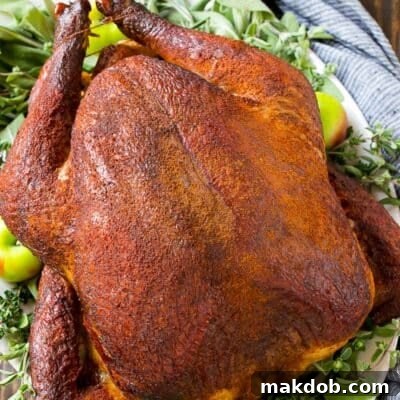
The result of this careful preparation and slow smoking is a beautifully browned turkey that is unbelievably tender, incredibly juicy, and bursting with layered flavors. Opting for a smoked turkey not only guarantees an unforgettable meal but also brilliantly frees up your oven, allowing you to bake all your beloved side dishes and desserts for the grand feast without a hitch. It’s a win-win for any holiday host!
More Delicious Recipes for Your Holiday Meal
- Crock Pot Ham
- Wild Rice Pilaf
- Bacon Green Bean Bundles
- Mashed Sweet Potatoes
- Corn Pudding
Smoked Turkey Recipe
Pin
Sara Welch
10 minutes
6 hours
6 hours 10 minutes
Main
American
12
Ingredients
- 1 recipe turkey brine (optional, if you choose to brine your turkey, you can skip the chicken broth basting)
- 12 lb whole turkey (giblets and neck removed)
- 1/2 cup BBQ rub
- 1 onion (quartered)
- 1 lemon (quartered)
- 4 sprigs fresh herbs (such as thyme, rosemary or parsley)
- 3 cups chicken broth (use if not brining your turkey)
- fresh herbs for garnish
- cooking spray
Instructions
- Prepare the brine according to recipe directions if you decide to brine your turkey. Let the turkey soak in the brine for 18-24 hours before cooking.
- Preheat the smoker to 250 degrees F (121°C). Load the smoker with apple wood or your preferred smoking wood.
- Coat a large disposable aluminum pan with cooking spray. Place the turkey in the pan and tuck the wings under the body.
- Stuff the cavity of the turkey with the onion, lemon, and herbs, then use kitchen twine to tie the legs together.
- Sprinkle the BBQ rub generously all over the surface of the turkey.
- Place the turkey in the smoker. Cook for 5-6 hours, basting with chicken broth every 30-45 minutes (if not brining), until a thermometer inserted into the thickest part of the thigh registers 165 degrees F (74°C). If you brine your turkey, you don’t need to baste it. Refill the wood chips as needed.
- If the turkey starts to get too dark, loosely cover it with foil.
- Let the turkey rest for 10-15 minutes (or up to 30 minutes for optimal juiciness) then transfer to a serving plate. Garnish with fresh herbs if desired, then carve and serve.
Notes
- This recipe works best with a turkey that is about 12-14 pounds in size. This is because a turkey must pass through the temperature range from 40-140 degrees F (4-60°C) within 4 hours of being in the smoker, otherwise it could start to spoil before it cooks through.
- A probe thermometer is a must-have when making smoked turkey. Smokers can sometimes be variable in temperature which affects the cooking time, so always go by the internal temperature rather than the time.
- I typically use an electric smoker as I find that they regulate heat well, and are easy to use, even for total beginners.
Nutrition
Tag @dinneratthezoo on Instagram and hashtag it #dinneratthezoo