
Authentic Hunan Chicken Recipe: Your Guide to a Spicy & Savory Homemade Stir Fry
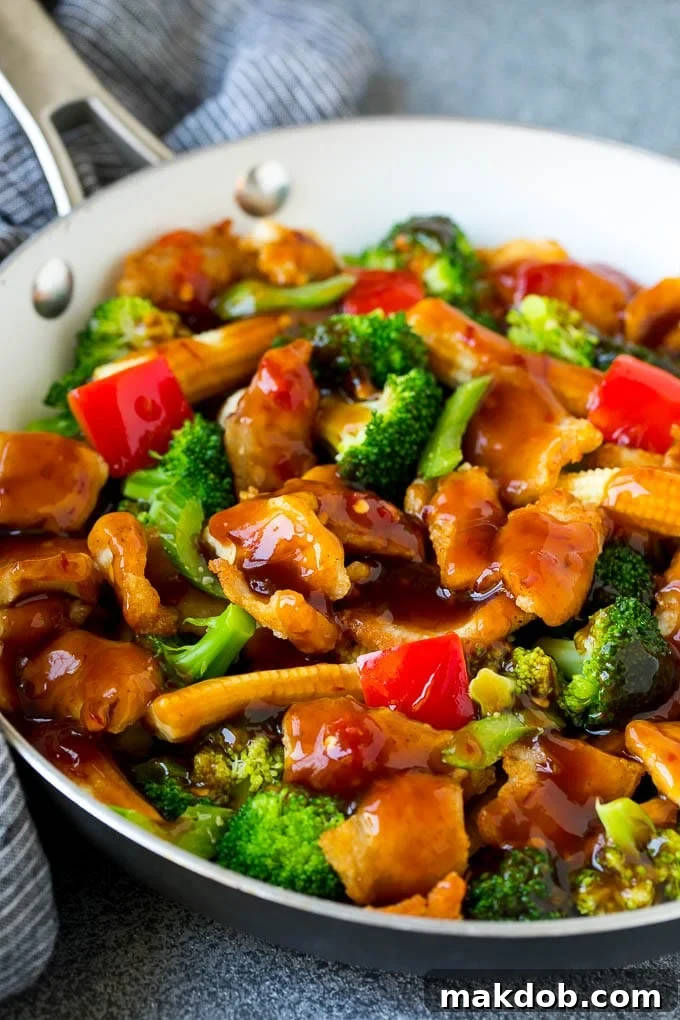
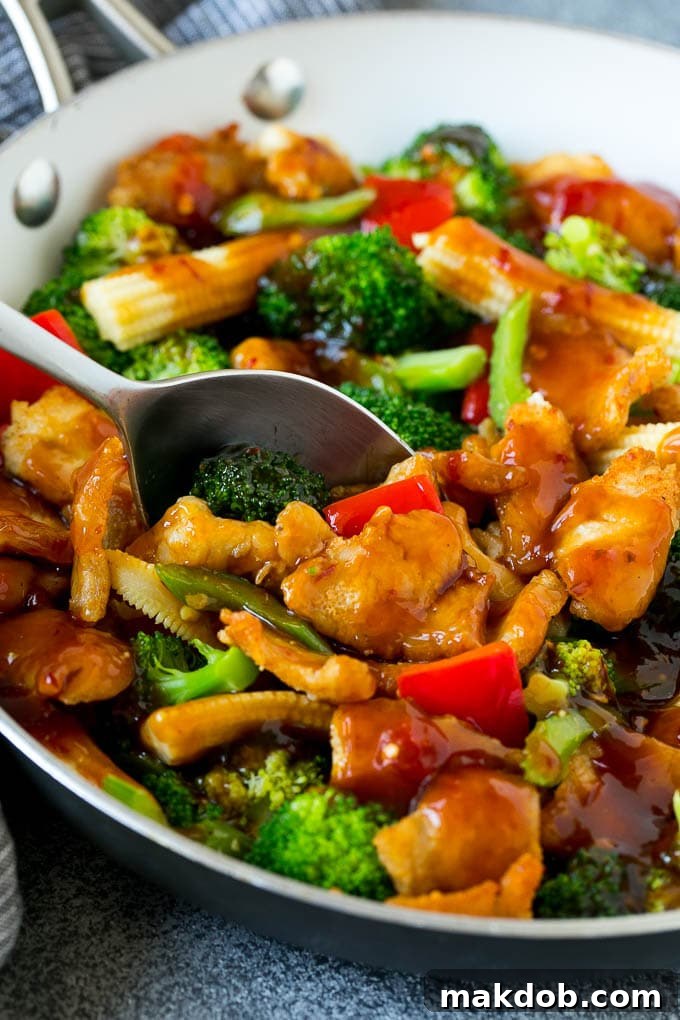
Craving the vibrant, bold flavors of Chinese cuisine but prefer the comfort of your own kitchen? Look no further than this incredible Hunan Chicken recipe. Featuring tender, thinly sliced chicken breast, an assortment of crisp, colorful vegetables, all bathed in a deeply savory and wonderfully spicy sauce, this dish is a delicious rendition of a beloved restaurant classic. Forget takeout – with our comprehensive guide, you’re just steps away from creating an authentic and unforgettable meal right at home.
For those who love to explore Asian flavors in their own kitchen, this Hunan Chicken stands proudly alongside other homemade favorites like crispy homemade egg rolls and classic sweet and sour chicken. This particular recipe brings a fresh, zesty, and fiery experience that will quickly become a staple in your dinner rotation, promising to satisfy your cravings for an exciting, home-cooked meal.
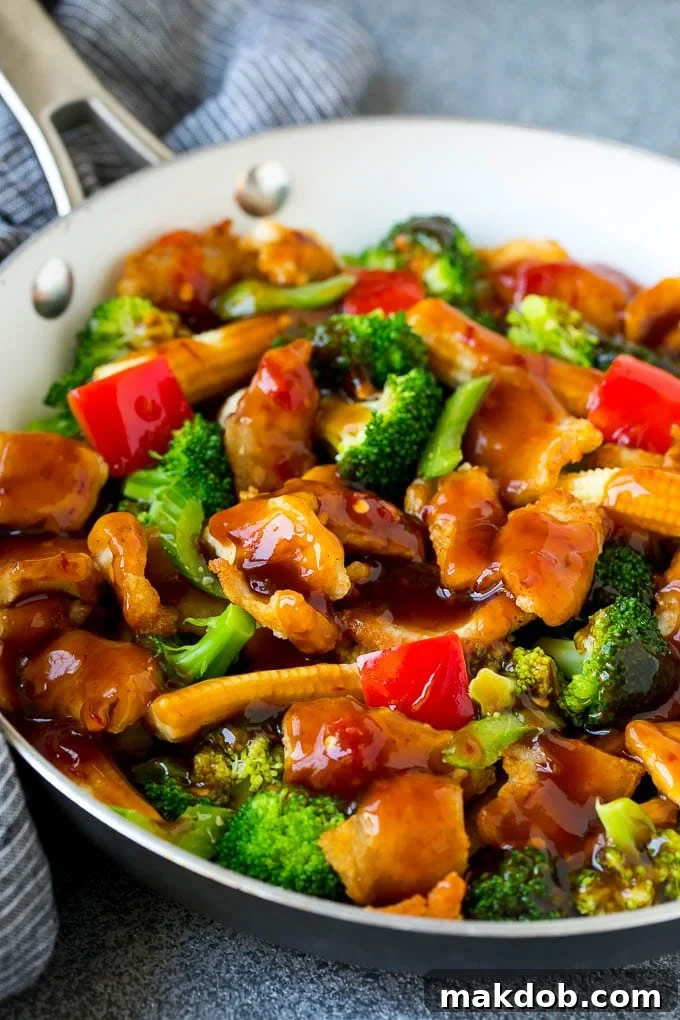
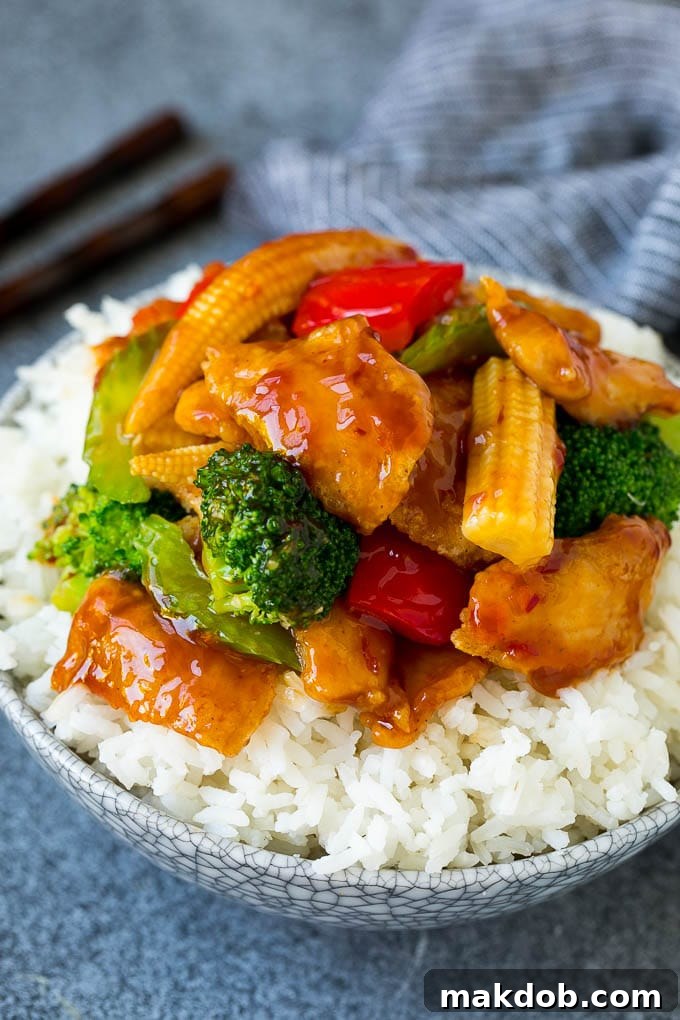
There’s a special satisfaction in recreating restaurant-quality dishes at home, and Hunan Chicken is no exception. The irresistible combination of perfectly seared chicken, a medley of fresh, crunchy vegetables, and that distinctive spicy-savory sauce creates a symphony of flavors and textures that simply can’t be beaten. What’s even better is how surprisingly straightforward this homemade version is to prepare. With minimal fuss and readily available ingredients, you can whip up this culinary masterpiece in under an hour. Serve it generously over a bed of fluffy steamed rice, and get ready for the compliments to pour in – your family and friends will think you secretly ordered takeout from the best Chinese restaurant in town!
What Exactly is Hunan Chicken? A Culinary Journey to Hunan Province
Hunan Chicken is a celebrated dish originating from the Hunan province in south-central China. This region is renowned for its culinary traditions, which are famously characterized by their liberal use of chili peppers, often resulting in incredibly spicy and aromatic dishes. Unlike some other Chinese cuisines that might temper heat with sweetness or numbness, Hunan cuisine typically emphasizes a drier, purer heat, often paired with tart and savory notes. This creates a complex flavor profile that is both invigorating and deeply satisfying, offering a direct yet nuanced heat that truly awakens the palate.
At its heart, Hunan Chicken is a vibrant stir-fry that expertly blends the “gan la” (干辣 – dry heat) and sometimes “suan” (酸 – sour) elements characteristic of its home province. The dish typically features thinly sliced lean protein, most commonly chicken, which is quickly cooked to retain its tenderness, alongside a rich assortment of fresh, seasonal vegetables. The magic truly happens with the sauce – a carefully balanced concoction that delivers that signature hot and savory kick. Key components often include chicken broth, soy sauce for umami, oyster sauce for depth, rice vinegar for tartness, a touch of honey for balance, and of course, a generous amount of chili paste, which provides the authentic Hunan spice without relying on obscure ingredients for home cooks.
This dish is not just about raw heat; it’s about a harmonious balance of flavors that excite and satisfy. The focus on fresh ingredients and rapid cooking techniques ensures that vegetables remain crisp-tender and the chicken perfectly succulent. It’s a versatile dish, perfect for a bustling weeknight dinner, offering a quick yet incredibly flavorful meal that’s both hearty and relatively healthy. Alternatively, it serves as an impressive dish to share with friends and family during a weekend gathering. One of the greatest advantages of preparing Hunan Chicken at home is the complete control you gain over the spice level. Whether you prefer a mild warmth or a fiery inferno, you can easily adjust the amount of chili paste to suit your personal preference, ensuring every bite is exactly to your liking, making it a customizable culinary adventure.
Crafting Your Own Hunan Chicken: A Step-by-Step Preparation Guide
Creating this authentic Hunan Chicken is a rewarding process, surprisingly straightforward for such a flavor-packed dish. The key lies in strategic preparation and rapid cooking, typical of stir-frying techniques, which preserve the freshness and texture of the ingredients.
1. Preparing the Chicken for Optimal Tenderness and Slicing
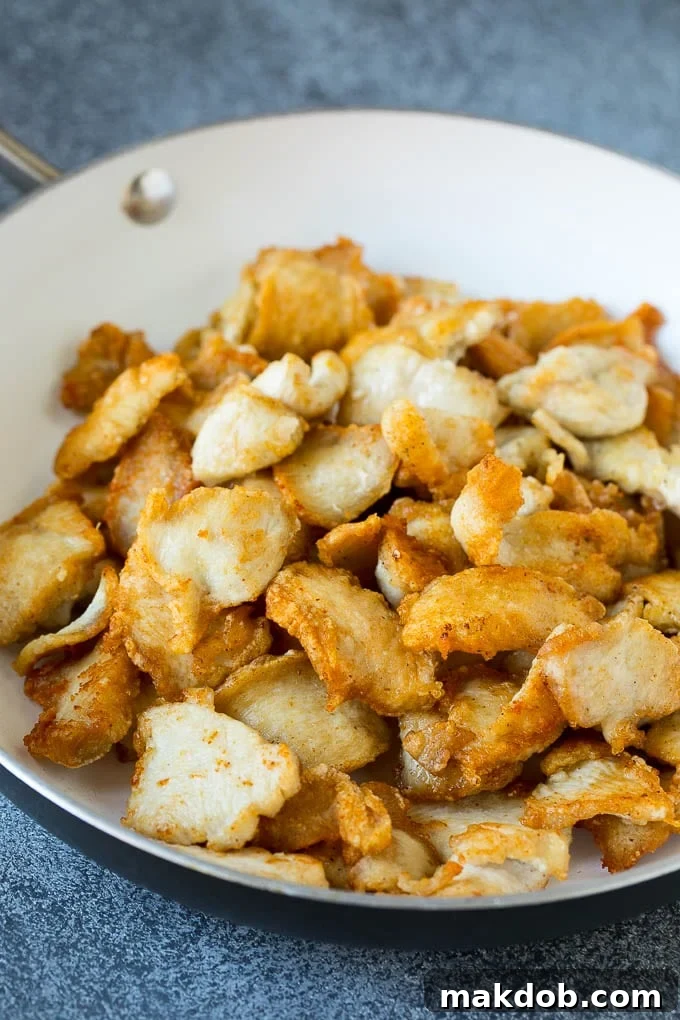
The journey begins with the star ingredient: thinly sliced boneless, skinless chicken breast. Achieving uniform, thin slices is crucial for quick and even cooking, ensuring each piece is tender and absorbs the sauce beautifully. A common chef’s trick, highly recommended for this dish, is to partially freeze the chicken breast for 20-30 minutes before slicing; this firms up the meat, making it much easier to cut into delicate, consistent pieces against the grain. Once sliced, the chicken is tossed with a portion of cornstarch, which serves a dual purpose: it creates a light, crisp coating when pan-seared, contributing to a pleasant texture, and also helps to tenderize the chicken, locking in moisture and flavor.
2. Mastering the Sear: Achieving Golden-Brown Perfection
With the chicken expertly coated, it’s time for searing. Heat a generous amount of vegetable oil in a large wok or a heavy-bottomed skillet over high heat. High heat is absolutely essential for achieving a beautiful golden-brown crust and preventing the chicken from steaming and becoming rubbery. It’s vital not to overcrowd the pan; cook the chicken in small batches if necessary, allowing each piece ample space to make direct contact with the hot surface. This technique ensures that desirable seared texture and rich flavor. Season the chicken lightly with salt and pepper as it cooks. Once golden brown and cooked through (about 3-4 minutes per side), remove the chicken from the pan and set it aside on a plate lined with paper towels to drain any excess oil, keeping it perfectly crisp.
3. The Vibrant Vegetable Medley: Crisp-Tender Goodness
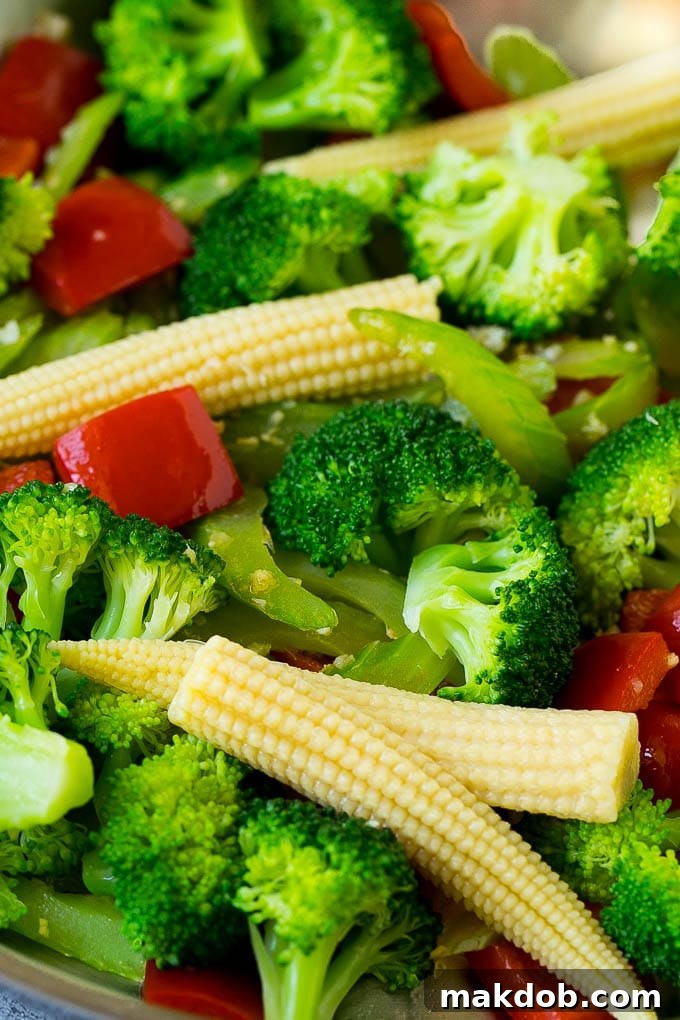
Next, it’s the vegetables’ turn to shine. Using the same pan (adding a little more oil if needed), introduce your chosen medley of crisp, fresh vegetables. Classic choices for Hunan Chicken include vibrant broccoli florets, crunchy thinly sliced celery, and sweet red bell peppers, which add color and a mild sweetness. Unique additions like canned baby corn (drained and halved) contribute a delightful texture. Stir-fry these vegetables for approximately 4-5 minutes, or until they reach your desired level of tenderness – typically crisp-tender, retaining a slight bite and vibrant color. Season them with a pinch of salt and pepper. Finally, add the minced garlic and stir-fry for just 30 seconds more; this brief cooking time allows the garlic to become wonderfully fragrant without burning, adding a crucial aromatic layer.
4. Crafting the Flavorful Hunan Sauce: The Heart of the Dish
While the vegetables are cooking, prepare the dynamic and flavorful sauce that defines Hunan Chicken. In a small bowl, whisk together chicken broth (for body and richness), soy sauce (for umami and essential saltiness), oyster sauce (for depth, a hint of sweetness, and glossy texture), rice vinegar (for that characteristic tartness that balances the richness), honey (to balance the heat and add a subtle sweetness), chili paste (such as sambal oelek, which is key for the signature spice), and the remaining 2 teaspoons of cornstarch. The cornstarch here is vital; it acts as a thickening agent, ensuring the sauce achieves a beautiful, glossy consistency that coats the chicken and vegetables evenly, rather than simply pooling at the bottom of the pan.
5. Bringing It All Together: The Grand Finale
Once your chicken is seared and vegetables are perfectly crisp-tender, return the cooked chicken to the pan with the vegetables. Ensure they are evenly distributed. Pour the whisked sauce evenly over everything, making sure to scrape any remaining cornstarch from the bottom of the bowl into the pan. Bring the mixture to a gentle simmer, stirring constantly to ensure the sauce thickens uniformly and coats all the ingredients. Allow it to cook for just 1-2 minutes, or until the sauce has thickened to a glossy, rich consistency that clings to the chicken and vegetables beautifully. The aroma at this stage is absolutely intoxicating, signaling that your delicious Hunan Chicken is almost ready!
6. Serving and Enjoying Your Homemade Masterpiece
Serve your homemade Hunan Chicken immediately for the best flavor and texture. It’s traditionally best enjoyed over a generous serving of freshly steamed white or brown rice, allowing the rice to absorb all the delicious, spicy-savory sauce, creating a truly satisfying meal. For an extra touch of freshness and visual appeal, consider garnishing with a sprinkle of chopped fresh green onions, a dash of toasted sesame seeds, or even a few extra chili flakes if you dare to dial up the heat. Enjoy the fruits of your labor and savor every vibrant, spicy, and savory bite!
Essential Tips for the Perfect Hunan Chicken Stir Fry
Achieving restaurant-quality Hunan Chicken at home is entirely possible with a few key techniques and considerations that elevate your stir-fry from good to truly exceptional:
- Perfectly Sliced Chicken: As mentioned, partially freezing chicken breast for 20-30 minutes makes slicing it thinly and uniformly much easier. This attention to detail ensures even cooking and consistently tender results, preventing some pieces from overcooking while others remain undercooked.
- Don’t Crowd the Pan: This is a golden rule for stir-frying and cannot be overstressed. When searing the chicken or stir-frying vegetables, cook them in small batches to ensure each piece has ample space to sear and brown effectively. Overcrowding will drastically lower the pan’s temperature, causing the ingredients to steam rather than develop that desirable crispy exterior and concentrated flavor.
- Customize Your Spice Level: The beauty of homemade Hunan Chicken is its adaptability to your heat preference. The initial recipe suggests 2 teaspoons of chili paste for a medium heat level, which offers a pleasant kick without being overwhelming. If you’re a heat-seeker, feel free to add another teaspoon (or more!) of chili paste to the sauce mixture. For a milder version, start with 1 teaspoon and adjust to taste, ensuring your dish is perfectly tailored to your palate.
- Wok vs. Skillet: While a large, heavy-bottomed skillet works well for this recipe, a traditional wok is ideal for stir-frying. Its sloped sides allow for greater heat distribution and easier tossing of ingredients, contributing to that elusive “wok hei” (breath of the wok) flavor – a smoky, charred aroma that signifies a perfectly executed stir-fry.
- “Mise en Place” is Key: Stir-frying is a very fast cooking method, leaving little time for chopping or measuring once the heat is on. Therefore, having all your ingredients (vegetables chopped, sauce whisked, chicken sliced) prepped, chopped, and measured before you start cooking is absolutely crucial. This ensures a smooth, efficient, and stress-free process, allowing you to focus on the cooking itself.
- Vegetable Freshness and Preparation: Use fresh, crisp vegetables for the best texture and flavor. For harder vegetables like broccoli, blanching them briefly in boiling water for 1-2 minutes before stir-frying can ensure they cook evenly and retain their vibrant color and crispness without becoming mushy.
- Quality Ingredients Matter: The overall flavor of your Hunan Chicken greatly depends on the quality of your base ingredients. Opt for good quality soy sauce (low-sodium if preferred), fresh ginger and garlic, and a reputable brand of chili paste like sambal oelek for the most authentic and robust flavor.
- Optional Marinade for Extra Flavor: While this recipe primarily uses a cornstarch coating for tenderness, a quick pre-marinade for the chicken (e.g., with a dash of soy sauce, rice wine, and sesame oil) for 15-30 minutes can add an extra layer of flavor complexity and moistness, infusing the chicken with more savory notes before it even hits the pan.
Hunan vs. Szechuan Chicken: Understanding the Spicy Nuances
Often confused due to their shared reputation for intense spiciness, Hunan Chicken and Szechuan (or Sichuan) Chicken actually hail from distinct culinary traditions within China, each with its unique characteristics, flavor profiles, and regional ingredients. Understanding these differences can deepen your appreciation for Chinese cuisine.
Geographical Differences:
Hunan province is located in south-central China, characterized by its mountainous terrain and subtropical climate. Sichuan province, on the other hand, lies to its west, known for its basin geography and humid climate. This geographical separation has led to different agricultural practices and spice availability, profoundly shaping their respective cuisines over centuries.
Sources and Types of Spice:
- Hunan Cuisine: The heat in Hunan dishes, including Hunan Chicken, primarily comes from fresh chili peppers, often used liberally, or dried chilies and chili paste (like sambal oelek). The spiciness is often described as “gan la” (干辣), meaning a dry, pure, and fiery heat that hits quickly and lingers intensely. While potent, it tends to be straightforward, robust, and direct in its heat delivery.
- Szechuan Cuisine: Szechuan cuisine is famous for its “ma la” (麻辣) flavor profile, a unique and iconic combination of numbing (ma) and spicy (la). This distinct sensation comes from a blend of dried chili peppers and the highly prized Szechuan peppercorns. Szechuan peppercorns create a unique tingling, buzzing, and numbing sensation on the tongue, which then brilliantly enhances the perception of the chili’s heat. This creates a multi-layered, almost electric spiciness that is very different from Hunan’s direct heat.
Flavor Profiles Beyond Spice:
- Hunan: Beyond the heat, Hunan dishes often feature tart (suan) and deeply savory flavors. Ingredients like fermented black beans, various types of vinegar, and copious amounts of garlic are common, contributing to a rich, earthy, and sometimes slightly sour complexity. Hunan dishes tend to be lighter and fresher in appearance and texture, emphasizing the natural flavors and crispness of the ingredients. They can also incorporate smoked and cured meats, adding another layer of savory depth.
- Szechuan: Szechuan cuisine often incorporates a wider array of aromatics like copious amounts of garlic, ginger, and scallions, alongside fermented bean pastes (doubanjiang) and broad bean paste. It can be richer, more oily, and features a greater emphasis on complex sauces. The “ma la” sensation, combined with these aromatics, is the defining characteristic, making Szechuan food instantly recognizable and globally popular.
Typical Ingredients and Textures:
- Hunan: Vegetables play a very prominent role in Hunan stir-fries, with a strong focus on fresh, crisp produce like broccoli, bell peppers, celery, mushrooms, and bamboo shoots. Lean meats like chicken and pork are common, often prepared in ways that highlight their natural flavors.
- Szechuan: While vegetables are certainly present, Szechuan dishes often feature nuts like peanuts or cashews, or seeds like sesame seeds, adding a delightful textural contrast and richness. Tofu (e.g., in Mapo Tofu) and various meats (e.g., Kung Pao Chicken) are also staples, often prepared with intricate sauces and a greater variety of cooking methods beyond simple stir-frying.
In essence, if you prefer a bold, straightforward, and savory heat with an emphasis on fresh vegetables and a clean finish, Hunan Chicken is your go-to. If you’re seeking a more complex, numbing, and intensely aromatic spiciness often accompanied by nuts, richer sauces, and a broader spectrum of flavors, Szechuan Chicken will be more to your liking. Both are fantastic in their own right, but distinct enough to warrant exploration.
Exciting Variations for Your Chicken Stir Fry
While this Hunan Chicken recipe is a triumph of vibrant flavors and satisfying spice, it’s also incredibly versatile. Don’t hesitate to customize it to suit your personal preferences, dietary needs, or simply what you have on hand in your pantry and refrigerator. Stir-fries are an excellent canvas for culinary creativity!
- Vary Your Vegetables: The beauty of a stir-fry lies in its flexibility with vegetables. Feel free to substitute or add any of your favorites. Excellent choices include sliced carrots for sweetness and crunch, tender snap peas, thinly sliced onions, earthy mushrooms (shiitake or cremini), crisp zucchini, baby bok choy, crunchy water chestnuts, tender bamboo shoots, or even thinly sliced eggplant. Remember to adjust cooking times based on the hardness and density of the vegetables you choose.
- Change the Meat: While chicken is traditional and lean, this recipe works wonderfully with other proteins. Try thinly sliced beef (flank steak or sirloin work best for stir-fries due to their texture) or lean pork cut into strips. Tofu can also be a fantastic vegetarian alternative – simply press it well to remove excess moisture, cut into cubes, and pan-fry until golden and crispy before adding to the stir-fry. For an even richer flavor, shrimp or scallops can be quickly stir-fried and added at the very end.
- Add a Nutty Crunch: Although not traditionally a staple of Hunan cuisine, a handful of toasted cashews, almonds, or peanuts can add a delightful textural contrast, a hint of richness, and a satisfying crunch to the stir-fry. Add them towards the very end of cooking to maintain their crispness and prevent them from becoming soft.
- Boost the Aromatics: For an even deeper and more complex flavor profile, consider adding finely grated fresh ginger along with the garlic. A pinch of white pepper in the cornstarch coating for the chicken or a dash of toasted sesame oil drizzled over the finished dish at the very end can also significantly elevate the aroma and add another dimension of flavor.
- Sweet and Sour Notes: If you prefer a slightly sweeter and tangier profile, reminiscent of other popular Chinese dishes, a tiny splash of Chinese black vinegar (Chinkiang vinegar) or an additional teaspoon of honey or a touch of brown sugar can adjust the balance to your liking, adding complexity without losing the essence of the dish.
- Make it Gluten-Free or Low-Sodium: Easily adapt this recipe for specific dietary requirements. Use tamari or a certified gluten-free soy sauce instead of regular soy sauce. Ensure your chili paste and oyster sauce are also certified gluten-free. For a low-sodium version, opt for low-sodium soy sauce and chicken broth, and be mindful of added salt.
Hunan Chicken offers a fantastic gateway into the world of authentic Chinese stir-fries, packed with fresh vegetables, lean protein, and an irresistible spicy kick. This homemade recipe is so exceptional, versatile, and satisfying, you might just find yourself saying goodbye to your regular takeout orders for good, preferring the superior flavors and freshness of your own kitchen creation!
More Asian-Inspired Dishes to Savor at Home:
- Flavorful Tofu Stir Fry
- Authentic Mongolian Chicken
- Crispy Korean Fried Chicken
- Irresistible Sweet Chili Chicken
Hunan Chicken
Pin Recipe
This Hunan chicken is thinly sliced chicken breast with mixed vegetables in a savory and spicy sauce. A remake of the restaurant favorite that you can enjoy in the comfort of your own home.
15 minutes
20 minutes
35 minutes
Ingredients
- 2 tablespoons vegetable oil
- 1 pound boneless, skinless chicken breasts, thinly sliced
- 1/4 cup + 2 teaspoons cornstarch (divided use)
- Salt and pepper to taste
- 1 cup broccoli florets
- 1/2 cup celery, thinly sliced
- 1 red bell pepper, cored, seeded and diced
- 1 cup canned baby corn, drained and halved
- 1 1/2 teaspoons minced garlic
- 1/2 cup chicken broth
- 2 tablespoons soy sauce
- 2 tablespoons oyster sauce
- 2 teaspoons rice vinegar
- 1 teaspoon honey
- 2 teaspoons chili paste (such as sambal oelek)
Instructions
- Place the chicken and 1/4 cup cornstarch in a resealable plastic bag; shake to coat evenly.
- Heat the vegetable oil in a large pan or wok over high heat.
- Add the chicken to the pan in a single layer and season to taste with salt and pepper.
- Cook for 3-4 minutes per side or until browned. Cook in multiple batches if needed to avoid overcrowding.
- Remove the chicken from the pan and place on a plate lined with paper towels.
- Add the broccoli, celery, and bell pepper to the pan. Cook for 4-5 minutes or until vegetables are tender-crisp. Season with salt and pepper to taste. Stir in the baby corn. Add the minced garlic and cook for 30 seconds more until fragrant.
- Add the cooked chicken back to the pan with the vegetables.
- In a small bowl, whisk together the chicken broth, soy sauce, oyster sauce, rice vinegar, honey, chili paste, and the remaining 2 teaspoons cornstarch until smooth.
- Pour the prepared sauce over the chicken and vegetables; bring to a simmer. Cook for 1-2 minutes, stirring constantly, or until the sauce has thickened to a glossy consistency. Serve immediately over rice if desired.
Nutrition
Carbohydrates: 8g |
Protein: 26g |
Fat: 10g |
Saturated Fat: 6g |
Cholesterol: 73mg |
Sodium: 1007mg |
Potassium: 639mg |
Fiber: 1g |
Sugar: 4g |
Vitamin A: 1165IU |
Vitamin C: 62.9mg |
Calcium: 24mg |
Iron: 1mg
Did you make this recipe?
Tag @dinneratthezoo on Instagram and hashtag it #dinneratthezoo