
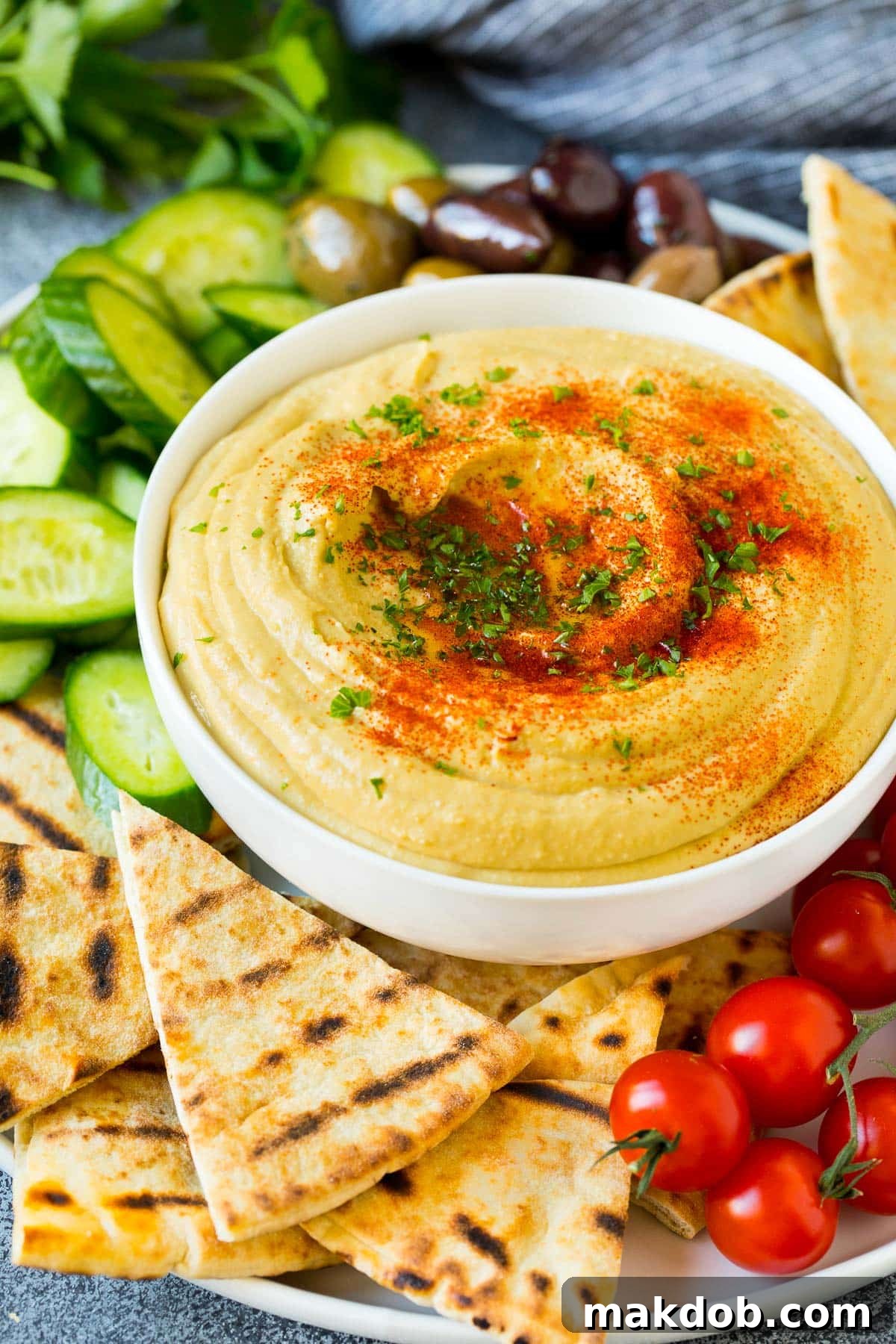
Welcome to the ultimate guide for crafting the most exquisite homemade hummus! This recipe is more than just a blend of ingredients; it’s a journey to creating a luxuriously smooth, incredibly creamy, and deeply flavorful dip that will undoubtedly become a staple in your kitchen. Forget the often bland, additive-filled store-bought versions; once you experience the vibrant taste and superior texture of freshly made hummus, you’ll never look back. Prepare to impress your family and friends with a dip that’s not only deceptively easy to make but also packed with wholesome goodness.
Whether you’re hosting a lively gathering, preparing a quick and healthy snack, or simply elevating a weeknight meal, hummus stands as a versatile culinary hero. Its rich history in Mediterranean and Middle Eastern cuisines speaks volumes about its enduring appeal. Paired with crisp vegetables, warm pita bread, or even as a spread in sandwiches, homemade hummus offers a delightful burst of flavor that satisfies on every level. This comprehensive guide will equip you with all the tips and tricks needed to achieve hummus perfection, ensuring rave reviews every time.
The Allure of Hummus: A Culinary Journey
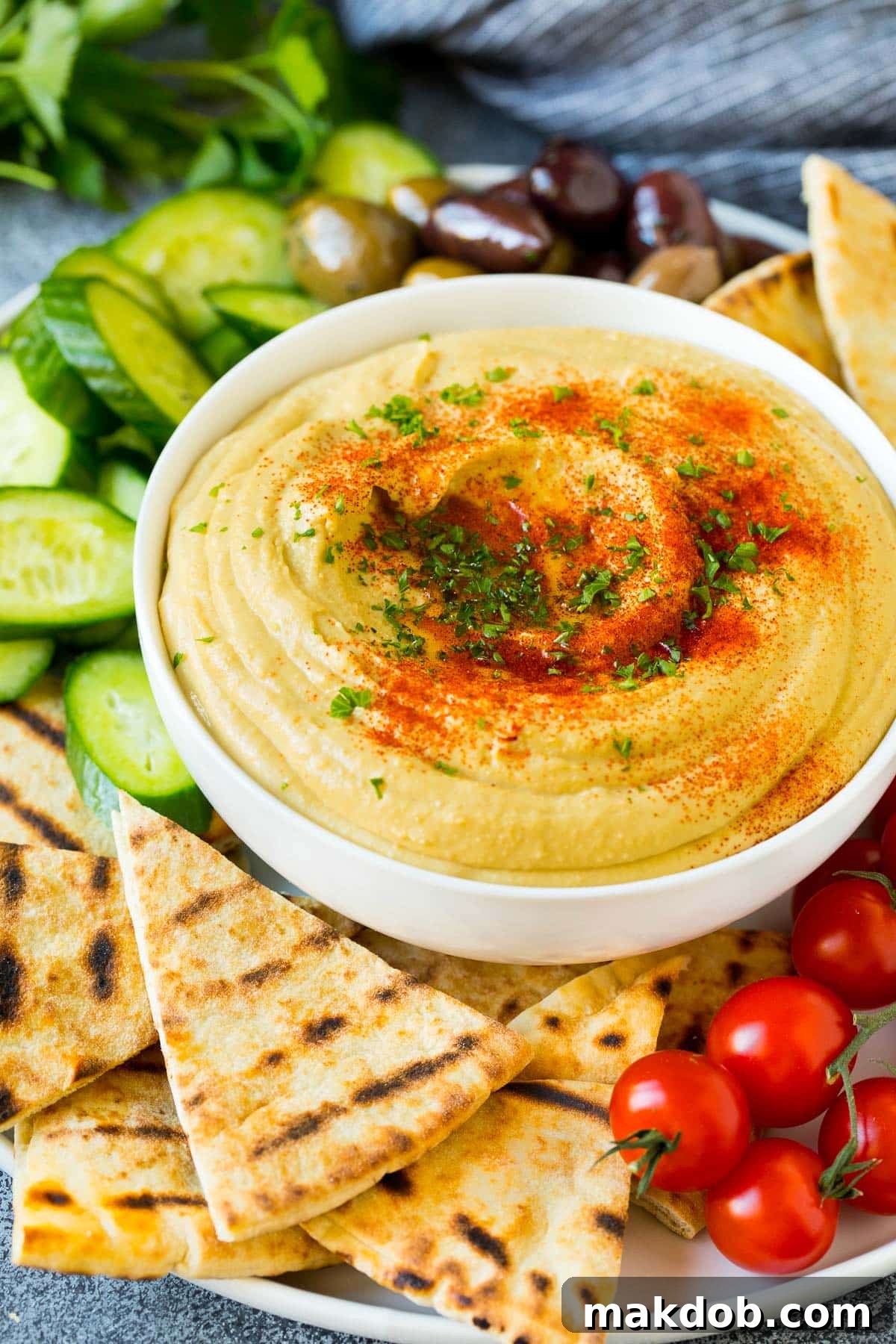
Hummus, a beloved staple of Middle Eastern cuisine, translates simply to “chickpeas” in Arabic. Its origins are deeply rooted in ancient traditions, with various regions laying claim to its creation. Regardless of its exact birthplace, hummus has evolved into a global phenomenon, celebrated for its nutritional benefits, incredible versatility, and delightful taste. It’s a dish that embodies the heart of Mediterranean dining – fresh, simple ingredients coming together to create something extraordinary.
Beyond its delicious flavor, hummus is also incredibly healthy. Rich in protein, fiber, and essential minerals from chickpeas and tahini, it makes for a satisfying and nourishing addition to any diet. It’s naturally gluten-free and can be made vegan, making it suitable for a wide range of dietary preferences. Understanding the core components and techniques is key to unlocking its full potential in your own kitchen. This recipe focuses on refining these elements to deliver a truly exceptional hummus experience.
Mastering the Ingredients for Unforgettable Hummus
The secret to the best homemade hummus lies in the quality and preparation of its few, but mighty, ingredients. Each component plays a crucial role in achieving that coveted smooth texture and harmonious flavor profile. Here’s a closer look at what you’ll need and why:
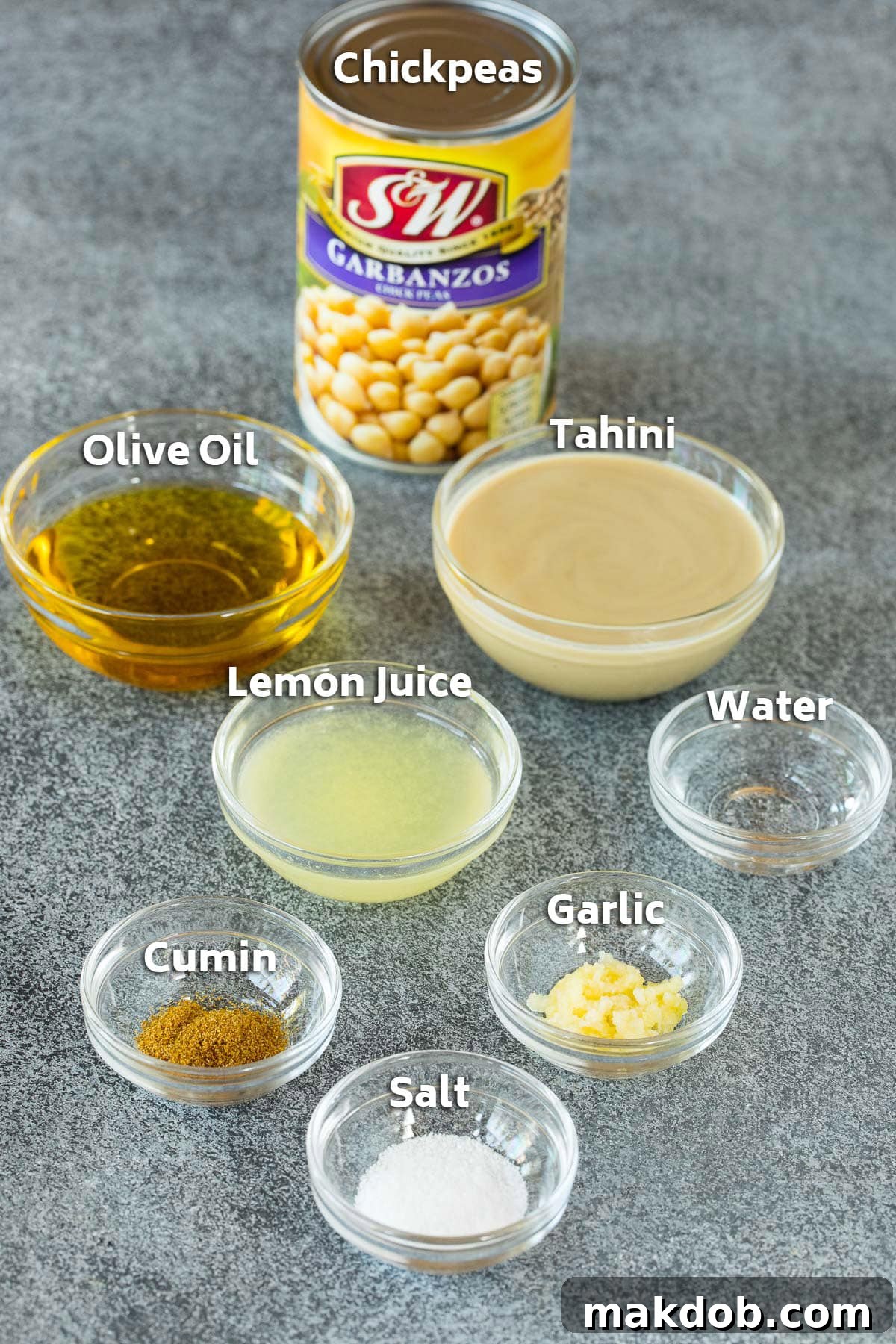
- Chickpeas (Garbanzo Beans): The foundation of any great hummus. While canned chickpeas are convenient, the magic truly happens when they are prepared properly. Simmering them until they are exceptionally soft is paramount for achieving that incredibly creamy, velvety texture. This extra step breaks down their structure, allowing them to blend into a smooth puree. For an even silkier result, removing the thin skins from each chickpea is an optional, yet highly recommended, step that takes your hummus from good to gourmet.
- Tahini: This rich paste made from ground sesame seeds is non-negotiable for authentic hummus. It provides a distinct nutty flavor and contributes significantly to the creamy emulsification of the dip. Look for a high-quality tahini that is light in color and has a runny consistency; thicker, darker tahini can sometimes yield a more bitter taste. You’ll typically find it in the international aisle or near nut butters at your grocery store.
- Fresh Lemon Juice: The bright, zesty acidity of fresh lemon juice is essential. It cuts through the richness of the tahini and adds a refreshing tang that elevates the entire dish. Bottled lemon juice simply cannot replicate the vibrant flavor of freshly squeezed, so make sure to use ripe, juicy lemons.
- Extra Virgin Olive Oil: A good quality extra virgin olive oil not only adds a lovely fruity and peppery note but also enhances the overall texture, giving the hummus a smooth, luxurious mouthfeel. It’s also perfect for drizzling over the finished dip just before serving, adding both flavor and visual appeal.
- Garlic: Raw garlic is a traditional and vital component, offering a pungent kick. However, to achieve a more balanced flavor without overwhelming harshness, we employ a clever trick: soaking the chopped garlic in lemon juice. The acid in the lemon juice works wonders to mellow out the raw garlic’s sharp edges, integrating it smoothly into the hummus.
- Spices (Cumin & Salt): Ground cumin is a classic addition, imparting a warm, earthy, and slightly smoky depth that is characteristic of traditional hummus. Kosher salt is used to season the dip, balancing all the flavors. Don’t be shy about tasting and adjusting the salt content as you blend. Smoked paprika can also be a delicious alternative or addition, offering another layer of smoky complexity.
- Ice Water: This often-overlooked ingredient is a game-changer for achieving super fluffy, light, and creamy hummus. Adding a few tablespoons of ice water during the blending process helps to lighten the texture and emulsify the tahini and olive oil perfectly.
Crafting Your Perfect Hummus: Step-by-Step Guide
Making homemade hummus is a rewarding process, and these detailed steps will guide you to a truly exceptional result. Take your time with each stage, and you’ll be amazed by the transformation of simple ingredients into a culinary masterpiece.
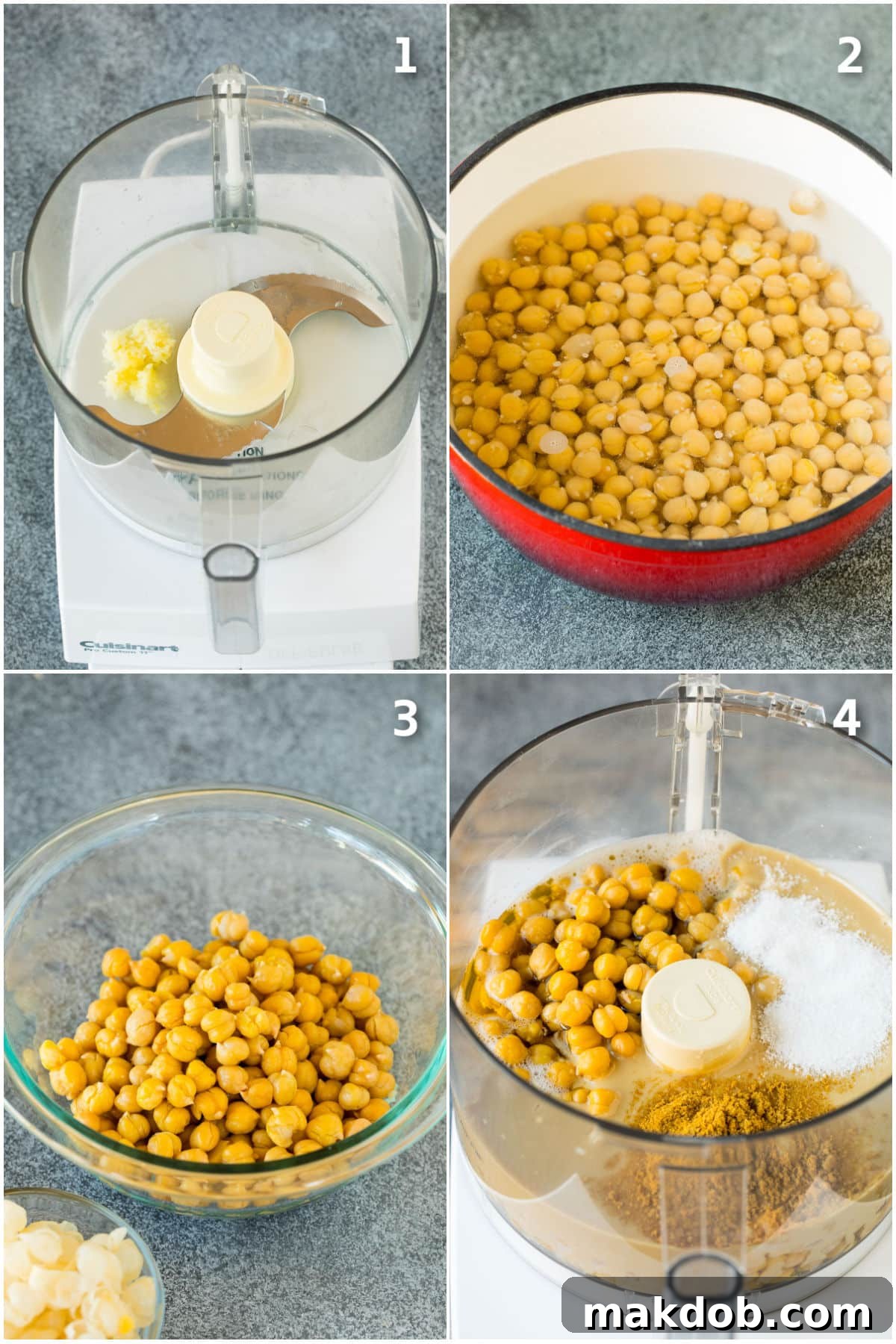
Here’s how to make this delightful dip:
- Prepare the Garlic & Lemon: Begin by placing your roughly chopped garlic and freshly squeezed lemon juice into the bowl of your food processor. Pulse a few times until the garlic is finely minced. Let this mixture sit for 5-10 minutes. This crucial step allows the lemon juice’s acidity to mellow the raw garlic’s intense pungency, creating a more harmonious flavor profile for your hummus.
- Soften the Chickpeas: Even if you’re using canned chickpeas, this step is vital for ultimate creaminess. Drain and rinse the chickpeas thoroughly. Transfer them to a pot of boiling water and simmer for 15-20 minutes, or until they are incredibly soft and mash easily between your fingers. This extended cooking time helps break down the chickpeas, making them much easier to blend into a silky smooth paste.
- Optional Skin Removal: Once the chickpeas are soft, drain them. For an exceptionally smooth hummus, gently pinch each chickpea to remove its outer skin. While this step is optional and requires a bit of patience, it significantly contributes to the hummus’s luxurious, silky texture. The skins can sometimes create a slightly grainy result.
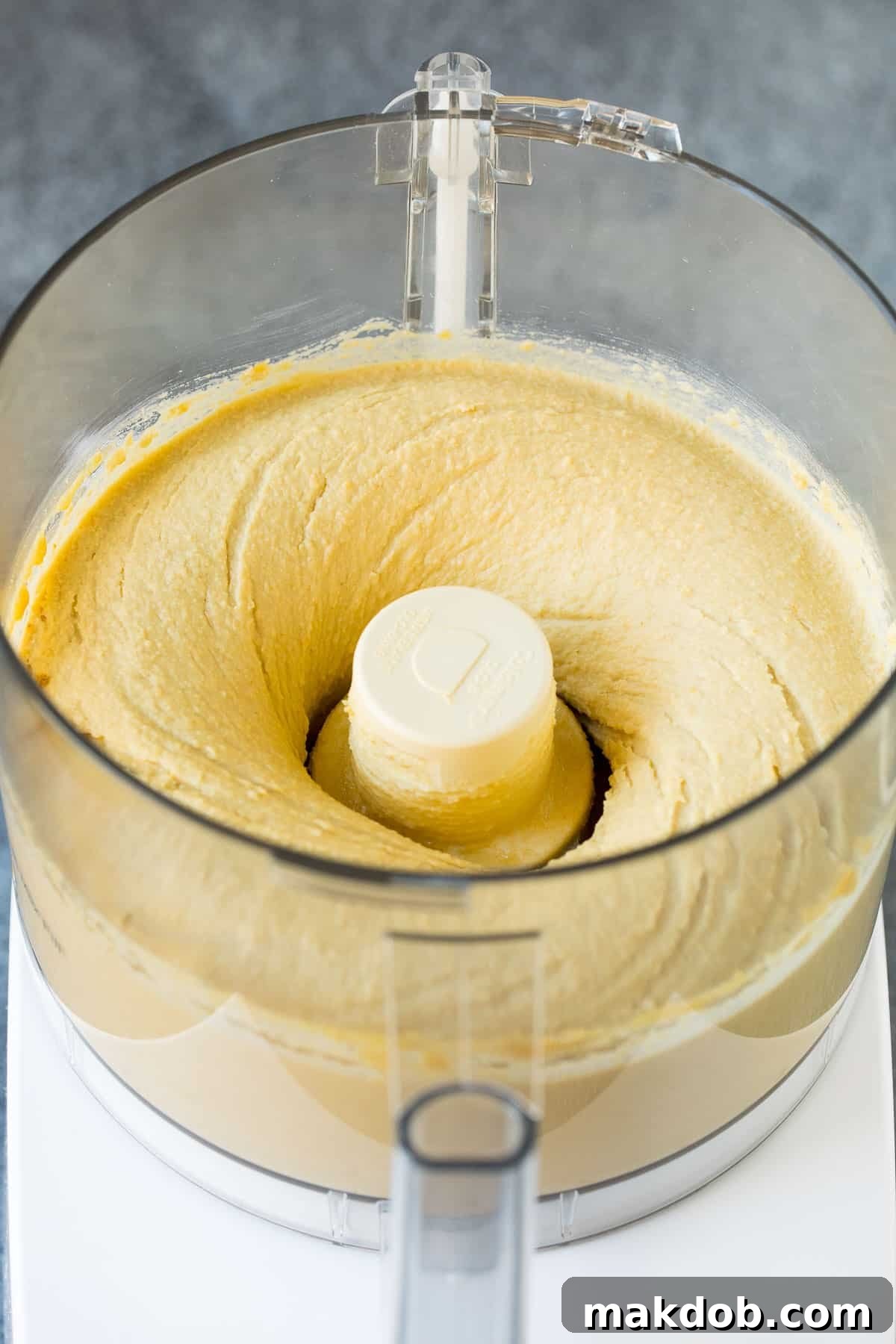
- Combine & Blend: Add the softened chickpeas (skinned or unskinned), tahini, olive oil, kosher salt, and ground cumin to the food processor with the lemon-garlic mixture. Start processing on high. As it blends, slowly drizzle in the ice water, 1-2 tablespoons at a time, until the hummus reaches your desired creamy consistency. You may need a little more or less water depending on the desired thickness and the specific tahini used. Scrape down the sides of the bowl frequently to ensure everything is thoroughly incorporated and blended into a smooth, uniform dip.
- Season to Perfection: Once the hummus is wonderfully smooth, taste it. Adjust the seasoning as needed, adding more salt, lemon juice, or cumin until the flavor is perfectly balanced to your liking.
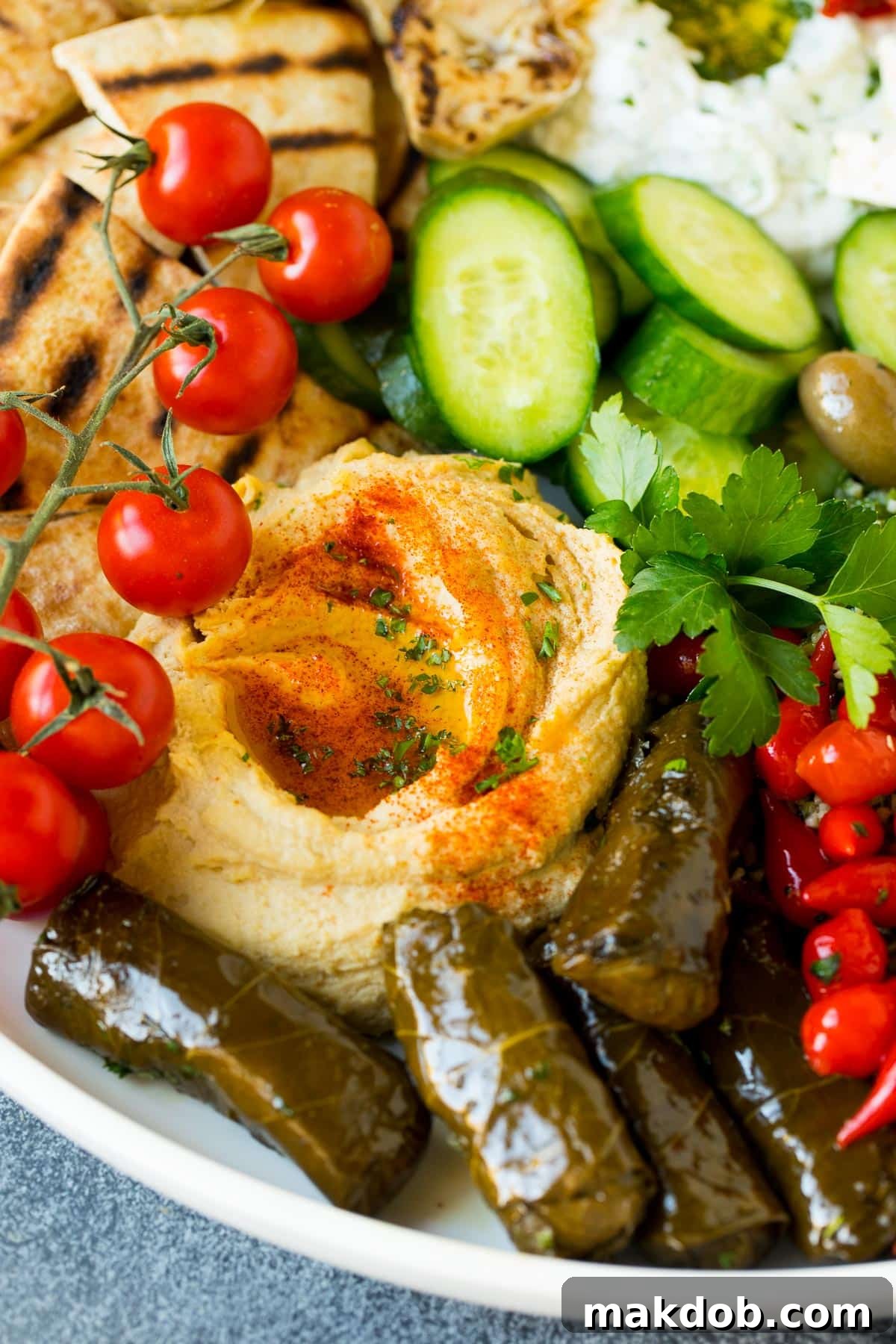
- Serve & Garnish: Transfer your glorious homemade hummus to a serving bowl. Create a small well in the center with the back of a spoon. Drizzle generously with extra virgin olive oil. For a beautiful finish and an extra layer of flavor, garnish with a sprinkle of smoked paprika and fresh chopped parsley. Serve immediately with your favorite dippers and enjoy!
Secrets to an Unbelievably Creamy Hummus
Achieving that perfectly smooth, fluffy, and creamy texture is what sets a truly exceptional hummus apart. While the basic steps are straightforward, a few key techniques can elevate your homemade dip to restaurant quality. These are the secrets seasoned hummus makers swear by:
- The Chickpea Boil is Non-Negotiable: This cannot be stressed enough. Boiling canned chickpeas for an additional 15-20 minutes until they are mushy soft is the single most important step for creamy hummus. Raw or undercooked chickpeas will result in a grainy, thick texture that no amount of blending can fix.
- Skin Removal for Supreme Smoothness: While optional, taking the time to remove the skins from the boiled chickpeas makes a noticeable difference. The skins contain fiber that prevents a perfectly smooth puree. You can do this by hand (it goes faster than you think!) or by rubbing them between two kitchen towels.
- Taming the Garlic: Soaking the minced garlic in lemon juice for 5-10 minutes before blending allows the citric acid to “cook” and mellow the raw garlic’s sharp, sometimes overpowering bite. This ensures a more balanced and palatable garlic flavor that harmonizes with the other ingredients.
- Quality Tahini Matters: Invest in a good quality, runny tahini. A thinner tahini blends more easily and contributes to a creamier texture without making the hummus too dense. Stir the tahini well in its jar before measuring, as the oil often separates.
- The Power of the Food Processor (or High-Speed Blender): For optimal smoothness, use a powerful food processor or a high-speed blender. Allow it to run for several minutes, scraping down the sides frequently, until the hummus is light and airy. Don’t be afraid to let it blend longer than you think, as this whips air into the mixture and creates that delightful fluffiness.
- The Ice Water Trick: Instead of plain tap water, use ice water when thinning your hummus. The cold temperature helps to emulsify the tahini and olive oil more effectively, resulting in a lighter, airier, and silkier texture. Add it gradually, a tablespoon at a time, until you reach your desired consistency.
- Taste and Adjust: The final, and perhaps most crucial, tip is to taste your hummus and adjust the seasoning. Add more salt, lemon juice, or even a pinch more cumin if needed. Flavors can change as they blend, so a final adjustment ensures perfection.
Recipe FAQs: Your Hummus Queries Answered
Homemade hummus typically stays fresh for up to 5-7 days when stored in an airtight container in the refrigerator. Always ensure it’s well-sealed to prevent drying out and absorption of other fridge odors.
Absolutely! Hummus freezes beautifully. To freeze, transfer it to an airtight freezer-safe container, leaving about an inch of headspace as it may expand slightly. You can also pour a thin layer of olive oil over the top before freezing to help preserve moisture and flavor. It will keep well for up to 3 months. Thaw it in the refrigerator overnight, then give it a good stir before serving. You might need to add a splash of fresh lemon juice or olive oil to revive its texture and flavor.
Making your own hummus is almost always more cost-effective than buying it, especially when you consider the superior quality and freshness. While a jar of good tahini can seem like an upfront investment, it lasts a long time and yields many batches of delicious hummus, significantly bringing down the per-serving cost. Plus, the homemade version consistently triumphs in taste, making it a worthwhile endeavor.
Yes, hummus is an incredibly healthy and nutritious dip! It’s rich in plant-based protein and dietary fiber from the chickpeas, which promotes satiety and aids digestion. Tahini contributes healthy fats, calcium, and other minerals, while olive oil provides monounsaturated fats beneficial for heart health. Lemon juice adds Vitamin C. It’s a great option for a wholesome snack or appetizer.
Yes, you can absolutely use dried chickpeas! In fact, many purists prefer them for an even richer flavor and potentially smoother texture, as you have more control over their softness. To use dried chickpeas, soak them overnight (8-12 hours), then drain and cook them in fresh water until very tender – usually 1.5 to 2 hours or longer, depending on their age. The cooking liquid from dried chickpeas (aquafaba) can also be used in the blending process for extra creaminess. Just ensure they are exceptionally soft before blending, even softer than you might typically cook them for other dishes.
Beyond the Basic: Exciting Hummus Flavor Variations
While classic hummus is perfect on its own, its mild flavor makes it an ideal canvas for creative customization. Experiment with these delicious variations to keep your hummus exciting and tailored to your palate:
- Tuscan Hummus: Transport your taste buds to Italy by swapping traditional chickpeas for cannellini beans. Add 1/3 cup of sun-dried tomatoes (packed in oil, drained) to the food processor. Replace the cumin with 1/2 teaspoon of Italian seasoning for an aromatic, herb-infused dip perfect with crusty bread.
- Olive Hummus: For a briny, savory twist, incorporate 1/2 cup of your favorite mixed olives (such as Kalamata and green olives, pitted) into the blend. You might want to omit or reduce the added salt, as olives are naturally salty. This version pairs wonderfully with feta cheese and crunchy cucumber slices.
- Roasted Red Pepper Hummus: This vibrant variation adds a touch of sweetness and smoky depth. Place 1/2 cup of roasted red bell peppers (from a jar, drained, or freshly roasted) into the food processor along with the other ingredients. The peppers add beautiful color and a subtly sweet, smoky flavor that’s irresistible.
- Spicy Hummus: If you crave a kick, customize your hummus with heat. Add harissa paste, sriracha, a pinch of cayenne pepper, or your favorite hot sauce to taste during the blending process. Start with a small amount and increase until you reach your desired level of spice.
- Cilantro Lime Hummus: For a fresh, bright, and slightly herbaceous flavor profile, substitute fresh lime juice for lemon juice. Add 1/2 cup of fresh cilantro leaves to the food processor with the other ingredients. This zesty and aromatic hummus is fantastic with tortilla chips or as a spread in tacos.
- Avocado Hummus: Creamy meets creamier! Blend in one ripe avocado for a decadent, super-smooth dip with a beautiful green hue. This version is packed with healthy fats and makes an excellent spread for sandwiches or toast.
- Caramelized Onion Hummus: Slowly caramelize one large onion until deeply golden and sweet. Add the caramelized onions to your hummus recipe for a rich, sweet, and savory depth that’s truly gourmet.
Elevate Your Dish: Creative Hummus Topping Ideas
While delicious on its own, a well-chosen topping can transform your homemade hummus into a work of art, adding layers of texture, color, and flavor. These ideas will help you present a show-stopping dip:
- Fresh Herbs: A sprinkle of vibrant, finely chopped fresh herbs adds both beauty and a burst of freshness. Consider parsley (the classic choice), dill, mint, chives, or a combination of your favorites.
- Drizzles of Oil: A final flourish of extra virgin olive oil is traditional and essential. For an extra layer of flavor, experiment with flavored olive oils, such as lemon-infused olive oil, chili oil for a touch of heat, or garlic-infused oil.
- Toasted Nuts and Seeds: Pine nuts are a popular and delicious topping, offering a buttery crunch. Briefly toast them in a dry pan until golden for enhanced flavor. Other great options include toasted sesame seeds, chopped pistachios, or walnuts for added texture and richness.
- Spices and Seasonings: A final dusting of spices can boost both flavor and visual appeal. Smoked paprika adds a lovely red hue and a hint of smokiness. Ground sumac offers a tangy, lemony flavor and a beautiful deep red color. Chili flakes can provide a gentle warmth.
- Roasted Vegetables: Transform your hummus into a heartier appetizer by topping it with roasted cherry tomatoes, bell peppers, zucchini, or even roasted garlic cloves. The sweetness and slight char of roasted vegetables complement the creamy hummus perfectly.
- Crumbled Feta or Goat Cheese: For a Mediterranean flair, sprinkle some tangy crumbled feta or creamy goat cheese over your hummus. The salty, savory notes of the cheese pair wonderfully with the rich dip.
- Chopped Olives or Sun-Dried Tomatoes: A spoonful of finely chopped Kalamata olives or sun-dried tomatoes adds a burst of intense, concentrated flavor and a delightful textural contrast.
- Crispy Chickpeas: For an interesting textural element, roast a handful of chickpeas until crispy with a dash of olive oil and spices. These add a delightful crunch and extra protein.
Serving Suggestions & Perfect Pairings
The versatility of homemade hummus extends far beyond just being a dip. Here are some ideas to incorporate it into your meals and impress your guests:
- Classic Dippers: Warm pita bread, pita chips, and a colorful array of crisp raw vegetables (carrots, cucumber, bell peppers, celery, radishes) are always excellent choices.
- Sandwich and Wrap Spread: Ditch the mayonnaise! Hummus makes a healthier and more flavorful spread for sandwiches, wraps, and even burgers.
- Salad Topping: Dollop a generous scoop of hummus onto your salads for added creaminess, protein, and flavor. It can also be thinned slightly with water or lemon juice to create a creamy dressing.
- Mezze Platter Essential: Create an authentic Mediterranean mezze platter with your homemade hummus as the star. Surround it with olives, dolmades (stuffed grape leaves), tabbouleh, fattoush salad, and grilled halloumi cheese.
- Breakfast Toast: Spread hummus on toast and top with a fried egg, avocado, or everything bagel seasoning for a unique and protein-packed breakfast.
You truly can never go wrong with homemade hummus. It’s the absolute best way to enjoy this popular and healthy dip, offering unmatched flavor and freshness that store-bought versions simply can’t compete with. Get ready to savor every spoonful!
More Mediterranean Food Recipes to Explore
- Greek Chicken and Potatoes
- Fattoush Salad
- Tabbouleh
- Baba Ganoush
- Muhammara
The Best Homemade Hummus Recipe
Hummus Recipe
Pin
Sara Welch

15 minutes
20 minutes
35 minutes
Appetizer
Mediterranean
8
Ingredients
- 15 ounce can chickpeas drained and rinsed
- 3 tablespoons lemon juice freshly squeezed
- 1 teaspoon garlic roughly chopped
- 1/2 cup tahini
- 4 tablespoons olive oil plus more for garnish
- 1 teaspoon kosher salt
- 3/4 teaspoon ground cumin
- 2 tablespoons water or more if needed (preferably ice water)
- fresh chopped parsley and smoked paprika for garnish optional
Instructions
-
Place the lemon juice and roughly chopped garlic in the bowl of a food processor. Puree until garlic is minced, then let the mixture sit for 5-10 minutes. This will neutralize the harsh flavor of the raw garlic.
-
Place the drained and rinsed chickpeas in a pot of boiling water. Cook for 15-20 minutes or until they are very soft and mushy.
-
Drain the chickpeas thoroughly. Remove the skins if desired for an extra smooth dip (optional, but highly recommended).
-
Place the cooked chickpeas, tahini, olive oil, salt, cumin, and 2 tablespoons of ice water in the food processor along with the lemon juice and garlic mixture. Puree until smooth and creamy. Add more ice water as needed, 1 teaspoon at a time, until the hummus reaches your desired silky consistency. Scrape down the sides of the bowl often.
-
Taste and add more salt or lemon juice if needed to achieve perfect balance.
-
Place the hummus in a serving bowl. Drizzle generously with olive oil and garnish with paprika and fresh chopped parsley if desired. Serve immediately and enjoy!
Notes
- This recipe includes a few extra steps such as boiling the canned chickpeas, removing the chickpea skins, and letting the garlic soak in lemon juice. These steps are a bit more work, but they do wonders to enhance the flavor and the exceptionally creamy texture of the end product.
- You can make this recipe in either a powerful food processor or a high-speed blender. Be sure to scrape the bowl occasionally to ensure everything gets pureed nicely and evenly. Blend until light and fluffy.
Nutrition
Carbohydrates: 18g |
Protein: 7g |
Fat: 12g |
Saturated Fat: 2g |
Sodium: 300mg |
Potassium: 229mg |
Fiber: 5g |
Sugar: 3g |
Vitamin A: 24IU |
Vitamin C: 4mg |
Calcium: 49mg |
Iron: 2mg
Tweet
Pin