
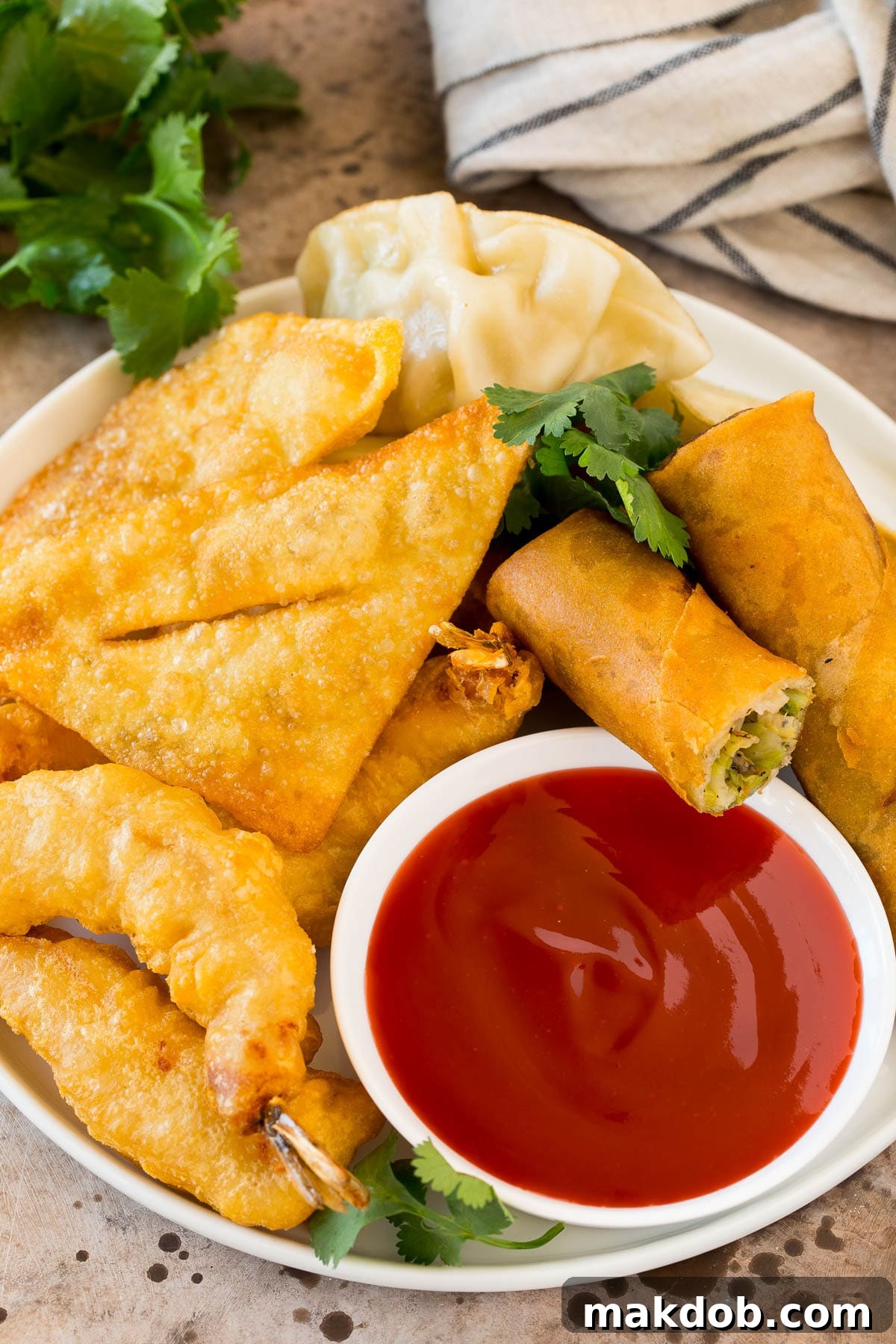
Welcome to the ultimate guide for crafting the most delectable homemade sweet and sour sauce! Forget those sticky, overly sugary bottles from the grocery store. This recipe brings the vibrant, balanced flavors of your favorite Asian restaurant right into your kitchen. Made with common pantry staples and ready in mere minutes, this versatile condiment is perfect as a dipping sauce for appetizers, a glaze for grilled meats, or the star of a flavorful stir-fry. Prepare to elevate your home cooking with a sauce that’s both easy to make and incredibly satisfying.
My family, much like many others, has a profound love for Asian cuisine. From savory shrimp fried rice to succulent honey chicken, there’s always an appetite for those distinctive flavors. And when it comes to a truly indispensable element, sweet and sour sauce reigns supreme. The ability to quickly whip up a batch of this sweet, tangy, and savory condiment at home means we can enjoy its deliciousness in countless ways, transforming everyday meals into extraordinary culinary experiences.
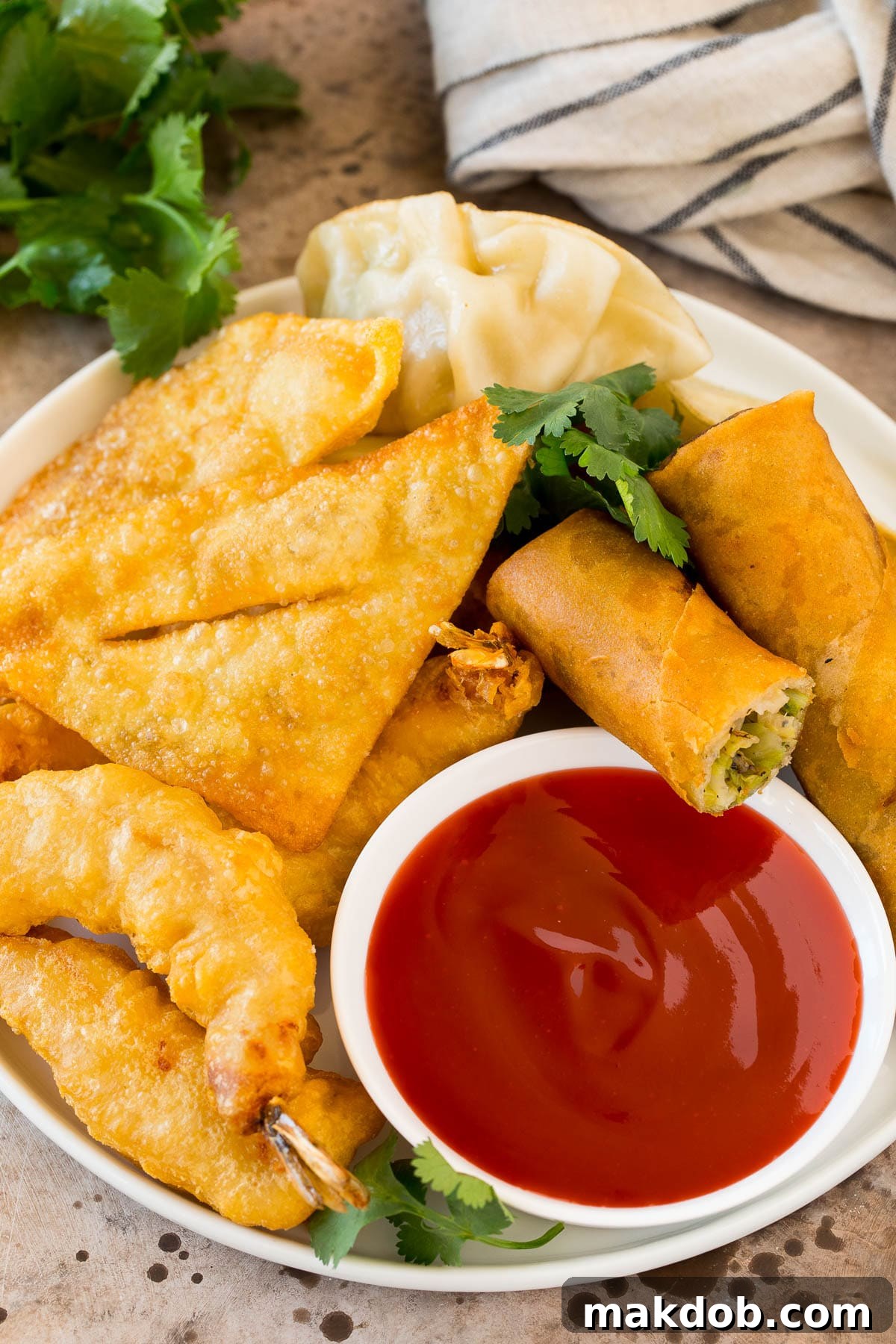
The Irresistible Allure of Sweet and Sour Sauce
There’s something inherently appealing about the combination of sweet and sour. This flavor profile has been a cornerstone of Chinese cuisine for centuries, designed to excite the palate with its delightful contrast. In its journey from traditional Chinese dishes to global popularity, sweet and sour sauce has been adapted and embraced worldwide. While its origins lie in a more complex interplay of ingredients like rice vinegar, plum sauce, and hawthorn berries, the version we commonly enjoy in Western Chinese restaurants often uses a simplified blend, with ketchup, sugar, and vinegar forming the backbone.
Whenever I visit my favorite local Chinese restaurant, ordering a dish featuring this sauce is practically a ritual. Whether it’s crispy sweet and sour chicken, tender pork, juicy shrimp, or just a plate of golden wontons waiting to be drenched, it’s always a crowd-pleaser for both children and adults. The good news? Recreating this beloved sauce at home is surprisingly straightforward, and arguably even more delicious, allowing you to customize it to your exact preferences.
Why Make Sweet and Sour Sauce from Scratch?
Beyond the sheer enjoyment of creating something delicious, there are several compelling reasons to make your own sweet and sour sauce:
- Unbeatable Freshness: Store-bought sauces often contain preservatives and artificial flavors. Homemade sauce offers a brighter, cleaner taste that truly stands out.
- Control Over Ingredients: You dictate the quality of ingredients, allowing you to choose organic options, adjust sugar levels, or opt for low-sodium soy sauce to suit dietary needs.
- Customizable Flavor: Want it sweeter? More tart? A hint of spice? Making it yourself means you can easily tweak the ratios and add-ins to perfectly match your taste buds.
- Cost-Effective: Pantry staples used in this recipe are generally inexpensive, making homemade sauce a budget-friendly alternative to store-bought versions.
- No Unwanted Additives: Avoid high-fructose corn syrup, artificial colors (unless you choose to add them), and other industrial ingredients often found in commercial sauces.
Essential Ingredients for Your Perfect Sweet and Sour Sauce
Crafting this iconic sauce requires just a handful of everyday ingredients. Each component plays a crucial role in achieving that perfect balance of sweet, sour, and savory. Here’s a closer look at what you’ll need:
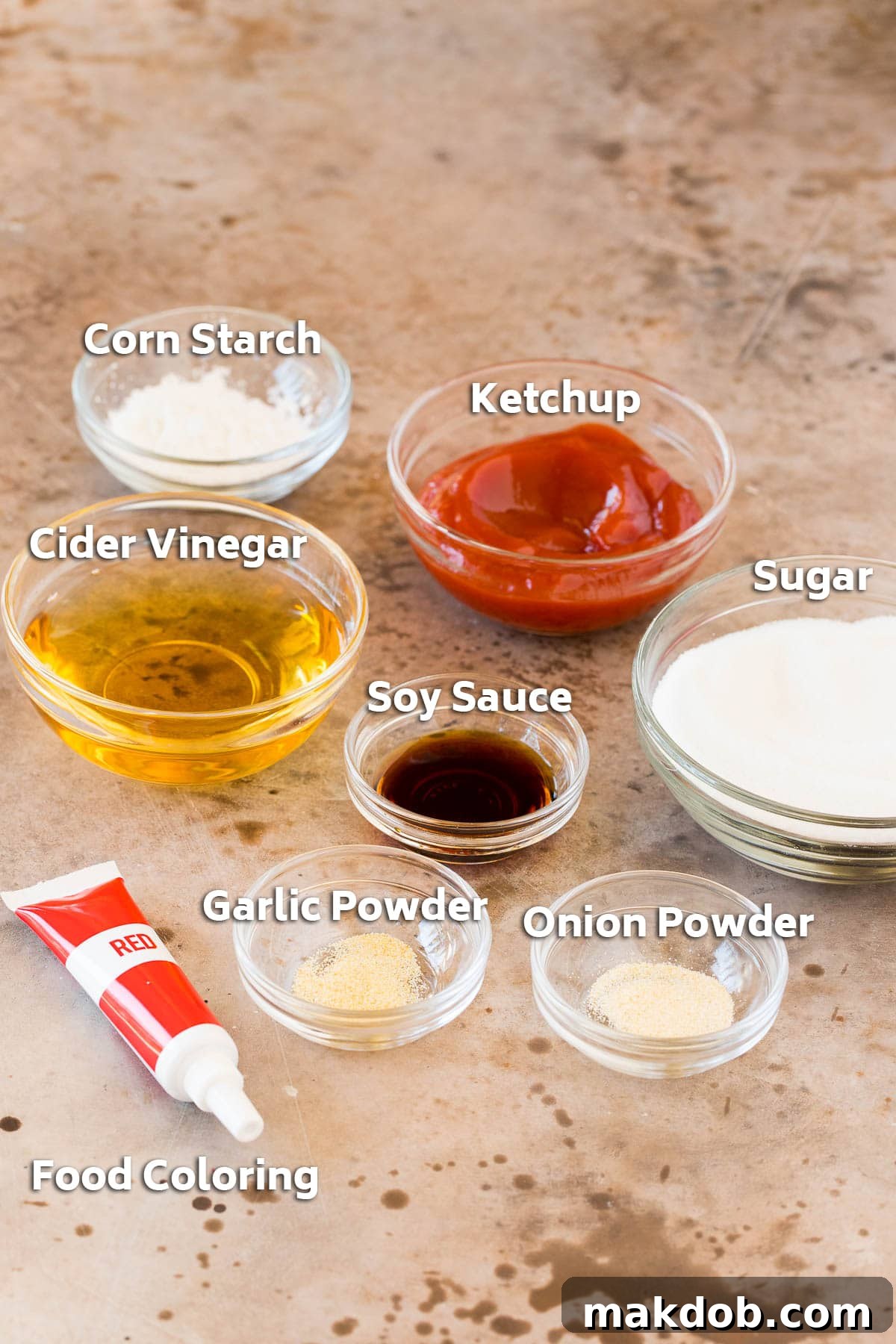
- Granulated Sugar: This is the primary sweetener and forms the foundation of the “sweet” in our sauce. While granulated sugar is standard, you can experiment with brown sugar for a deeper, molasses-like note, or even honey or maple syrup for different flavor profiles.
- Ketchup: Often surprising to some, ketchup is a staple in many Western-style sweet and sour sauces. It contributes not only to the vibrant red color but also a unique blend of sweetness, tanginess from tomatoes, and a subtle savory depth. Choose a good quality ketchup for the best results.
- Apple Cider Vinegar: Providing the essential “sour” element, apple cider vinegar offers a milder, fruitier tang compared to white vinegar. Rice vinegar is another excellent option for a more authentic Asian flavor, while white vinegar can be used for a sharper kick.
- Soy Sauce: A splash of soy sauce is key for adding an umami-rich, savory contrast that balances the sweetness and tartness. Use regular or low-sodium soy sauce according to your preference. For a gluten-free option, tamari works perfectly.
- Corn Starch: This is our secret weapon for achieving that smooth, glossy, and perfectly thickened consistency. Corn starch creates a beautiful sheen and body without imparting any flavor. It’s crucial for getting that restaurant-quality texture.
- Garlic Powder & Onion Powder: These seasonings are wonderful flavor enhancers, adding a subtle aromatic depth that rounds out the sauce without overpowering it. They contribute to the savory undertones that make the sauce so addictive.
- Red Food Coloring (Optional): Many commercial sweet and sour sauces are known for their bright, almost fluorescent red hue. This is purely for visual appeal. If you want to replicate that classic look, a few drops of red food coloring will do the trick. Rest assured, omitting it will not impact the flavor one bit.
How to Prepare Your Own Sweet and Sour Sauce: A Simple Guide
Making this homemade sweet and sour sauce is astonishingly quick and easy, typically requiring less than 10 minutes from start to finish. Follow these simple steps for a flawless batch every time:
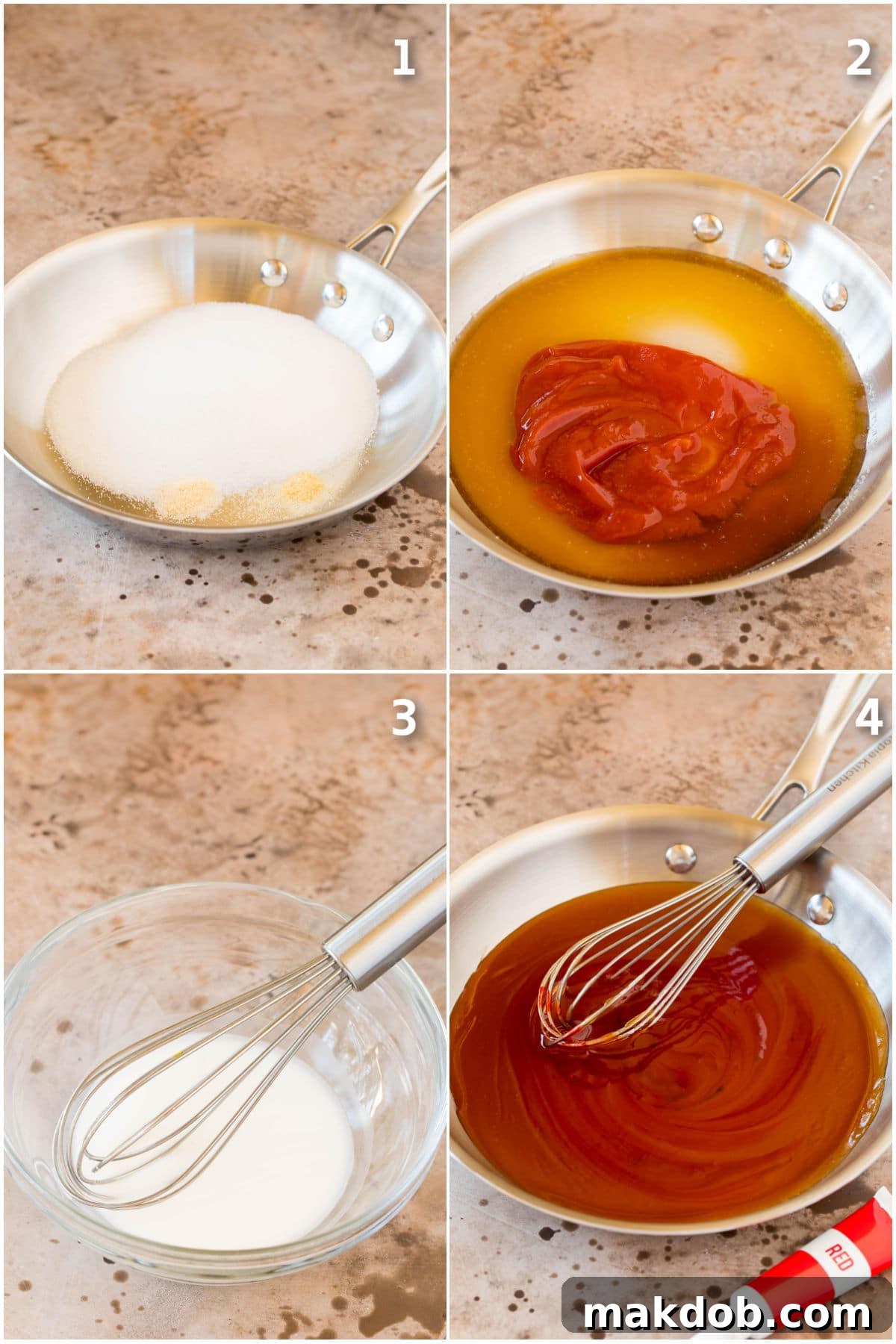
- Combine Base Ingredients: In a small saucepan, combine the granulated sugar, apple cider vinegar, soy sauce, garlic powder, onion powder, and ketchup. Place the pan over medium-high heat.
- Whisk and Simmer: Whisk the ingredients together well until fully combined. Bring the mixture to a gentle simmer, stirring occasionally to ensure the sugar dissolves completely.
- Prepare Cornstarch Slurry: In a separate small bowl, whisk together the corn starch with a few tablespoons of cold water until a smooth slurry forms. This step is crucial for preventing lumps in your sauce. Make sure there are no dry pockets of cornstarch.
- Thicken the Sauce: Once the base sauce is simmering, slowly pour the cornstarch slurry into the saucepan while continuously whisking. Continue to cook and whisk for about 1-2 minutes, or until the sauce visibly thickens and develops a beautiful glossy sheen. It should coat the back of a spoon.
- Add Food Coloring (Optional): If you desire the classic bright red color, stir in 2-3 drops of red food coloring at this stage.
- Cool and Serve: Remove the sauce from the heat. It will continue to thicken slightly as it cools. Serve immediately while hot, or allow it to cool completely before storing it in an airtight container in the refrigerator for later use.
Expert Tips for the Perfect Homemade Sweet and Sour Sauce
Achieving restaurant-quality sweet and sour sauce at home is simple, especially with a few handy tips:
- Preventing Lumps: The key to a smooth, glossy sauce is a properly made cornstarch slurry. Always mix corn starch with *cold* water before adding it to a hot liquid. This prevents the starch granules from clumping. Once added, whisk continuously until the sauce thickens. If you do end up with a few minor lumps, don’t despair! Simply strain the finished sauce through a fine-mesh sieve to achieve a perfectly silky texture.
- Storage Solutions: Your homemade sweet and sour sauce will stay wonderfully fresh in an airtight container in the refrigerator for up to 2 weeks. For longer storage, this sauce freezes beautifully. Pour it into a freezer-safe container or even ice cube trays for individual portions, and freeze for up to 2 months. When you’re ready to use it, thaw the sauce overnight in the refrigerator and gently reheat it on the stovetop, whisking well to restore its original consistency.
- Flavor Customization: This recipe is a fantastic base, but feel free to adjust it to your personal taste.
- Sweetness: If you prefer a less sweet sauce, reduce the sugar by a tablespoon or two. For a deeper flavor, substitute granulated sugar with brown sugar.
- Tanginess: Love extra tang? Add another teaspoon of apple cider vinegar or a squeeze of fresh lemon or lime juice at the end.
- Spicy Kick: Introduce a hint of heat with a pinch of red pepper flakes, a dash of Sriracha, or a few drops of hot sesame oil.
- Fruity Notes: For a tropical twist, incorporate a splash of pineapple juice or orange juice along with the other liquids. You could even add a teaspoon of pineapple preserves.
- Fresh Aromatics: Elevate the flavor with fresh ginger. Add 1/2 teaspoon of freshly grated ginger to the pot along with the other base ingredients for a bright, zesty aroma.
- Adjusting Consistency: If your sauce is too thick, whisk in a tablespoon of water or pineapple juice until it reaches your desired consistency. If it’s not thick enough, prepare another small cornstarch slurry (1 teaspoon corn starch with 2 teaspoons cold water) and slowly whisk it into the simmering sauce until it thickens further.
Frequently Asked Questions About Sweet and Sour Sauce
I primarily use corn starch to thicken this sauce, which is a widely available and effective choice found in most grocery stores’ baking aisles. Corn starch excels at creating a smooth, glossy texture and works quickly. Alternative thickeners include arrowroot powder, quick-cooking tapioca starch, or potato starch. For a straightforward sauce like this, corn starch truly offers the best balance of speed, texture, and visual appeal, giving it that characteristic body and shine.
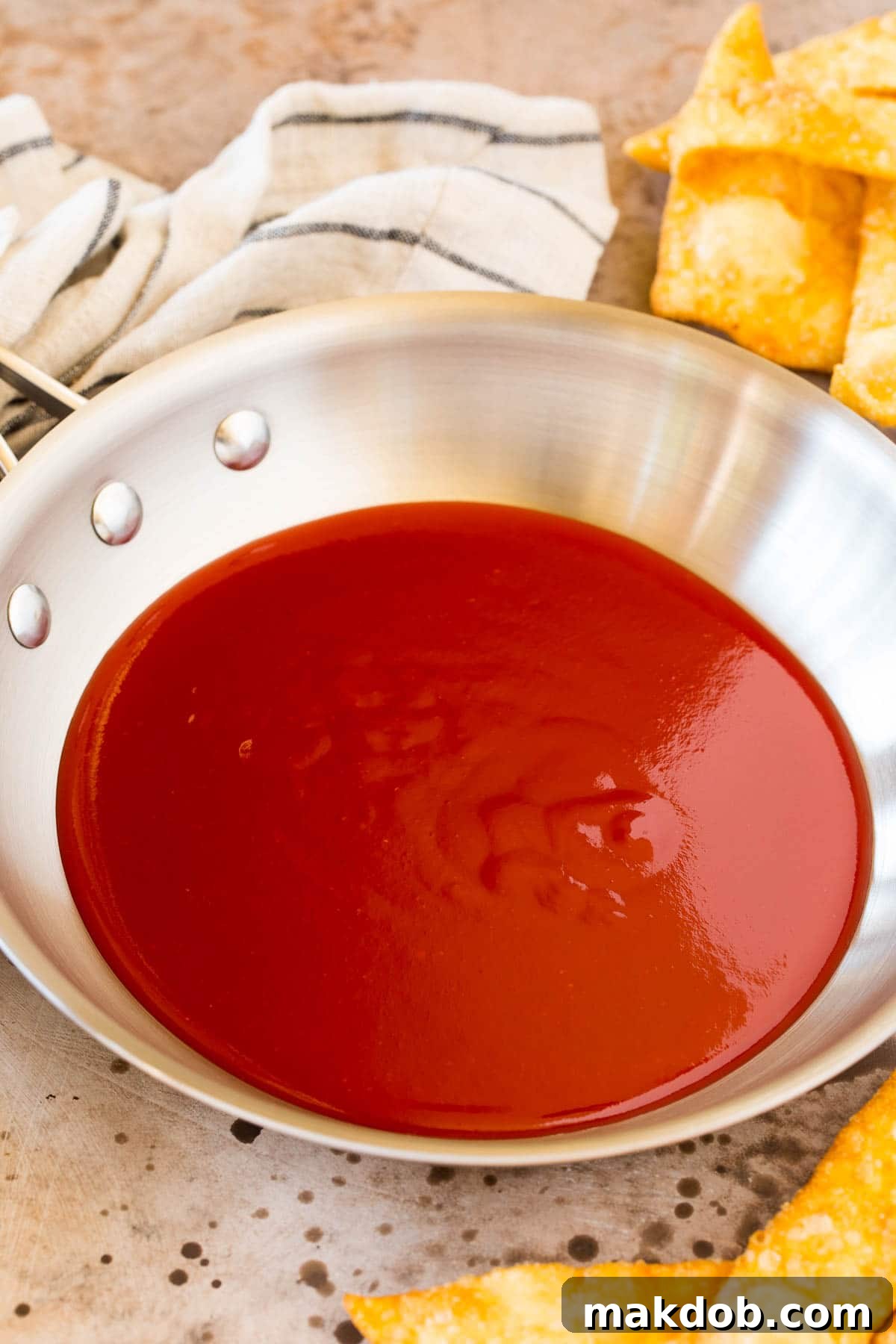
The bright red color of many restaurant-style sweet and sour sauces is purely for aesthetic appeal and is achieved with red food coloring. While I’ve included food coloring as an optional addition in this recipe for those who prefer the classic look, it’s perfectly fine to omit it. Leaving out the food coloring will not alter the taste or texture of the sauce in any way; it will simply result in a more natural, orange-brown hue from the ketchup and soy sauce.
The main ingredients in sweet and sour sauce are sugar and vinegar. As with any food, moderation is key. Sugar should be consumed sparingly as part of a balanced diet. However, sweet and sour sauce is typically used as a condiment or dipping sauce, meaning the actual amount consumed per person tends to be relatively small. When made at home, you also have the advantage of controlling the amount and type of sugar used, making it a healthier option than many heavily processed store-bought varieties.
Absolutely! To make this sweet and sour sauce entirely gluten-free, simply substitute regular soy sauce with tamari, which is a gluten-free alternative that offers a similar umami flavor. All other ingredients in this recipe are typically naturally gluten-free.
Adding a kick of heat to your sweet and sour sauce is easy! You can stir in a pinch of red pepper flakes during the simmering process, add a dash of your favorite hot sauce (like Sriracha) to taste, or even incorporate a small amount of finely minced fresh chili pepper for a fresher heat. Adjust the amount to your desired spice level.
Unleashing the Versatility: How to Use Sweet and Sour Sauce
The beauty of this homemade sweet and sour sauce lies in its incredible versatility. It’s not just for dipping; it can transform a variety of dishes into flavorful Asian-inspired meals. Here are some of my favorite ways to incorporate this delicious sauce:
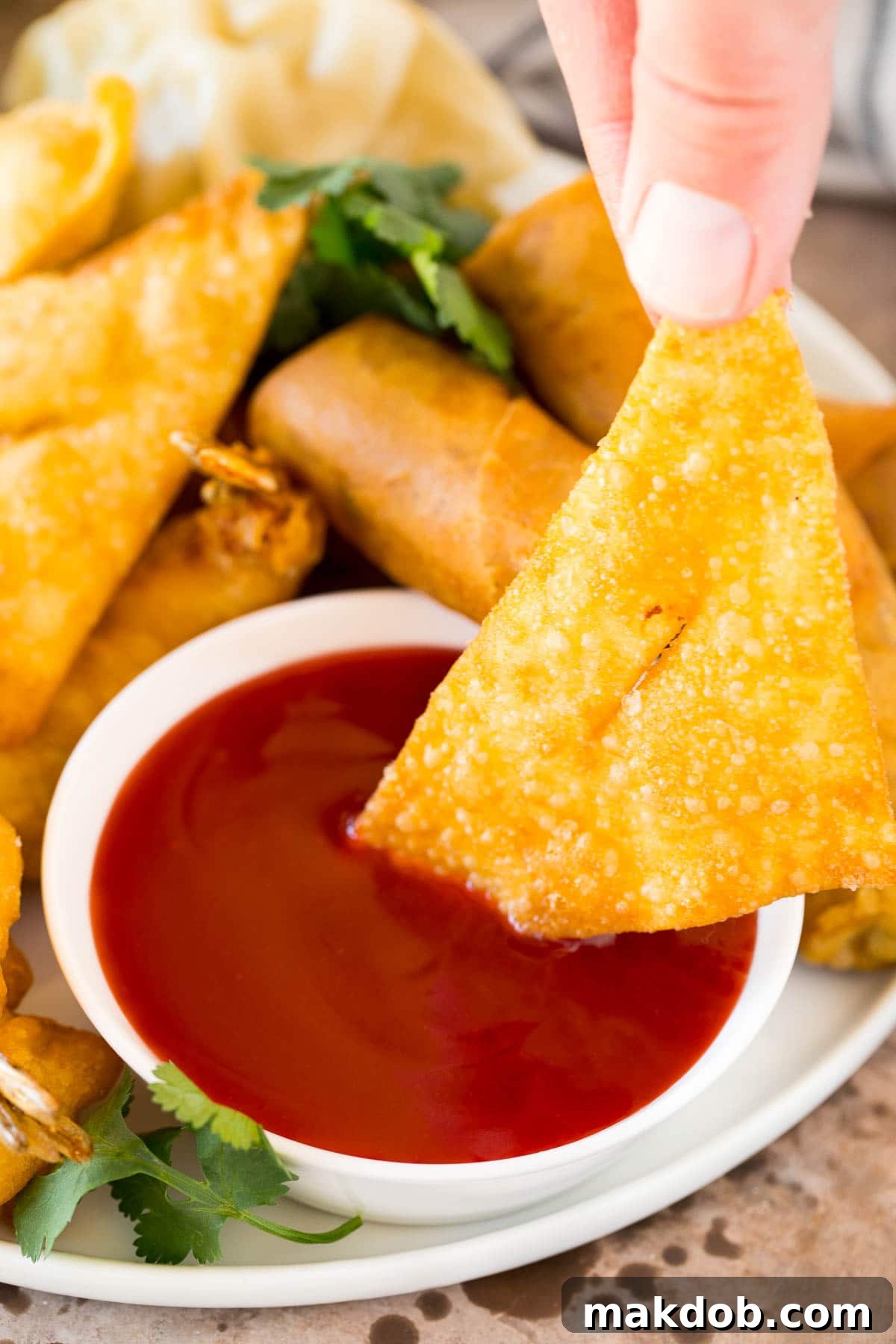
- The Ultimate Dip: This is arguably its most popular use! Serve your sweet and sour sauce as a delightful dip for a wide array of Asian appetizers. Think crispy egg rolls, savory spring rolls, plump dumplings, golden fried wontons, crunchy shrimp tempura, delicate crab rangoon, or even simple chicken nuggets.
- Flavorful Marinade: Thin out the sauce slightly with a tablespoon or two of water, vegetable broth, or pineapple juice, and then add a teaspoon of sesame oil or vegetable oil. Use this concoction as a quick marinade for proteins like shrimp, thinly sliced chicken breast, pork tenderloin, or even firm tofu before grilling, pan-frying, or baking. Marinate for at least 30 minutes, or up to 2 hours for maximum flavor absorption.
- Stir-Fry Sensation: This sauce is a star in stir-fries! For a classic sweet and sour dish, toss deep-fried chicken or pork pieces with sautéed bell peppers, onions, and pineapple chunks, then coat everything generously with the sauce. Alternatively, simply sauté your protein and choice of fresh vegetables (broccoli, carrots, snap peas, mushrooms), then pour in the sauce during the last few minutes of cooking and toss until everything is beautifully coated and heated through. Serve over steamed rice or noodles.
- Slow Cooker Magic: Transform ordinary ingredients into an effortless meal. Place frozen meatballs, cocktail sausages, or even chicken pieces in your slow cooker. Pour one batch of sweet and sour sauce over them. For added flavor and texture, include diced bell peppers, onion wedges, and pineapple chunks. Cover and cook on low for 4-6 hours (or on high for 2-3 hours) until the meat is tender and the vegetables are cooked. Serve this comforting dish over rice for an easy weeknight dinner.
- Glaze for Roasted Meats: Brush this sweet and sour sauce onto roasted chicken, pork ribs, or even salmon during the last 15-20 minutes of cooking. The sugars in the sauce will caramelize beautifully, creating a sticky, glossy, and incredibly flavorful glaze.
- Creative Salad Dressing Component: Whisk a tablespoon or two of the sauce with a neutral oil (like grapeseed or canola), a touch more vinegar if desired, and a pinch of salt and pepper for a unique Asian-inspired salad dressing.
This homemade sweet and sour sauce truly brings the authentic and beloved flavors of your favorite Chinese takeout right into the comfort of your own home. It’s a condiment that’s not just delicious but also incredibly versatile, making it an absolute must-make for anyone who enjoys Asian cuisine.
More Asian Recipes You’ll Enjoy
- Spicy Szechuan Chicken
- Classic Beef and Broccoli Stir-Fry
- Authentic Kung Pao Chicken
- Quick and Easy Stir Fry Noodles
- Flavorful Hunan Beef
Sweet and Sour Sauce Recipe
Watch the video below to see how easy it is to make this delicious sweet and sour sauce!
Sweet and Sour Sauce
Pin Recipe
Sara Welch
5 minutes
5 minutes
10 minutes
Sauce
Asian
6
Ingredients
- 1/2 cup granulated sugar
- 3 tablespoons apple cider vinegar
- 1 teaspoon soy sauce
- 1/8 teaspoon garlic powder
- 1/8 teaspoon onion powder
- 1/3 cup ketchup
- 1 tablespoon corn starch
- 2 tablespoons cold water
- 2-3 drops red food coloring (optional)
Instructions
-
Place the sugar, apple cider vinegar, soy sauce, garlic powder, onion powder and ketchup in a small pan over medium high heat. Stir to combine, then bring to a simmer.
-
In a small bowl, mix together the corn starch and cold water until smooth.
-
Slowly whisk the corn starch mixture into the simmering sauce, then bring to a boil. Cook for 1 minute or until sauce has just thickened and is glossy.
-
Stir in the red food coloring (if using). Cool slightly and use right away, or refrigerate for later use.
Notes
- The red food coloring is for visual purposes only and does not change the flavor of the sauce, so it’s fine to omit it if you don’t have any on hand.
- The finished sauce will stay fresh in the refrigerator for up to 2 weeks in an airtight container.
Nutrition Information
Tag @dinneratthezoo on Instagram and hashtag it #dinneratthezoo