
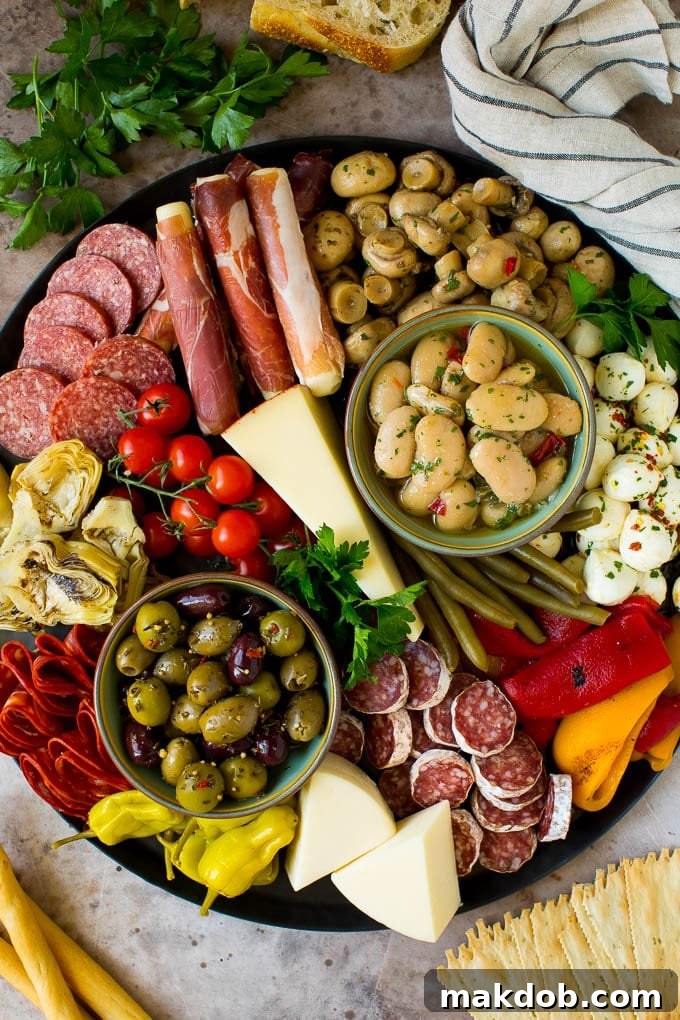
Elevate your entertaining game with an exquisite Antipasto Platter – a stunning showcase of Italian culinary delights. This impressive spread combines a vibrant array of cured meats, artisanal cheeses, fresh and marinated vegetables, and crusty breads, all artfully arranged to create a breathtaking appetizer display. Perfect for any gathering, from casual get-togethers to sophisticated dinner parties, an antipasto platter is not only visually appealing but also incredibly easy to assemble, requiring just minutes to bring to life.
When planning a memorable event, the appetizer course sets the tone for the entire meal. While classic options like mini pizzas or little smokies are always crowd-pleasers, an antipasto platter offers an elevated, customizable experience that caters to diverse tastes. Its versatility means you can tailor it to fit any occasion, season, or dietary preference, ensuring every guest finds something to savor. This guide will walk you through creating your own magnificent Italian antipasto, making you the ultimate host.
The Art of Antipasto: More Than Just an Appetizer
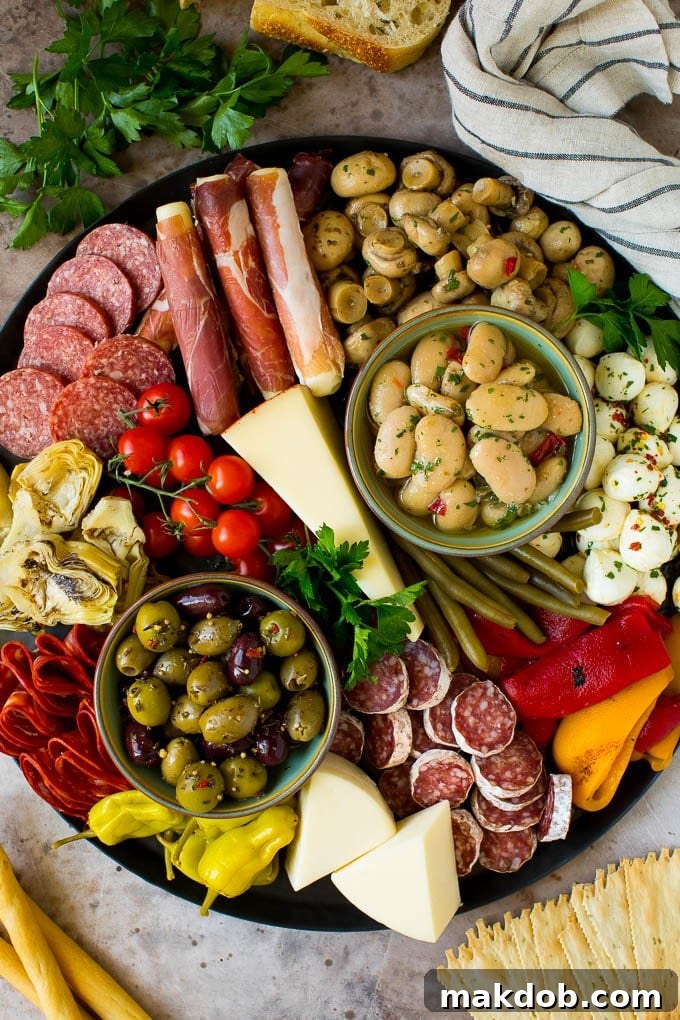
Antipasto, literally meaning “before the meal,” is a cornerstone of Italian dining culture. It’s designed to awaken the palate and stimulate conversation before the main courses arrive. Unlike a simple charcuterie board, a traditional Italian antipasto embraces a broader spectrum of ingredients, offering a balanced medley of flavors, textures, and colors. It’s an invitation to graze, explore, and share, fostering a communal dining experience that is both relaxed and elegant. The beauty of an antipasto platter lies in its abundance and variety, transforming simple ingredients into a feast for the eyes and the stomach.
Creating an antipasto platter is an enjoyable culinary journey, allowing for boundless creativity. There’s no single “right” way to build one, which makes it perfect for experimenting with your favorite Italian ingredients. From the rich umami of cured meats to the tangy zest of pickled vegetables and the creamy delight of fresh cheeses, each component plays a vital role in the overall symphony of flavors. It’s an ideal choice for hosts who want to impress without spending hours in the kitchen, making it a go-to for impromptu gatherings and planned celebrations alike.
What is Antipasto? Decoding the Italian First Course
Traditionally, antipasto is recognized as the initial course of an Italian meal, presenting an assortment of cold delicacies. These typically include cured meats, various cheeses, an array of olives, and marinated or fresh vegetables. The specific components of an antipasto offering can differ significantly based on the region of Italy you might be exploring, reflecting local specialities and seasonal availability. Unlike individual appetizers that are passed around, an antipasto is generally served as a generous, family-style platter, encouraging guests to help themselves and enjoy the bounty together.
This traditional serving style emphasizes hospitality and shared enjoyment, making it a perfect fit for social events. While the core elements remain consistent, the regional variations mean you could encounter anything from seafood-based antipasti along the coast to more robust, meat-and-cheese-heavy platters inland. Understanding this versatility allows for even greater creativity when constructing your own platter, giving you the freedom to mix traditional elements with personal favorites.
Crafting the Perfect Antipasto Platter: A Step-by-Step Guide
Assembling an impressive antipasto platter is remarkably simple. The key lies in selecting high-quality ingredients and arranging them thoughtfully to create an inviting display. Follow these steps to build your masterpiece:
- Gather Your Essentials: Begin by selecting your desired varieties of cured meats, Italian cheeses, marinated beans, pickled or roasted vegetables, and olives. Think about contrasting colors, textures, and flavors to create visual interest and a balanced taste profile.
- Choose Your Platter: Select a large serving board, tray, or platter. Wooden boards, slate platters, or even large ceramic dishes work wonderfully. Ensure it’s big enough to accommodate all your chosen ingredients without overcrowding.
- Strategize Placement: Start with larger items or bowls for dips and spreads like savory bruschetta or piquant olive tapenade. Place these strategically to anchor your design.
- Arrange Meats and Cheeses: Artfully fold or roll cured meats and fan out cheese slices or cubes. Alternate between different types of meats and cheeses to create appealing sections.
- Incorporate Vegetables and Olives: Fill in the gaps with your array of fresh, roasted, and pickled vegetables. Group similar items together or scatter them for a more eclectic look. Arrange olives in small bowls or directly on the platter.
- Add Bread and Crackers: Finally, introduce an assortment of bread options, such as crispy breadsticks, thinly sliced focaccia, crostini, or baguette slices. These can be placed directly on the platter or in a separate basket alongside.
- Garnish for Flourish: A sprinkle of fresh herbs like rosemary, basil, or parsley adds a touch of freshness and vibrant color, enhancing the platter’s overall appeal.
- Serve and Savor: Present your beautiful antipasto platter to your guests and watch them delight in its abundance!
Essential Antipasto Platter Ingredients: A World of Flavors
The beauty of an antipasto platter is its incredible flexibility. While there are no strict rules, here’s a comprehensive list of suggested ingredients to inspire your creation and ensure a diverse, flavorful experience:
Cured Meats (Salumi)
- Prosciutto: A thinly sliced, dry-cured ham with a delicate, salty flavor.
- Salami: Offer a variety of hard, cured sausages such as Genoa salami, spicy Calabrese, or savory Soppressata.
- Pepperoni: A classic, mildly spicy American-Italian salami, often a favorite.
- Coppa (Capicola): A dry-cured pork shoulder or neck, known for its rich flavor and tender texture.
- Prosciutto and Mozzarella Rolls: For an elegant touch, roll slices of prosciutto around fresh mozzarella pearls or sticks.
Italian Cheeses (Formaggi)
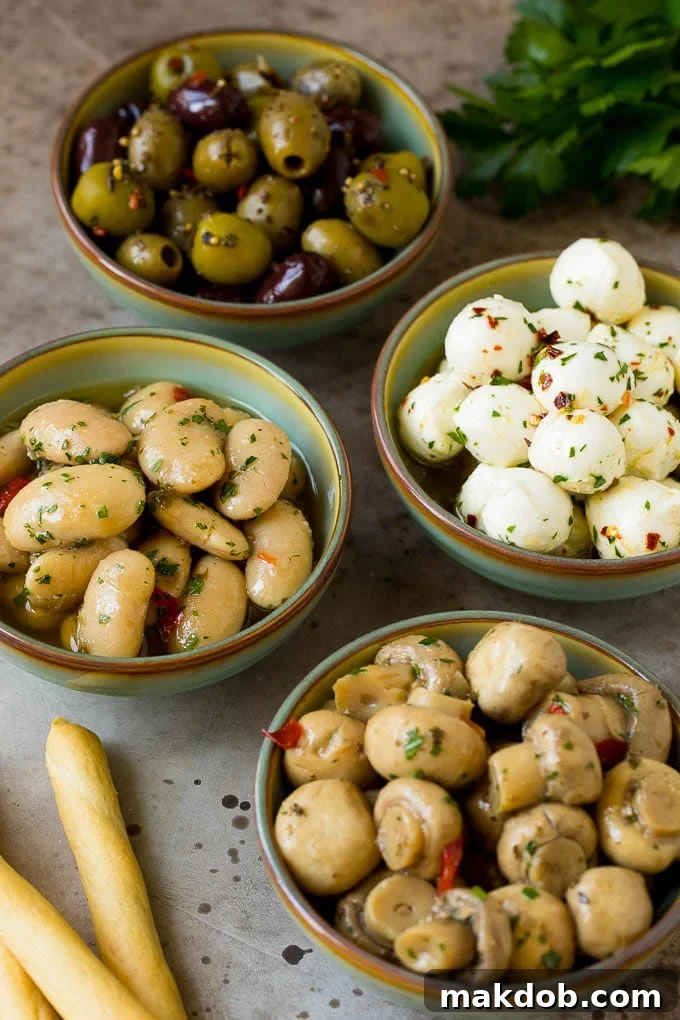
- Fresh Mozzarella Balls (Bocconcini/Ciliegine): Small, fresh mozzarella balls are incredibly versatile. Consider marinating them in olive oil, fresh herbs (like basil or oregano), and a pinch of red pepper flakes for an extra burst of flavor.
- Gorgonzola: A creamy, pungent blue cheese, perfect for those who enjoy a bolder flavor.
- Parmigiano Reggiano: Hard, granular cheese with a nutty, savory taste, ideal for shaving or cubing.
- Asiago: A semi-hard cheese with a mild, nutty flavor, which deepens as it ages.
- Fontina: A semi-soft, mild, and nutty cheese that pairs well with many ingredients.
- Provolone: A versatile semi-hard cheese, often served sliced.
Vibrant Vegetables (Verdure)
Incorporate a mix of fresh, roasted, and pickled options for diverse textures and tastes:
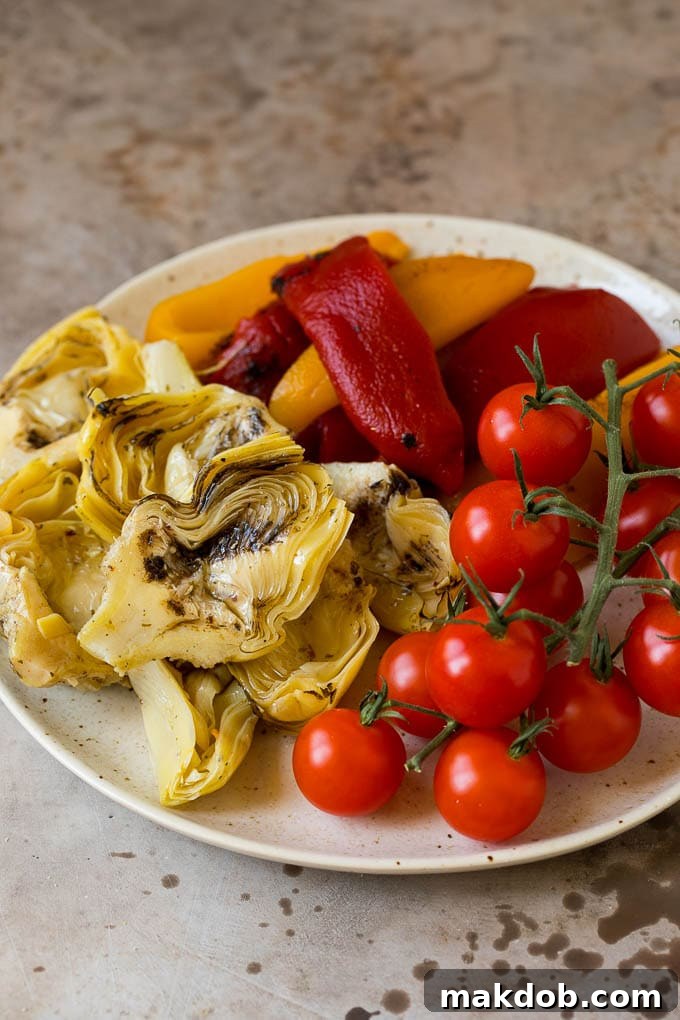
- Roasted Red Bell Peppers: Sweet and smoky, these add vibrant color and depth.
- Grilled Eggplant or Zucchini: Tender and flavorful, especially with a hint of olive oil and herbs.
- Pepperoncini or Cherry Peppers: For a delightful tangy kick.
- Marinated Artichoke Hearts: Tender and briny, a classic antipasto component.
- Grilled or Marinated Mushrooms: Earthy and savory additions.
- Roasted Tomatoes: Sweet and concentrated in flavor.
- Pickled Garlic Cloves: Surprisingly mild and flavorful.
- Crudités: Fresh, crisp vegetables like cucumber slices, vibrant cherry tomatoes, and carrot sticks offer a refreshing crunch.
- Marinated Beans: If available in your deli, a bowl of marinated cannellini or garbanzo beans adds a unique texture and flavor.
Olives (Olive)
Visit your local grocery store’s olive bar to select an assortment of both black and green olives. Consider varieties like Kalamata, Castelvetrano, Cerignola, and arbequina for a range of briny, buttery, and fruity notes.
Breads & Crackers (Pane e Crostini)
- Baguette or Ciabatta Slices: Fresh and crusty, perfect for piling ingredients onto.
- Hard Breadsticks (Grissini): Provide a satisfying crunch.
- Crostini: Thin, toasted bread slices that add texture.
- Focaccia: Soft, airy, and often flavored with herbs and olive oil.
- Assorted Crackers: A gluten-free option or an alternative for those who prefer them.
Unexpected Extras & Accoutrements
To truly elevate your platter, consider adding:
- Nuts: Marcona almonds, pistachios, or walnuts add crunch and healthy fats.
- Fresh or Dried Fruit: Figs, grapes, melon slices, or dried apricots offer sweetness and balance.
- Honey or Fig Jam: A drizzle of honey or a dollop of fig jam beautifully complements cheeses.
- Pesto: A fresh basil pesto provides a burst of herbaceous flavor.
- Small Pickles (Cornichons): Offer a sharp, tangy counterpoint.

Antipasto vs. Charcuterie: Demystifying the Differences
While both antipasto and charcuterie boards feature an enticing array of cured meats and are fantastic for entertaining, they possess distinct identities rooted in their culinary traditions.
- Antipasto: The Italian First Course. As discussed, antipasto is quintessentially Italian. Its ingredients are almost exclusively sourced from Italian culinary traditions, focusing on cured meats (salumi), Italian cheeses, olives, and a significant emphasis on a wide variety of fresh, roasted, and pickled vegetables. It’s designed as a prelude to an Italian meal, offering a balance of flavors and textures that prepare the palate.
- Charcuterie: The French Meat Art. Charcuterie, on the other hand, is a French term referring specifically to the art of preparing and assembling cured meats. While modern charcuterie boards often incorporate cheeses, fruits, nuts, and crackers, the primary focus remains on the elaborate display and variety of meats. These boards may include meats from various regions, not just Italy, and typically feature a higher proportion of meat and cheese compared to vegetables. The emphasis is often on the craft of meat preservation itself.
In essence, while there’s overlap in their appeal as appetizer platters, antipasto is broader in its Italian ingredient scope and heavy on vegetables, whereas charcuterie centers more tightly on the diverse world of cured meats, often with a French influence, and can incorporate global elements.
Make Ahead and Serving Directions for a Stress-Free Event
One of the many advantages of an antipasto platter is its make-ahead potential, which significantly reduces stress on the day of your event. This no-cook appetizer allows you to focus on your guests, knowing a delicious spread is ready to go.
- Advance Assembly: You can assemble almost your entire platter up to 8 hours in advance. Arrange all the cured meats, cheeses, olives, and vegetables on your chosen platter. If using small bowls for dips or marinated items, place those too.
- Storage: Once assembled, tightly cover the platter with plastic wrap or aluminum foil to prevent drying out and absorb refrigerator odors. Chill it in the refrigerator until about 20 minutes before serving.
- What to Exclude: It’s best to add bread products (like focaccia, baguette slices, or breadsticks) and delicate fresh herbs (like basil or mint) just before serving. Breads can become stale or soggy in the refrigerator, and some herbs may wilt.
- Serving Temperature: Remove your platter from the refrigerator approximately 20 minutes before you plan to serve it. This allows the cheeses and meats to come slightly closer to room temperature, enhancing their flavors and textures.
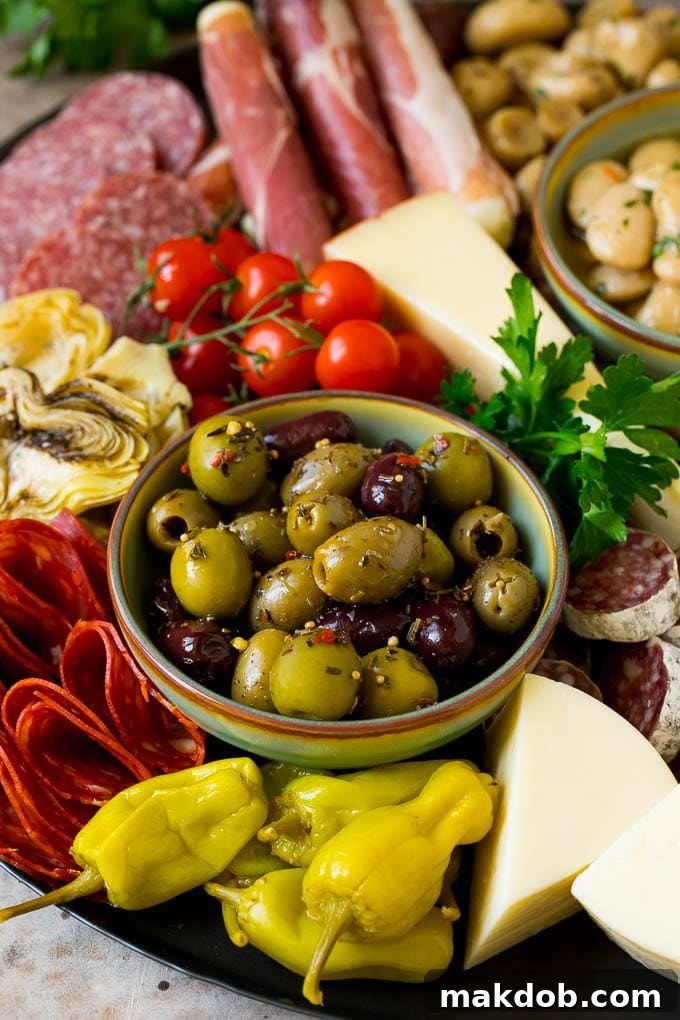
This effortless approach to entertaining ensures that your antipasto platter is not just a beautiful centerpiece, but also a stress-free culinary delight for you and your guests. It’s a no-cook appetizer that is incredibly easy and fun to prepare, proving that good food doesn’t always require extensive effort. The visual appeal is matched only by its delicious taste, making it a perfect addition to any gathering.
More Amazing Appetizer Options to Explore
- Mini Quiches
- Cheese Fries
- Spinach Artichoke Dip
- Mozzarella Sticks
- Mango Salsa
Antipasto Platter Recipe
This antipasto platter is a combination of Italian meats, cheeses, vegetables and breads, all arranged to create a fabulous appetizer display. The perfect showpiece for any gathering, and it takes just minutes to put together!
Author: Sara Welch
Summary
This antipasto platter is a combination of Italian meats, cheeses, vegetables and breads, all arranged to create a fabulous appetizer display. The perfect showpiece for any gathering, and it takes just minutes to put together!
Prep Time: 20 minutes
Cook Time: 1 minute
Total Time: 21 minutes
Course: Appetizer
Cuisine: Italian
Serves: 8
Ingredients
- 1 1/2 pounds assorted cured meats such as salami, prosciutto, pepperoni and coppa
- 1 pound cheese sliced or cubed, such as provolone or asiago
- 1 cup small mozzarella balls bocconcini, plain or marinated in olive oil and herbs
- 1 cup olives
- 2 cups grilled and/or pickled vegetables such as pepperoncini, roasted red peppers, marinated artichokes, marinated beans
- 1 cup raw vegetables cherry tomatoes, baby carrots, cucumber
- 2-3 cups assorted breads focaccia, breadsticks, crostini
- fresh herbs for garnish
- sauces such as bruschetta or olive tapenade (optional)
Instructions
- Arrange all the ingredients on a large platter. If using the sauces, place them in small bowls. Garnish with fresh herbs, then serve.
- If you want to make this dish ahead of time, assemble everything on the platter except the bread products and fresh herbs. Cover and refrigerate for up to 8 hours. Remove from the refrigerator, uncover, and add bread and herbs. Let stand for 20 minutes, then serve.
Nutrition
- Calories: 253kcal
- Carbohydrates: 1g
- Protein: 14g
- Fat: 21g
- Saturated Fat: 12g
- Cholesterol: 60mg
- Sodium: 615mg
- Potassium: 63mg
- Fiber: 1g
- Sugar: 1g
- Vitamin A: 634IU
- Calcium: 418mg
- Iron: 1mg