
Delicious Veggie Fried Rice: Your Ultimate Guide to a Quick & Flavorful Meal
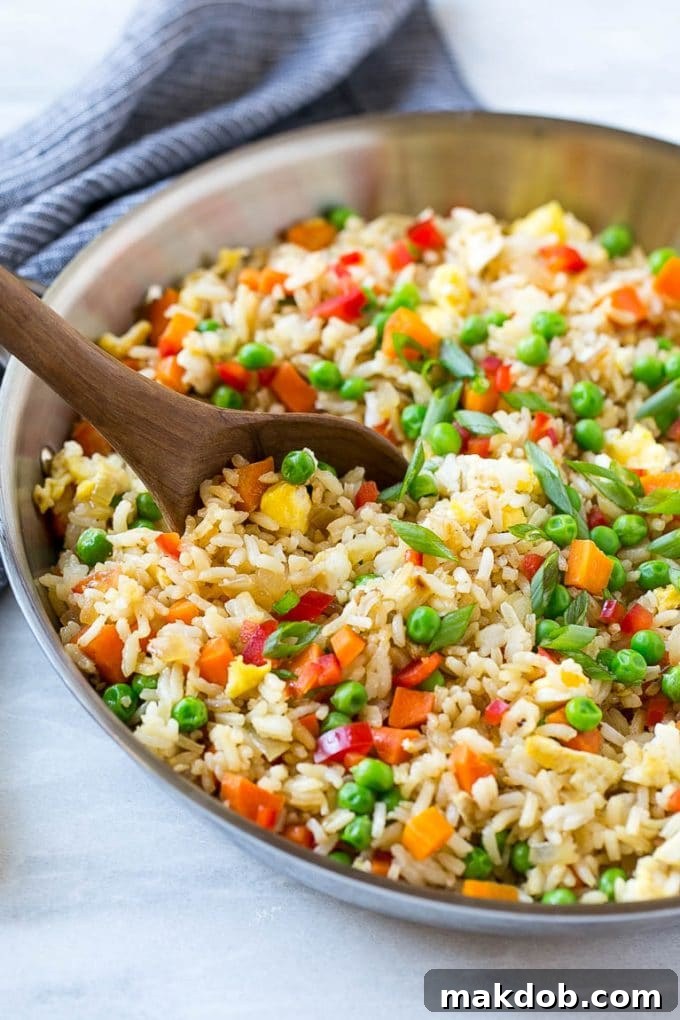
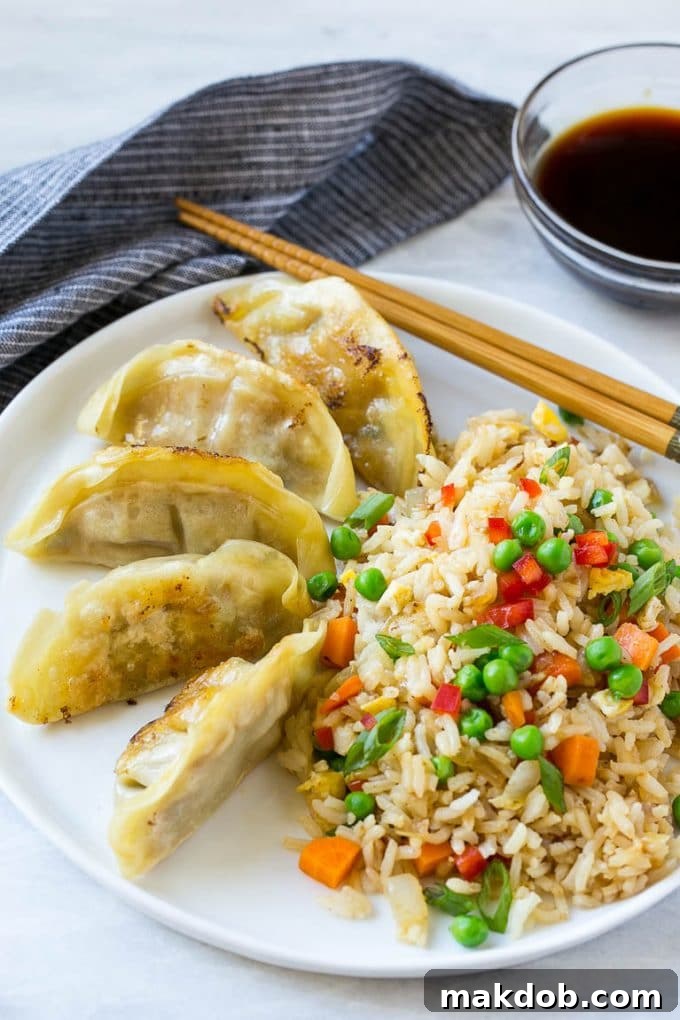
Transform your weeknight dinner routine with this incredibly versatile and utterly delicious veggie fried rice recipe. Bursting with vibrant, colorful vegetables and packed with savory flavors, this dish can be on your table in just 20 minutes! More than just a meal, this vegetarian fried rice is the quintessential quick and easy side dish that promises to delight every member of your family, making it an instant crowd-pleaser.
There’s an undeniable charm and convenience to crafting Asian food recipes from the comfort of your own kitchen. For many, including my family, these dishes are a go-to for their irresistible taste and satisfying nature. Favorites like sweet and sour chicken, classic fried rice, and hearty beef broccoli stir fry are often requested, and for good reason! This particular vegetable fried rice recipe stands out as the very best accompaniment to a wide array of Asian-inspired entrees, and its simplicity belies its incredible depth of flavor. Whether you’re aiming for a complete feast or a standalone light lunch, this homemade fried rice is guaranteed to impress with minimal effort.
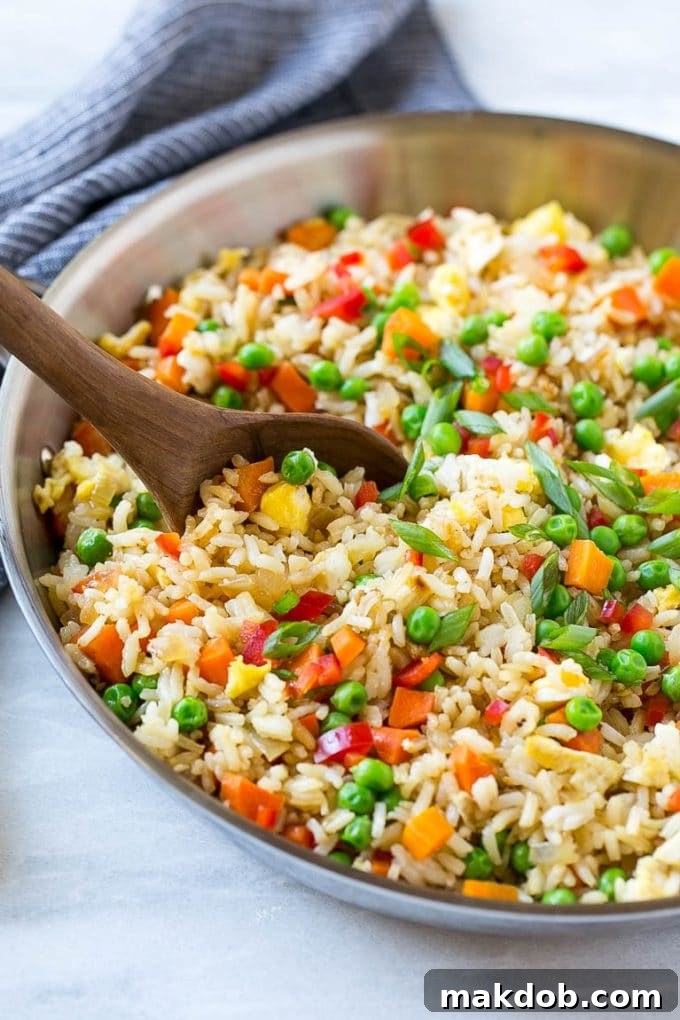
In today’s fast-paced world, efficiency in the kitchen is key. That’s why I’ve been a huge advocate for the “cook once, eat twice” philosophy. This smart approach to meal planning involves preparing enough food on the first night to utilize some or all components in a subsequent meal, dramatically cutting down on cooking time during busy weekdays. Our veggie fried rice recipe perfectly embodies this principle, offering an exceptional way to transform leftover rice and vegetables into something truly special and exciting. It’s not just about saving time; it’s about creating delightful, fresh meals from what you already have, reducing waste and maximizing flavor.
Table of Contents
- Why You’ll Love This Veggie Fried Rice Recipe
- Essential Ingredients for the Best Veggie Fried Rice
- Step-by-Step Guide: How to Make Veggie Fried Rice
- Pro Tips for Perfecting Your Fried Rice
- Storage and Reheating Tips
- Frequently Asked Questions About Veggie Fried Rice
- Creative Flavor Variations and Add-Ins
- Serving Suggestions: What to Pair with Fried Rice
- More Irresistible Asian Food Favorites
- Veggie Fried Rice Recipe Card
Why You’ll Love This Veggie Fried Rice Recipe
This veggie fried rice isn’t just another side dish; it’s a culinary experience designed for convenience, nutrition, and incredible flavor. Here are just a few reasons why this recipe will become a staple in your kitchen:
- Lightning Fast: Ready in an astonishing 20 minutes, it’s faster than takeout and perfect for those hectic weeknights when time is of the essence.
- Bursting with Veggies: Loaded with a colorful assortment of fresh (or frozen!) vegetables, it’s an excellent way to boost your daily nutrient intake and add vibrant textures to your meal.
- Economical & Waste-Reducing: This recipe shines as a fantastic solution for utilizing leftover rice, transforming it into a delicious new meal and helping you reduce food waste.
- Customizable: Easily adapt it to your family’s preferences or whatever ingredients you have on hand. Add different vegetables, proteins, or adjust seasonings to create your signature fried rice.
- Family-Friendly: Its mild yet flavorful profile appeals to all ages, making it a guaranteed hit even with picky eaters.
- Versatile Side or Main: While it’s an ideal side dish for Asian main courses, it’s also hearty enough to stand alone as a light, satisfying vegetarian meal.
Essential Ingredients for the Best Veggie Fried Rice
Creating truly exceptional homemade fried rice begins with a careful selection of ingredients. While the core components are simple, understanding their role can elevate your dish from good to unforgettable. Here’s what you’ll need, along with a few tips:
- Cooked Rice: The star of the show! For the best results, use day-old, chilled white rice. This is crucial as cold rice is less sticky and fries up beautifully, achieving that desired slightly crispy texture without becoming mushy. While white rice is traditional, you can also experiment with brown rice or even a rice-quinoa blend for added nutritional value.
- Vegetable Oil: A neutral oil like vegetable, canola, or grapeseed oil is perfect for high-heat cooking. We’ll divide its use for sautéeing vegetables and scrambling eggs, ensuring even cooking and flavor distribution.
- Onion & Carrots: These aromatic vegetables form the base of our flavor profile. Finely chopped, they cook down to a tender sweetness that complements the other ingredients. Cut them uniformly for even cooking.
- Red Bell Pepper: Adds a lovely pop of color, a subtle sweetness, and a crisp-tender texture. Other bell pepper colors (yellow, orange) work equally well.
- Frozen Peas: A convenience superstar! Frozen peas add a touch of sweetness and vibrant green color without needing prior prep. Avoid canned peas, as their texture and color are often inferior.
- Minced Garlic: The backbone of many Asian dishes, garlic provides a pungent, aromatic depth that is essential for authentic fried rice flavor.
- Eggs: Lightly beaten and scrambled, eggs add richness, protein, and a wonderful fluffy texture to the fried rice, integrating seamlessly with the vegetables and rice.
- Soy Sauce: The primary seasoning, delivering a salty, umami-rich flavor. Use a good quality soy sauce and adjust to your personal taste. For a gluten-free option, tamari is an excellent substitute.
- Toasted Sesame Oil: A finishing oil that imparts a deep, nutty aroma and flavor. A little goes a long way, so add it at the end to preserve its delicate essence.
- Salt & Pepper: Basic seasonings to enhance the natural flavors of the ingredients. Always taste and adjust as you go.
- Green Onions (Scallions): Sliced and sprinkled over the top, these provide a fresh, mild oniony bite and a beautiful garnish.
Having all your ingredients prepped and ready before you start cooking is key to successful stir-frying. This is known as “mise en place” and will make the cooking process smooth and stress-free.
Step-by-Step Guide: How to Make Veggie Fried Rice
Creating this flavorful veggie fried rice is a straightforward process, but paying attention to a few key techniques will ensure a restaurant-quality result. Follow these steps for an easy and delicious meal:
- Heat the Wok/Skillet: Begin by heating 2 teaspoons of vegetable oil in a large wok or a spacious, heavy-bottomed skillet over medium-high heat. A hot pan is crucial for achieving that characteristic fried rice texture, preventing ingredients from steaming instead of searing.
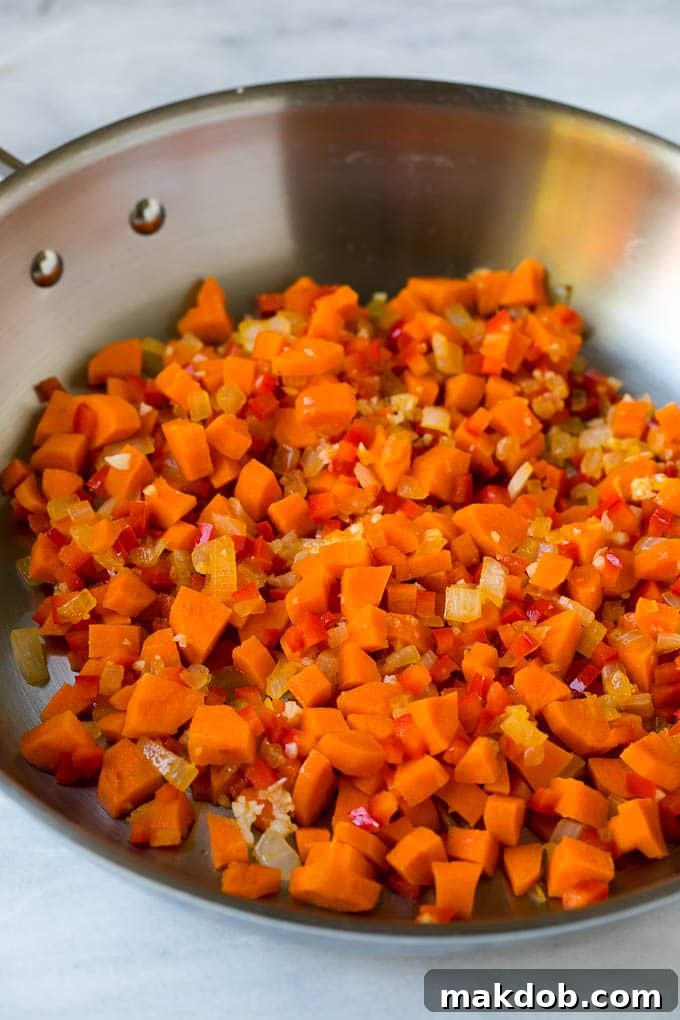
- Sauté the Harder Vegetables: Add the finely chopped onion and carrots to the hot pan. Cook, stirring frequently, for about 3-5 minutes, or until they begin to soften but still retain a slight bite. Uniformly cut vegetables ensure they cook evenly.
- Introduce Softer Vegetables & Aromatics: Stir in the chopped red bell pepper and continue to cook for another 2-3 minutes. The bell pepper should become tender-crisp, not mushy. Next, add the minced garlic and cook for just 30 seconds more, or until fragrant. Be careful not to burn the garlic, as it can turn bitter very quickly.
- Season and Reserve Vegetables: Lightly season the cooked vegetables with a pinch of salt and pepper to taste. Remove all the vegetables from the pan and transfer them to a plate. Cover the plate loosely with foil to keep them warm while you prepare the eggs and rice. This step prevents overcrowding the pan and allows each component to cook perfectly.
- Scramble the Eggs: Pour the remaining teaspoon of vegetable oil into the now empty (but still hot) pan. Add the lightly beaten eggs and quickly scramble them with a spatula, breaking them into small, fluffy pieces. Cook until they are just set and cooked through, then season lightly with salt and pepper.
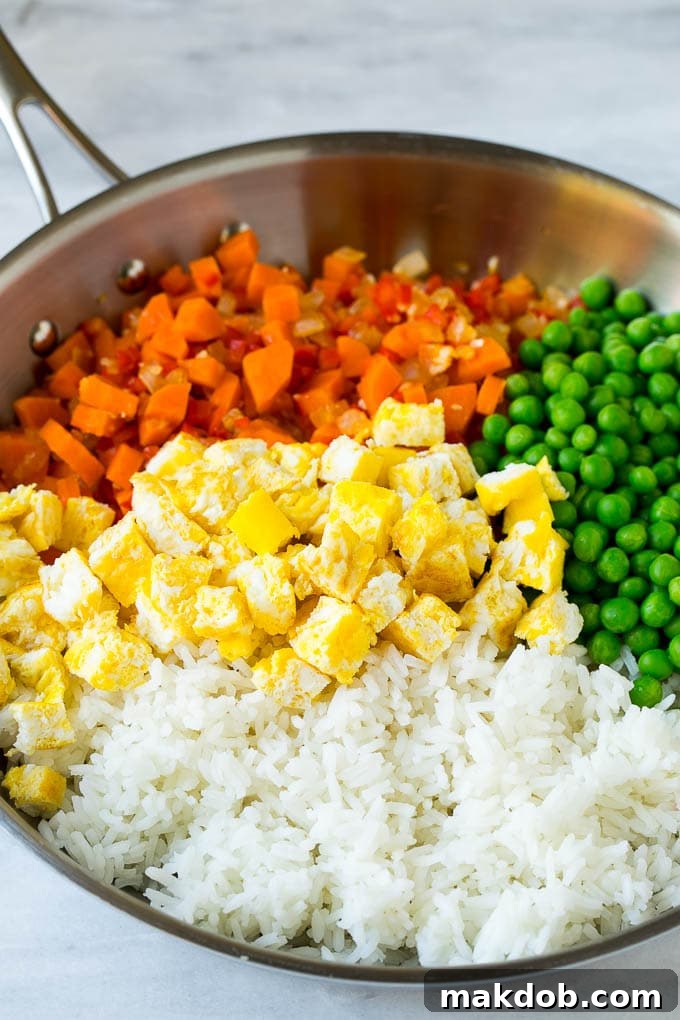
- Combine & Fry the Rice: Introduce the cold, cooked rice, the reserved sautéed vegetables, and the frozen peas to the pan with the scrambled eggs. Pour in the soy sauce and toasted sesame oil.
- Stir-Fry to Perfection: Gently but thoroughly mix all the ingredients in the pan, ensuring the rice breaks apart and every grain is coated with the soy sauce and sesame oil. Continue to cook for 3-4 minutes, stirring occasionally, until everything is warmed through and the rice develops a slightly crispy texture. Taste and adjust seasonings as needed, adding more soy sauce or a dash of salt and pepper if desired.
- Garnish and Serve: Immediately transfer the finished veggie fried rice to serving bowls. Garnish generously with freshly sliced green onions for a fresh, aromatic finish. Serve hot and enjoy your homemade, restaurant-quality fried rice!
Pro Tips for Perfecting Your Fried Rice
Achieving perfectly balanced and flavorful fried rice at home is simpler than you think with these expert tips:
- The Magic of Cold Rice: This is arguably the most critical tip! Fried rice truly works best with cold, day-old rice. When rice has been refrigerated overnight, the grains dry out and firm up, preventing them from clumping together and becoming mushy in the hot pan. This separation allows each grain to get properly coated with sauce and develop those delightful crispy bits that are characteristic of great fried rice. Freshly cooked, warm rice has too much moisture, which leads to a softer, stickier texture.
- Frozen Peas are Your Friend: Don’t hesitate to use frozen peas! They work perfectly in this fried rice, offering a sweet flavor and vibrant green color without any extra effort. Simply add them directly to the pan – no need to thaw. I strongly advise against using canned peas, as their texture and color are often inferior.
- Uniform Vegetable Cuts: To ensure all your vegetables cook evenly and achieve that ideal tender-crisp texture, make sure to cut them into uniformly sized pieces. This consistency prevents some vegetables from being overcooked while others remain raw. For example, aim for small dice for carrots and bell peppers.
- Don’t Overcrowd Your Pan: Resist the urge to dump all your ingredients into the pan at once. Overcrowding lowers the pan’s temperature, causing the ingredients to steam rather than sear. Cook vegetables in batches if necessary, or ensure your wok/skillet is large enough to give everything space to breathe.
- High Heat is Key: Fried rice benefits greatly from high heat. This helps to quickly evaporate moisture, brown the rice, and create a smoky “wok hei” flavor, even if you’re using a skillet. Keep your ingredients moving to prevent burning.
- The Right Oil Matters: Use an oil with a high smoke point, such as vegetable oil, canola oil, or grapeseed oil. Olive oil or butter are not suitable for the high temperatures required for fried rice.
- Taste and Adjust: Always taste your fried rice before serving. You might find you want a little more soy sauce for saltiness, a dash of white pepper for a subtle kick, or even a tiny bit of sugar to balance the savory notes.
Storage and Reheating Tips
Leftover veggie fried rice is fantastic for quick meals throughout the week! Store any cooled leftovers in an airtight container in the refrigerator for up to 4 days. When reheating, you can use a microwave, but for the best texture, I recommend reheating it in a skillet over medium-high heat with a tiny bit of oil until warmed through and slightly crispy again. This helps revive its fresh taste and texture.
Frequently Asked Questions About Veggie Fried Rice
The ultimate secret to achieving truly exceptional fried rice lies in a combination of factors. Firstly, always use cold, day-old leftover rice; this is paramount for achieving that perfectly distinct, non-mushy grain texture. Secondly, cook the dish in a very hot pan or wok, ensuring quick, intense searing rather than slow, moisture-releasing steaming. Crucially, avoid overcrowding the pan when sautéeing your vegetables and rice. Each component needs enough room for hot air to circulate freely, allowing them to sear beautifully and develop a delicious “wok hei” flavor, which is that characteristic smoky aroma often found in authentic stir-fries.
To significantly enhance the flavor profile of your fried rice, consider incorporating a variety of ingredients and seasonings. Beyond the foundational soy sauce and sesame oil, explore options such as a dash of oyster sauce for a richer umami, a spoonful of hoisin sauce for a sweet and tangy depth, or a swirl of sriracha or chili garlic sauce for an invigorating kick. Freshly grated ginger can add a bright, zesty note. For added texture and savory depth, consider integrating proteins like crispy bacon bits, diced cooked chicken, shrimp, or even cubes of pan-fried tofu. Don’t shy away from adding more vegetables; broccoli florets, shredded cabbage, sliced mushrooms, or even thin strips of bell peppers can boost both flavor and nutritional content.
Absolutely! This veggie fried rice recipe can be easily adapted to be fully vegan. The main adjustment needed is to omit the eggs. To compensate for the lost protein and texture, you can add pan-fried tofu or tempeh cubes, or increase the amount of vegetables like edamame or mushrooms. Ensure your soy sauce is vegan (most are, but some brands might contain unexpected ingredients) or use tamari for a gluten-free and vegan alternative. You can also explore vegan “egg” substitutes available in stores if you want to replicate the scrambled egg texture.
While the recipe specifically calls for cooked white rice, typically long-grain varieties like Jasmine rice or Basmati rice yield the best results for fried rice. Their grains are distinct and don’t clump together easily when cold, which is essential for that perfect fluffy, non-sticky texture. Medium-grain rice like Calrose can also work, though it might be slightly stickier. Avoid short-grain sticky rice or arborio rice, as their high starch content will make your fried rice gummy. The key, regardless of the variety, is to use rice that is at least a day old and thoroughly chilled.
FOLLOW ME
Creative Flavor Variations and Add-Ins
One of the greatest joys of cooking fried rice at home is the endless potential for customization. This recipe is incredibly adaptable, allowing you to tailor it to your exact preferences, dietary needs, or whatever ingredients you have on hand. Don’t hesitate to get creative!
- Protein Power-Ups: If you’re not strictly vegetarian, or wish to make this a more substantial main course, consider adding cooked protein. Excellent choices include diced chicken (leftover rotisserie chicken works beautifully!), tender shrimp, lean pork, thinly sliced beef, savory ham, or even crispy bacon bits. For a plant-based boost, pan-fried tofu or tempeh cubes, or even shelled edamame, are fantastic additions.
- Vegetable Bonanza: The more vegetables, the merrier! Beyond the core ingredients, almost any stir-fry friendly vegetable can be incorporated. Think crisp broccoli florets, thinly sliced cabbage, tender asparagus spears, sweet snow peas, zucchini matchsticks, cauliflower florets, earthy mushrooms, sweet corn kernels, or fresh green beans. Just remember to cut them uniformly and add them according to their cooking time – harder vegetables first, softer ones later.
- Spice and Seasoning Sensations: Elevate the flavor profile with additional seasonings. A sprinkle of toasted sesame seeds adds a lovely crunch and nutty aroma. For deeper umami, try a splash of oyster sauce (or a vegetarian mushroom oyster sauce). Hoisin sauce offers a sweet and savory glaze. If you crave heat, a dash of chili garlic sauce, sriracha, or even a pinch of red pepper flakes will do the trick. Freshly grated ginger adds a bright, zesty punch. A touch of fish sauce can also add incredible savory depth (use sparingly!).
- Grain Alternatives: While white rice is traditional, feel free to experiment with other grains. Brown rice offers a nuttier flavor and more fiber, making for a heartier dish. A blend of rice with quinoa can also work beautifully for an added protein boost and unique texture. Just ensure any alternative grain is cooked and thoroughly chilled before frying.
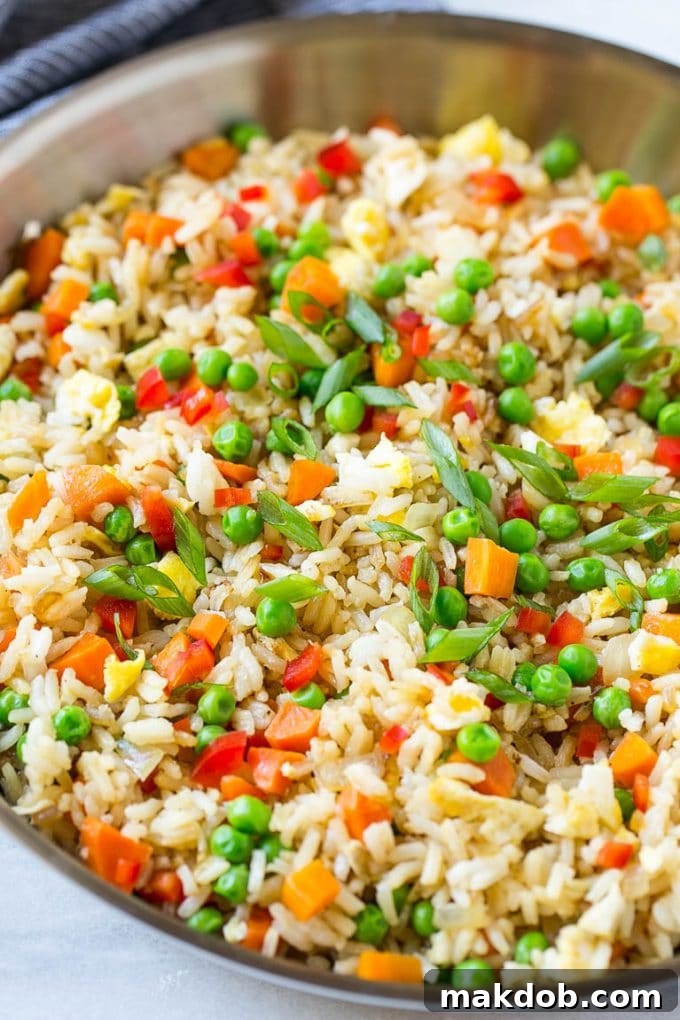
Everyone is sure to be impressed with this vibrant and flavorful fried rice. It’s a testament to how minimal work can yield maximum taste, color, and texture!
Serving Suggestions: What to Pair with Fried Rice
Veggie fried rice is incredibly versatile and can be served in many ways, either as a hearty side dish or a light main course. Here are some delicious ideas to complete your meal:
- Classic Asian Pairings: It’s the perfect companion to almost any Asian main dish. Serve it alongside Sweet and Sour Chicken, Beef and Broccoli Stir Fry, Orange Chicken, or Mongolian Beef.
- With Soups: Pair it with a warming bowl of Hot and Sour Soup or a simple miso soup for a lighter, comforting meal.
- Lettuce Wraps: Serve it alongside Chicken Lettuce Wraps for a fresh and textural contrast.
- Egg Rolls or Spring Rolls: A staple at any Asian meal, crispy egg rolls or fresh spring rolls make an excellent appetizer or side.
- Grilled or Roasted Meats/Tofu: If you’re looking for a simpler protein, grilled chicken, pan-seared salmon, or baked tofu can be a wonderful, healthier complement.
- As a Standalone Meal: With its generous amount of vegetables and eggs, this fried rice is substantial enough to be enjoyed on its own as a quick, satisfying lunch or light dinner.
More Irresistible Asian Food Favorites
Orange Chicken
45 mins
Mongolian Chicken
30 mins
Hot and Sour Soup
25 mins
Chicken Lettuce Wraps
30 mins
Chinese Lemon Chicken
45 mins
Love This Recipe?
Please leave a 5-star 🌟🌟🌟🌟🌟 rating in the recipe card below & a review in the comments section further down the page.
Veggie Fried Rice
Pin
Time
Ingredients
- 3 cups cooked white rice leftover rice is perfect!
- 1 tablespoon vegetable oil divided use
- ½ cup finely chopped onion
- ½ cup chopped carrots
- ½ cup chopped red bell pepper
- ½ cup frozen peas
- 2 teaspoons minced garlic
- 2 eggs lightly beaten
- 3 tablespoons soy sauce or more to taste
- 1 tablespoon toasted sesame oil
- salt and pepper to taste
- optional: sliced green onions for garnish
Instructions
-
In a large wok or skillet, heat 2 teaspoons of the vegetable oil over medium high heat.
-
Add the onion and carrot to the pan, cook 3-5 minutes or until softened. Stir in the red bell pepper; cook 2-3 minutes more. Add the garlic and cook for 30 seconds.
-
Season to taste with salt and pepper. Remove the vegetables from the pan, place them on a plate and cover to keep warm.
-
Pour the remaining teaspoon of oil into the pan; add the eggs and cook, stirring occasionally and breaking up with a spatula until the eggs are scrambled and cooked through. Season with salt and pepper.
-
Add the rice, reserved cooked veggies and frozen peas to the pan. Stir in the soy sauce and sesame oil and mix gently until everything is thoroughly combined and warmed through, 3-4 minutes. Season to taste with salt and pepper, add more soy sauce if desired.
-
Serve immediately, sprinkled with sliced green onions if desired.
Notes
- Fried rice works best with cold rice, so this is the perfect way to use up leftover rice. With cold rice, the grains are all separated and firm, and you’ll get a better texture than you would with freshly cooked rice. Fried rice made with just-cooked rice will be softer and won’t have those crispy little bits.
- Be sure to cut your vegetables into uniformly sized pieces so that they’ll cook at the same rate.
Nutrition
Tweet
Pin