
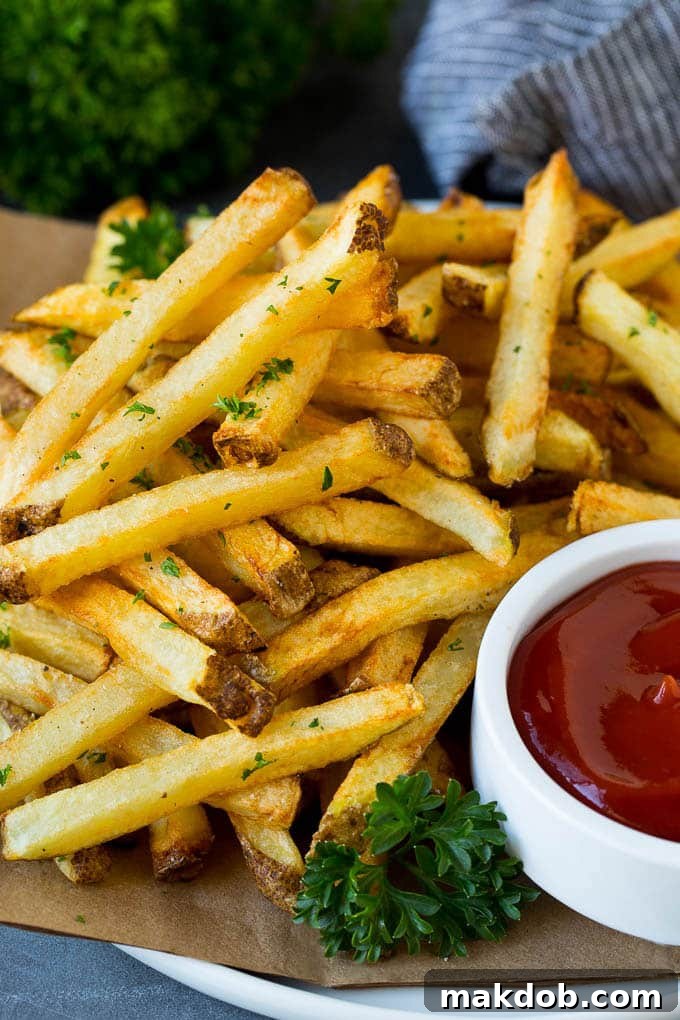
There’s an undeniable magic to a perfectly cooked batch of French fries. Golden, crispy on the outside, and tender on the inside, they are the ultimate comfort food and a beloved side dish around the world. While many enjoy the convenience of restaurant or frozen fries, nothing truly compares to the fresh, vibrant flavor and superior texture of homemade French fries. This comprehensive guide will walk you through the simple steps to create the most delicious fries you’ve ever tasted, right in your own kitchen.
Making your own French fries isn’t just about achieving a better taste; it’s an experience. It’s about taking fresh, wholesome potatoes and transforming them into a culinary delight that will impress family and friends. Forget the bland, often overly processed taste of commercially prepared fries. With this recipe, you’ll unlock a level of freshness and crispiness that is simply unmatched, making every bite a truly satisfying indulgence. Whether you’re pairing them with a juicy burger, a hearty sandwich, or enjoying them as a standalone snack, these homemade fries are guaranteed to be a hit.
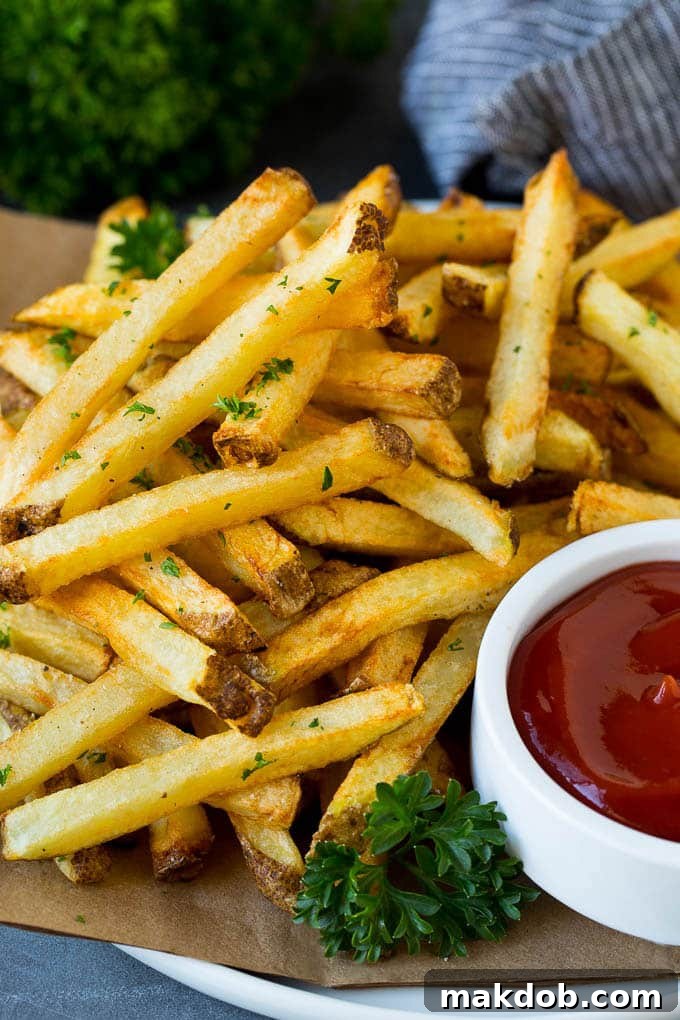
Potatoes are incredibly versatile, forming the base of countless delicious side dishes. From the rustic charm of baked potato wedges to the creamy indulgence of garlic mashed potatoes, their adaptability knows no bounds. But for many, the classic French fry holds a special place, offering a delightful combination of crunch and soft potato interior. This recipe focuses on mastering that classic, deep-fried perfection, ensuring your homemade fries are light, intensely flavorful, and wonderfully crispy.
Beyond traditional French fries, the world of potato-based sides is vast and exciting. If you’re keen to explore more delightful options, consider my irresistible sweet potato fries, the surprisingly delicious green bean fries, or the ultimate crispy homemade onion rings. Each offers a unique texture and flavor profile that can complement a wide array of main courses. Speaking of main courses, imagine pairing these glorious fries with a hearty sandwich or burger. For an unforgettable meal, try my crowd-pleasing slow cooker sloppy joes, tender slow cooker pulled pork, or savory Cuban quesadillas. These combinations are perfect for any gathering, from a casual weeknight dinner to a festive party spread.
Table of Contents
- The Essential Ingredients for Perfect Fries
- Mastering the Art of Homemade French Fries: A Step-by-Step Guide
- Expert Tips for Unbeatable Crispy French Fries
- Common Questions About Homemade Fries
- Elevate Your Fries: Delicious Flavor Variations
- Healthier Alternatives: Baked and Air-Fried Fries
- More Fabulous Side Dishes
- Homemade French Fries Video Guide
- The Ultimate Homemade French Fries Recipe
The Essential Ingredients for Perfect Fries
Crafting the perfect batch of homemade French fries starts with selecting the right ingredients. While seemingly simple, each component plays a crucial role in achieving that coveted golden crispness and fluffy interior.
- Russet Potatoes: These are hands down the best potatoes for French fries. Their high starch content and low moisture make them ideal for frying, resulting in a light, fluffy texture inside and an incredibly crisp exterior. While other varieties like Yukon Gold can offer a creamier fry, for the classic experience, Russets are king.
- Oil for Frying: The type of oil you choose significantly impacts the flavor and crispiness of your fries. The key is to select an oil with a high smoke point and a neutral flavor. Excellent choices include vegetable oil, canola oil, peanut oil, or safflower oil. Peanut oil, in particular, is a popular choice for its mild flavor and ability to create exceptionally crispy results. Avoid olive oil or butter, as they have lower smoke points and can burn easily, imparting an undesirable taste.
- Salt and Pepper: These basic seasonings are all you truly need to enhance the natural flavor of the potatoes. A generous sprinkle immediately after frying will ensure they stick and provide that essential savory kick.
- Optional Additions: Consider a pinch of freshly chopped parsley for a touch of color and herbaceous freshness, or explore other seasonings as discussed in our flavor variations section below.
Mastering the Art of Homemade French Fries: A Step-by-Step Guide
The secret to truly extraordinary homemade French fries lies in a simple yet effective technique: the double-fry method. This two-stage frying process ensures the potatoes are cooked through and tender on the inside during the first fry, and then achieve an irresistible golden-brown crispness during the second, higher-temperature fry. Follow these steps for perfect results every time:
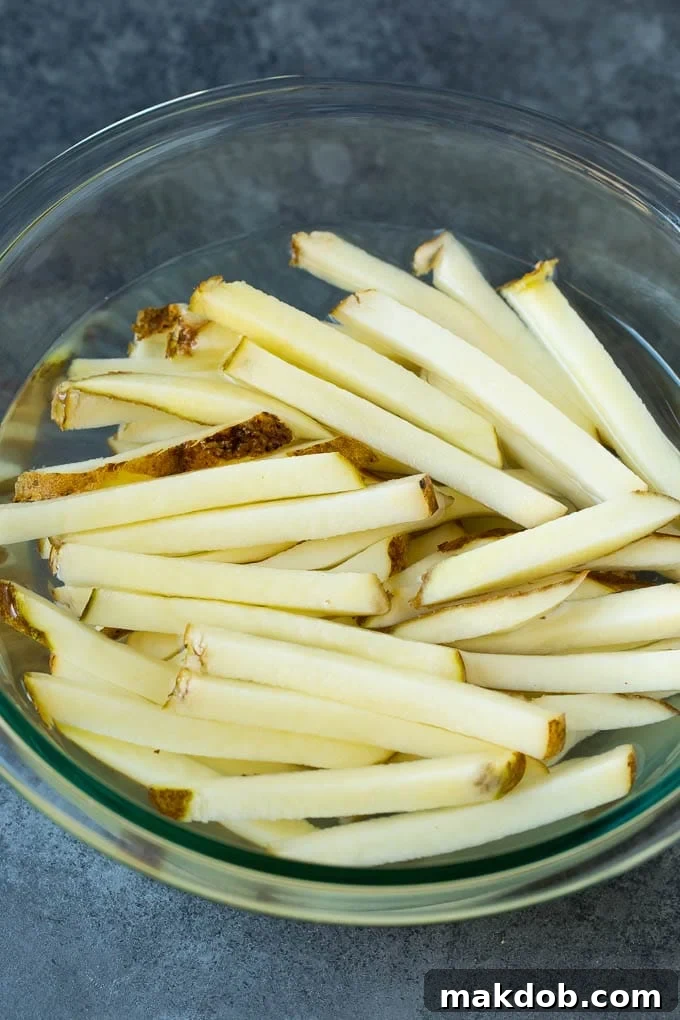
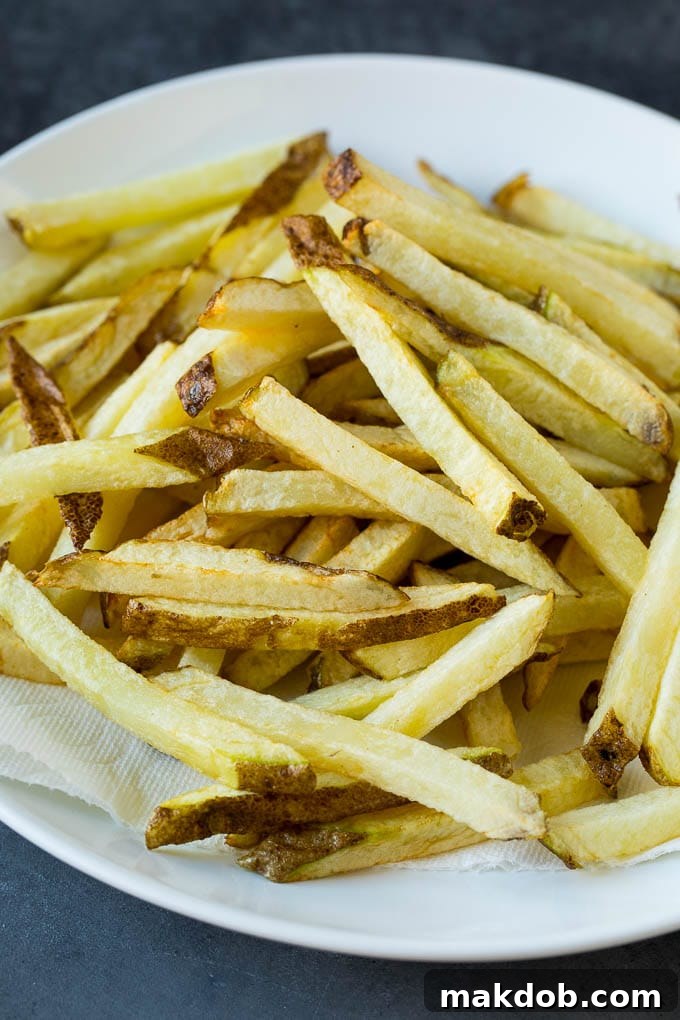
- Preparation: Begin by washing and cutting your Russet potatoes into uniform sticks. Consistency in size is key for even cooking. You can peel them or leave the skins on for a more rustic look and added texture – it’s entirely up to your preference.
- Soaking: Immediately after cutting, transfer the potato sticks to a large bowl filled with cold water. Allow them to soak for at least 30 minutes, or even longer if time permits. This crucial step draws out excess starch, which is vital for achieving that signature crispy texture.
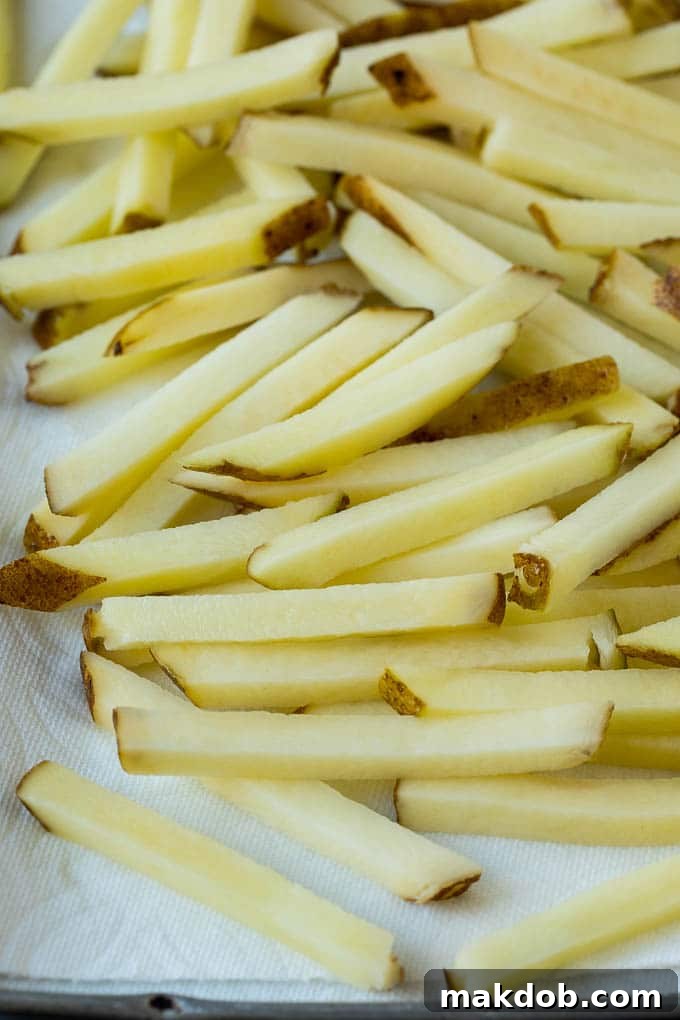
- Thorough Drying: Once soaked, drain the water completely. Spread the potato sticks in a single layer over several sheets of paper towels, then pat them thoroughly dry with more paper towels. Any residual moisture can cause the hot oil to splatter dangerously, so ensure they are as dry as possible.
- First Fry (Cooking the Interior): Heat about 3 inches of your chosen frying oil in a large, deep pot or Dutch oven to 300°F (150°C). Carefully add about a third of the dried potato sticks to the hot oil. Fry them for approximately 4-5 minutes until they are tender but not yet browned. Remove them with a slotted spoon and place them on a clean, paper towel-lined sheet pan to drain and cool slightly. Repeat this process with the remaining batches of potatoes.
- Second Fry (Achieving Crispness): Increase the oil temperature to 400°F (200°C). Return a third of the par-fried potatoes to the hotter oil. Fry for an additional 1-3 minutes, or until they turn a beautiful golden brown and become wonderfully crispy. Remove them promptly and transfer them to a fresh sheet pan lined with paper towels to absorb any excess oil. Repeat for all remaining batches.
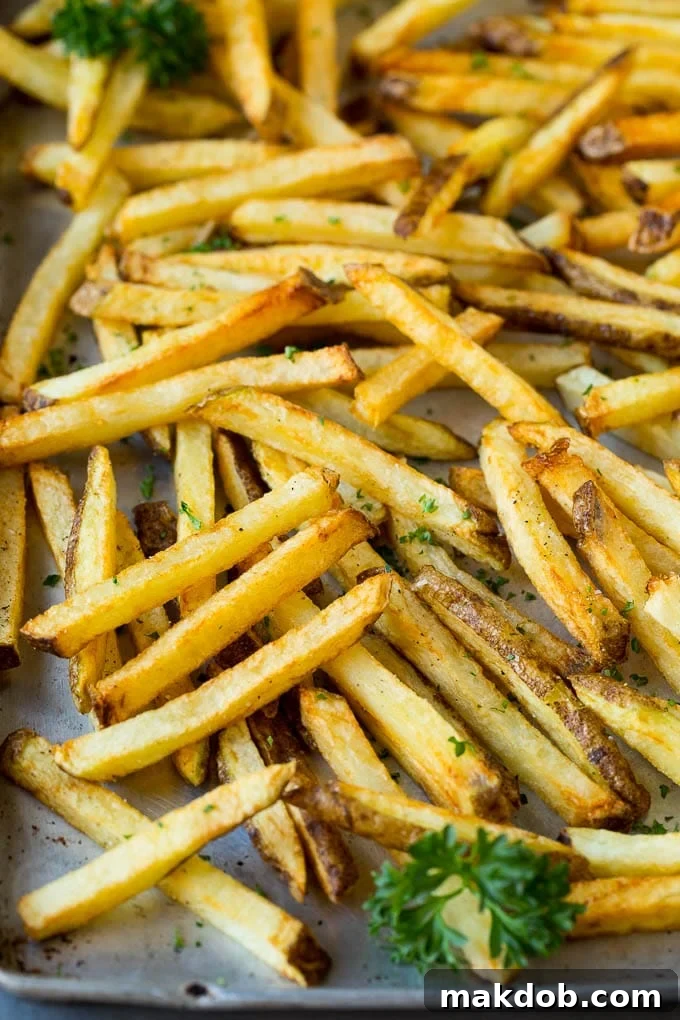
- Seasoning and Serving: Immediately after the second fry, generously sprinkle the hot fries with salt and freshly ground black pepper to taste. If using, toss with chopped fresh parsley. Serve your sensational homemade French fries piping hot with your favorite dipping sauces.
Expert Tips for Unbeatable Crispy French Fries
Achieving restaurant-quality crispness and flavor at home is entirely possible with a few insider tips. Pay attention to these details, and your homemade French fries will reach new heights:
- This recipe truly shines when made with Russet potatoes. Their high starch content is essential for developing that coveted crispy exterior and fluffy interior. While Yukon Golds can yield a creamier fry, they won’t deliver the classic texture you might be aiming for. Always prioritize Russets for the best results.
- Whether you choose to peel your potatoes or leave them unpeeled is a matter of personal preference. I often opt to leave the skins on for a slightly more rustic appearance and an extra layer of texture. If you prefer a smoother fry, peeling is the way to go.
- A frying thermometer is an absolute must-have for this recipe. Precise oil temperature control is critical for the success of the double-fry method. Without it, your fries could turn out soggy, greasy, or burned. Invest in a reliable thermometer to ensure perfect cooking temperatures at each stage.
- To guarantee that all your fries cook evenly, make sure to cut them into similarly sized pieces. Inconsistent sizes will lead to some fries being perfectly cooked while others are undercooked or overcooked. Take a little extra time during the cutting stage for uniform perfection.
- French fries are undeniably at their best when served immediately, fresh out of the oil. As they cool, they tend to soften a bit. However, if you find yourself with leftovers, you can easily revive their crispness by reheating them in a 400°F (200°C) oven or even an air fryer until they are hot and re-crisped.
Quick Tip for Safety and Crispiness
It is absolutely critical to thoroughly dry your potatoes after soaking them. Any lingering water on the potato surface will react violently with hot oil, causing dangerous splattering and potentially reducing the oil temperature, leading to greasy fries. Pat them vigorously with paper towels until completely dry before frying.
Common Questions About Homemade Fries
The easiest and most consistent way to cut French fries is with a dedicated French fry cutter, which ensures uniform pieces. Many varieties are available, from handheld models to larger, more robust options. Alternatively, a mandoline slicer can create perfectly even strips. If using a knife, first slice each potato horizontally into even planks, then stack these planks and cut them horizontally again into matchsticks. You can choose thick or thin fries based on your preference; just remember that thicker fries will require slightly longer cooking times to become tender inside.
For the best French fries, select an oil with a neutral flavor and a high smoke point to prevent burning and preserve the potato’s natural taste. Excellent choices include vegetable oil, canola oil, peanut oil, or safflower oil. These oils can withstand the high temperatures required for frying without breaking down or imparting undesirable flavors. I personally find that vegetable or peanut oil consistently deliver superb results.
Yes, soaking potatoes before frying is a critical step for achieving truly crispy French fries. This process helps to remove excess starch from the potatoes. Reducing the starch content prevents the fries from sticking together and allows them to develop a much crispier exterior. Always remember to thoroughly dry the soaked potatoes before they go into the hot oil to avoid splattering and ensure proper browning.
The undeniable secret to cooking irresistibly crispy and delicious French fries is the double-fry method. The first fry, performed at a lower temperature (around 300°F or 150°C), cooks the potatoes through, making them tender on the inside. The second fry, at a higher temperature (around 400°F or 200°C), rapidly crisps the exterior to a perfect golden brown. This two-stage process ensures a phenomenal contrast between the soft interior and the shatteringly crisp shell.
While homemade French fries, especially deep-fried versions, are not considered a “healthy” food and should be enjoyed in moderation as part of a balanced diet, they offer certain advantages over their fast-food counterparts. By making them at home, you have complete control over the quality of ingredients, the type of oil used, and the amount of salt added. This allows for a more mindful approach to your indulgence compared to highly processed, unknown ingredients found in many commercial fries.
Follow Me
Elevate Your Fries: Delicious Flavor Variations
While classic salt and pepper are always a winning combination, homemade French fries are a fantastic canvas for culinary creativity. Don’t hesitate to experiment with different seasonings and sauces to customize your fries and take them to the next level. Here are some exciting flavor variations to try:
- Garlic Butter Fries: For an unbelievably rich and aromatic experience, melt 2 tablespoons of unsalted butter with 1/2 teaspoon of fresh minced garlic. Once the fries are hot and crisp, toss them with this fragrant garlic butter mixture, a pinch of salt and pepper, and 2 teaspoons of freshly chopped parsley.
- Mexican Fiesta Fries: Bring a vibrant, zesty flavor to your fries by sprinkling them with a generous amount of taco seasoning immediately after frying. The blend of chili powder, cumin, paprika, and oregano creates an irresistible Southwestern kick. You can use your favorite store-bought blend or whip up a homemade version.
- Spicy Cajun Fries: Infuse your fries with the bold, zesty heat of the Louisiana bayou. Season your freshly fried potatoes with a store-bought Cajun spice blend, or create your own authentic Cajun seasoning with paprika, cayenne pepper, garlic powder, onion powder, and dried herbs.
- Exotic Jerk Fries: For a unique Caribbean twist, dust your hot fries with a flavorful Jamaican jerk seasoning blend. This complex spice mix, typically featuring allspice, thyme, Scotch bonnet peppers, and other warm spices, will transport your taste buds straight to the islands.
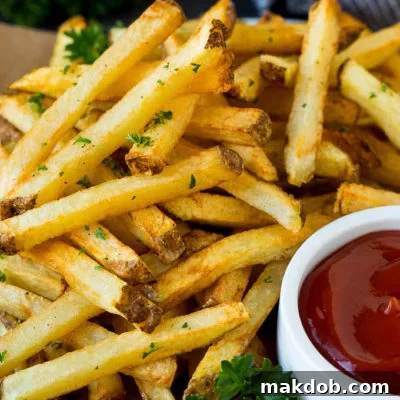
- Gourmet Dipping Sauces: Beyond the simple ketchup, a well-chosen dipping sauce can truly transform your fry experience. Elevate your meal with my creamy easy fry sauce, the smoky sweetness of homemade BBQ sauce, the tangy zest of honey mustard sauce, or the herbaceous delight of homemade ranch dip. Each offers a distinct pairing that will take your fries to gourmet heights.
Healthier Alternatives: Baked and Air-Fried Fries
If you’re looking for a lighter take on French fries without sacrificing flavor and crispiness, baking or air frying are fantastic alternatives to deep frying. These methods use significantly less oil, making them a healthier choice while still delivering delicious results.
- Baked French Fries: To bake your homemade fries, preheat your oven to a robust 425°F (220°C). Line a large sheet pan with foil or parchment paper for easy cleanup and generously coat it with cooking spray. After soaking and thoroughly drying your potato sticks, drizzle them with about 1/4 cup of vegetable oil and sprinkle liberally with your desired seasonings. Toss the potatoes to ensure an even coating. Arrange them in a single layer on the prepared baking sheet, avoiding overcrowding, which can lead to steaming instead of crisping. Bake for 25-30 minutes, stirring occasionally, until the fries are beautifully golden brown and tender. For a more in-depth guide, explore my full baked French fries recipe.
- Air Fryer French Fries: The air fryer has become a game-changer for achieving crispy “fried” foods with minimal oil. To make air fryer French fries, simply follow the soaking and drying steps. Toss the dried potato sticks with just a tablespoon or two of oil and your seasonings. Place them in the air fryer basket in a single layer, cooking in batches if necessary. Air fry at 375-400°F (190-200°C) for 15-20 minutes, shaking the basket periodically, until they are golden and crispy. You can find a detailed, easy-to-follow recipe for air fryer French fries on my site.
Once you experience the incredible taste and texture of these homemade French fries, whether deep-fried, baked, or air-fried, you’ll likely find yourself making them a regular staple. They are genuinely that good, consistently earning rave reviews and becoming a cherished part of any meal.
More Fabulous Side Dishes
Bacon Mac and Cheese
40 mins
Oven Baked Potatoes
50 mins
Crock Pot Baked Beans
2 hrs 30 mins
Green Beans with Bacon
25 mins
Cheesy Pull Apart Bread
25 mins
Homemade French Fries Video Guide
For visual learners, sometimes seeing the process in action makes all the difference. While this static content provides comprehensive instructions, a video guide can perfectly illustrate the precise cutting techniques, the ideal oil temperatures, and the visual cues for achieving that perfect golden crispness during both stages of frying. Watching an expert prepare homemade French fries can boost your confidence and ensure you replicate the best possible results in your own kitchen. Keep an eye out for detailed video tutorials that cover everything from potato selection to the final seasoning flourish.
Loved This Recipe?
We hope you adore these homemade French fries as much as we do! Your feedback is invaluable. Please consider leaving a 5-star 🌟🌟🌟🌟🌟 rating in the recipe card below and sharing your thoughts in the comments section further down the page. Happy frying!
The Ultimate Homemade French Fries
Pin Recipe
Time
Ingredients
- 2 1/2 pounds Russet potatoes
- Oil for frying (Vegetable or peanut oil recommended)
- Salt and freshly ground black pepper to taste
- 1 tablespoon chopped fresh parsley (optional)
Instructions
-
Wash the potatoes thoroughly. If desired, peel them. Cut the potatoes into uniform matchsticks, approximately 1/4 to 1/2 inch thick, using a sharp knife or a French fry cutter. Ensure all pieces are of similar size for even cooking.
-
Place the cut potatoes in a large bowl and cover them completely with cold water. Allow the potatoes to soak for at least 30 minutes. This step removes excess starch, which is crucial for achieving crispy fries. You can soak them for up to several hours in the refrigerator.
-
Drain the water from the potatoes completely. Spread the potatoes in a single layer over several layers of paper towels or a clean kitchen towel. Pat them thoroughly dry with additional towels until absolutely no moisture remains on the surface. This prevents oil splattering.
-
Pour about 3 inches of your chosen frying oil into a large, heavy-bottomed pot or Dutch oven. Attach a frying thermometer to the side of the pot and heat the oil to 300°F (150°C).
-
Working in batches (about 1/3 of the potatoes at a time to avoid overcrowding), carefully add the dried potato sticks to the hot oil. Fry for approximately 4-5 minutes, or until the potatoes are tender but still pale, not browned. Remove them with a slotted spoon and transfer them to a clean sheet pan lined with fresh paper towels to drain and cool slightly. Repeat with the remaining batches.
-
Once all potatoes have had their first fry, increase the oil temperature to 400°F (200°C). Return the par-fried potatoes to the hotter oil in batches (again, about 1/3 at a time). Fry for an additional 1-3 minutes, or until they achieve a beautiful golden brown color and are wonderfully crispy. Monitor closely to prevent burning.
-
Promptly remove the golden, crispy French fries from the oil and transfer them to another clean sheet pan lined with fresh paper towels to absorb any excess oil. Immediately sprinkle generously with salt and freshly ground black pepper to taste. If desired, toss with chopped fresh parsley. Serve your incredible homemade French fries piping hot with your favorite dipping sauces.
Notes
- You have the option to peel your potatoes or leave them unpeeled. Leaving the skin on can provide a more rustic look and a slight textural variation, which many enjoy.
- A frying thermometer is essential for maintaining precise oil temperatures. This consistency is key to perfectly cooked, non-greasy, and crispy fries.
- Ensure your fries are cut into similar sized pieces. This allows for uniform cooking, preventing some pieces from being raw while others are overcooked.
- It is vital to thoroughly dry your potatoes after soaking. Any water remaining on the surface can react dangerously with hot oil, causing splattering and potentially severe burns.