
Transform your weeknight dinners into culinary masterpieces with this incredible homemade stir fry sauce recipe. Forget bland, store-bought alternatives; this easy-to-make sauce delivers an authentic, savory flavor profile that perfectly complements any meat, chicken, or vegetable stir-fry. Preparing your own stir fry sauce from scratch ensures a freshness and depth of flavor that is simply unparalleled.
There’s immense satisfaction in crafting your own condiments and sauces. By taking control of the ingredients, you not only enhance the taste but also manage the nutritional content, avoiding unwanted preservatives, excessive sodium, or artificial flavors. This philosophy extends to many of my kitchen staples, from homemade BBQ sauce to a robust steak sauce, and a versatile teriyaki sauce. This simple yet profound homemade stir fry sauce quickly earned its spot as a go-to favorite for effortless, flavorful meals.
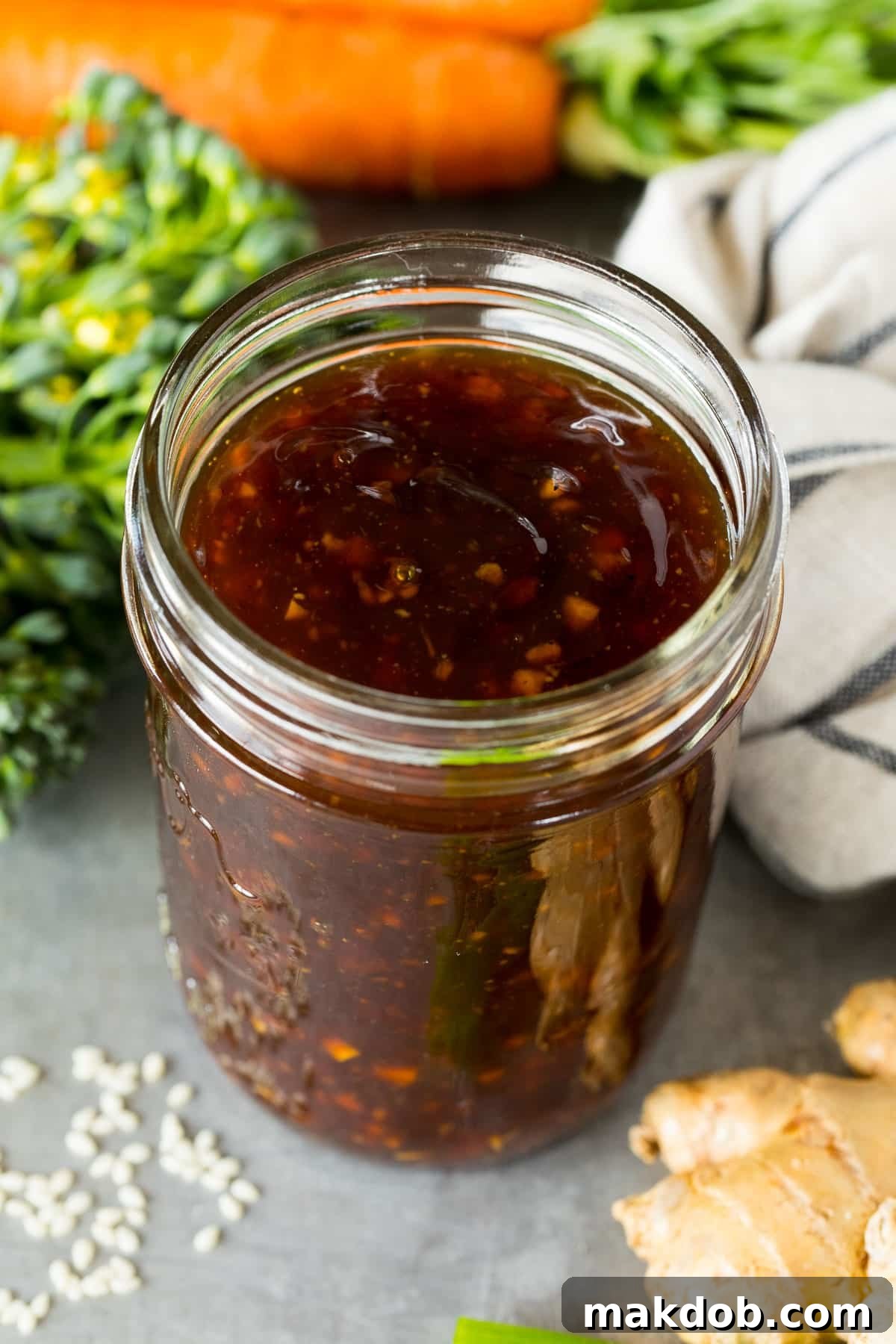
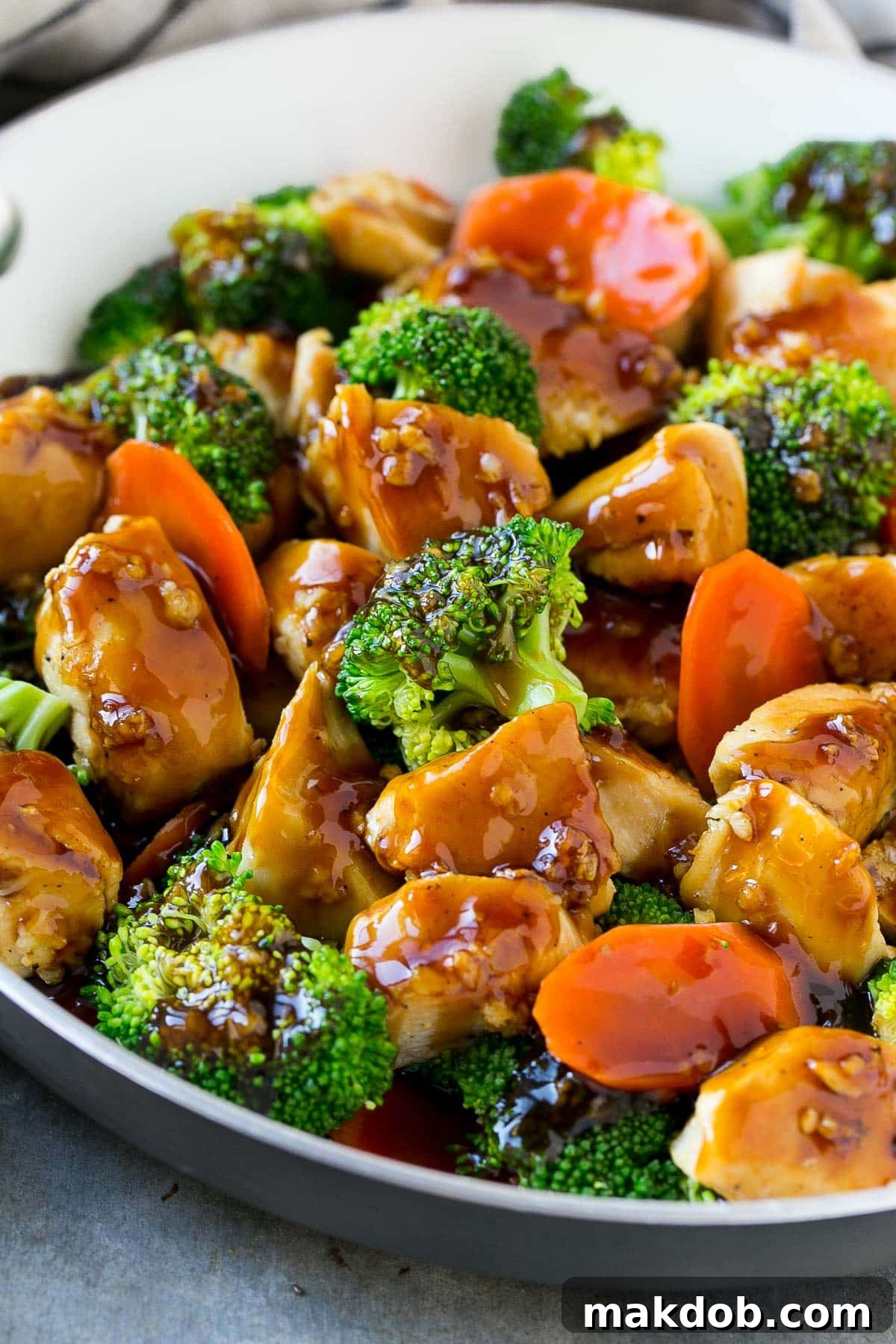
When time is of the essence, stir-fries are my ultimate solution for a quick and nutritious meal. They’re incredibly versatile, allowing you to utilize leftover meats and an array of fresh or frozen vegetables. The secret to any truly outstanding stir-fry, however, lies in its sauce. A well-crafted **easy stir fry sauce** is the binding agent that brings all the diverse elements together, creating a harmonious symphony of flavors and textures. It’s the cornerstone that elevates simple ingredients into an exciting culinary experience.
Table of Contents
- Why Homemade Stir Fry Sauce is Always Best
- The Anatomy of a Great Stir Fry Sauce
- Essential Stir Fry Sauce Ingredients
- Step-by-Step: How To Make Stir Fry Sauce
- Expert Tips For The Perfect Sauce
- Serving Suggestions and Delicious Pairings
- Recipe FAQs: Your Questions Answered
- Creative Flavor Variations
- More Sauce Recipes
- Stir Fry Sauce Recipe Card
Why Homemade Stir Fry Sauce is Always Best
Opting for a homemade stir fry sauce offers a multitude of benefits that extend beyond just taste. First and foremost, you gain complete control over the ingredients. This means no artificial colors, preservatives, or high-fructose corn syrup often found in commercial brands. For those monitoring their dietary intake, especially sodium, a homemade sauce allows you to easily adjust salt levels using low-sodium soy sauce or broth. Furthermore, the use of fresh aromatics like ginger and garlic provides a vibrant, robust flavor that dried powders simply cannot replicate, ensuring your **best stir fry sauce** experience every time. It’s also incredibly cost-effective, utilizing pantry staples you likely already have, saving you money compared to specialty store-bought sauces. The satisfaction of knowing exactly what goes into your food, coupled with the superior taste, makes homemade the undeniable choice.
The Anatomy of a Great Stir Fry Sauce
A truly exceptional stir fry sauce strikes a delicate balance between several key flavor components: savory, sweet, umami, a touch of acidity, and sometimes a hint of heat. The savory base often comes from soy sauce and broth, providing a deep, foundational taste. Sweetness, typically from honey or sugar, balances the saltiness, adds a desirable glossy glaze, and rounds out the overall profile. Umami, the fifth basic taste, is deeply enhanced by ingredients like soy sauce, creating that irresistible richness. While this specific recipe focuses on a classic savory-sweet profile, understanding these elements allows for endless customization to suit your palate. The perfect thickness is also crucial, ensuring the sauce coats your ingredients beautifully without being watery or excessively sticky, delivering that satisfying mouthfeel.
Essential Stir Fry Sauce Ingredients
Crafting the perfect **easy stir fry sauce** starts with a careful selection of high-quality ingredients. Each component plays a vital role in achieving that sought-after balance of savory, sweet, and aromatic notes that defines a great Asian-inspired meal. Understanding the function of each will help you master this simple recipe and even inspire your own variations.
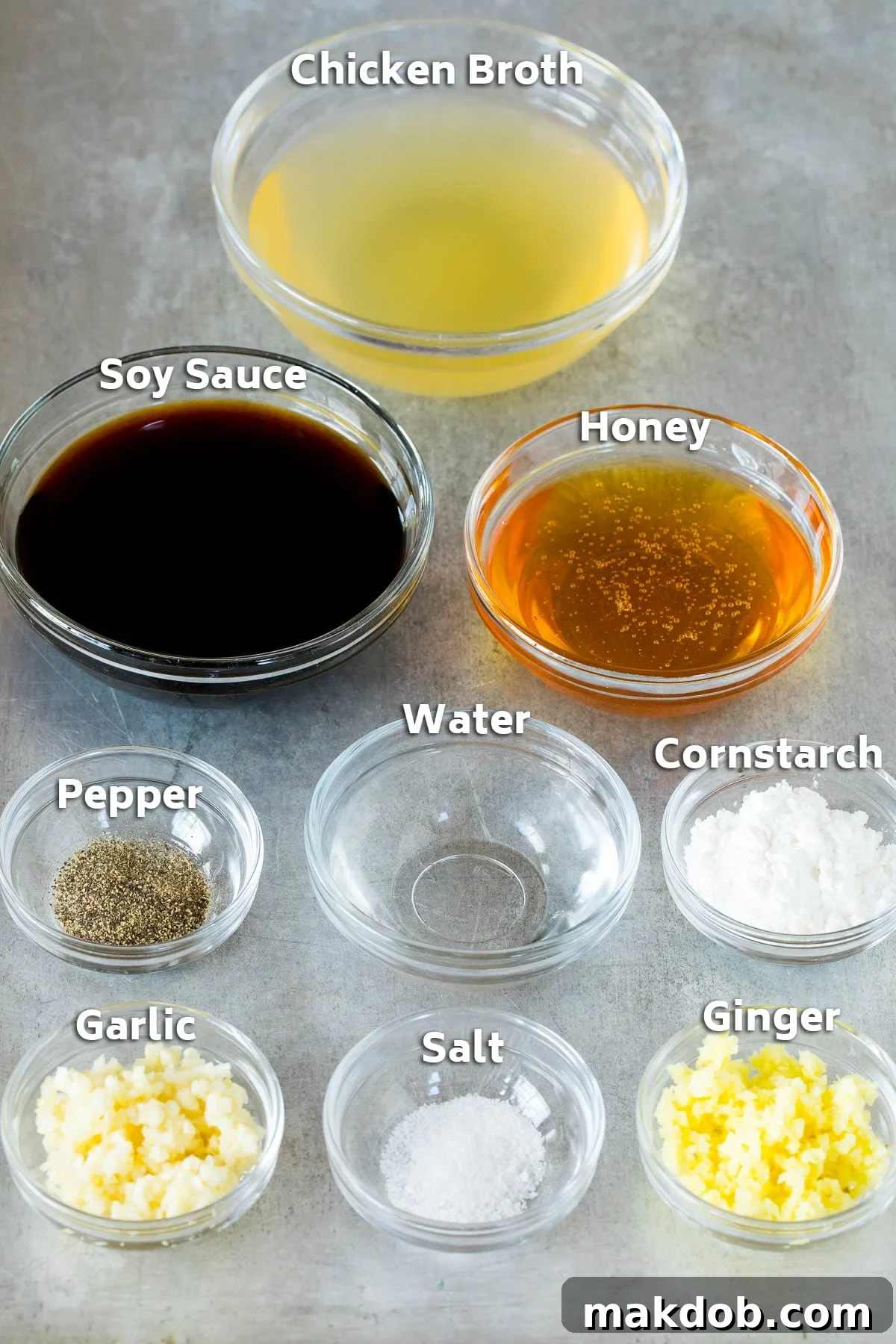
- Soy Sauce: The cornerstone of our **Asian stir fry sauce**, soy sauce provides a rich umami depth and essential saltiness. It acts as the primary flavor agent. For those mindful of sodium, low-sodium soy sauce is an excellent alternative, allowing you to control the overall salt content of your dish without sacrificing flavor. Consider using tamari for a genuinely gluten-free option.
- Chicken Broth: This liquid base adds complexity and helps dilute the soy sauce’s intensity, creating a more well-rounded flavor while adding a layer of savory richness. I highly recommend using low-sodium broth to prevent an overly salty sauce, especially when combined with soy sauce. For a **vegetarian stir fry sauce** or vegan version, vegetable broth is an ideal substitute. If you’re preparing a beef stir-fry, swapping in beef broth will perfectly complement the meat and deepen the savory notes.
- Honey: The natural sweetness of honey is crucial for balancing the savory and salty elements, creating a harmonious taste. It also contributes to the sauce’s desirable glossy finish and helps caramelize the ingredients during stir-frying. If honey isn’t available or preferred, other sweeteners like brown sugar, maple syrup, or agave nectar can be used, adjusting to taste for optimal sweetness.
- Fresh Seasonings (Garlic & Ginger): These potent aromatics are non-negotiable for an authentic and vibrant flavor profile in any **best stir fry sauce**. Freshly minced garlic and grated ginger infuse the sauce with a pungent, warm, and spicy kick that dried powders simply cannot replicate. Their fresh, zesty notes elevate the entire dish from ordinary to extraordinary.
- Salt and Pepper: A pinch of salt enhances all the existing flavors, while freshly ground black pepper adds a subtle background warmth and complexity. Always taste and adjust seasonings at the end, especially if using regular soy sauce and broth, as their salt content can vary.
- Cornstarch: This is our secret weapon for achieving the perfect consistency. Cornstarch acts as a thickening agent, giving the sauce a beautiful sheen and ensuring it coats your stir-fry ingredients evenly, preventing a watery final dish. If you prefer a thinner sauce, you can reduce or omit the cornstarch. For an extra thick, restaurant-style sauce, increase the amount to 1 tablespoon. Remember, it’s vital to dissolve cornstarch in cold water first (creating a slurry) to prevent clumps before adding it to the hot sauce. Arrowroot powder can also be used as a gluten-free alternative for thickening, providing a similar effect.
Step-by-Step: How To Make Stir Fry Sauce
Making your own **quick stir fry sauce** is surprisingly simple and takes only a few minutes. Follow these straightforward steps to create a flavorful sauce that will impress every time. The entire process is hands-on and very rewarding!
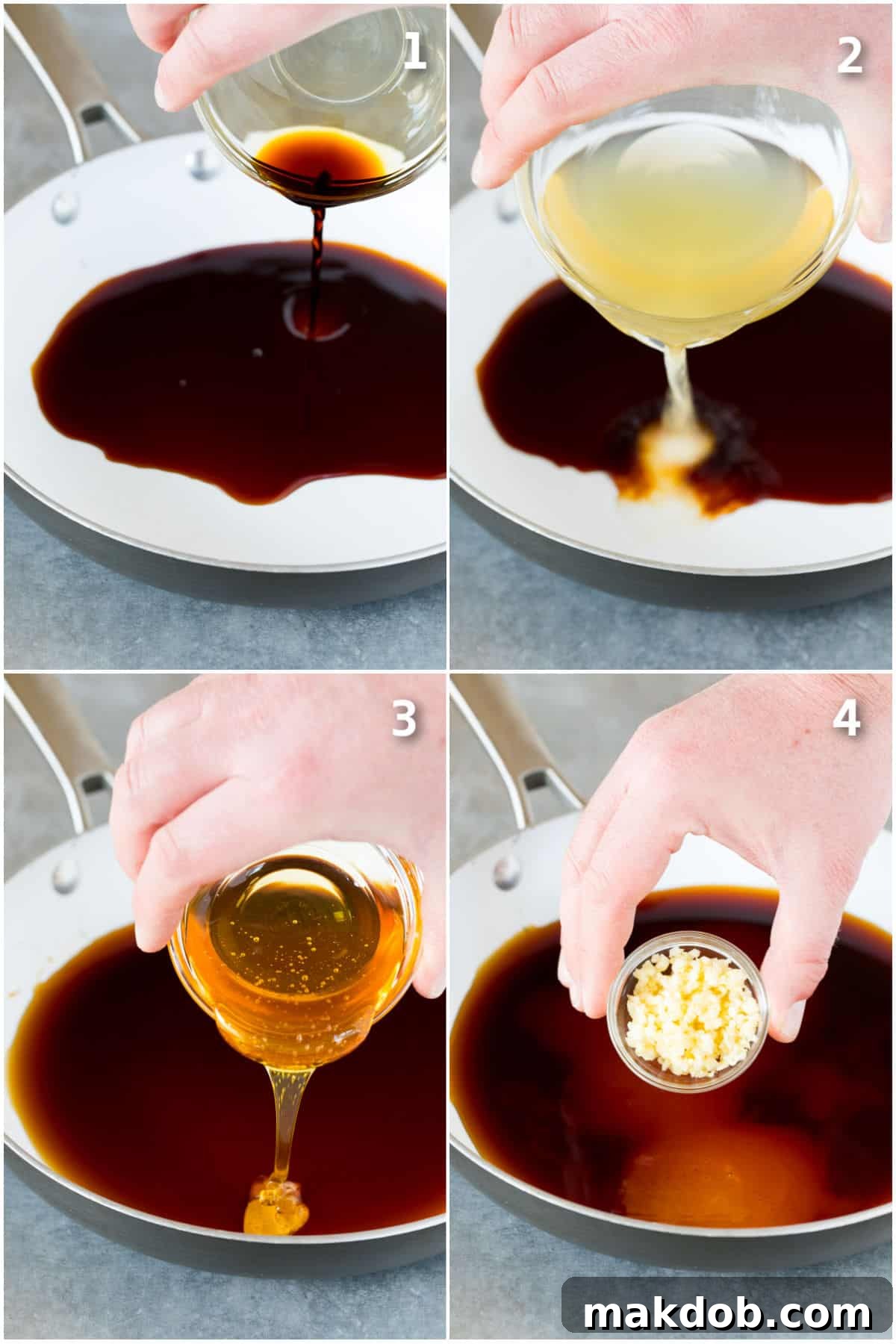
- Combine Liquid Ingredients and Aromatics: In a medium saucepan, whisk together the soy sauce, chicken broth, honey, freshly minced garlic, grated ginger, salt, and black pepper. Give it a good whisk to ensure everything is well combined and the honey starts to dissolve.
- Bring to a Gentle Simmer: Place the pan over medium heat. Bring the mixture to a gentle simmer, just until small bubbles start to form around the edges. Allow it to cook for about 2-3 minutes, stirring occasionally. This simmering period allows the aromatics to infuse the liquids and the flavors to meld together beautifully.
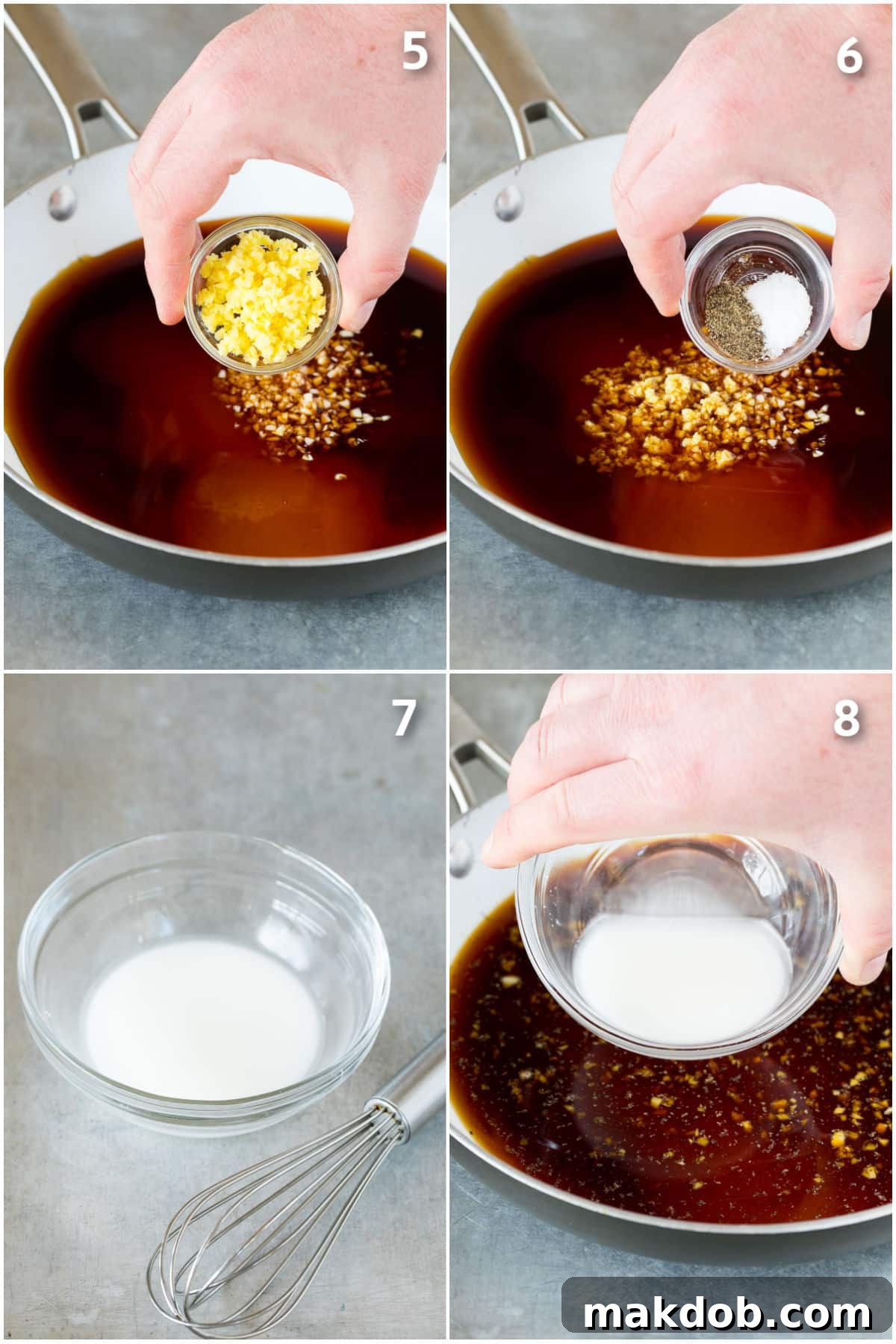
- Prepare the Cornstarch Slurry: In a small separate bowl, whisk together the cornstarch with 1 tablespoon of cold water until completely smooth and no lumps remain. This step is crucial; adding dry cornstarch directly to hot liquid will result in clumps. The cold water ensures a smooth, workable paste.
- Slowly Thicken the Sauce: While continuously stirring or whisking the simmering sauce in the pan, slowly pour in the cornstarch slurry in a thin stream. Continue to whisk gently as you add it to ensure even distribution and prevent clumps from forming. You’ll notice the sauce begin to change texture almost immediately.
- Boil and Final Thickening: Increase the heat slightly to bring the sauce to a full, rolling boil. Let it boil for 1 minute, continuing to stir. This boiling period activates the cornstarch fully, causing the sauce to thicken to your desired consistency. It will thicken slightly more as it cools.
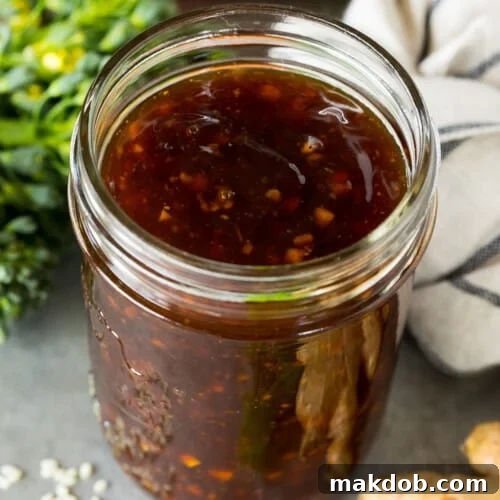
- Ready to Use or Store: Your homemade stir fry sauce is now ready! You can use it immediately in your favorite stir-fry recipe, or allow it to cool completely before transferring it to an airtight container for later use.
Expert Tips For The Perfect Sauce
- Constant Stirring is Key: When adding the cornstarch slurry, it’s absolutely essential to stir constantly and vigorously. This prevents the cornstarch from clumping and ensures a silky, smooth sauce without any grainy texture. If clumps do form despite your best efforts, you can always strain the finished sauce through a fine-mesh sieve to achieve a perfectly smooth consistency.
- Mastering Aromatics: For the most intense and authentic flavor from your ginger and garlic, use a microplane grater. This tool finely grates them into a paste-like consistency, allowing their full flavor to disperse thoroughly and evenly throughout the sauce. While garlic powder and ginger powder can be used in a pinch, fresh ingredients yield vastly superior, brighter, and more aromatic results that truly make a difference in your **homemade stir fry sauce**.
- Storage and Shelf Life: This versatile **homemade stir fry sauce** will stay wonderfully fresh when stored in an airtight container in the refrigerator for up to 5 days. For longer preservation, you can also freeze it for up to 2 months. When ready to use, thaw frozen sauce overnight in the refrigerator and whisk well before reheating to recombine any separated ingredients.
- Scaling the Recipe: This recipe yields enough sauce to generously coat approximately 1 pound of meat (or protein like tofu) and 2 cups of chopped vegetables. Planning a larger meal or preparing for meal prepping? You can easily double or triple the recipe to suit your needs. Just ensure you have a large enough pan or pot to accommodate the increased volume without overcrowding.
- Adjusting Consistency: If your sauce turns out too thick after cooling, simply whisk in a tablespoon of chicken or vegetable broth (or even a little water) until it reaches your desired consistency. If, conversely, it’s too thin, create another small cornstarch slurry (1 teaspoon cornstarch with 1 tablespoon cold water) and slowly whisk it into the simmering sauce, allowing it to boil for another minute until thickened.
- Taste and Adjust: Always taste your sauce before and after cooking, and adjust seasonings as needed. You might prefer a little more sweetness, a touch more ginger, or a hint of acidity. This is your chance to truly customize the flavor profile to perfection.
Serving Suggestions and Delicious Pairings
Elevate your stir-fry meal by serving it alongside other complementary Asian favorites. A refreshing Asian cucumber salad, crisp spring rolls, or vibrant greens tossed in a zesty Asian salad dressing make excellent side dishes. For appetizers, consider crowd-pleasers like savory crab rangoon or perfectly pan-fried potstickers. And of course, no stir-fry is complete without a generous bed of fluffy white or brown rice to soak up all that delicious sauce! For a low-carb option, serve over cauliflower rice or zucchini noodles.
Recipe FAQs: Your Questions Answered
A classic stir fry sauce usually features a base of soy sauce and broth, complemented by a sweetener like honey or sugar, and fresh aromatics such as garlic and ginger. Cornstarch is a common thickener, giving the sauce its signature glossy texture and ensuring it coats ingredients beautifully. Depending on the regional style or personal preference, it might also include additional ingredients like rice vinegar for tang, sesame oil for nutty aroma, chili paste for heat, or various spices for added complexity.
Cornstarch is undeniably the most popular and effective thickener for stir-fry sauces. It’s flavorless, readily available at all grocery stores, and creates a beautifully clear, shiny sauce with excellent body. The key is to always mix cornstarch with an equal amount of cold liquid (water or broth) to form a smooth slurry *before* adding it to your hot sauce. This crucial step prevents lumps. As the sauce heats and boils after the slurry is added, it will rapidly thicken to your desired consistency. Arrowroot powder is another great option, especially for gluten-free diets.
Beyond a fantastic homemade sauce, the secret to an amazing stir-fry lies in the cooking technique: searing, not steaming. Ensure your wok or large skillet is extremely hot before adding any ingredients. Cook your protein in small batches to avoid overcrowding the pan, which lowers the temperature and causes steaming rather than searing. Do the same for vegetables – cook them quickly until crisp-tender and brightly colored. This high-heat, quick-cooking method locks in flavor, creates a desirable slightly charred “wok hei” effect, and maintains texture. Always have all your ingredients prepped (chopped, measured) before you start cooking, as stir-fries cook very fast!
Absolutely! To make this homemade stir fry sauce gluten-free, simply substitute the regular soy sauce with tamari, which is a gluten-free alternative that offers a similar savory flavor profile. Additionally, ensure your chicken or vegetable broth is certified gluten-free. Cornstarch is naturally gluten-free, making it a perfect thickener for a GF stir fry sauce, allowing everyone to enjoy this delicious recipe.
When stored properly in an airtight container, this delicious homemade stir fry sauce will keep well in the refrigerator for up to 5 days. If you’ve made a larger batch for future meals, it freezes beautifully for up to 2 months. Just be sure to thaw it completely in the fridge before use, and give it a good whisk or shake to recombine any ingredients that may have separated during freezing and thawing.
FOLLOW ME
Creative Flavor Variations
While the base recipe for this **easy stir fry sauce** is wonderfully flavorful on its own, its versatility allows for endless customization to match your personal preferences or the specific dish you’re preparing. Don’t hesitate to experiment and make it truly your own for a unique culinary experience!
- Herbs & Spices: After the sauce has cooked, stir in some fresh, finely sliced green onions or chopped cilantro for an aromatic lift and a touch of color. For an authentic Asian twist, add a dash of Five Spice Powder – its complex blend of star anise, cloves, cinnamon, Sichuan pepper, and fennel seeds adds incredible depth. If you crave heat, incorporate dried chilies, a pinch of Sichuan peppercorns for a unique numbing spice, or red pepper flakes to taste, adjusting the amount to your desired level of heat.
- Additional Sauces for Depth: Enhance the umami and introduce new dimensions by whisking in a tablespoon or two of other complementary Asian sauces. Chili garlic sauce will add a pungent heat and garlicky kick, hoisin sauce contributes a sweet and tangy profile, oyster sauce offers a rich, savory seafood note (or vegetarian oyster sauce for a plant-based option), and black bean sauce delivers a fermented, salty complexity that pairs wonderfully with robust meats.
- Nutty Notes & Texture: For an added layer of flavor and a slight textural contrast, stir in some toasted black or white sesame seeds. They provide a delicate crunch and nutty aroma that complements the sauce beautifully. For a creamier, richer sauce reminiscent of Thai cuisine, a small amount of peanut butter or tahini can be whisked in, perfect for a chicken or noodle stir-fry.
- Citrus Brightness: A squeeze of fresh lime juice, a splash of rice vinegar (if not already incorporated into your broth blend), or even a touch of orange zest added at the very end can brighten the sauce and cut through richness, adding a refreshing tang that truly awakens the palate.
This **healthy stir fry sauce** recipe is more than just a condiment; it’s a foundation for unforgettable meals. Its ease of preparation, combined with its incredible flavor and versatility, makes it a must-have in your recipe repertoire for those busy days when you need a quick, nutritious, and incredibly flavorful dinner solution without compromising on quality or taste.
More Delicious Sauce Recipes
Raspberry Sauce
Total Time: 13 mins
Mushroom Steak Sauce
Total Time: 30 mins
Easy Fry Sauce Recipe
Total Time: 6 mins
Homemade Enchilada Sauce
Total Time: 20 mins
Sweet and Sour Sauce
Total Time: 10 mins
Love This Recipe?
Please leave a 5-star 🌟🌟🌟🌟🌟 rating in the recipe card below & a review in the comments section further down the page. Your feedback helps!
🌟🌟🌟🌟🌟
Stir Fry Sauce
Pin Recipe
Sara Welch
10 minutes
5 minutes
15 minutes
Sauce
Asian
4
Ingredients
- 1/4 cup soy sauce
- 1/3 cup low sodium chicken broth
- 3 tablespoons honey
- 2 teaspoons garlic minced
- 1 teaspoon ginger minced
- 1/4 teaspoon black pepper
- 1/4 teaspoon salt
- 2 teaspoons cornstarch
- 1 tablespoon cold water
Instructions
-
Place the soy sauce, chicken broth, honey, garlic, ginger, black pepper and salt in a pan over medium heat.
-
Bring the pan to a simmer and cook for 2-3 minutes.
-
Whisk together the cornstarch and cold water in a small bowl. Slowly add the cornstarch to the pan, stirring constantly.
-
Bring the sauce to a boil. Cook for 1 minute or until the sauce has thickened. Serve, or refrigerate for later use.
Notes
- I recommend using low sodium chicken broth to help control the salt content of the dish. You can also use low sodium soy sauce if you prefer.
- Use fresh garlic and fresh ginger for the best results.
- This sauce will stay fresh in the refrigerator for up to 5 days.
Nutrition
Calories: 66kcal | Carbohydrates: 16g | Protein: 2g | Fat: 0.1g | Saturated Fat: 0.04g | Polyunsaturated Fat: 0.04g | Monounsaturated Fat: 0.1g | Sodium: 962mg | Potassium: 66mg | Fiber: 0.2g | Sugar: 13g | Vitamin A: 1IU | Vitamin C: 1mg | Calcium: 8mg | Iron: 0.5mg
Did you make this recipe?
Tag @dinneratthezoo on Instagram and hashtag it #dinneratthezoo
Twitter Share
Pinterest Share