

Embark on a culinary journey to the heart of Japanese flavors with this exquisite Miso Salmon recipe. Fresh, succulent salmon fillets are transformed through a vibrant, savory marinade, then perfectly broiled to create a dish that’s both healthy and incredibly satisfying. Topped with a sprinkle of toasted sesame seeds and fresh green onions, this main course promises a unique and delicious experience that comes together in mere minutes, proving that gourmet taste doesn’t require hours in the kitchen.
For those perpetually seeking novel and exciting ways to prepare salmon, this Miso Salmon stands out as a true gem among beloved classics. It offers a refreshing alternative to traditional preparations, marrying the rich, buttery texture of salmon with the distinct umami of Japanese cuisine. If you’ve enjoyed other family-favorite salmon dishes like Almond Crusted Salmon, Honey Glazed Salmon, or simple Broiled Salmon, you’re sure to fall in love with the depth of flavor this miso rendition brings. Pair it with a side of perfectly cooked Sushi Rice, and prepare for an outpouring of rave reviews from your dining companions.

My passion for miso salmon began at a beloved Japanese restaurant, where I found myself ordering it repeatedly. That exquisite taste ignited a desire to recreate it at home, and to my delight, I discovered that preparing this seemingly complex dish is remarkably straightforward. This recipe brings that restaurant-quality experience directly to your kitchen, proving that elegance and ease can indeed go hand-in-hand.
Table of Contents
- Mastering Miso Salmon: The Ultimate Guide
- Essential Miso Salmon Ingredients
- Step-by-Step: How to Make Miso Salmon
- Secrets to the Perfect Miso Salmon Dish
- Quick Cooking Tip
- Frequently Asked Questions About Miso Salmon
- Creative Miso Salmon Flavor Variations
- More Delectable Salmon Recipes
- Miso Salmon Recipe Card
Mastering Miso Salmon: The Ultimate Guide to a Flavorful Japanese-Inspired Dish
Miso salmon is not just a meal; it’s an experience. This dish beautifully balances sweet, savory, and umami notes, creating a symphony of flavors that is both comforting and sophisticated. The key lies in the marinade, which infuses the salmon with a rich depth that is simply irresistible. Whether you’re a seasoned chef or a home cook looking to impress, this guide will walk you through every step to achieve perfect miso salmon.
The beauty of this recipe extends beyond its taste; it’s also incredibly versatile. While broiling is the recommended method for that perfect caramelized crust, you can also adapt this recipe for grilling or even pan-searing. The quick preparation time makes it ideal for busy weeknights, yet its elegant presentation makes it worthy of any special occasion. Let’s delve into the essential components that bring this magnificent dish to life.
Essential Miso Salmon Ingredients
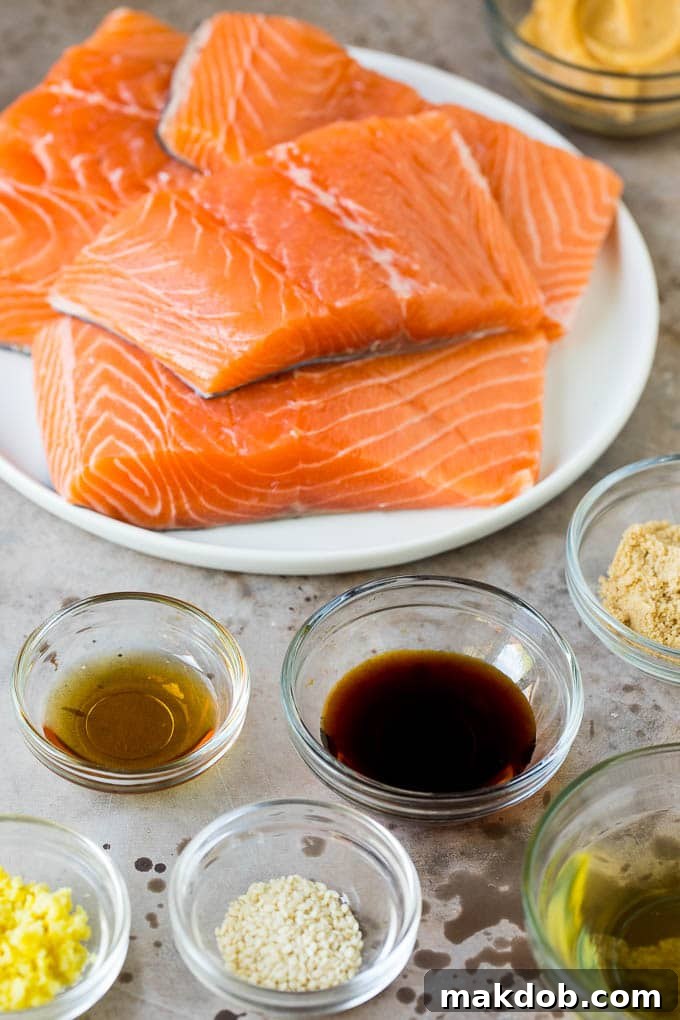
Crafting this remarkable dish requires a thoughtful selection of ingredients, each playing a crucial role in developing its signature flavor profile. For your Miso Salmon, you will need high-quality salmon fillets, white miso paste, mirin, brown sugar, fresh ginger, soy sauce, toasted sesame oil, sesame seeds (black, white, or a mix), and thinly sliced green onions for garnish. Let’s explore some of these key ingredients in more detail to understand their contribution and ensure you choose the best for your culinary creation.
- Salmon Fillets: The star of our dish. Aim for fresh, high-quality fillets, preferably wild-caught for superior flavor and texture. We’ll discuss types and selection in the tips section.
- White Miso Paste: This fermented soybean paste is the heart of the marinade. White miso, also known as Shiro miso, is typically milder and sweeter than its red or yellow counterparts, making it ideal for a balanced, flavorful marinade. It provides a rich umami depth without overpowering the delicate salmon. You’ll usually find it in the refrigerated section of your grocery store, often near the dairy or international foods.
- Mirin: A sweet Japanese rice wine specifically used for cooking. Mirin adds a subtle sweetness and a beautiful glaze to the marinade, contributing to the authentic Japanese flavor. Its balanced sweetness helps to tenderize the fish and promote caramelization. Look for it in the international aisle; a good quality mirin will make a noticeable difference.
- Brown Sugar: This provides an additional layer of sweetness that caramelizes beautifully under the broiler, creating a delicious crust. It also helps to balance the saltiness of the miso and soy sauce.
- Fresh Ginger: Finely minced fresh ginger introduces a warm, aromatic, and slightly pungent zing to the marinade, cutting through the richness of the salmon and adding a delightful freshness. Don’t substitute with dried ginger powder for this recipe; fresh is key for maximum impact.
- Soy Sauce: A foundational ingredient in Asian cuisine, soy sauce contributes savory, salty, and umami notes, enhancing the overall depth of the marinade. Choose a good quality, low-sodium soy sauce if you are mindful of salt intake, as miso paste also contains sodium.
- Toasted Sesame Oil: A small amount of this intensely flavored oil adds a nutty, aromatic finish that is characteristic of Japanese cooking. Use sparingly, as its flavor is quite potent.
- Sesame Seeds & Green Onions: These are primarily for garnish, adding a touch of texture and color, as well as a subtle nutty flavor and fresh, mild oniony bite respectively. They complete the dish visually and texturally.
Step-by-Step: How to Make Miso Salmon
Creating this delicious Miso Salmon is a simple, six-step process that yields incredible results. Follow these instructions carefully to ensure a perfectly cooked and intensely flavorful dish:
- Prepare the Marinade: In a large bowl, combine the white miso paste, mirin, brown sugar, fresh minced ginger, soy sauce, and toasted sesame oil. Whisk all the ingredients together thoroughly until you achieve a smooth, well-combined marinade. Ensure there are no lumps of miso paste.
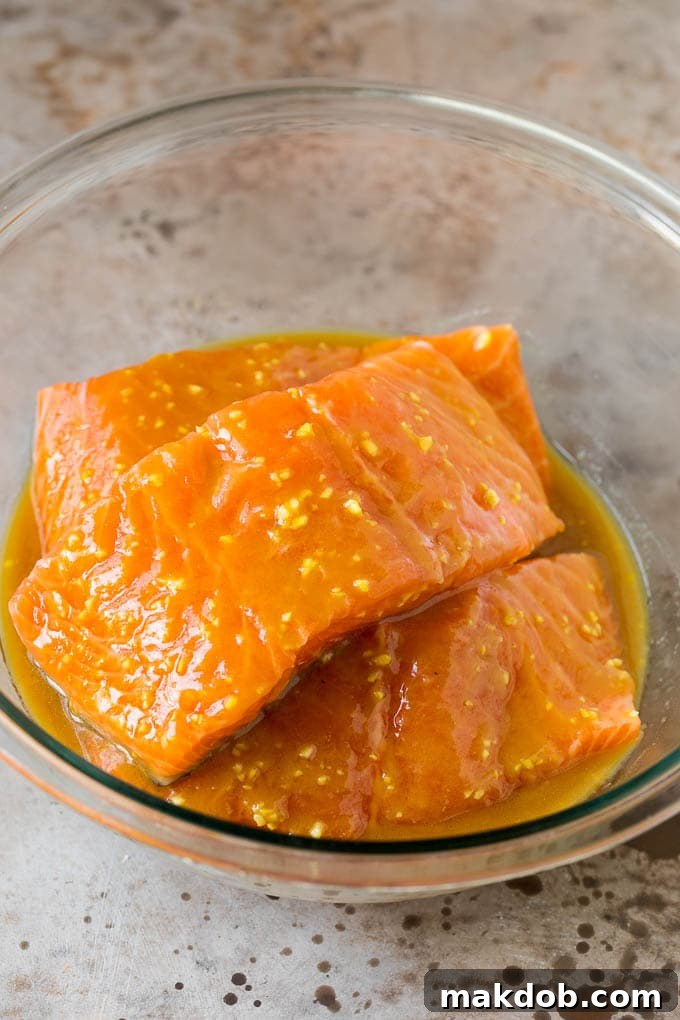
- Marinate the Salmon: Place your salmon fillets into the bowl with the prepared marinade. Using a spoon or brush, ensure each fillet is generously coated on all sides. Cover the bowl and refrigerate the salmon for at least 20 minutes to allow the flavors to penetrate. For a deeper flavor, you can marinate the salmon for up to 4 hours, but avoid marinating for much longer than that, as the acidity can begin to “cook” the fish.
- Preheat Broiler & Prepare Pan: While the salmon marinates, preheat your broiler to high. Line a sturdy sheet pan with aluminum foil for easier cleanup – a truly essential tip! Lightly coat the foil with cooking spray to prevent the salmon from sticking.
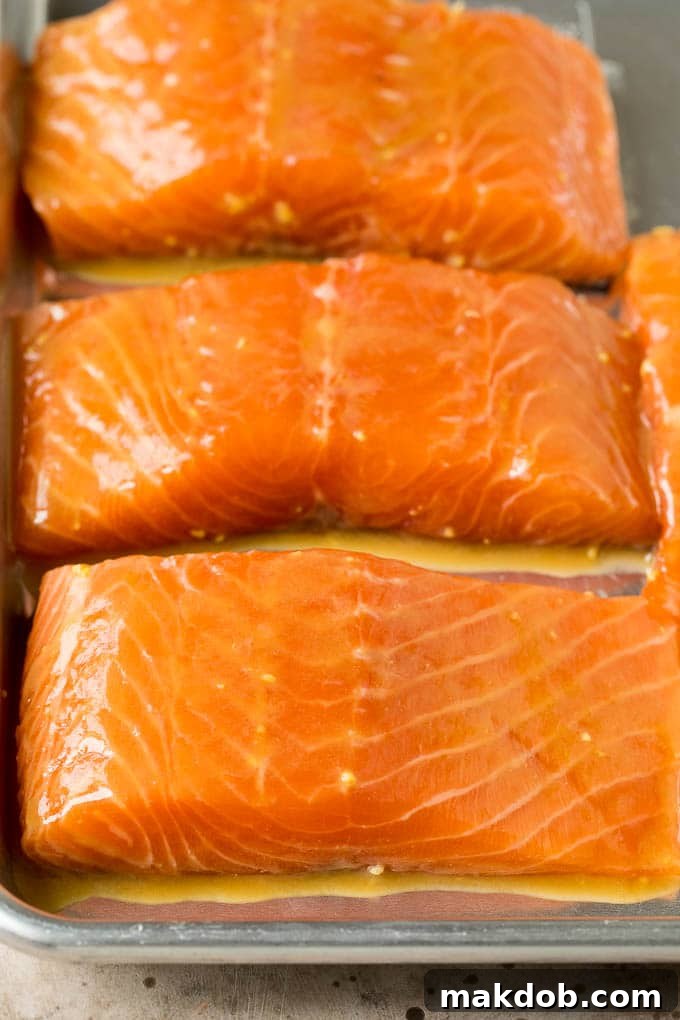
- Arrange Salmon: Once your broiler is ready, carefully arrange the marinated salmon fillets on the prepared sheet pan, ensuring they are spaced adequately apart for even cooking. Spoon any remaining marinade left in the bowl over the top of each fillet; this will add an extra layer of flavor and help create a beautiful glaze.
- Broil to Perfection: Place the sheet pan under the preheated broiler. Broil the salmon for 8-10 minutes. Cooking times can vary based on the thickness of your fillets and your broiler’s intensity. The salmon is done when the flesh is opaque throughout and flakes easily with a fork. Keep a close eye on it to prevent overcooking, which can dry out the fish.
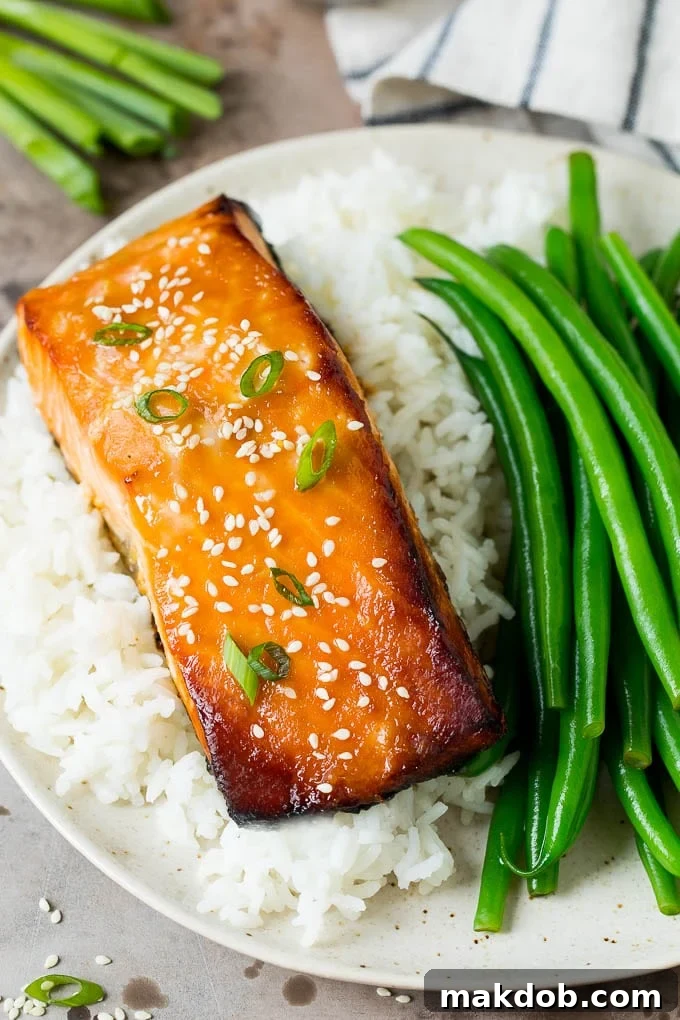
- Garnish & Serve: Once cooked, remove the salmon from the broiler. Immediately sprinkle with your chosen sesame seeds (black, white, or both) and the thinly sliced green onions. Serve the Miso Salmon hot, alongside your favorite accompaniments.
Secrets to the Perfect Miso Salmon Dish
Achieving restaurant-quality Miso Salmon at home is easier than you think, especially when armed with a few expert tips. These insights will help you navigate ingredient choices, preparation techniques, and serving suggestions to elevate your dish from good to unforgettable.
- Choosing Your Salmon: For the best flavor and texture, prioritize fresh salmon whenever possible. Wild-caught varieties like King or Sockeye salmon often offer a richer taste and firmer texture. However, Atlantic salmon also yields excellent results, making this recipe adaptable to what’s available at your local market. If using frozen salmon, ensure it’s completely thawed and patted dry before marinating to prevent excess moisture from diluting the marinade and affecting the searing process.
- Mirin Matters: This recipe specifically calls for mirin, a distinctive sweet Japanese rice wine designed for culinary use. Its unique sweetness and slight acidity are crucial for the marinade’s balance and the salmon’s glaze. You can typically locate mirin in the international foods aisle of larger grocery stores or in specialty Asian markets. In a pinch, a dry sherry or a mix of rice vinegar with a touch of sugar can serve as a substitute, but be aware that the flavor profile will not be identical.
- Effortless Cleanup: A simple yet invaluable tip for broiling is to line your baking sheet with aluminum foil. This prevents the marinade from baking onto the pan, making cleanup incredibly easy. A light coating of cooking spray on the foil ensures the salmon lifts off cleanly after cooking.
- Mind the Salt: Given that both miso paste and soy sauce are inherently salty, there’s no need to add additional salt to the marinade. Trust the natural salinity of these ingredients to perfectly season your salmon.
- Serving Harmony: Miso salmon pairs wonderfully with a variety of sides. Consider serving it over fluffy steamed rice – sushi grade white or brown rice are both excellent choices. Complement the main dish with a vibrant vegetable side such as sautéed mushrooms and onions, crisp roasted green beans, smoky grilled broccoli, or tender sautéed cabbage. These sides enhance the meal without competing with the salmon’s rich flavors.
- Storing Leftovers: Should you have any delightful leftovers, store them in an airtight container in the refrigerator for up to 2 days. To reheat, gently warm the salmon in a covered pan in the oven at 350 degrees F (175 degrees C) until it’s warmed through, ensuring it doesn’t dry out.
Quick Cooking Tip
Exercise caution to avoid overcooking your salmon! The ideal doneness for salmon is achieved when its flesh turns opaque throughout and can be easily flaked with a fork. Overcooked salmon can become dry and lose its desirable texture.
Frequently Asked Questions About Miso Salmon
Miso is a traditional Japanese seasoning produced by fermenting soybeans with salt and a koji mold (a type of fungus). The fermentation process, which can range from a few weeks to several years, results in a rich, savory paste that adds profound umami flavor to dishes. Miso comes in various types, primarily categorized by color and intensity. White miso (Shiro miso) is fermented for a shorter period, resulting in a lighter color, sweeter taste, and milder flavor profile, making it excellent for delicate dishes and marinades like our salmon. Yellow miso (Shinshu miso) offers a balance between sweet and savory, with a slightly earthier flavor. Red miso (Aka miso) is fermented the longest, delivering a darker color, bolder flavor, and saltier taste, often used in hearty soups and stews. This recipe specifically calls for white miso paste for its smooth and versatile flavor, which is generally easy to find in the refrigerated section of most grocery stores, often near specialty cheeses or international foods.
Absolutely! Salmon is widely celebrated as a nutritional powerhouse and an excellent addition to any healthy diet. It is exceptionally rich in omega-3 fatty acids, particularly EPA and DHA, which are renowned for their powerful anti-inflammatory properties and their role in supporting heart health by helping to reduce blood pressure and cholesterol levels. Beyond omega-3s, salmon is packed with high-quality protein, essential for muscle repair and growth, and a wealth of vitamins and minerals. These include Vitamin D, crucial for bone health and immune function; B vitamins (B3, B5, B6, B12), vital for energy production and brain health; and selenium, a powerful antioxidant. It also contains potassium and phosphorus, important for various bodily functions. This impressive nutrient profile contributes to improved brain function, enhanced immunity, and strong bones. So, indulge in that succulent miso salmon fillet with zero guilt – it’s truly good for you!
Miso is an incredibly versatile ingredient that can impart a distinct umami punch to a wide array of dishes. Its most famous application is perhaps miso soup, where it forms the flavorful base. However, its uses extend far beyond that. It’s a fantastic component in marinades, much like in this salmon recipe, as it helps tenderize proteins and infuses them with complex flavors. Miso also shines in salad dressings, adding a savory depth and richness. It can be stirred into stir-fries for an extra layer of flavor, whisked into glazes for roasted vegetables, or incorporated into noodle dishes for an authentic Japanese touch. Experiment with different types of miso to discover how each can uniquely transform your culinary creations, from simple sauces to robust main courses.
Yes, you can absolutely use frozen salmon, but proper thawing is crucial for the best results. Thaw your frozen salmon fillets overnight in the refrigerator. Before marinating, gently pat them thoroughly dry with paper towels. Removing excess moisture is essential to ensure the marinade properly adheres to the fish and helps achieve a nice sear or glaze under the broiler, preventing a watery final dish.
While mirin offers a unique sweetness and depth, if you can’t find it, a few alternatives can work in a pinch. The closest substitute is often dry sherry or sweet marsala wine, used in equal amounts. If you prefer a non-alcoholic option, you can mix rice vinegar with a pinch of sugar (about 1 teaspoon of sugar per tablespoon of rice vinegar) to mimic mirin’s sweet and tangy profile. Be aware that rice vinegar alone is much more acidic and lacks the sweetness, so adding sugar is important. Sake, which is also mentioned as a variation, is less sweet than mirin but can also be used, potentially with a bit more brown sugar to compensate.
FOLLOW ME
Creative Miso Salmon Flavor Variations
While the classic Miso Salmon recipe is truly exceptional on its own, it also serves as a fantastic base for culinary experimentation. Feel free to customize the flavors to suit your palate or to incorporate ingredients you have on hand. Here are a few ideas to inspire your creativity:
- Explore Other Fish Options: Although salmon is traditional, this versatile miso marinade can be used with other firm, white-fleshed fish. Consider substituting swordfish, halibut, cod, or Chilean sea bass. Each will absorb the marinade beautifully, offering a slightly different texture and flavor experience while retaining the delicious Japanese essence.
- Add Quick-Cooking Vegetables to the Pan: For a complete one-pan meal, add some fast-cooking vegetables to the sheet pan alongside your salmon. Asparagus spears, snow peas, sliced zucchini, bell pepper strips, or even bok choy can be tossed with a little sesame oil and a pinch of salt, then broiled until tender-crisp. They’ll absorb some of the marinade’s aromas, creating a harmonious plate.
- Spice It Up or Alter the Liquid: To introduce a spicy kick, add a teaspoon or two of sriracha or gochujang paste to the marinade. If you love garlic, a teaspoon of minced fresh garlic can amplify the aromatic profile. For a different alcoholic note, you can swap out the mirin for sake, keeping in mind that sake is generally less sweet, so you might want to adjust the brown sugar slightly to maintain balance. A hint of fresh lime or lemon juice added just before serving can also provide a bright, zesty contrast.
Miso salmon is truly a must-try recipe that delivers the sophistication of a fancy restaurant dish with the undeniable ease of home cooking. Its ability to be both simple enough for a busy weeknight and elegant enough to impress guests makes it a versatile addition to any cook’s repertoire. If you find yourself captivated by the delightful fusion of Asian flavors in this recipe, you’ll undoubtedly appreciate some of my other Asian-inspired favorites, including hearty Beef Bulgogi and fresh Ahi Tuna Salad. Dive in and discover your next favorite meal!
More Delectable Salmon Recipes To Savor
Salmon with Avocado Salsa
25 mins
Grilled Salmon with Garlic and Herbs
1 hr 25 mins
Pan Seared Salmon with Garlic Butter
20 mins
Greek Salmon Salad
35 mins
Marinated Salmon with Garlic and Herbs
20 mins
Loved This Recipe?
We’d love to hear your thoughts! Please consider leaving a 5-star rating in the comments section below after you’ve tried it. Your feedback helps other home cooks discover and enjoy this delicious recipe!
Miso Salmon Recipe
This miso salmon is fresh fish fillets soaked in a flavorful marinade, then broiled to perfection and topped with sesame seeds. A unique and delicious main course option that takes just minutes to put together!
Author: Sara Welch
Prep Time: 10 minutes
Cook Time: 10 minutes
Marinating Time: 20 minutes
Total Time: 40 minutes
Course: Main
Cuisine: Asian
Servings: 4

Ingredients
- 1 1/4 pounds salmon, cut into 4 fillets
- 3 tablespoons white miso paste
- 1/4 cup mirin (can also use sake)
- 1 tablespoon brown sugar
- 1 teaspoon minced fresh ginger
- 2 teaspoons soy sauce
- 1 teaspoon toasted sesame oil
- 1 teaspoon sesame seeds (black, white, or both)
- 2 tablespoons green onions, thinly sliced
- Cooking spray
Instructions
- Place the miso paste, mirin, brown sugar, ginger, soy sauce, and sesame oil in a large bowl. Whisk thoroughly to combine until smooth.
- Add the salmon fillets to the bowl and spoon the marinade generously over the top of each fillet. Cover the bowl and refrigerate for at least 20 minutes. For enhanced flavor, you can marinate for up to 4 hours.
- Preheat your oven’s broiler. Line a sheet pan with aluminum foil for easy cleanup, then lightly coat the foil with cooking spray.
- Arrange the marinated salmon fillets on the prepared sheet pan, ensuring they are evenly spaced. Spoon any remaining excess marinade from the bowl over the top of the fish.
- Broil the salmon for 8-10 minutes, or until the fish is opaque throughout and flakes easily when tested with a fork. Cooking time may vary based on fillet thickness and broiler intensity.
- Once cooked, remove from the broiler. Immediately sprinkle with sesame seeds and thinly sliced green onions before serving.
Notes
- For optimal flavor and texture, use fresh salmon whenever possible. Wild-caught varieties like King or Sockeye are excellent choices, but Atlantic salmon also works well.
- Mirin is a sweet Japanese rice wine crucial for the marinade’s authentic flavor. It can be found in the international foods aisle or Asian markets. Rice vinegar can be used as a substitute in a pinch, though the flavor will differ slightly.
Nutrition
(Nutritional information is an estimate and may vary based on specific ingredients and preparation methods.)
- Calories: 274 kcal
- Carbohydrates: 13g
- Protein: 30g
- Fat: 11g
- Saturated Fat: 2g
- Cholesterol: 78mg
- Sodium: 819mg
- Potassium: 721mg
- Fiber: 1g
- Sugar: 7g
- Vitamin A: 87 IU
- Vitamin C: 1mg
- Calcium: 29mg
- Iron: 2mg
Did you make this recipe?
Tag @dinneratthezoo on Instagram and hashtag it #dinneratthezoo!