
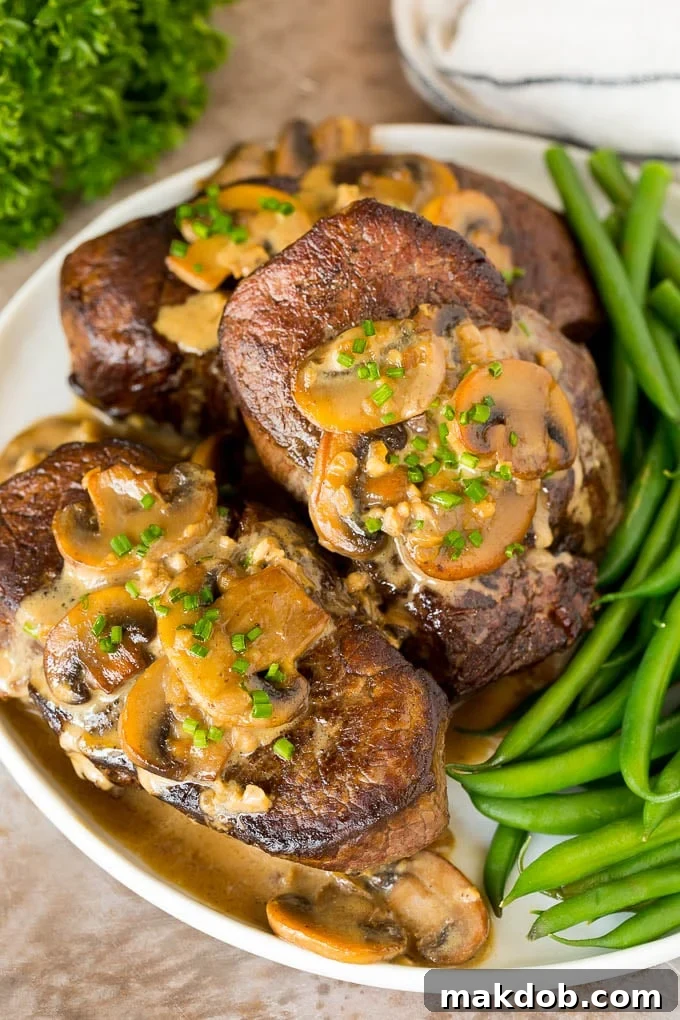
Steak Diane: An Elegant & Effortless Beef Tenderloin Classic
Indulge in the timeless elegance of Steak Diane, a spectacular dish featuring tender beef tenderloin medallions seared to perfection and enveloped in a rich, savory mushroom sauce. This classic recipe strikes the perfect balance, being sophisticated enough for special occasions yet surprisingly quick to prepare on a busy weeknight. It’s a culinary masterpiece that promises to impress family and guests alike with its depth of flavor and luxurious texture.
When the desire for a truly memorable meal strikes, one that combines both ease and gourmet flair, Steak Diane invariably comes to mind. It stands proudly alongside other impressive culinary delights such as succulent grilled churrasco, flavorful Peruvian lomo saltado, tender Cuban ropa vieja, exquisite broiled lobster tails, and slow-roasted prime rib. Steak Diane is not just a meal; it’s an experience, transforming a simple cut of beef into an extraordinary dining event.
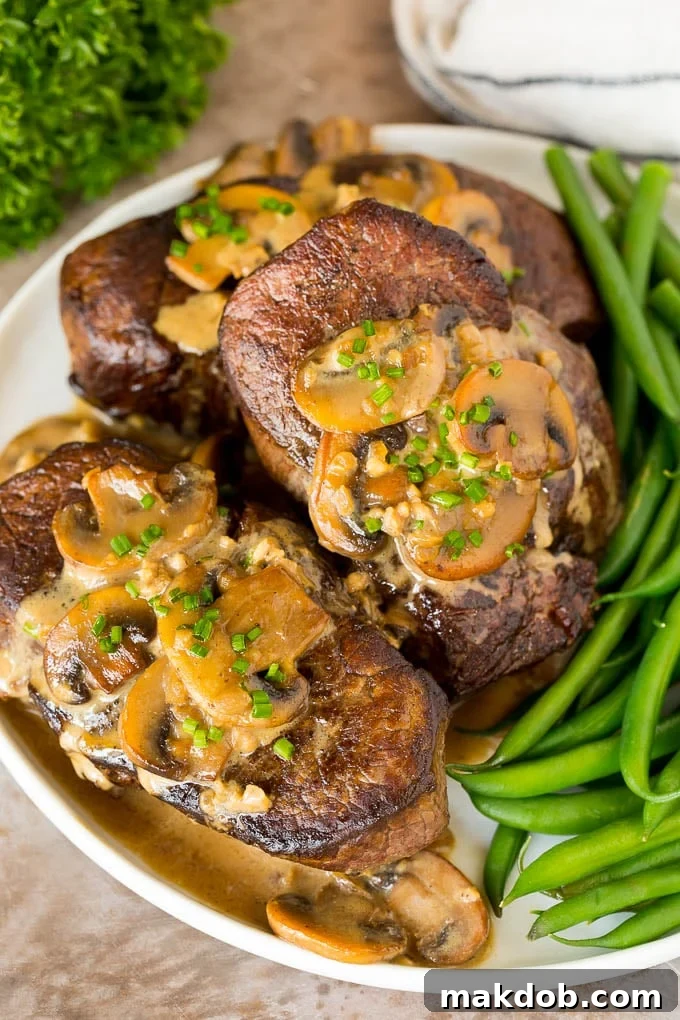
Discovering Steak Diane on a restaurant menu is always a delight, promising an unparalleled combination of ultra-tender steak complemented by a rich, complex sauce. My first unforgettable encounter with this dish was at The Cheesecake Factory, and it quickly earned a spot among my favorite Cheesecake Factory copycat recipes due to its irresistible charm and ease of replication at home.
Table of Contents
- What is Steak Diane?
- The Storied History of Steak Diane
- Why Choose Beef Tenderloin? (And Alternatives)
- Essential Ingredients for Steak Diane
- Step-by-Step Guide: How to Make Steak Diane
- Mastering the Pan-Searing Technique
- Crafting the Perfect Diane Sauce
- Steak Doneness Guide
- Serving Suggestions and Wine Pairings
- Frequently Asked Questions About Steak Diane
- Pro Tips for a Flawless Steak Diane
- Printable Steak Diane Recipe
- Explore More Steak Recipes
What is Steak Diane?
Steak Diane is a classic pan-fried beef dish traditionally prepared with beef tenderloin medallions and served with a rich, flambéed sauce. The sauce typically features pan drippings, mustard (often Dijon), shallots, garlic, Worcestershire sauce, beef broth, and a splash of Cognac or brandy, which is often ignited (flambéed) to burn off the alcohol and impart a deeper flavor. The hallmark of Steak Diane is its incredibly tender steak, complemented by a complex and velvety sauce that beautifully coats each bite. It’s celebrated for its elegant presentation and surprisingly quick cooking time, making it a favorite for both special occasions and impressive weeknight dinners.
The Storied History of Steak Diane
The origins of Steak Diane are shrouded in a bit of culinary mystery, with debates over whether it’s truly a classic European dish or an American invention of the mid-20th century. While a “Diane sauce” existed in French culinary tradition in the 19th century—named after Diana, the Roman goddess of the hunt, and typically containing cream, truffle, and black pepper—the flambéed steak dish we know today is widely believed to have originated in American restaurants. New York City establishments like the Drake Hotel’s Delmonico’s and the Colony Restaurant are often credited with popularizing the dish in the 1950s. It became a symbol of tableside grandeur, often prepared with dramatic flair right at the diner’s table. This theatrics, combined with its exquisite flavor, cemented Steak Diane’s status as a quintessential gourmet meal in post-war America.
Why Choose Beef Tenderloin? (And Alternatives)
Beef tenderloin is the traditional and preferred cut for Steak Diane due to its unparalleled tenderness and mild flavor, which perfectly absorbs the richness of the accompanying sauce. Also known as filet mignon when cut into individual steaks, this muscle is minimally used by the animal, resulting in a buttery, melt-in-your-mouth texture. While luxurious, beef tenderloin can be an expensive splurge.
If you’re looking for more budget-friendly alternatives without sacrificing too much tenderness, consider these options:
- Top Sirloin: A lean and flavorful cut that offers a good balance of tenderness and beefy taste at a more accessible price point.
- New York Strip: Known for its fine texture and excellent marbling, the New York strip delivers robust flavor and a satisfying chew, making it another fantastic substitute.
- Flank Steak or Skirt Steak: While naturally tougher, these cuts can be tenderized and sliced thinly against the grain after cooking. They offer a more intense beef flavor, which can be a delicious counterpoint to the rich Diane sauce. Marinating them briefly before searing can also enhance their tenderness.
Regardless of the cut you choose, ensure your beef is fresh and of good quality. Patting the steaks dry before searing is crucial for achieving that desirable golden-brown crust.
Essential Ingredients for Steak Diane
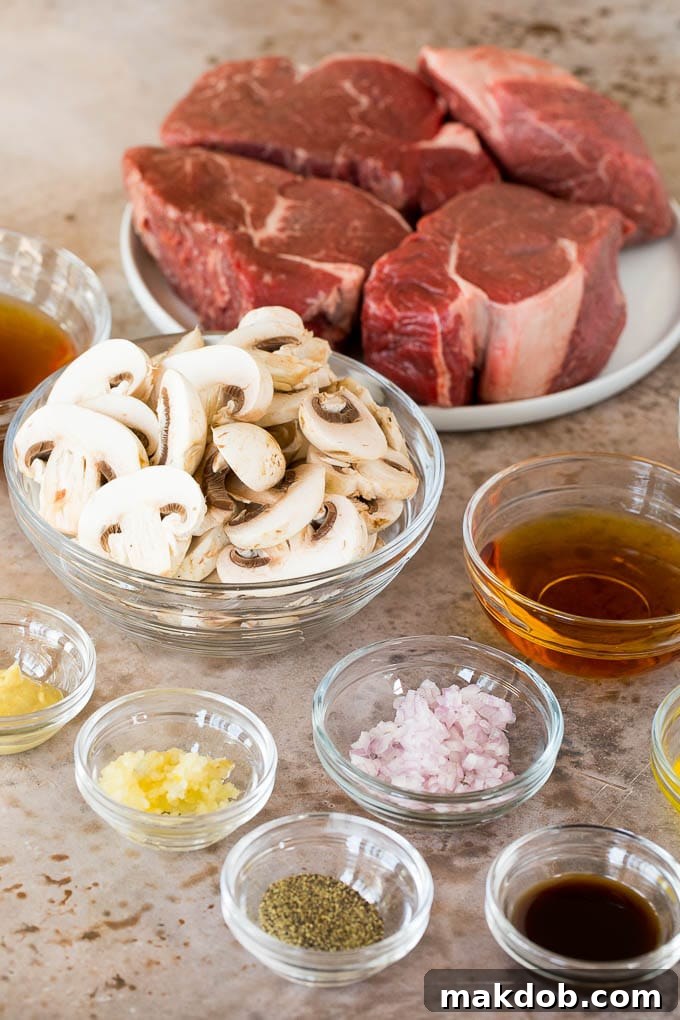
Crafting the perfect Steak Diane relies on a harmonious blend of simple yet impactful ingredients. Here’s what you’ll need to bring this classic dish to life:
- Beef Tenderloin: The star of the show, cut into medallions for quick and even searing. Its inherent tenderness makes it ideal for this delicate dish.
- Kosher Salt & Black Pepper: Basic seasonings to enhance the natural flavor of the beef and sauce.
- Olive Oil: Used for searing the beef at high temperatures, contributing to a beautiful crust.
- Butter: Essential for sautéing the aromatics and adding a rich, creamy base to the sauce.
- Mushrooms: Sliced mushrooms (white button or cremini are excellent) add an earthy depth and textural contrast to the sauce.
- Shallots: Finer and milder than onions, shallots provide a delicate, aromatic foundation for the sauce without overpowering the other flavors.
- Garlic: A quintessential flavor enhancer, minced garlic adds a pungent warmth to the sauce.
- Cognac: This high-quality brandy is key to the sauce’s distinctive flavor. It deglazes the pan, adding complexity and a slight sweetness (see FAQs for substitutes).
- Beef Broth: Forms the liquid base of the sauce, providing savory depth.
- Dijon Mustard: A touch of Dijon adds a tangy, sharp note that cuts through the richness of the cream and balances the flavors.
- Worcestershire Sauce: Contributes umami and a subtle savory complexity, deepening the sauce’s profile.
- Heavy Cream: Creates the luxurious, velvety texture of the sauce, binding all the flavors together.
- Fresh Chives: A vibrant garnish, thinly sliced chives add a mild oniony freshness and a pop of color to the finished dish.
Step-by-Step Guide: How to Make Steak Diane
Preparing Steak Diane is a seamless two-part process: first, perfectly searing the beef, and then, crafting the exquisite sauce in the same pan to capture all the rich flavors. Here’s a detailed look at each stage:
Mastering the Pan-Searing Technique
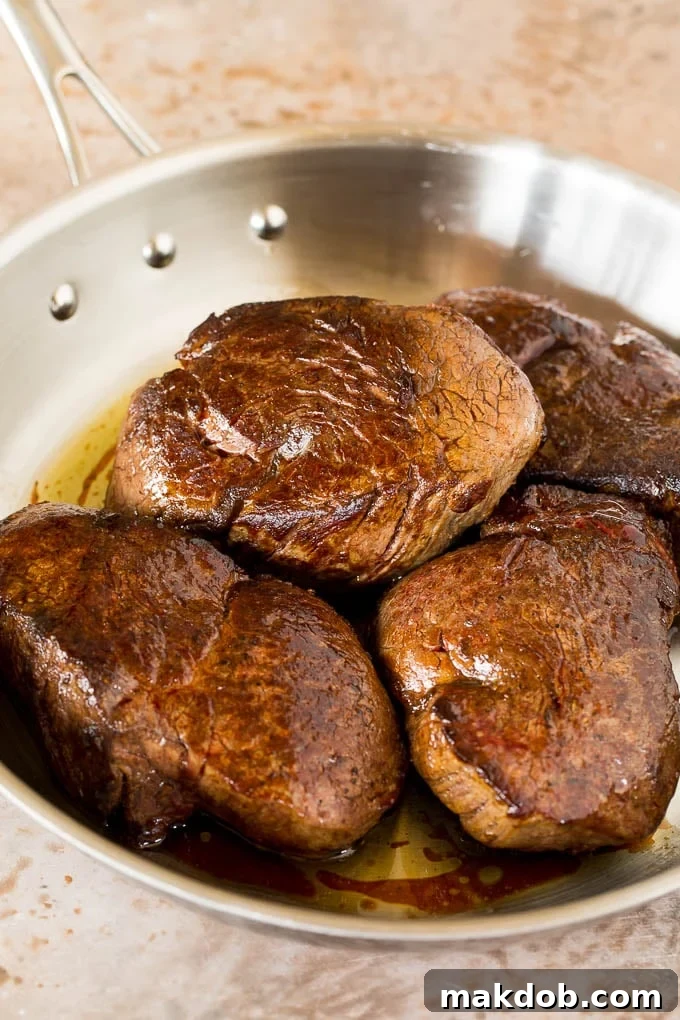
Achieving a beautiful crust while keeping the interior tender is the secret to a great Steak Diane. Begin by preparing your beef tenderloin: slice it into medallions about 3/4 inch thick. You can either slice these from a whole tenderloin roast or cut pre-portioned filet mignon steaks in half crosswise if they are very thick. Before seasoning, it’s crucial to thoroughly pat the beef dry with paper towels. Excess moisture on the surface prevents browning and steaming the meat, rather than searing it. Season both sides generously with kosher salt and freshly ground black pepper. Heat olive oil in a large, heavy-bottomed skillet (cast iron or stainless steel works best) over high heat until it shimmers and just begins to smoke. Place the seasoned beef medallions in a single layer, ensuring not to overcrowd the pan. If necessary, cook in batches to maintain high heat. Sear each side for 3-4 minutes, or until a deep golden-brown crust forms and your desired level of doneness is reached. Once cooked, remove the steaks from the pan and transfer them to a plate, loosely tenting them with foil to keep warm and allow them to rest while you prepare the sauce. Resting is vital for juicy steak, as it allows the internal juices to redistribute.
Crafting the Perfect Diane Sauce
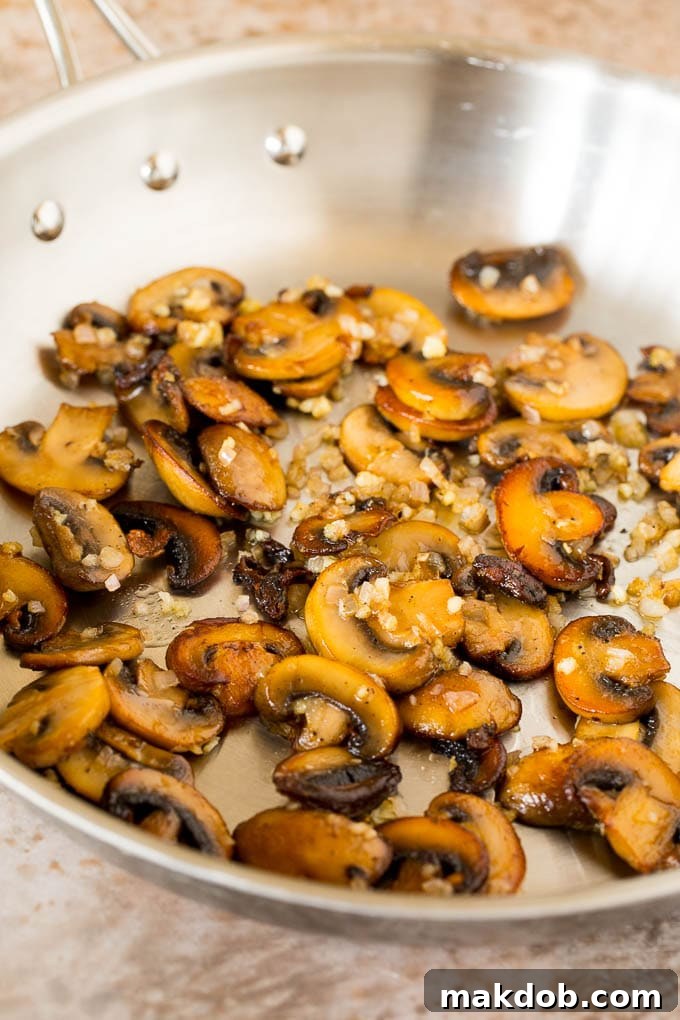
The magic of Steak Diane truly comes alive with its sauce, built upon the flavorful fond left in the pan after searing the beef. Reduce the heat to medium and add butter to the same skillet, letting it melt and foam. Add the sliced mushrooms and cook for 4-5 minutes, stirring occasionally, until they are beautifully browned, tender, and have released their moisture. Next, stir in the minced shallots and garlic, cooking for just one more minute until fragrant, being careful not to let the garlic burn. Season these vegetables with a pinch of salt and pepper. Pour the Cognac into the pan; it will sizzle as it hits the hot surface. Bring it to a boil, scraping up any delicious browned bits from the bottom of the pan with a wooden spoon – this is called deglazing and adds immense flavor. Let the Cognac reduce by half, which typically takes 1-2 minutes. Then, whisk in the beef broth, Dijon mustard, and Worcestershire sauce until well combined. Bring the sauce to a gentle simmer and cook for 3-4 minutes, stirring occasionally, until it slightly thickens to your desired consistency. Finally, return the rested steaks to the pan, nestling them into the rich sauce. Spoon the sauce generously over the meat, sprinkle with fresh chives, and serve immediately for an unforgettable dining experience.
Steak Doneness Guide
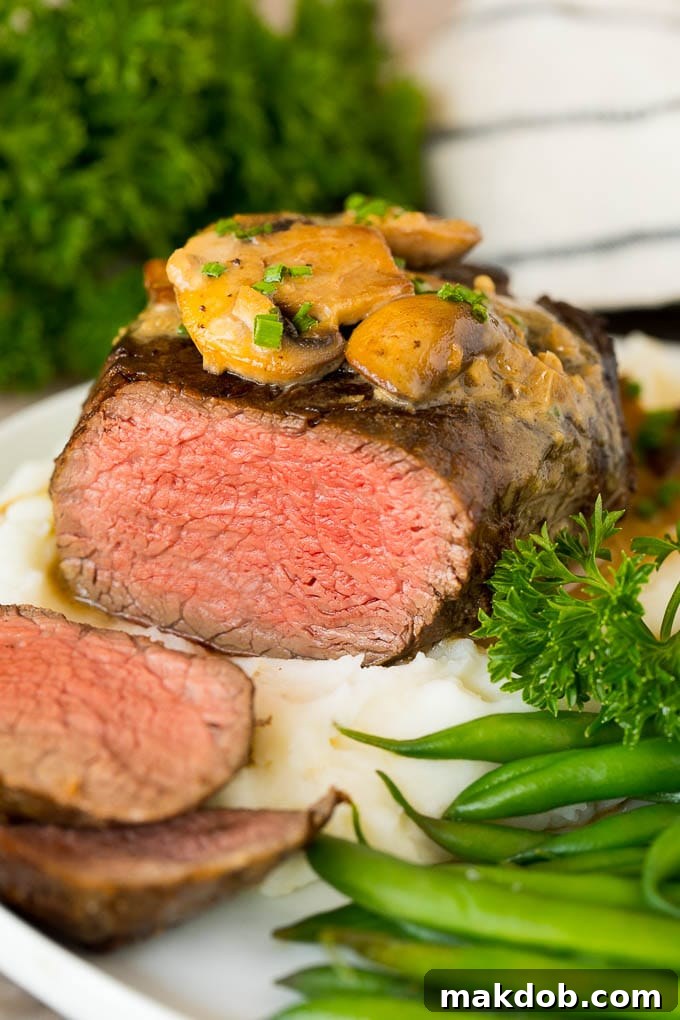
Achieving your preferred level of doneness is crucial for enjoying Steak Diane to its fullest. Overcooking tenderloin can lead to a dry and tough result, while proper cooking ensures a succulent and flavorful experience. The most reliable way to gauge doneness is with a digital meat thermometer, inserted into the thickest part of the meat, avoiding any bone or fat. Monitor the temperature closely and remove the steak from the heat a few degrees before your target, as it will continue to cook slightly while resting (carryover cooking). For Steak Diane, a medium doneness is often recommended, ensuring the meat remains incredibly tender.
- Rare: 130 degrees F (54 degrees C) – Cool red center.
- Medium Rare: 135 degrees F (57 degrees C) – Warm red center.
- Medium: 145 degrees F (63 degrees C) – Warm pink center.
- Medium Well: 150 degrees F (66 degrees C) – Slightly pink center.
- Well Done: 160 degrees F (71 degrees C) – No pink, firm. (Generally not recommended for tenderloin due to potential dryness).
Serving Suggestions and Wine Pairings
Steak Diane, with its rich sauce and tender beef, pairs beautifully with a variety of side dishes and wines that complement its luxurious profile. Here are some recommendations to complete your gourmet meal:
Serving Suggestions:
- Potatoes: Creamy garlic mashed potatoes are a classic pairing, perfect for soaking up every last drop of the decadent Diane sauce. Other excellent choices include roasted baby potatoes, potato gratin, or even simple baked potatoes.
- Green Vegetables: To balance the richness of the steak and sauce, serve a vibrant green vegetable. Options like crisp grilled asparagus, perfectly roasted green beans, sautéed spinach with garlic, or steamed broccoli florets add freshness and texture.
- Bread: A crusty baguette or sourdough bread is ideal for mopping up the irresistible sauce.
- Rice: For a different starch, a light rice pilaf or wild rice can be a wonderful accompaniment.
Wine Pairings:
The rich, savory flavors of Steak Diane call for a wine that can stand up to its intensity without overpowering it. Here are some excellent choices:
- Pinot Noir: A lighter-bodied red with bright acidity and earthy notes, Pinot Noir from Burgundy or Oregon is a fantastic match, complementing the mushrooms and cutting through the creaminess of the sauce.
- Merlot: A soft, fruit-forward red with smooth tannins, Merlot offers a delightful pairing, especially those with notes of plum and cherry that harmonize with the beef.
- Cabernet Sauvignon: For those who prefer a more robust red, a medium-bodied Cabernet Sauvignon can work well, particularly if it has softer tannins and doesn’t overwhelm the delicate tenderloin.
- Chardonnay (Oaked): If you prefer white wine, a full-bodied, oaked Chardonnay can be a surprisingly good choice. Its creamy texture and notes of butter and vanilla can echo the richness of the Diane sauce.
This Steak Diane recipe consistently earns rave reviews in my household, proving that restaurant-quality dining is easily achievable at home. I sincerely hope your family enjoys this elegant dish as much as mine does! For fellow steak enthusiasts, don’t miss exploring my air fryer steak recipe for your next delicious meal inspiration.
Frequently Asked Questions About Steak Diane
The “Diane” in Steak Diane is believed to refer to Diana, the Roman goddess of hunting and wild animals. Historically, “Diane sauce” in the 19th century was a rich sauce intended for game meats, often containing cream, truffle, and black pepper. While the modern Steak Diane with beef tenderloin and its specific sauce originated later, the name evokes a sense of classic, sophisticated game cooking.
Absolutely! While Cognac adds a distinct depth, you can certainly make a delicious Steak Diane without it. The best substitutes include an equal amount of another type of brandy, dry white wine (such as Chardonnay or Sauvignon Blanc), or simply more beef broth for a non-alcoholic version. The flavor profile will be slightly different but still incredibly rich and savory.
The unique flavor of Steak Diane comes from a harmonious blend of ingredients. The searing of the beef creates a flavorful fond in the pan. This is then deglazed with Cognac, adding a complex alcoholic note. Minced shallots and garlic provide aromatic depth, while Dijon mustard and Worcestershire sauce contribute tang and umami. Finally, heavy cream brings everything together in a luxurious, velvety sauce.
Despite its elegant appearance, Steak Diane is surprisingly straightforward to prepare. The key is to have all your ingredients prepped and ready (mise en place) as the cooking process is quite fast. With a good hot pan and attentive timing for searing and sauce creation, even novice cooks can achieve impressive results.
Pro Tips for a Flawless Steak Diane
- Room Temperature Steak: For more even cooking, allow your beef tenderloin medallions to sit at room temperature for 20-30 minutes before searing.
- Hot Pan, Dry Steak: Ensure your skillet is screaming hot and your steaks are thoroughly patted dry. This is the secret to a perfect, crusty sear.
- Don’t Overcrowd the Pan: Cook steaks in batches if necessary. Overcrowding lowers the pan temperature, resulting in steamed, rather than seared, meat.
- Deglaze Properly: When adding Cognac, scrape up all the browned bits (fond) from the bottom of the pan. These bits are packed with flavor and are essential for a rich sauce.
- Mushroom Choice: While white button mushrooms work well, consider using cremini (baby bella) mushrooms for a deeper, earthier flavor. For a truly gourmet touch, exotic mushrooms like oyster or chanterelles can elevate the dish further.
- Herb Substitutions: If fresh chives aren’t available, other fresh herbs like finely chopped parsley, thyme, or sliced green onions can be used for garnish.
- Serve Immediately: Steak Diane is best enjoyed fresh off the stove. The delicate sauce can start to break if left sitting for too long.
Printable Steak Diane Recipe
Steak Diane
A luxurious and quick beef tenderloin dish that’s perfect for special occasions or an elevated weeknight meal.
Author: Sara Welch
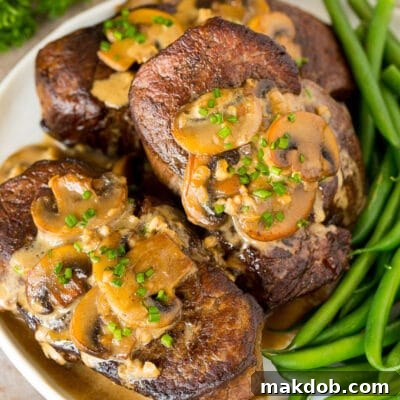
This Steak Diane recipe features beef tenderloin medallions seared and coated in a savory mushroom sauce. A classic recipe that’s quick enough for a busy weeknight, yet elegant enough for company.
Prep Time: 20 minutes
Cook Time: 25 minutes
Total Time: 45 minutes
Course: Main
Cuisine: American
Servings: 4
Ingredients
- 1 1/2 pounds beef tenderloin or filet mignon, cut crosswise into 3/4 inch thick medallions
- Salt and freshly ground black pepper, to taste
- 1 tablespoon olive oil
- 2 tablespoons unsalted butter
- 8 ounces fresh mushrooms (cremini or button), sliced
- 2 tablespoons minced shallots
- 2 teaspoons minced garlic
- 1/4 cup Cognac (or substitute beef broth/white wine)
- 1/2 cup beef broth
- 2 teaspoons Dijon mustard
- 2 teaspoons Worcestershire sauce
- 1/4 cup heavy cream
- 1 tablespoon fresh chives, thinly sliced, for garnish
Instructions
- Pat the beef tenderloin medallions dry thoroughly with paper towels. Season generously on both sides with salt and freshly ground black pepper.
- Heat the olive oil in a large, heavy-bottomed skillet (cast iron works beautifully) over high heat until shimmering and almost smoking.
- Carefully place the seasoned beef medallions in a single layer in the hot pan; if they don’t all fit you might need to work in batches. Sear for 3-4 minutes per side for medium-rare to medium doneness, or until a beautiful golden-brown crust forms. Use a meat thermometer to ensure desired doneness (see temperature guide above).
- Remove the seared steaks from the pan and transfer them to a plate. Cover loosely with foil to keep warm while you prepare the sauce.
- Reduce the heat to medium. Add the butter to the same skillet, allowing it to melt and foam. Add the sliced mushrooms and cook for 4-5 minutes, stirring occasionally, until they are deeply browned, tender, and have released their moisture.
- Stir in the minced shallots and garlic. Sauté for another minute until fragrant, being careful not to burn the garlic. Season the vegetables with a pinch of salt and pepper.
- Deglaze the pan by pouring in the Cognac. Bring to a rapid boil, scraping up any browned bits from the bottom of the pan. Allow the liquid to reduce by half, which typically takes 1-2 minutes.
- Whisk in the beef broth, Dijon mustard, and Worcestershire sauce. Bring the sauce to a simmer, then stir in the heavy cream. Continue to simmer gently for 3-4 minutes, stirring occasionally, until the sauce slightly thickens to your desired consistency.
- Return the cooked beef medallions to the pan, nestling them into the rich sauce. Spoon the sauce over the steaks to coat.
- Garnish generously with thinly sliced fresh chives and serve immediately.
Notes
- For a non-alcoholic option or if Cognac is unavailable, an equal amount of additional beef broth or dry white wine (like Chardonnay or Sauvignon Blanc) can be used as a substitute. The flavor profile will subtly change but remain delicious.
- Achieve perfect doneness by using a meat thermometer: Rare (130°F), Medium-Rare (135°F), Medium (145°F), Medium-Well (150°F), Well-Done (160°F). For Steak Diane, medium-rare to medium is generally recommended to keep the tenderloin succulent.
- Leftovers can be stored in an airtight container in the refrigerator for up to 3 days. Reheat gently on the stovetop over low heat to prevent the sauce from breaking.
Nutrition (Approximate per serving)
Calories: 558kcal | Carbohydrates: 4g | Protein: 34g | Fat: 22g | Saturated Fat: 13g | Cholesterol: 154mg | Sodium: 312mg | Potassium: 765mg | Fiber: 1g | Sugar: 2g | Vitamin A: 426IU | Vitamin C: 3mg | Calcium: 28mg | Iron: 5mg
Did you make this recipe? Tag @dinneratthezoo on Instagram and hashtag it #dinneratthezoo
Explore More Steak Recipes You’ll Enjoy
New York Strip Steak with Garlic Butter
25 mins
Steak Tacos Recipe
30 mins
Rib Eye Steak with Garlic Butter
25 mins
Grilled Flank Steak
1 hr 20 mins
The BEST Steak Marinade
6 mins
FOLLOW ME