
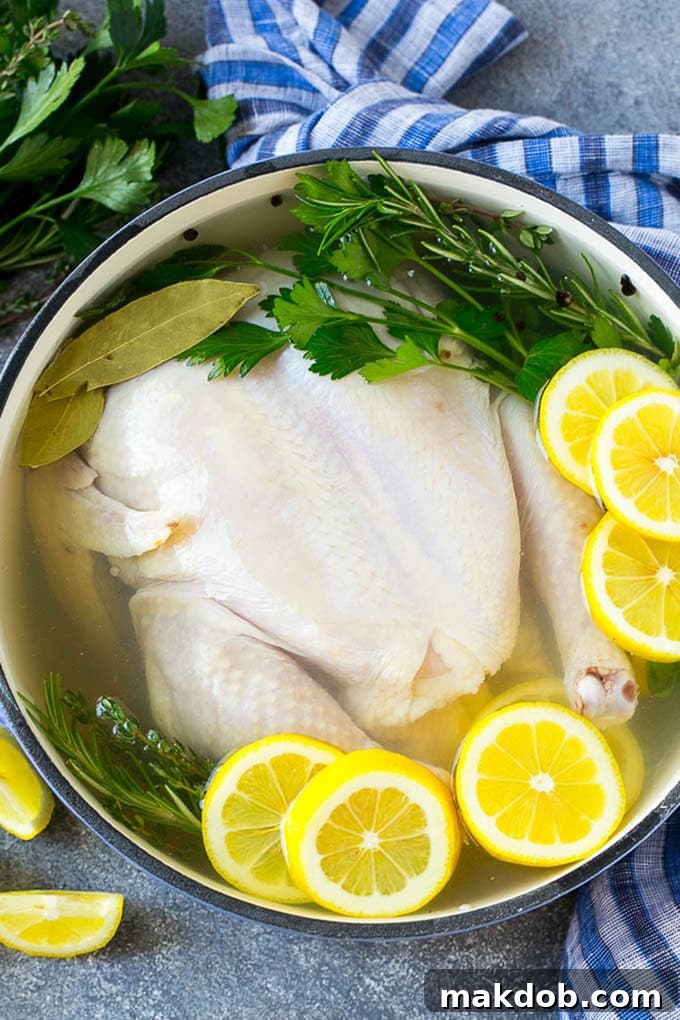
Transform your next poultry dish into a culinary masterpiece with this exceptional chicken brine recipe. Infused with the bright zest of lemons, the subtle sweetness of honey, and a fragrant blend of fresh herbs and spices, this brine guarantees a juicy, tender chicken every single time. Say goodbye to dry, bland poultry and welcome perfectly succulent, deeply flavorful roasted, smoked, or fried chicken to your table. This foolproof method is a game-changer for home cooks looking to elevate their chicken dishes to gourmet levels.
If you’ve never experienced the incredible difference a proper brine makes, you’re truly missing out. The process is surprisingly simple, requiring just minutes of active preparation, yet the end results are nothing short of spectacular. Imagine serving a chicken so moist and savory that every bite melts in your mouth. Pair your perfectly brined chicken with delightful glazed carrots and fluffy rice pilaf for a complete, unforgettable meal that will impress family and friends alike.
The Secret to Perfectly Moist Chicken: Brining Explained
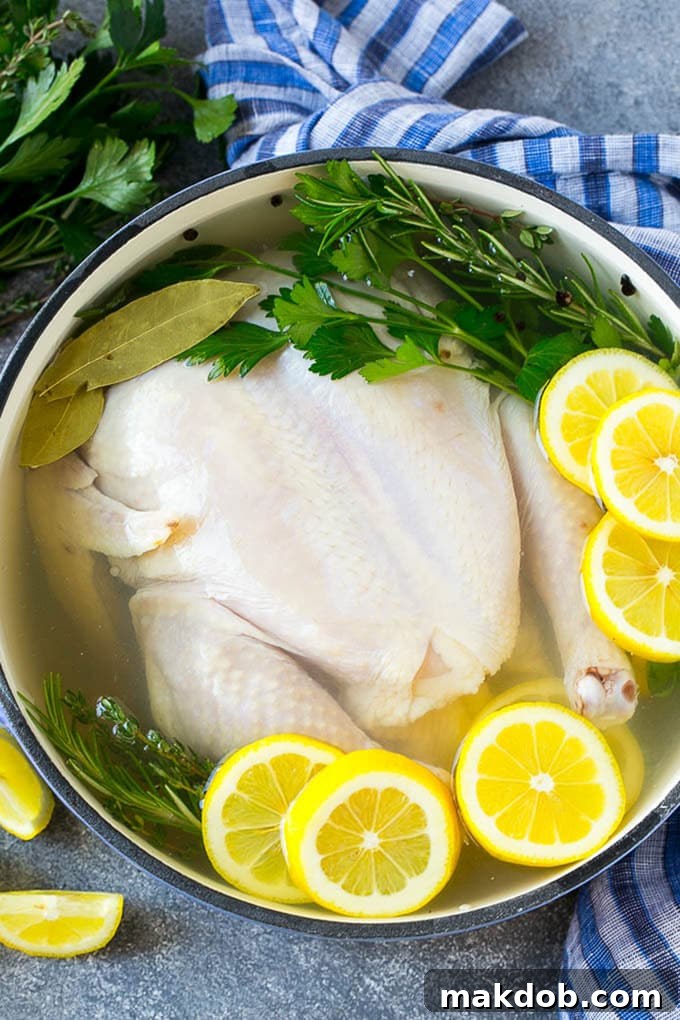
Many home cooks, myself included, often feel a bit anxious when preparing large cuts of poultry like whole chickens or turkeys. The common dilemma is finding that delicate balance: cooking the bird thoroughly without overcooking it into a dry, flavorless state, or worse, undercooking it and risking raw spots. This simple yet highly effective chicken brine acts as your ultimate safeguard. It masterfully infuses the entire bird with an abundance of flavor and, crucially, moisture, creating a protective barrier against the oven’s drying heat. When you choose to brine, you’re not just cooking chicken; you’re crafting the best chicken you’ll ever eat – consistently juicy, tender, and seasoned from within.
The science behind brining is fascinating and surprisingly straightforward. When a chicken is submerged in a saltwater solution (brine), a process called osmosis occurs. The salt in the brine denatures the proteins in the chicken’s muscle fibers, causing them to unravel. As the proteins relax, they absorb some of the brining liquid and become better at retaining moisture during cooking. This means even if you slightly overcook your brined chicken, it will remain significantly juicier than an unbrined bird. Beyond moisture, the brine also allows all the wonderful flavors from the herbs, spices, and citrus to penetrate deep into the meat, ensuring every bite is bursting with taste, not just on the surface.
While this recipe focuses on chicken, the magic of brining extends to other meats as well. Discover how brining can similarly transform your holiday turkey with my acclaimed turkey brine recipe, or bring out the best in smaller cuts with my pork chop brine. For a different approach to turkey, explore the benefits of a dry brined turkey, which offers a crispy skin and equally moist meat without the liquid bath.
Table of Contents
- The Essence of Flavor: Chicken Brine Ingredients
- Crafting Your Brine: Step-by-Step Guide
- Mastering the Brine: Expert Tips and Tricks
- Frequently Asked Questions About Chicken Brine
- Cooking Your Brined Chicken: Versatile Methods
- Endless Possibilities: Flavor Variations for Your Brine
- More Mouthwatering Chicken Recipes
- Ultimate Juicy Chicken Brine Recipe
The Essence of Flavor: Chicken Brine Ingredients
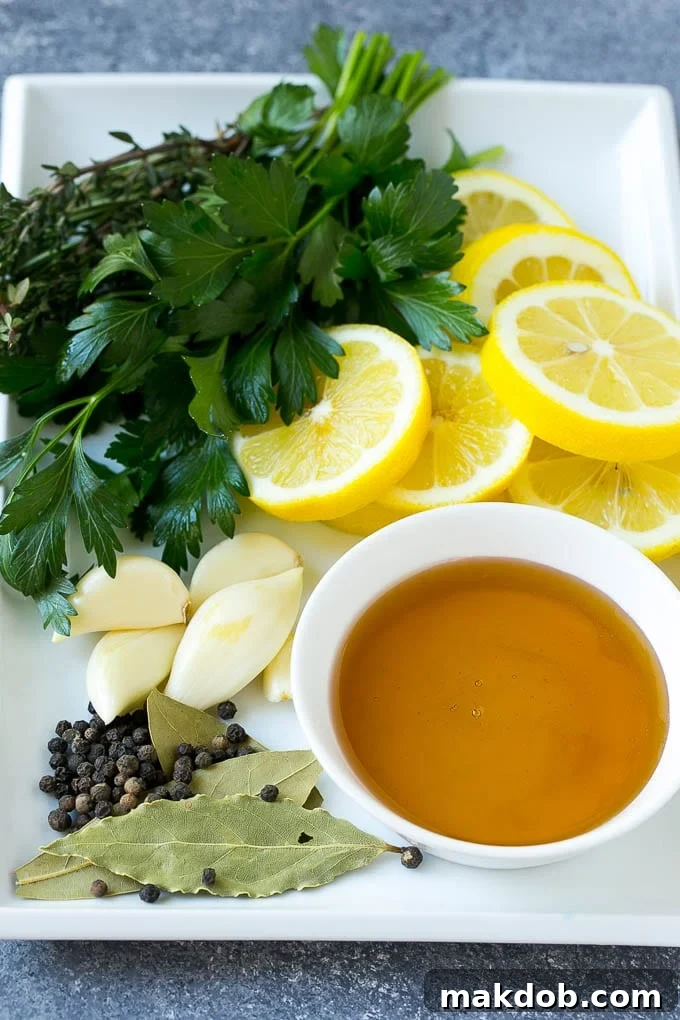
Crafting the perfect chicken brine begins with a careful selection of high-quality ingredients, each playing a vital role in achieving that coveted juicy and flavorful result. For this recipe, you’ll need a base of water, which acts as the carrier for all the amazing flavors. The cornerstone is kosher salt, essential for the osmotic process that tenderizes and moistens the meat. Honey adds a delightful hint of sweetness and helps create a beautiful golden-brown skin when cooked. Fresh lemons provide a bright, citrusy acidity that cuts through the richness of the chicken and enhances the overall aroma.
Aromatic elements such as fragrant bay leaves, pungent garlic cloves, and whole black peppercorns contribute depth and warmth. Finally, a trio of fresh herbs – earthy rosemary, delicate thyme, and vibrant parsley – infuses the brine with their distinctive perfumes, creating a complex and inviting flavor profile. And, of course, you’ll need a whole chicken, ready to absorb all this wonderful goodness! It’s this thoughtful combination of sweet, savory, acidic, and aromatic notes that elevates the simple act of brining into an art form.
Crafting Your Brine: Step-by-Step Guide
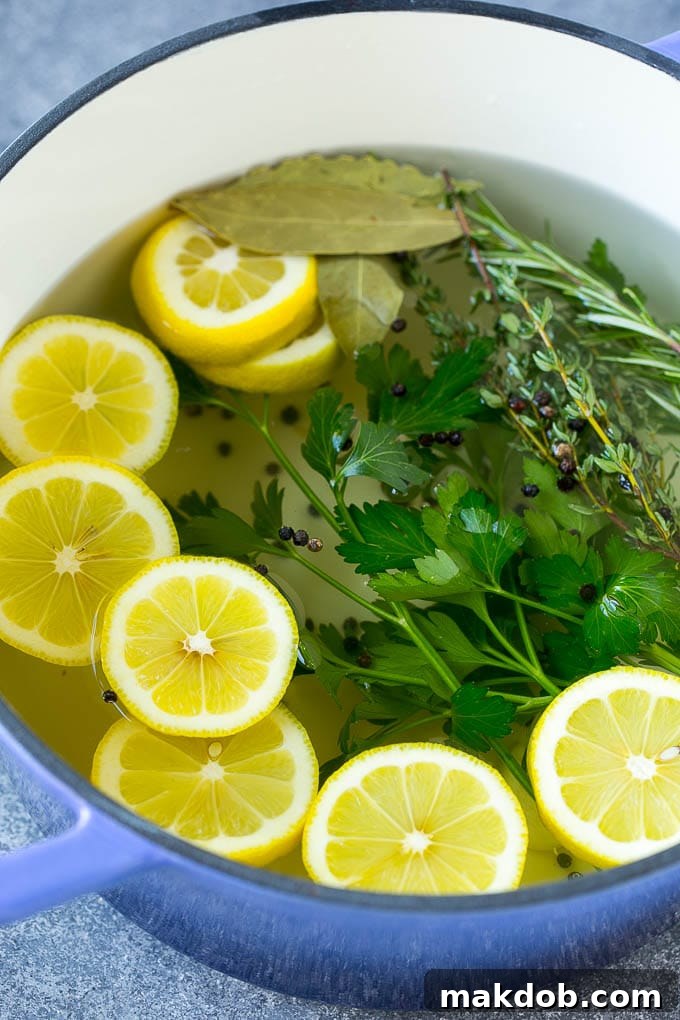
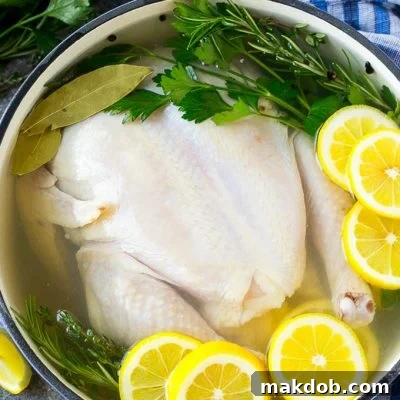
Preparing this chicken brine is a straightforward process that lays the foundation for a truly delicious meal. Begin by pouring the measured amount of water into a large pot – ensure it’s spacious enough to later accommodate your chicken. To the water, add the kosher salt, honey, bay leaves, smashed garlic cloves, whole black peppercorns, fresh rosemary sprigs, thyme sprigs, parsley sprigs, and the vibrant lemon slices. This combination of ingredients will create a fragrant and potent brining solution.
Place the pot over medium heat and bring the mixture to a gentle simmer. Allow it to cook for just a few minutes, stirring occasionally, until you observe that all the salt and honey have completely dissolved into the liquid. This brief simmer helps to fully meld the flavors and ensure the salt is evenly distributed throughout the solution. Once dissolved, immediately remove the pot from the heat. This is a crucial step: the brine must cool completely to room temperature before introducing the chicken. You can expedite this cooling process by adding a few ice cubes to the brine once it’s off the heat, or by placing the pot in an ice bath. Food safety is paramount, so never add raw chicken to warm brine.
Once the brine is thoroughly cooled, carefully place your whole chicken into the liquid, ensuring it is fully submerged. If needed, you can add a little extra cold water to guarantee complete coverage. Cover the pot securely and transfer it to the refrigerator. Allow the chicken to brine for a minimum of 8 hours, or up to 24 hours for maximum flavor and moisture absorption. When you’re ready to cook, remove the chicken from the brine, pat it thoroughly dry with paper towels (a dry surface helps achieve crispy skin), and gently remove any clinging herbs or peppercorns. Your chicken is now perfectly prepared for roasting, smoking, or frying. Cook it to your desired doneness, then carve, serve, and savor the incredible juiciness and flavor!
Mastering the Brine: Expert Tips and Tricks
- Ensure Full Submersion: It’s critical for the entire chicken to be covered by the brine. If your initial mixture doesn’t quite cover it, feel free to add additional cold water until the chicken is completely submerged. This ensures even brining and consistent moisture penetration throughout the bird.
- Choose the Right Salt: Always use kosher salt for this recipe. It’s crucial because kosher salt has larger flakes and measures differently than standard table salt. Using table salt can result in an overly salty chicken, as it’s much denser by volume. I highly recommend Diamond Crystal kosher salt for its consistent quality and texture.
- Chicken Size Matters: This brine recipe is particularly effective for smaller chickens, typically in the 3-5 pound range. Larger birds may require a slightly longer brining time or a larger volume of brine.
- Container Selection: I prefer to soak my chickens in a large pot. However, if your chicken is too large for your biggest pot, a food-grade brining bag (often available at kitchen supply stores or online) is an excellent alternative, offering a leak-proof and space-efficient solution.
- Chill Thoroughly: For optimal food safety, ensure the liquid is completely cooled before you add the chicken. Introducing raw poultry to warm liquid can create a breeding ground for bacteria. Adding ice cubes to the hot brine after simmering can significantly speed up the cooling process.
- Thawing is Key: Always brine a fully thawed chicken. Brining a partially frozen bird can lead to uneven salt absorption and potentially unsafe cooking. Plan ahead to give your chicken ample time to thaw in the refrigerator.
- No Rinsing Required: After removing the chicken from the brine, simply pat it dry with paper towels. There’s no need to rinse it under water, as this can wash away some of the internalized flavor and make the skin less crispy during cooking.
- Smoked Chicken Variation: If you’re planning to make a smoked chicken, consider using a half batch of my specialized smoked turkey brine before placing the chicken in the smoker. This brine is specifically formulated to complement the smoky flavors.
Quick Tip: Food Safety First!
Always make sure the brine liquid is completely cooled to room temperature, or even chilled, before adding the raw chicken. This is critical for food safety to prevent bacterial growth. Adding ice cubes can help rapidly cool the mixture down to a safe temperature.
Frequently Asked Questions About Chicken Brine
Chicken, especially the lean breast meat, is naturally prone to drying out during cooking. Brining works wonders by employing the scientific principle of osmosis. When submerged in a saltwater solution, the chicken meat absorbs some of the liquid, which fundamentally helps it retain moisture. More importantly, the salt in the brine denatures the muscle proteins, causing them to loosen and become better at trapping moisture. This dual action not only keeps the chicken incredibly moist but also seasons it thoroughly, from the surface right to the bone. Even if you slightly overcook a brined chicken, it will remain far more tender and juicy than an unbrined bird.
The ideal brining time depends on the size and cut of your chicken. A whole chicken, ranging from 3-5 pounds, should be submerged in brine for at least 8 hours, and ideally up to 24 hours. This duration allows sufficient time for the brine to penetrate deeply. It’s crucial not to exceed the 24-hour mark, as prolonged brining can make your bird overly salty and alter its texture. For bone-in chicken pieces, such as thighs, drumsticks, or split breasts, a shorter brining period of about 4 hours is usually sufficient. If you’re working with boneless, skinless chicken pieces like breasts or tenders, 2 hours is generally enough to achieve excellent results without making them too salty.
No, for food safety reasons, you should never reuse brine. Once raw chicken has been submerged in the brine, it becomes contaminated with bacteria from the poultry. Reusing this liquid could lead to foodborne illness. Always discard used brine immediately after removing the chicken.
Always use kosher salt for brining, as specified in the recipe. Kosher salt crystals are larger and less dense than table salt, meaning a cup of kosher salt contains less sodium by weight than a cup of table salt. If you use table salt with the same volume measurement, your brine will be significantly saltier, potentially leading to an over-salted chicken. Fine sea salt can be used as an alternative, but you may need to adjust the quantity based on its density compared to kosher salt. Avoid iodized table salt due to its fine texture and the metallic taste iodine can impart.
No, rinsing the chicken after brining is generally not recommended. Rinsing can wash away some of the flavor that has adhered to the surface and can also create a wet surface, which prevents the skin from crisping up nicely during cooking. Instead, simply remove the chicken from the brine and pat it thoroughly dry with paper towels. A dry surface is essential for achieving that desirable crispy skin.
Follow Me for More Delicious Recipes!
Cooking Your Brined Chicken: Versatile Methods
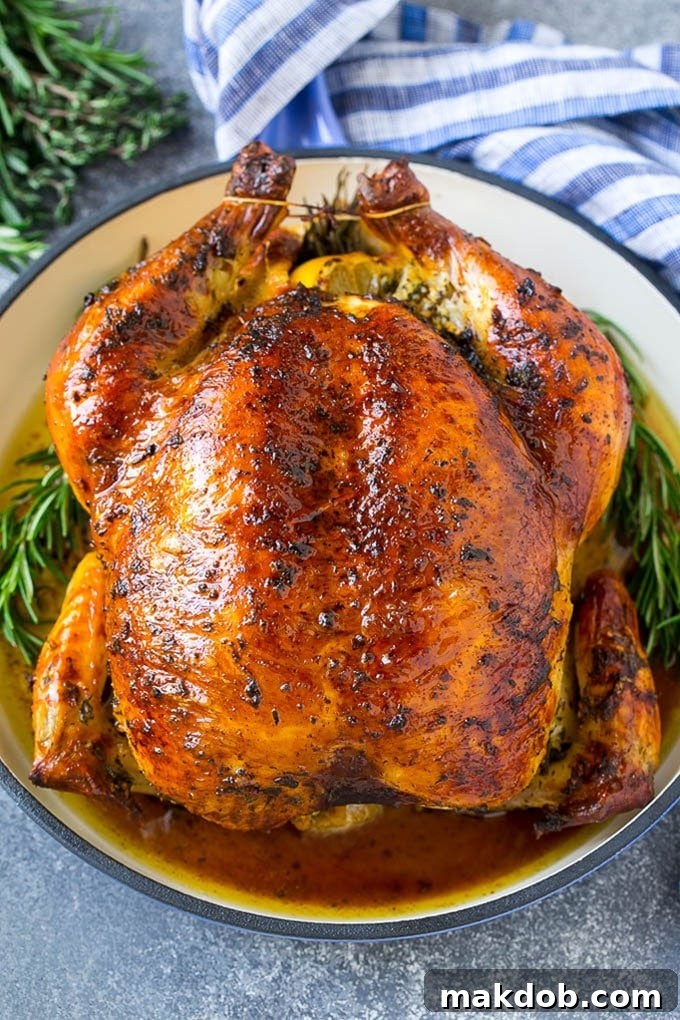
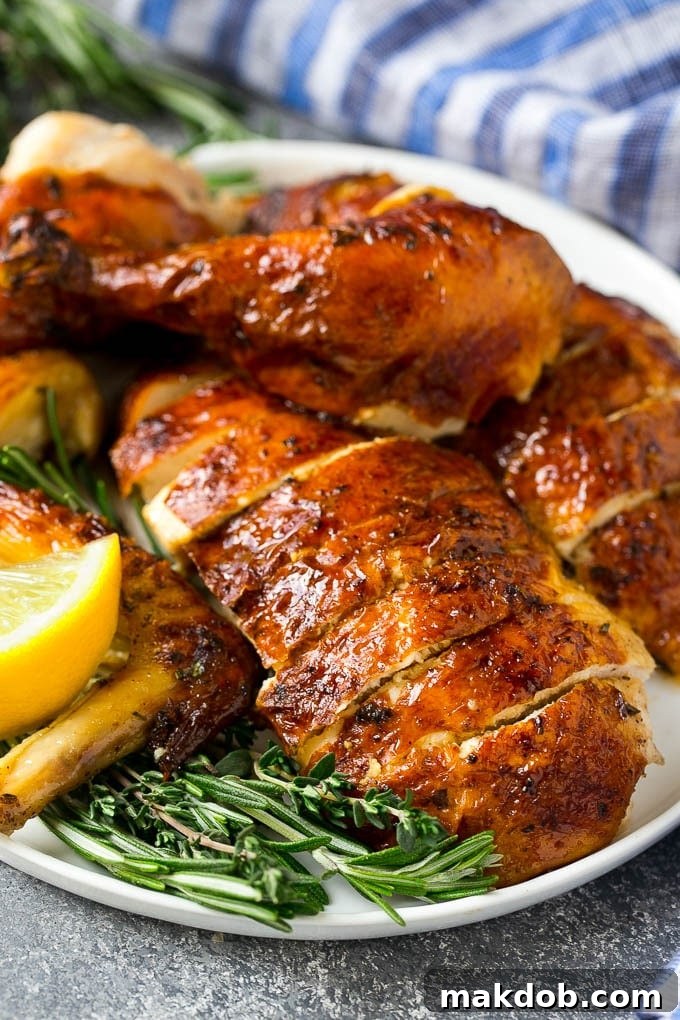
Once your chicken has been perfectly brined and patted dry, it’s ready for any cooking method you prefer. The brining process ensures that no matter how you prepare it, your chicken will remain moist, tender, and full of flavor. Before cooking, sometimes I like to add a few teaspoons of my favorite chicken seasoning to the outside of the bird for an extra layer of savory flavor and a beautiful crust.
Here are some popular and delicious ways to cook your brined chicken:
- Roasting: A classic choice, roasting a brined chicken yields incredibly crispy skin and unbelievably juicy meat. The brine helps the chicken brown beautifully, creating a stunning presentation. Try my Roasted Chicken with Garlic and Herbs for a fragrant and flavorful experience.
- Slow Cooking: For hands-off convenience, a slow cooker can produce incredibly tender brined chicken that practically falls off the bone. The low and slow heat, combined with the brine, ensures maximum succulence. Explore my Slow Cooker Whole Chicken recipe.
- Grilling: Brined chicken pieces on the grill are a summertime favorite. The brine helps prevent drying out over high heat, ensuring juicy grilled chicken with those coveted char marks. Consider my Peruvian Chicken recipe for a zesty, grilled option.
- Rotisserie: Achieve that store-bought quality at home with a rotisserie. A brined chicken on a rotisserie cooks evenly and bastes itself in its own juices, resulting in a perfectly golden and tender bird. My Rotisserie Chicken recipe is a must-try.
- Frying: For an irresistible crispy coating and moist interior, brined chicken is excellent for frying. The brine protects the meat from drying out during the intense frying process, leaving you with tender, flavorful results. Check out my Fried Chicken recipes.
Endless Possibilities: Flavor Variations for Your Brine
While this base recipe provides amazing flavor and moisture, the beauty of brining lies in its versatility. You can easily adapt the recipe to suit your unique taste preferences and experiment with different flavor profiles. Don’t be afraid to get creative and make this brine truly your own:
- Citrus Infusion: Lemons are fantastic, but you can certainly try other citrus fruits. Swap the lemon slices for orange or grapefruit slices for a different aromatic twist, or combine them for your own custom citrus symphony. Lime also works beautifully for a more tart, bright flavor.
- Sweetener Alternatives: Honey provides a lovely sweetness and aids in browning, but other sugars work just as well. Brown sugar adds a deeper, molasses-like flavor that pairs wonderfully with poultry. Maple syrup or agave nectar can also be used, ensuring they are fully dissolved in the warm water.
- Turn Up the Heat (Spicy Brine): For those who love a kick, introduce some heat to your brine. Feel free to add dried chiles like arbol or guajillo for a subtle warmth, or a few sliced jalapeños or serranos for a more pronounced spice. A pinch of red pepper flakes can also do the trick.
- Aromatic Additions: Expand on the herb and spice blend. Consider adding fresh sage for an earthy, savory note, a tablespoon of smoked paprika for depth and a hint of smokiness, or quartered onions and celery stalks for a foundational aromatic base that penetrates the meat. Whole star anise pods can provide an intriguing licorice-like aroma, while a few juniper berries can add a woody, piney essence, particularly good for gamey flavors.
- Herbal Bounty: Beyond rosemary, thyme, and parsley, experiment with other fresh herbs. Bay leaves are already in the recipe, but consider fresh sage, oregano, marjoram, or even cilantro for different flavor dimensions.
- Spice Rack Explorations: Don’t limit yourself to peppercorns. Cumin seeds, coriander seeds, fennel seeds, or even a cinnamon stick can add unexpected and delightful layers of flavor. Lightly toast whole spices before adding them to the brine to intensify their aroma.
Once you experience the unparalleled juiciness and robust flavor of a brined chicken, you’ll be completely hooked! Your guests will undoubtedly marvel at your culinary prowess, thinking you’ve become a gourmet chef overnight when they taste your perfectly cooked bird. While preparing this brining solution does add a small extra step to your cooking routine, the remarkable difference it makes in taste and texture is, in my opinion, absolutely worth the minimal effort. It’s an investment in flavor that pays dividends with every succulent bite.
More Mouthwatering Chicken Recipes
Chicken Broccoli and Rice Casserole
1 hr
Baked Chicken Wings
55 mins
Chicken Madeira
55 mins
Smoked Chicken Thighs
3 hrs 10 mins
Grilled Chicken Breast
1 hr 30 mins
Love This Recipe?
Please leave a 5-star rating 🌟🌟🌟🌟🌟 in the recipe card below & a review in the comments section further down the page. Your feedback is greatly appreciated!
Ultimate Juicy Chicken Brine Recipe
Pin Recipe
Sara Welch
10 minutes
10 minutes
30 minutes
50 minutes (plus 8-24 hours brining)
Main Course
American
12 (based on a 4lb chicken)
Ingredients
- 8 cups water
- 1/2 cup kosher salt (do not use table salt)
- 1/4 cup honey
- 3 dried bay leaves
- 5 cloves of garlic, smashed and peeled
- 1 tablespoon whole black peppercorns
- 3 sprigs fresh rosemary
- 3 sprigs fresh thyme
- 3 sprigs fresh parsley
- 2 lemons, sliced
- 1 (3-5 lb) whole chicken
Instructions
-
Place the water, kosher salt, honey, bay leaves, smashed garlic, whole black peppercorns, fresh rosemary, fresh thyme, fresh parsley, and sliced lemons in a large pot.
-
Bring the mixture to a gentle simmer over medium heat. Cook for 3-4 minutes, stirring occasionally, until all the salt and honey have completely dissolved.
-
Turn off the heat and allow the brine to cool completely to room temperature. You can add ice cubes to expedite this process for food safety.
-
Once the brine is fully cooled, carefully add the whole chicken to the pot. Ensure the chicken is completely submerged in the liquid. If necessary, add a little extra cold water to cover.
-
Cover the pot securely and refrigerate for 8-24 hours.
-
When ready to cook, remove the chicken from the brine. Pat it thoroughly dry with paper towels and remove any clinging herbs or peppercorns from its surface. Proceed with your preferred cooking method: roasting, smoking, or frying the chicken to an internal temperature of 165°F (74°C).
Notes
- Nutritional information provided is an estimate and includes the whole chicken as part of the total.
- For strict food safety, always ensure the brine liquid is completely cooled to room temperature, or preferably chilled, before adding any raw chicken. Adding ice cubes to the hot brine can help speed up the cooling process.
- To guarantee even brining and moisture absorption, ensure the chicken is fully submerged in the brine. If your initial liquid doesn’t cover it, simply pour in additional cold water until the chicken is completely underwater.
- While a large pot is ideal for brining, if your chicken is too big for your largest available pot, a food-grade brining bag can be a convenient and effective alternative for containing the liquid and the chicken.
Nutrition
Calories:
185kcal
|
Carbohydrates:
8g
|
Protein:
13g
|
Fat:
11g
|
Saturated Fat:
3g
|
Cholesterol:
54mg
|
Sodium:
775mg
|
Potassium:
176mg
|
Sugar:
6g
|
Vitamin A:
140IU
|
Vitamin C:
11.5mg
|
Calcium:
25mg
|
Iron:
1mg
Did you make this recipe?
Tag @dinneratthezoo on Instagram and hashtag it #dinneratthezoo