
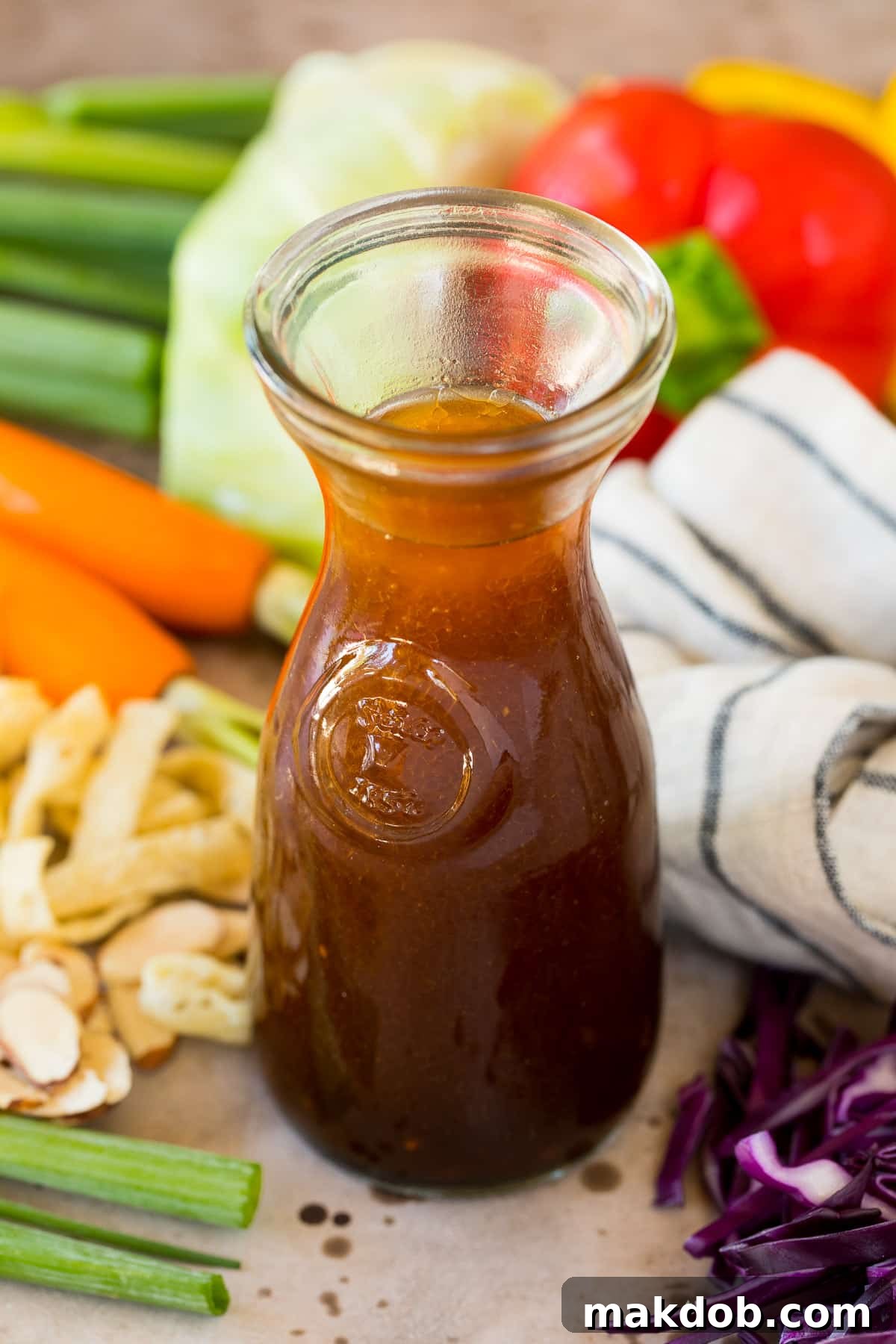
Mastering the Art of Asian Salad Dressing: Your Homemade Secret to Flavorful Meals
Embark on a culinary journey with a vibrant, homemade Asian salad dressing that promises to transform any dish from ordinary to extraordinary. This exquisite blend of soy sauce, tangy rice vinegar, rich hoisin sauce, spicy fresh ginger, and nutty sesame oil strikes a perfect balance between sweet and savory, with delightful umami depth. Forget bland, store-bought alternatives; this recipe is not only incredibly easy to make in mere minutes but also versatile enough to elevate everything from crisp green salads to succulent grilled vegetables, and even act as a dynamic marinade for proteins. Discover the simple pleasure of crafting your own dressings and unlock a world of fresh, authentic flavors right in your kitchen.
There’s a distinct satisfaction in creating your own condiments, especially when the results far surpass anything you can find on supermarket shelves. This particular Asian-style dressing has become a staple in my fridge, always at the ready to enhance meals like Chinese chicken salad, refreshing Asian slaw, or a light and invigorating ahi tuna salad. Having a jar of this flavorful dressing on hand makes healthy, delicious weeknight dinners incredibly effortless.
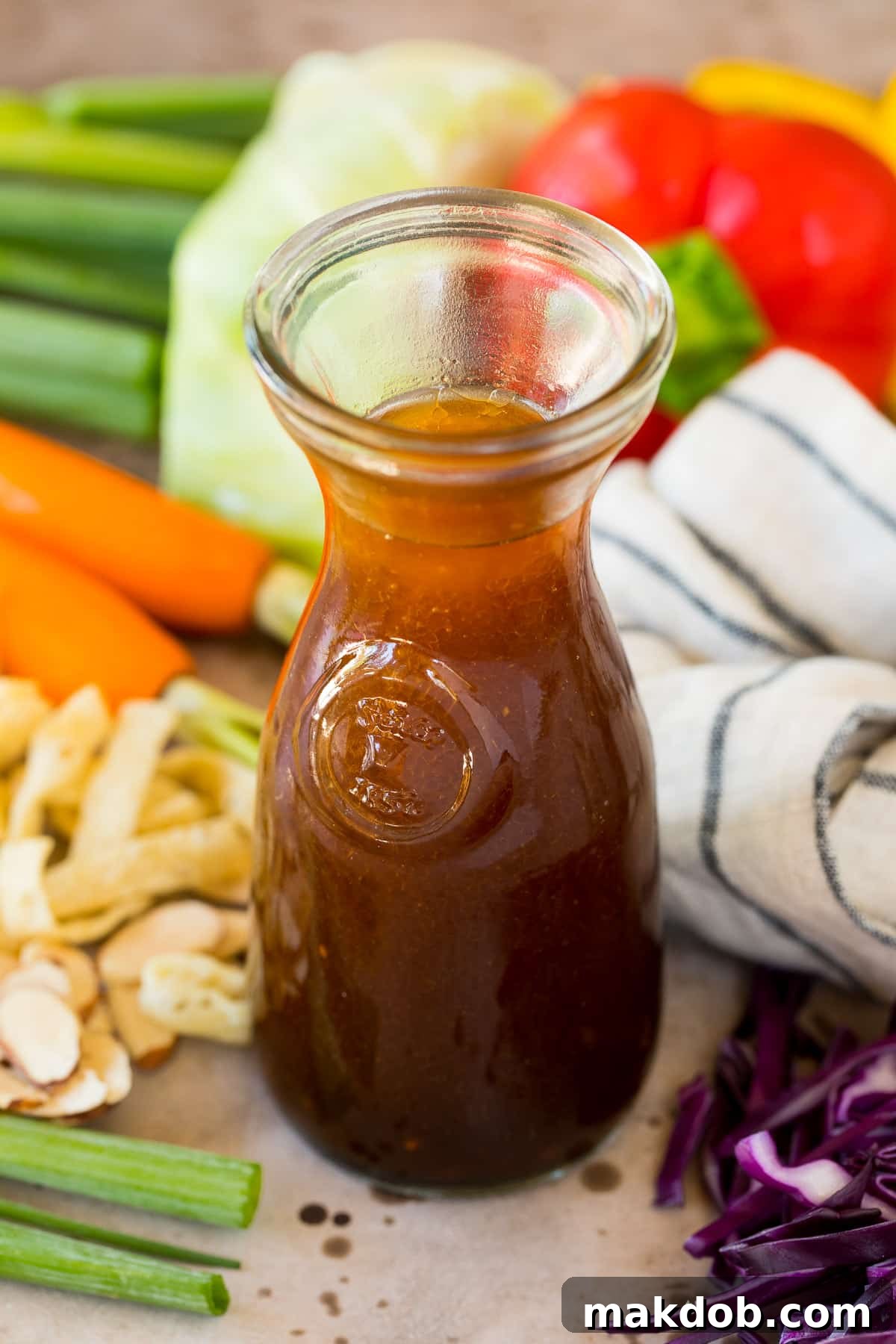
Why Homemade Asian Salad Dressing is a Game Changer
The difference between homemade and store-bought salad dressings is truly remarkable. While commercially produced dressings often rely on artificial flavors, excessive sugars, and a list of preservatives, making your own grants you complete control over the quality and freshness of ingredients. This not only results in a superior taste profile but also ensures a healthier option for you and your family.
My kitchen is a haven for a variety of homemade dressings, from classic Italian dressing to a sophisticated balsamic vinaigrette. This particular Asian dressing stands out for its incredible flavor and the sheer speed of its preparation. In less than 10 minutes, you can have a batch ready, packed with an irresistible sweet and savory punch that will revolutionize your salads and more. The vibrant notes of ginger and the richness of hoisin create a depth of flavor that a bottled dressing simply cannot replicate. Plus, it’s a cost-effective way to enjoy gourmet-quality dressing without the premium price tag.
Unveiling the Flavor Profile: Key Ingredients in Your Asian Dressing
The magic of this Asian salad dressing lies in its carefully selected components, each contributing a unique element to the overall symphony of flavors. Understanding these ingredients will help you appreciate the depth and balance of the final product.
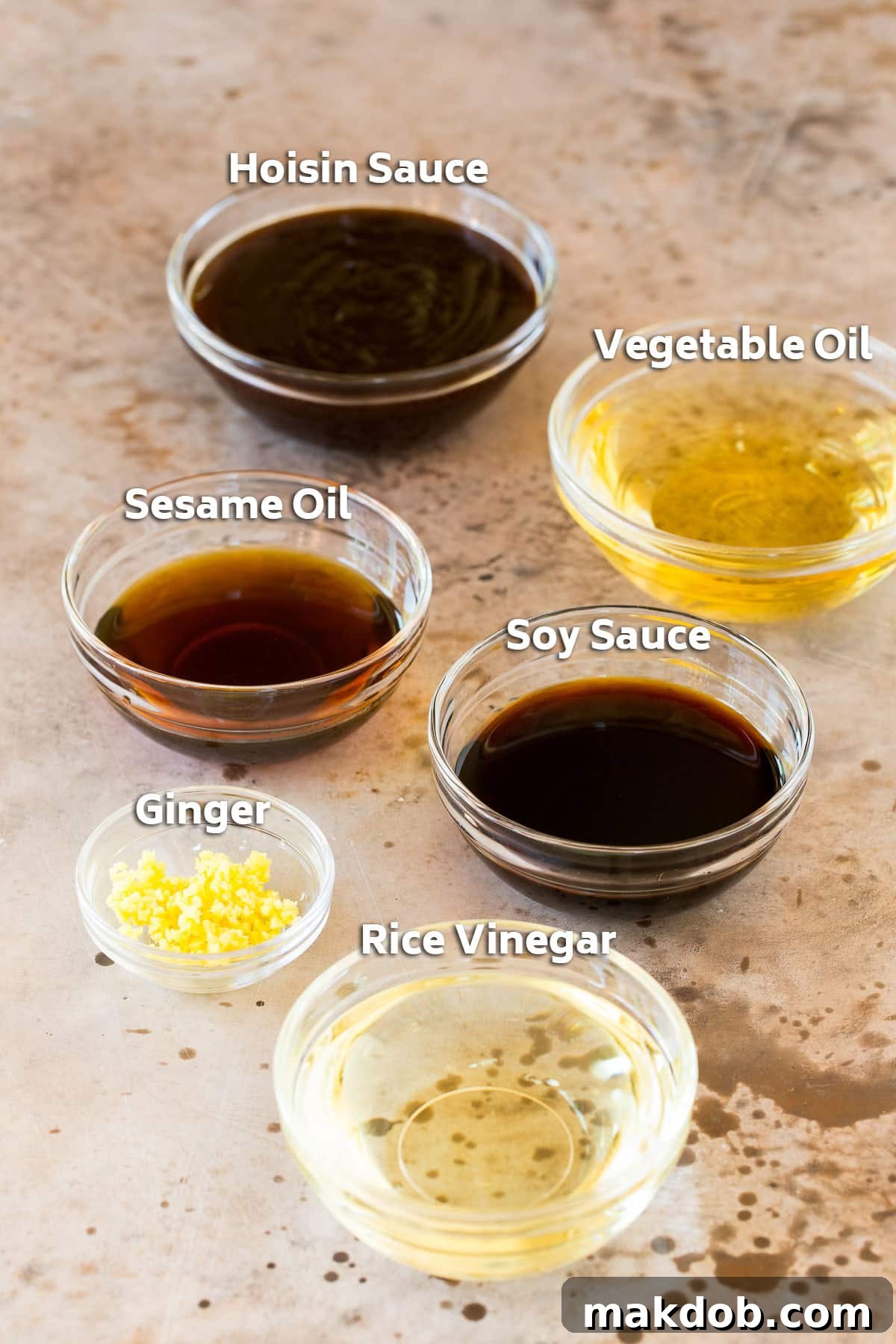
This irresistible recipe calls for a foundation of:
- **Vegetable Oil:** Serving as the neutral base, vegetable oil helps to emulsify the dressing, carrying the flavors and creating a smooth, cohesive texture.
- **Rice Vinegar:** This essential ingredient provides a delicate, clean acidity that brightens the dressing and cuts through the richness, balancing the sweeter components.
- **Hoisin Sauce:** A thick, sweet, and savory Chinese barbecue sauce, hoisin is the backbone of this dressing’s unique Asian flavor profile. It adds depth, umami, and a beautiful glazed quality. You can typically find it in the international foods aisle of most major grocery stores.
- **Soy Sauce:** A fundamental ingredient in Asian cuisine, soy sauce contributes significant umami and savory notes. For those monitoring sodium intake, a low-sodium soy sauce can be a great alternative without sacrificing flavor.
- **Fresh Ginger:** Finely grated fresh ginger introduces a pungent, warm, and slightly spicy kick, along with an aromatic zest that is quintessential to Asian flavors. Always peel your ginger before grating to avoid bitterness from the skin.
- **Toasted Sesame Oil:** This is a non-negotiable ingredient for an authentic Asian dressing. Unlike regular sesame oil, the toasted variety boasts a deep, nutty aroma and flavor that acts as a powerful finishing note. It’s usually located near other Asian condiments in the international foods section.
Crafting Your Signature Asian Salad Dressing: A Simple How-To
Creating this flavorful dressing is astonishingly straightforward, requiring minimal effort for maximum impact. Whether you prefer whisking in a bowl or shaking in a jar, the process is quick and foolproof.
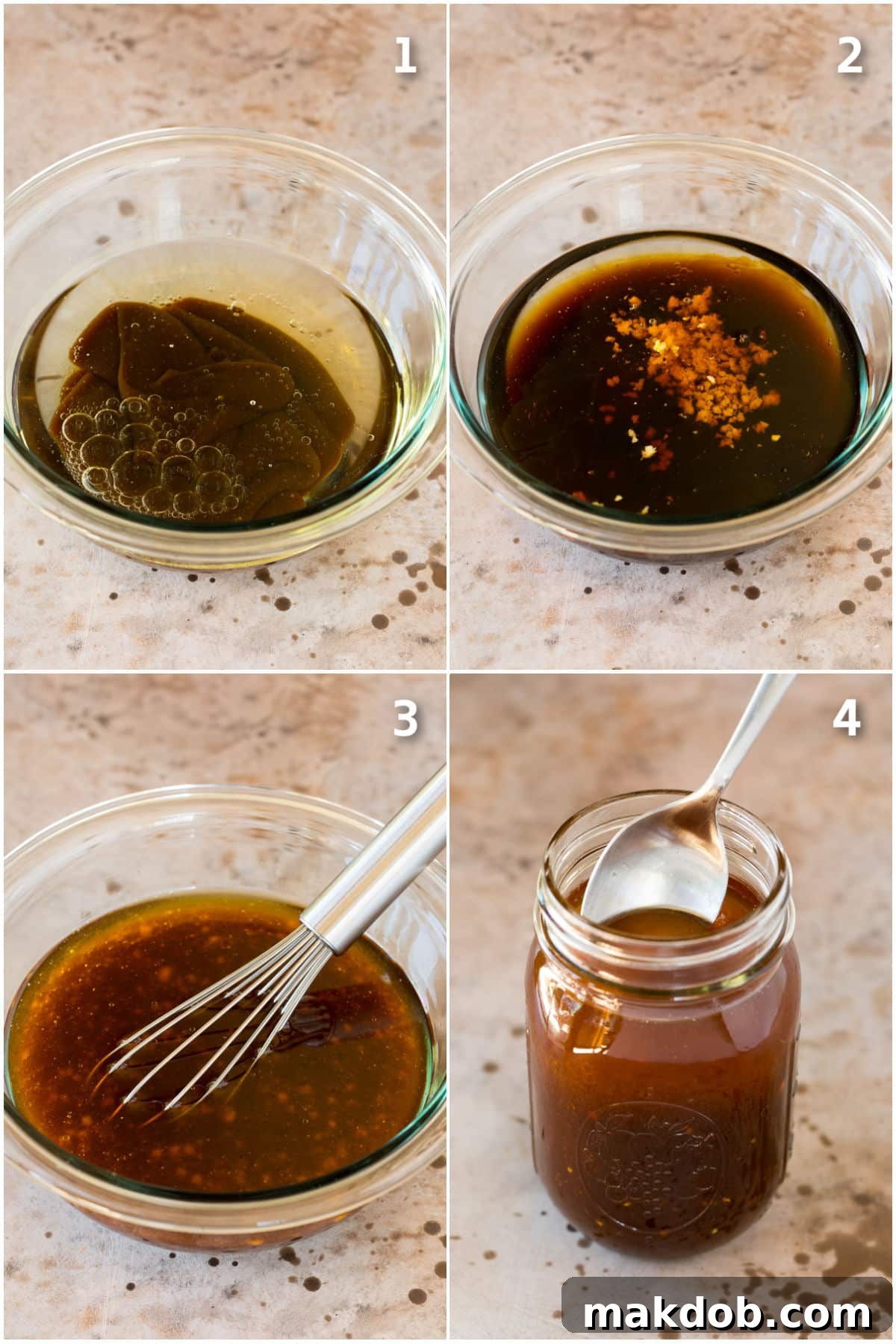
Simply gather all your measured dressing ingredients and place them into either a mixing bowl or a wide-mouth jar. If you opt for a bowl, thoroughly whisk everything together until all components are beautifully combined and emulsified. For those using a jar, securely seal it with a lid and shake vigorously until the mixture is uniform. The dressing is ready to be used immediately, or you can refrigerate it for later enjoyment. A quick shake or whisk before each use will restore its perfect consistency if ingredients separate during storage.
Expert Tips for an Unforgettable Dressing Experience
To ensure your homemade Asian salad dressing reaches its full potential, consider these helpful tips:
- **Ingredient Quality Matters:** The fresher your ginger and the higher quality your soy sauce and hoisin, the more profound the flavor of your dressing will be.
- **Mastering Hoisin Sauce:** Hoisin is a key player, providing a unique sweet and savory depth. It’s widely available in the international foods aisle, so don’t skip it!
- **Ginger Preparation:** Always peel fresh ginger before grating. Use a box grater or microplane for the finest texture, which ensures its flavor is evenly distributed without large chunks.
- **Toasted vs. Regular Sesame Oil:** For that authentic, rich, nutty aroma, always reach for *toasted* sesame oil. It has a significantly more pronounced flavor than its untoasted counterpart, and is usually found alongside other specialty oils or in the international aisle.
- **Adjusting for Saltiness:** If you’re sensitive to salt, using a low-sodium soy sauce is a simple and effective adjustment. You can always add a pinch more salt at the end if needed.
- **Sweetness & Acidity Balance:** Taste your dressing! If you prefer it sweeter, add a touch of honey or a pinch of sugar. If you desire more tang, a splash more rice vinegar will do the trick.
- **Emulsification:** For a truly smooth dressing, whisk or shake until the oil is fully integrated with the other liquids. This prevents separation and ensures every spoonful delivers a balanced flavor.
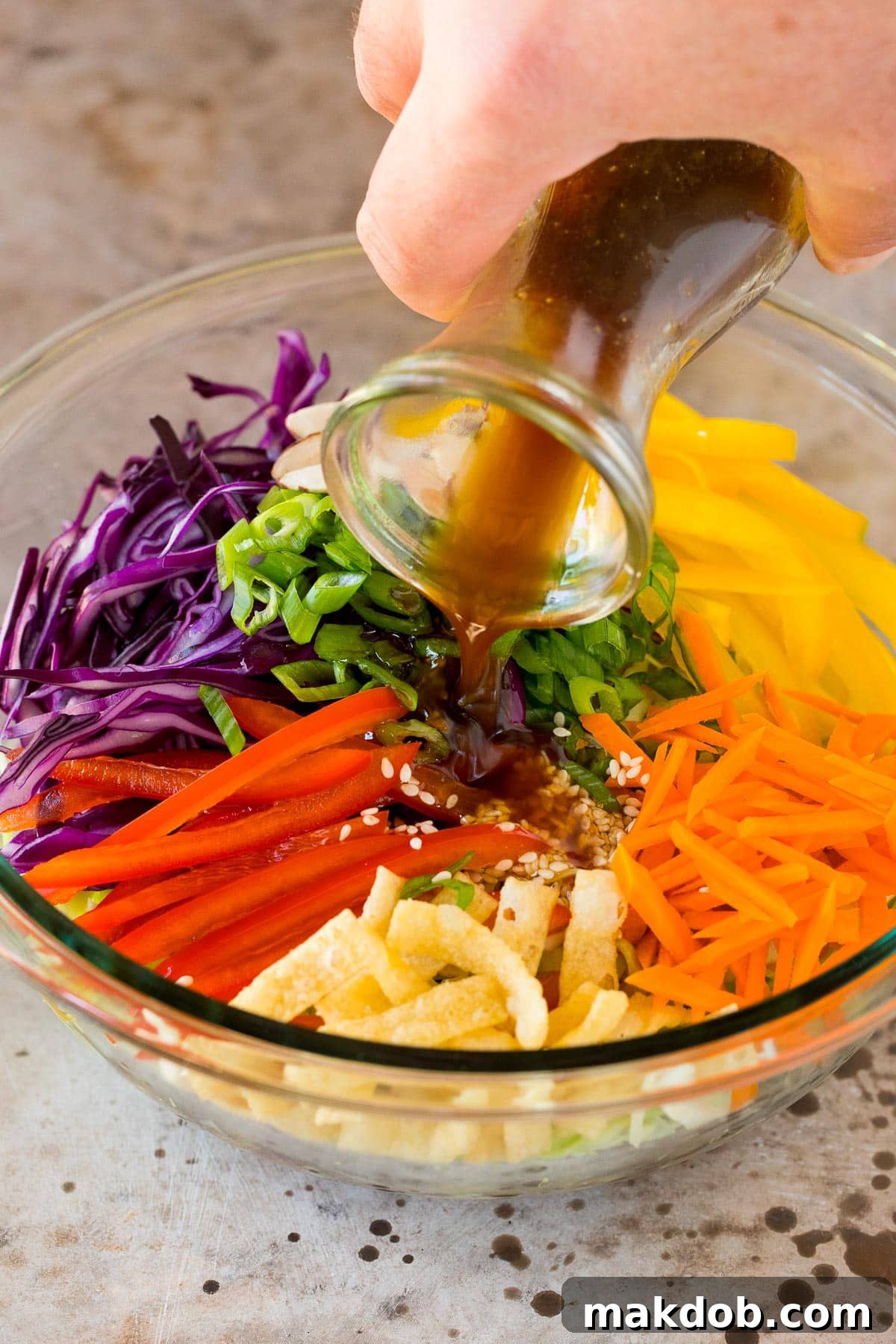
Frequently Asked Questions About Asian Salad Dressing
What is Asian salad dressing typically made of?
Asian salad dressings commonly feature a base of soy sauce and sesame oil, along with other complementary ingredients such as rice vinegar for tang, a sweetener like sugar or honey, and aromatic elements such as fresh ginger or garlic.
How long does homemade Asian salad dressing last in the fridge?
This homemade salad dressing maintains its freshness and vibrant flavor for up to 5 days when stored properly in an airtight container in the refrigerator. If you notice any separation of ingredients during storage, simply give it a good shake or whisk thoroughly before serving to recombine.
Beyond the Bowl: Creative Ways to Use Your Asian Salad Dressing
The versatility of this Asian dressing extends far beyond just salads, making it a valuable addition to your culinary repertoire. Get creative with these serving suggestions:
- **Elevate Your Salads:** Transform simple mixed greens or a crunchy cabbage slaw into an Asian-inspired masterpiece. Enhance it further with ingredients like shredded carrots, crispy wonton strips, chow mein noodles, creamy avocado, thinly sliced red onion, and toasted almonds or cashews.
- **Drizzle Over Grilled Vegetables:** Bring a new dimension to your grilled asparagus, zucchini, bell peppers, or corn. A generous drizzle of this dressing after grilling, garnished with sesame seeds and fresh green onions, creates a truly irresistible side dish.
- **Flavorful Stir-Fries:** Integrate a few spoonfuls of this dressing towards the end of cooking your favorite stir-fry. It adds a burst of sweet, savory, and umami flavor to a medley of cooked meat and vegetables, tying all the components together beautifully.
- **Dynamic Marinade:** This dressing makes an exceptional marinade! Place boneless, skinless chicken breasts, flank steak, shrimp, or even firm tofu in a bag with the dressing. Marinate for at least 30 minutes (or up to 4 hours for deeper flavor), then grill, bake, or pan-fry as desired. For an extra boost of flavor, drizzle a little more dressing over the cooked protein just before serving.
- **Delectable Dipping Sauce:** Serve it alongside spring rolls, potstickers, chicken skewers, or even fresh vegetable sticks for a flavorful dip.
- **Grain Bowl Booster:** Add a spoonful or two to warm rice, quinoa, or farro bowls along with your favorite proteins and vegetables for a complete and satisfying meal.
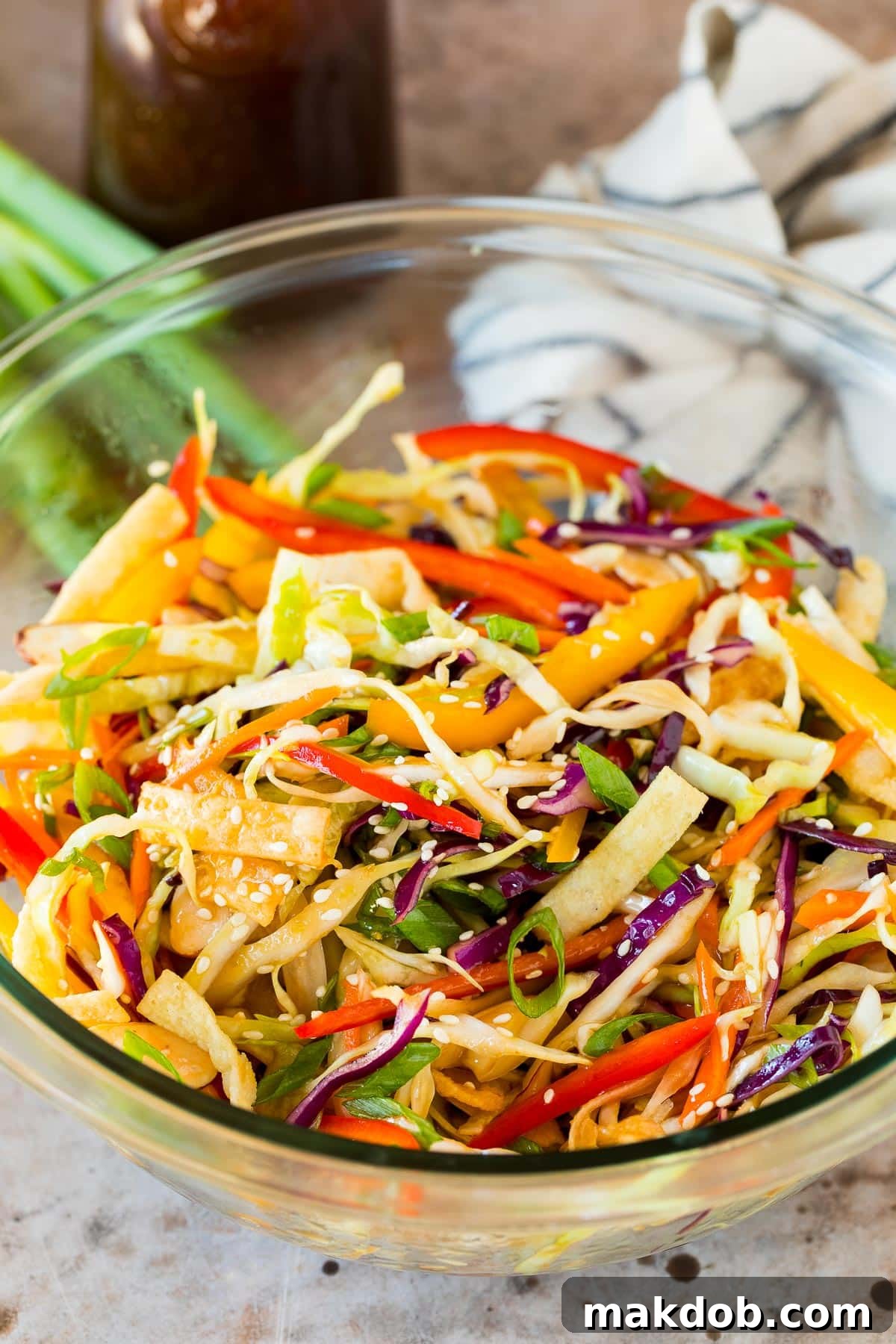
Customize Your Creation: Exciting Flavor Variations
One of the joys of homemade dressing is the freedom to customize. Feel free to experiment with these ideas to tailor the dressing to your personal taste preferences:
- **Fresh Herb Infusion:** Elevate the fresh notes by incorporating finely chopped fresh herbs such as cilantro, chives, mint, or even a hint of Thai basil.
- **Amp Up the Umami:** For an even richer taste, consider adding a dash of fish sauce (nam pla) or a tiny bit of miso paste.
- **Aromatic Mix-Ins:** Introduce extra depth with sesame seeds (toasted for more flavor), fresh minced garlic (or garlic powder for convenience), or a tiny dollop of smooth peanut butter for a creamy, Thai-inspired twist.
- **Kick Up the Heat:** If you appreciate a little spice, stir in sriracha, chili garlic sauce, or a pinch of crushed red pepper flakes to taste. Start small and add more until you reach your desired level of heat.
- **Citrus Zing:** A squeeze of fresh lime juice or a touch of orange zest can add a bright, refreshing dimension, particularly good for seafood or lighter salads.
- **Sweetness Adjustment:** While hoisin provides sweetness, you can enhance it further with a teaspoon of honey, maple syrup, or a dash of brown sugar if you prefer a sweeter profile.
This Asian salad dressing is more than just a condiment; it’s a versatile flavor enhancer that effortlessly transforms ordinary ingredients into something truly special and memorable. Its ease of preparation and customizable nature make it a perfect addition to any home cook’s repertoire.
More Asian-Inspired Recipes to Explore
If you love the flavors of this dressing, you’re sure to enjoy these other delightful Asian-inspired dishes:
- Instant Pot Teriyaki Chicken
- Shrimp Curry
- Yakisoba Noodles with Chicken
- Shrimp Lo Mein
- Seared Ahi Tuna
Asian Salad Dressing
Pin Recipe
Author: Sara Welch
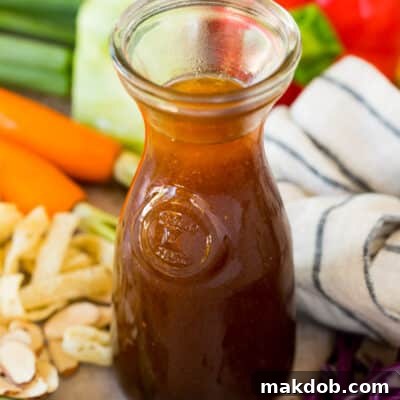
This Asian salad dressing is a blend of soy sauce, rice vinegar, hoisin sauce, ginger and sesame oil that makes for the perfect blend of sweet and savory flavors. It takes just minutes to make and is perfect for an Asian inspired green salad or to drizzle over grilled veggies.
Prep Time: 9 minutes
Cook Time: 1 minute
Total Time: 10 minutes
Course: Sauce
Cuisine: Asian
Serves: 8 servings
Ingredients
- 1/4 cup vegetable oil
- 1/3 cup rice vinegar
- 1/3 cup hoisin sauce
- 2 tablespoons soy sauce
- 1 1/4 teaspoons fresh ginger, finely grated
- 2 tablespoons toasted sesame oil
Instructions
- Place all of the ingredients in a bowl or a jar.
- If you’re using a bowl, whisk until everything is combined.
- If you’re using a jar, put a lid on the jar and shake well.
- Use right away, or cover and refrigerate for up to 5 days.
Notes
- Hoisin sauce is a sweet and savory Asian condiment that adds a lot of flavor to the dressing. It can be found in the international foods aisle of almost all grocery stores.
- You can use a box grater or microplane to finely grate your ginger, don’t forget to peel it first!
- This dressing will stay fresh in the refrigerator for up to 5 days.
Nutrition
Calories: 120kcal | Carbohydrates: 5g | Protein: 1g | Fat: 11g | Saturated Fat: 6g | Polyunsaturated Fat: 2g | Monounsaturated Fat: 2g | Cholesterol: 1mg | Sodium: 437mg | Potassium: 25mg | Fiber: 1g | Sugar: 3g | Vitamin A: 1IU | Vitamin C: 1mg | Calcium: 5mg | Iron: 1mg
Did you make this recipe?
Tag @dinneratthezoo on Instagram and hashtag it #dinneratthezoo